
Following our brief stay in Shanghai, we boarded our next flight for Osaka, Japan! We were all excited to arrive, as Japan was near or at the top of our list of destinations to visit for the whole family (H in particular had been dreaming of it for several years now). We had high expectations for our six weeks of travel, but still weren’t quite sure what to expect for this leg of our journey. Our planned itinerary took us from Osaka to Kyoto, where we would spend a week exploring the palaces and temples of the ancient capital. From Kyoto, we next planned to visit a series of small villages in the Gifu and Kiso prefectures as we walked a section of the iconic Nakasendo Trail, an ancient network of roads and paths that connected Kyoto with what is now Tokyo during the historic Edo Period. From there we planned to move South into the Wakayama Peninsula to Koyasan, then to the small seaside town of Kii Tanabe, where we would embark upon one of our main trekking goals for the year – a seven day trek across the peninsula along the ancient Kumano Kodo pilgrimage route. After completion of the trek, we had several more amazing destinations still to explore, but those will have to wait for part 2 of our trip report!

After an afternoon arrival in Osaka, we took a train from the airport to the city center. The kiddos were on their best behavior, as they had spent months researching appropriate etiquette in Japan, which includes minimizing noise on public transportation! Sonya and I, as parents traveling full-time with two tween-agers, very much looked forward to some mandatory good manners. We navigated the train station to find dinner, and purchased IC cards that would allow us to easily pay for transport and make electronic payments across the country. After spending way too long wandering the streets of downtown Osaka with non-functional GPS on our phones, we settled into our small hotel rooms for the night, where H was so excited to look out at the lights across the big city.



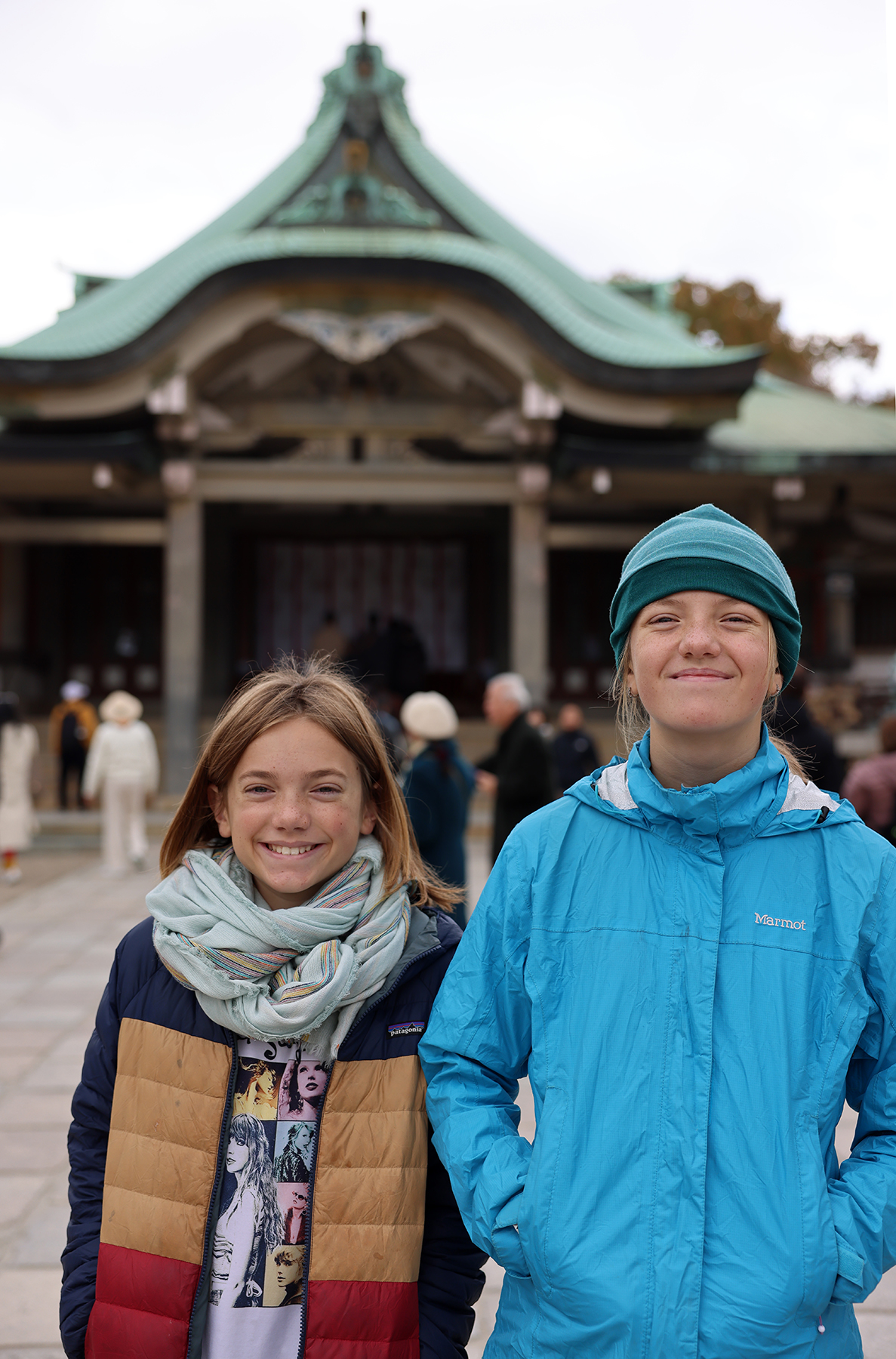
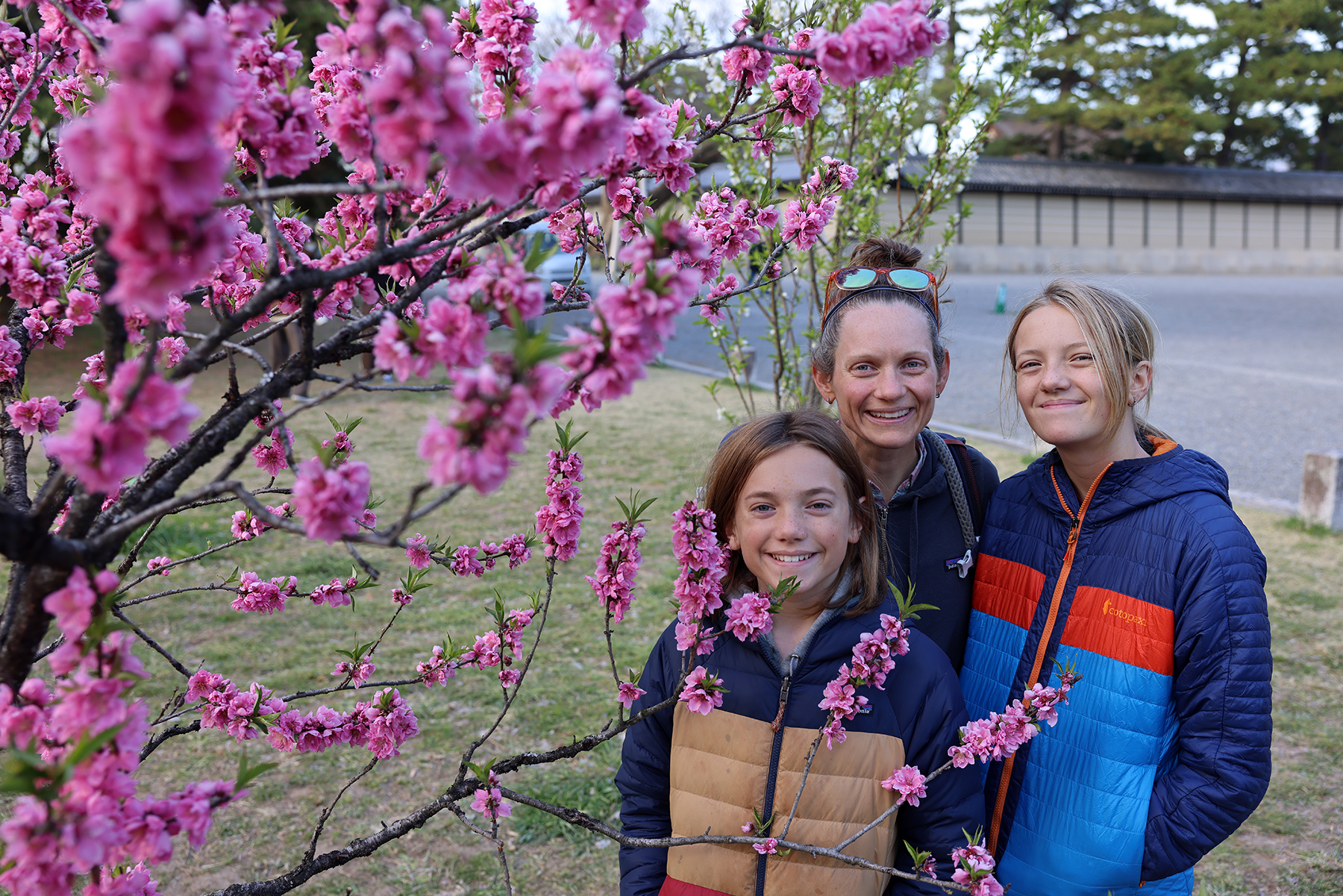
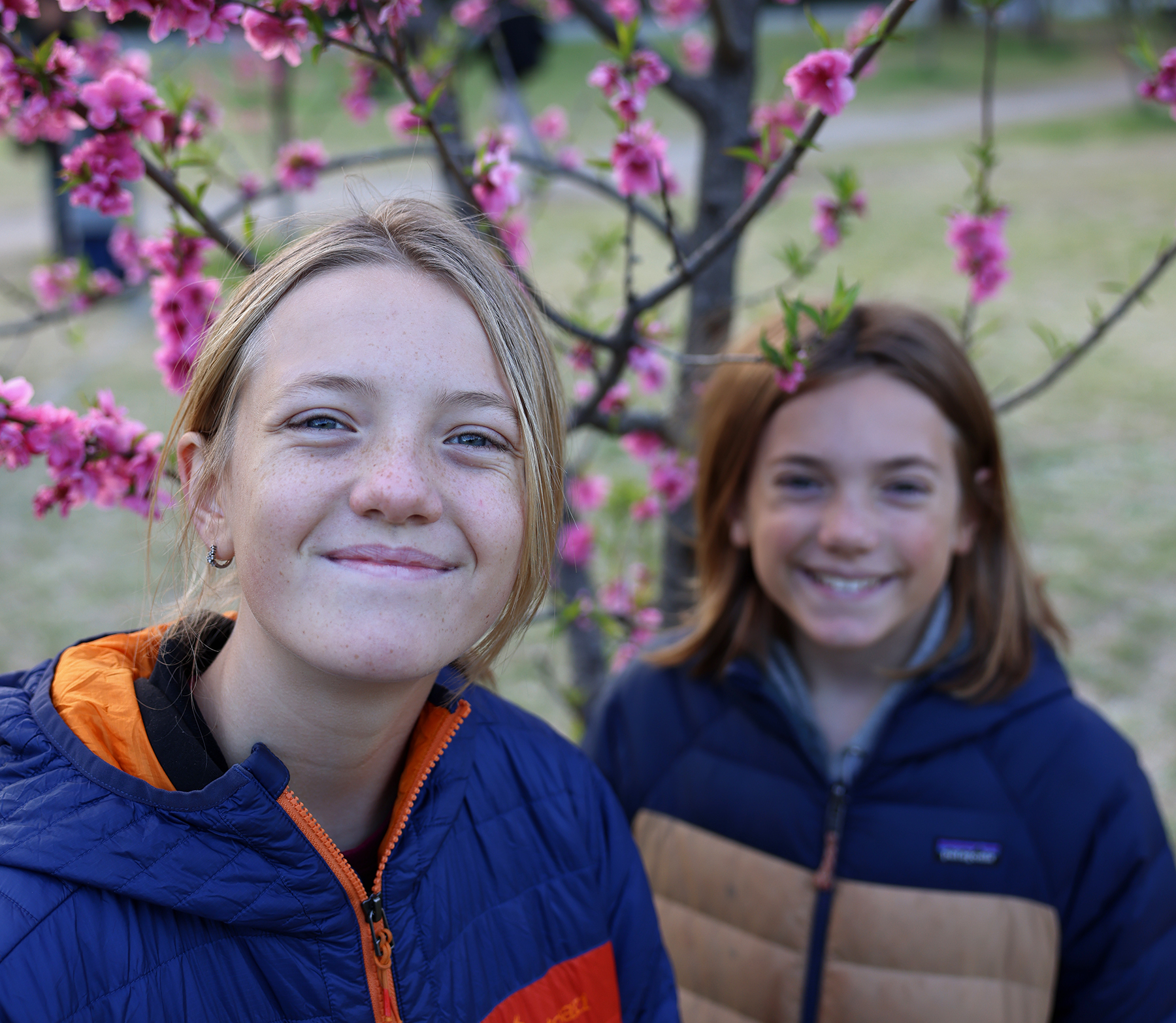

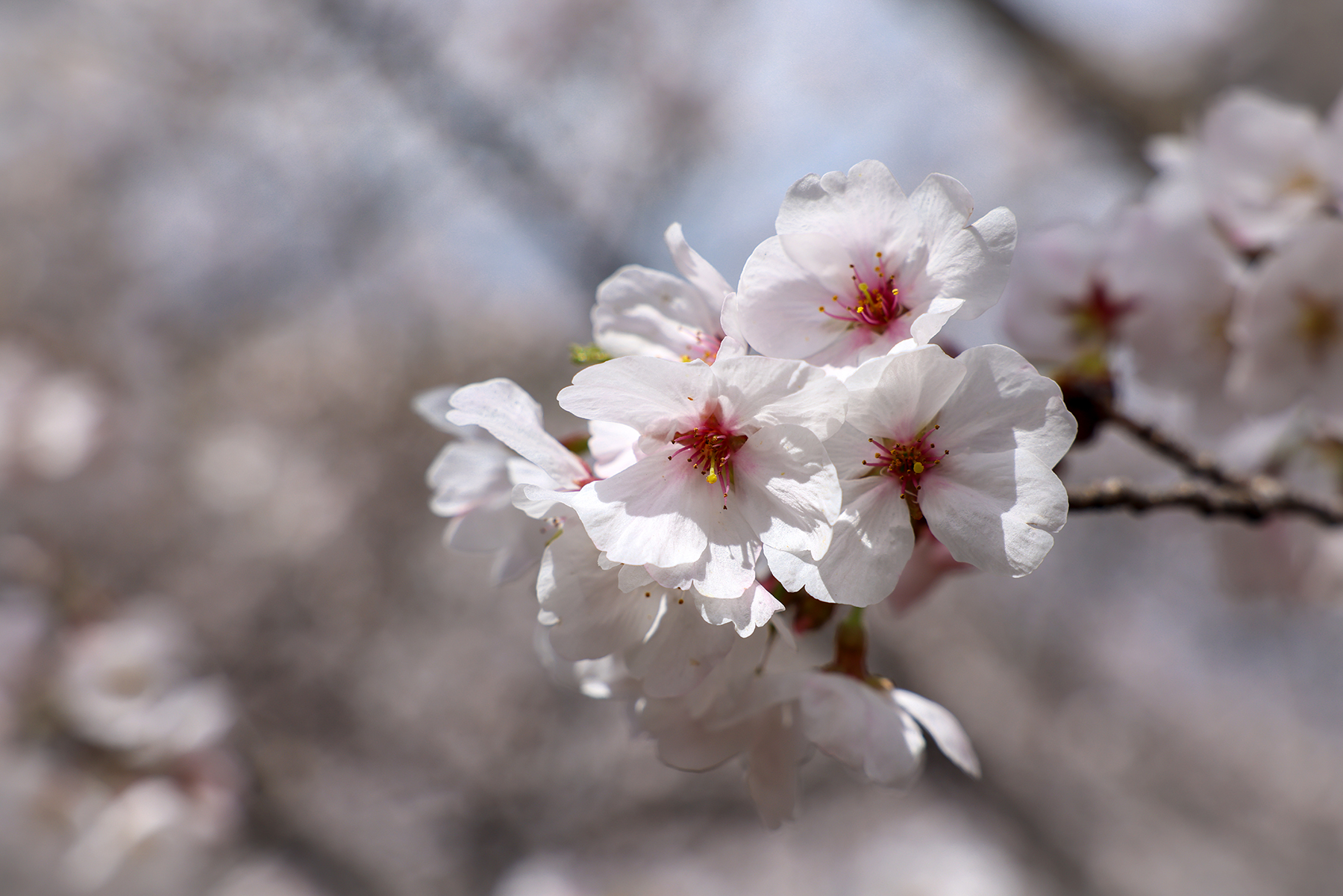
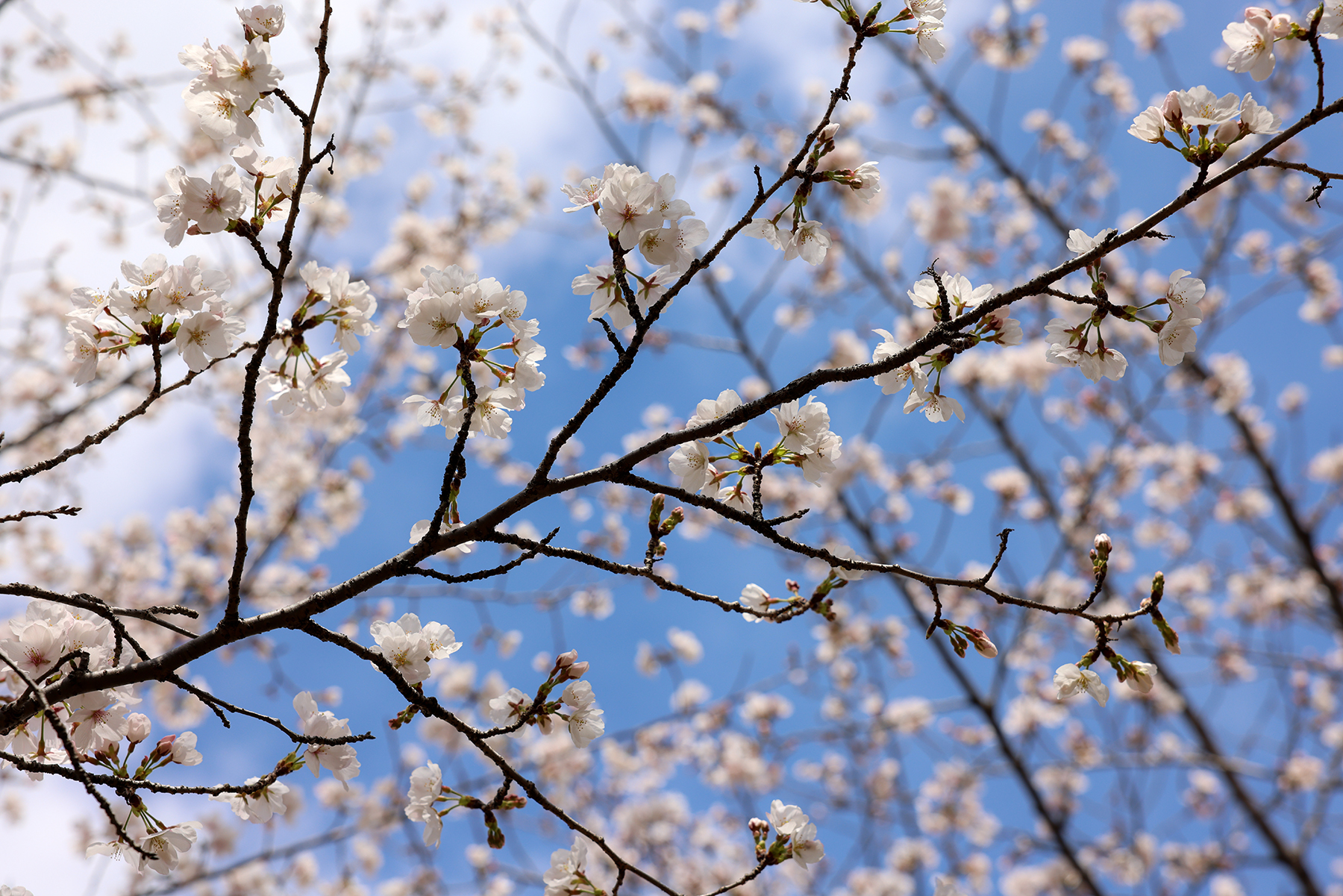

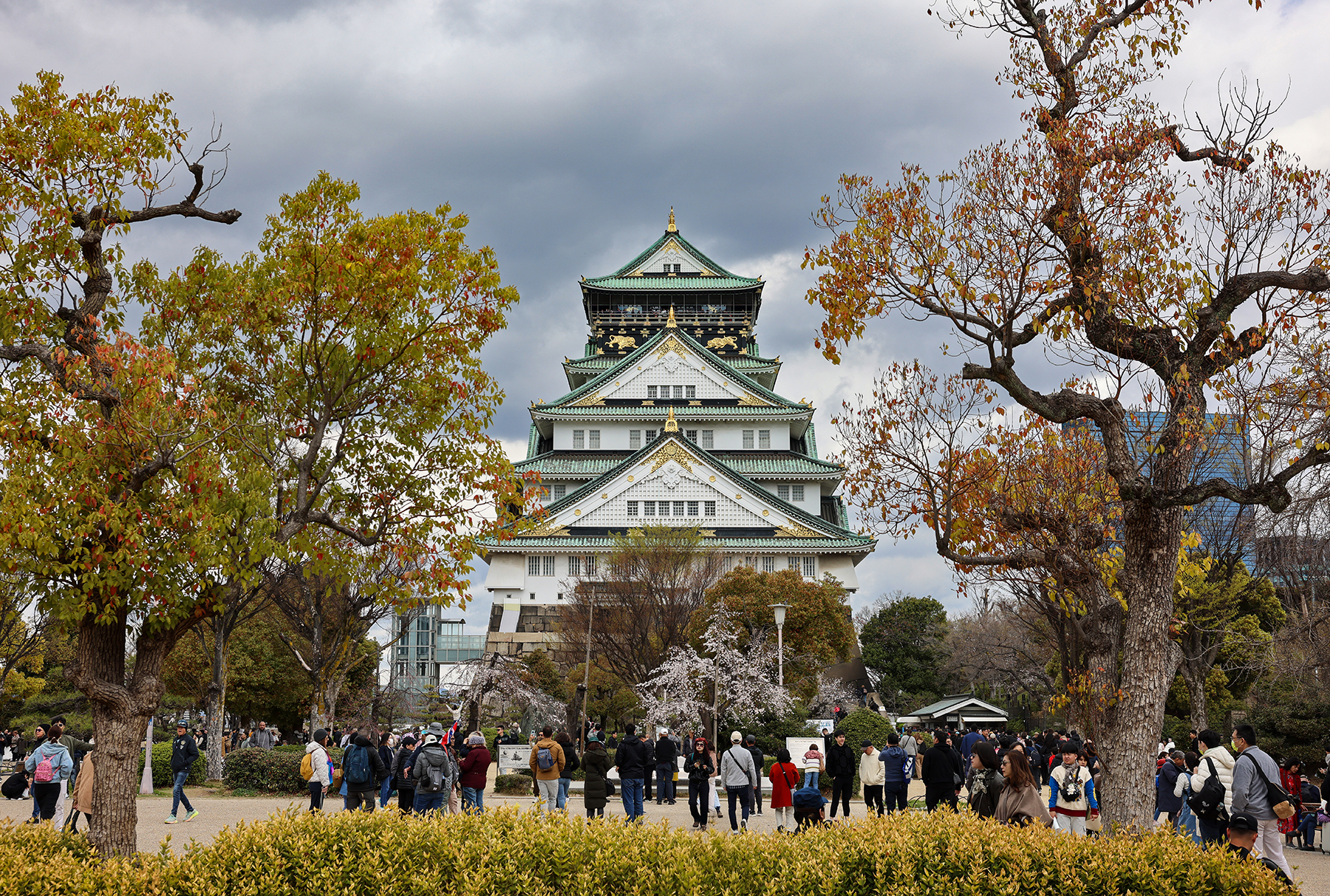
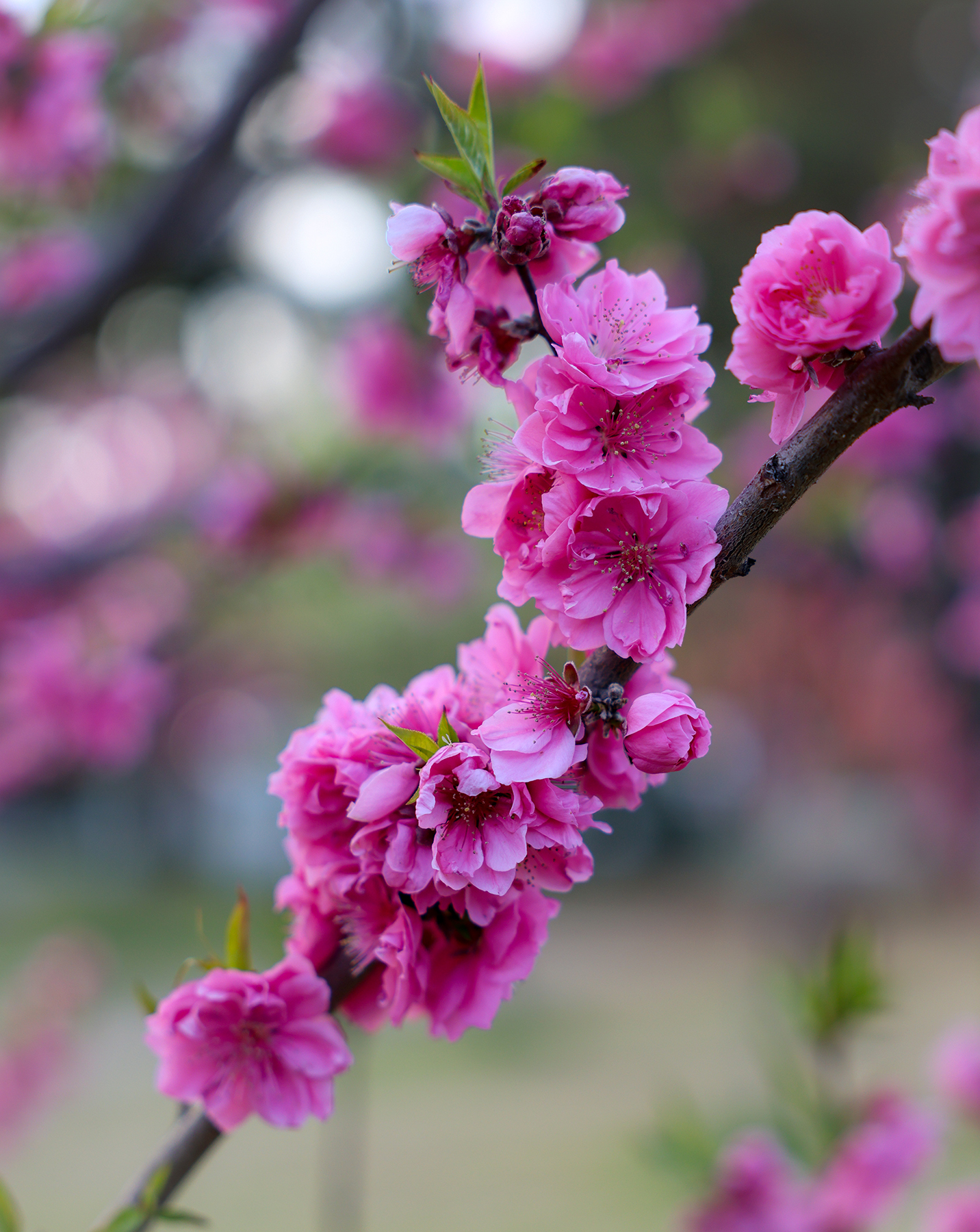
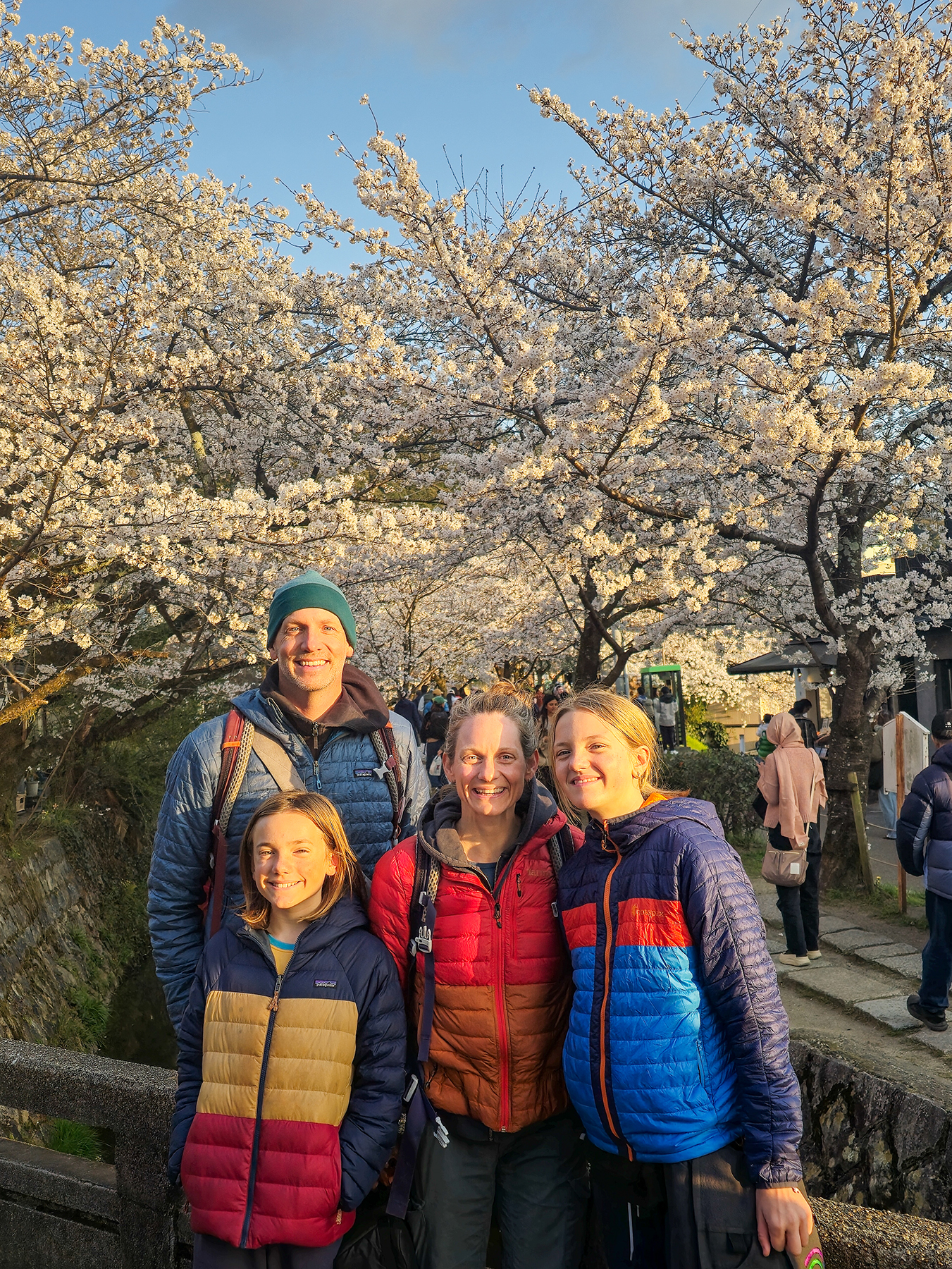
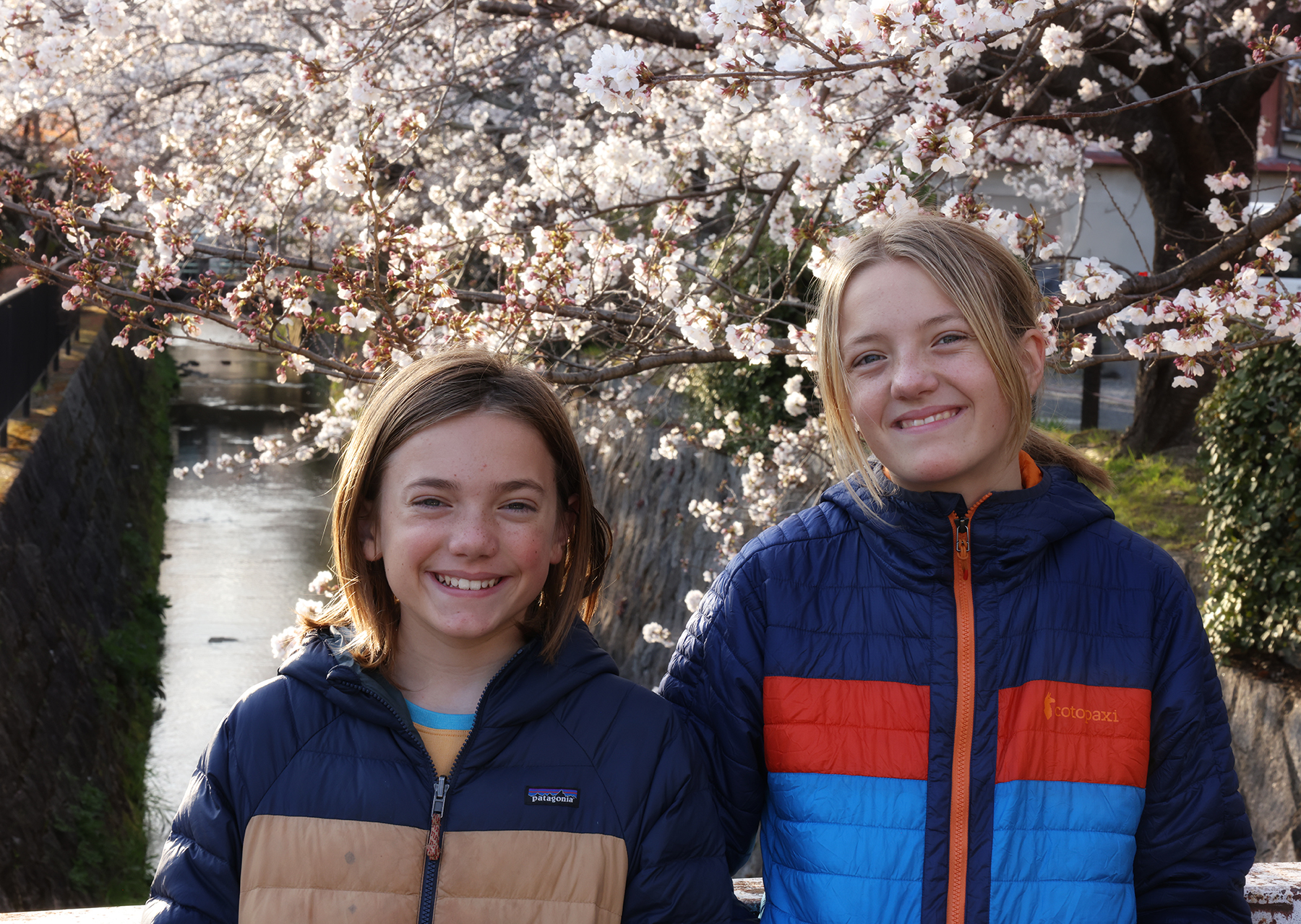
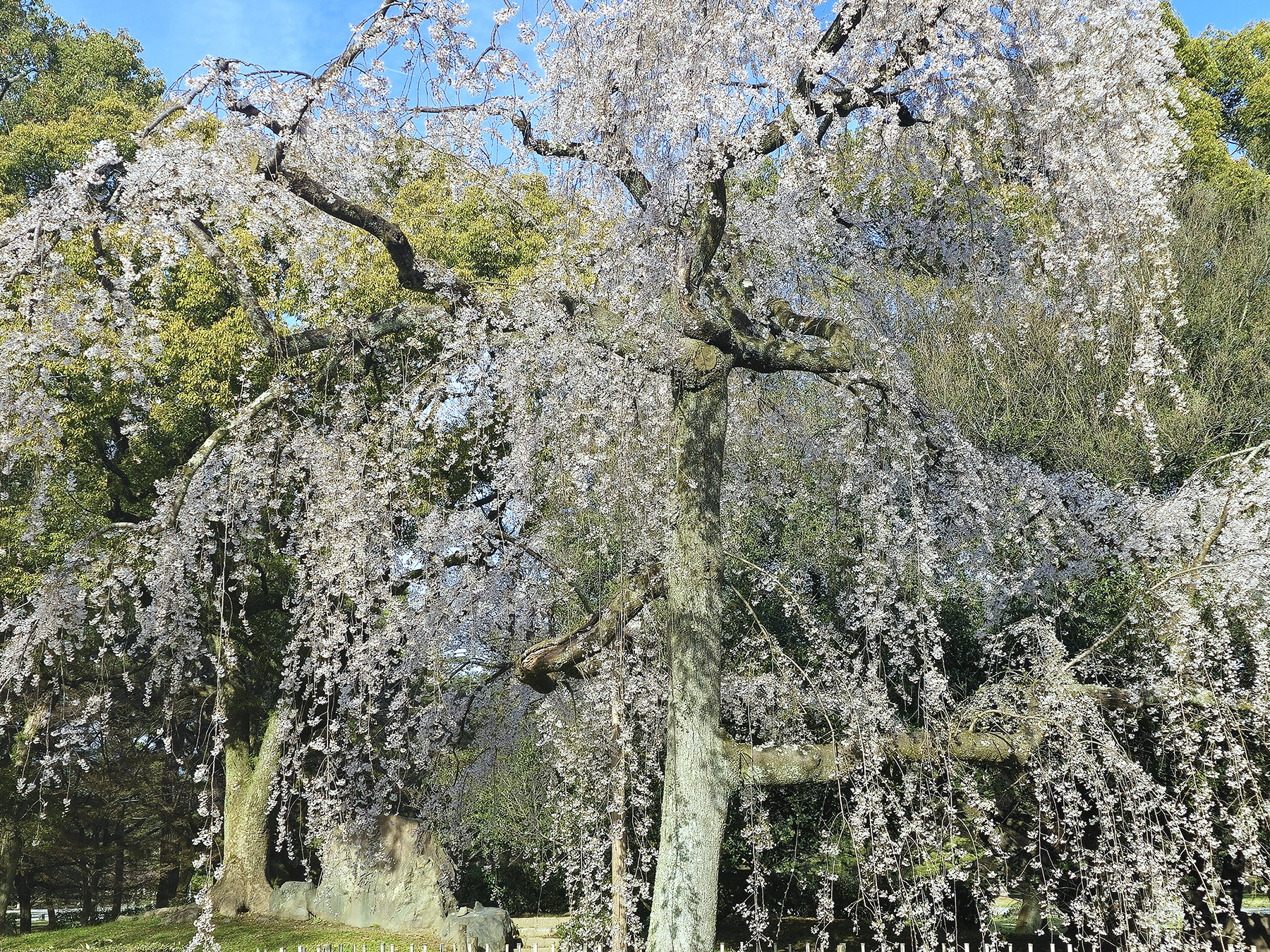
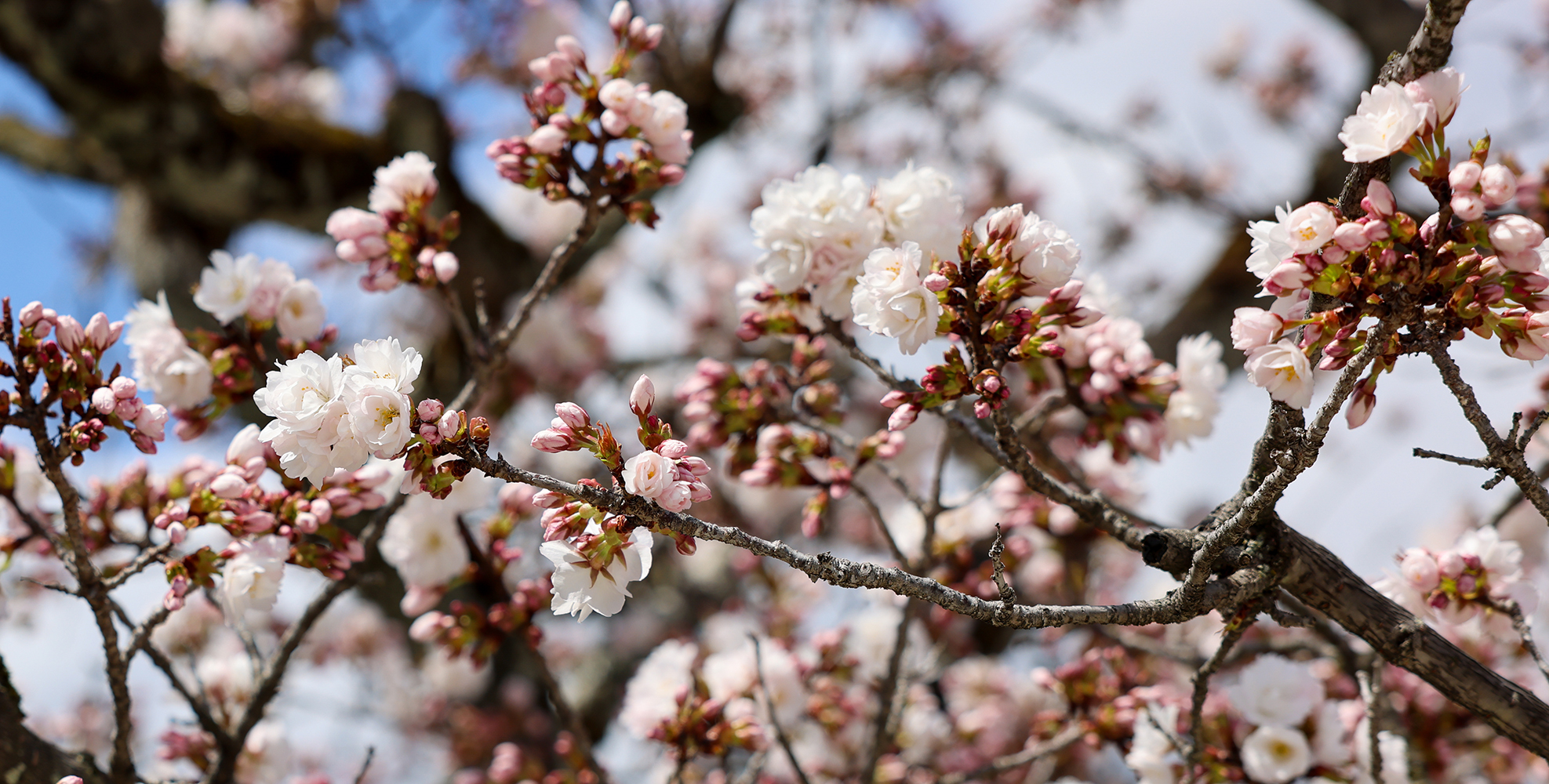
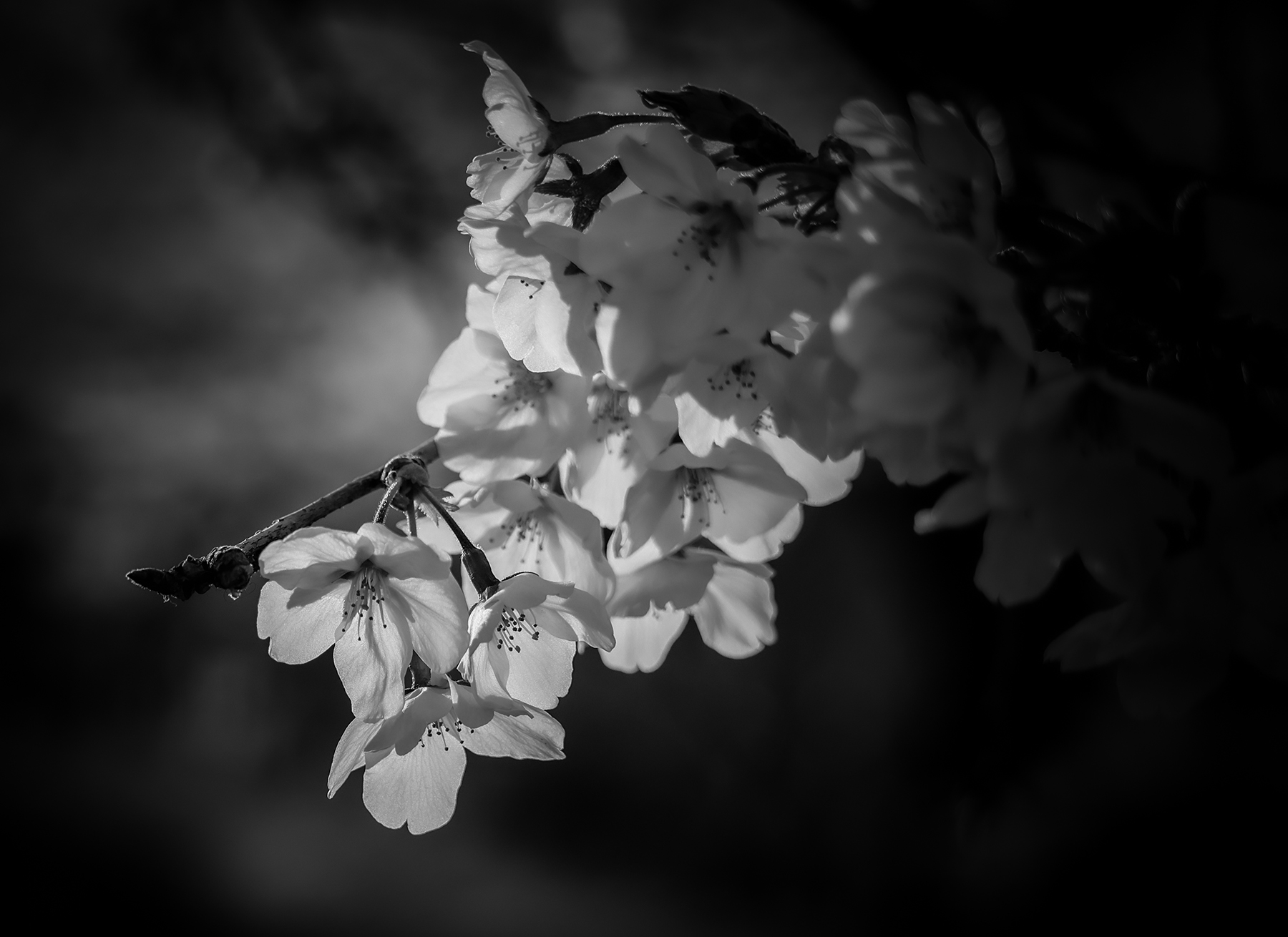
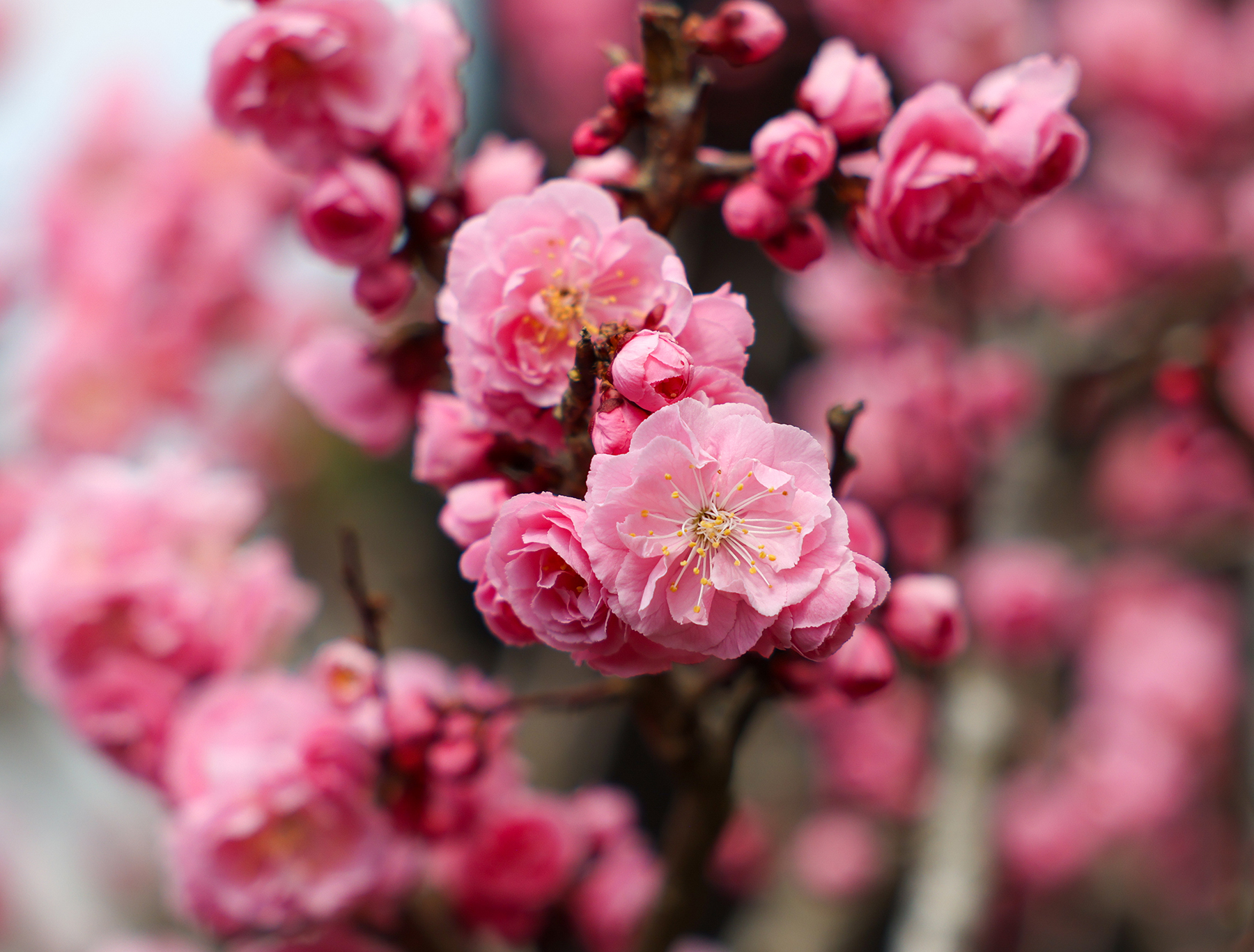
The next day we didn’t have much time to explore Osaka, as we had already scheduled a train voyage into Kyoto. We did however find time in the morning to visit Osaka Castle, where we were excited to find the sakura (cherry blossom) season in full swing! We took the first of what would end up as a million blossom pictures, and thoroughly enjoyed a lunch of a variety of unfamiliar street foods from vendors near the castle. After lunch we headed back to the hotel to collect our bags for our trip to Kyoto!
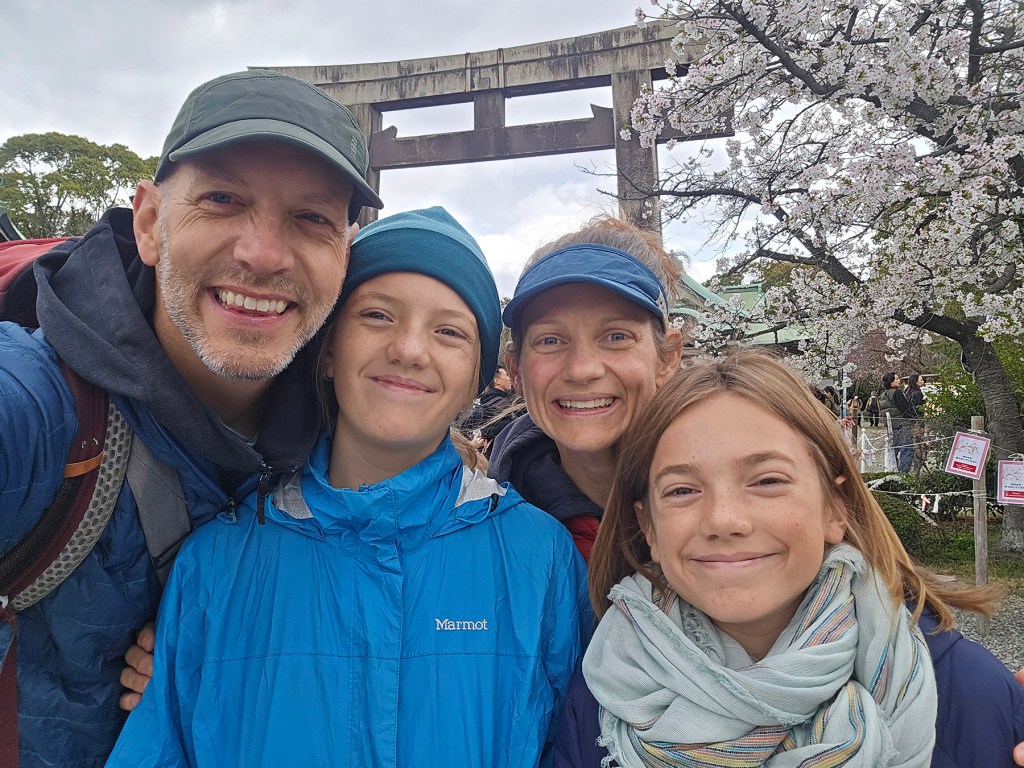
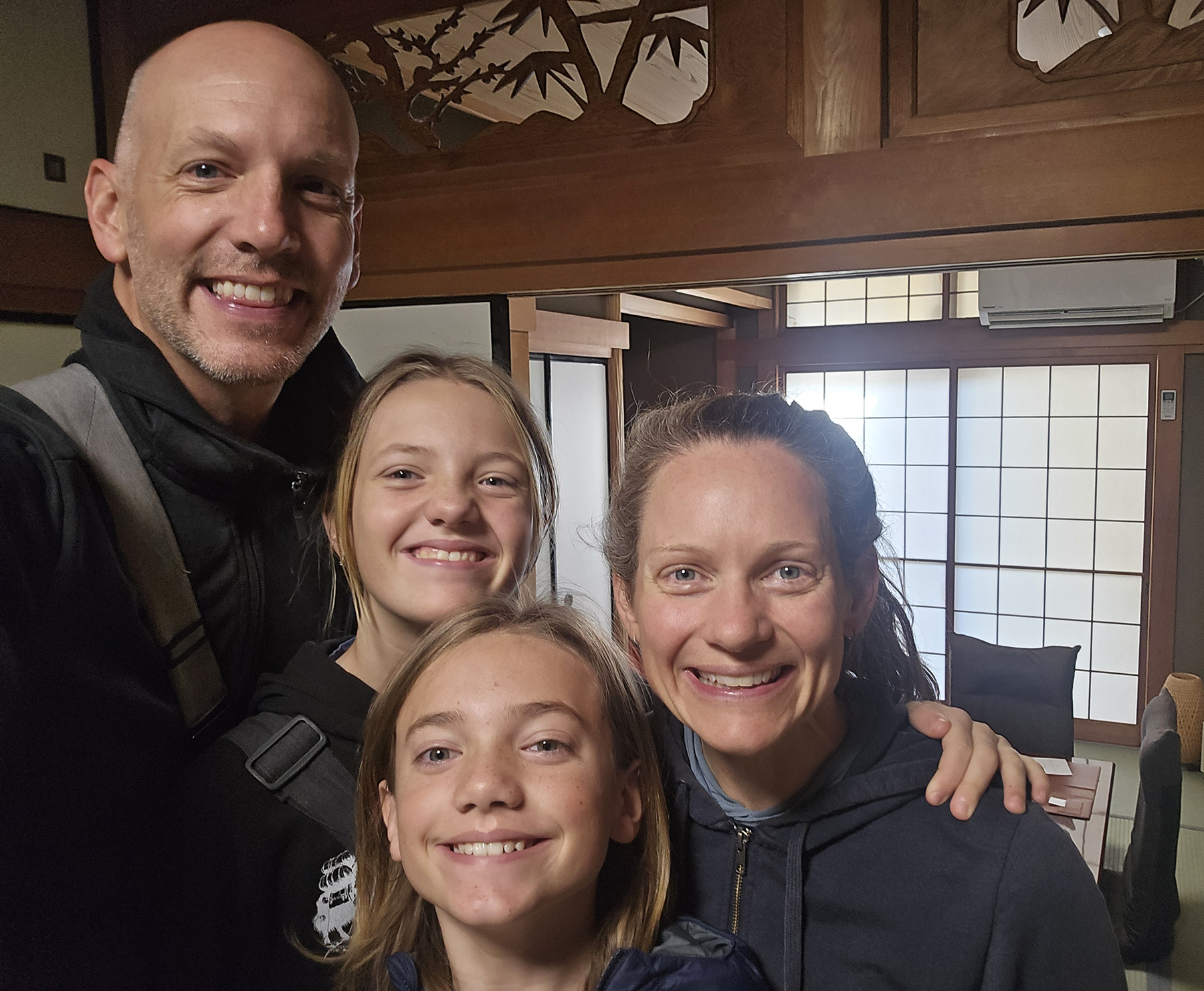
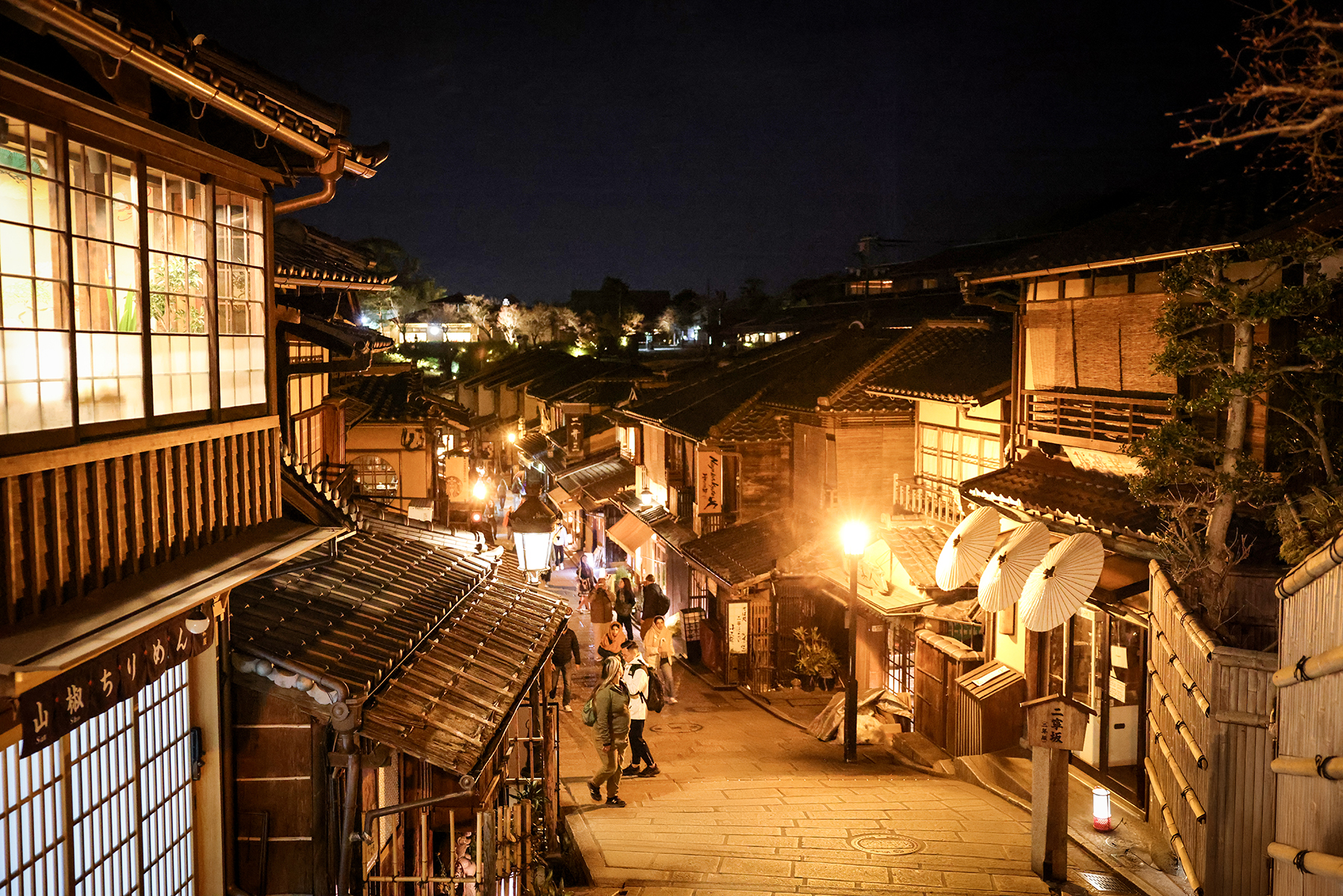
For the next week, our family explored a small selection of the multitude of historic sites in and around Kyoto. Our base was an amazing small rental home near the beautiful Kyoto Gyoen National Garden. We were charmed by the traditional design of our accommodation, complete with sliding shoji screens, tatami mat floors, and shikibuton mattresses. The location was perfect, in a quiet residential area away from the busy tourist areas, and allowed us to explore some amazing local restaurants where the kiddos developed a passion for gyoza and kobe beef skewers!

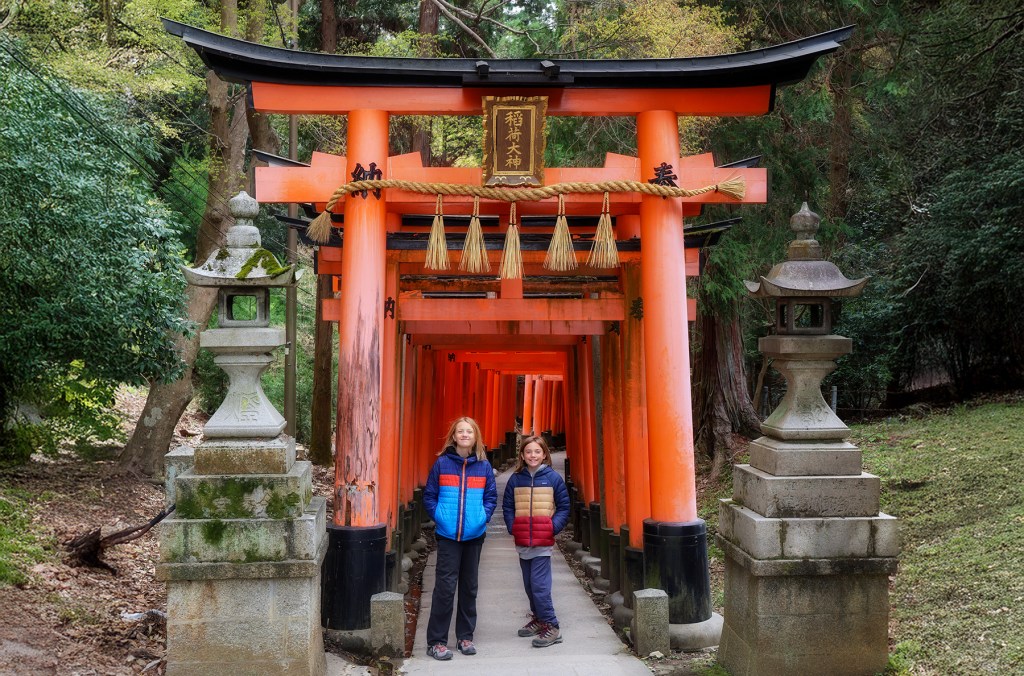
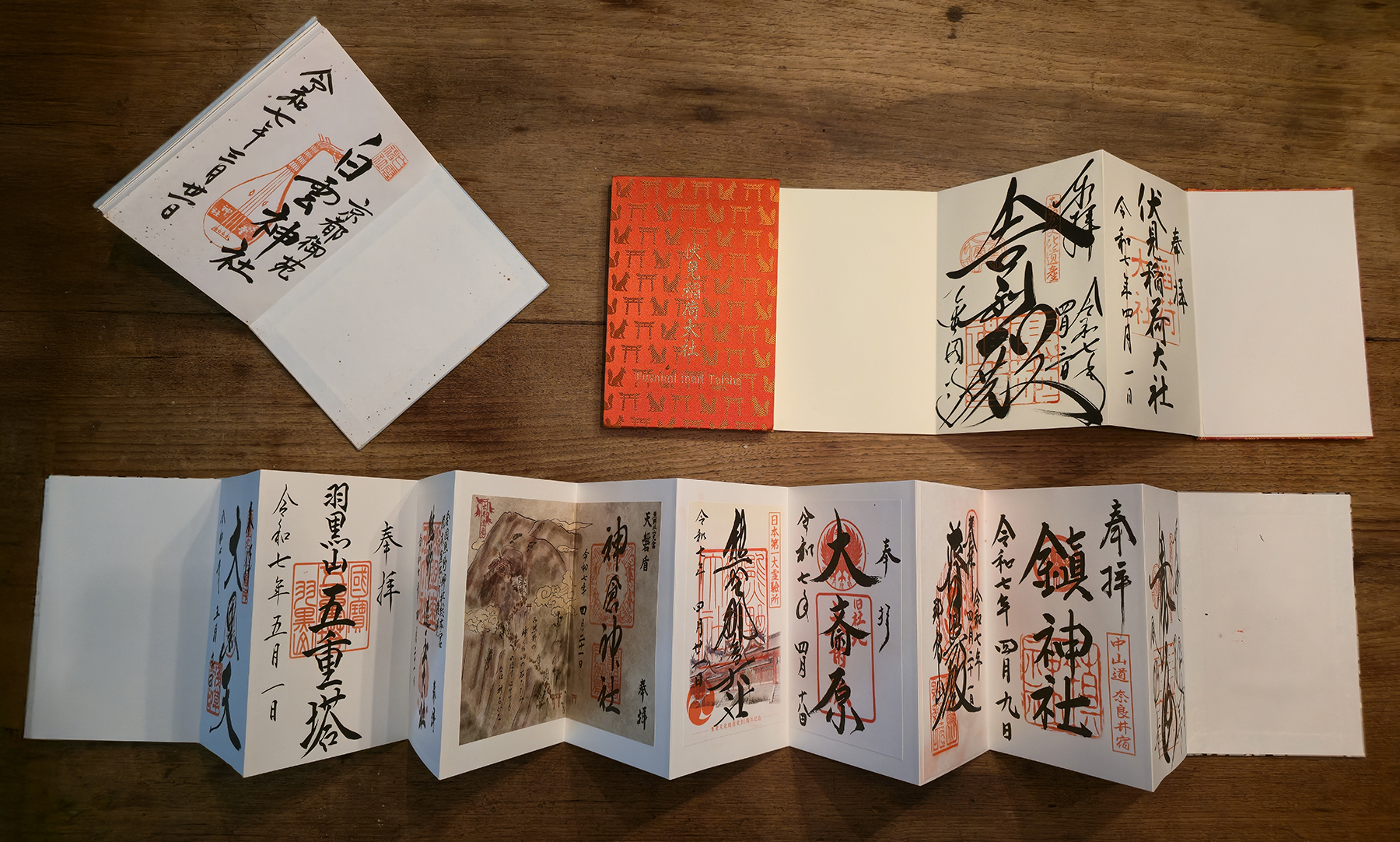
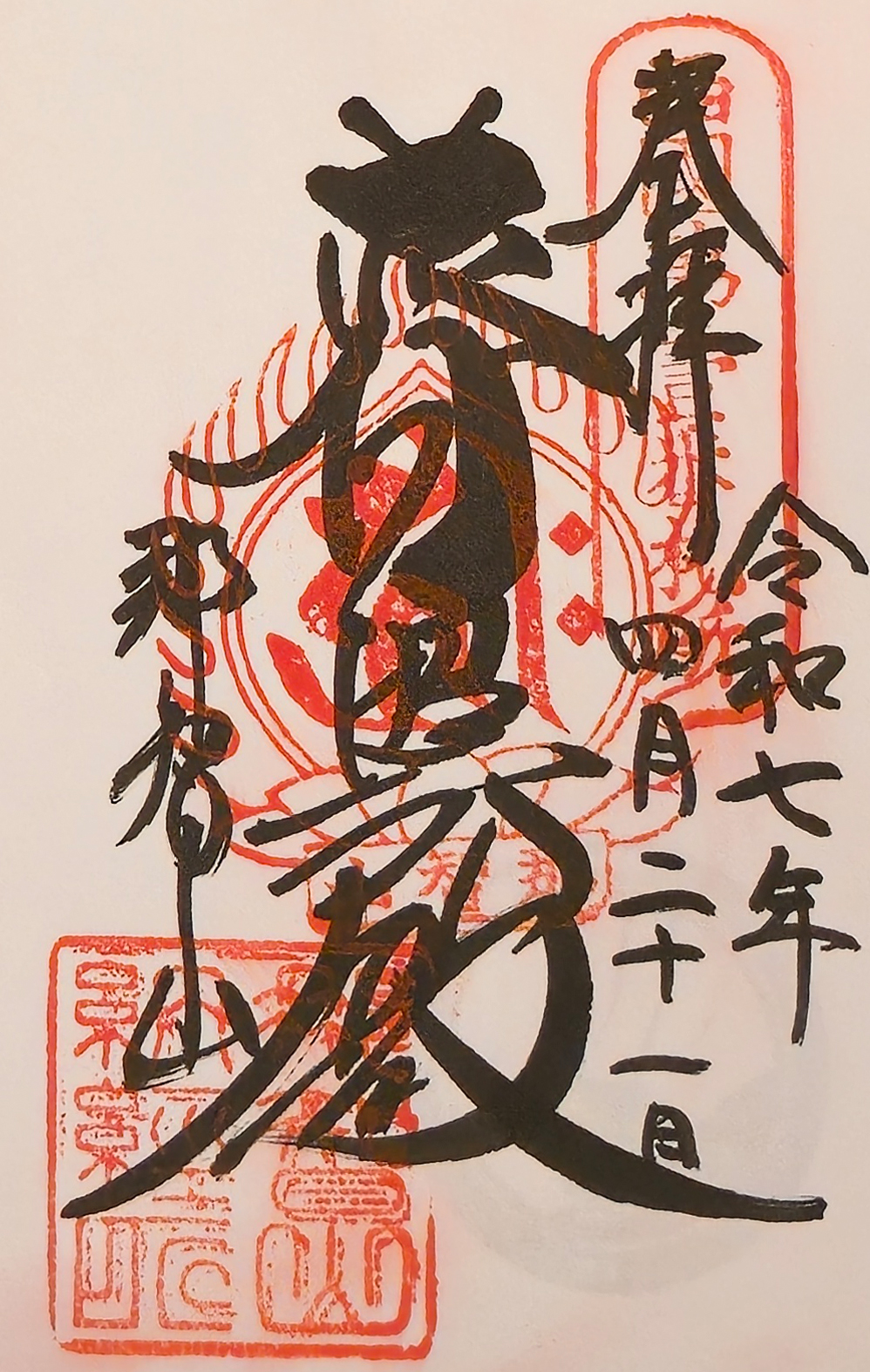
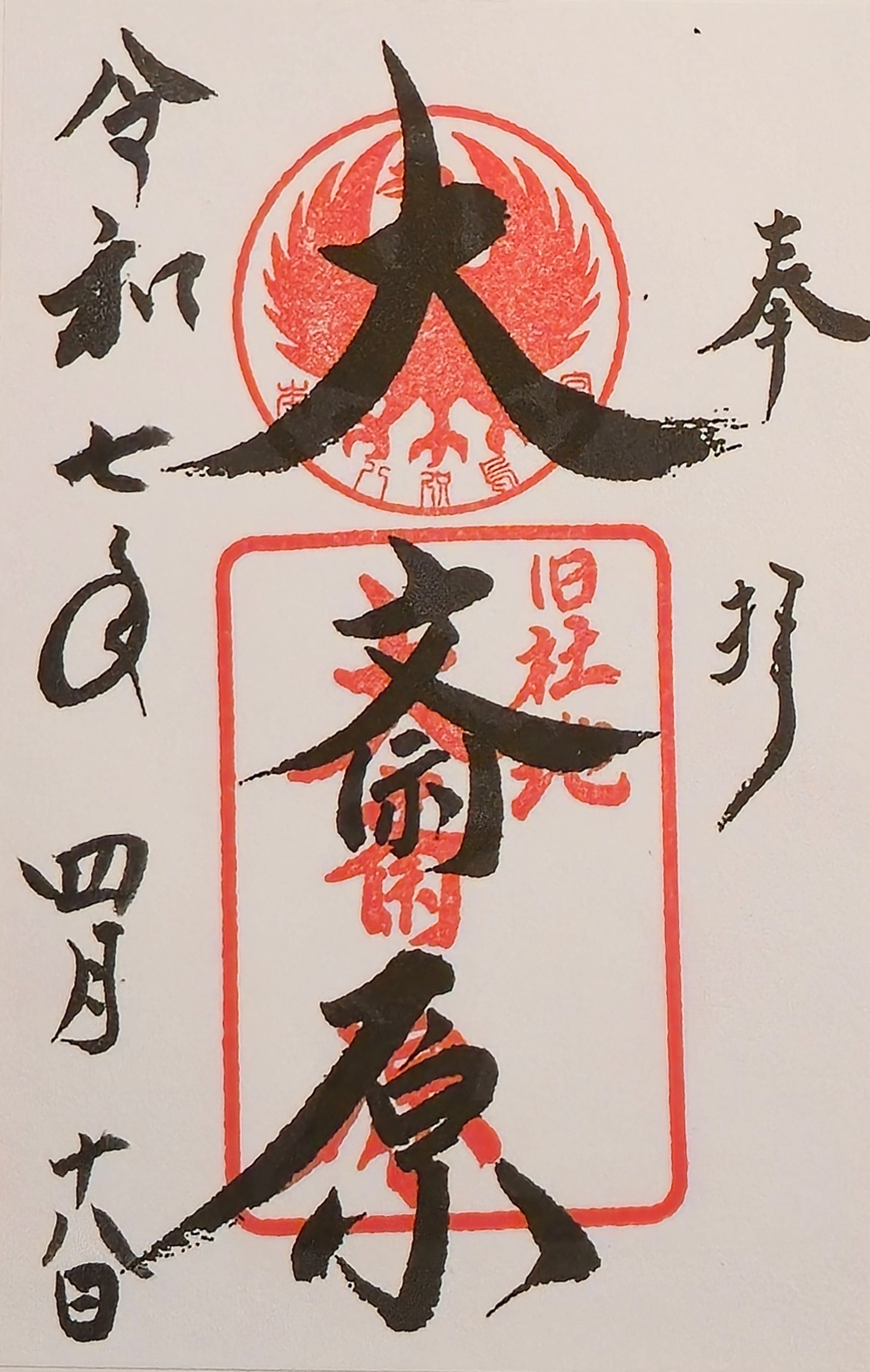
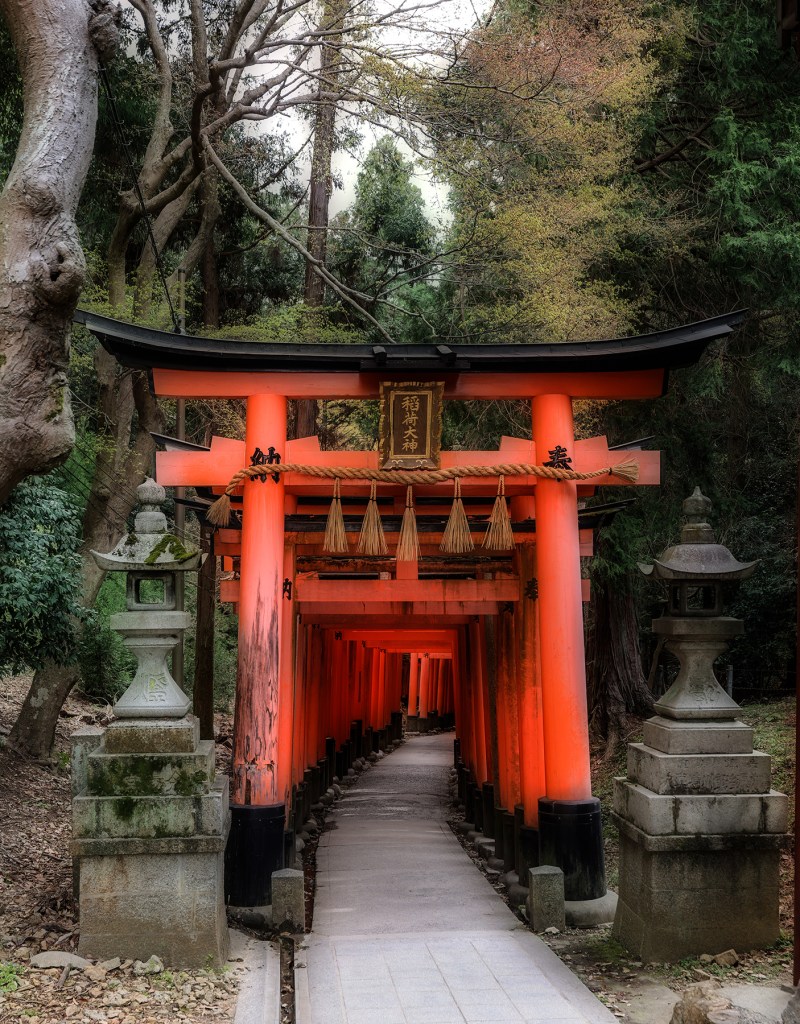
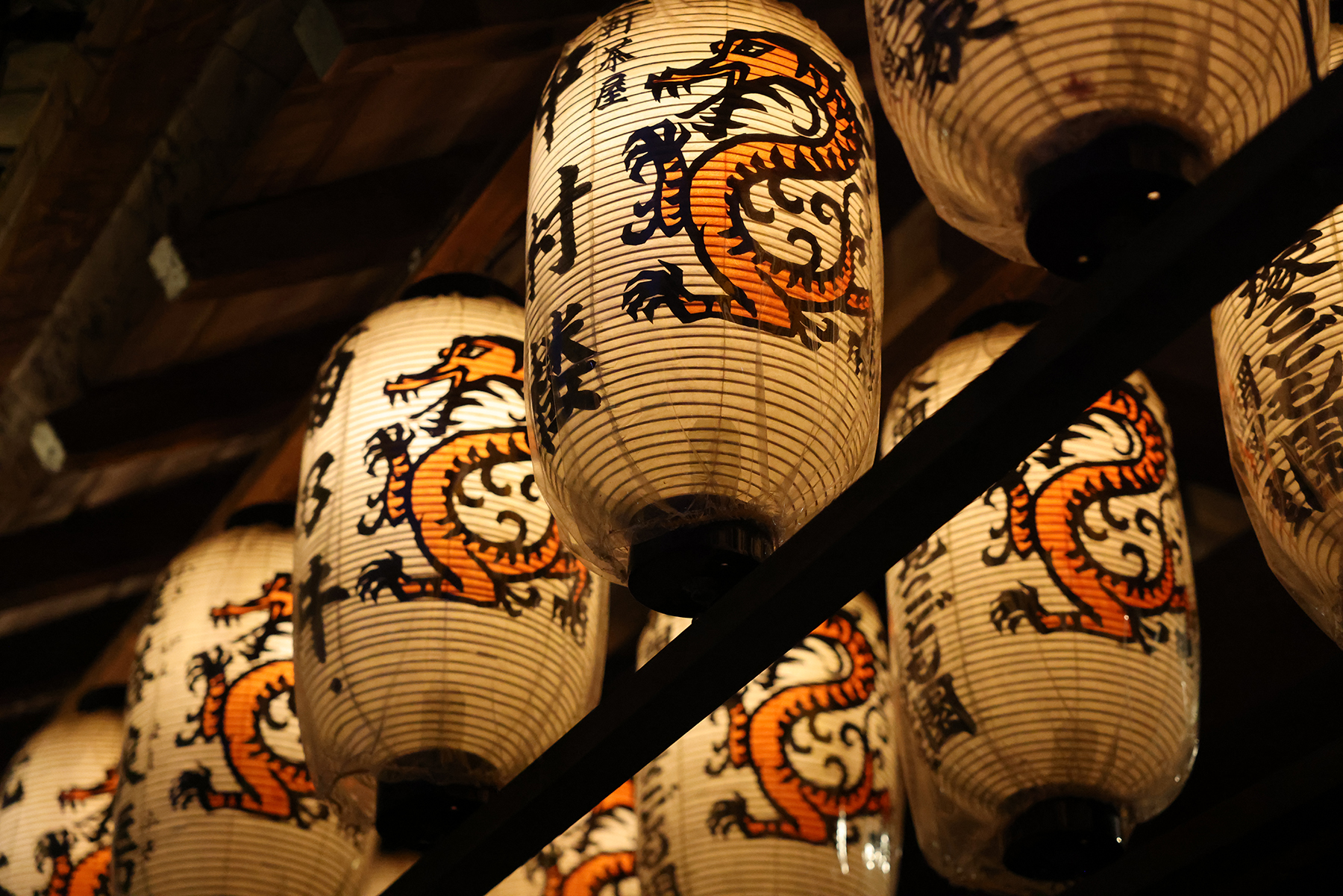
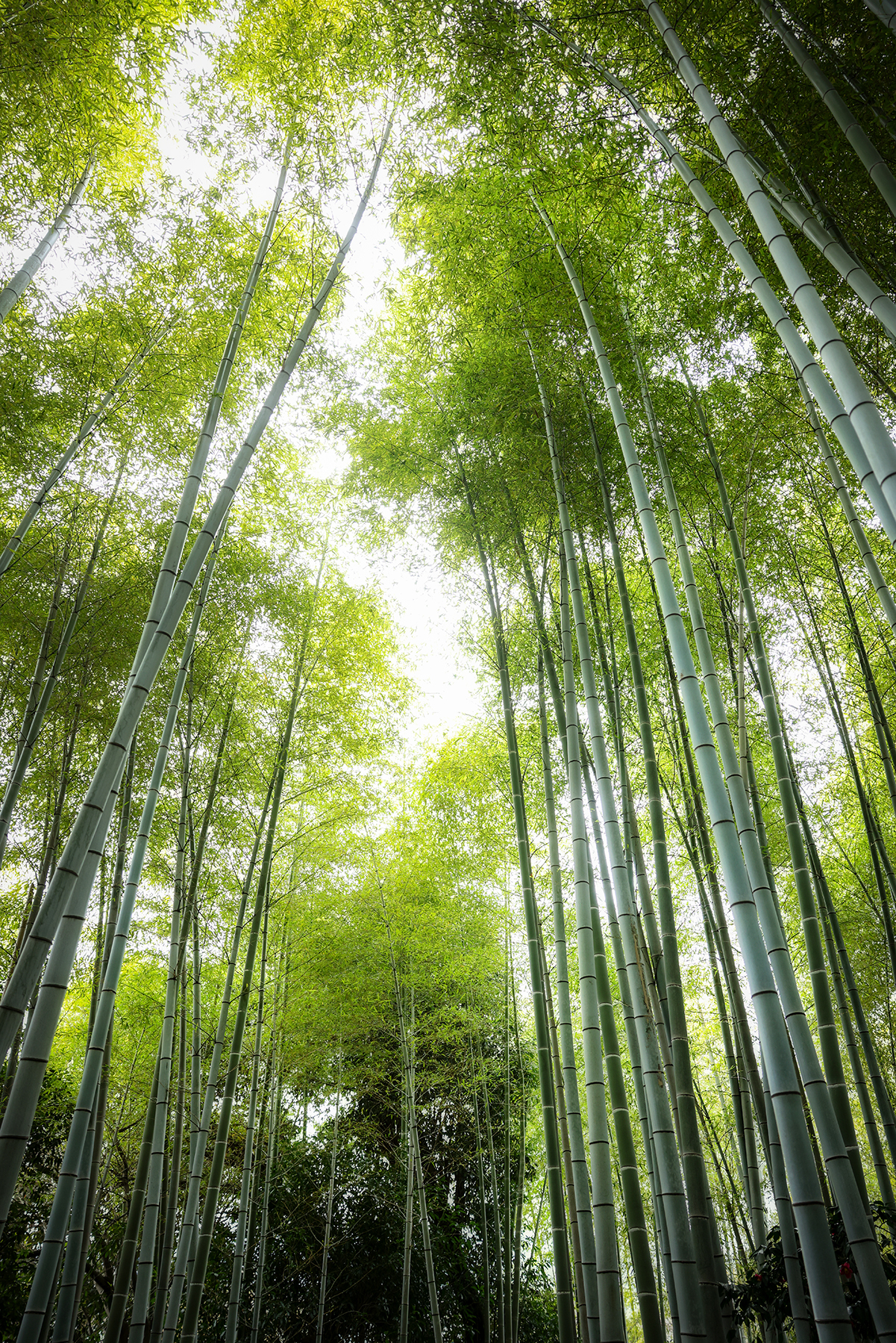
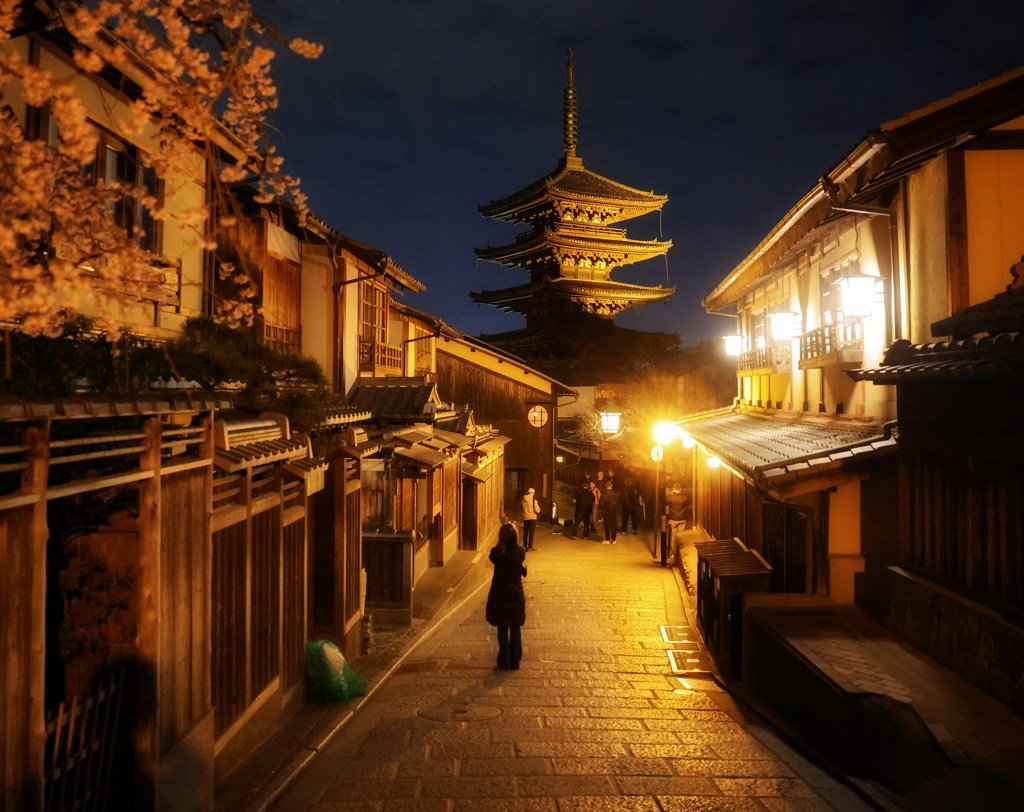
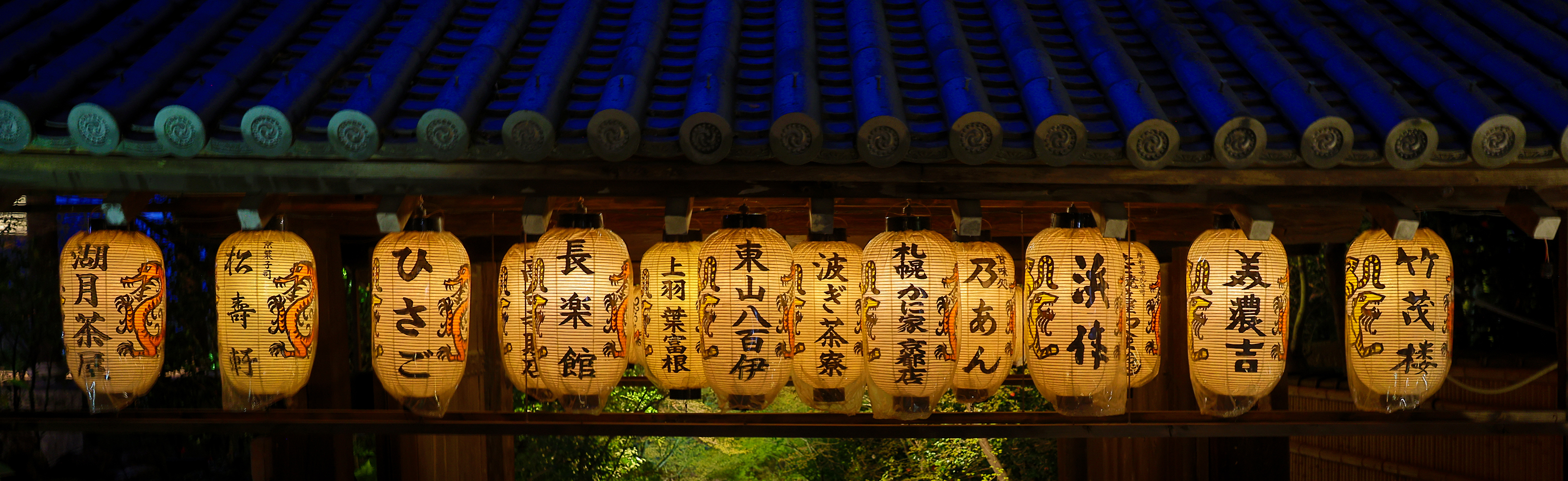
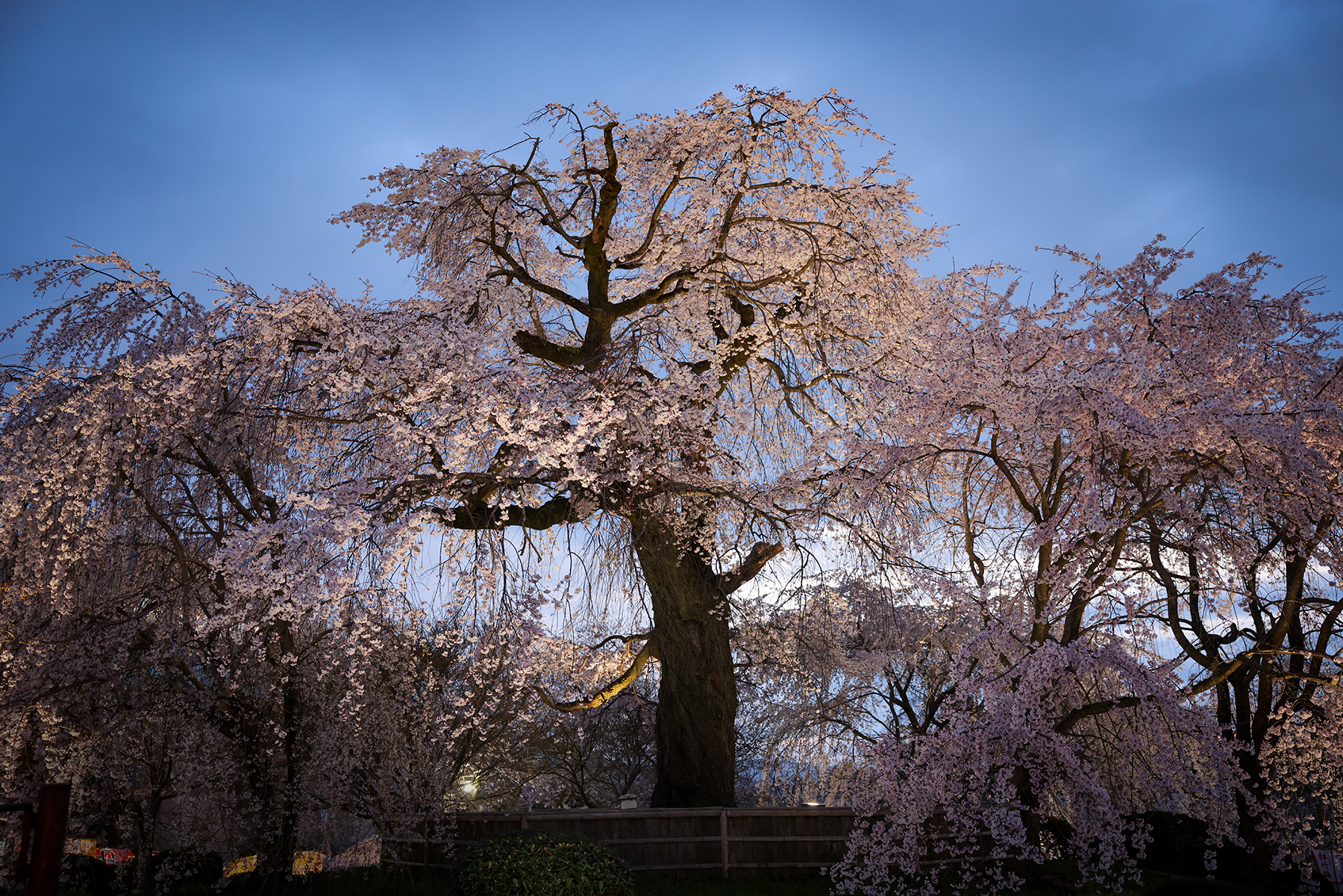
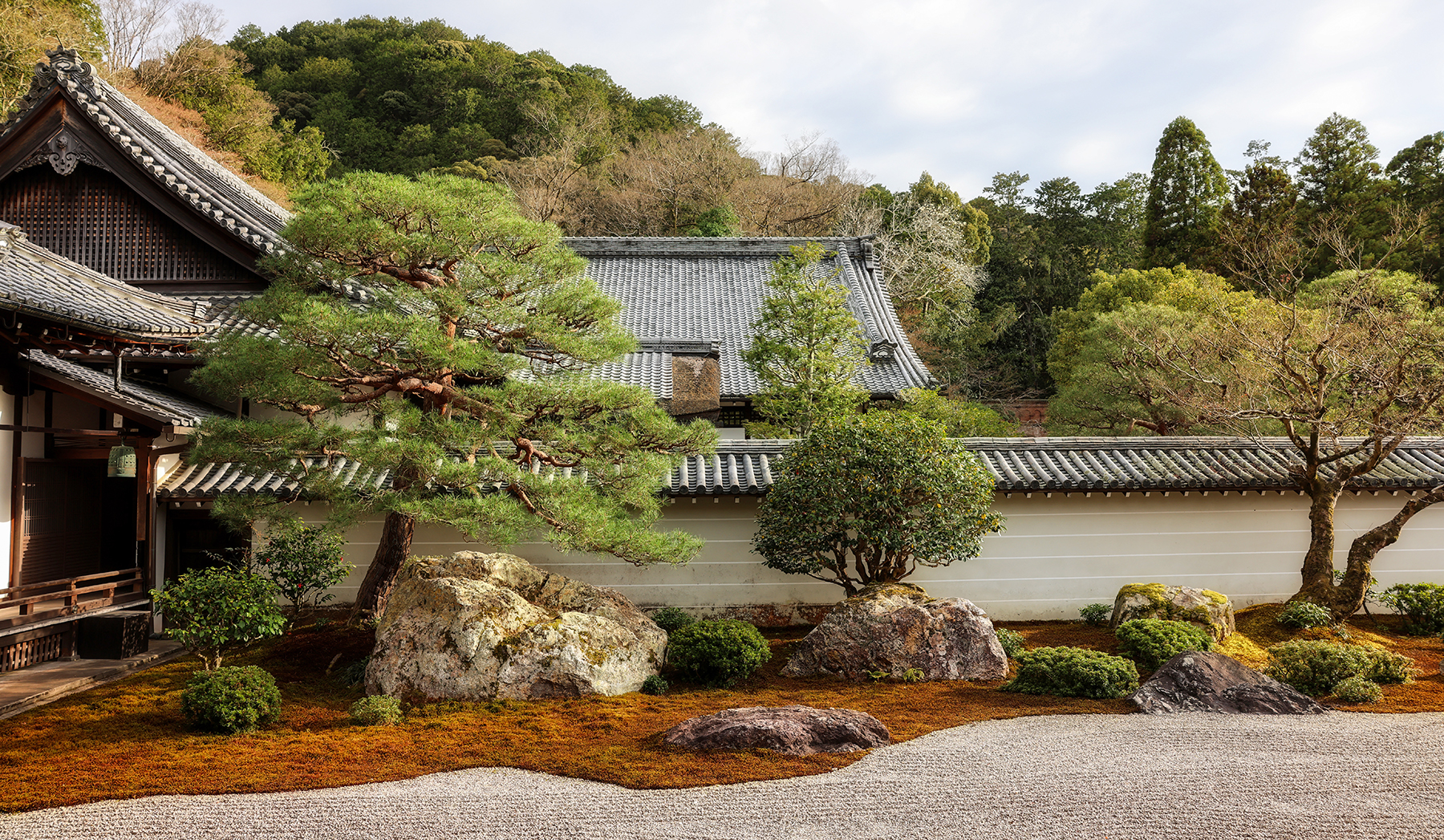
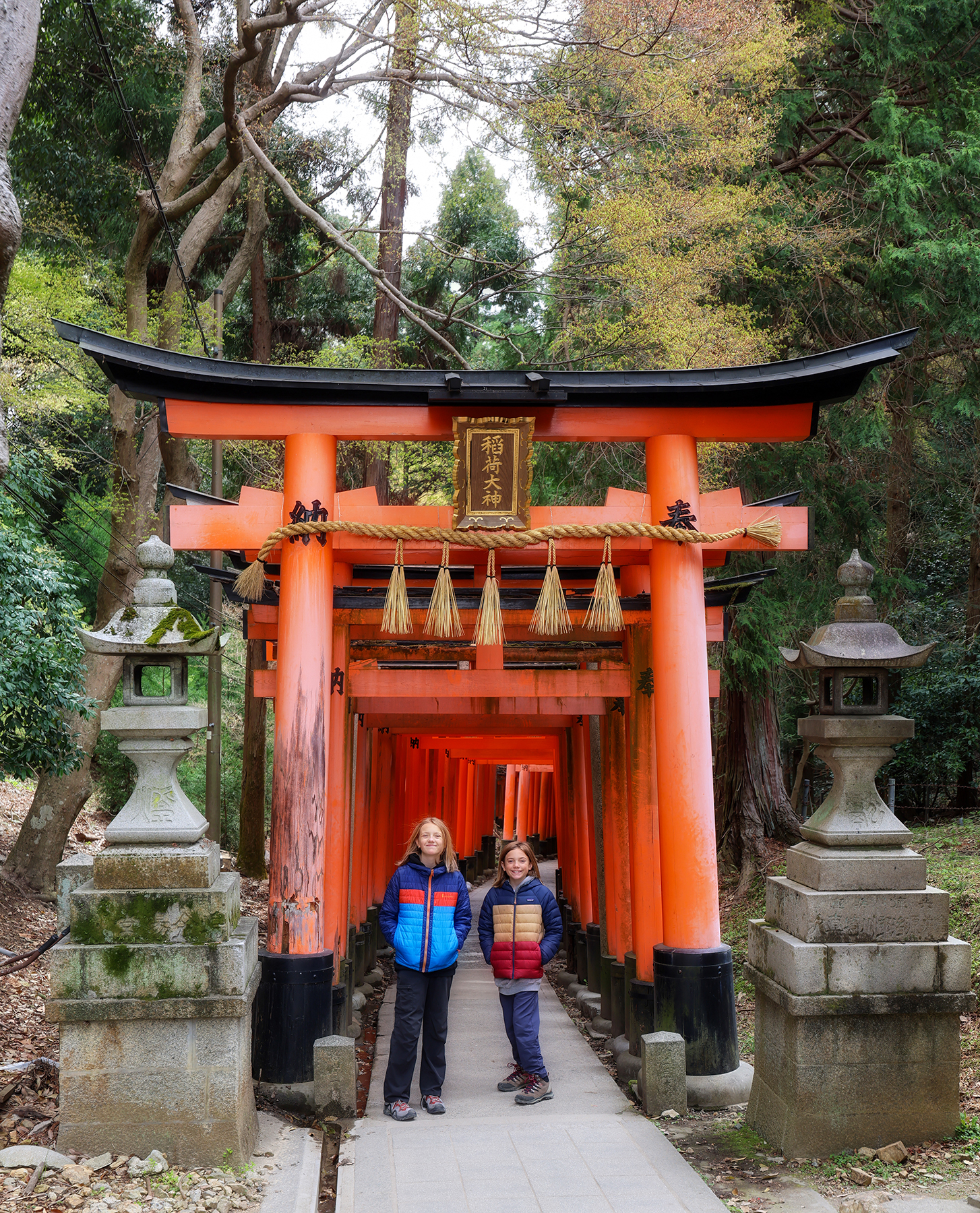
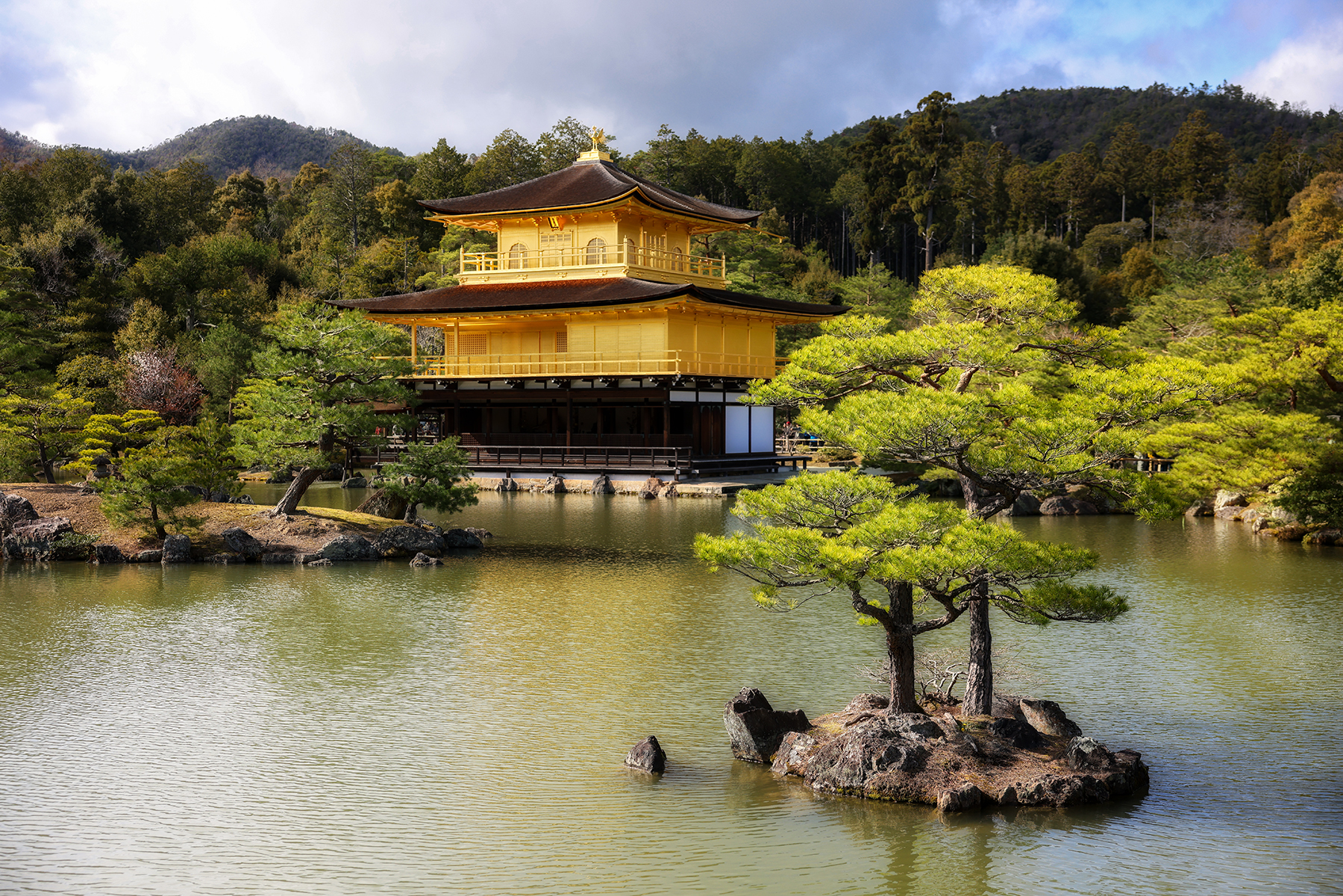
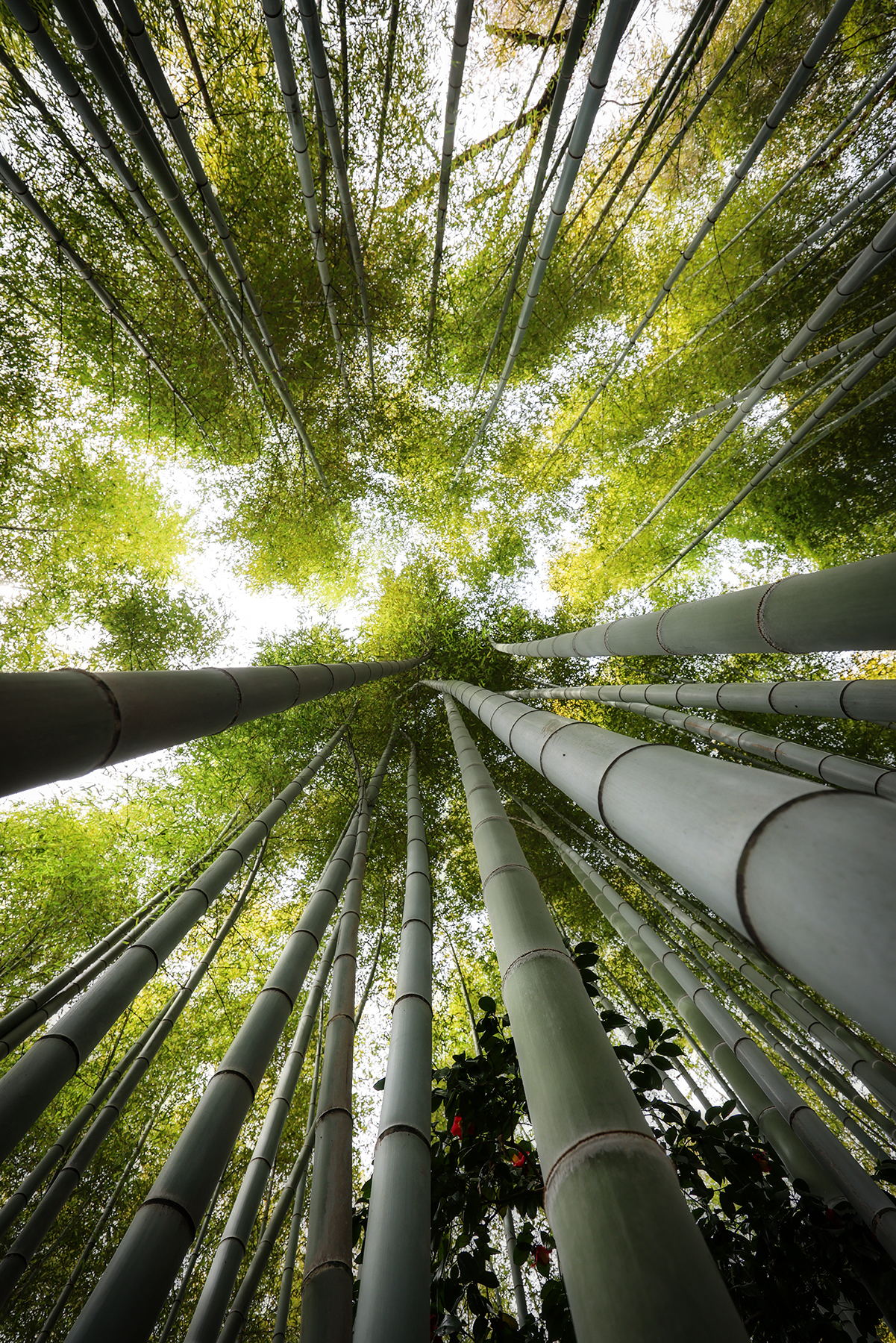
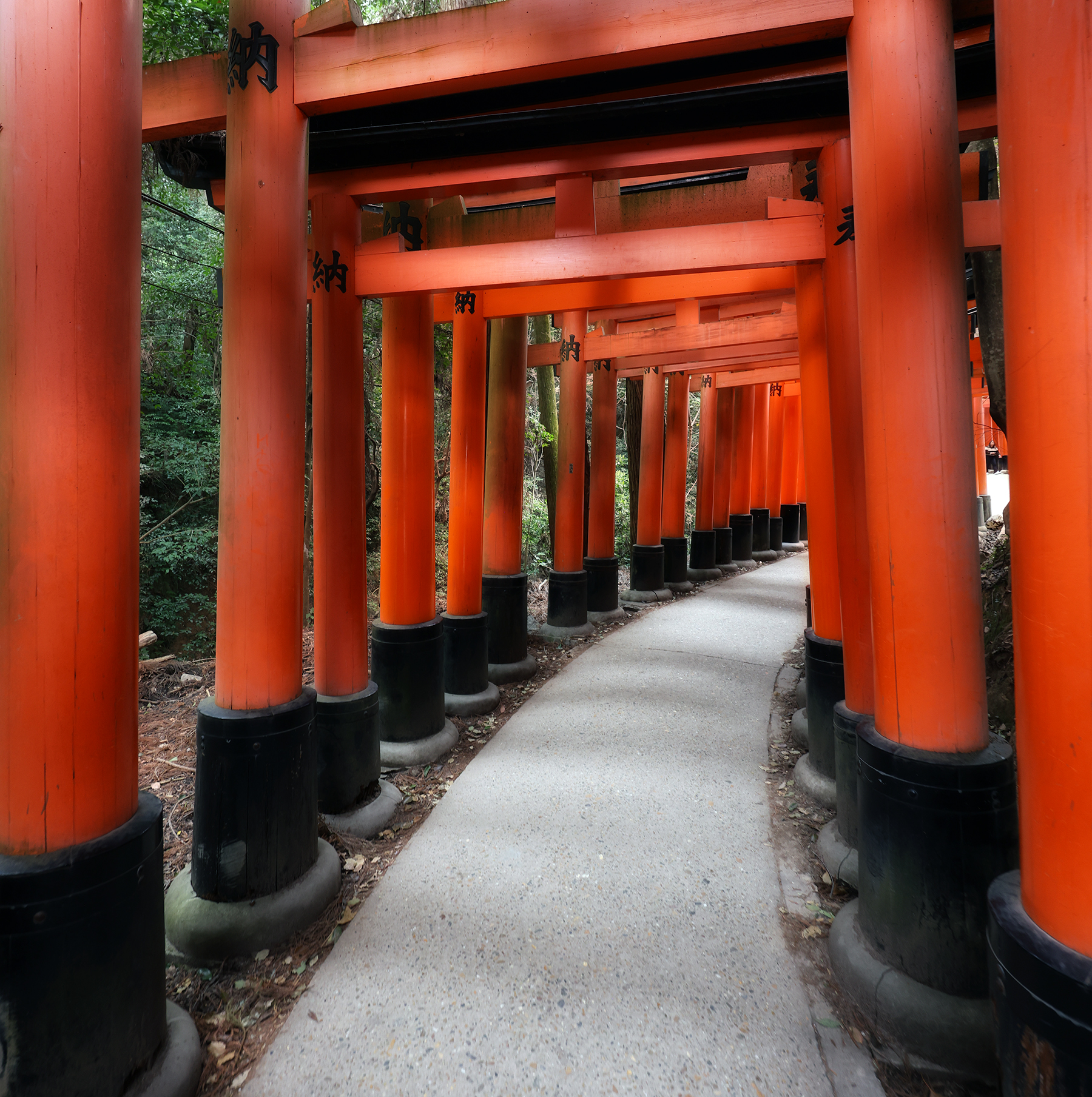
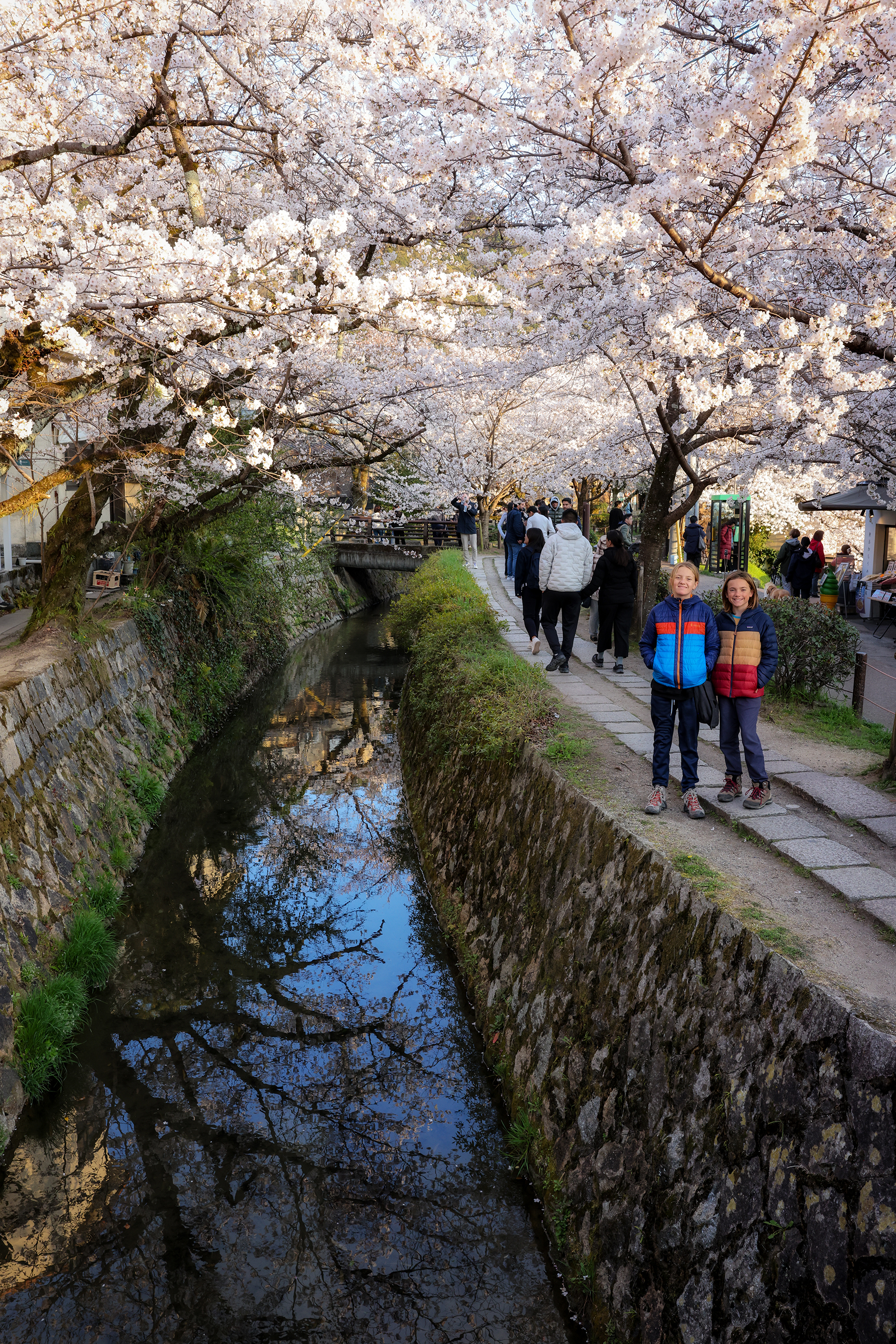
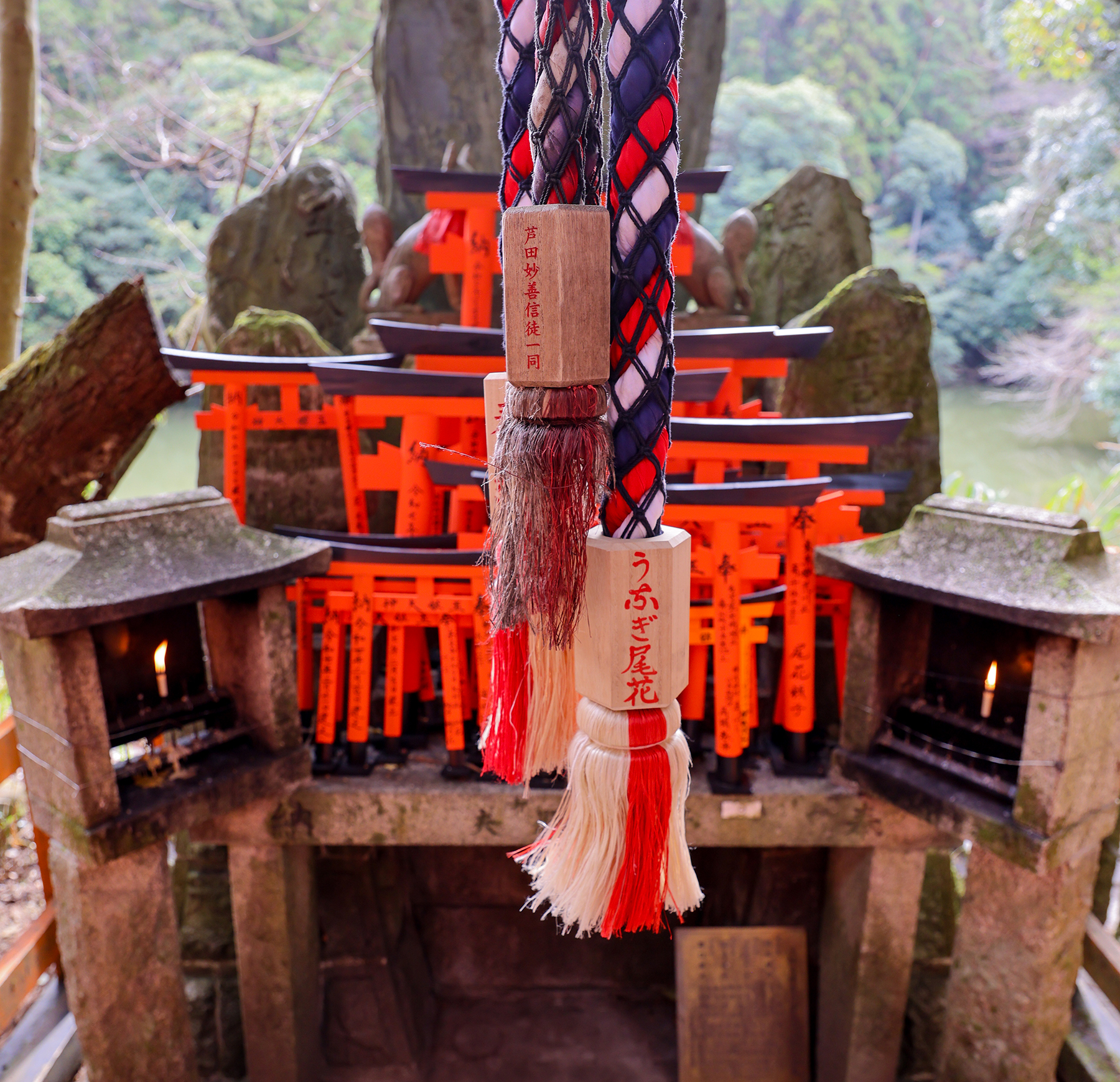
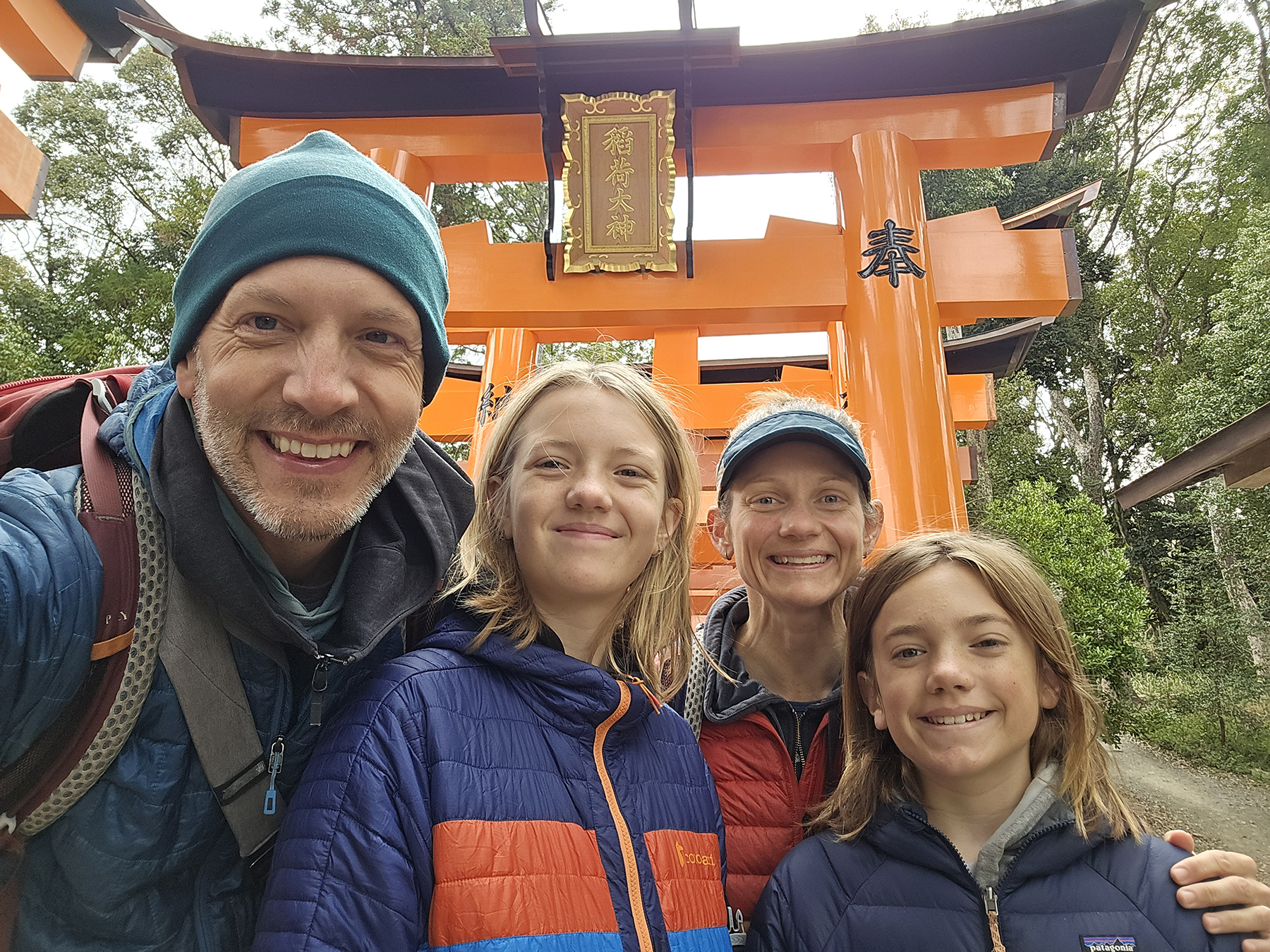
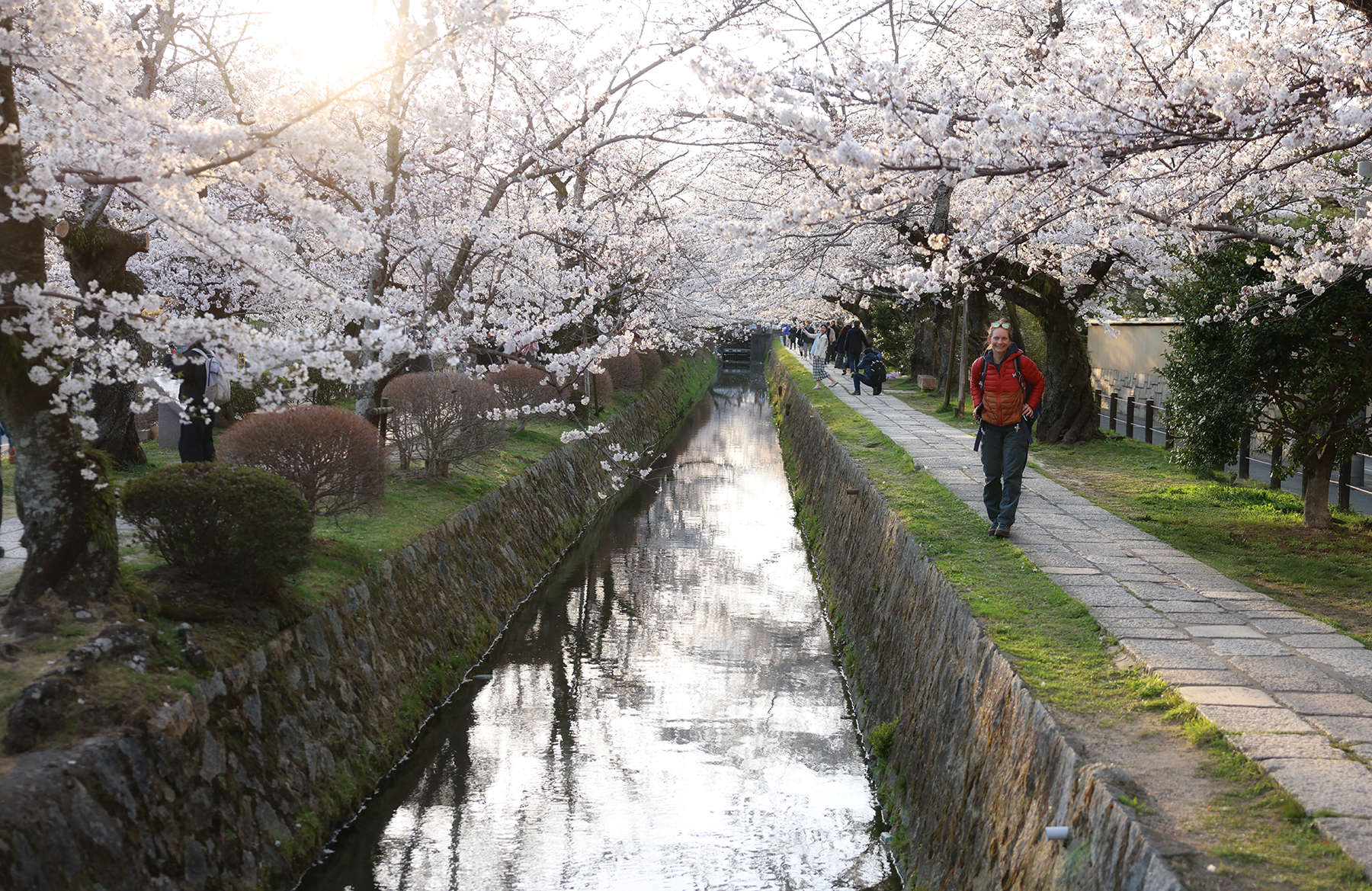
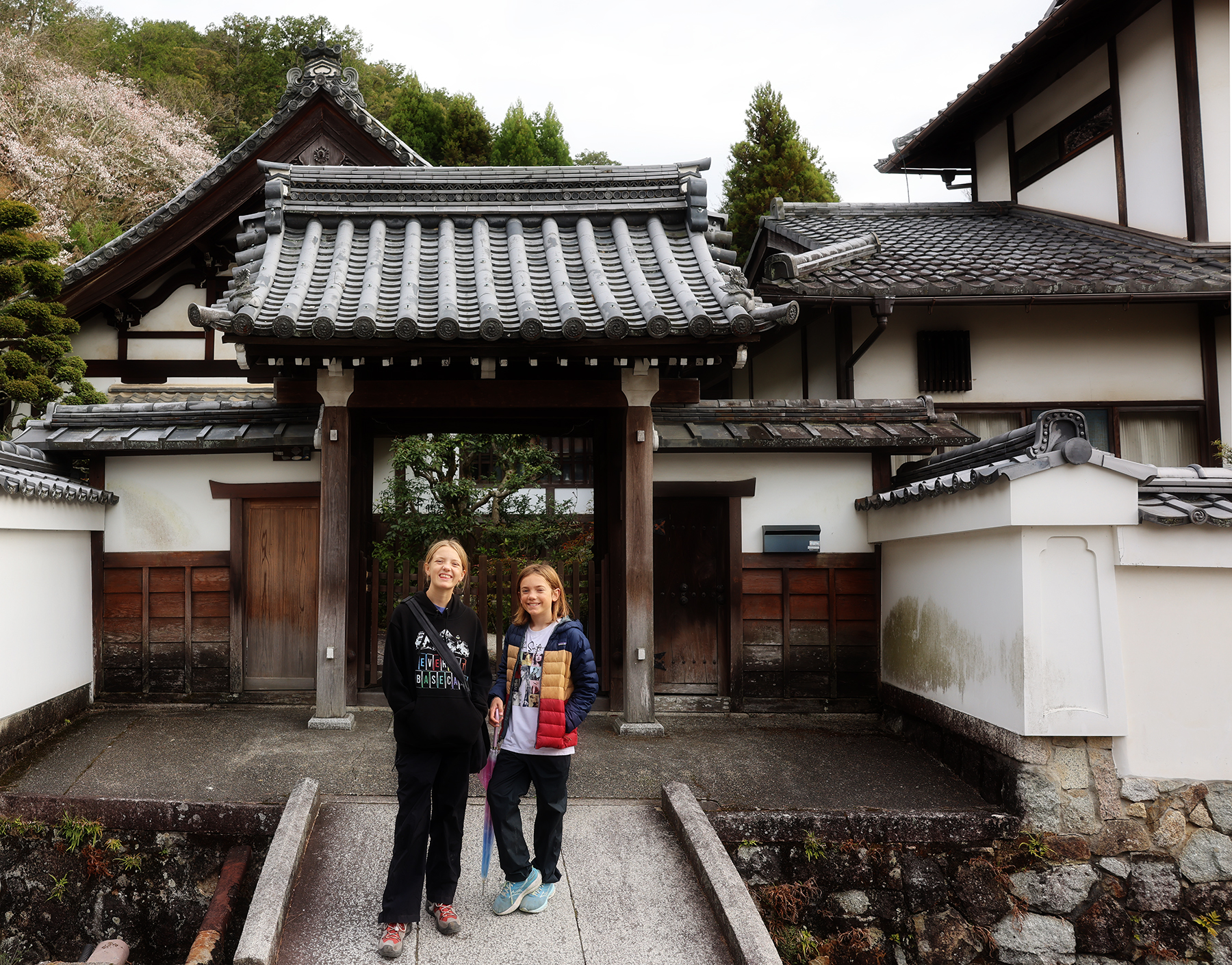
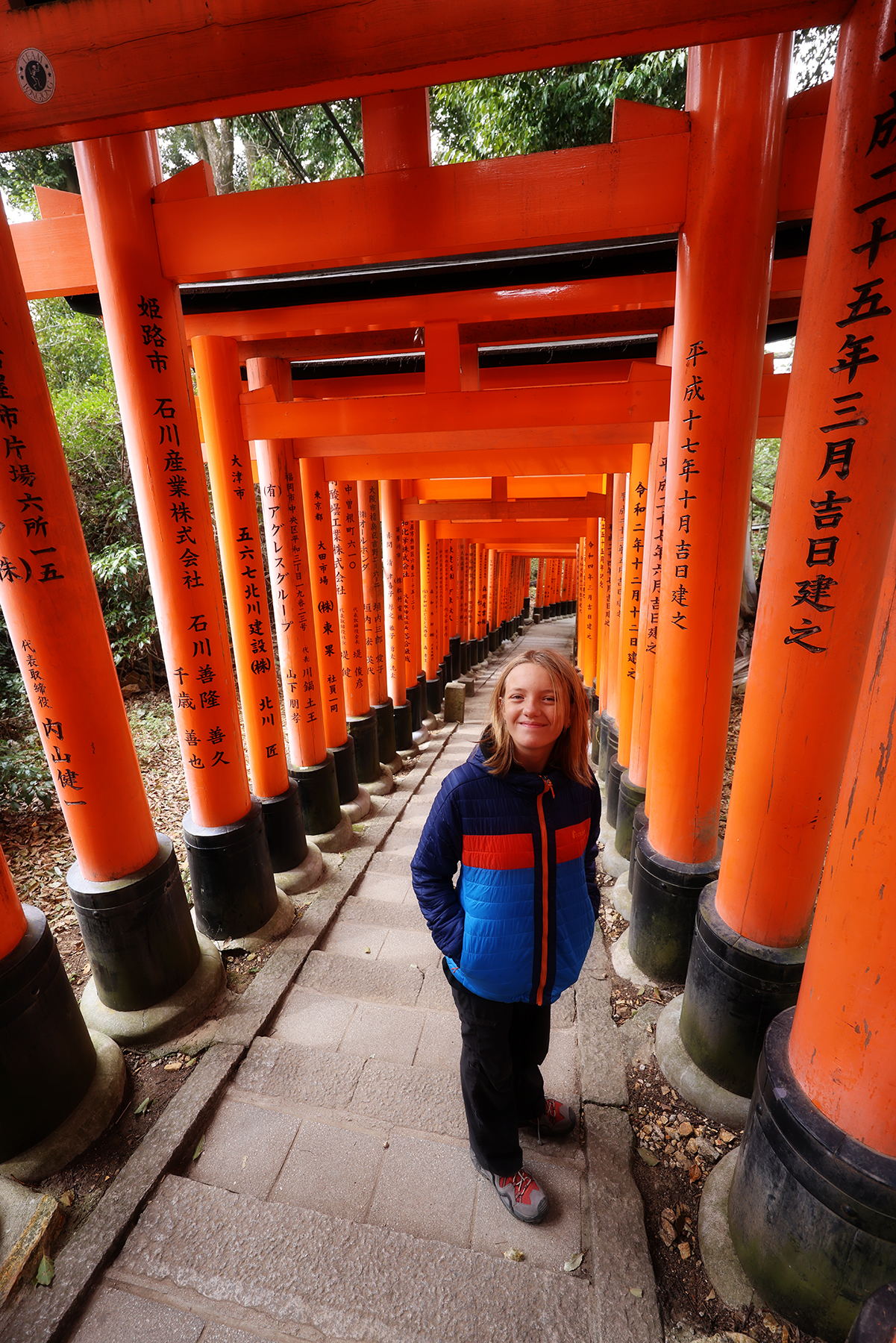
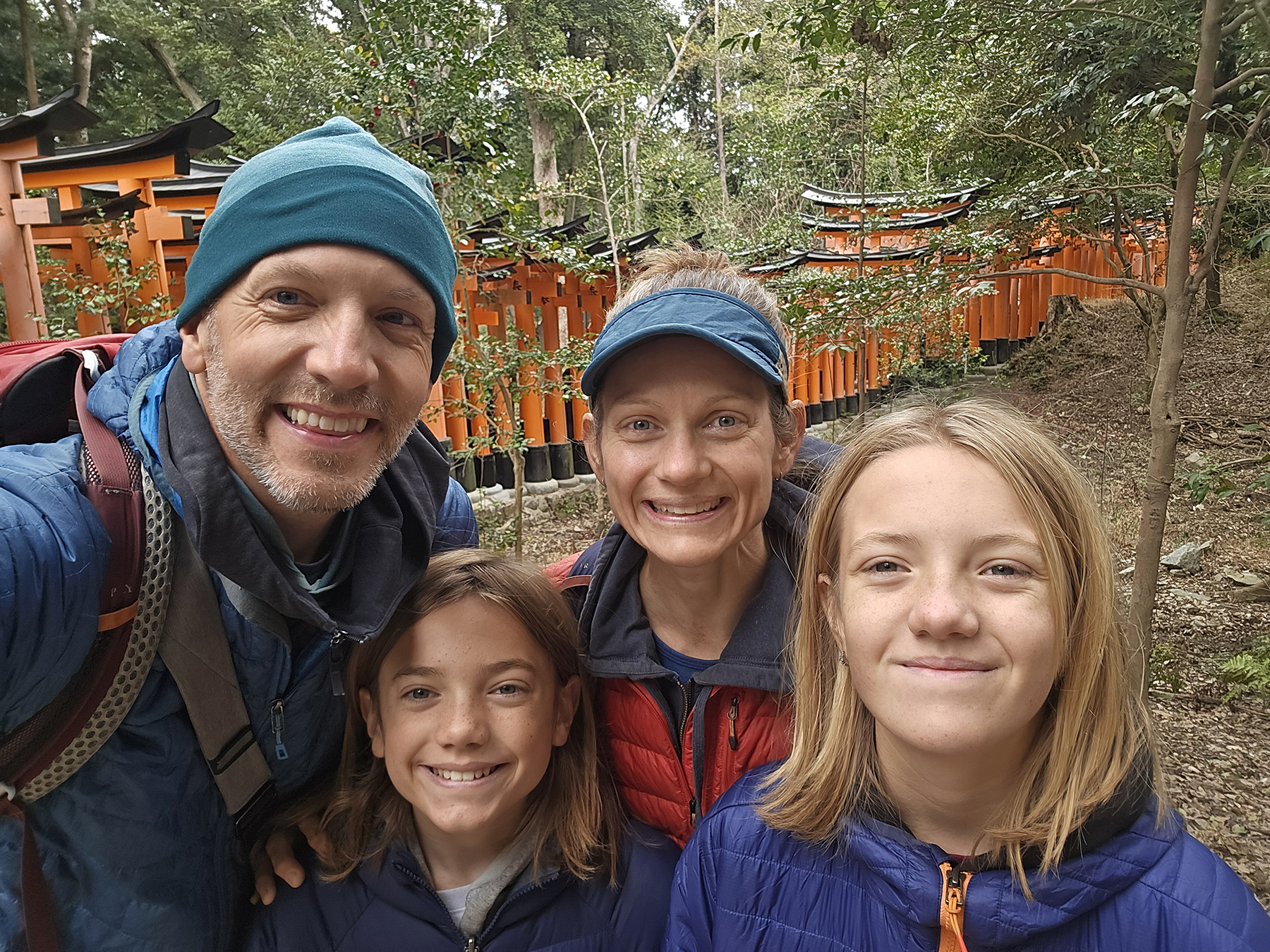
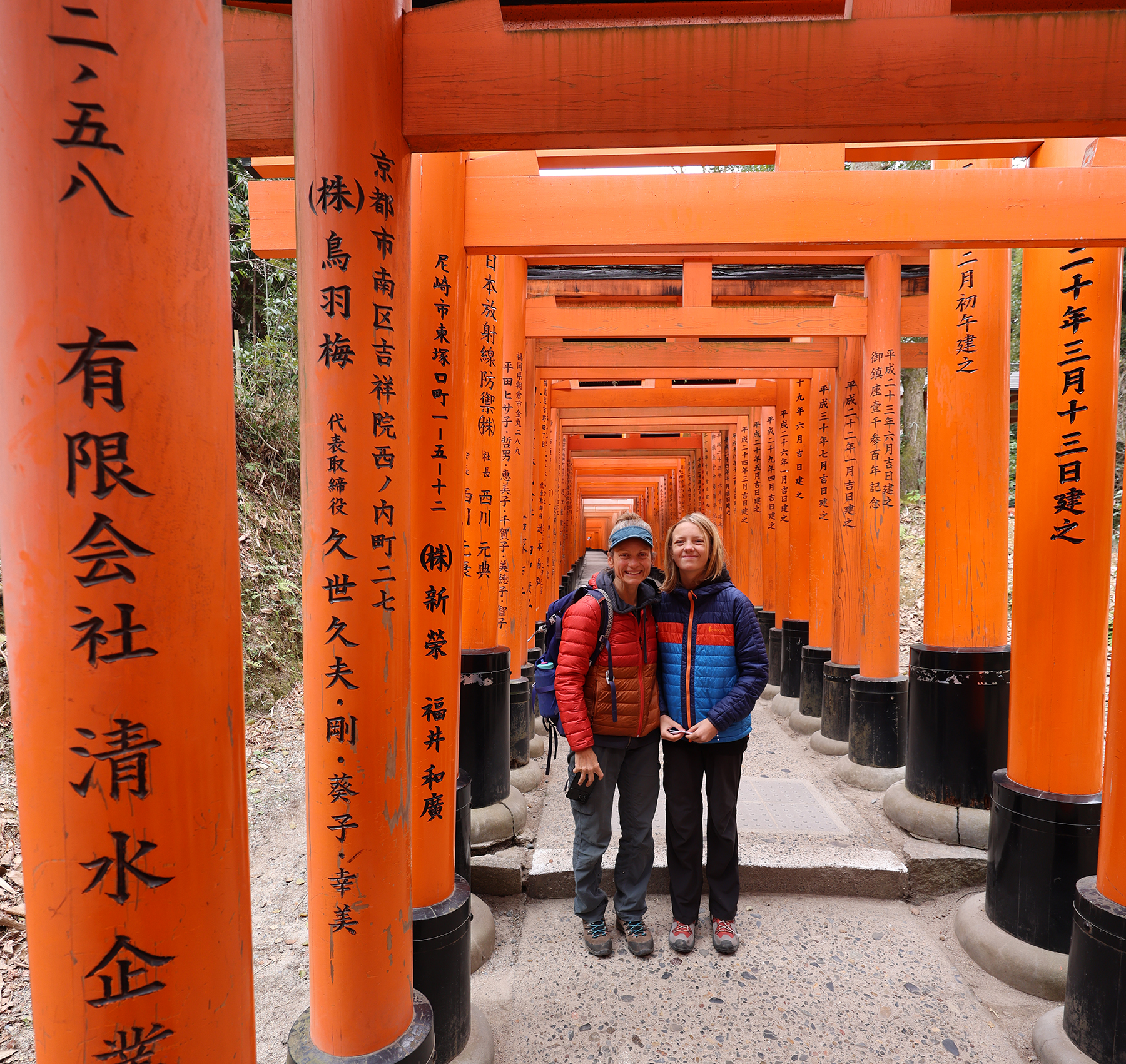
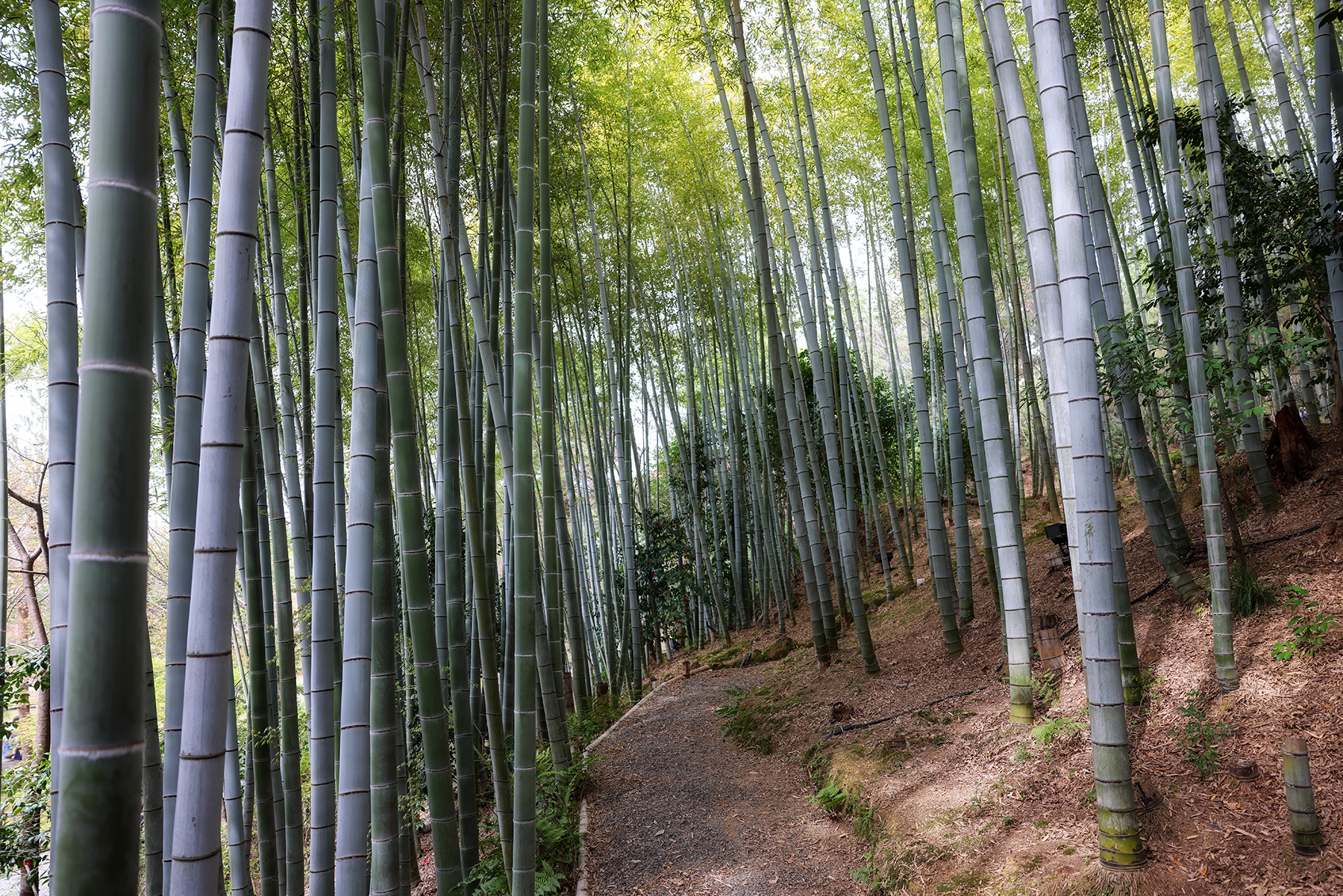
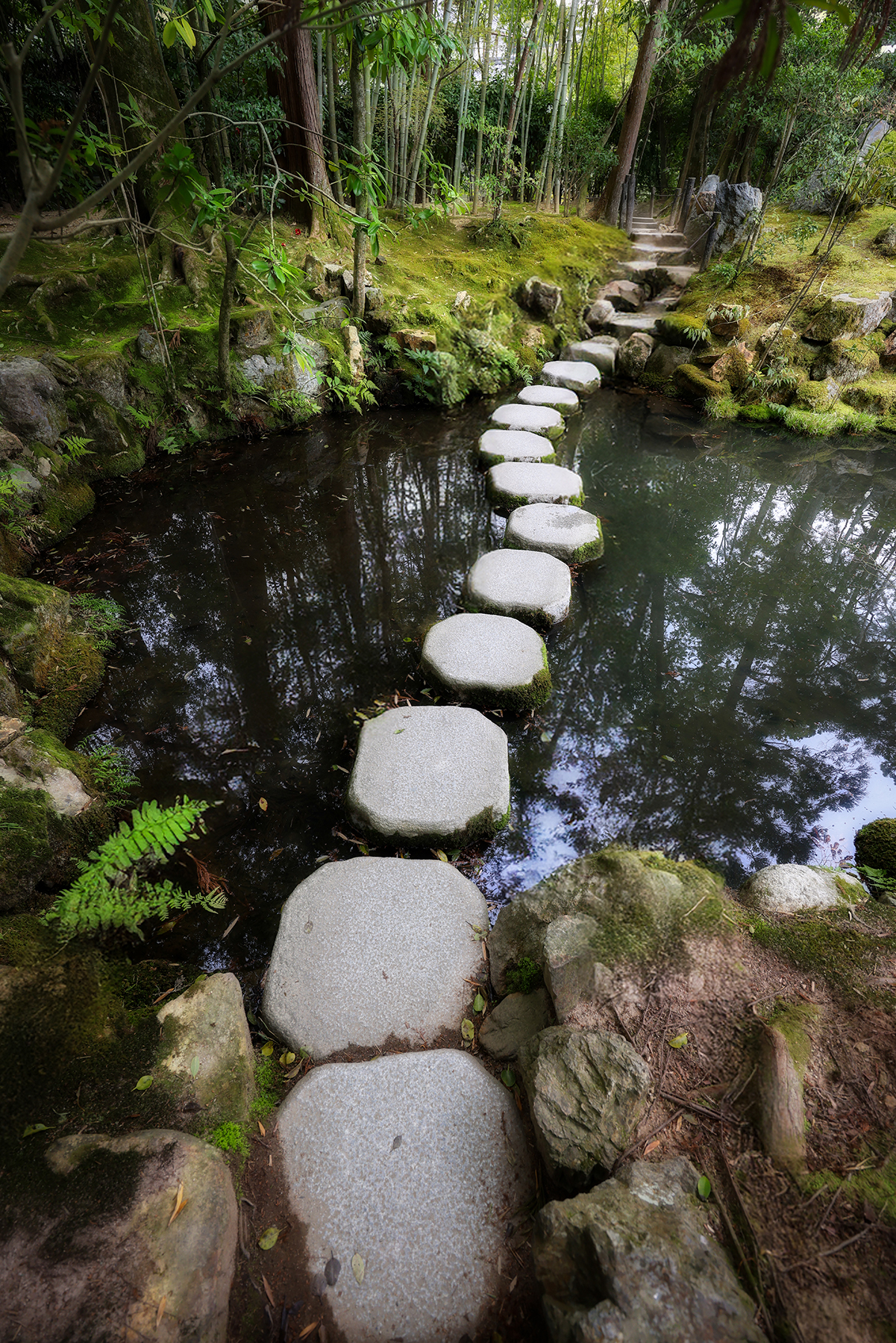
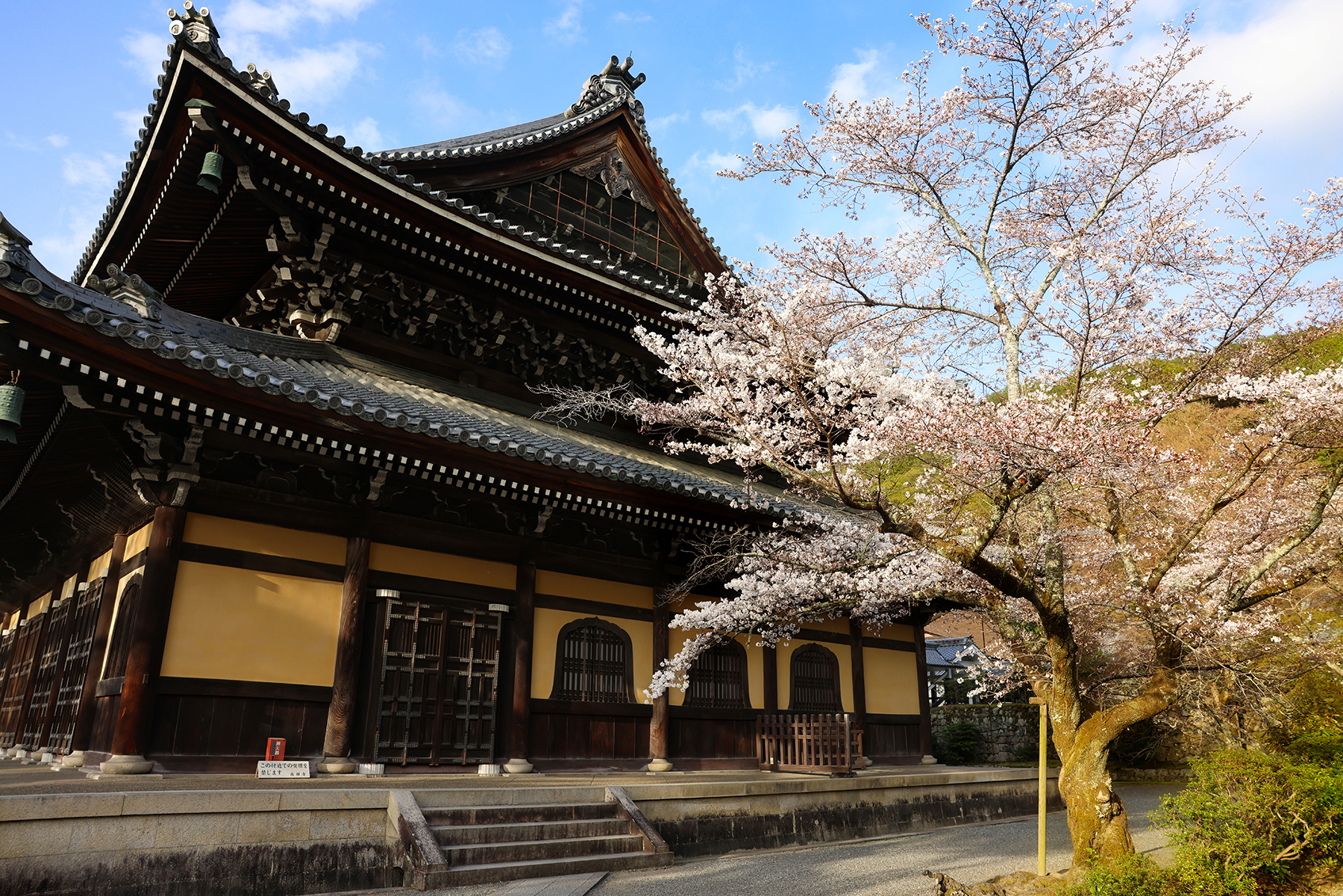
Highlights from our week in Kyoto included a visit to Nijō castle, the feudal era residence of the Tokugawa shoguns. Walking across the squeaky “nightingale floors” of the castle brought back some of my earliest travel memories when I visited Kyoto with my parents at just four years old! Other favorites included the Philosopher’s Walk, the Kodaiji bamboo grove, the quiet gardens of the Tenjuan temple, and the spectacular Nanzen-ji temple nearby. We also made obligatory visits to the Golden Pavilion, Kinkaku-ji, and to the Fushimi Inari Taisha Shinto shrine, the iconic site of thousands of bright red torii gates. As we planned to visit numerous temples during our visit to Japan, we each started a collection of goshuin (beautiful combinations of calligraphy and stamps, used to commemorate a pilgrimage to a temple or shrine). Our goshuincho books quickly became some of our most cherished mementos of Japan – they are beautiful reminders of this stage of our adventure.


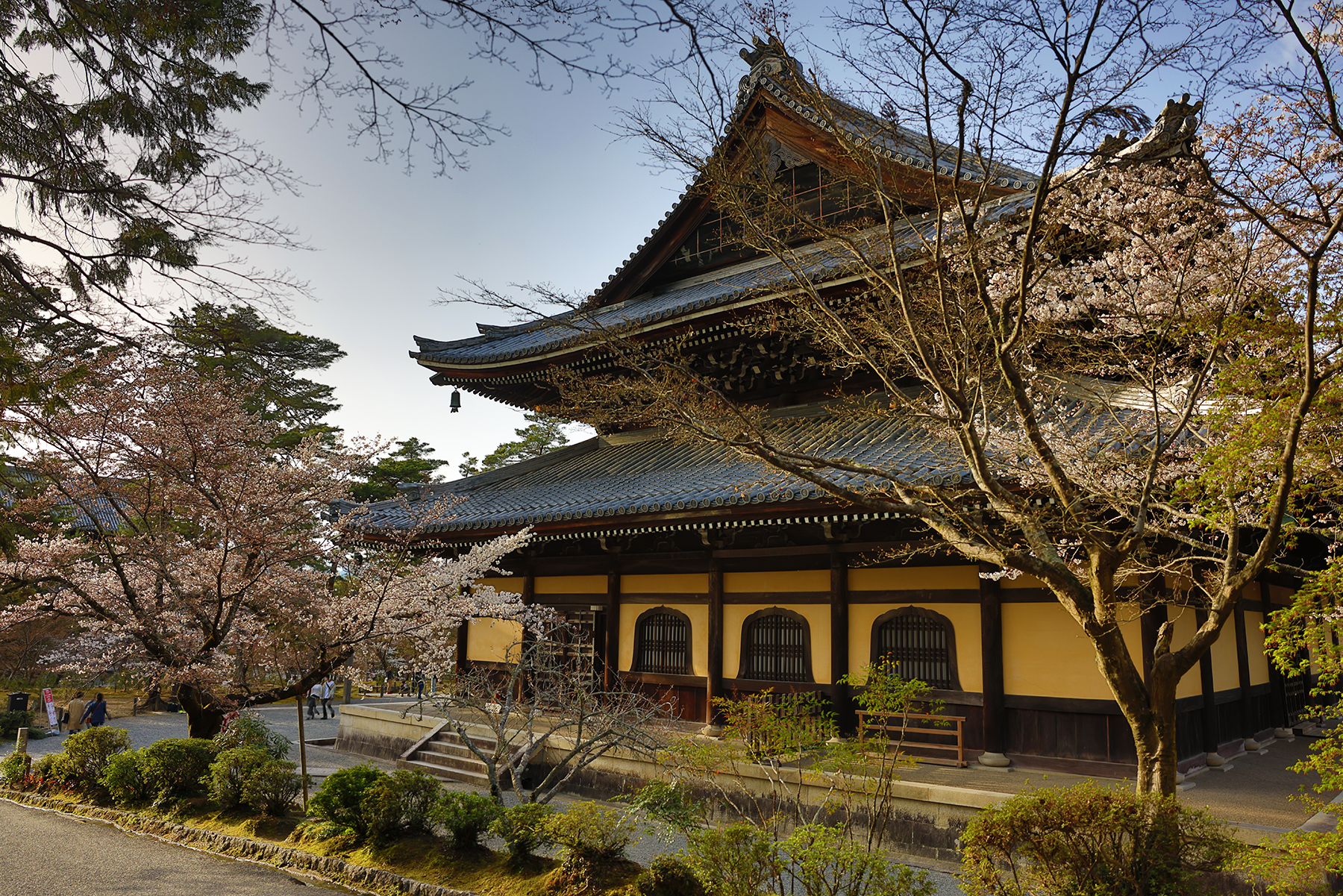

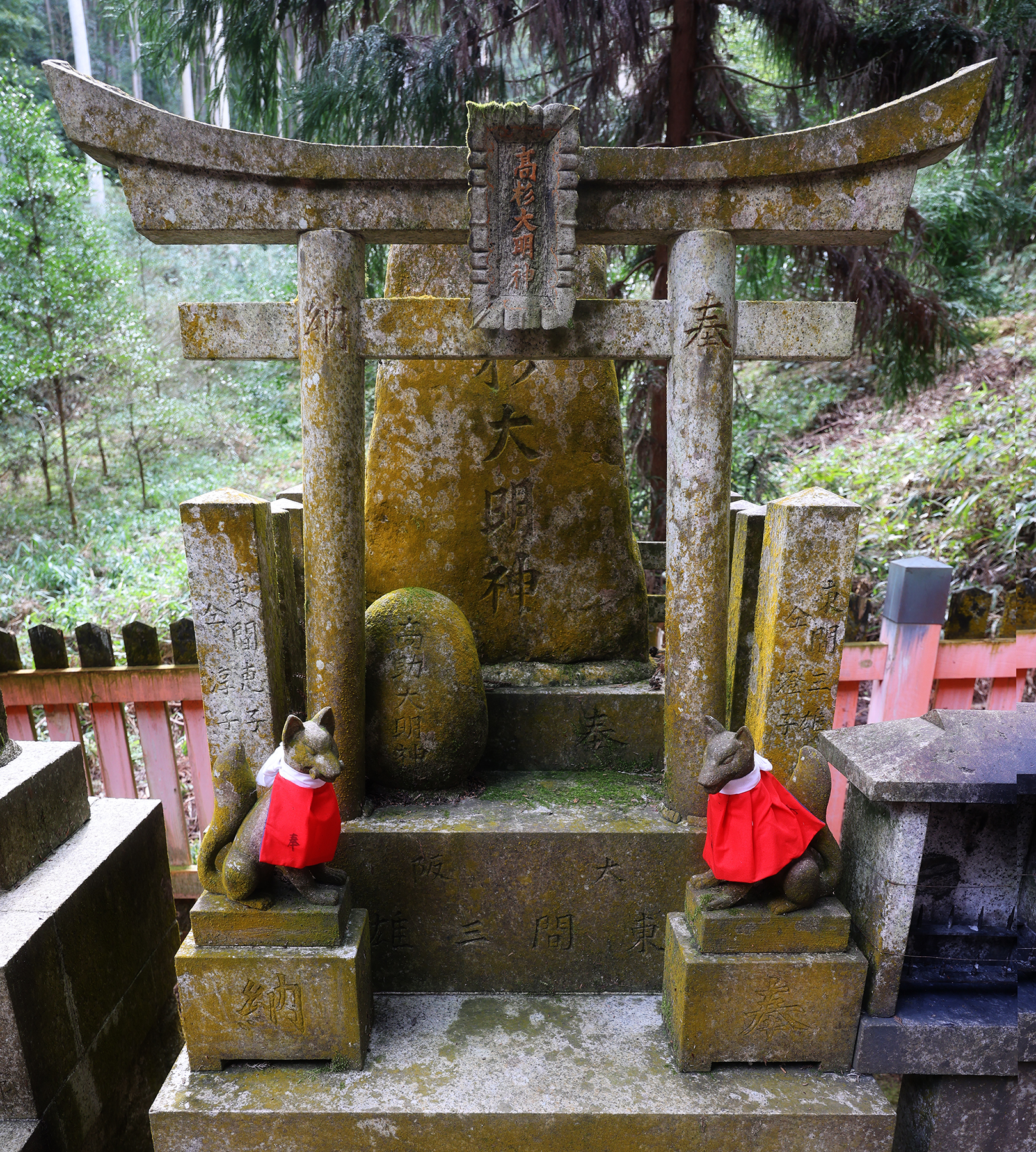
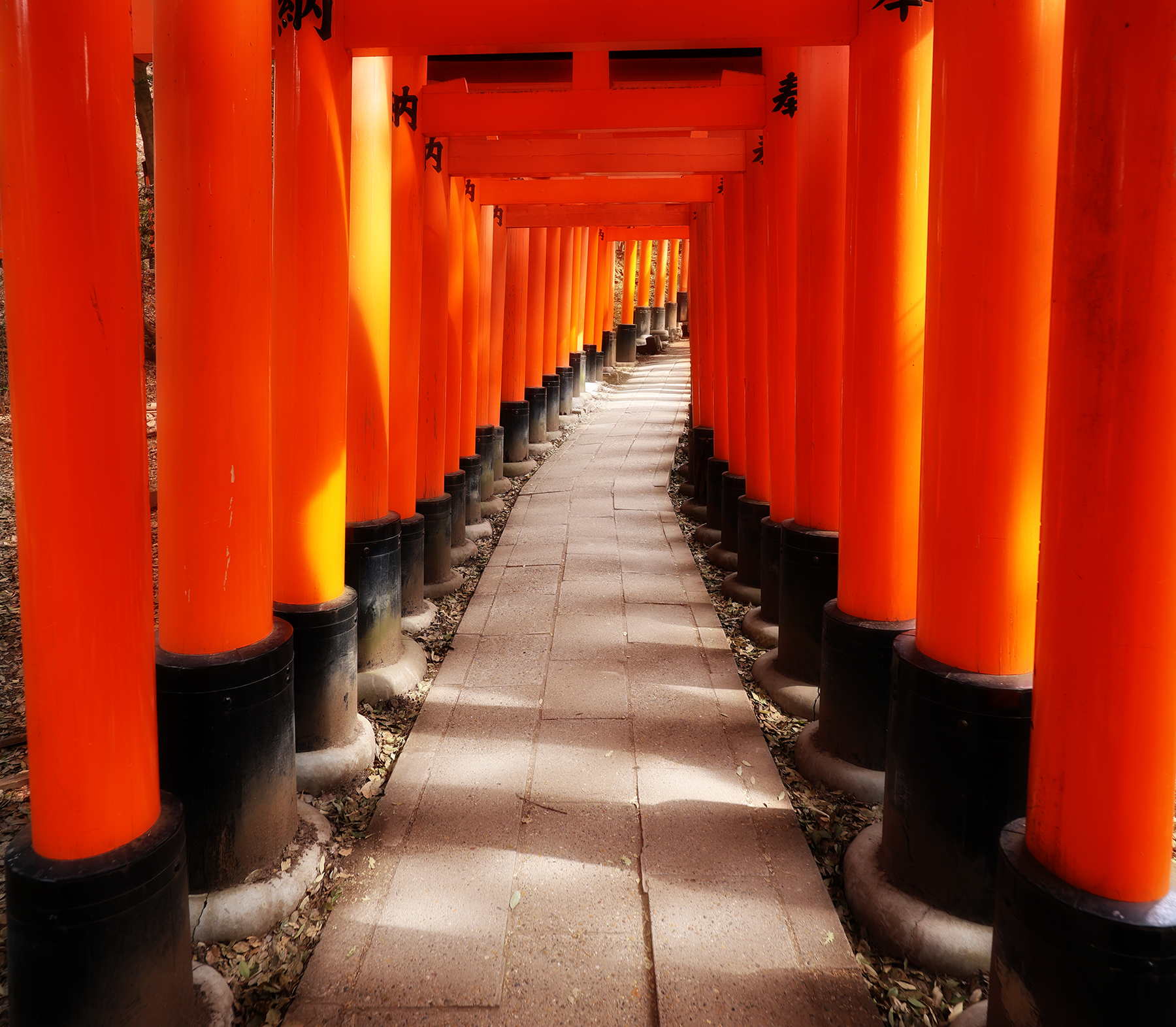
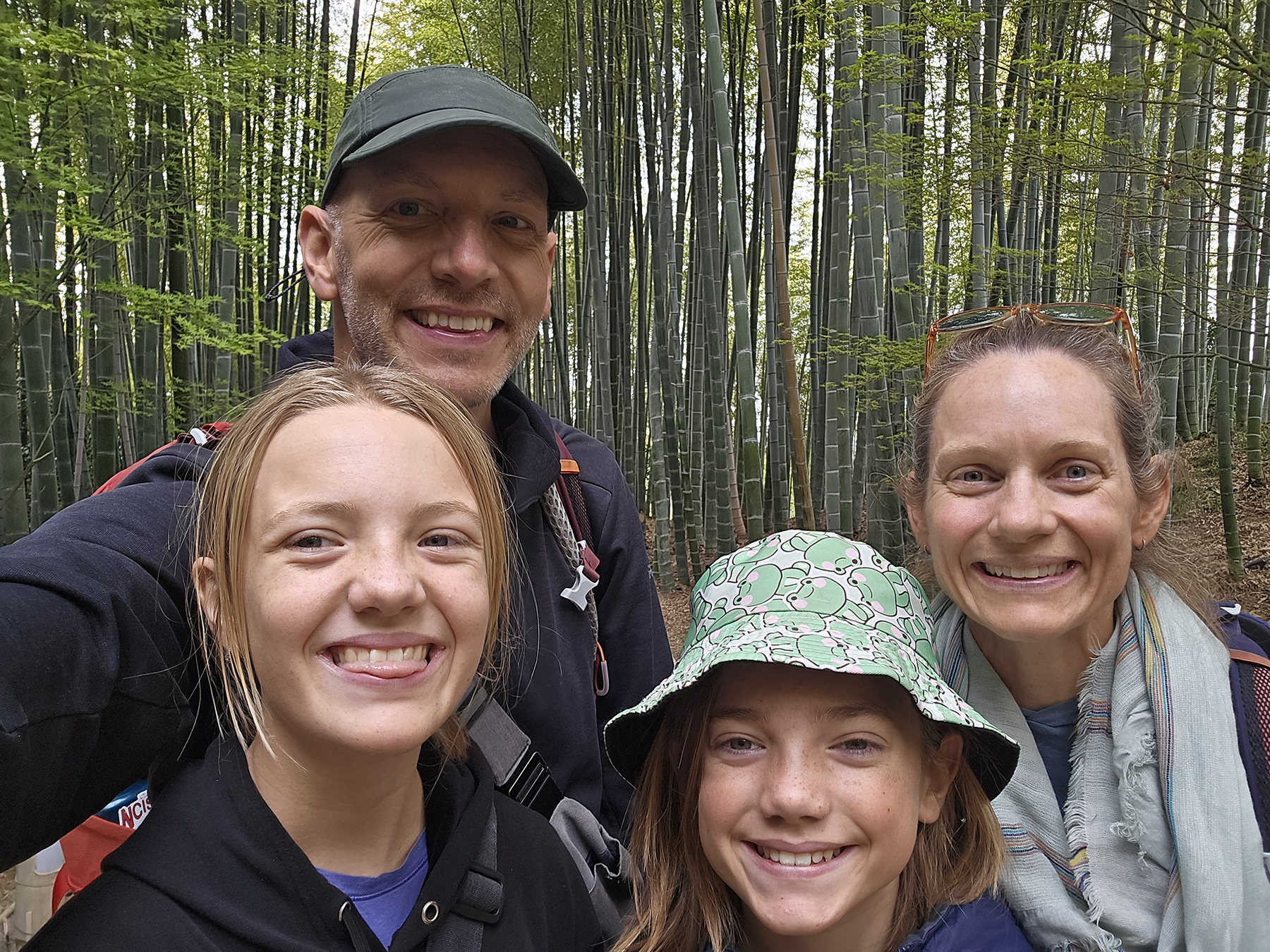

As we had shipped a large package back home as we were leaving Shanghai, we found ourselves traveling light, unburdened by much of our gear we had been hauling around the planet for the last ten months. Sonya saw this as an opportunity to immediately acquire as much beautiful Japanese fabric as possible to load up for future sewing projects! She assured me that given how reasonable the fabric prices were, we would be basically making money by purchasing more. Up until this point we had not accumulated a huge number of keepsakes during our trip, as we had always been limited by the amount we could carry in our packs as we traveled. Now, with the end of our year of travels approaching, the brakes were off, and purchases were made. The kiddos picked up some stuffies as gifts for friends in the Pokemon store, and we all enjoyed wandering around an amazing Studio Ghibli store to look for a few favorite Totoro items.



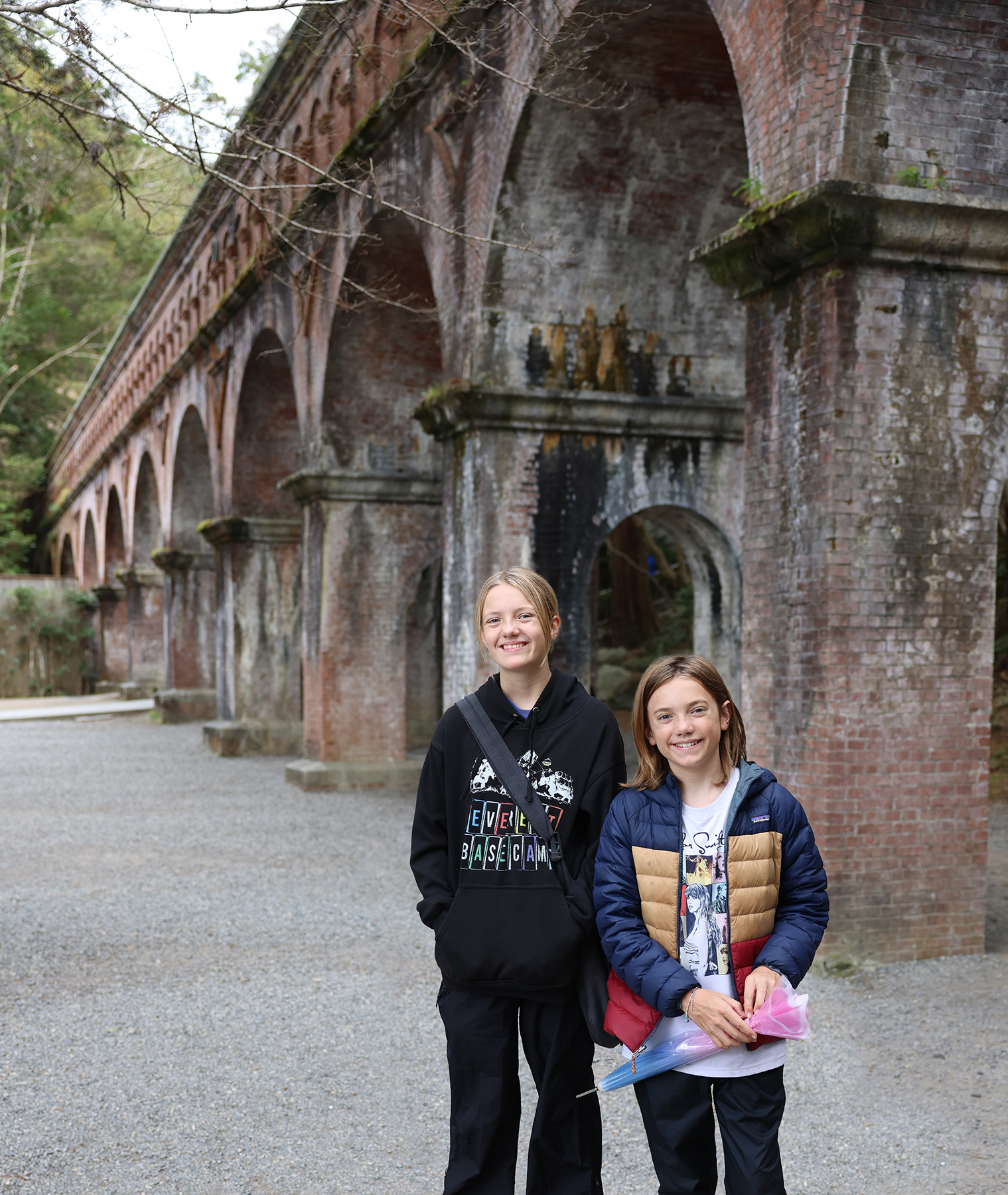









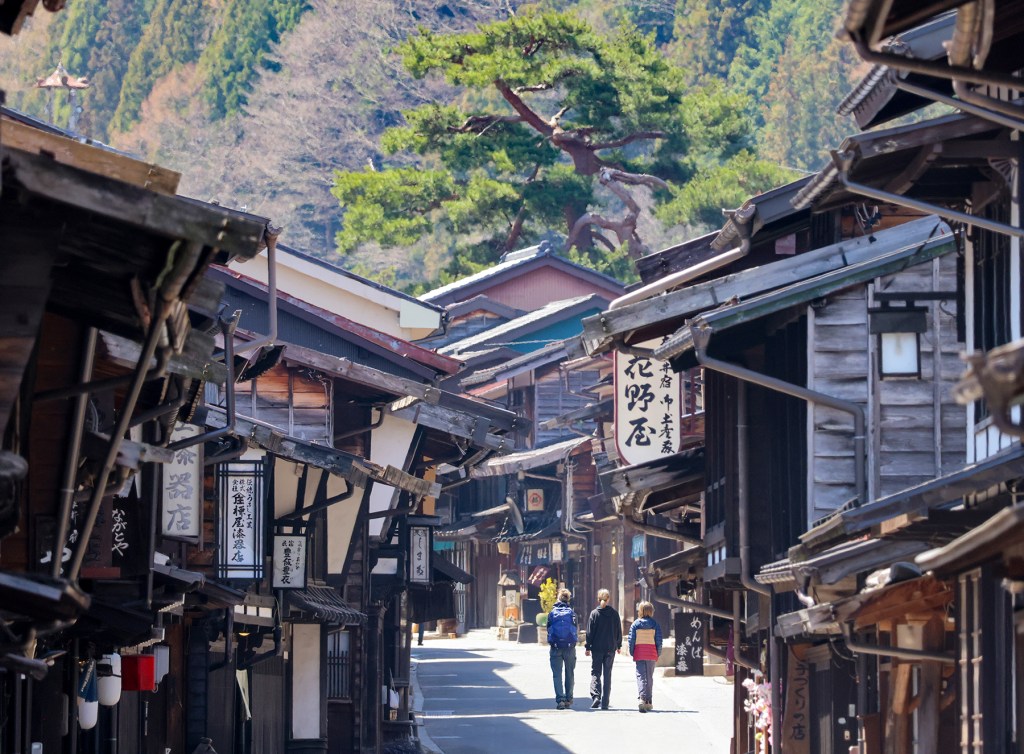
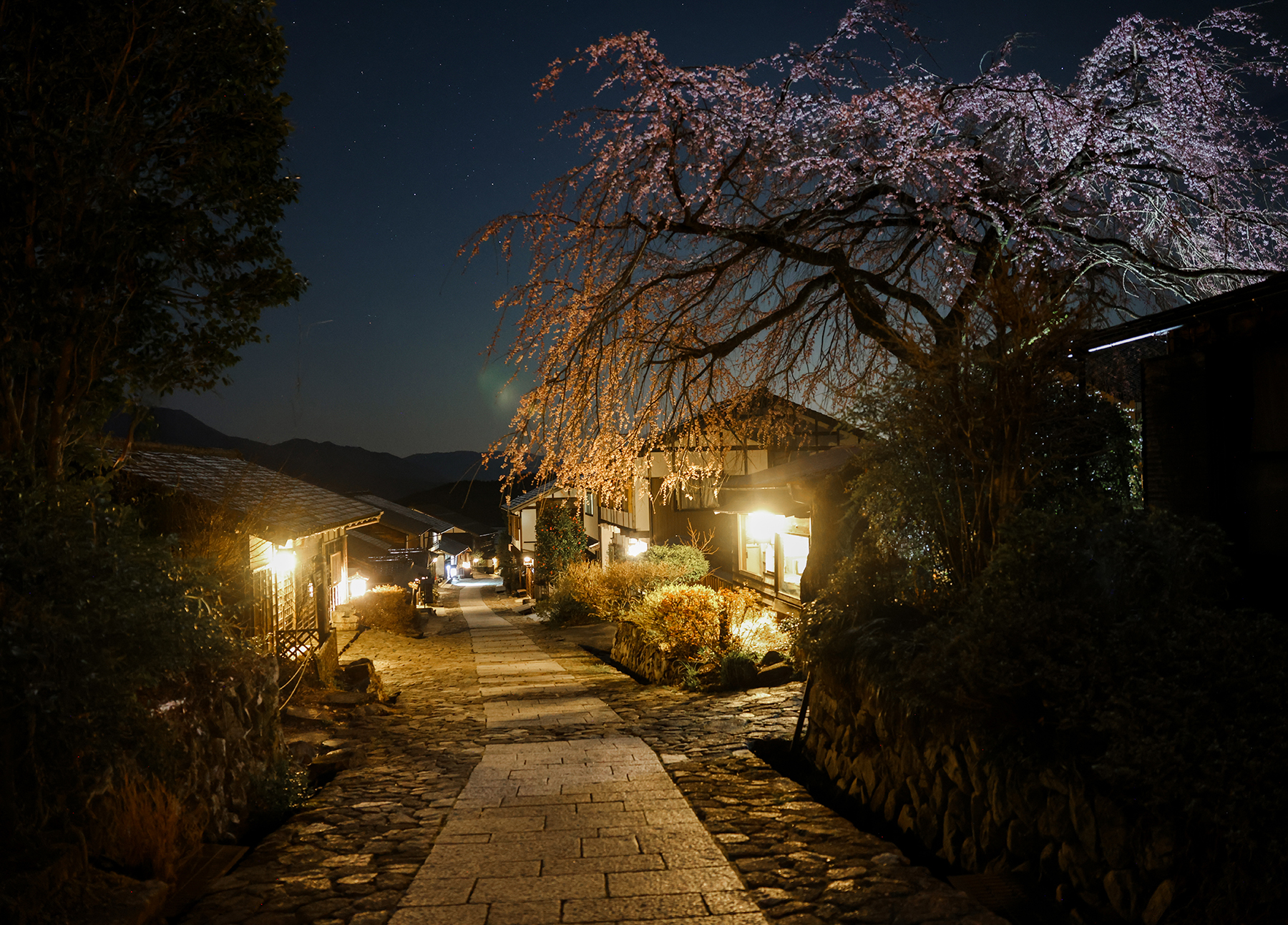
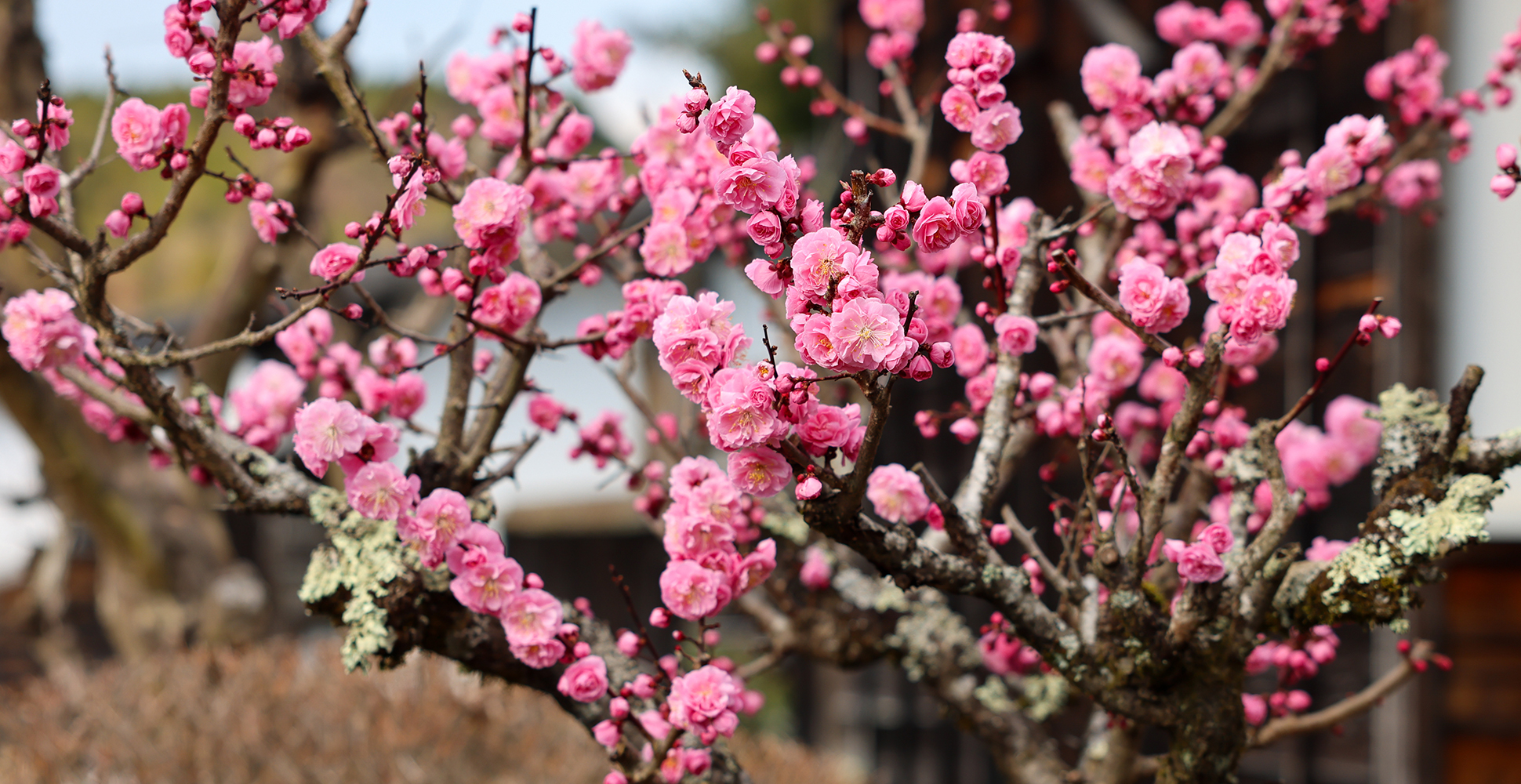
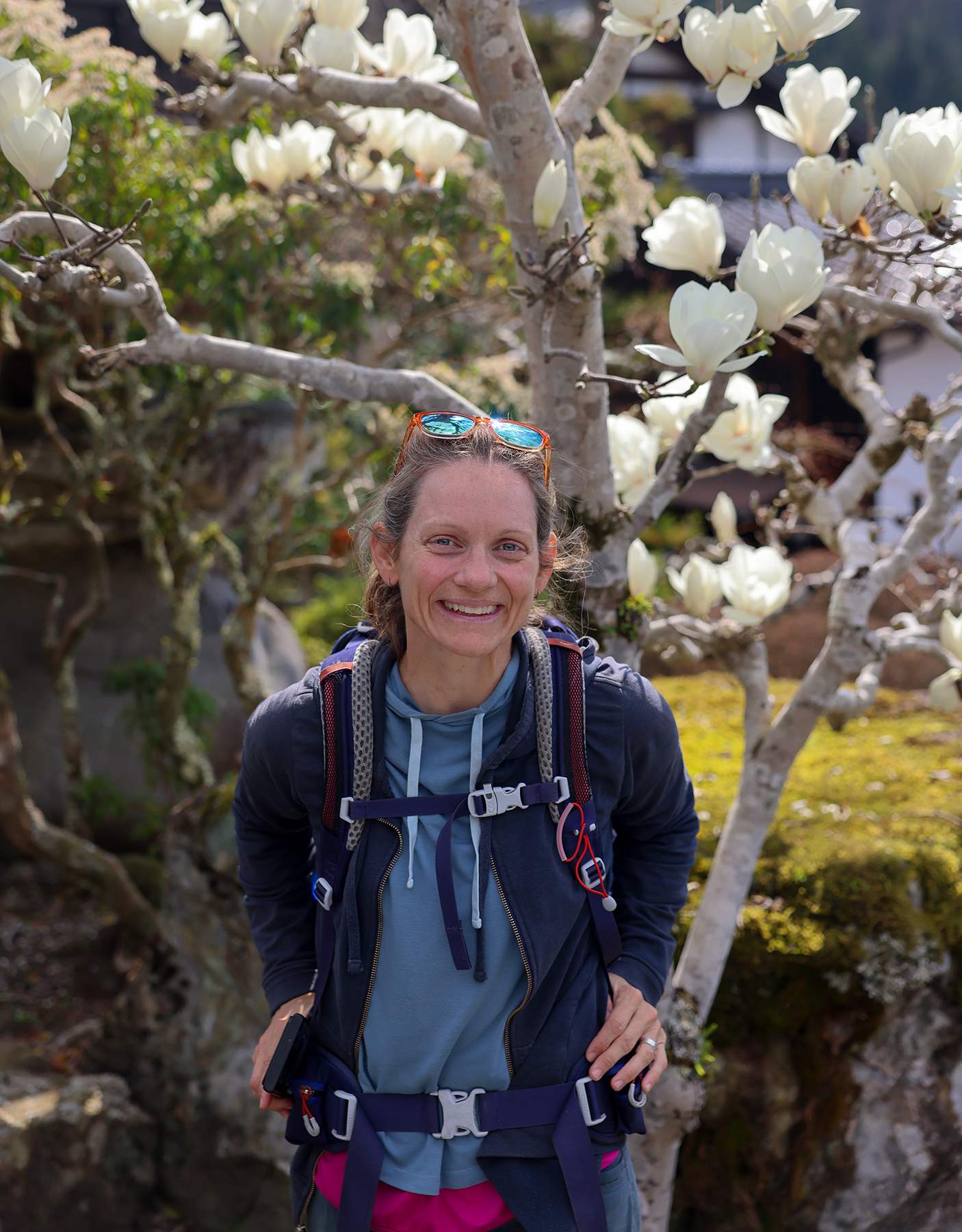
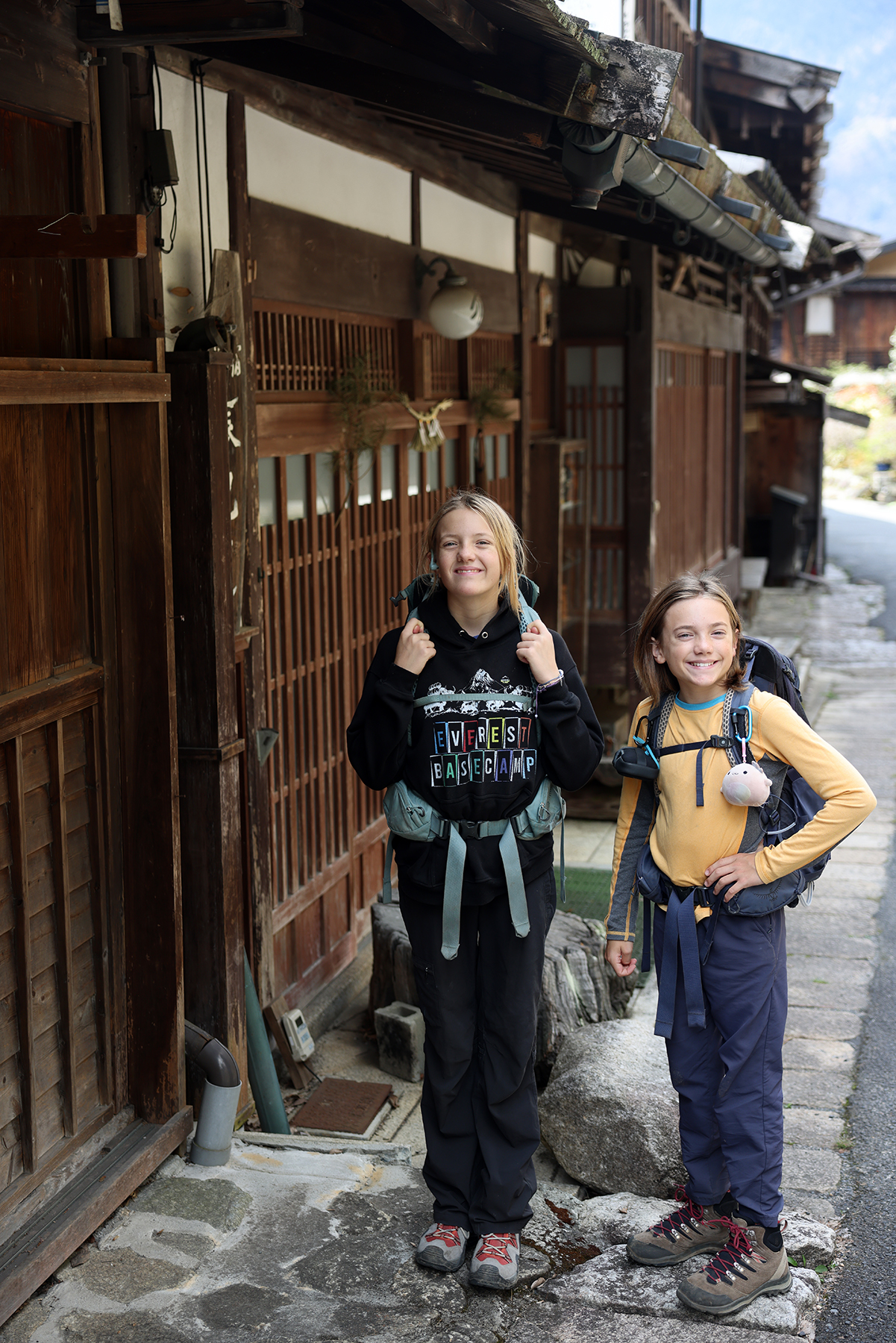
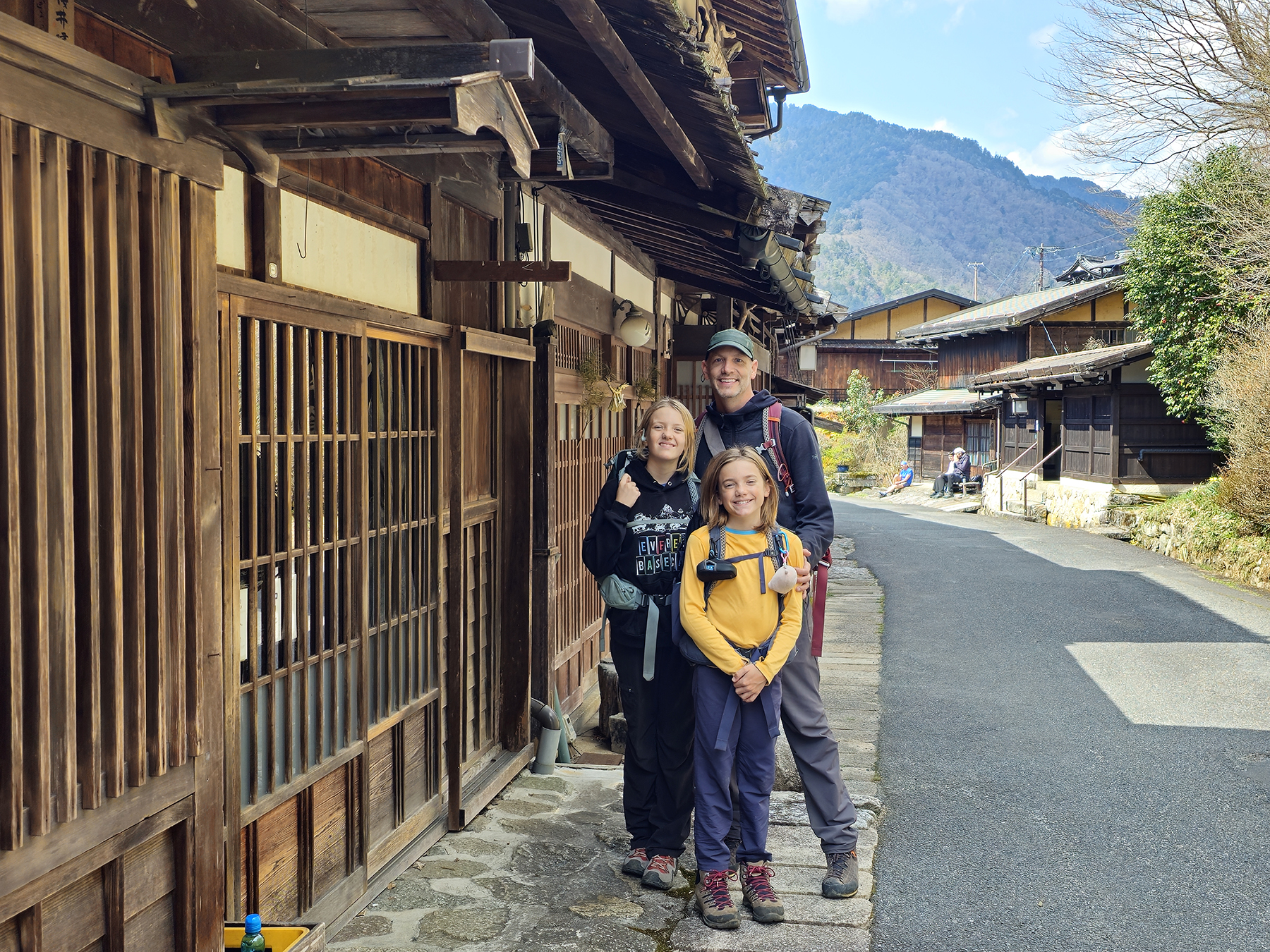
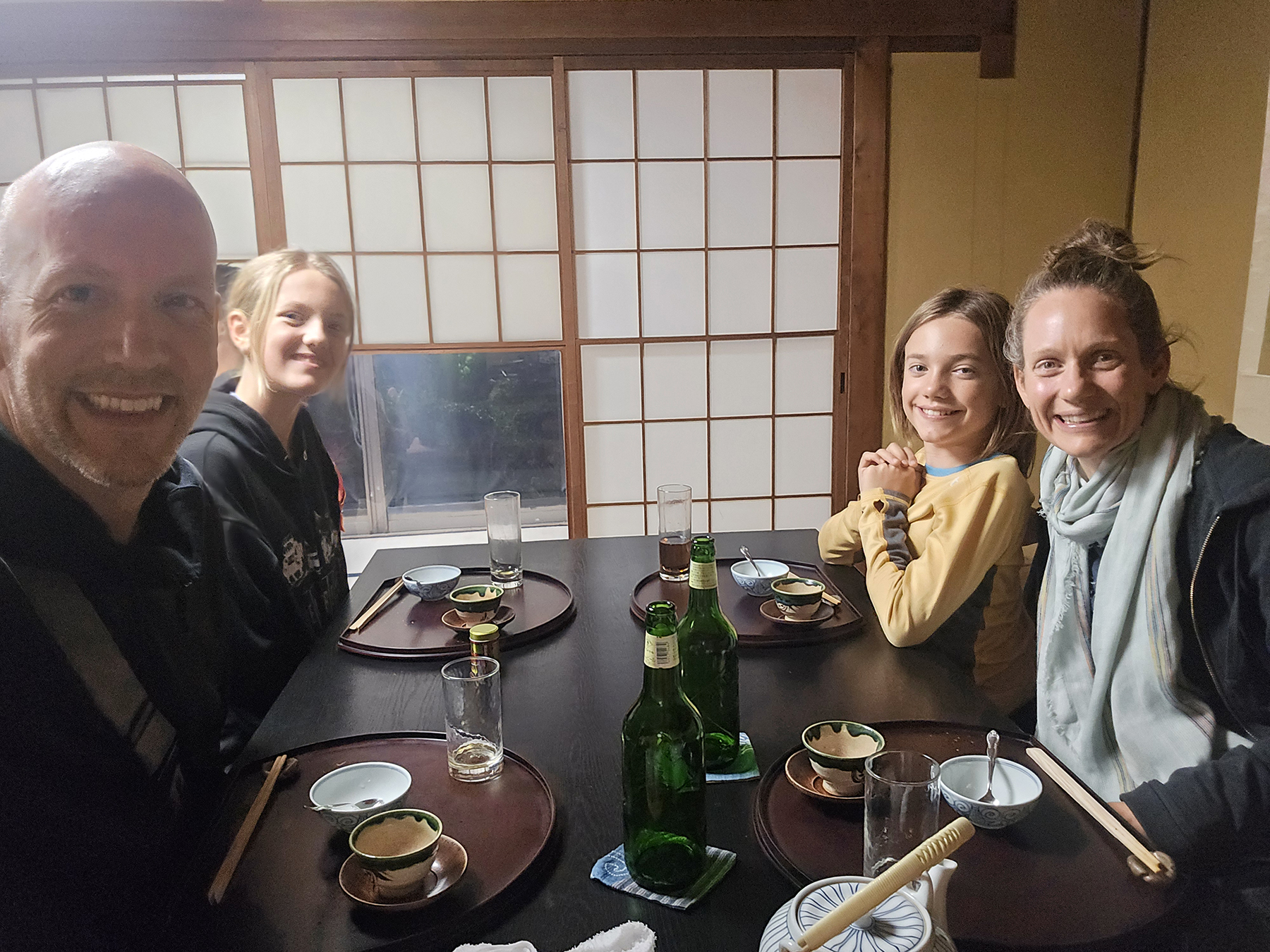
Exploring Kyoto was an incredible experience, and I’m sure we could have easily filled another week there, but it was time to move on to the mountains! We made our way north to the small town of Magome-juku, a former post town in the Kiso Valley. Our plan here was to do a short hike along the Nakasendo Trail to the neighboring town Tsumago-juku. The hike was a pleasant warmup for our next big trek, and the post towns were quiet, charming, and filled with beautiful architecture and gnarled blossoming trees. The highlight of our time in this area was an amazing traditional dinner in Magome, where we enjoyed vegetable and mushroom tempura that absolutely made the top 5 list for foods we enjoyed this year!

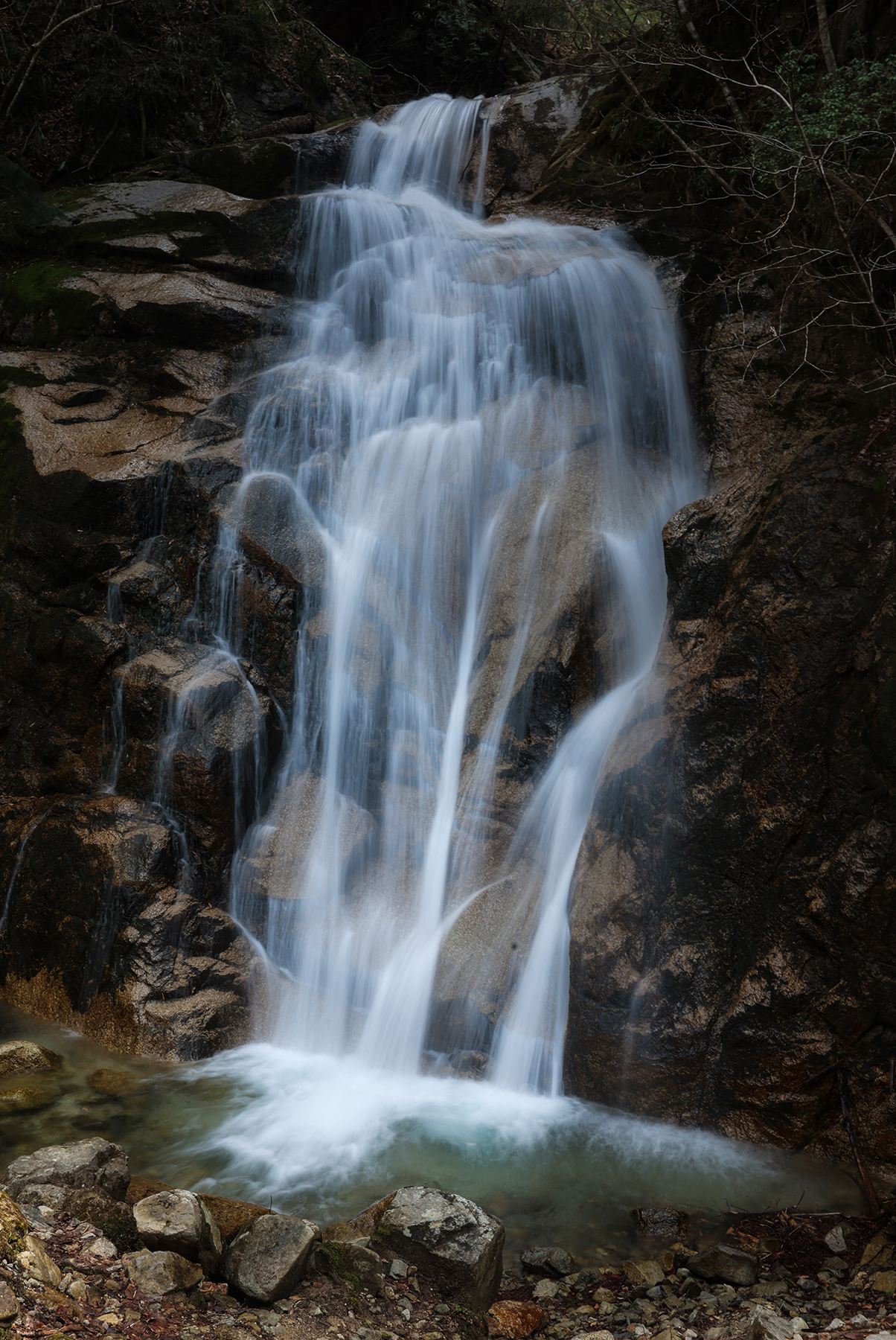


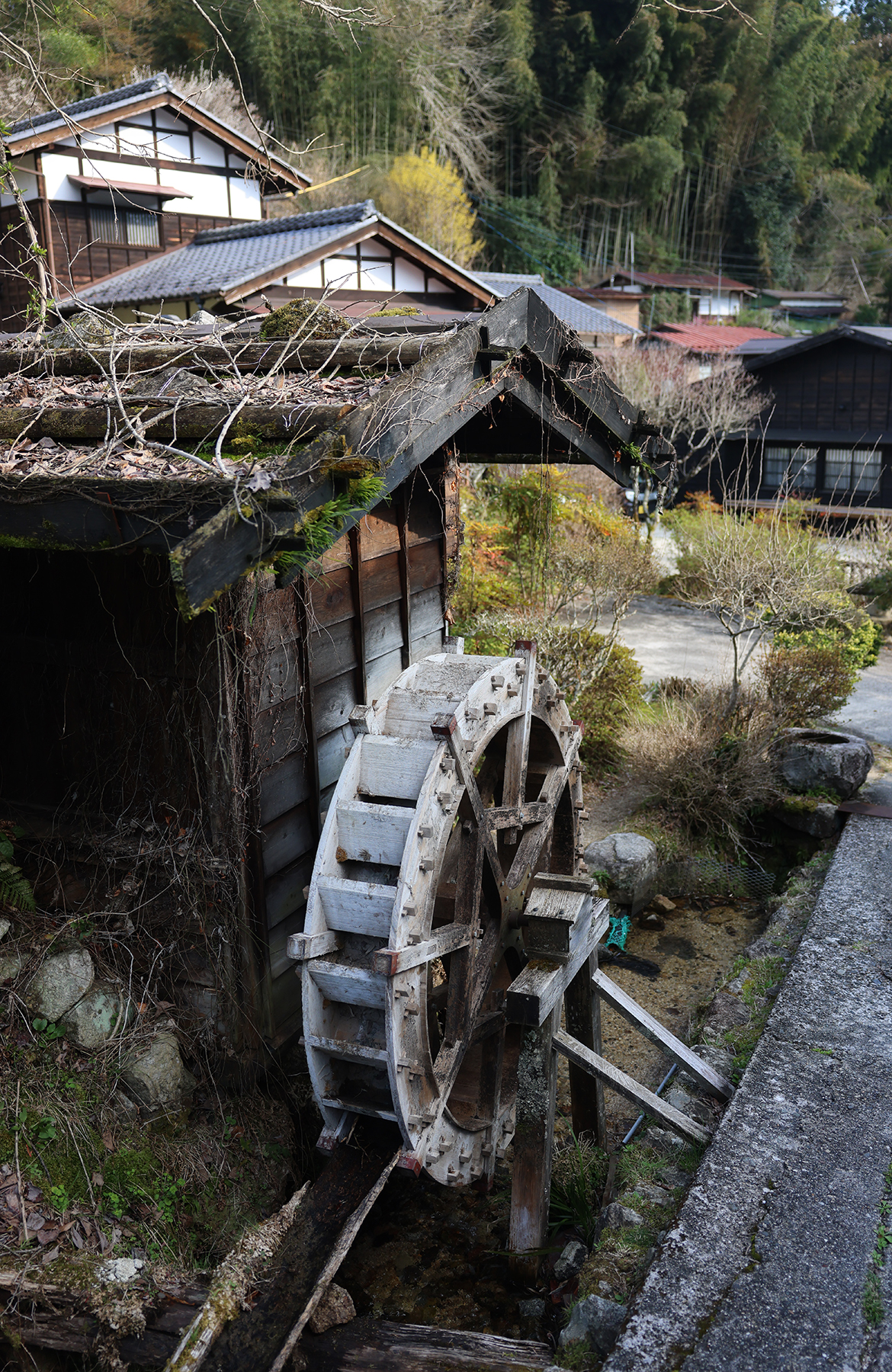
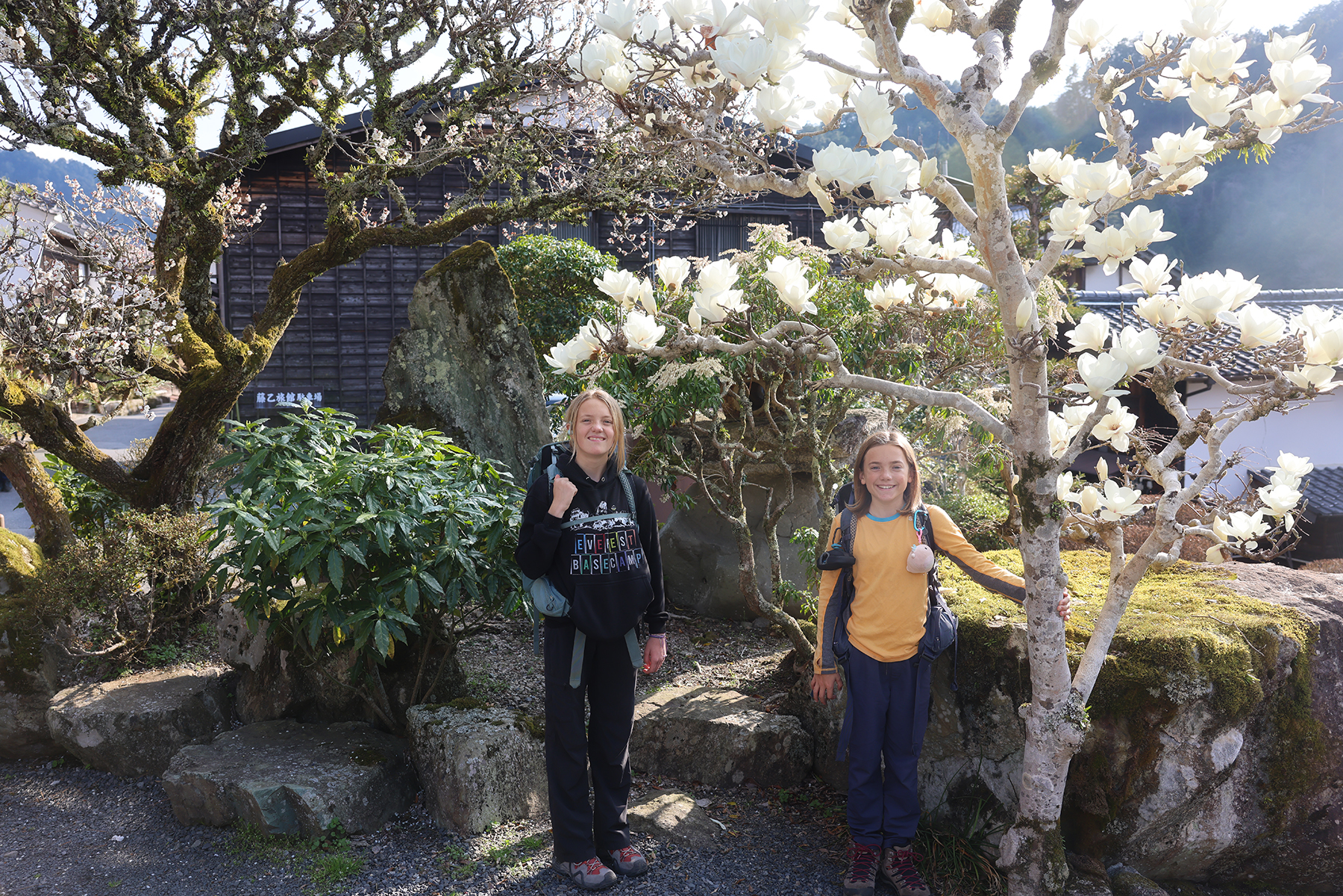
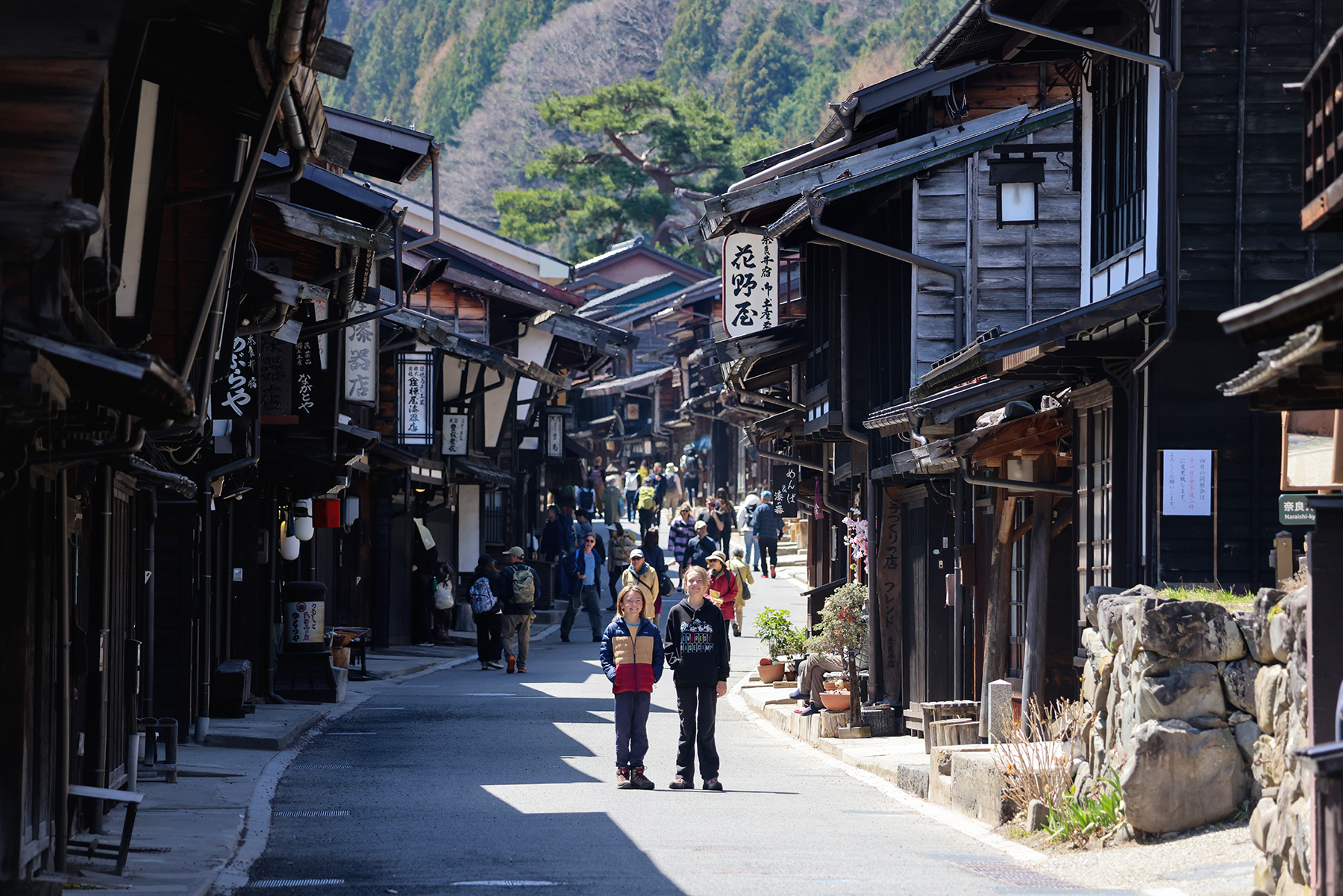


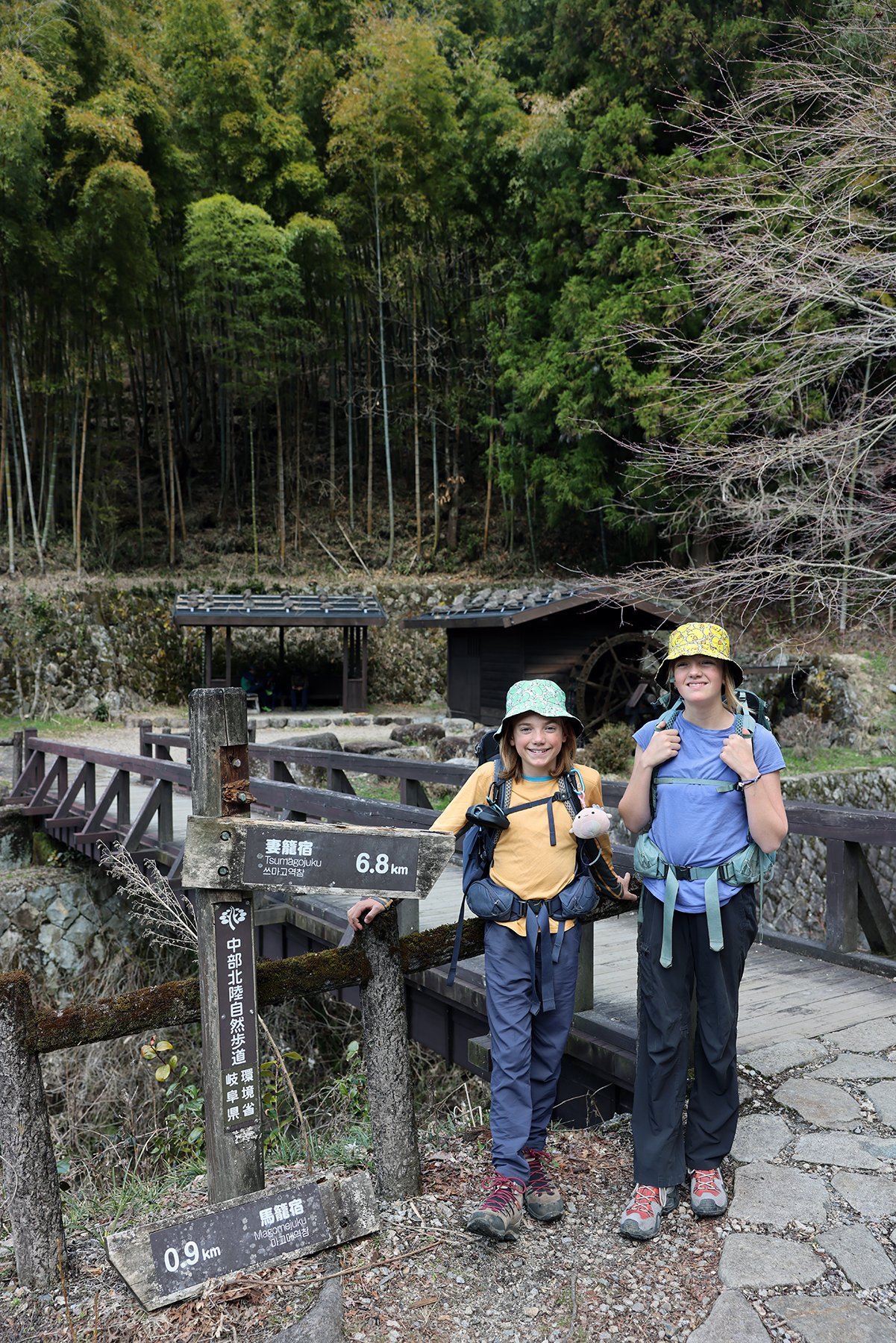
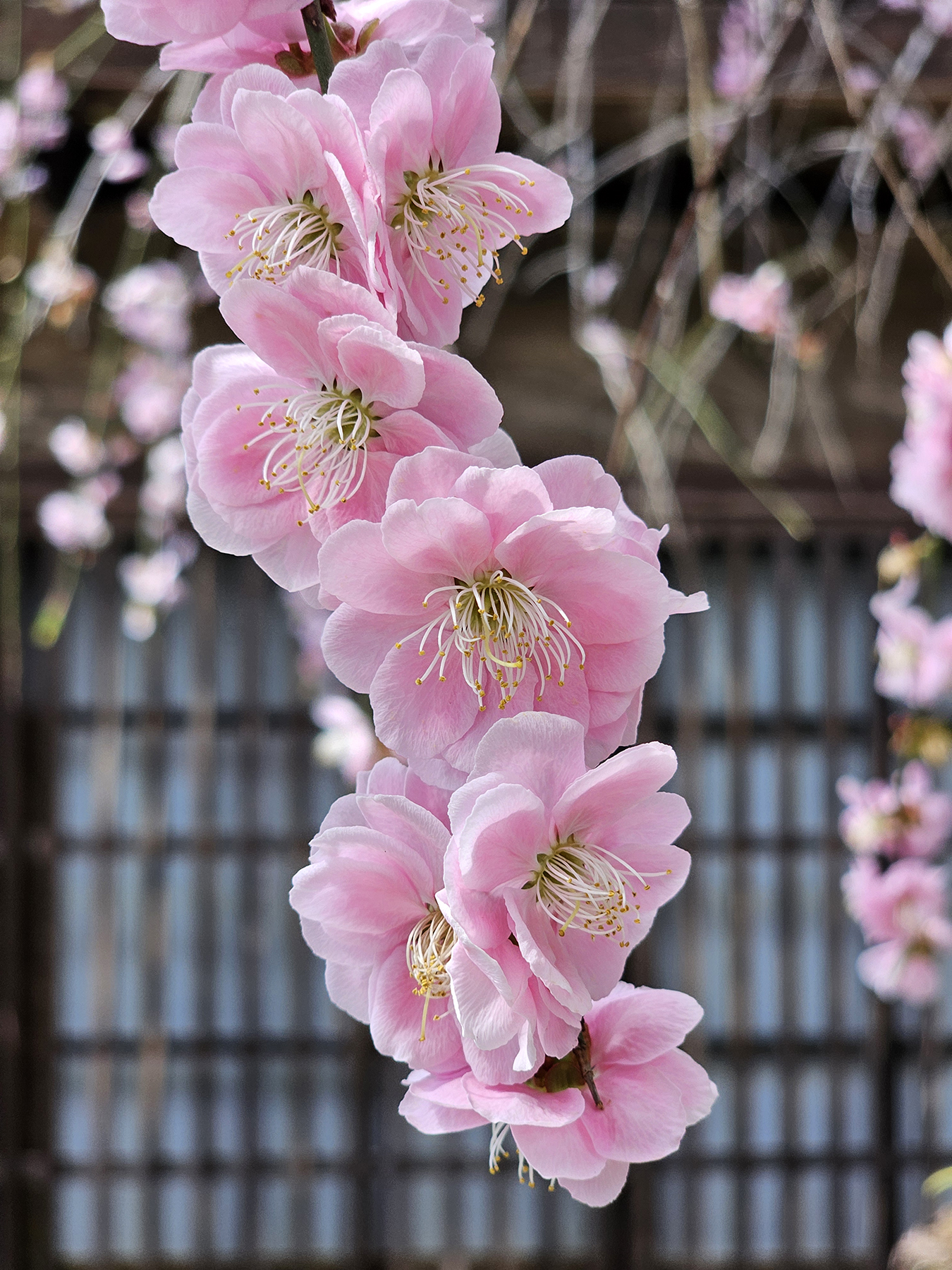
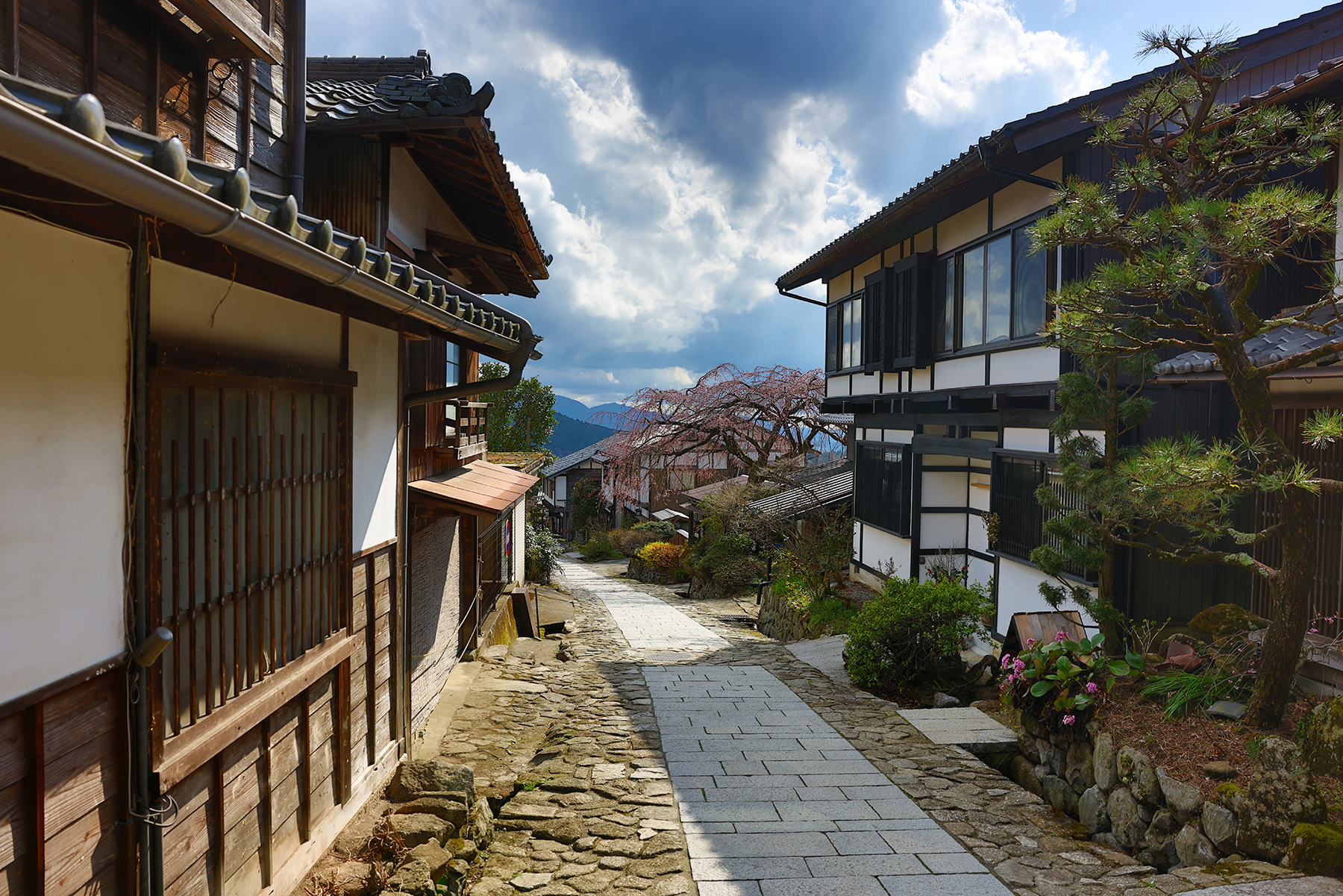

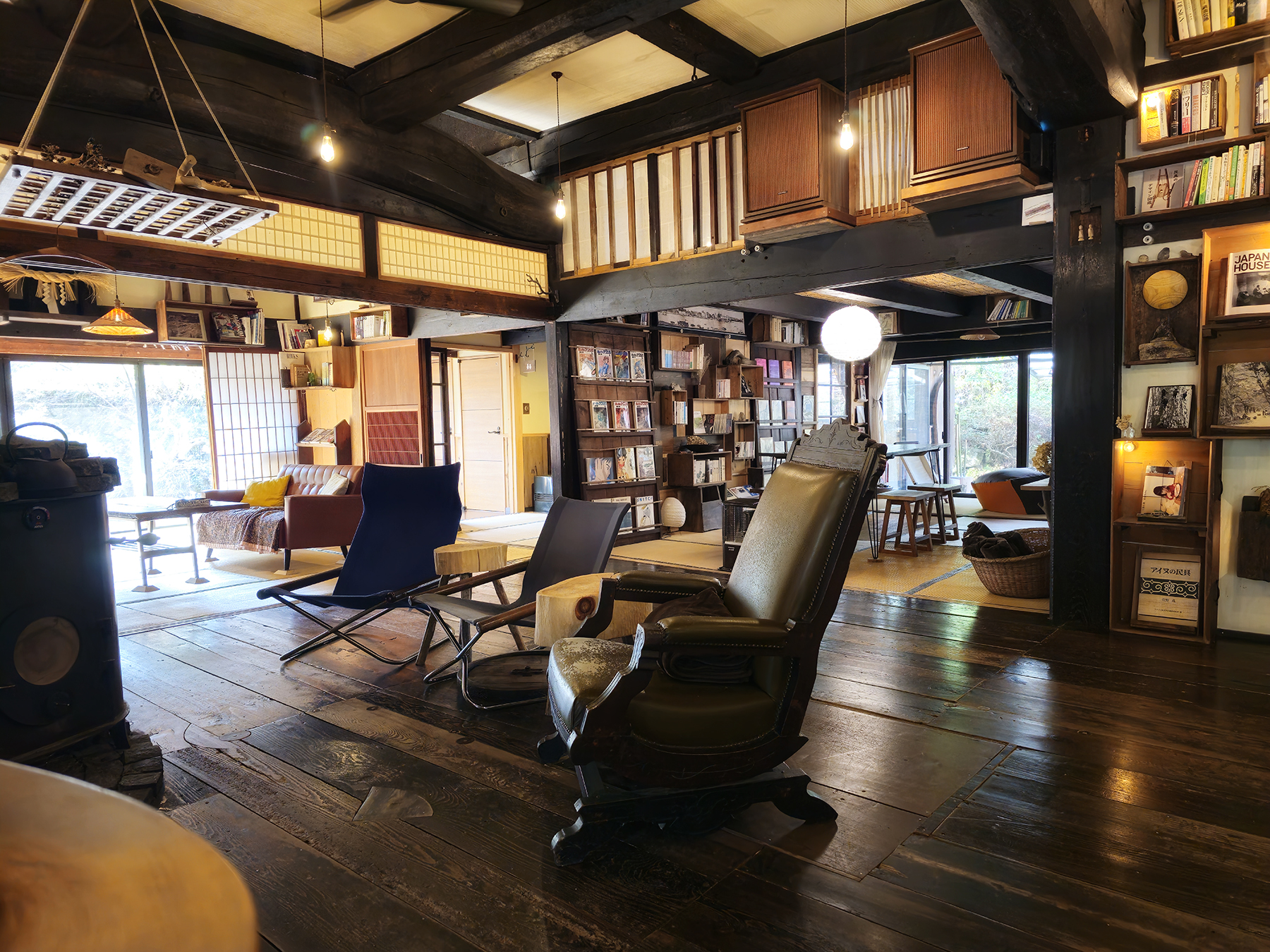
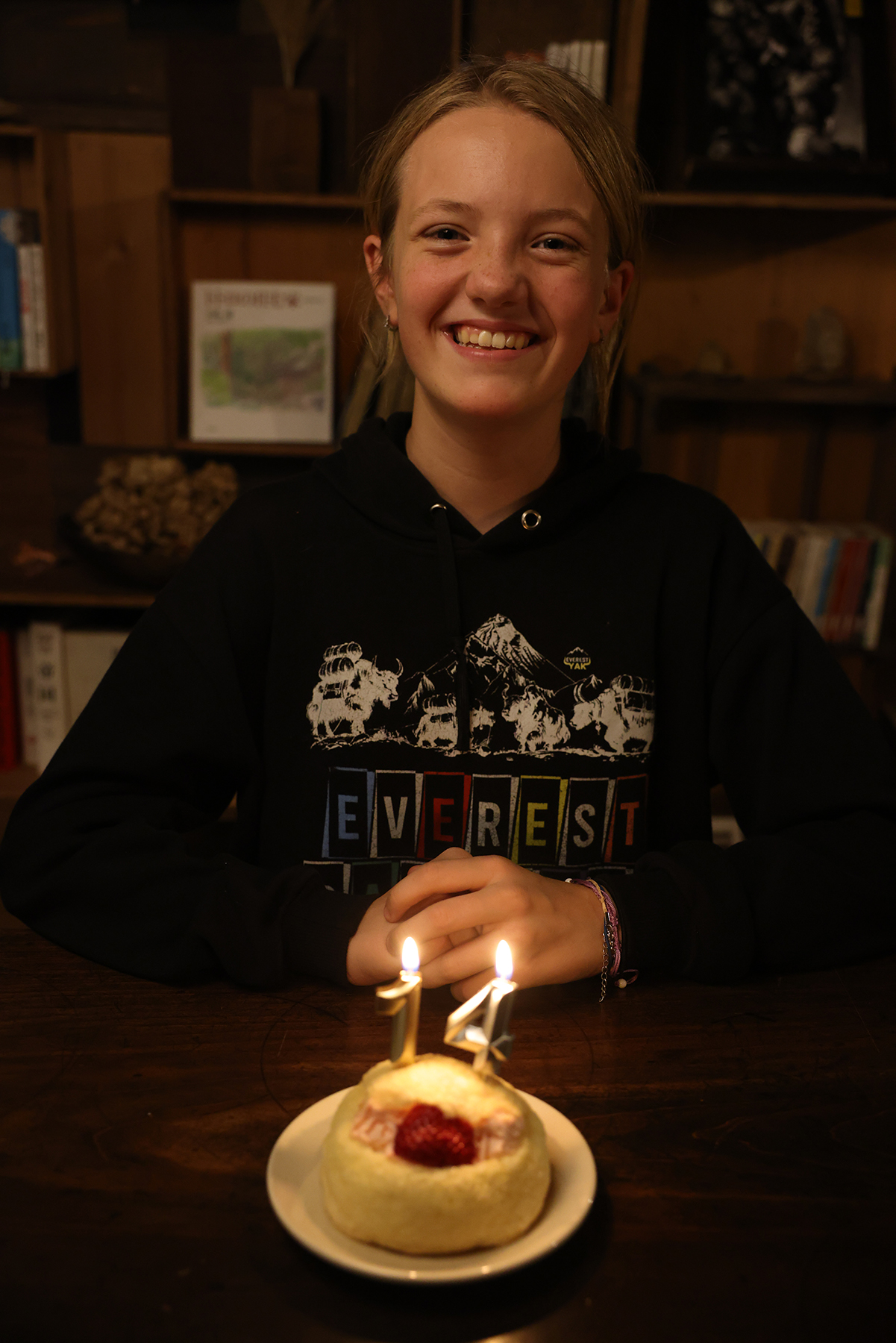
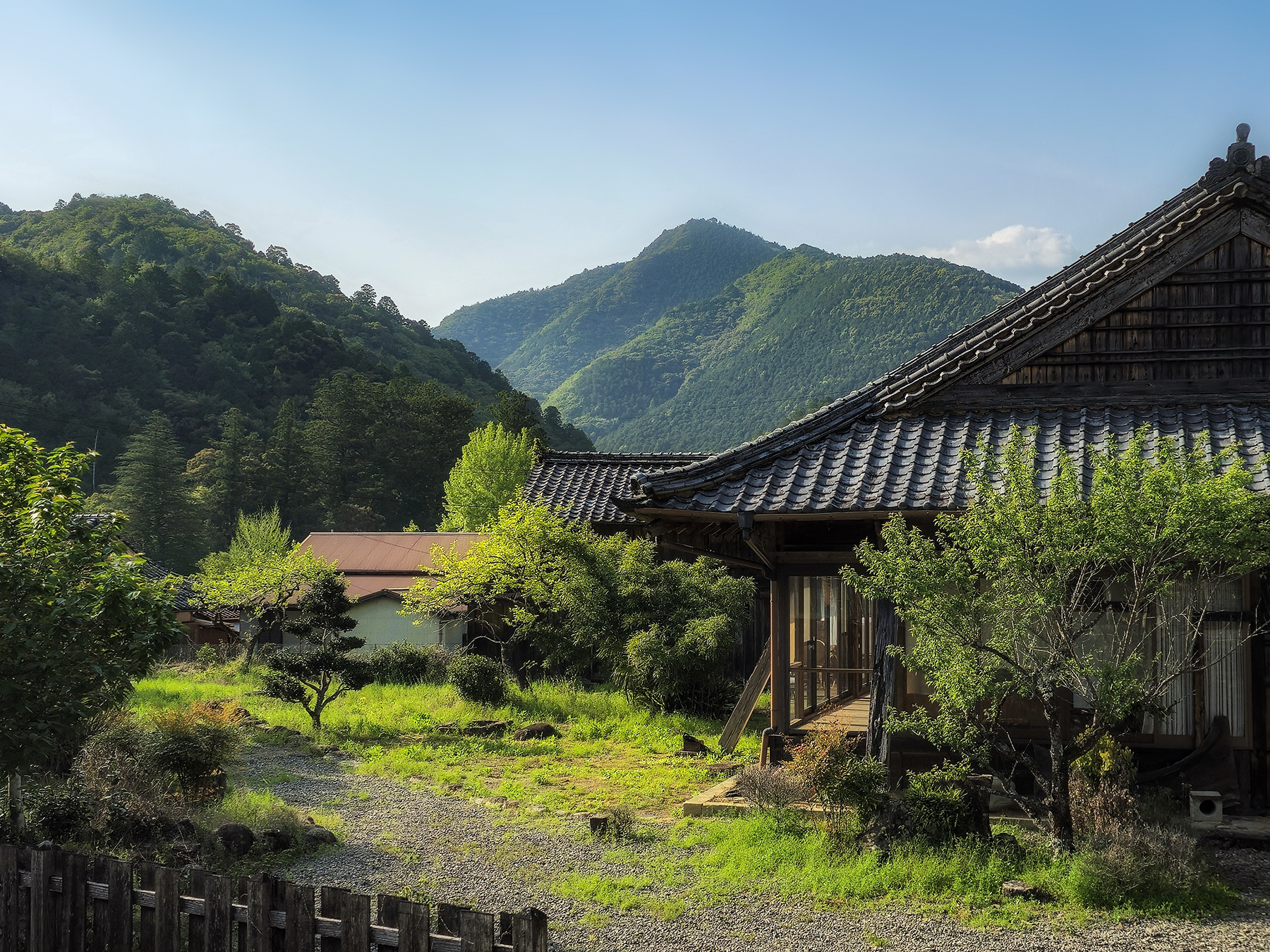
We departed Magome-juku to spend some rest days in a beautifully restored hostel in the countryside outside of Nagiso. The hostel had once been a farmhouse, and is now the site of one of the coziest accommodations we have ever visited, filled with a library of beautiful books and collections of popular manga. The weather was stormy for much of the three days we spent in Nagiso, but that was just fine as we were content to spend some quiet down days before our upcoming pilgrimage trek. MB celebrated her 14th birthday here with an amazing curry dinner, which was surprisingly interrupted by a magnitude 4.9 earthquake! We felt the whole building briefly vibrate and shake during the exciting conclusion to our evening, but fortunately the shaking was not severe enough to cause any damage. It is somewhat concerning that MB’s last two birthdays have involved a total solar eclipse and an earthquake – perhaps the universe is sending us signals?

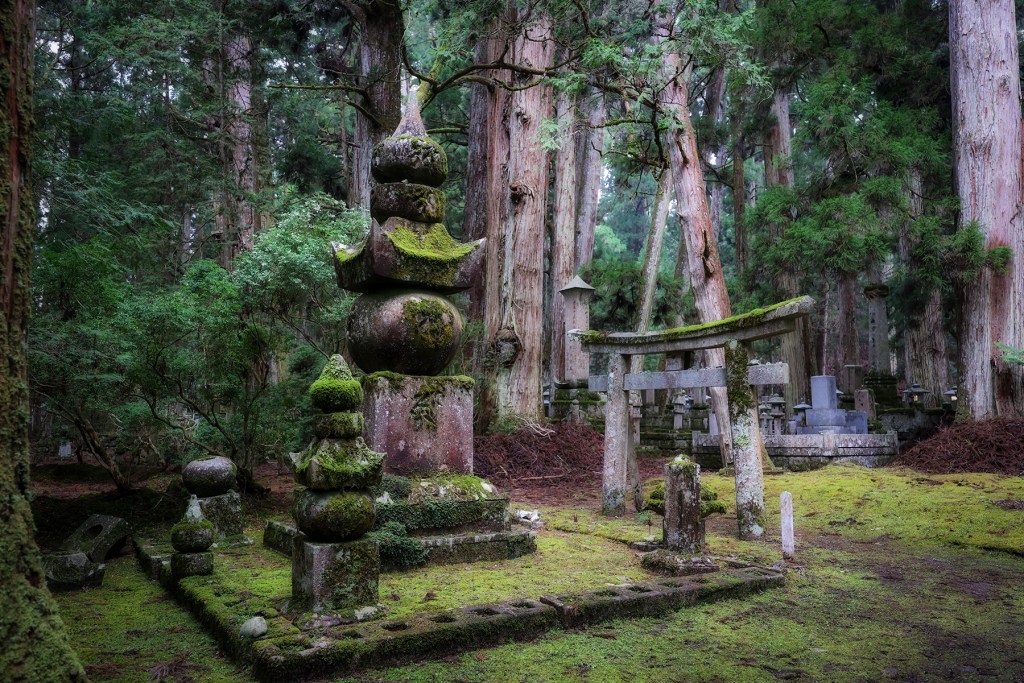
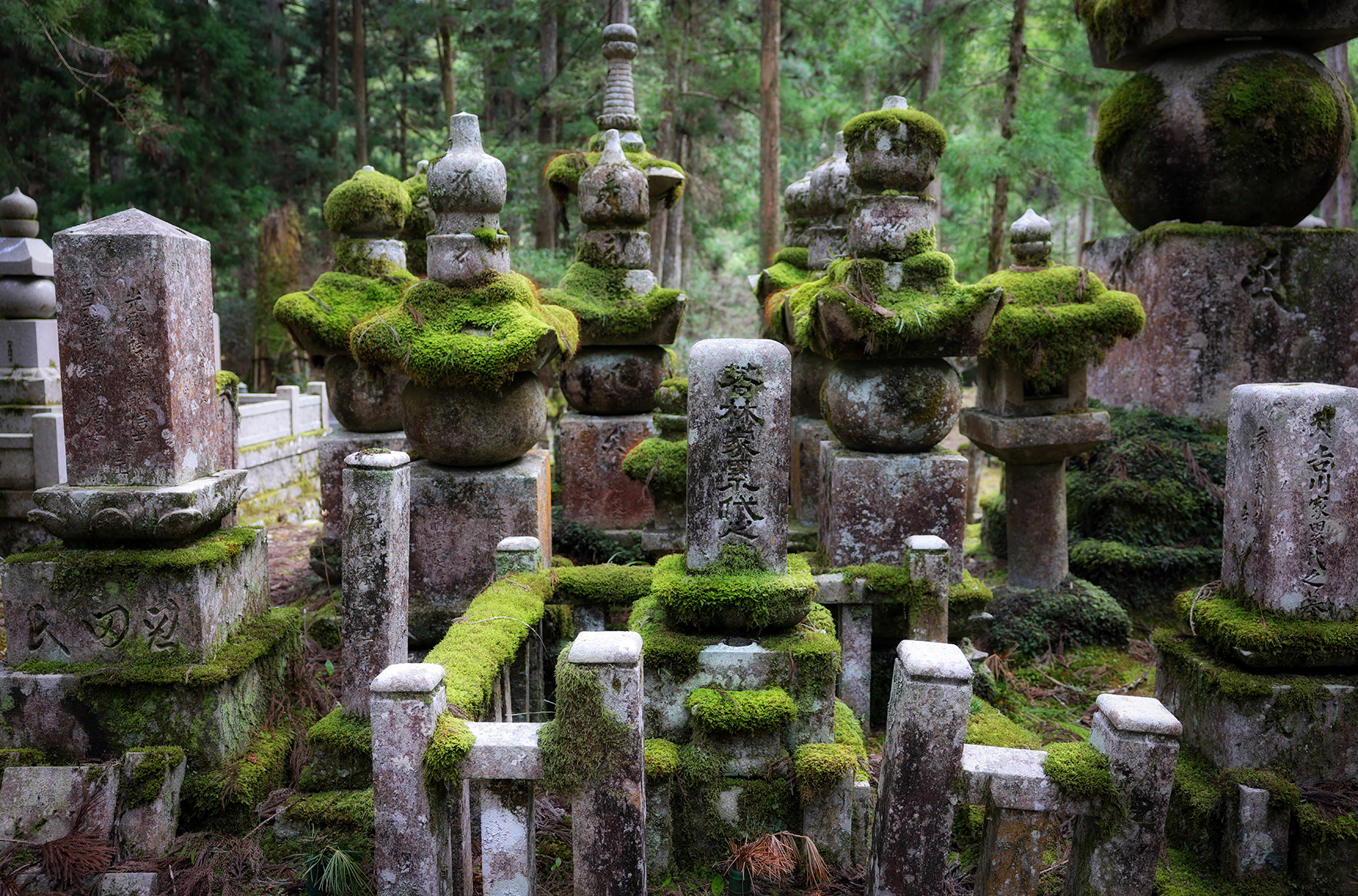
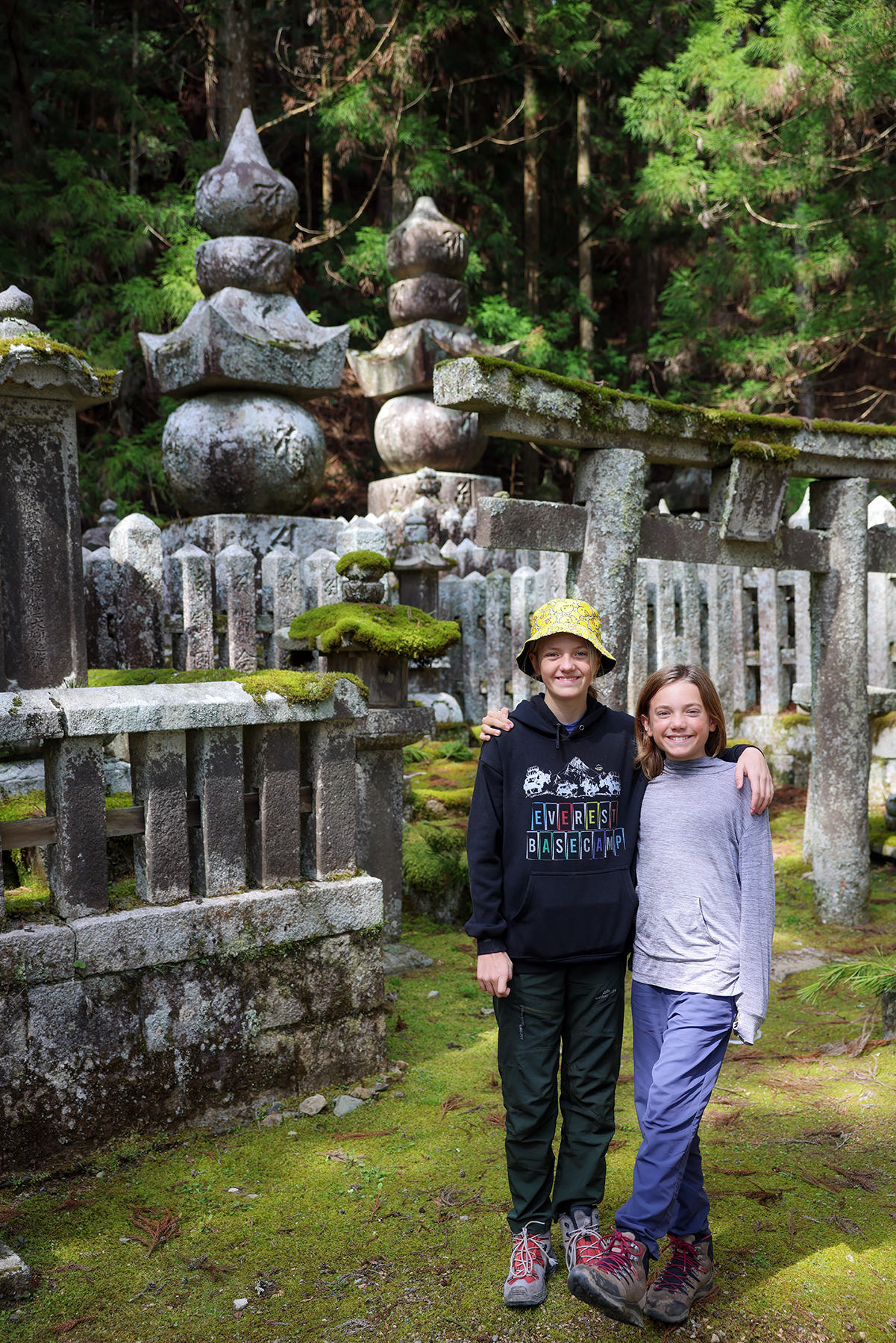
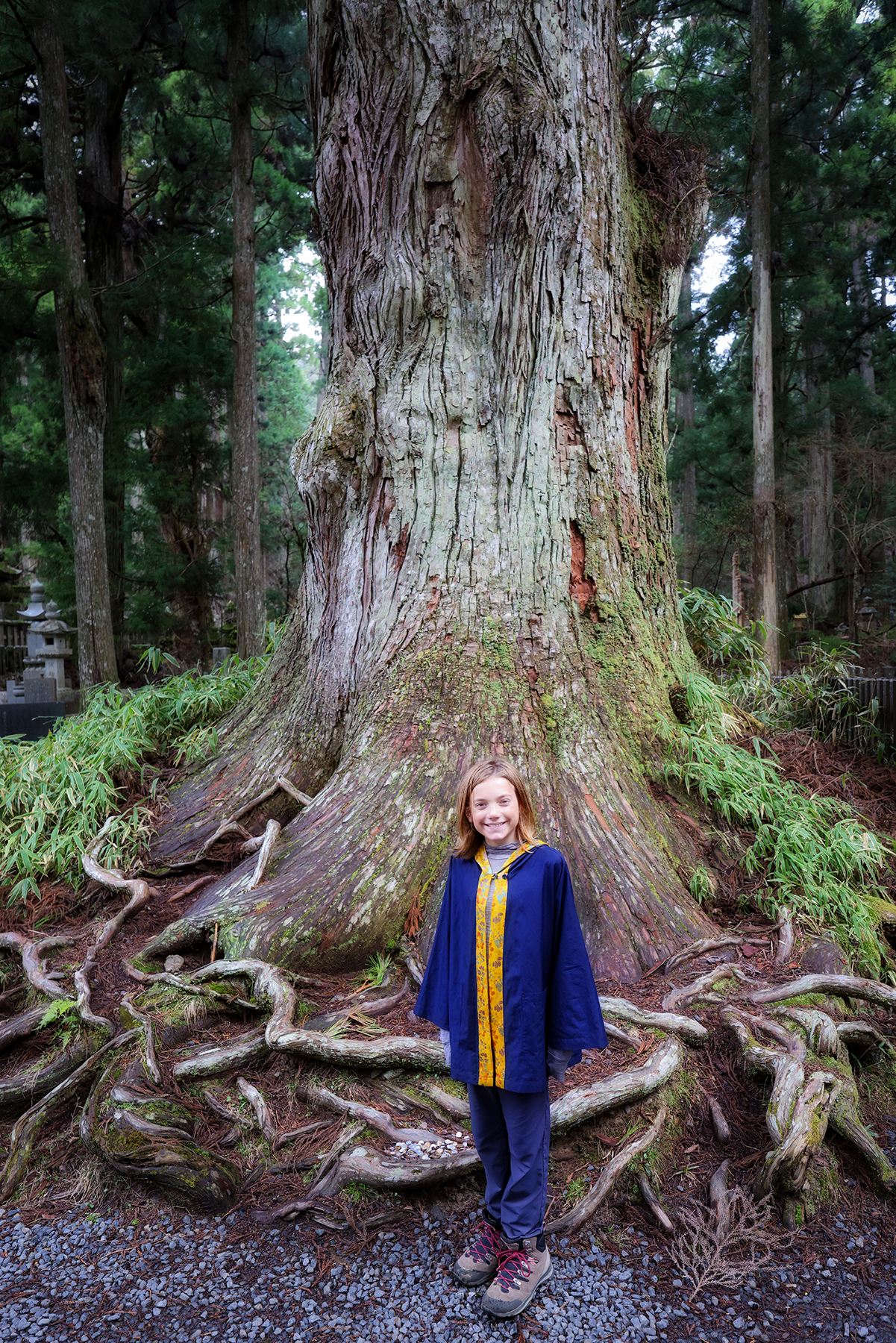
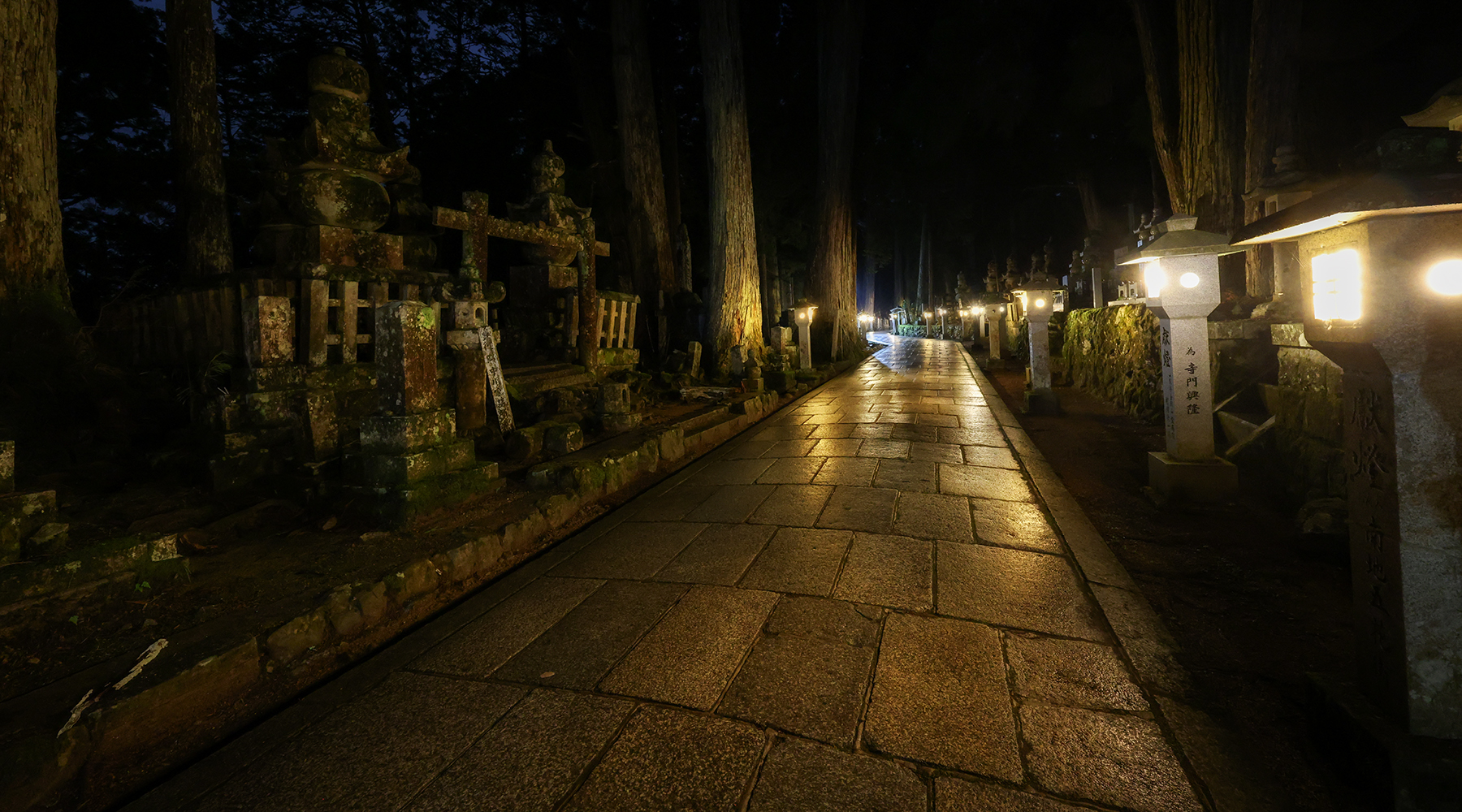
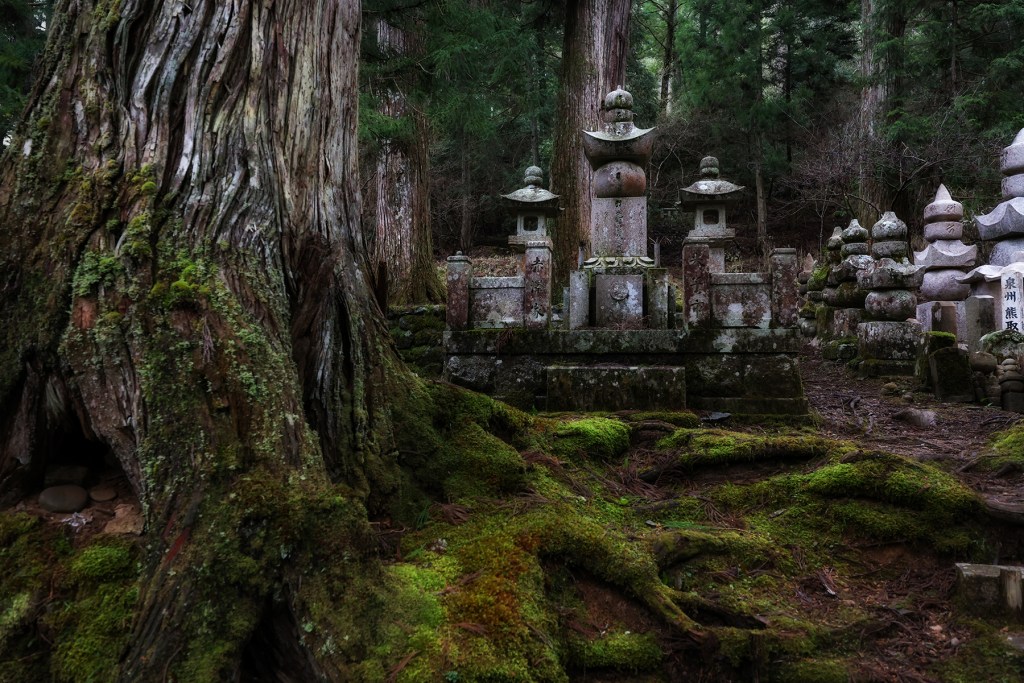
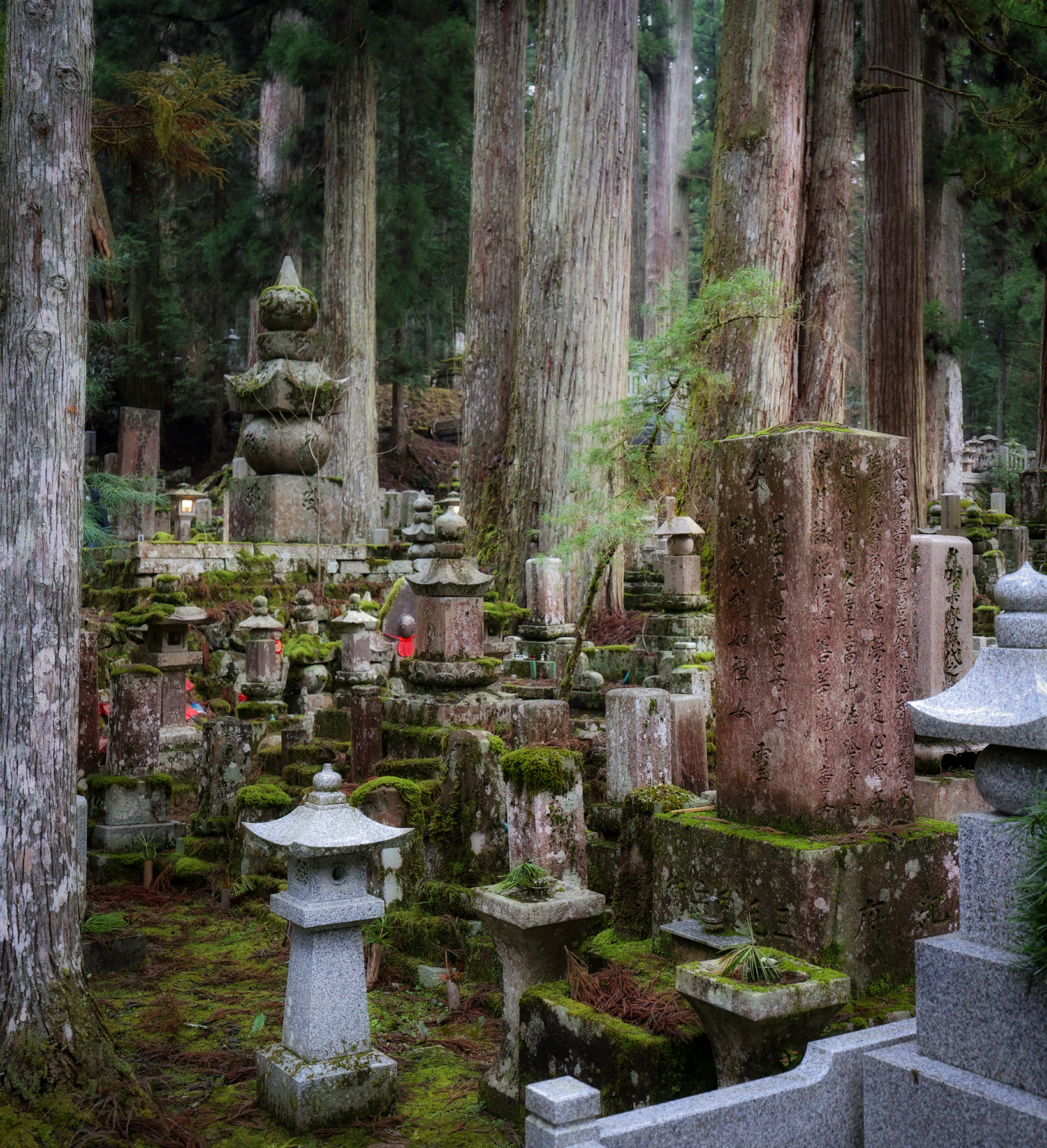
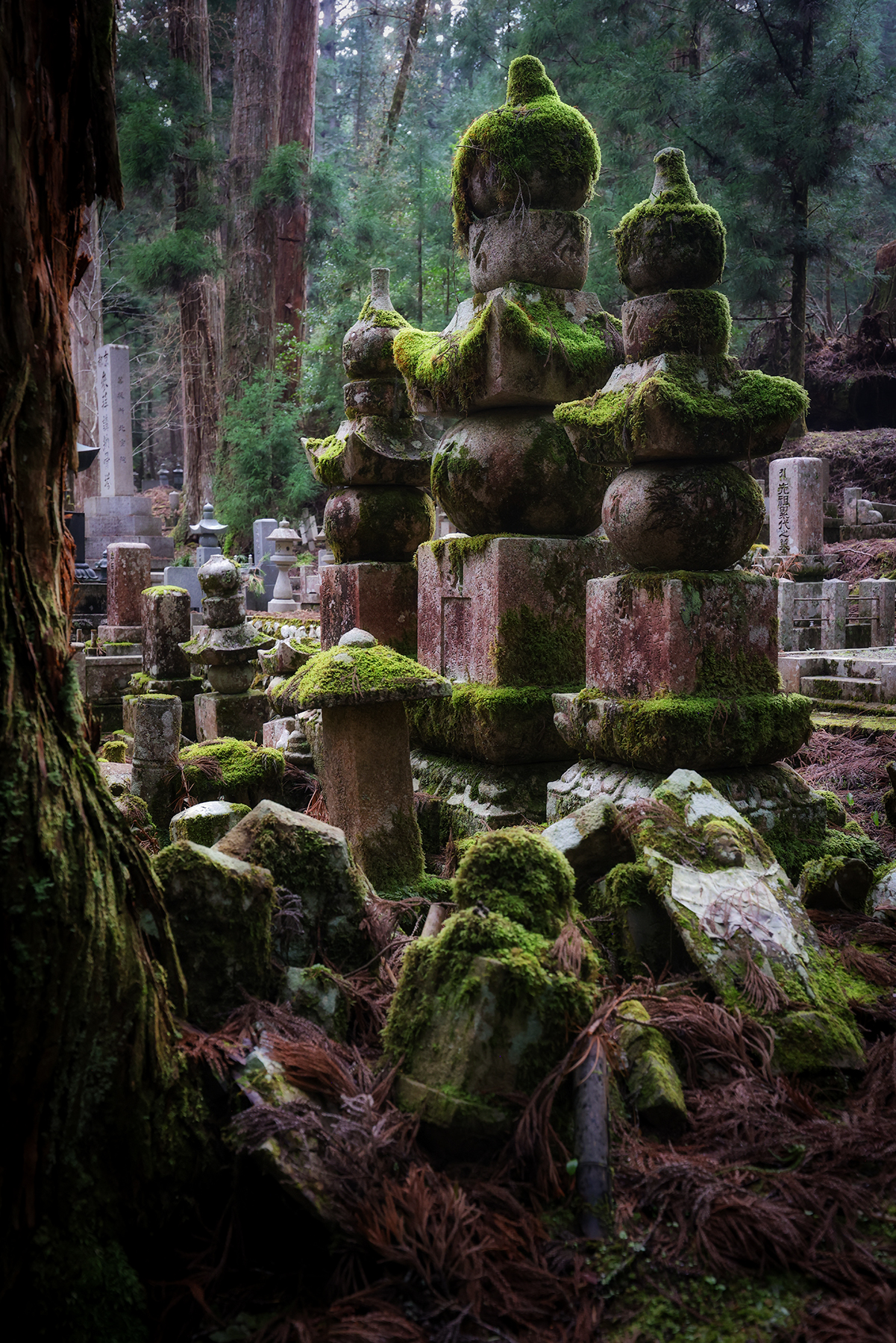
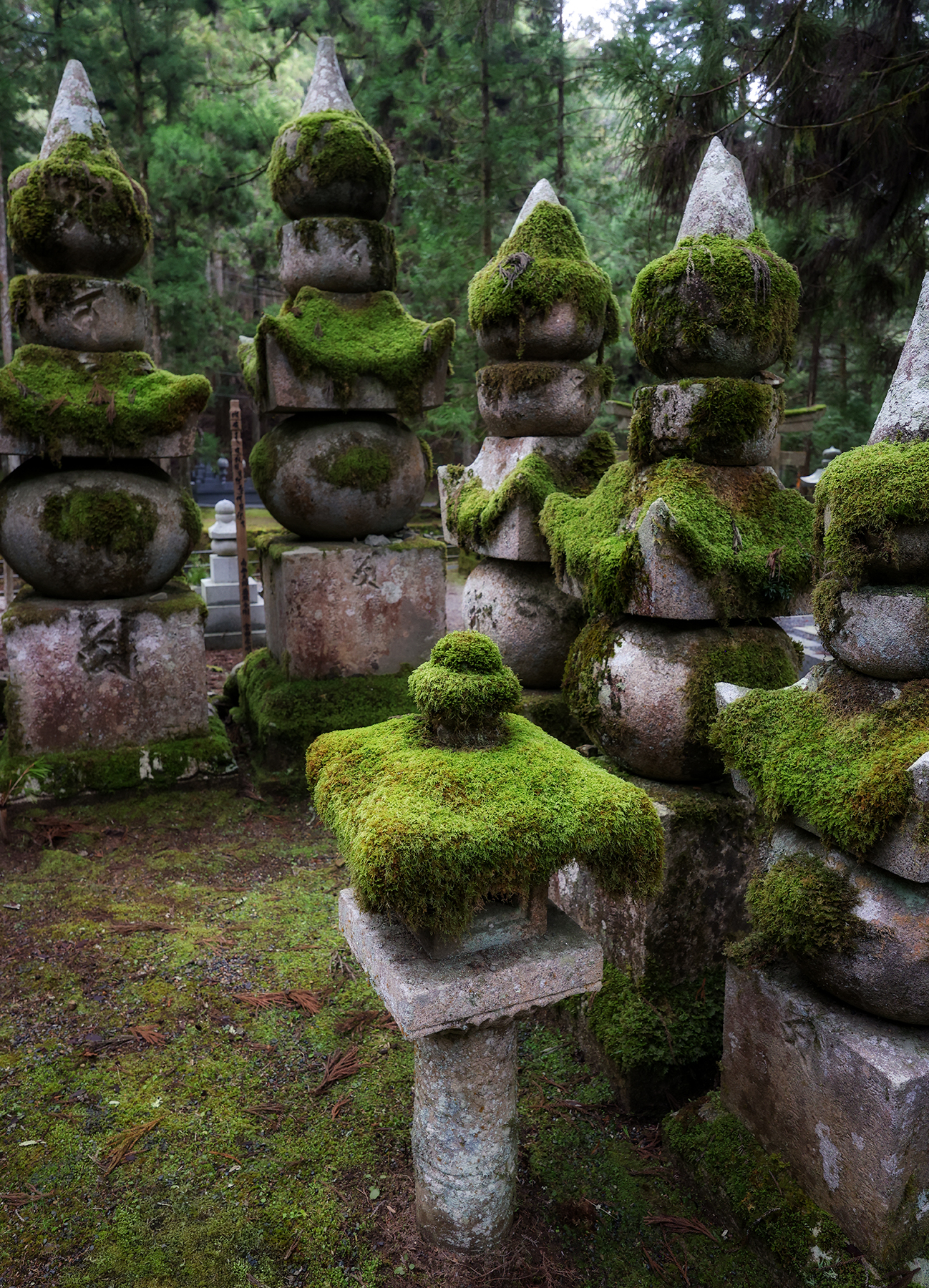
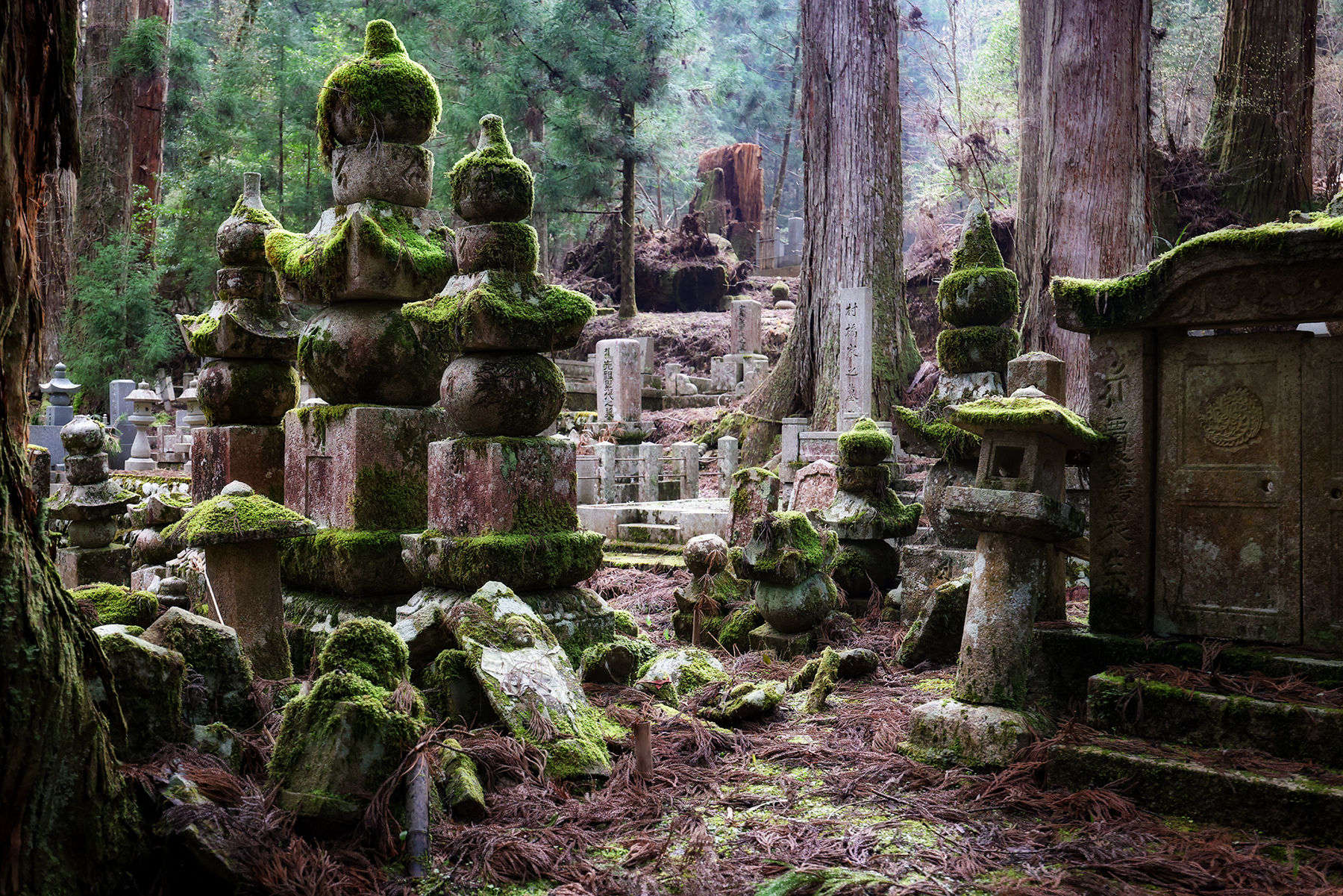
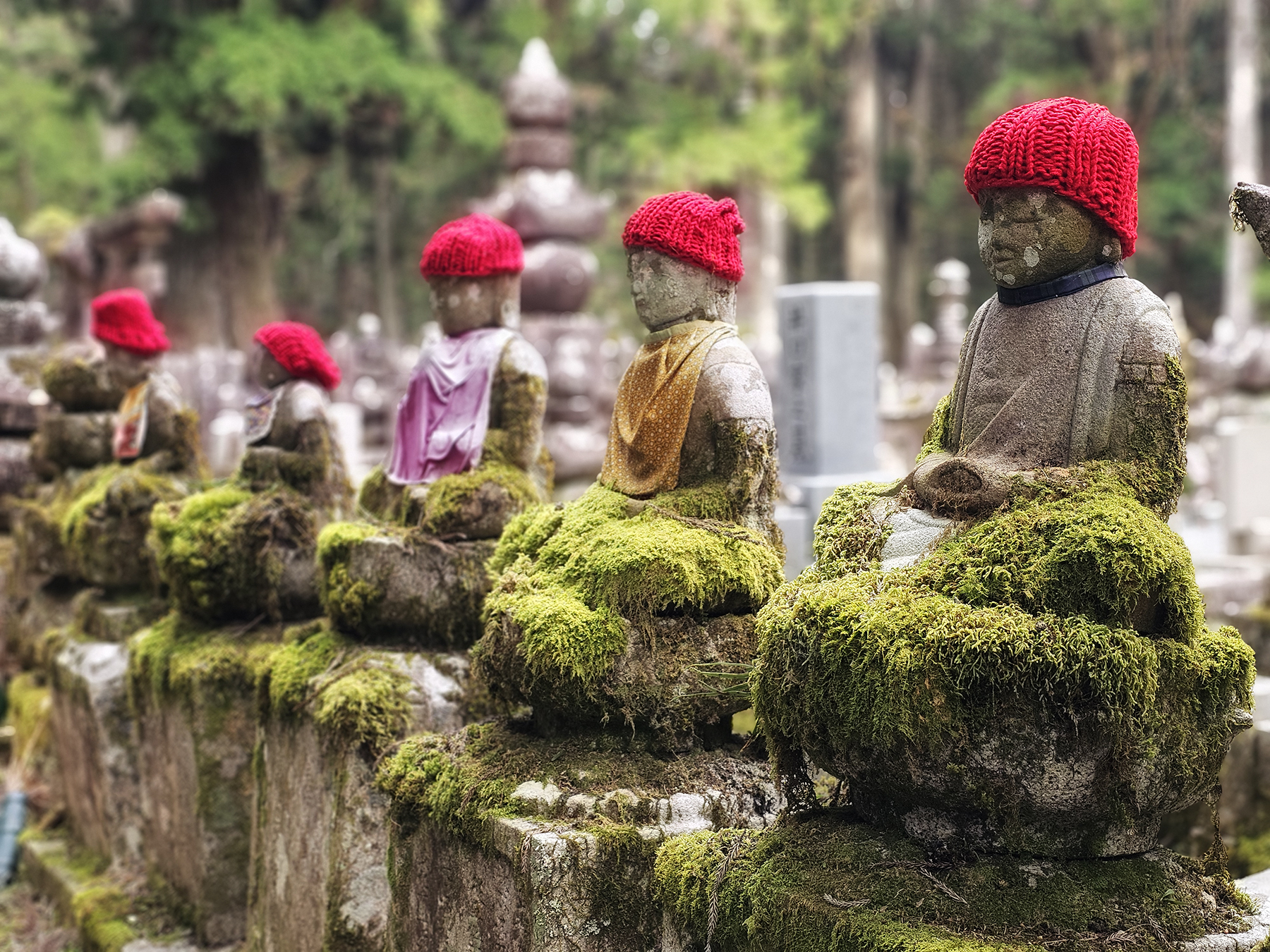
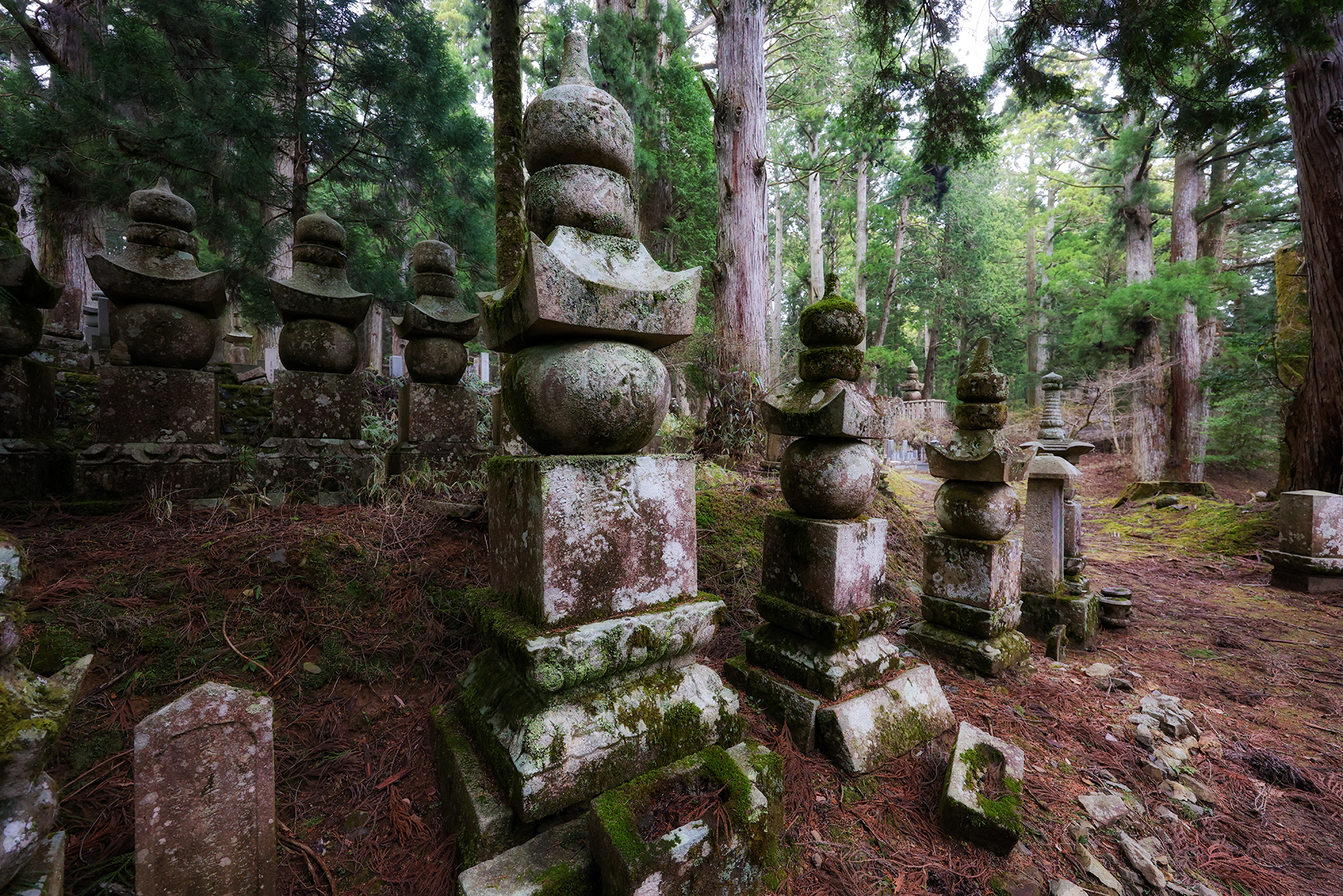
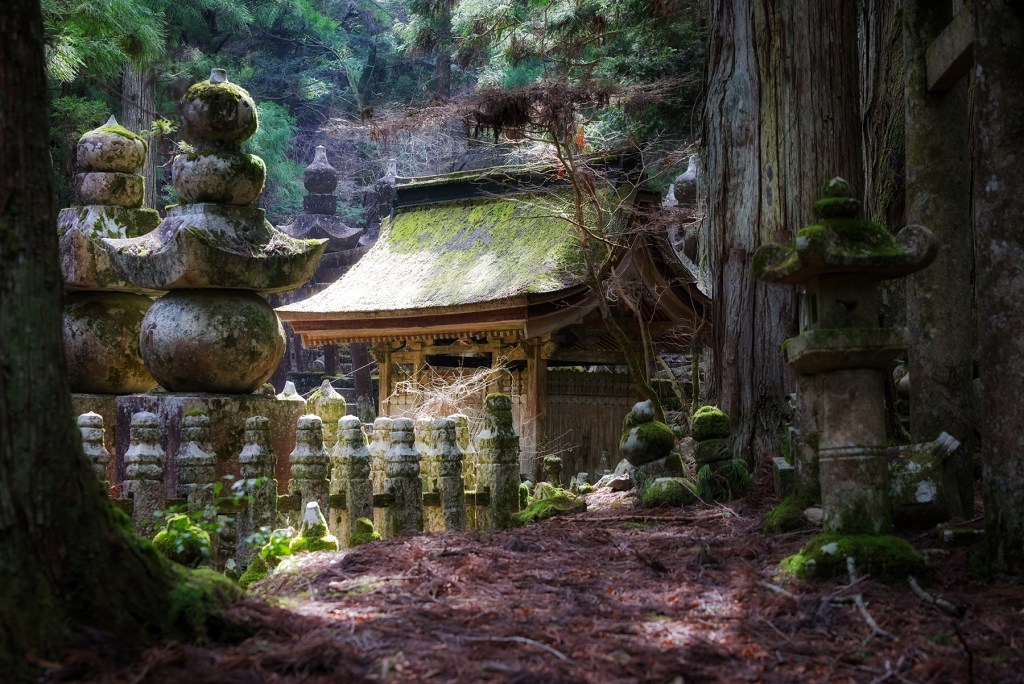
Leaving Nagiso, we headed South into the Wakayama Peninsula to Koyasan in an epic day of travel involving a bus, three trains, and a funicular. Koyasan, founded by the famous monk Kobo Daishi, is the ancient center of Shingon Buddhism and home to dozens of majestic temples and a forest of towering Japanese cedar trees. During our time here we observed a fascinating fire ceremony and enjoyed a short hike around the edge of town. The main reason for our visit was to explore the mysterious Okunoin Cemetery and Temple, a stunning moss-covered site with thousands of stone monuments lining trails winding through a dense forest. Visiting this magical setting felt as if we were wandering through a fairy tale or a Miyazaki movie – a uniquely atmospheric location!





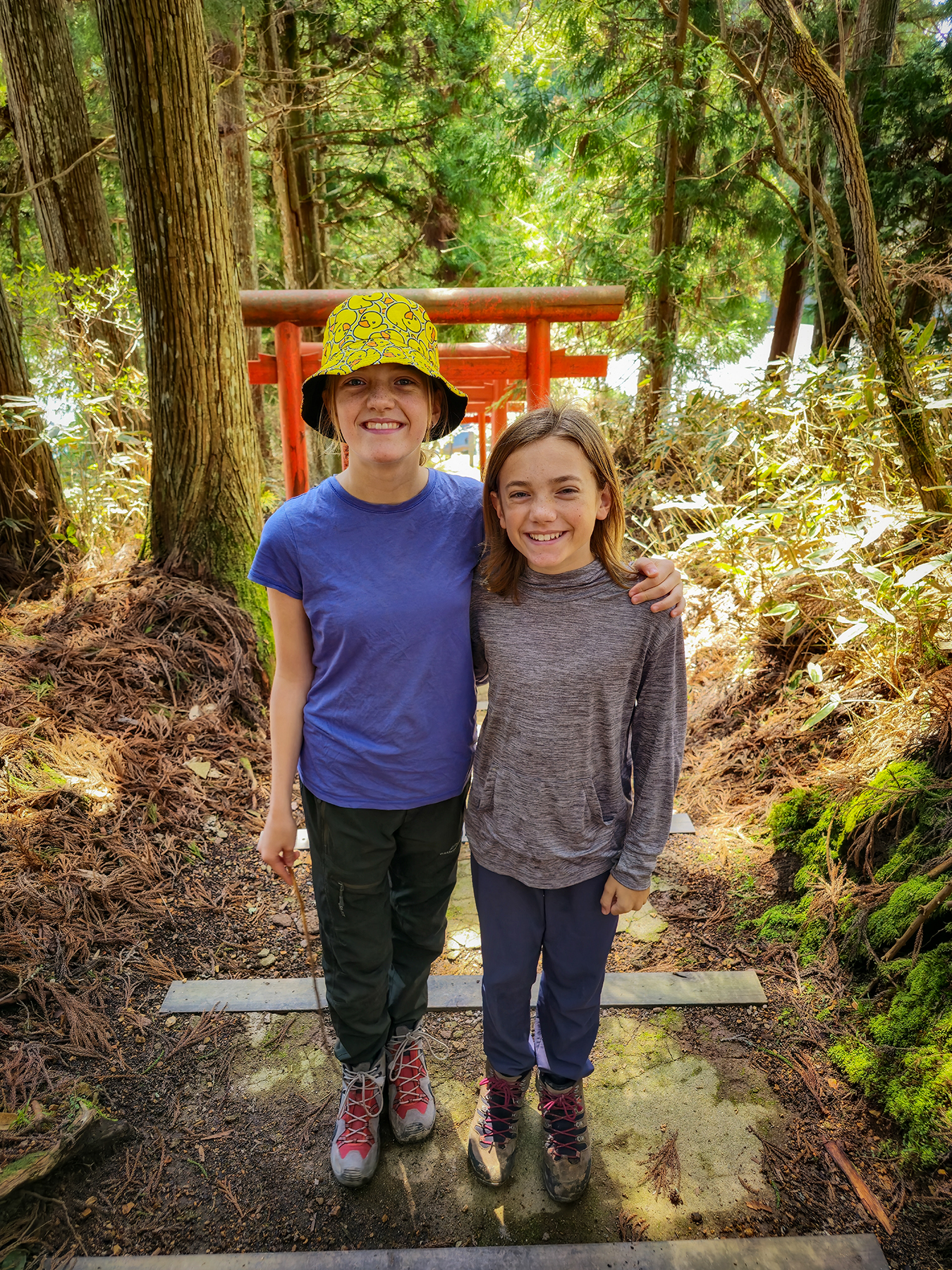

After three days in beautiful Koyasan, we boarded a bus (as the only passengers aboard for a three hour trip) and headed further South on the Wakayama Peninsula to the seaside town of Kii-Tanabe. At this point, we definitely felt like we were moving further away from the main tourist routes around Kyoto, Osaka, and Tokyo. Kii-Tanabe marks the starting point of the Nakahechi Route, a traditional pilgrimage path linking the three Grand Shrines of the Kumano. For over one thousand years, pilgrims have walked the paths of the Kumano Kodo seeking enlightenment and spiritual purification. For us, walking this route was an opportunity to learn more about the history of the region and intertwined religions of Shintoism and Buddhism while we explored the tranquil forests, temples and shrines. Our planned 70 kilometer trekking route was the last scheduled multi-day trek of our sabbatical year – filling us with both a sense of accomplishment for the adventures we’ve experienced, and at the same time some wistful feelings about the year nearing its end.
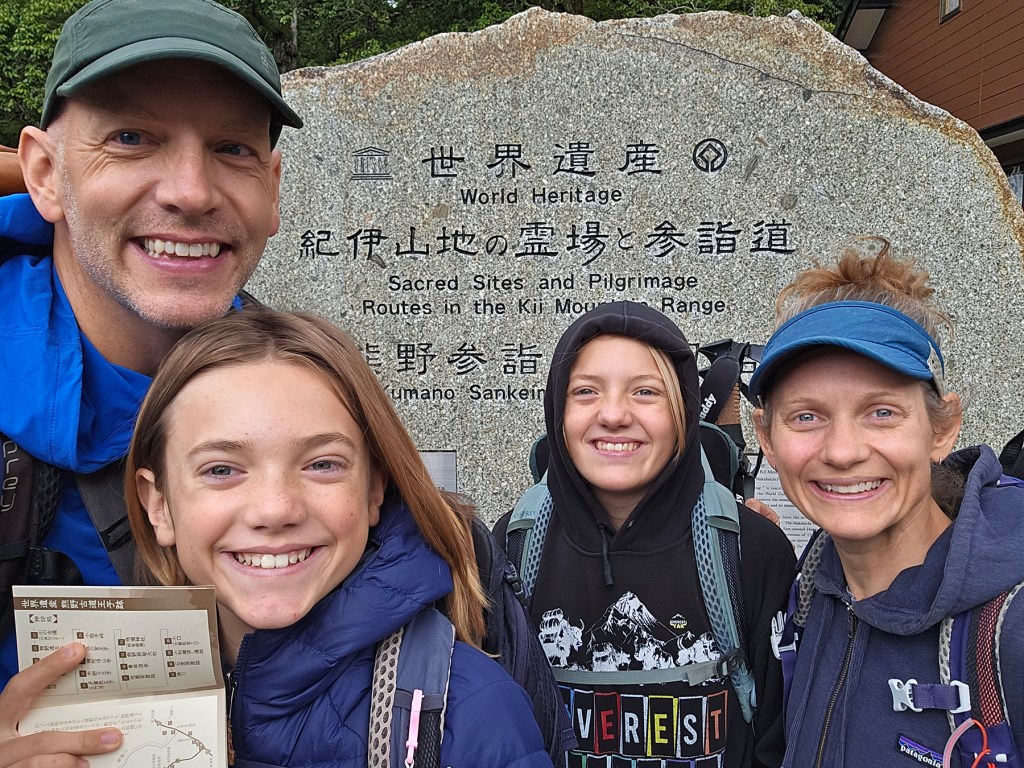
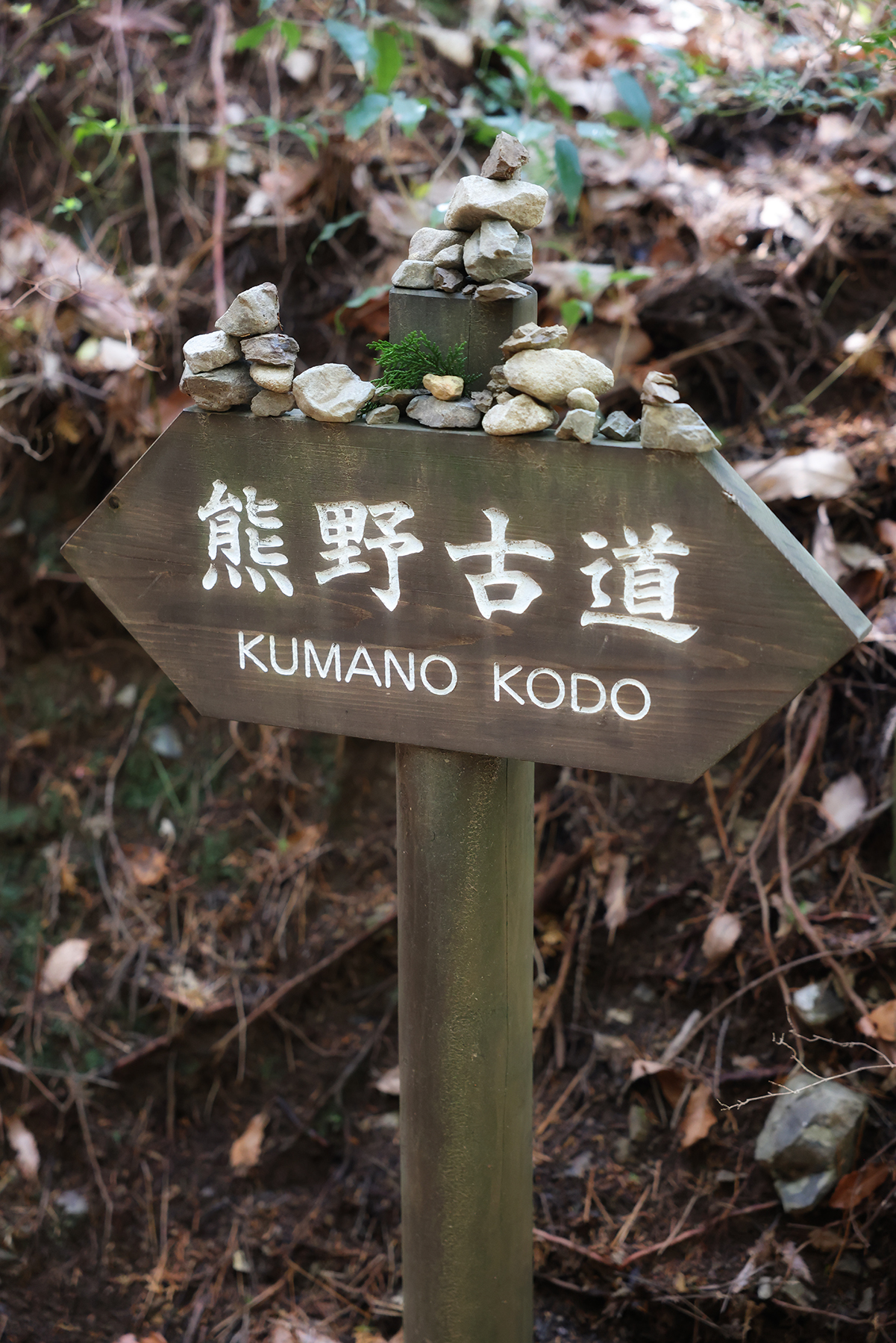



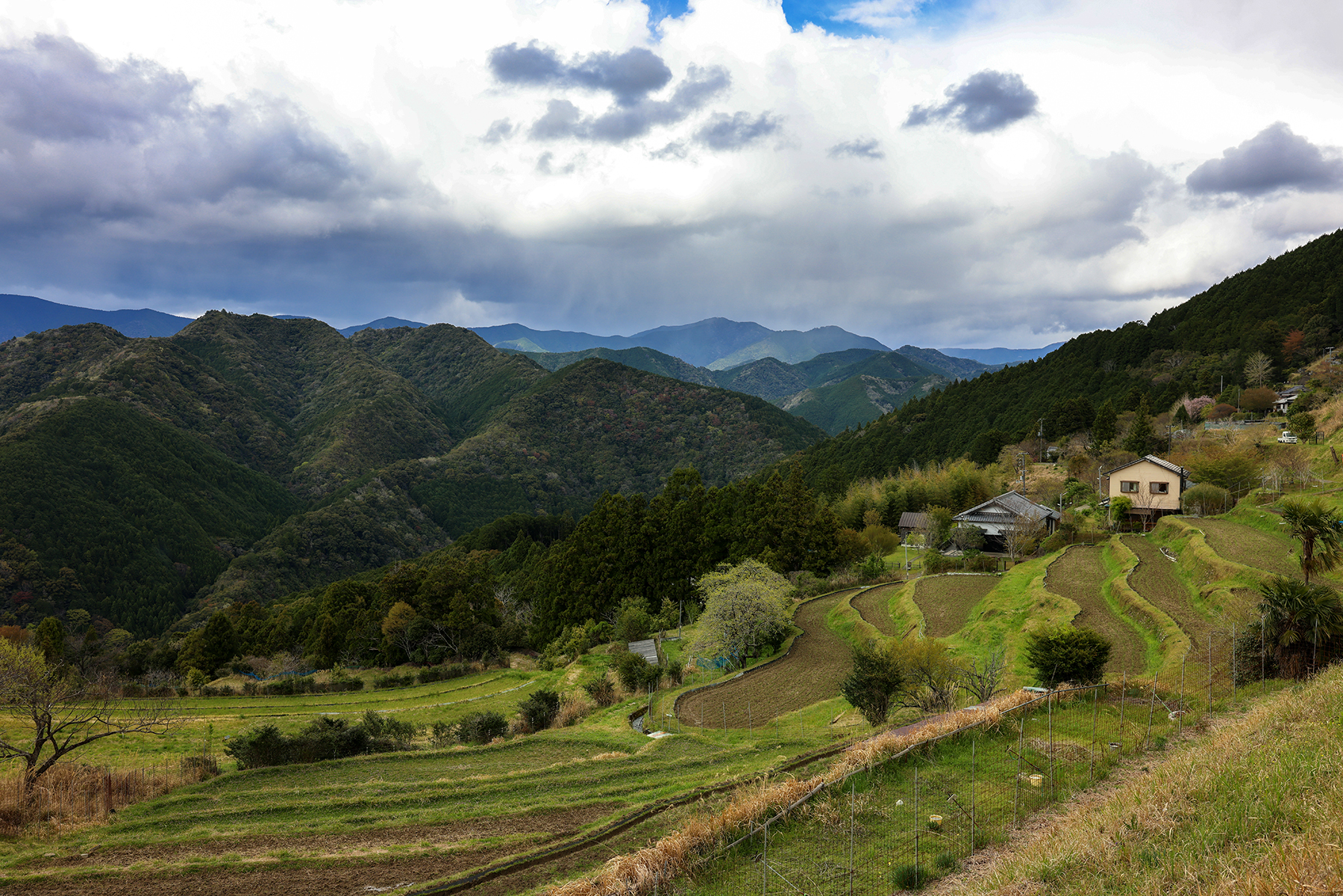

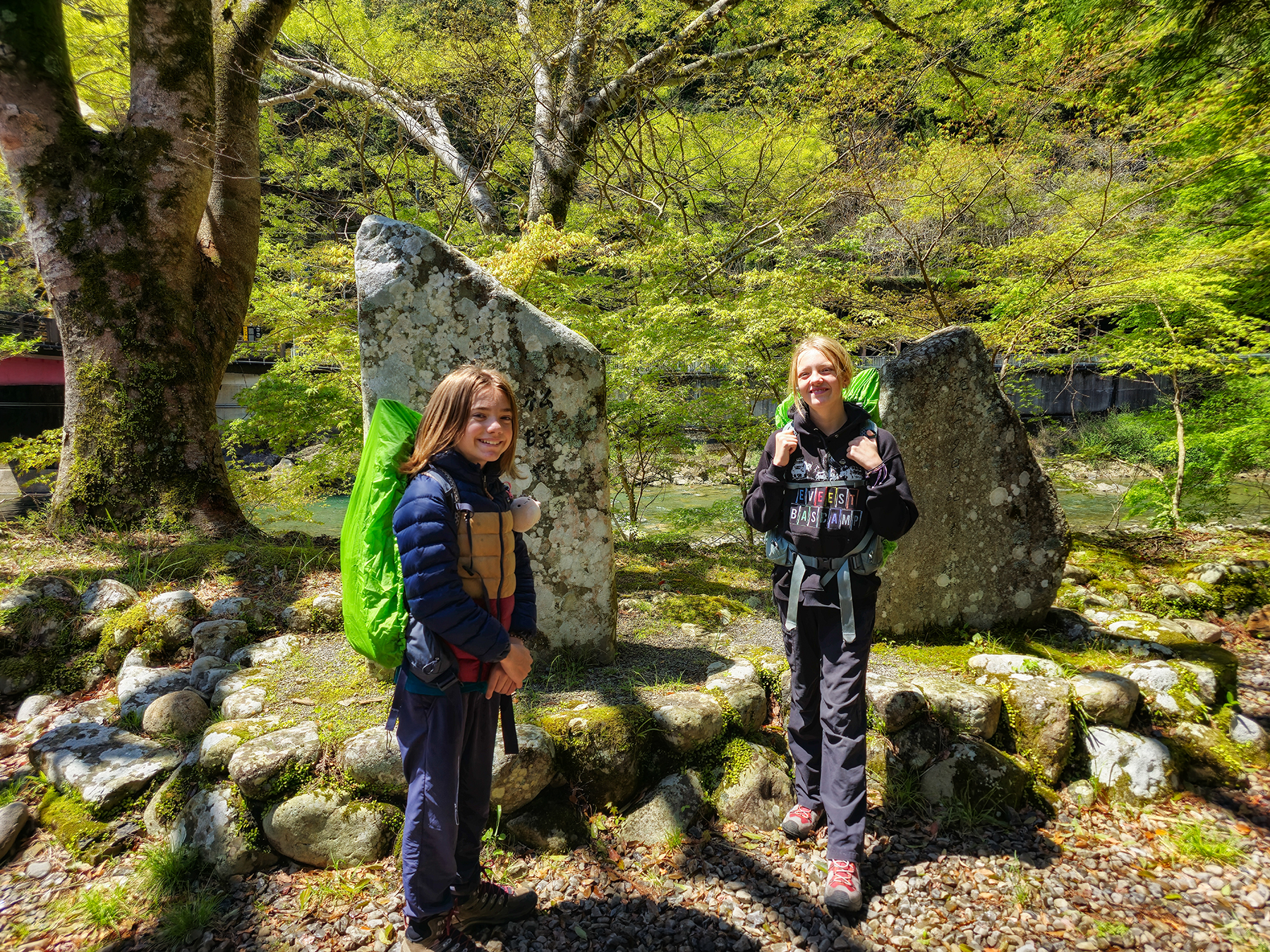
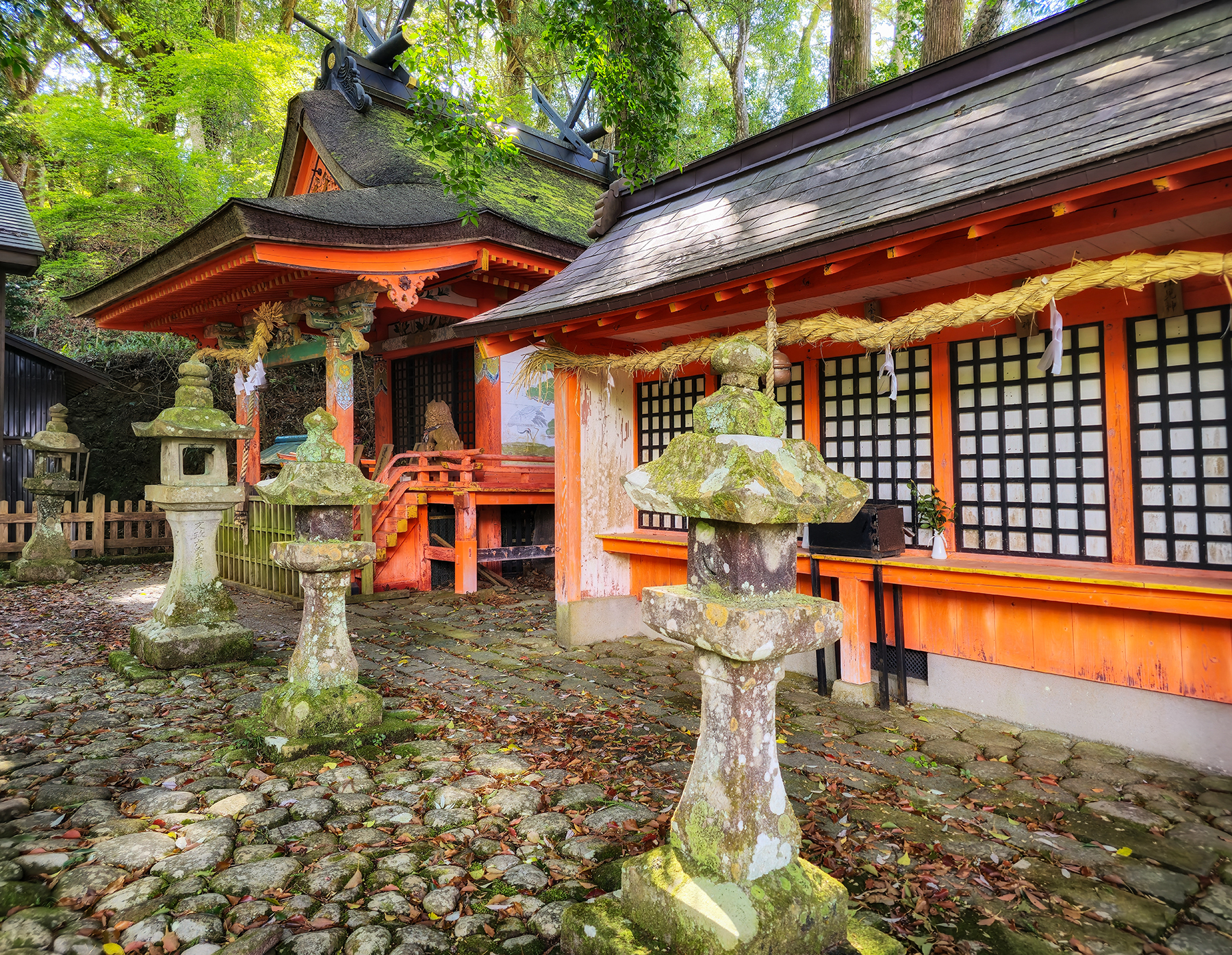


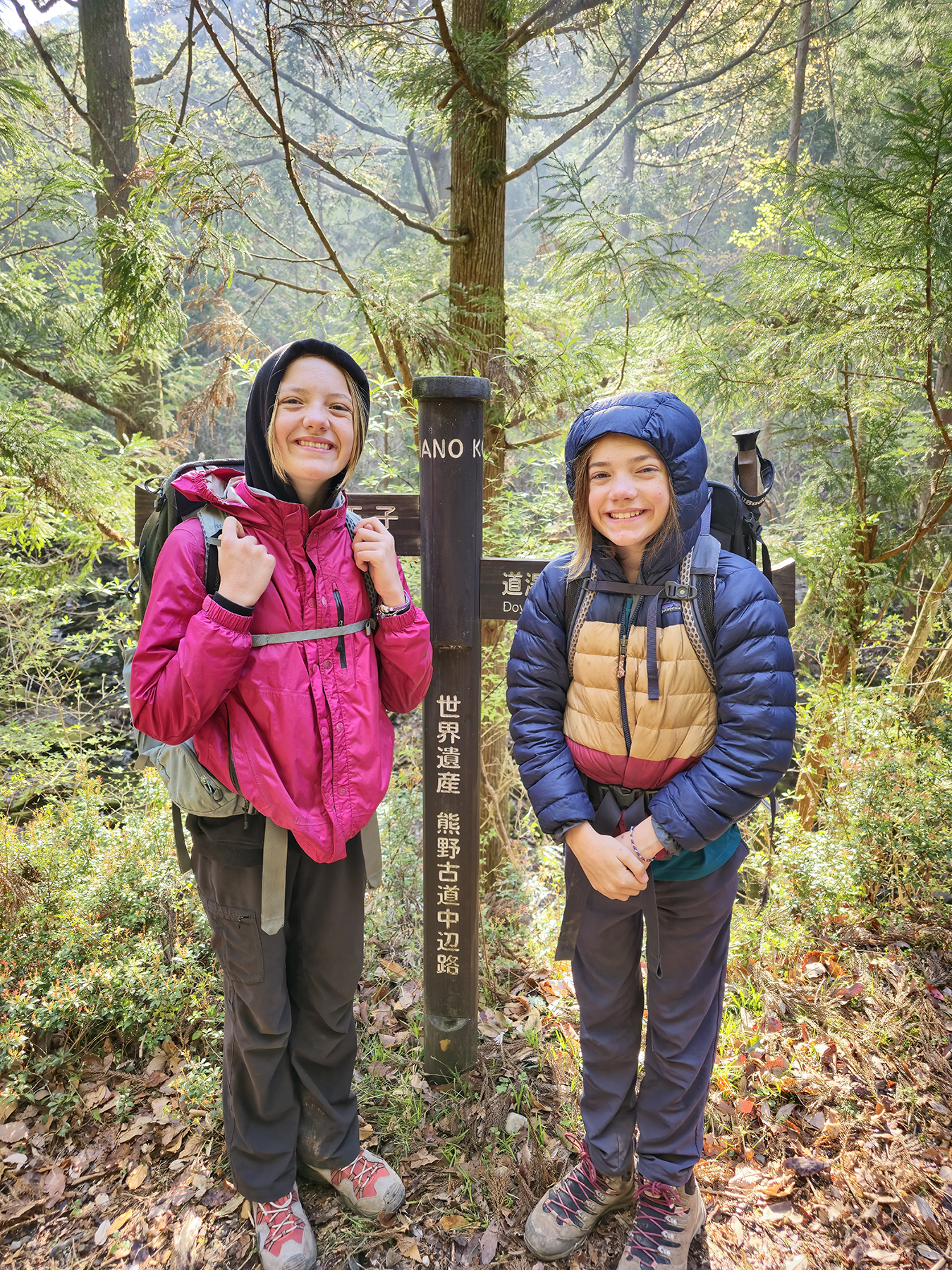
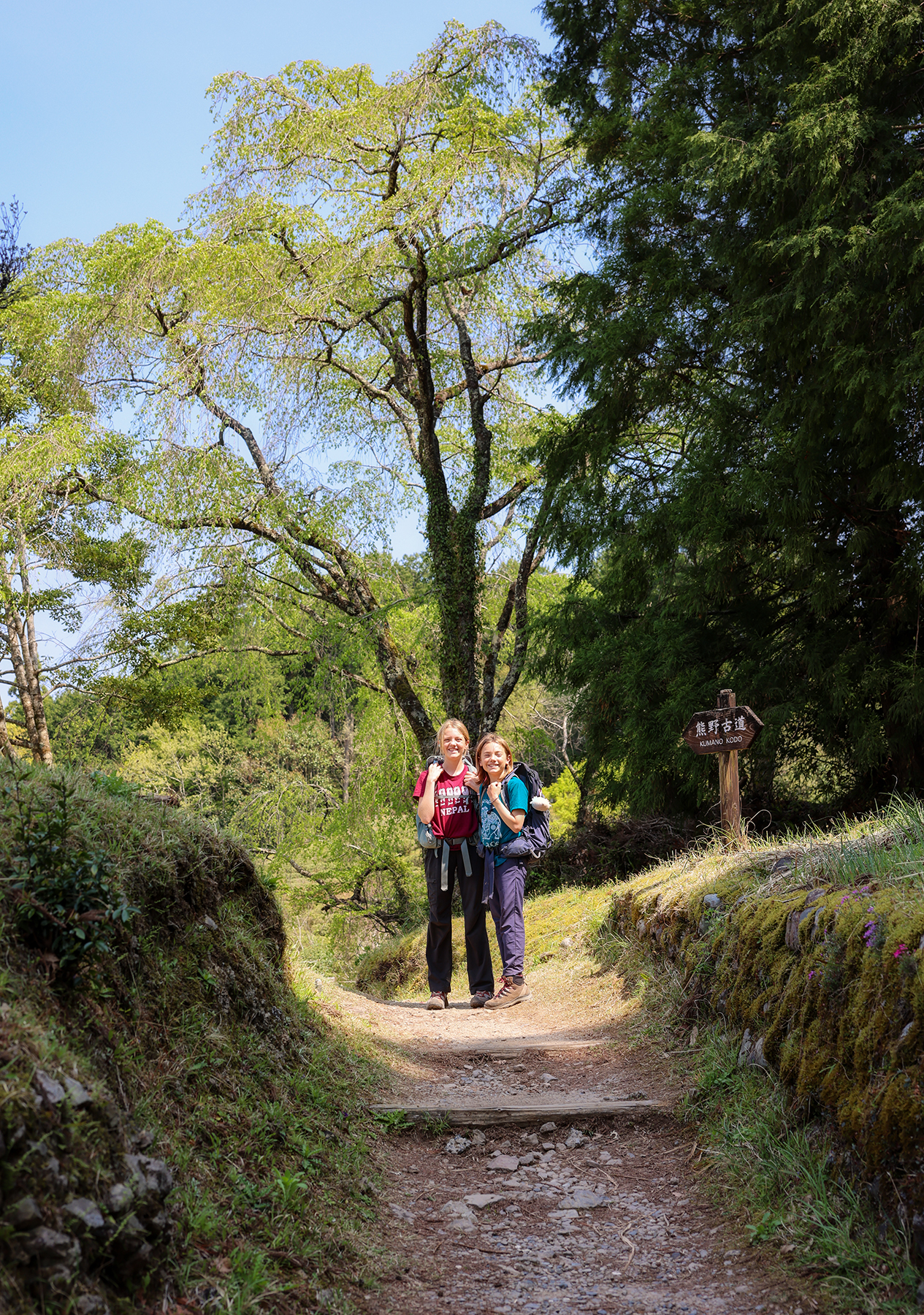
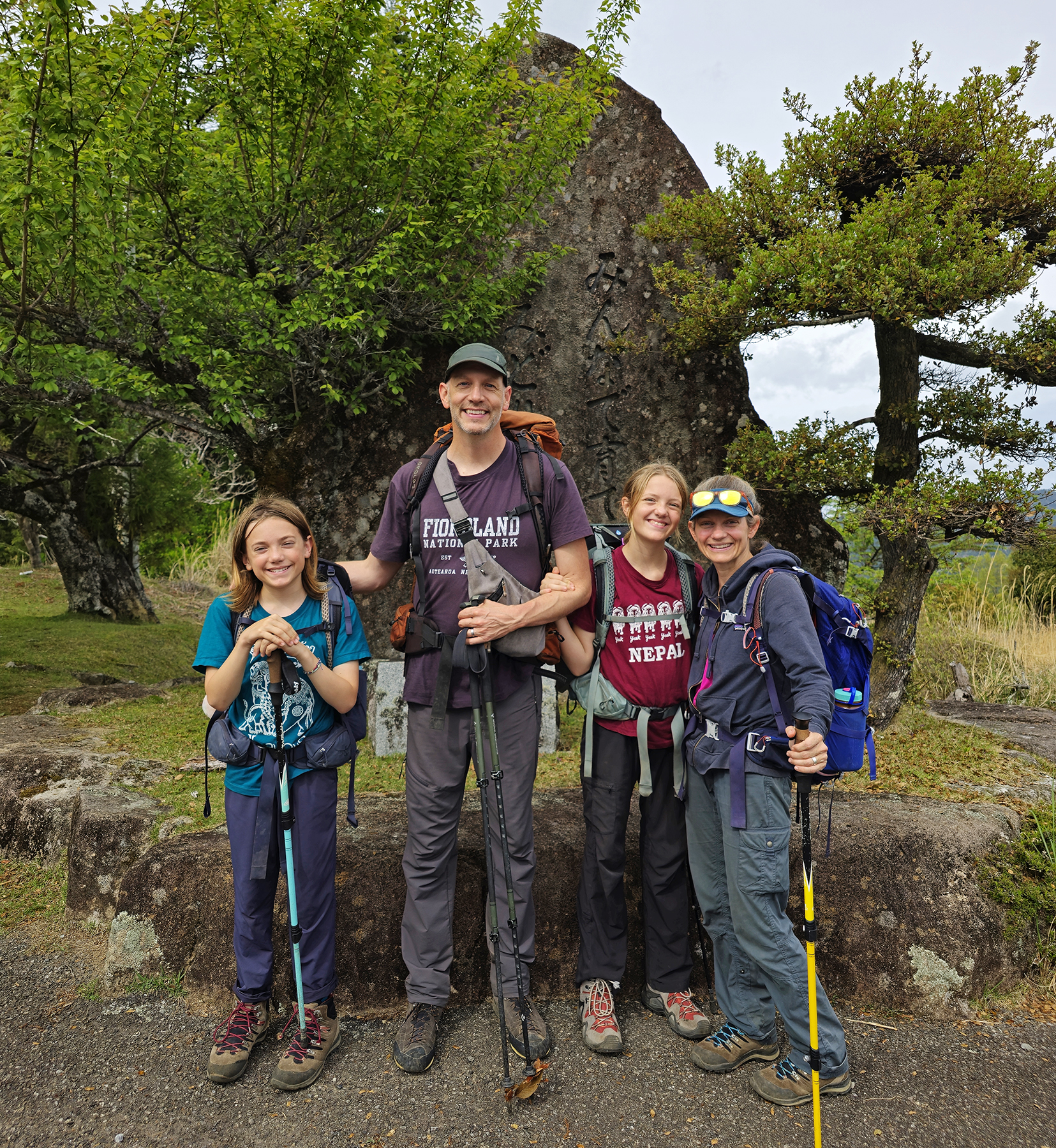
The Kumano Kodo is one of only two Unesco World Heritage pilgrimage treks – the other being the famous Camino de Santiago in Spain. Some of the other hikers we met along the route had already walked the Camino, and were completing the Kumano Kodo to become certified as “Dual Pilgrims”. The main goal of the pilgrimage is to visit the three grand shrines of the Kumano: Kumano Hongu Taisha, Kumano Nachi Taisha, and Kumano Hayatama Taisha. Our route followed the ancient trails from the traditional starting point of Takajirioji Shrine, with nights spent along the way at Takahara, Chikatsuyu, Hongu (two nights), and Koguchi, before arriving at the trek’s end in at the grand shrine of Kumano Nachi Taisha. We then spent a night in Nachi before taking a bus into the larger town of Shingu to reach the final grand shrine at Hatayama Taisha.
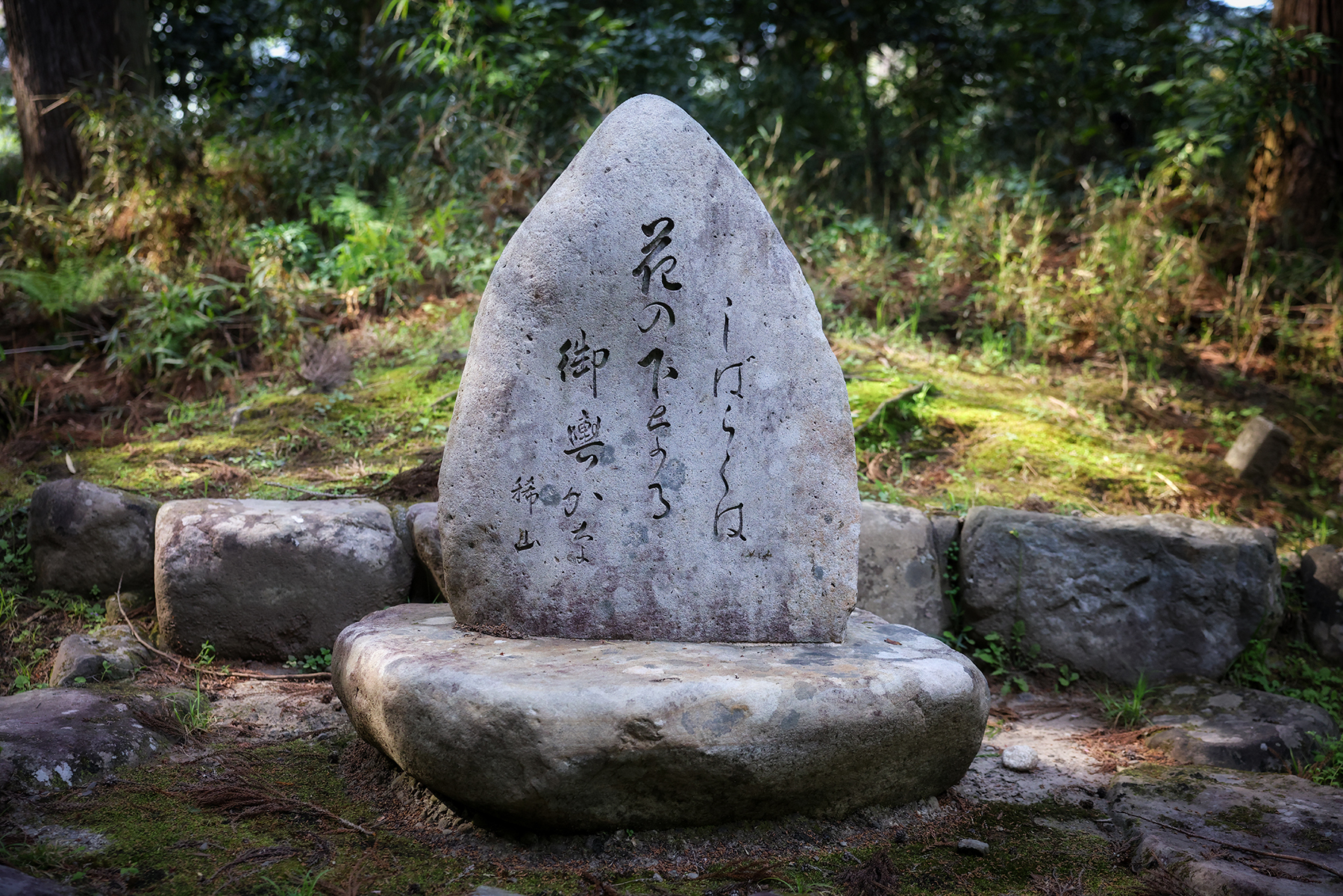



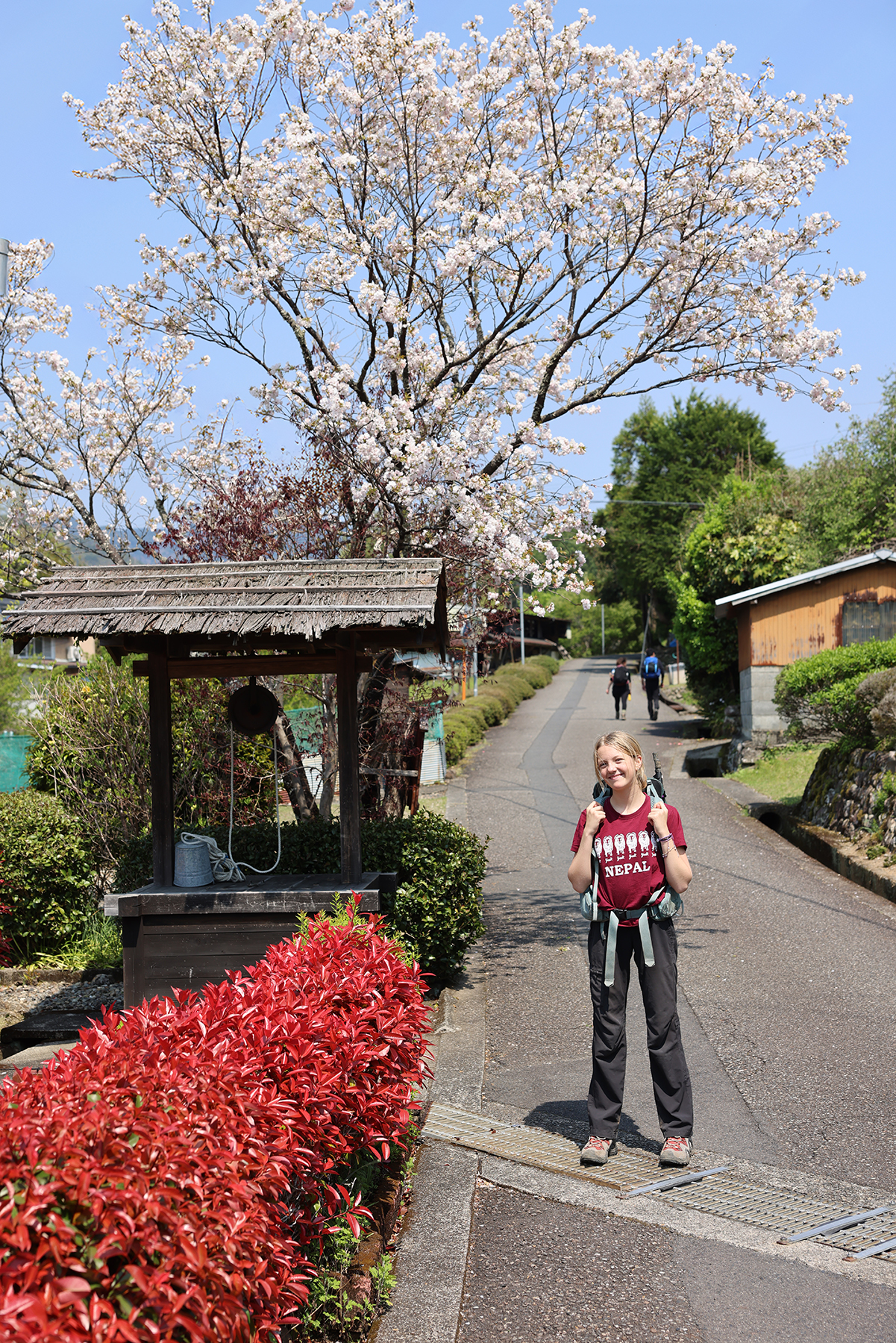

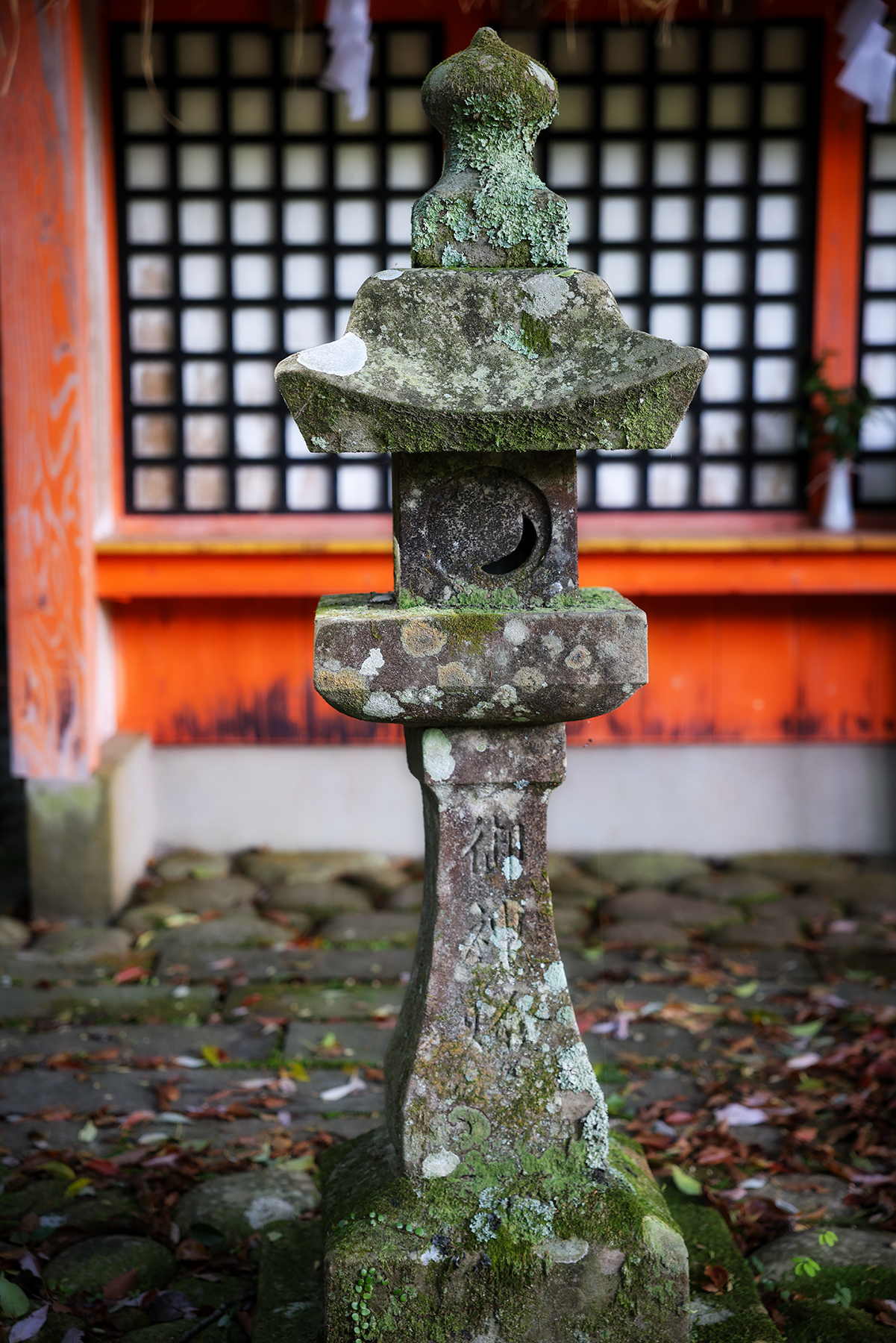
We enjoyed collecting commemorative stamps at many of the oji (subsidiary shrines) passed along the pathway through the forest. By the end of our week, we had all accumulated an impressive array of beautifully unique stamps in our commemorative books! Collecting these stamps helped the kiddos track their progress and set goals along their hikes (stamp collecting also eased the pain of some of the more epic ascents).

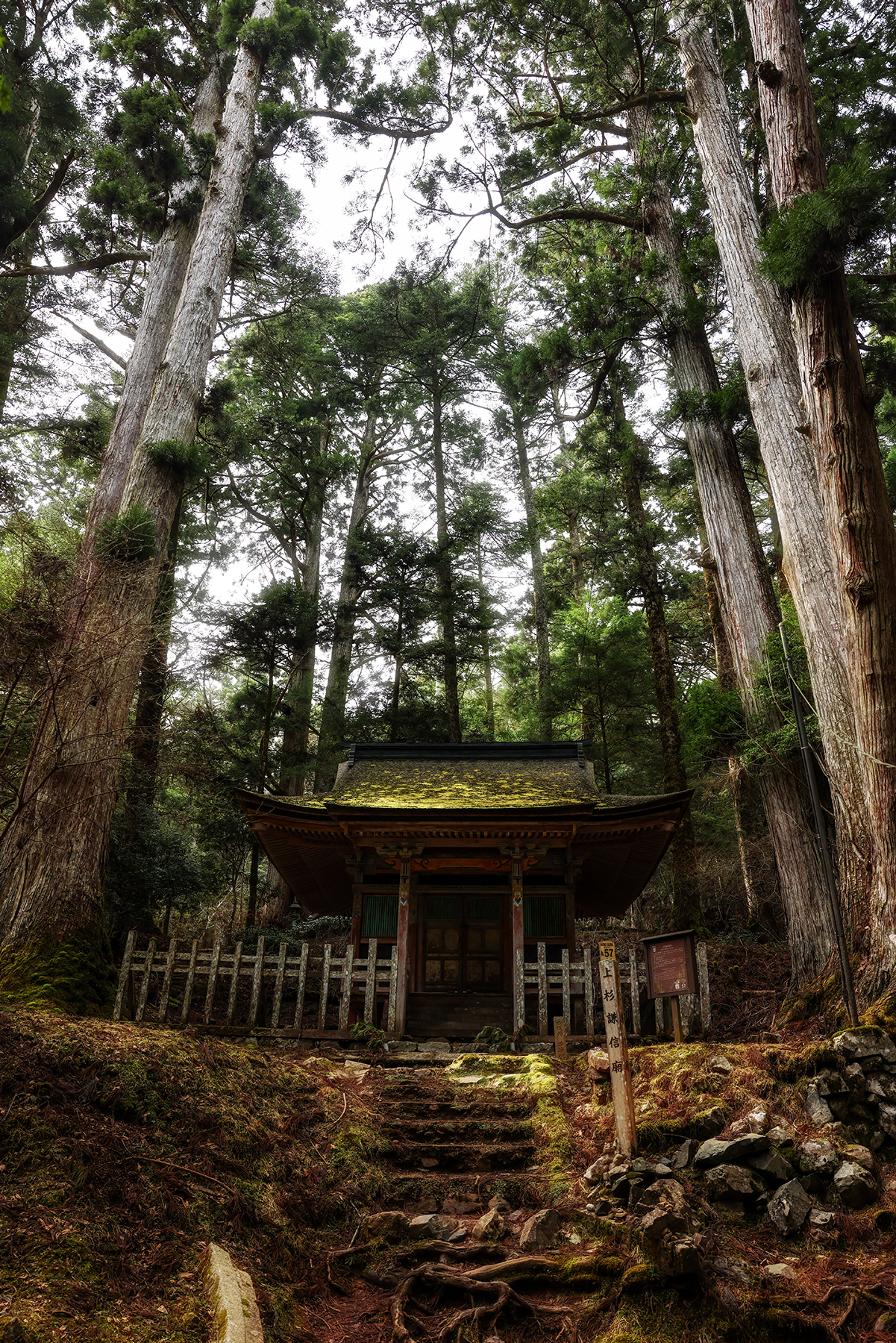
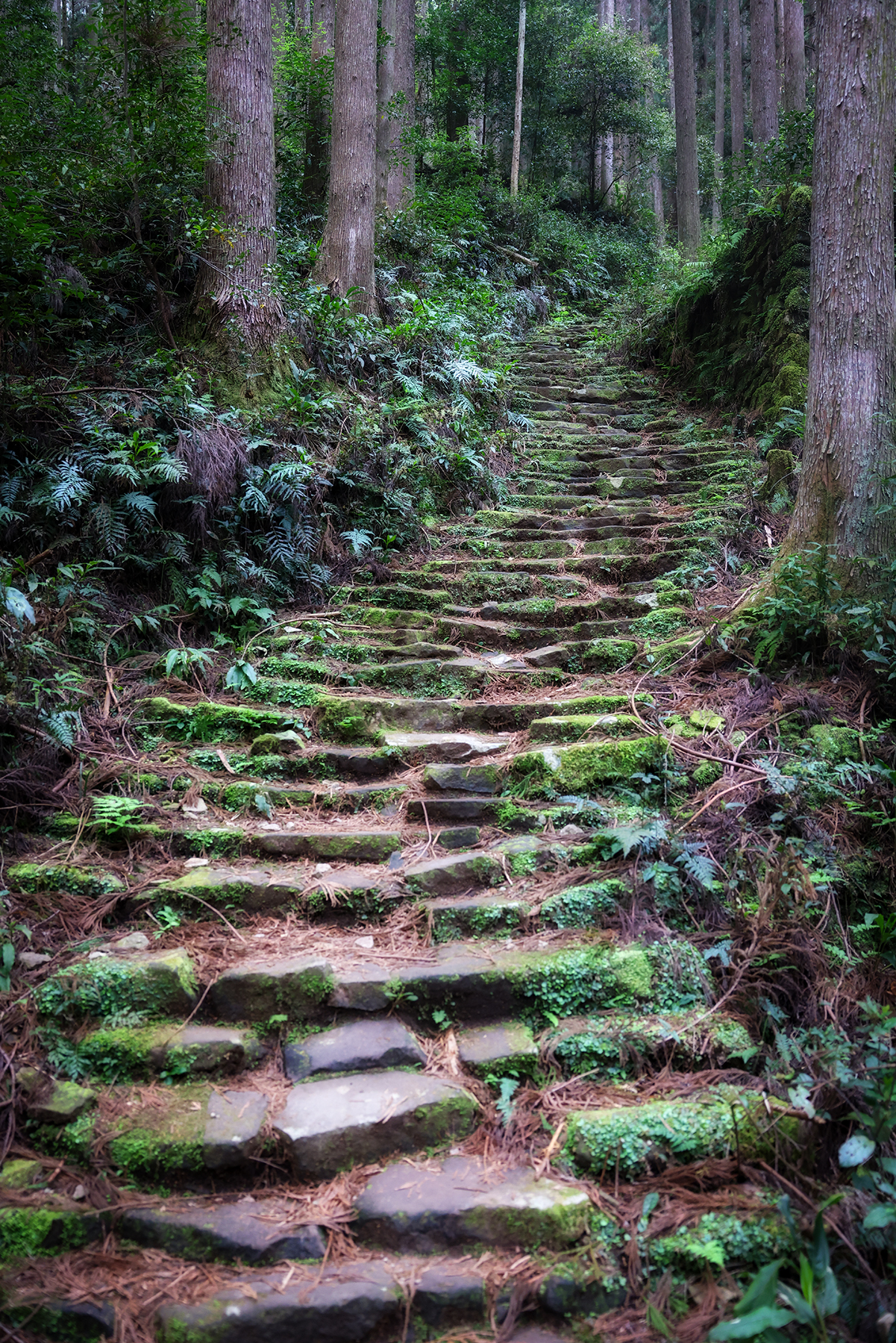
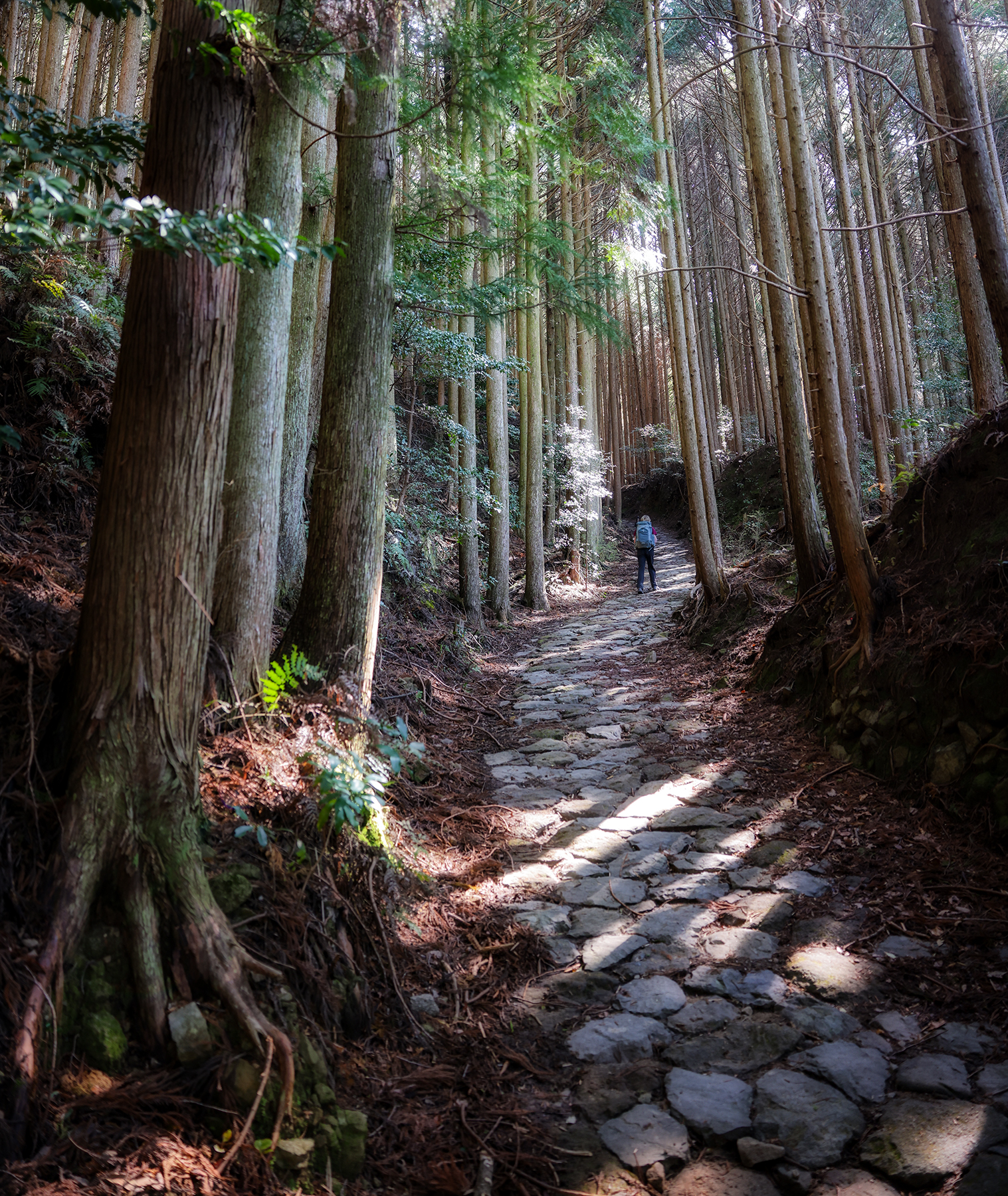
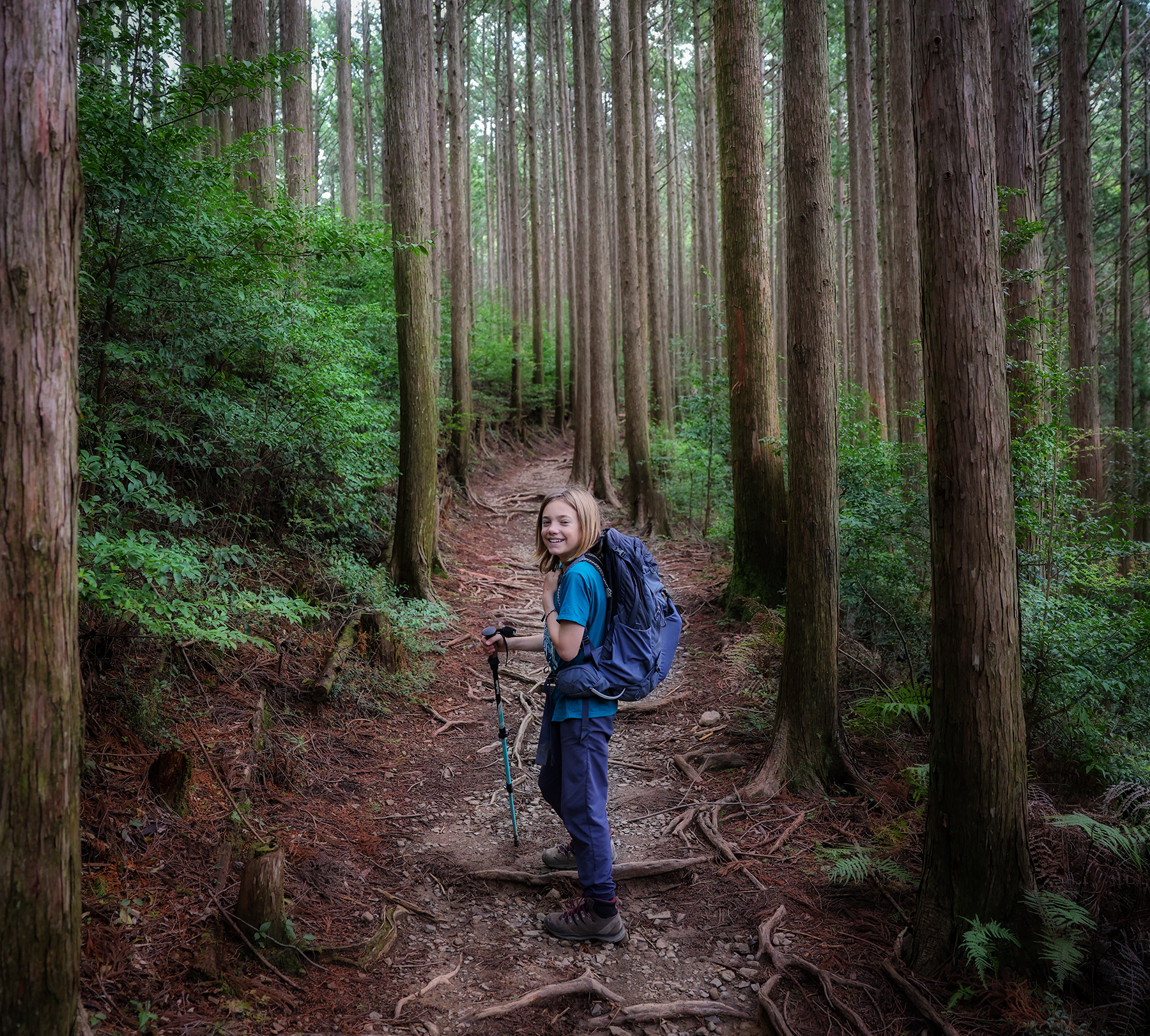
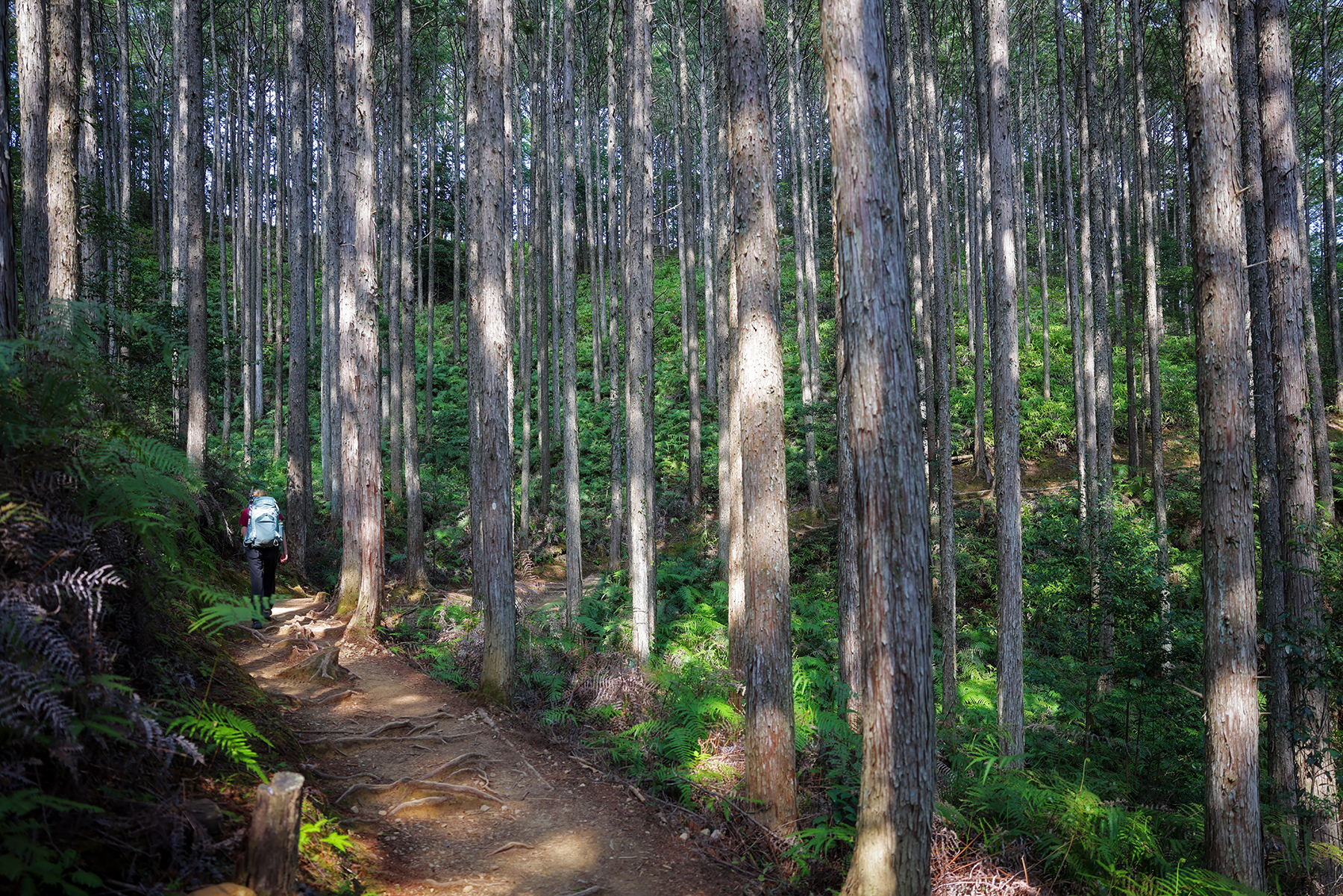
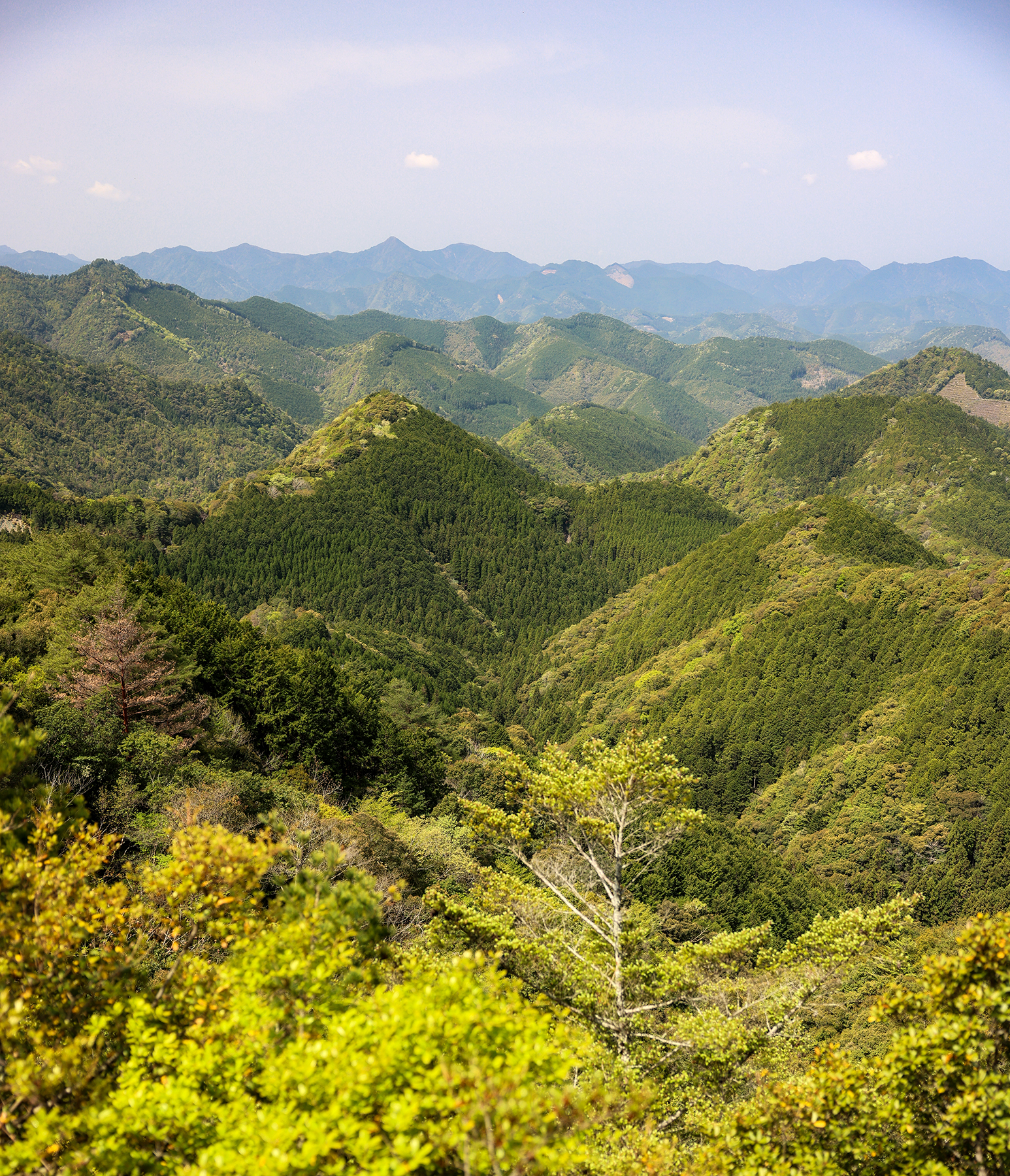
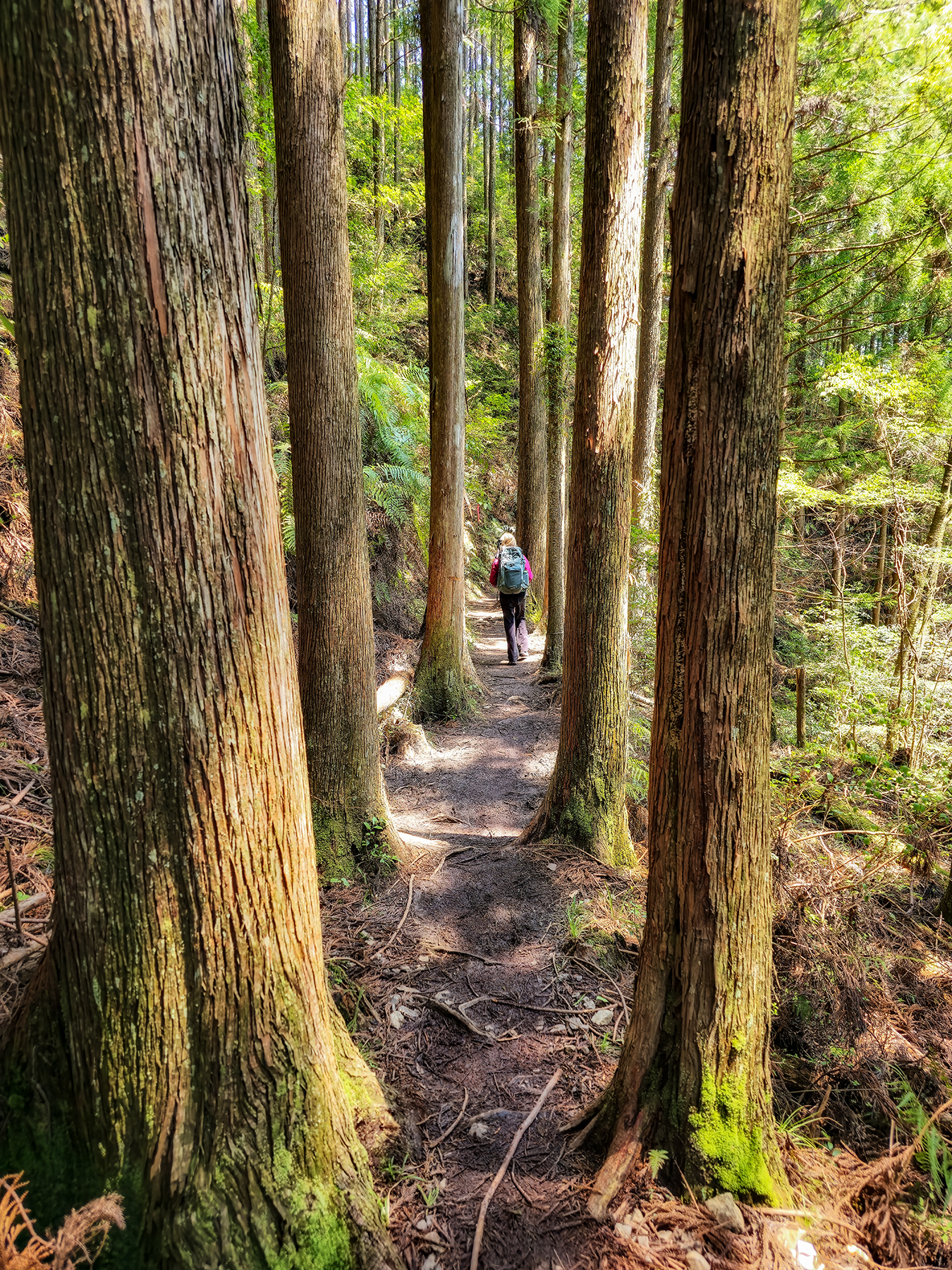
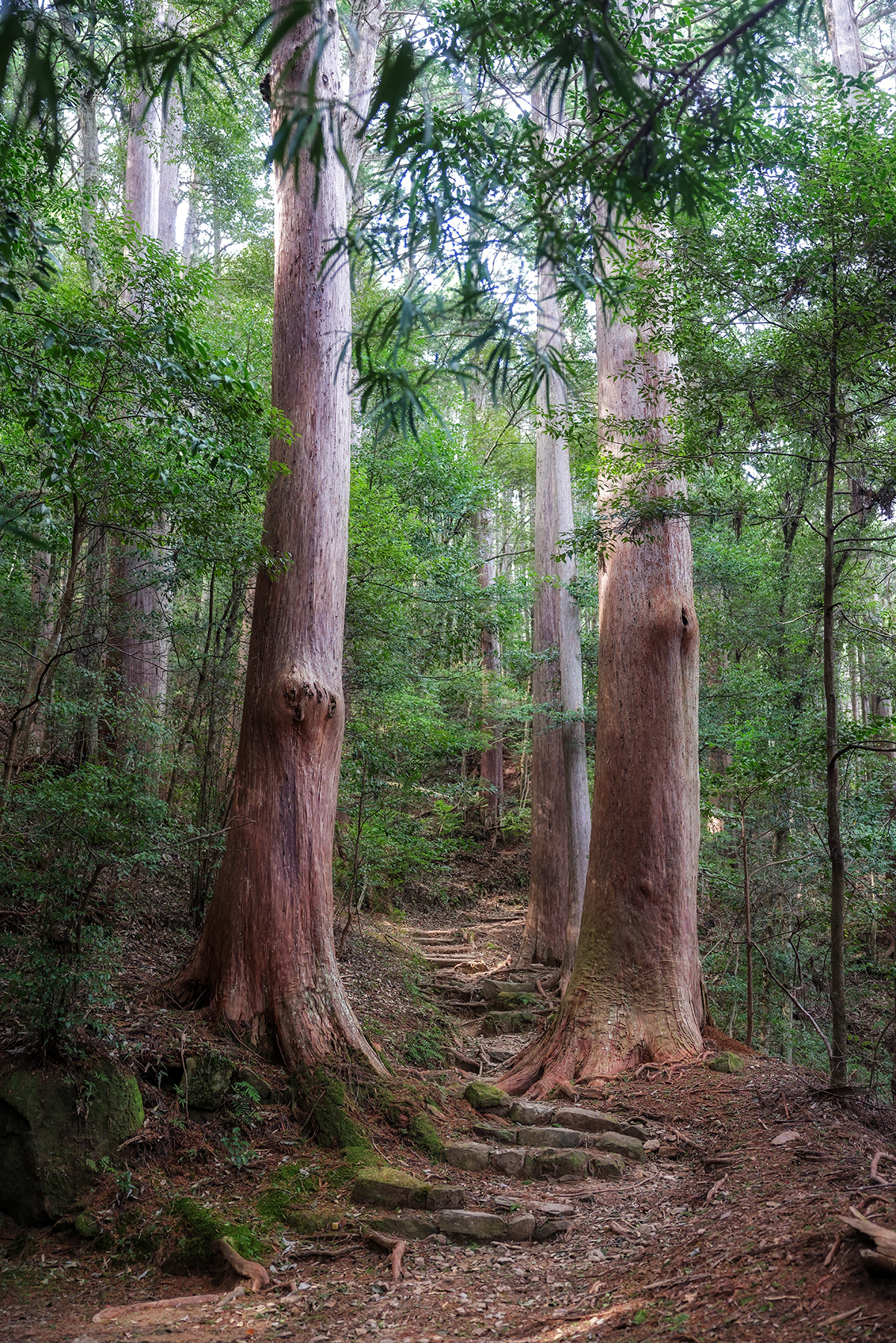
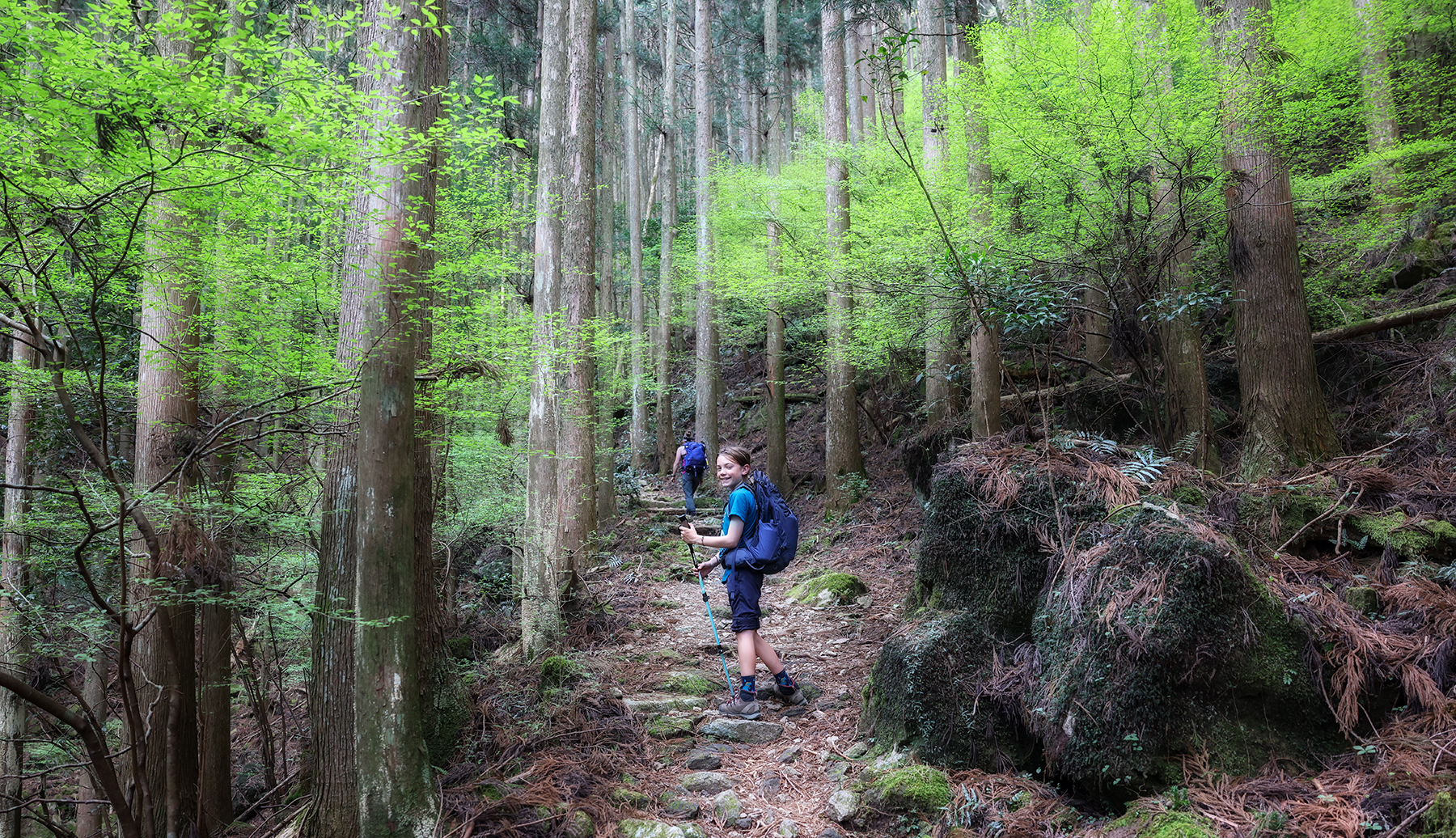
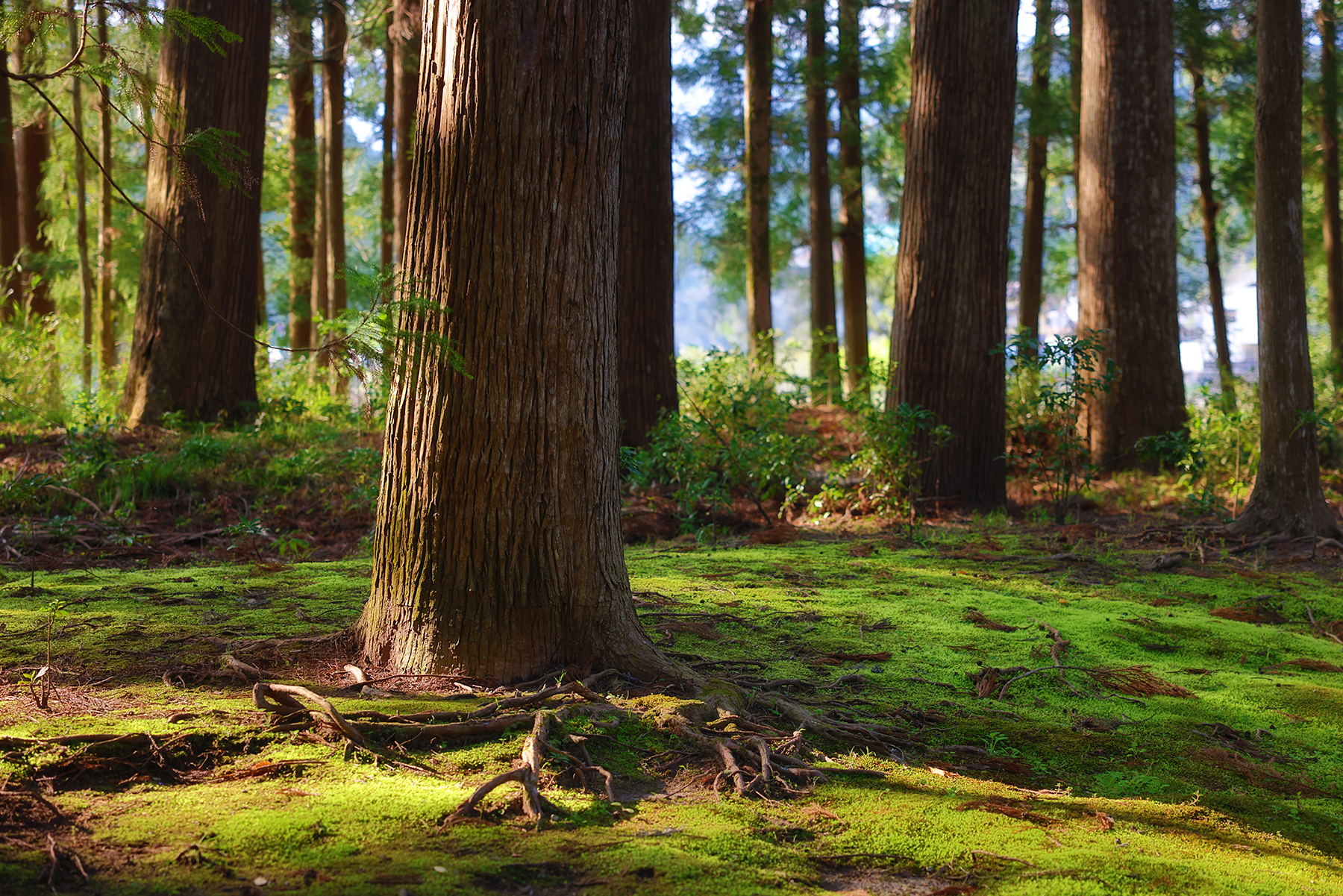
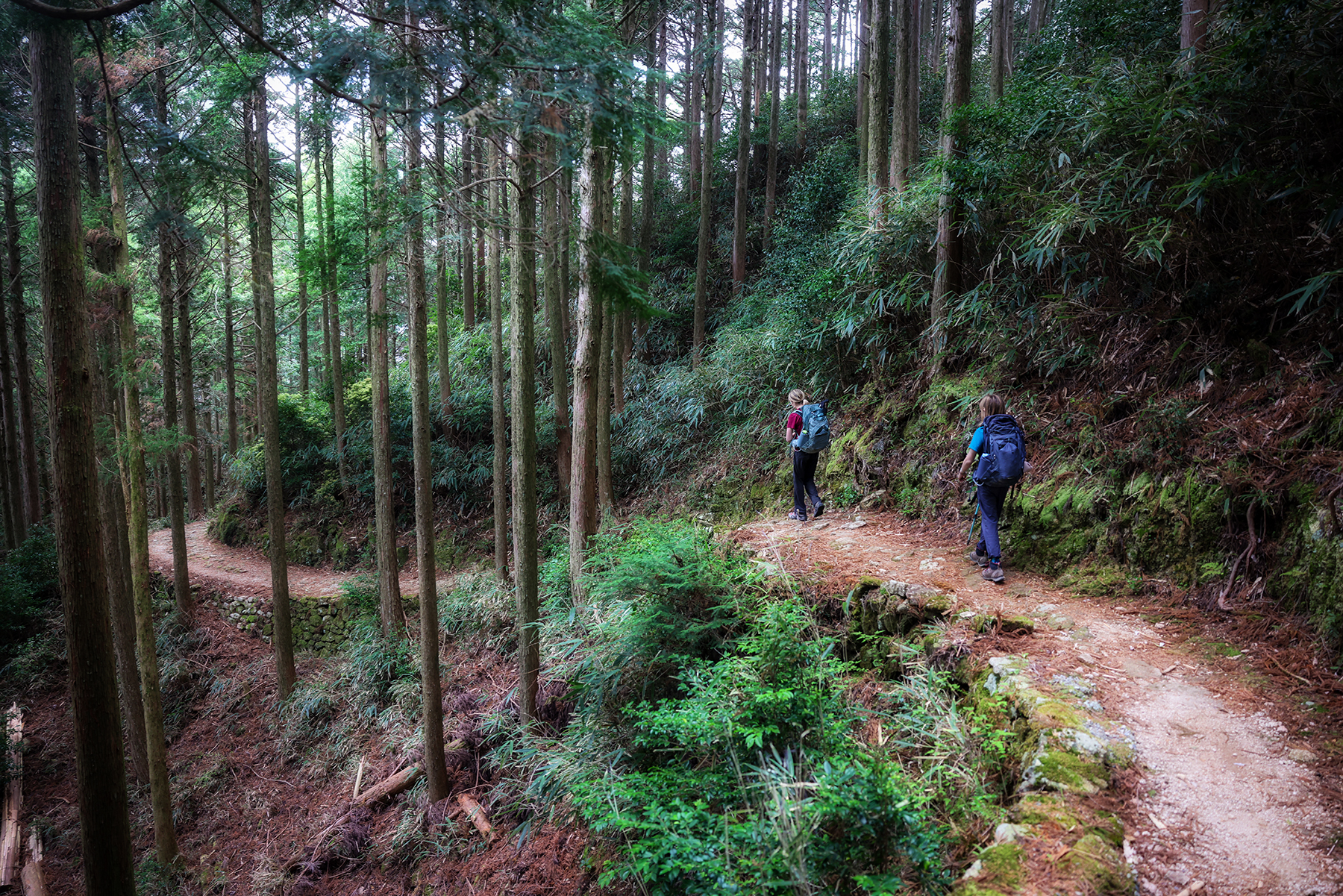
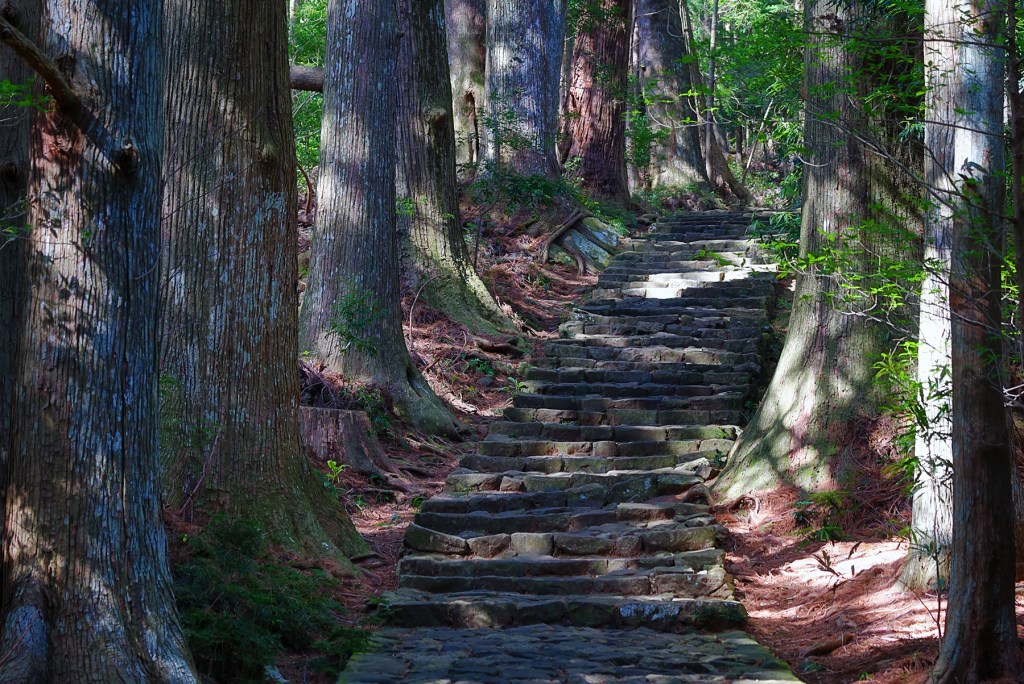
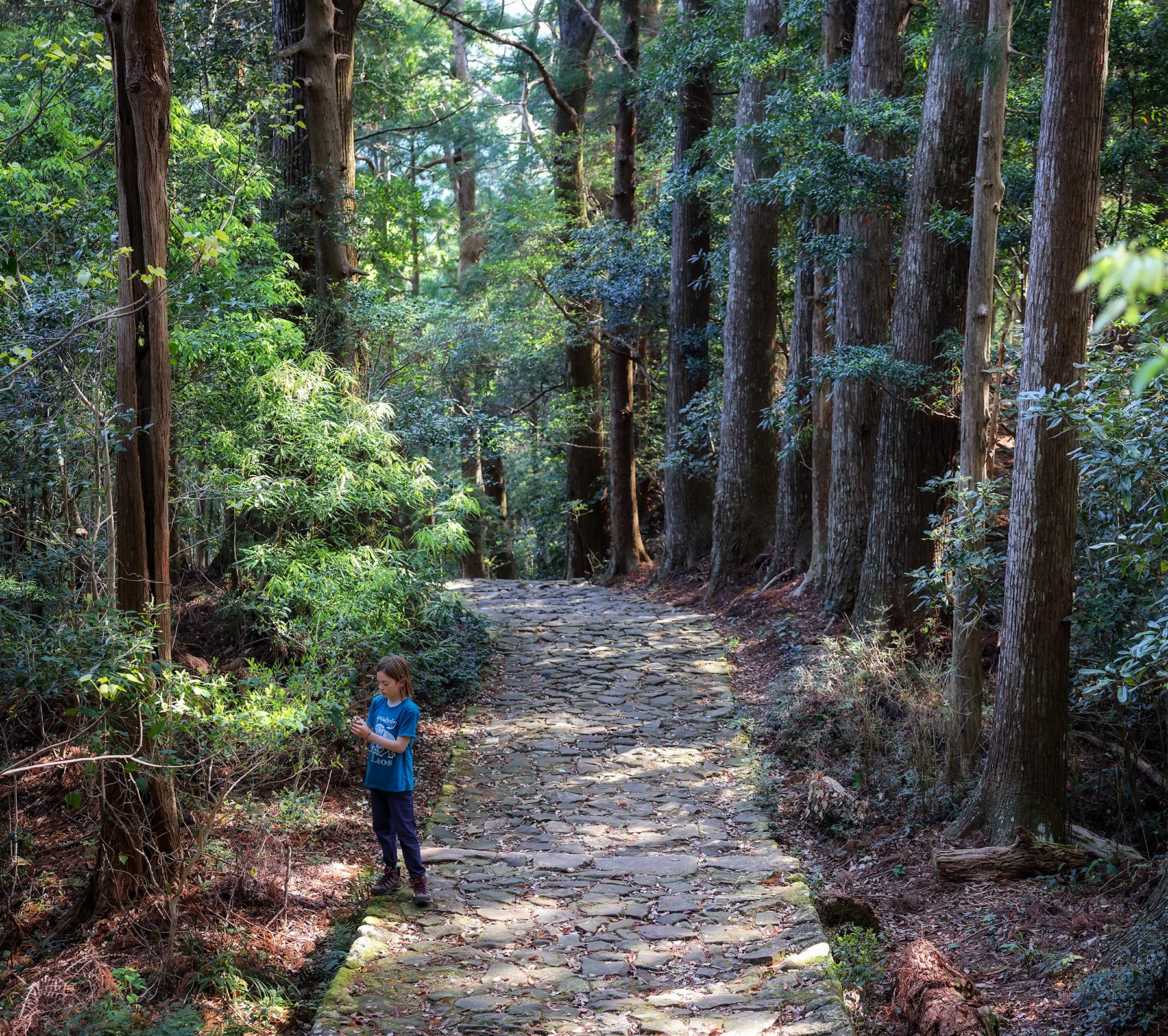
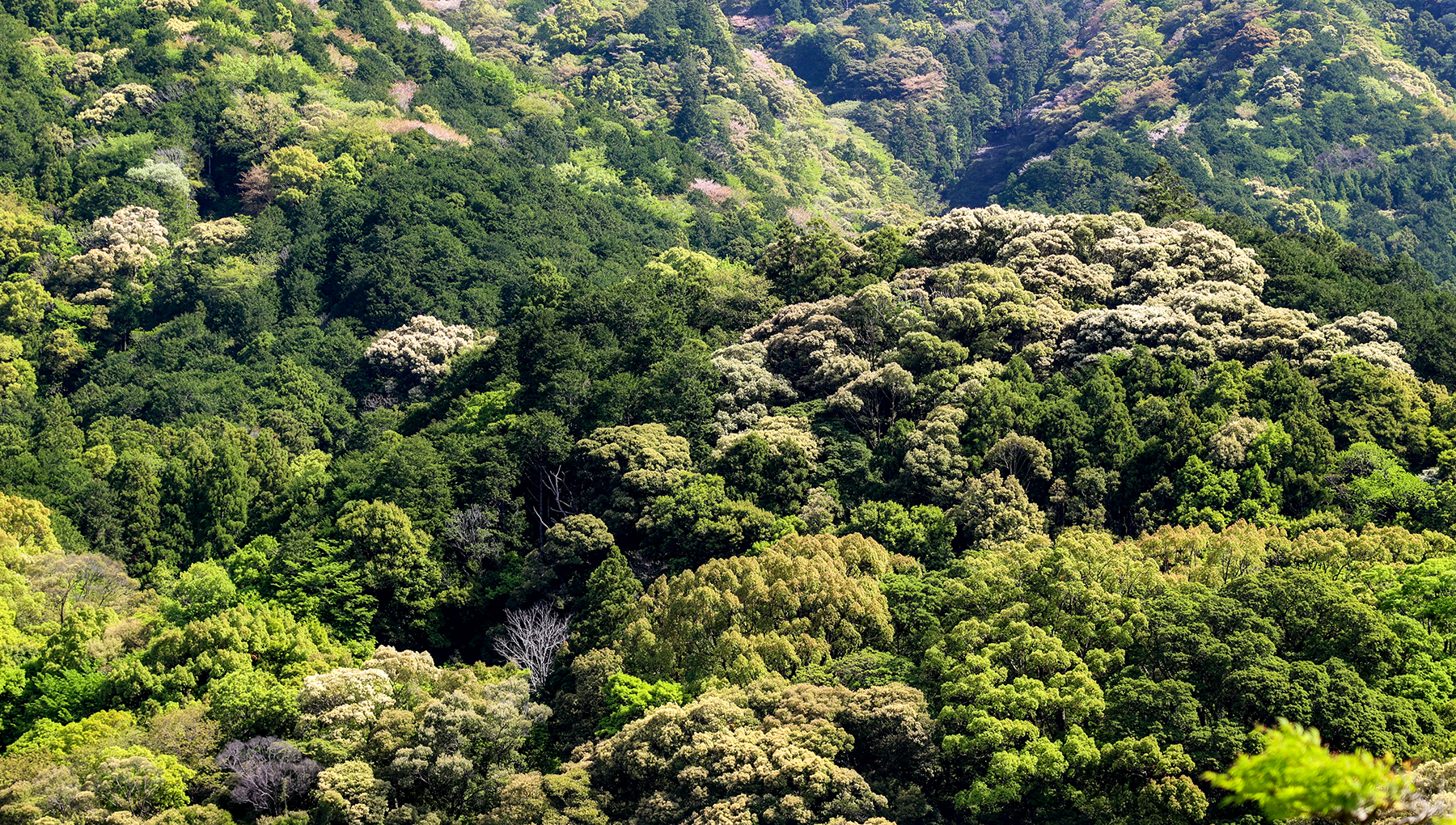
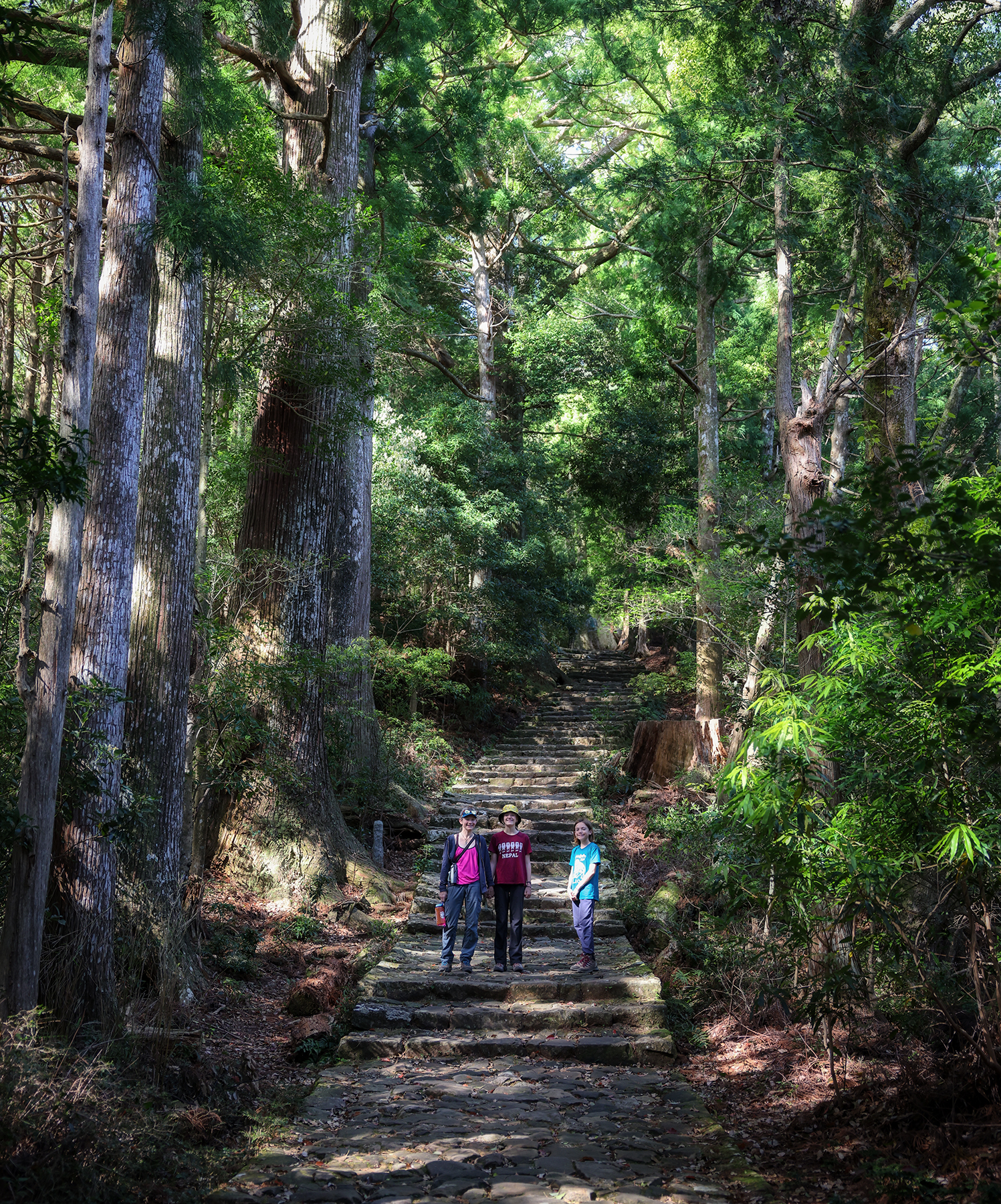
The Nakahechi trail itself passes through kilometer after kilometer of forest filled with enormous Japanese cedar and camphor trees. Much of the route follows ancient stone paths that wind along ridges, up and down over mountain passes, and past the ruins of ancient settlements and inns that catered to pilgrims in centuries past. While the terrain is not as conspicuously sublime as other hikes we have completed this year, the setting is truly serene and lends itself to quiet contemplation of the beauty of the natural surroundings. We loved the opportunity to experience the calm of the forest, listening to the sounds of hidden frogs and rustling leaves, and watching the return of springtime to the mountains around us. It often felt as if we were wandering through the background in scenes from My Neighbor Totoro, Princess Mononoke, or Spirited Away – it was an amazing experience to see in person the countryside that inspired many of our family’s favorite films.
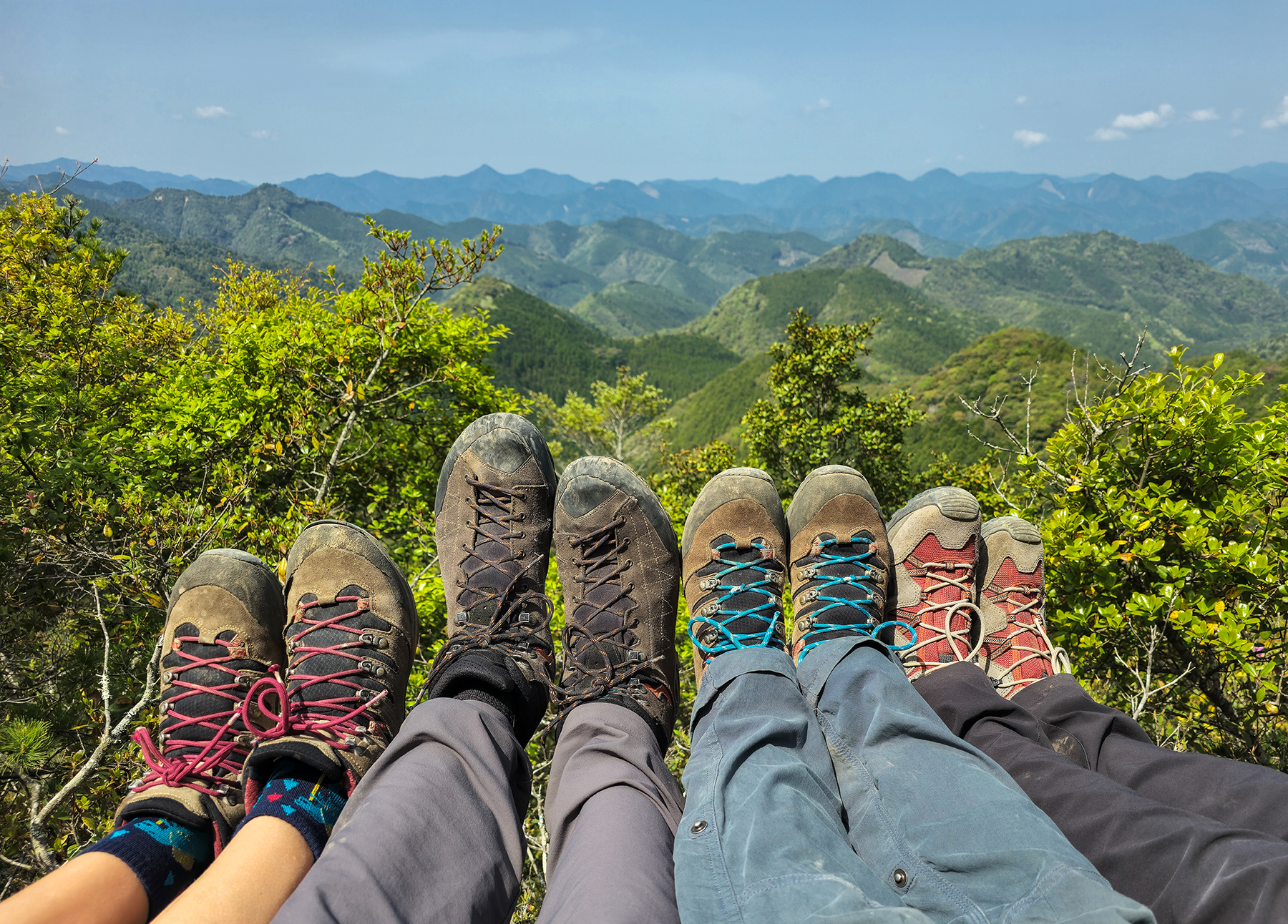

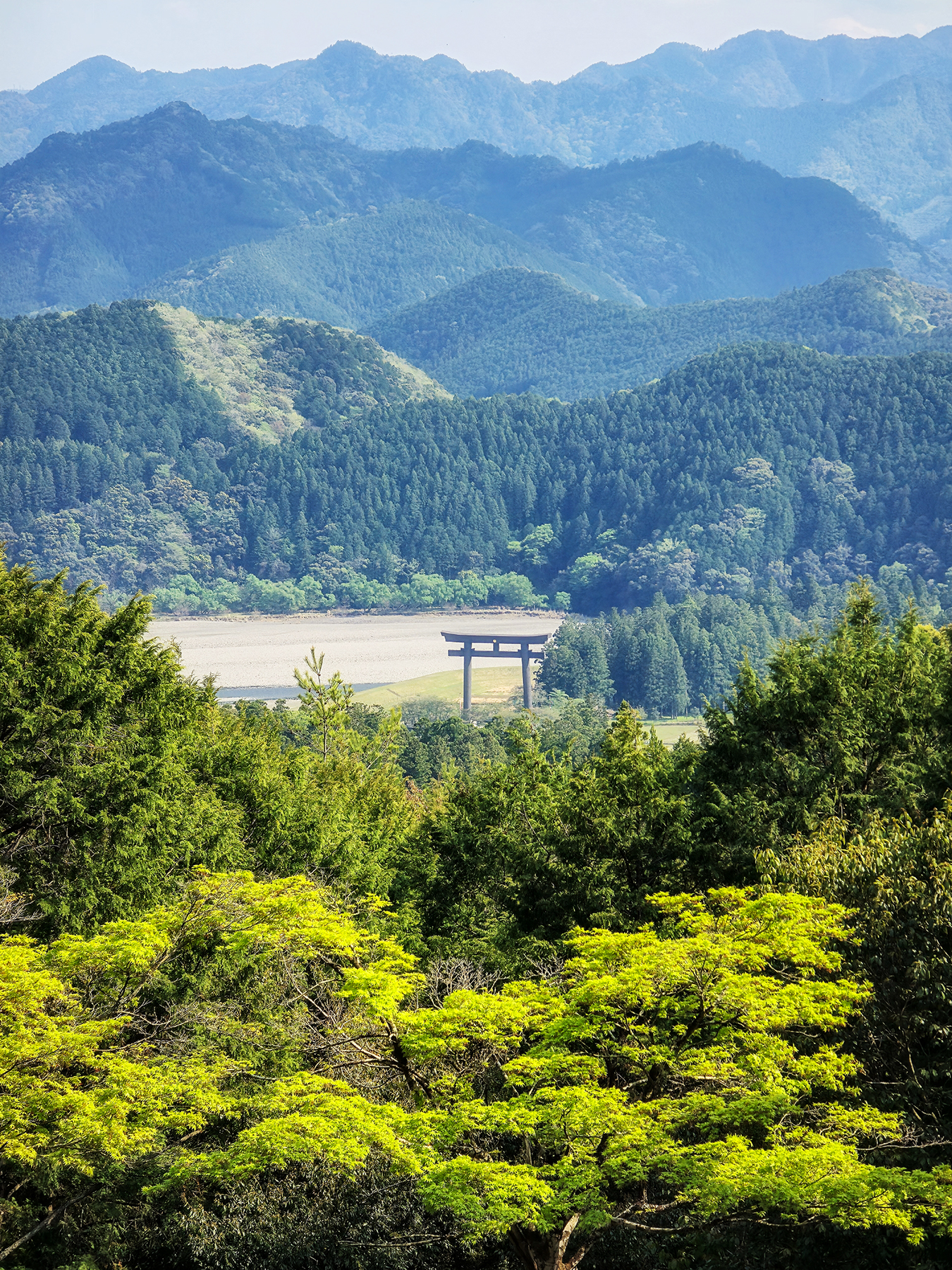


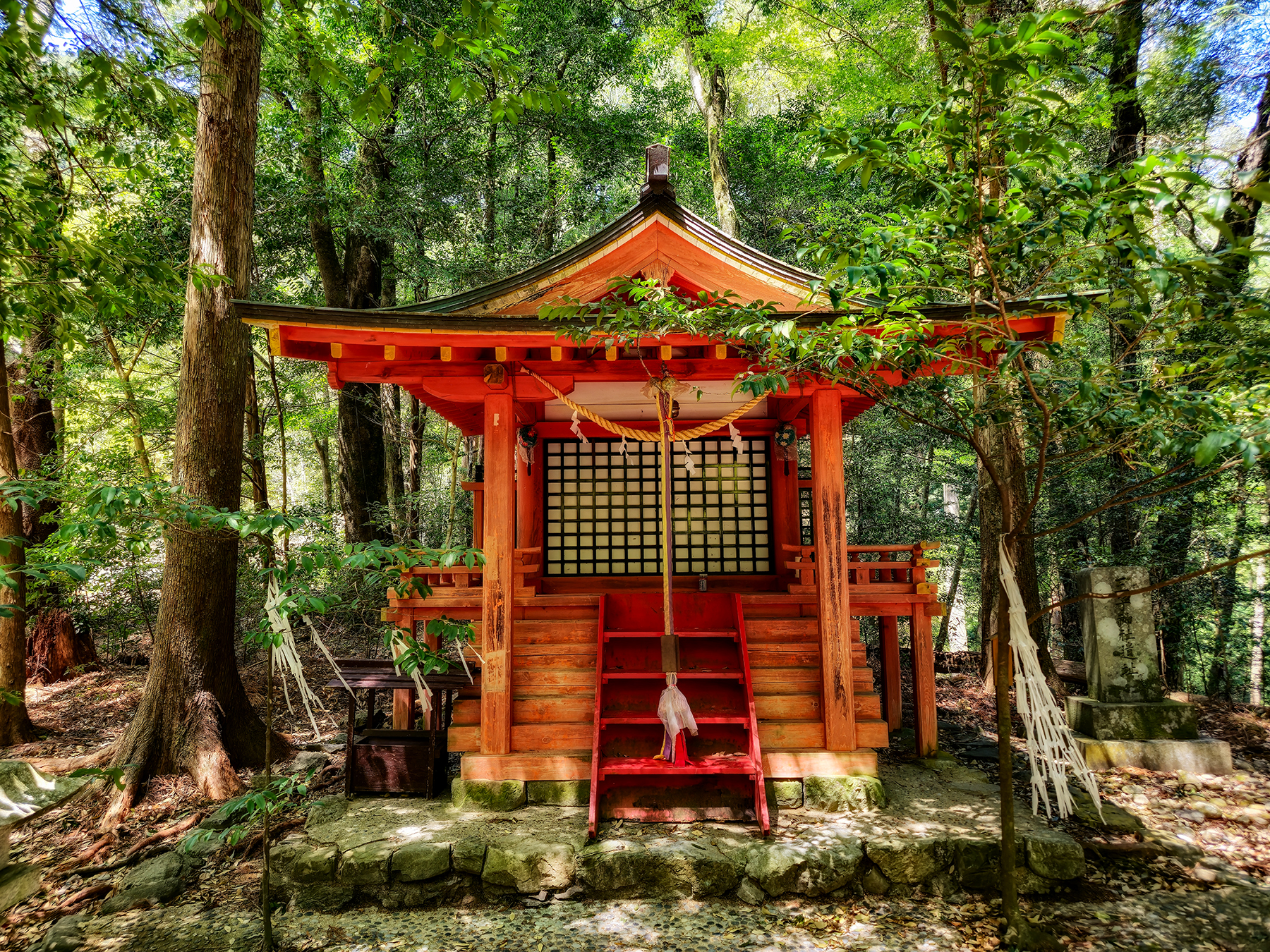

The grand shrine at Hongu was an amazing place to explore. The kiddos were particularly impressed with the Kumano Hongu Taisha Otorii, the largest torii gate in Japan that in Shintoism marks the boundary between the human and spiritual worlds. From Hongu we also made a side trip to visit Yunomine Onsen, one of the oldest onsen in Japan that is fed by a thermal spring in the center of the settlement.
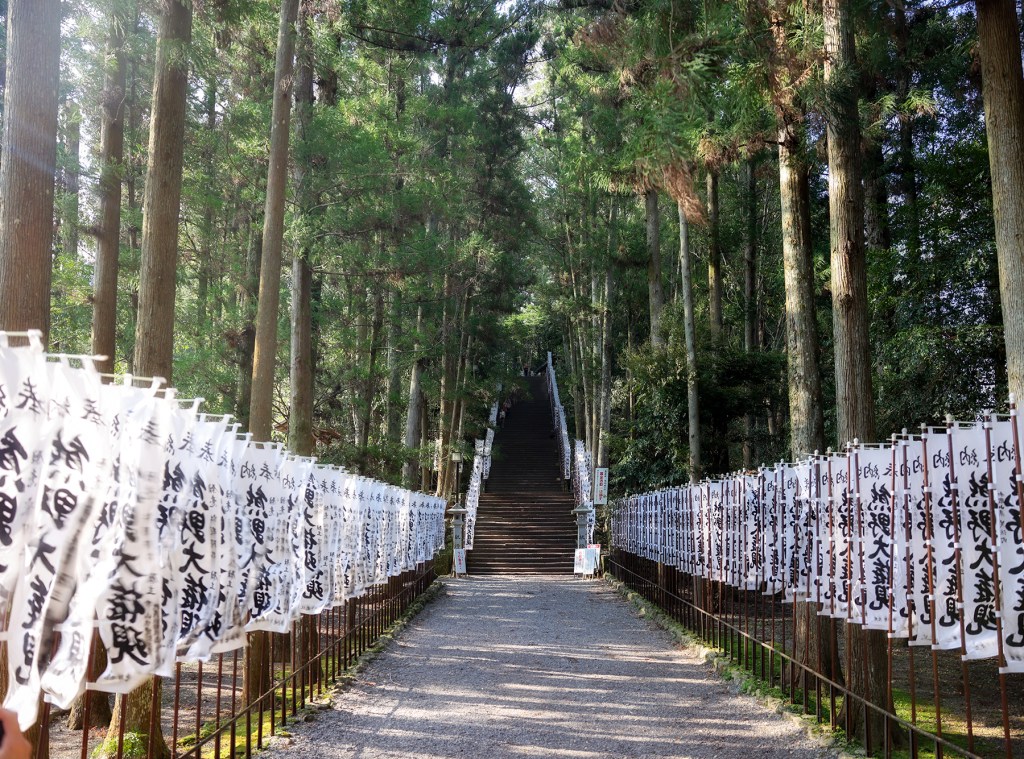

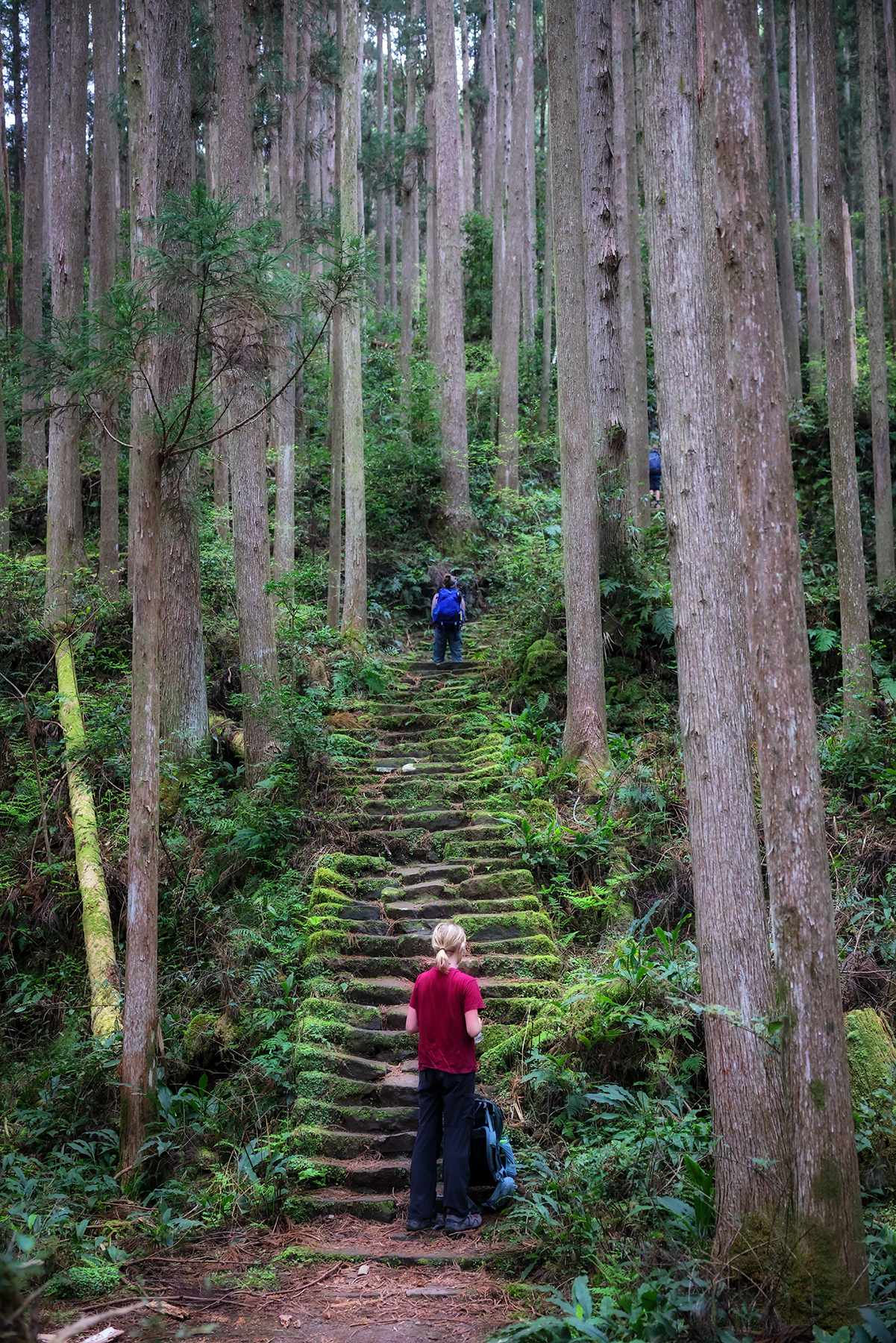
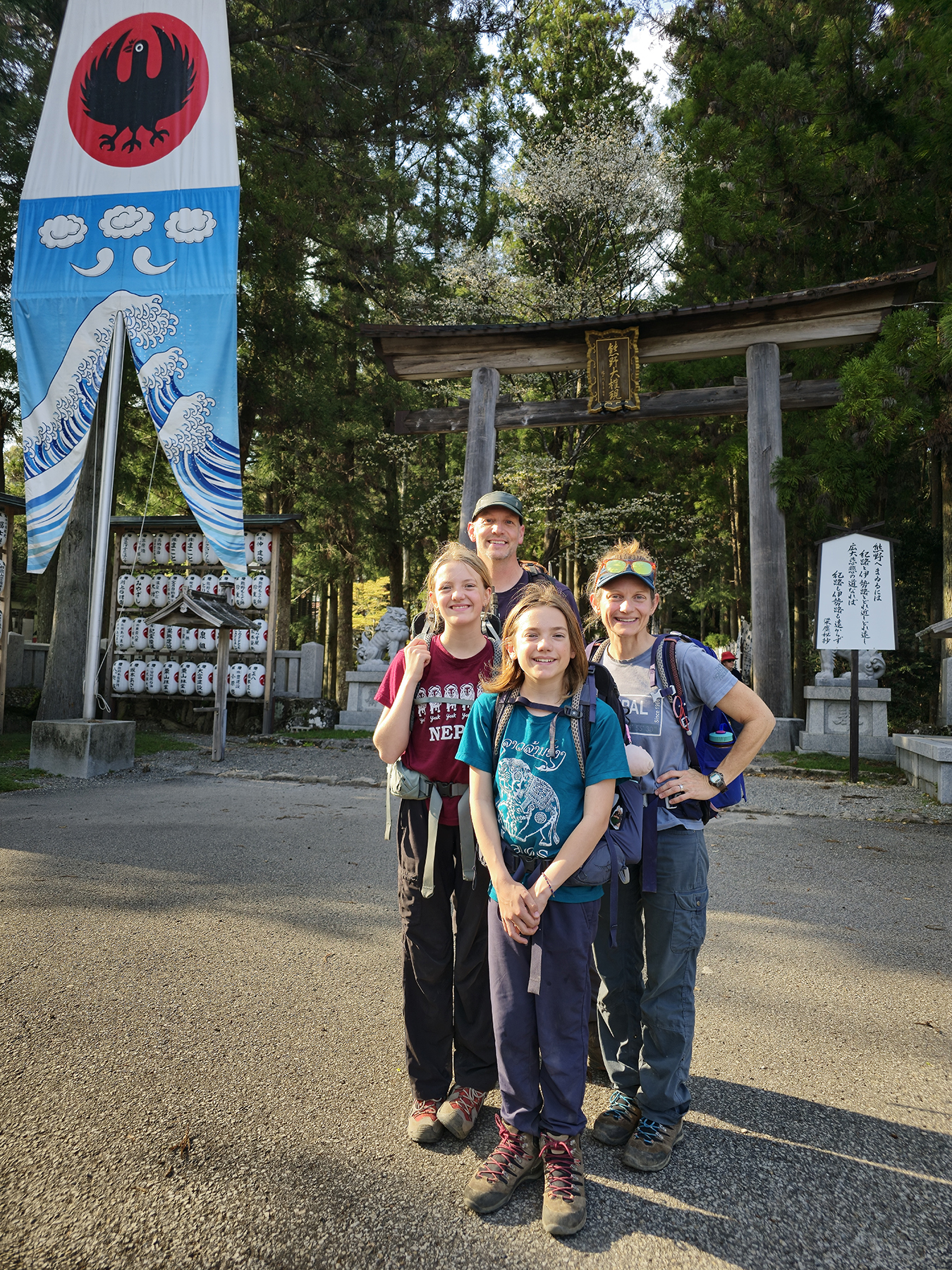

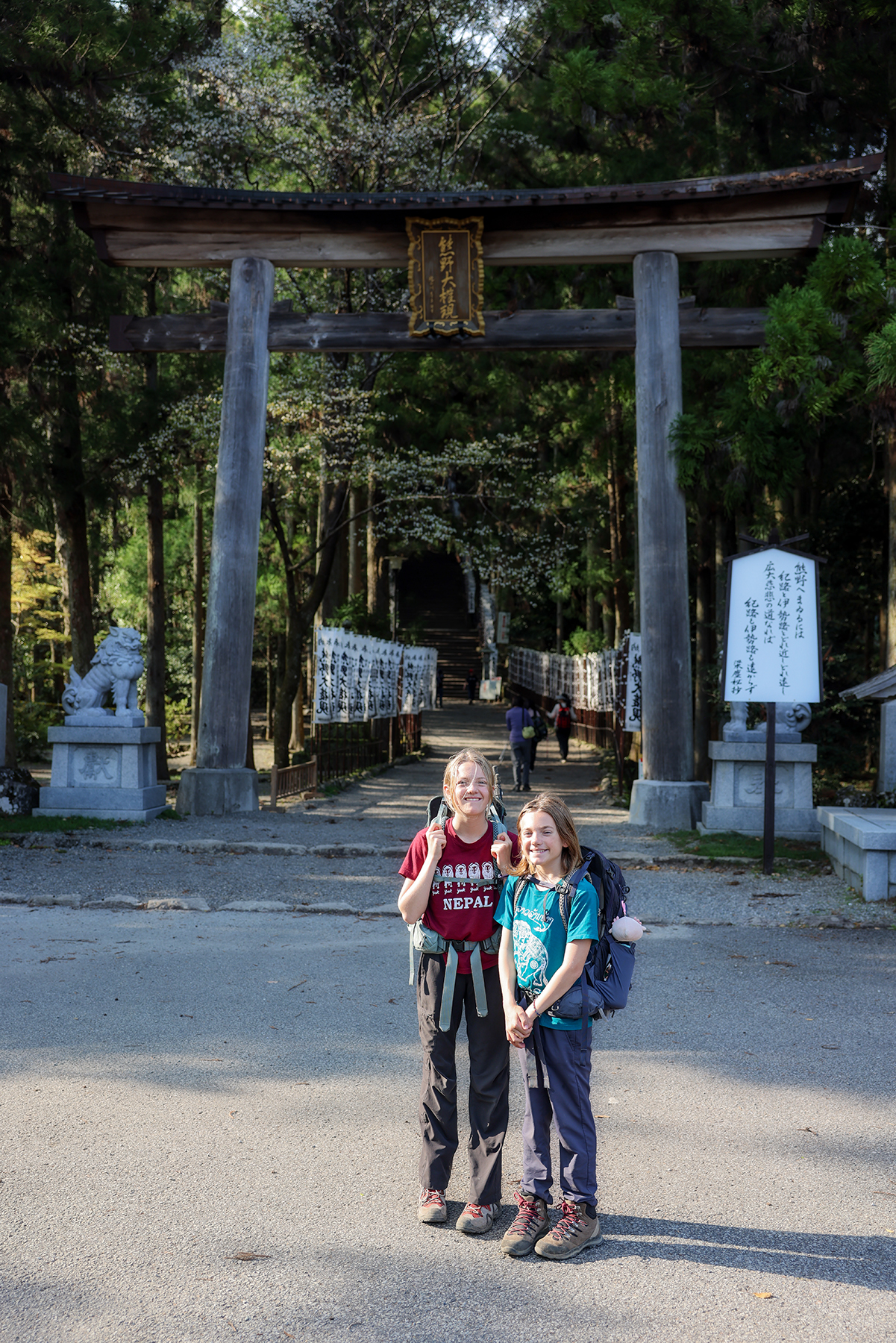

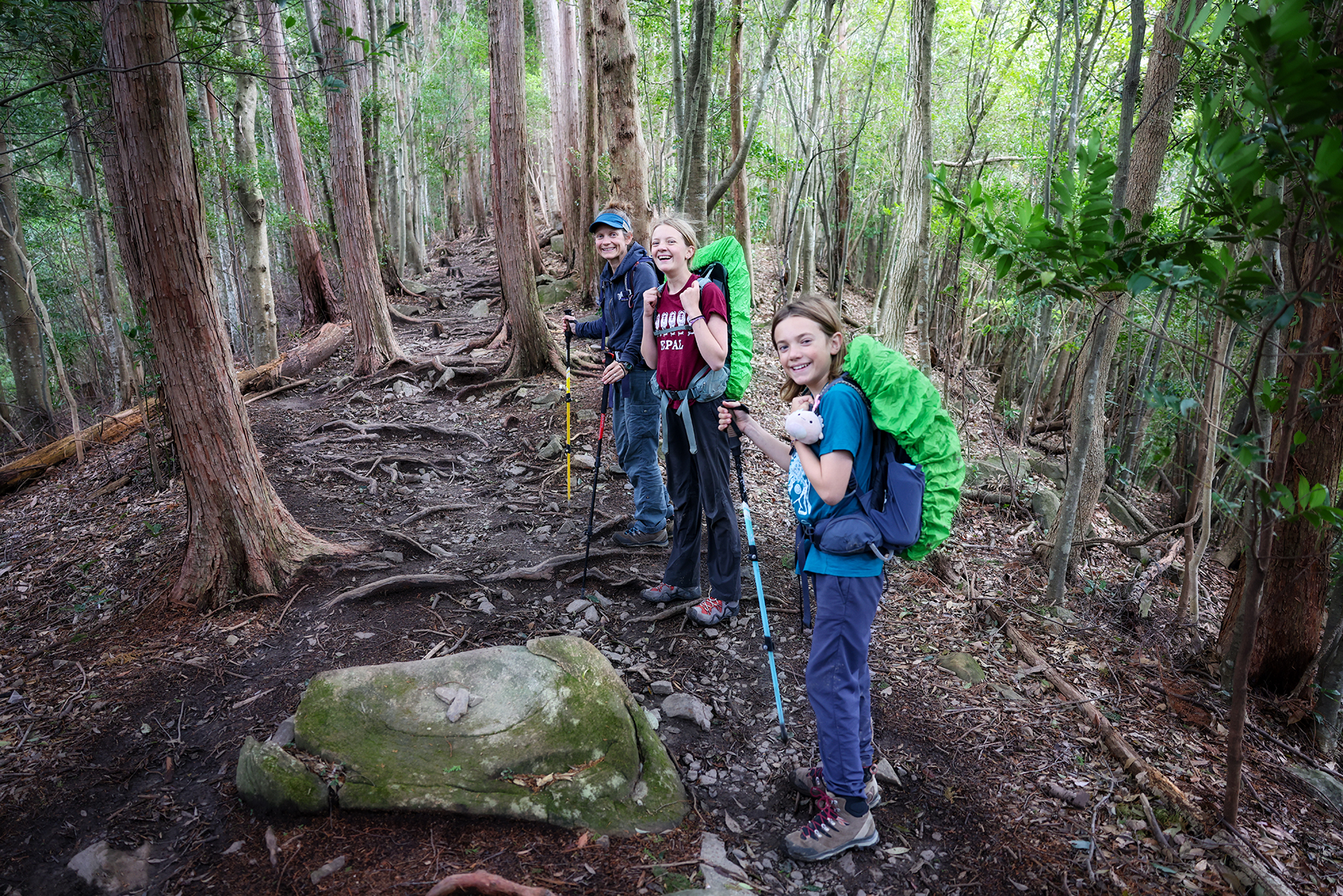
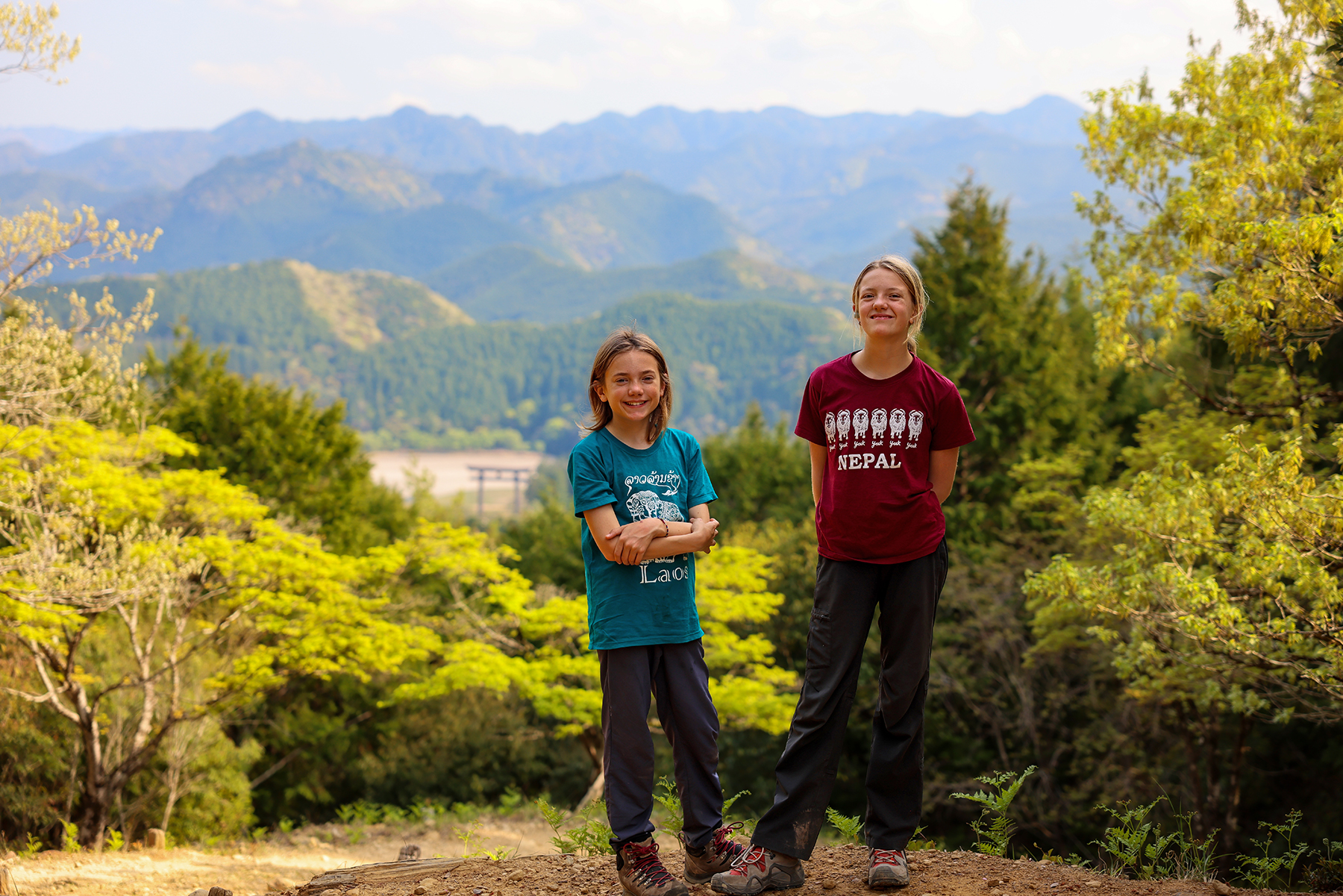


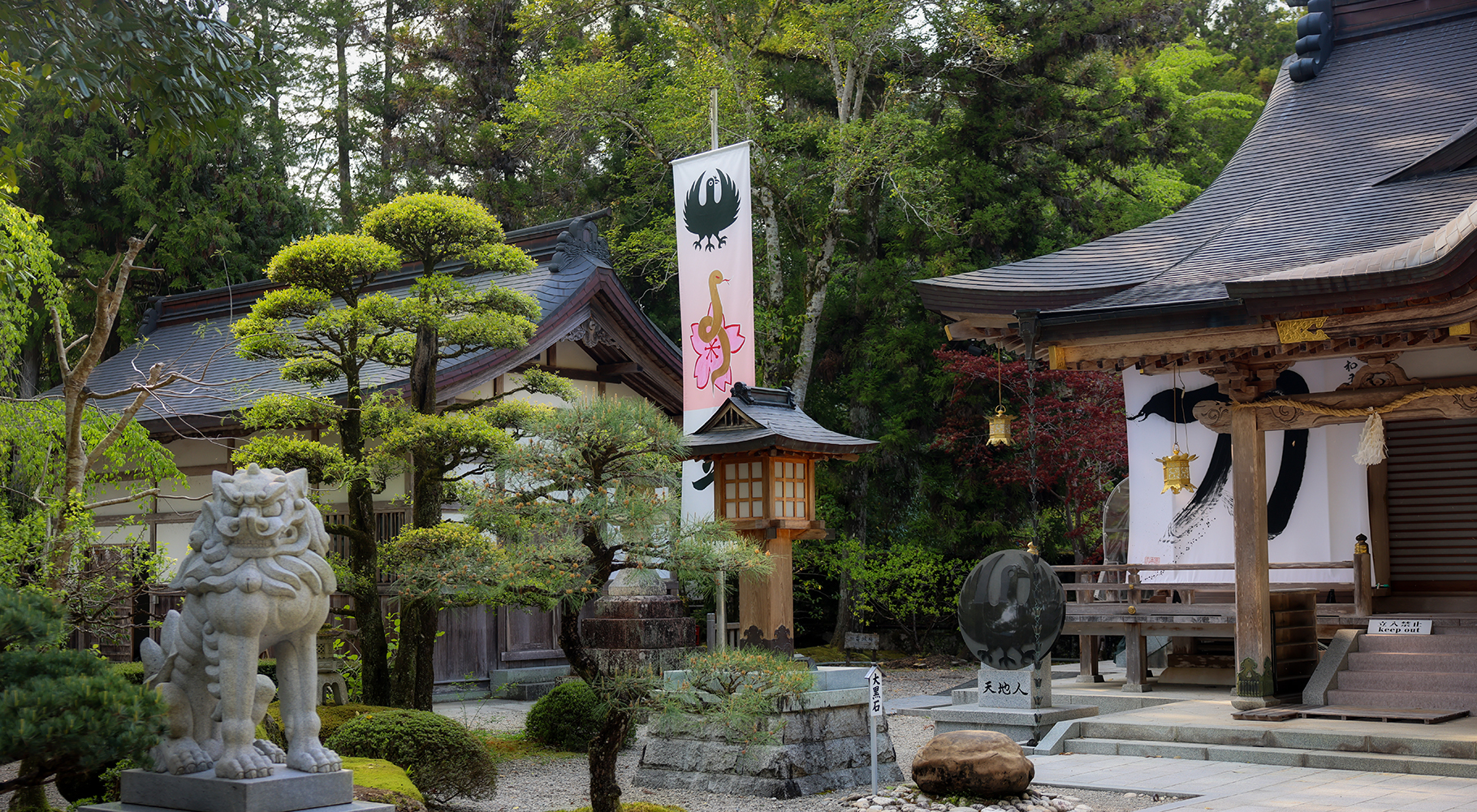
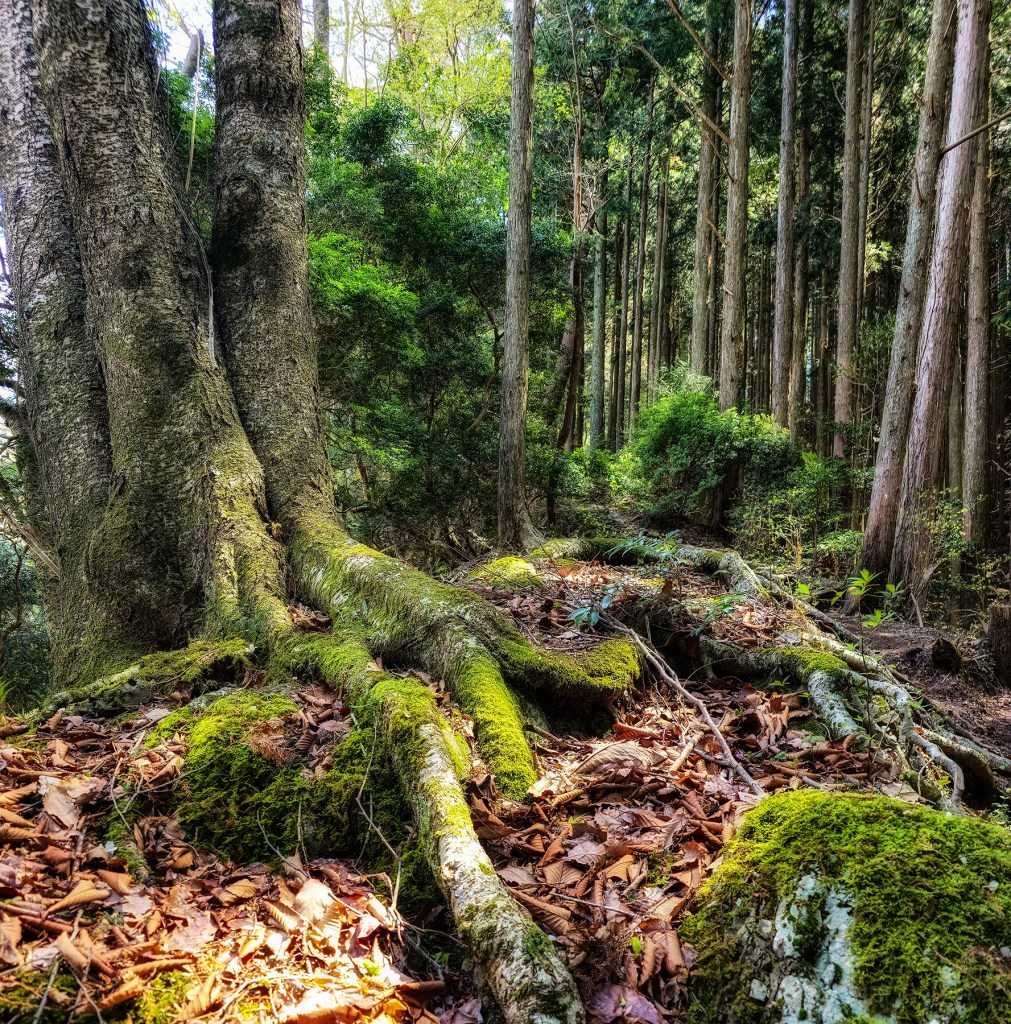
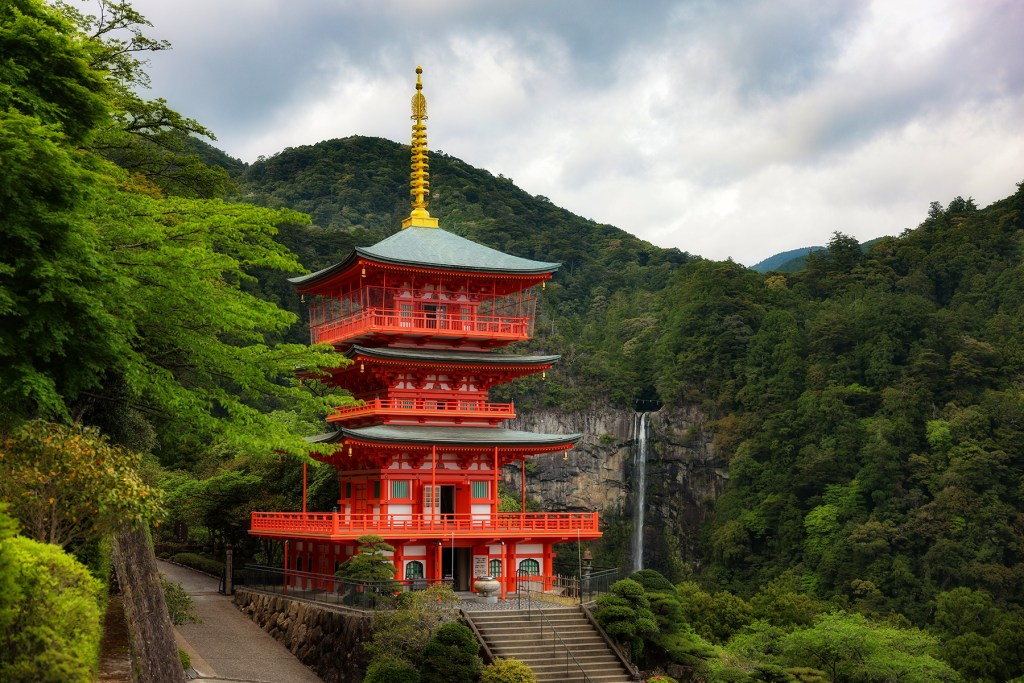
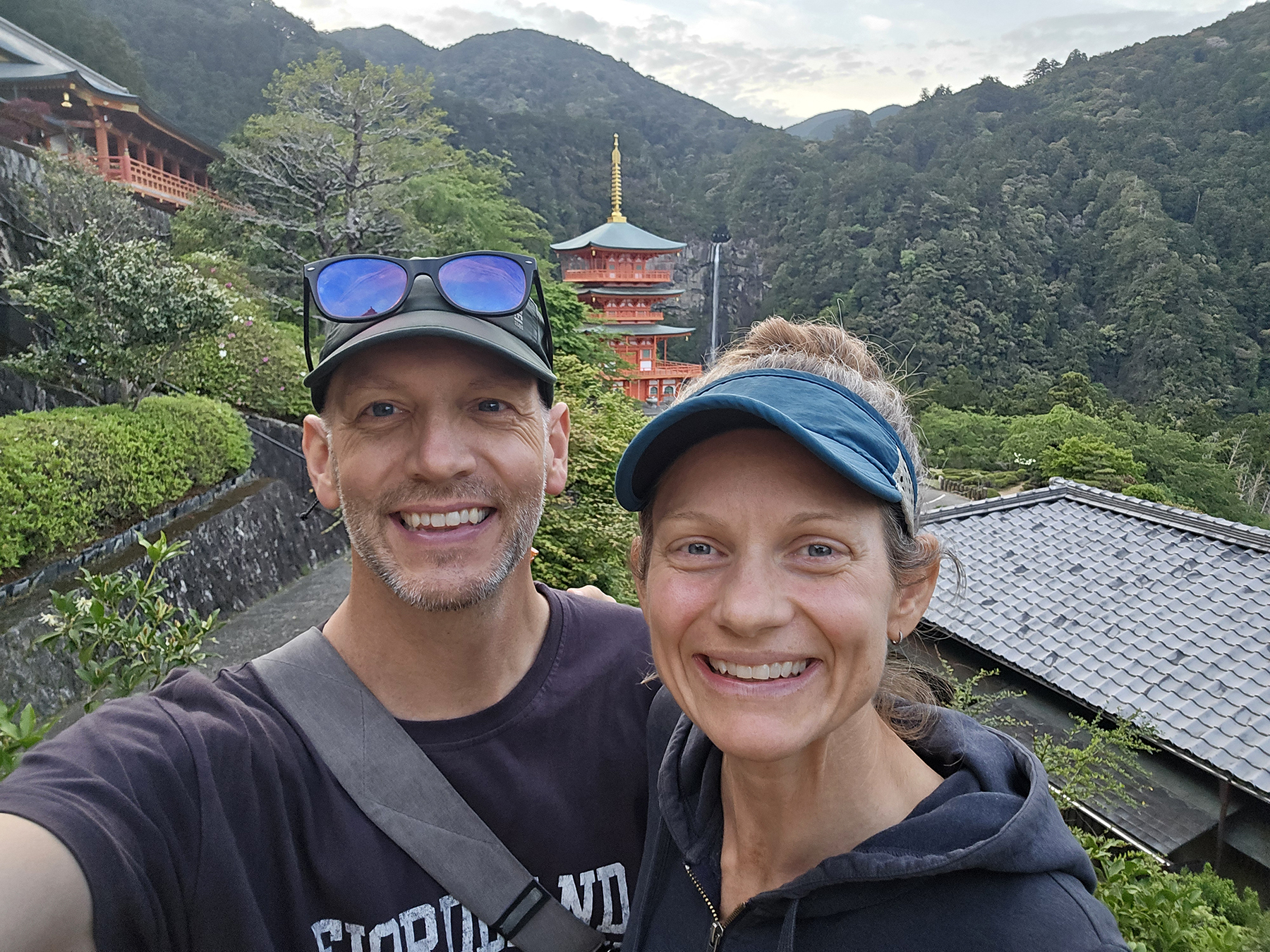
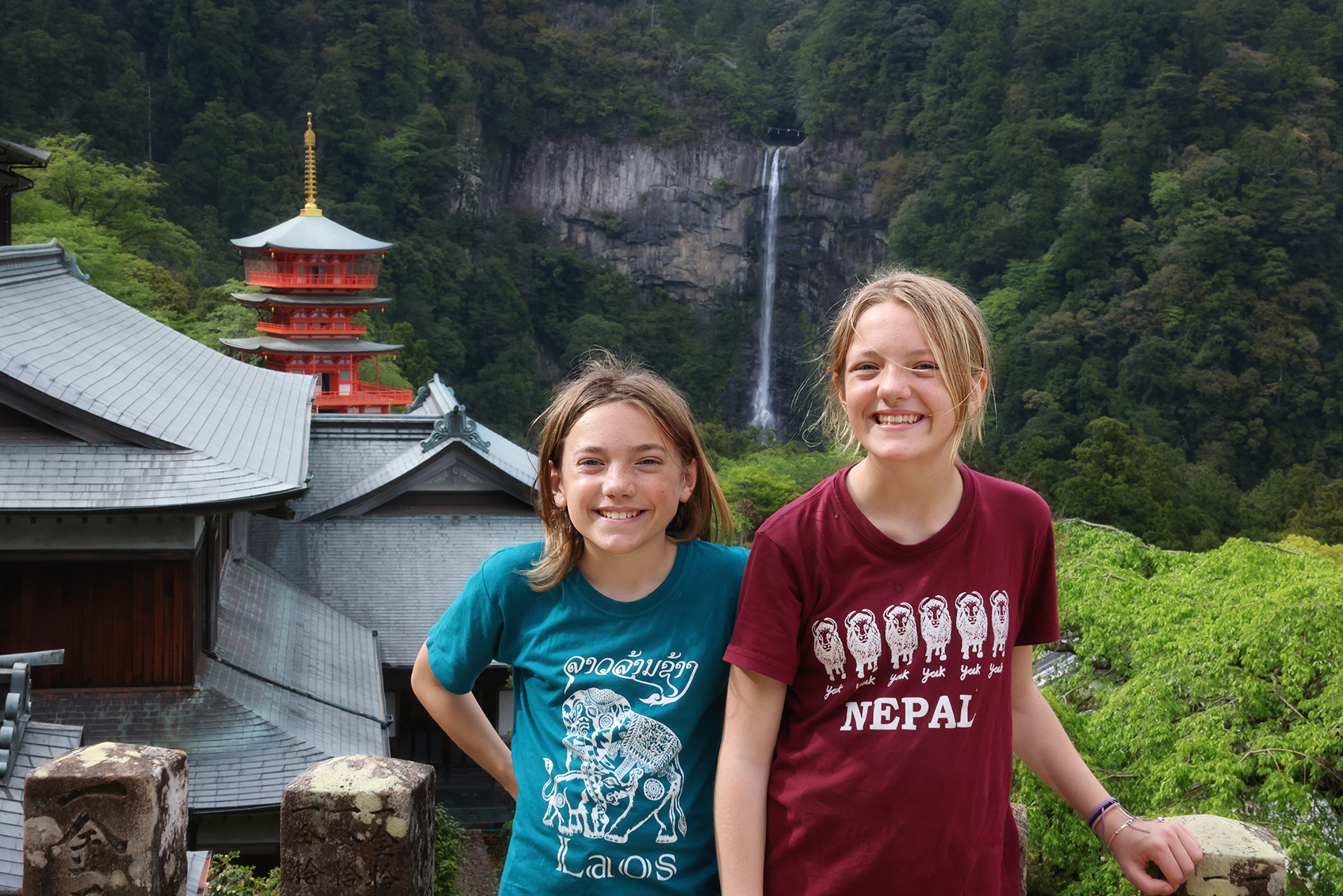
The final day of our trek was the most challenging, involving a steep ascent up a never-ending set of stone steps through the forest. Near the high pass at the conclusion of the climb we enjoyed our first sight of the distant open ocean, marking our successful traverse of the peninsula! Beyond the pass we enjoyed our final descent down into Nachi, the location of the most spectacular site along the pilgrimage route – the Seiganto-ji Buddhist temple and three story pagoda, in a stunning position alongside the Nachi waterfall. Our final steps into Nachi were emotional, marking not only our completion of the pilgrimage, but also the completion of our last major hike we had planned for our year of travel. Thankfully we still had more adventures planned for the remaining six weeks of our trip – just no more big hikes (for now)!
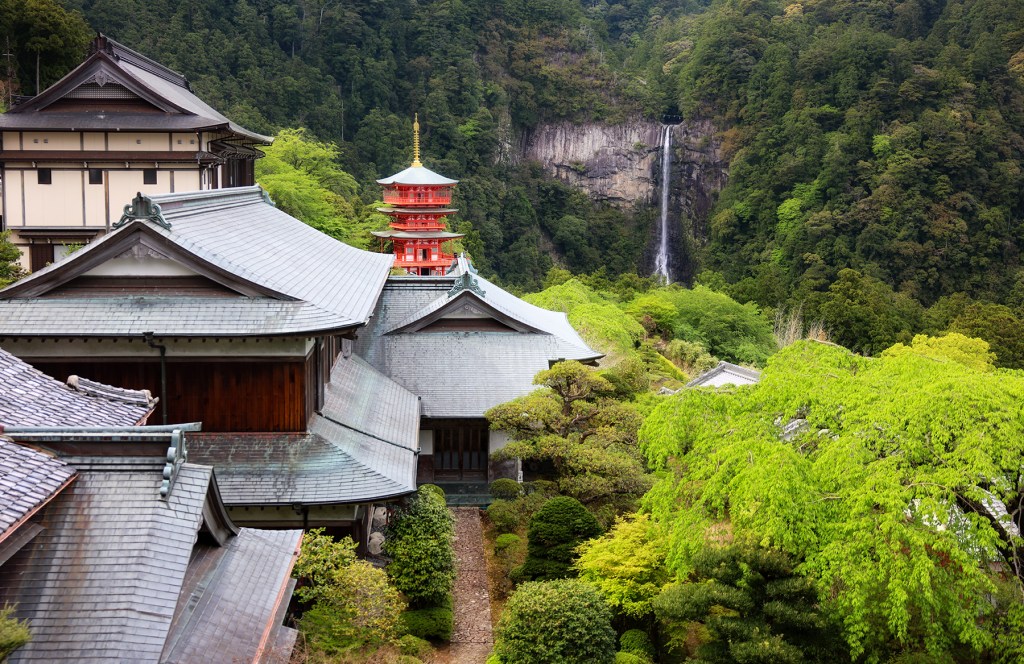
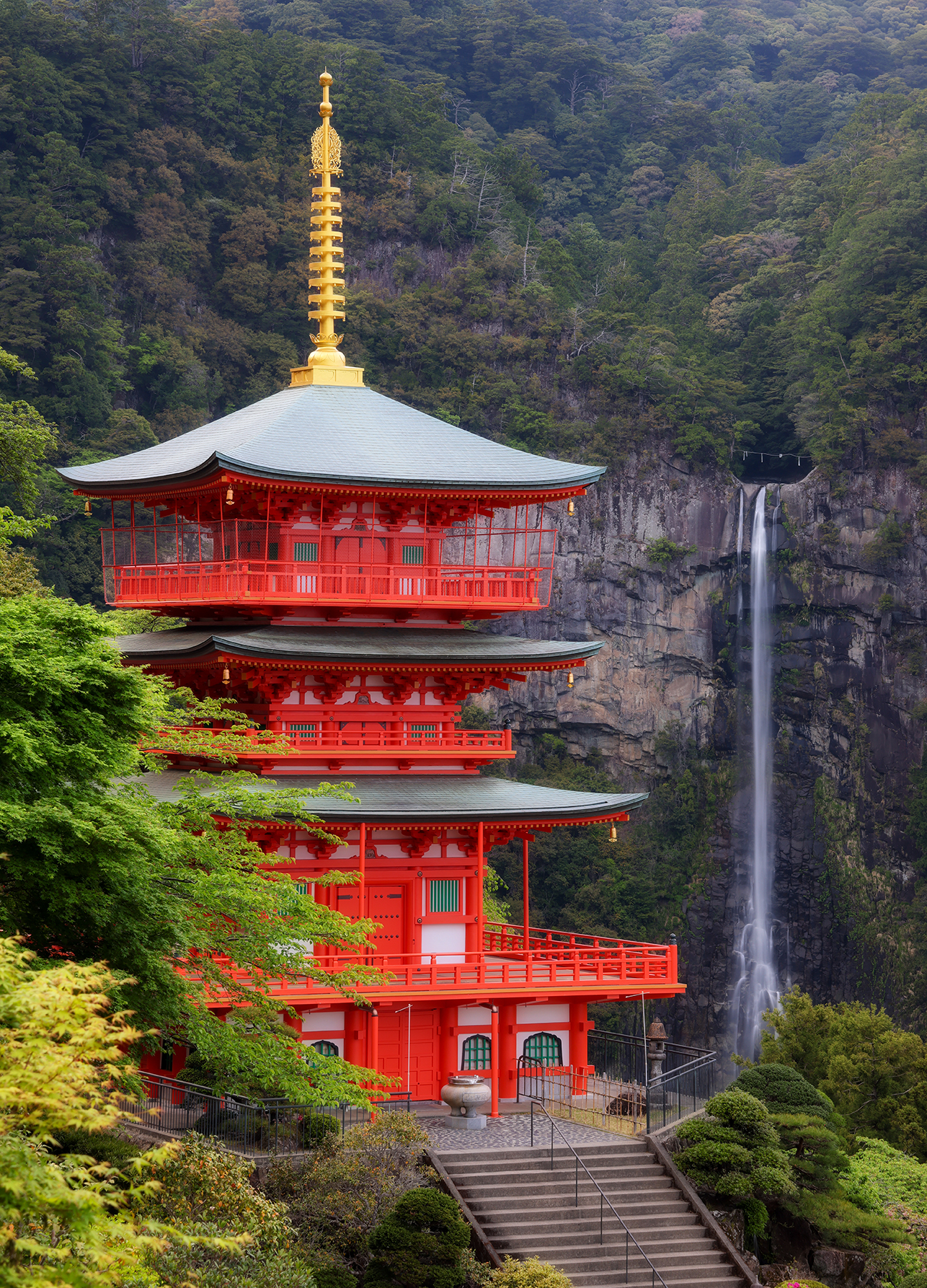

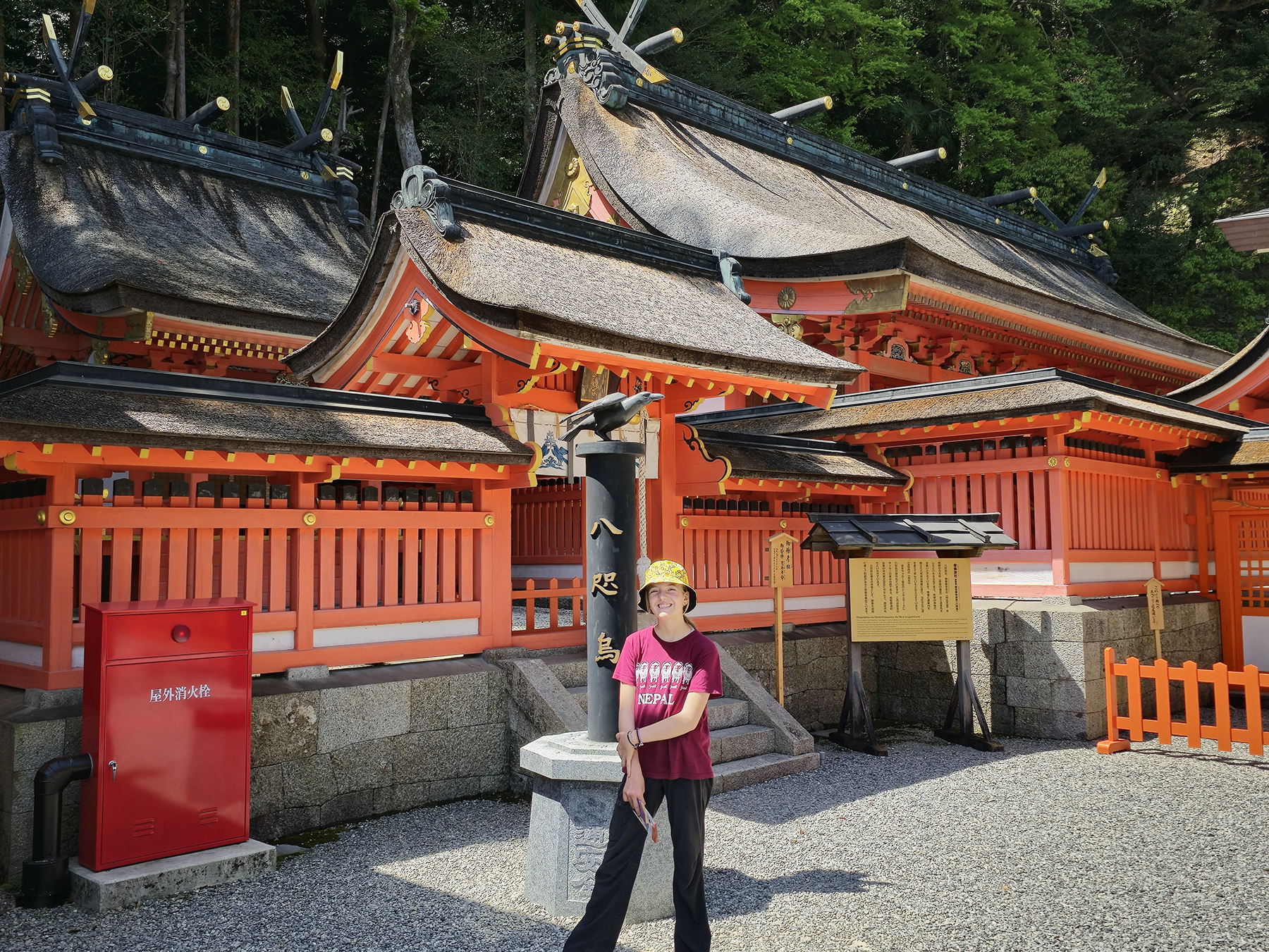



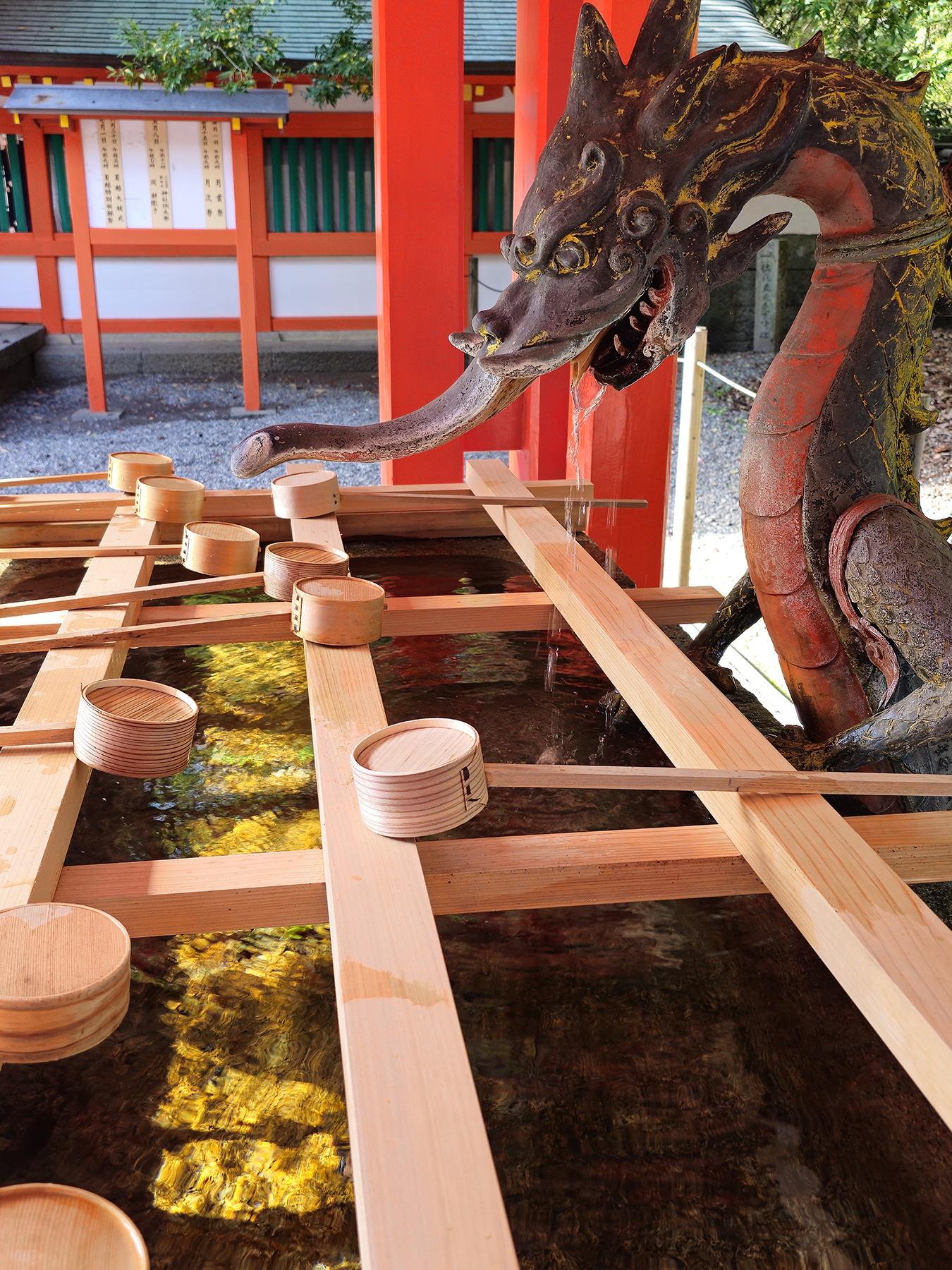

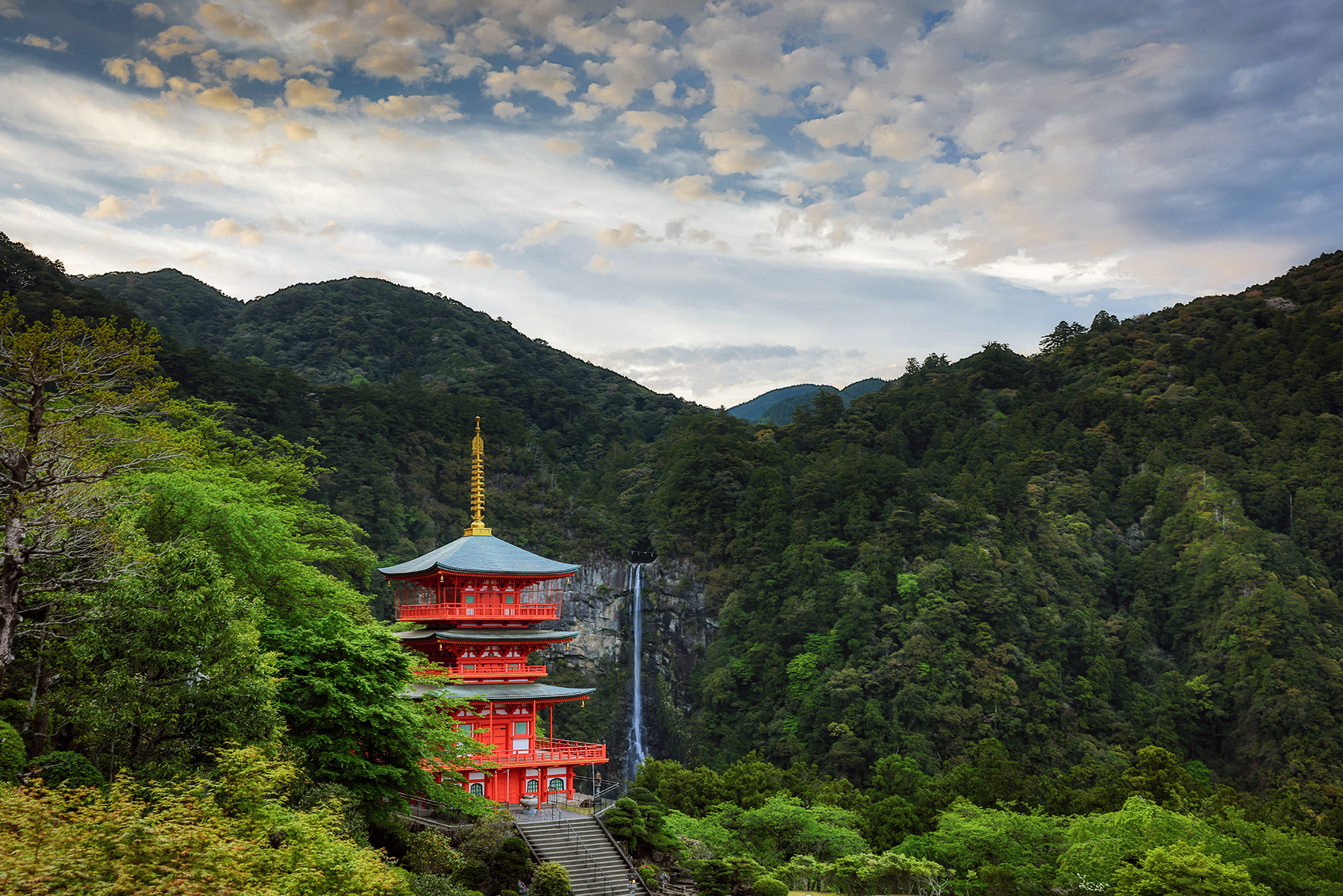
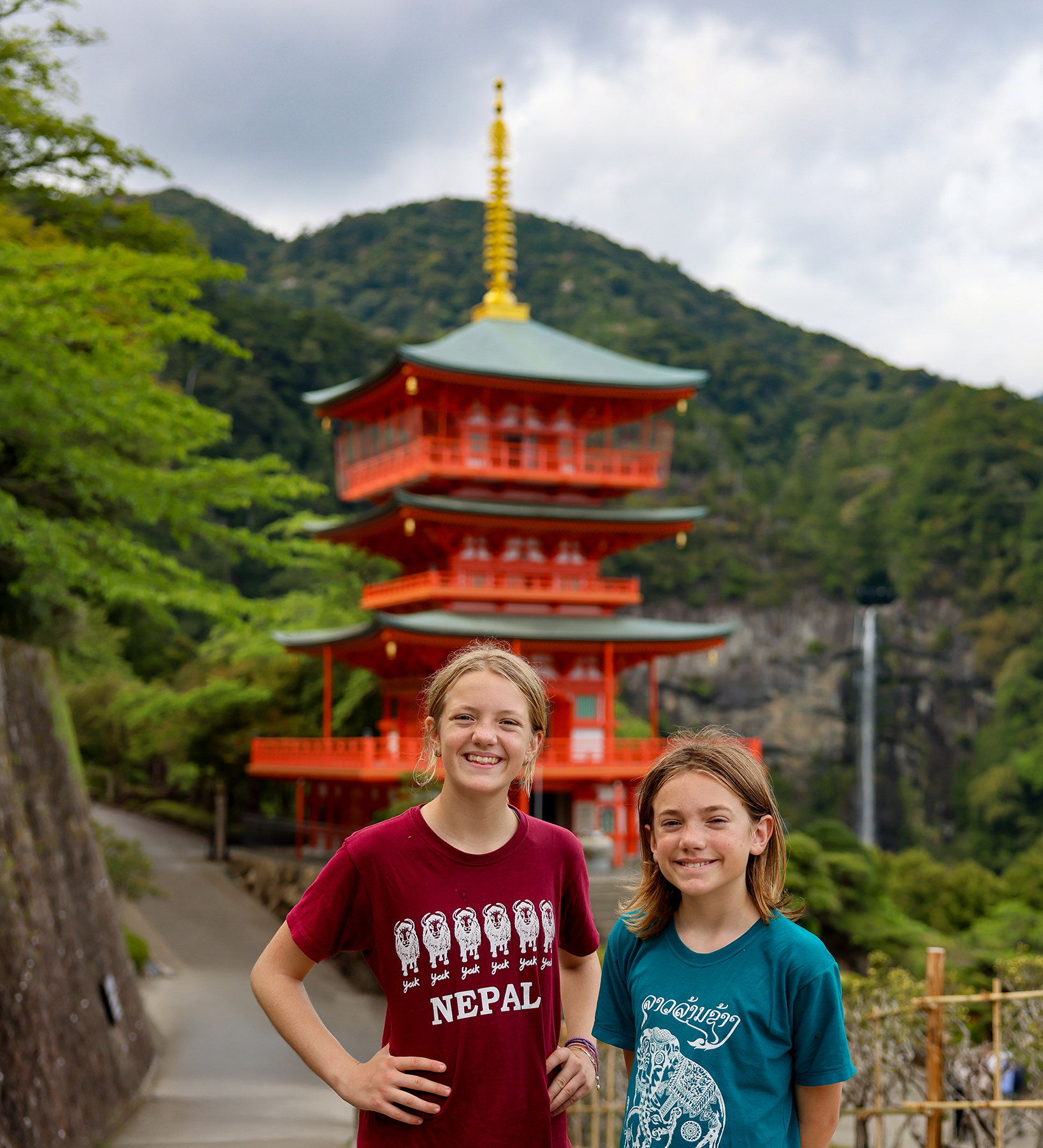



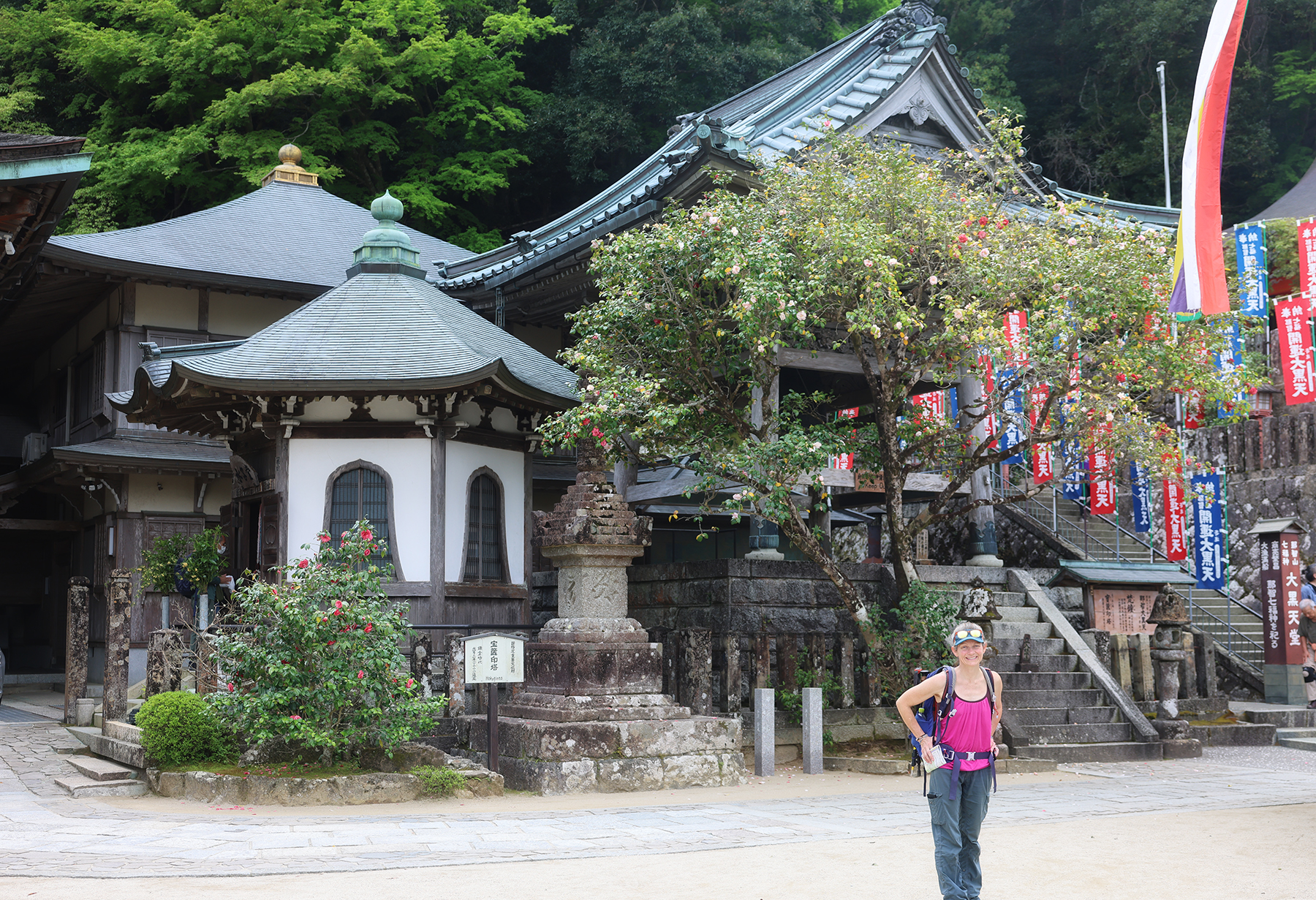
As we arrived in the afternoon, well after the departure of the tourist buses, we were able to enjoy the Kumano Nachi Taisha shrine and adjacent Seiganto-ji temple free from crowds. Sonya and I had the entire site essentially to ourselves for a few hours, time which we used to explore and take pictures while the kiddos rested after the long day on the trail. Once again, I must salute the superior planning skills of my amazing wife, who managed to arrange one of the very few accommodations in Nachi for our family and allowed us to visit this spectacular site in solitude!
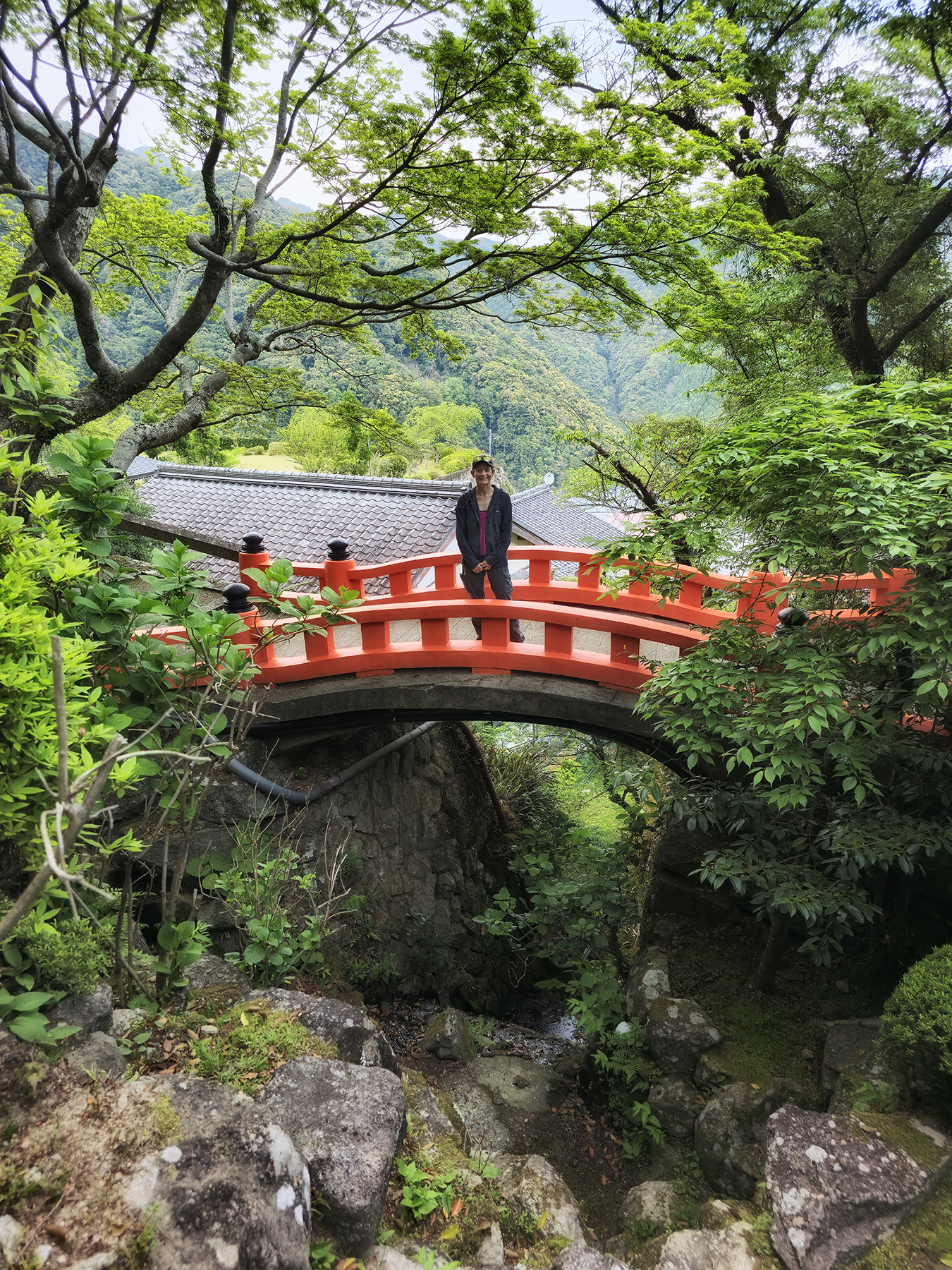


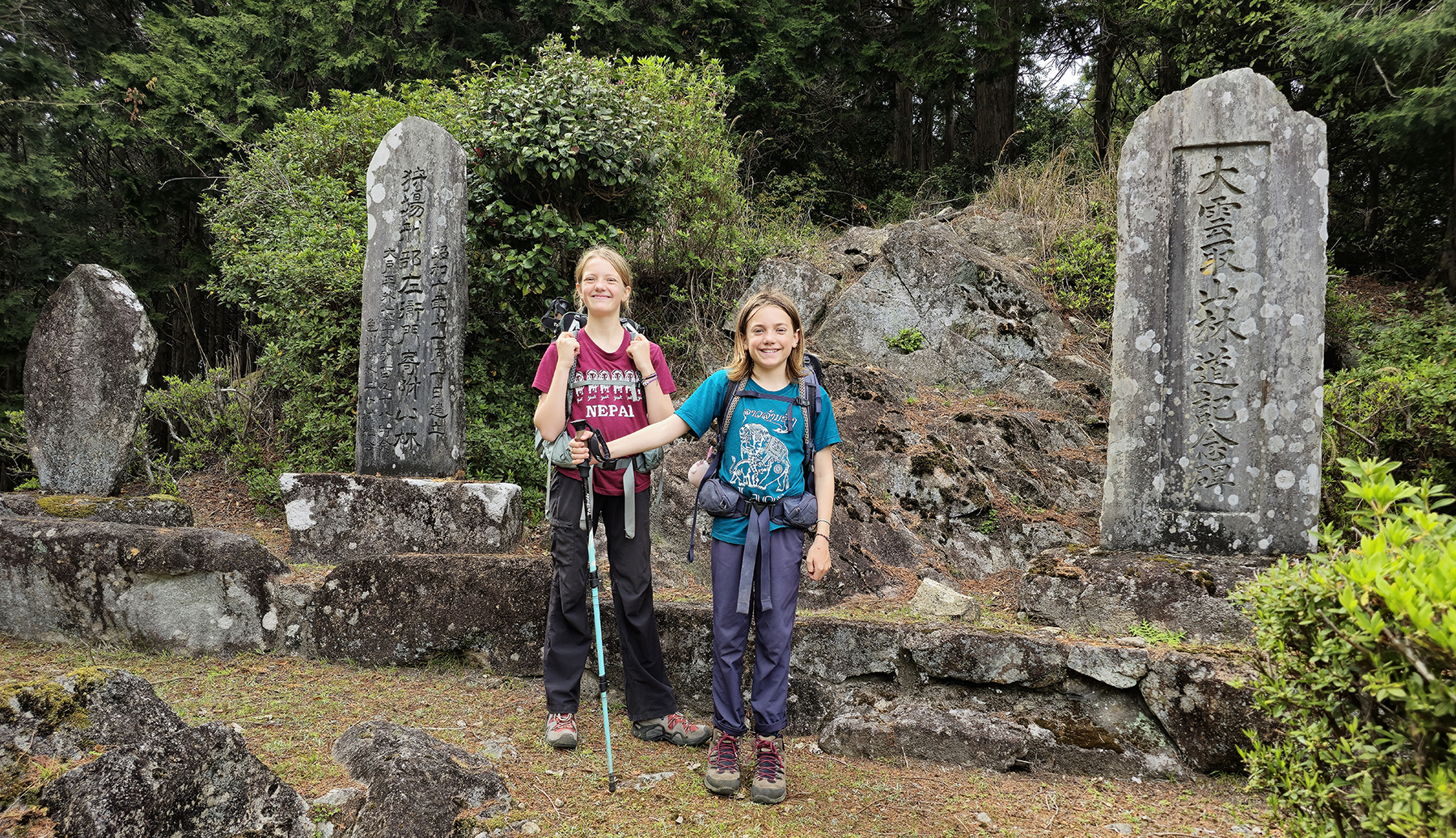

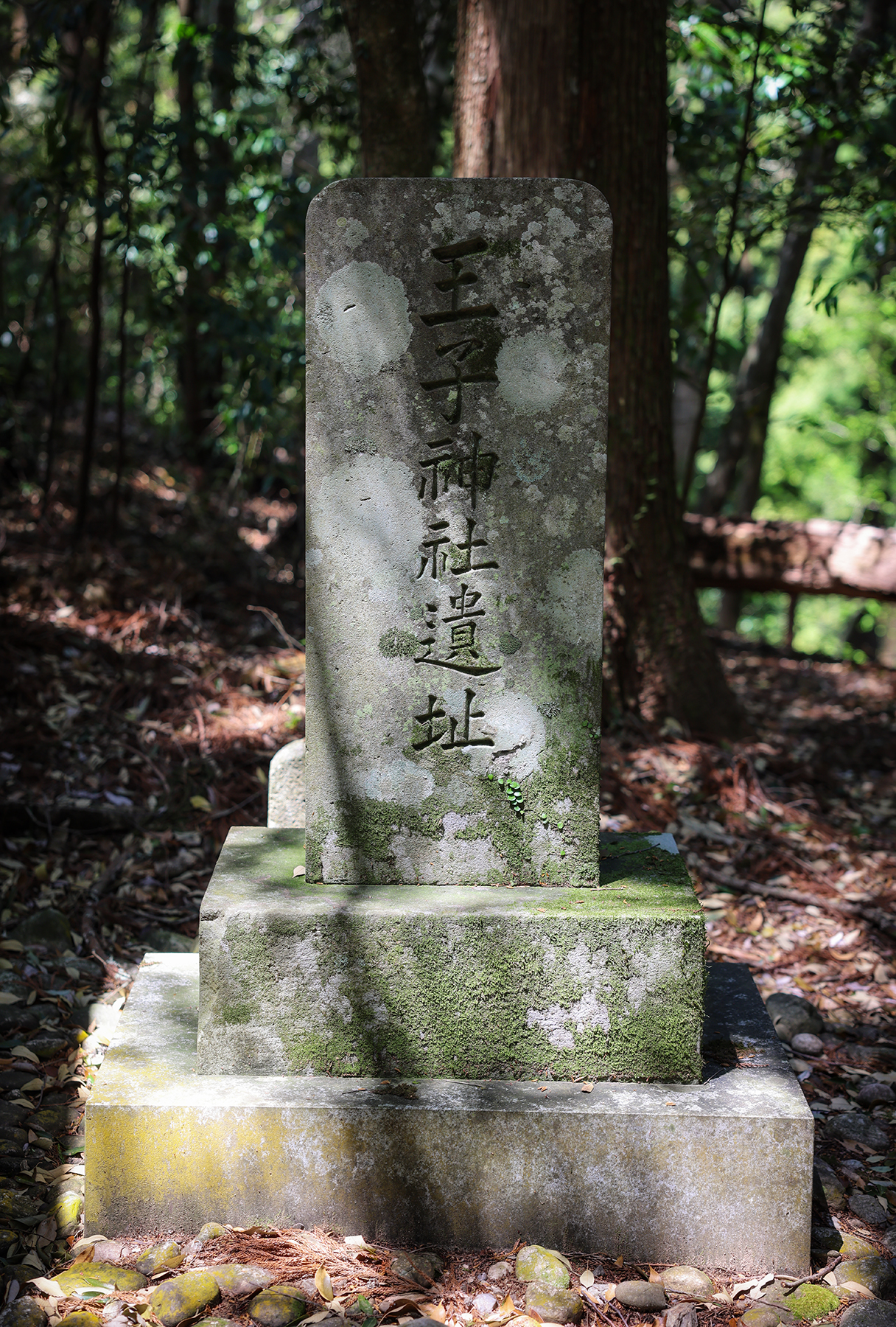

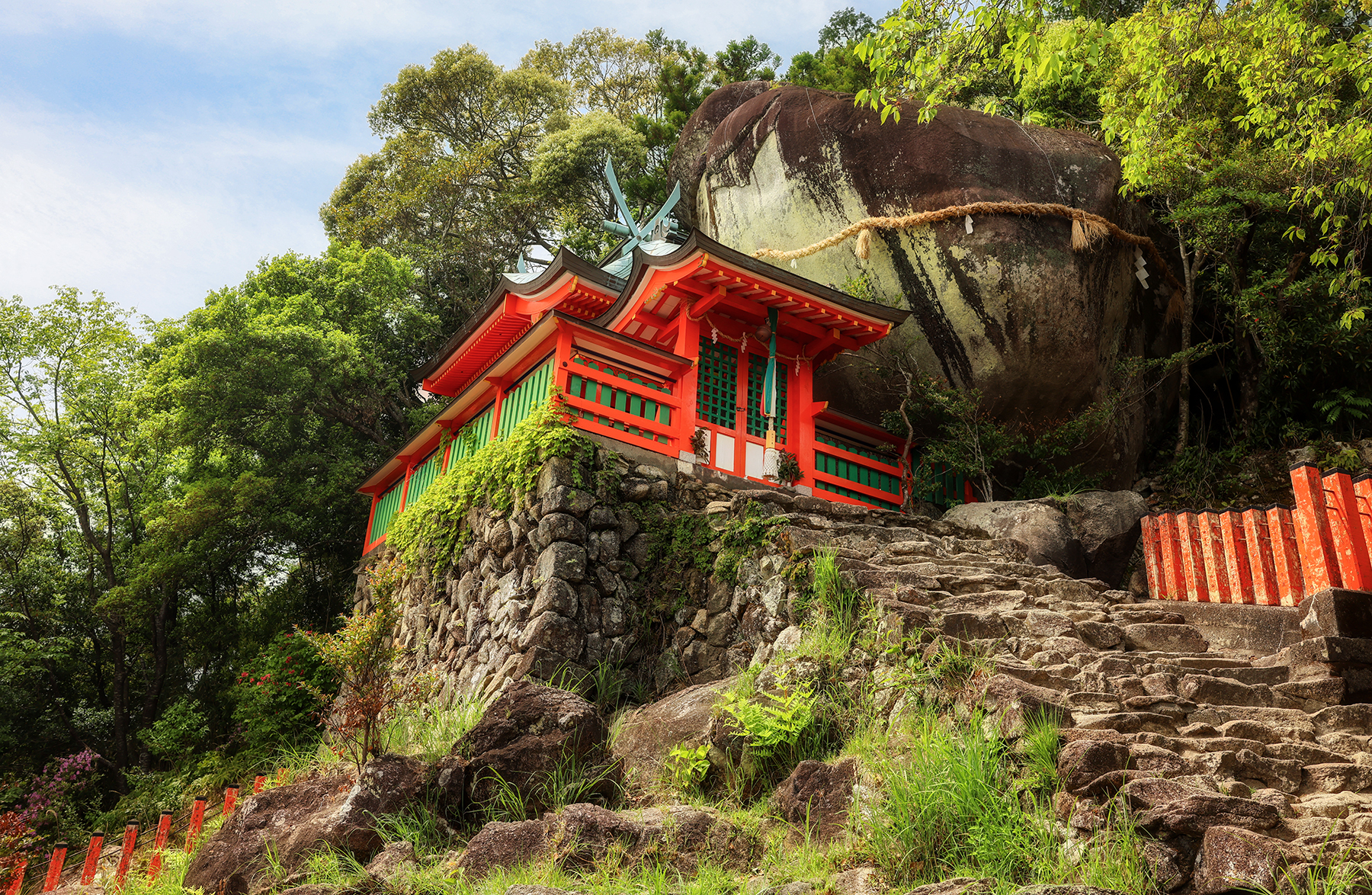
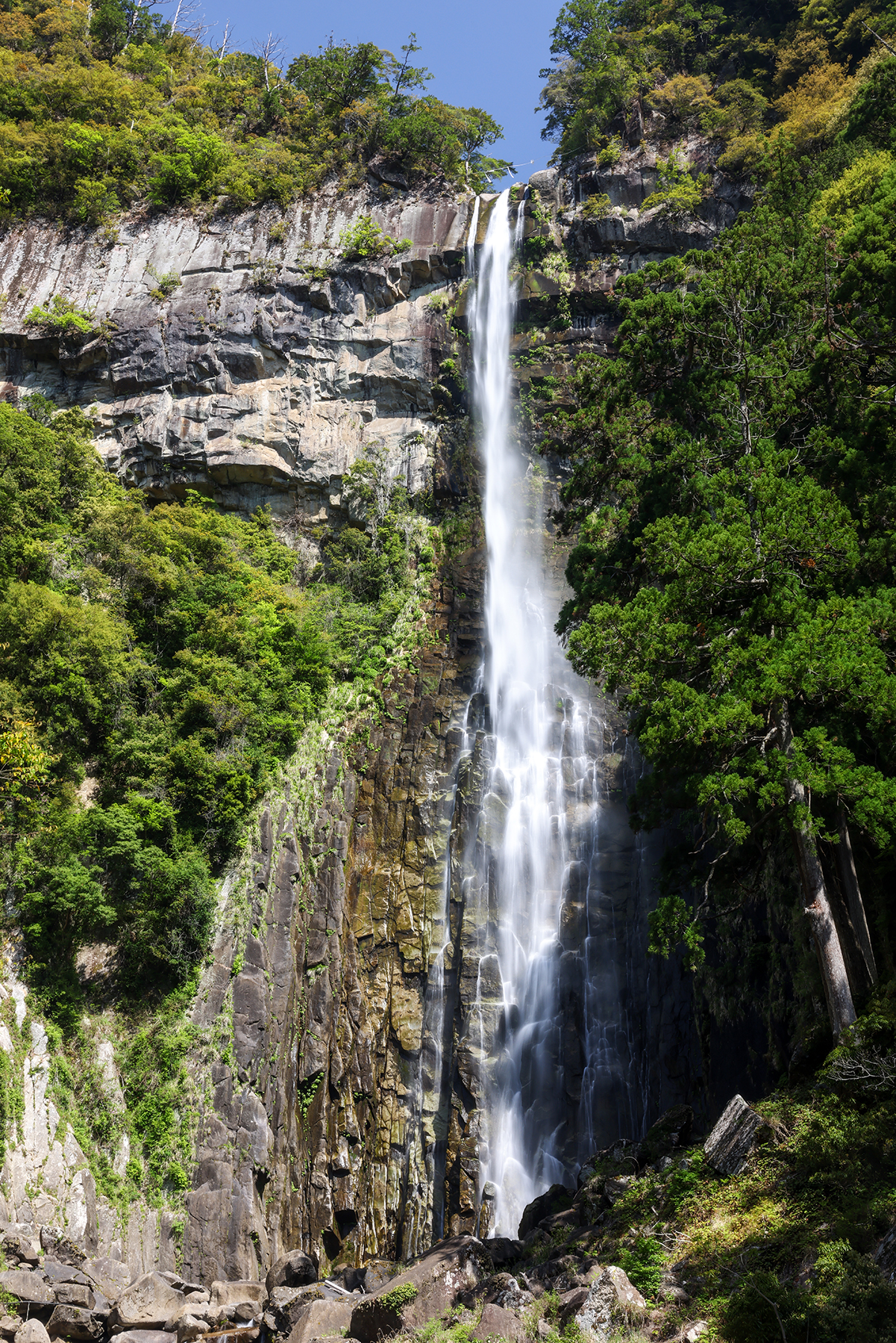
The following morning we spent time hiking down yet more stone steps along the Daimon-zaka pathway, beneath tremendous 800 year old cedar trees. We collected some more shrine stamps, and caught a quick bus to visit the base of Nachi Falls. Around midday we took a bus journey to reach the city of Shingu, with a brief stop along the way to enjoy some onogiri for lunch. In Shingu we visited Hatayama Taisha, the last of the Kumano Grand Shrines, and made a short but very steep ascent up the hillside at the edge of town to visit one final shrine, Kamikura-jinja, the site where the gods of Kumano are said to have first descended to earth, and the birthplace of the Kumano faith.




The conclusion of our time along the Kumano Kodo marked the midpoint of our time in Japan. Coming next: onwards to Mt. Fuji and beyond!
 Eight Boots Abroad
Leave a comment