
As we have exited each destination throughout this year of travels, we have always felt ready to move on to the next chapter of our adventure. Those same feelings were not present as we prepared to depart from New Zealand – the idea of leaving the tranquility of a place so comfortable and familiar mingled with a touch of anxiety about returning to the commotion of mainland Asia. Despite these feelings, we were keen to return to China so the kiddos could revisit some of the places that they had experienced during our first visit to the country back when they were just 4 and 6 years old in 2017.


This visit to China would be a very different experience than our first visit had been, just eight years prior. In 2017, we had planned our trip down to every microscopic detail. Every hotel and every train ticket was booked ahead of our arrival, and we converted currency at home in Colorado before leaving the States. We knew it would be difficult to get help once abroad, due to not only the language barrier, but also due to the inability to use our familiar tools of travel – credit cards were not accepted, ATMs were rarely seen (and not compatible even when we managed to find them), and email, Google maps, and the internet were all inaccessible to us due to the Great Firewall. Successfully navigating the country for three weeks with two very young children had given us the confidence we needed to believe a year of travel with our family was feasible. So it was that this year, we returned to China under quite different circumstances – this time we did not have much of a plan at all! We booked a hotel in Guilin for our first three nights, and decided that we would figure everything else out once we arrived.
Thankfully for us, navigating China has become much easier over the last decade. We had downloaded the Chinese language packs from Google Translate ahead of time, so offline communication with locals at hotels, shops, and restaurants immediately became much easier. The eSIM on our phones connected to the network through Singapore, so we were often able to access the internet to help make travel plans on the fly. ATMs were more widely available and now accepted our Visa debit card, and the AliPay and WeChat apps on our phones made purchases easy, from street vendors to restaurant meals and hotel stays.
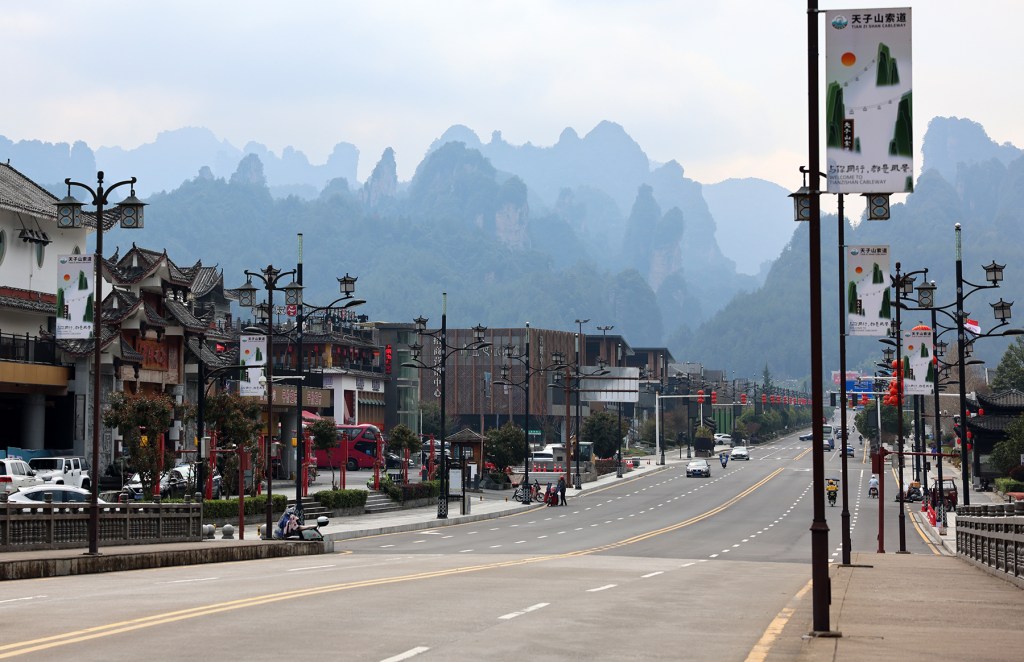
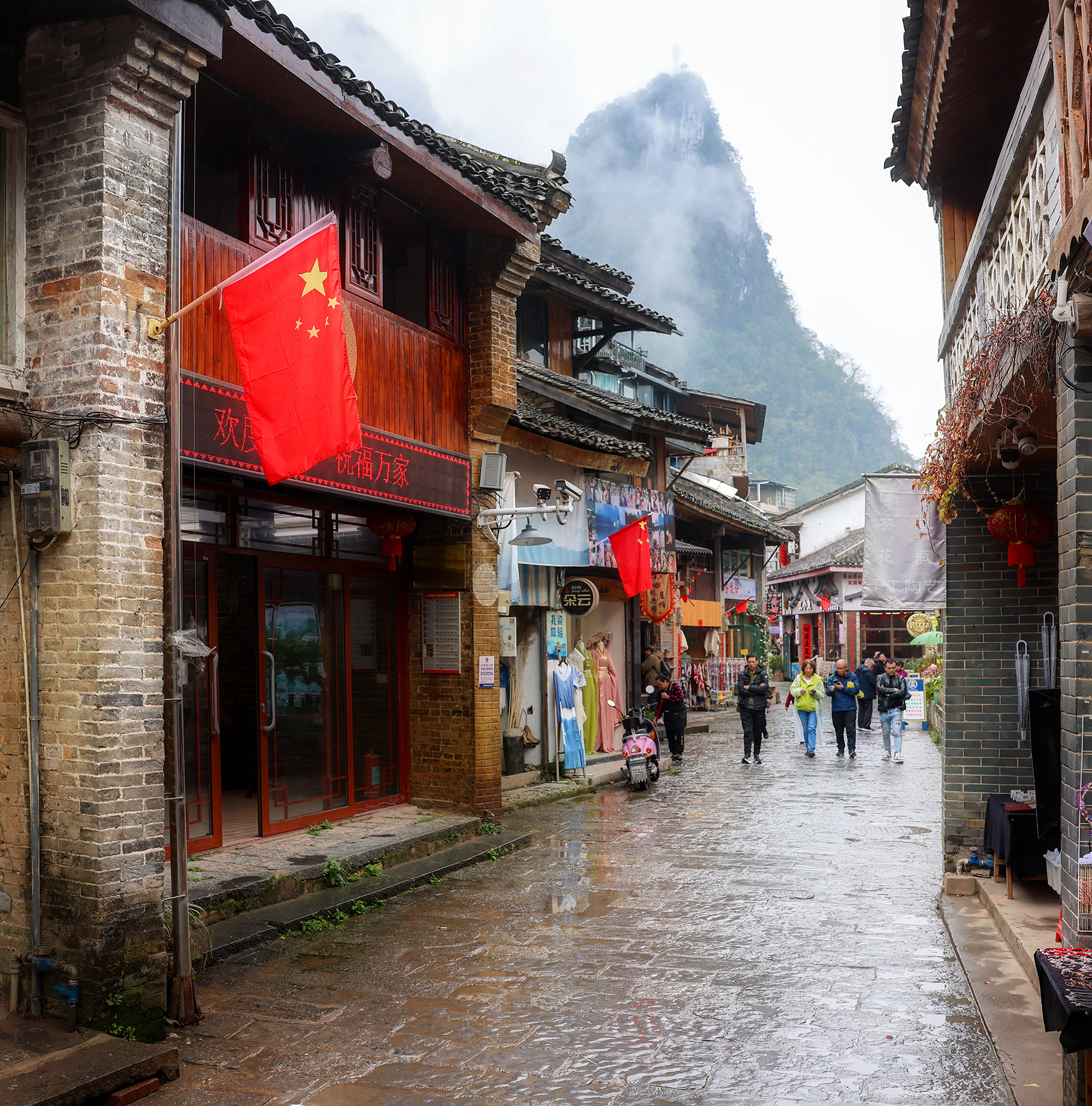
In 2017, one of the things that amazed us most was the juxtaposition of the old and new throughout the country. Traveling across the countryside, we recalled gliding past the Karst landscape in a high speed train on bridges that arched over farmland where locals still plowed their fields using oxen or water buffalo. Upon exiting the railway station in Xingping, we stepped immediately out onto a dirt road where donkeys and oxen pulled carts into the ancient town center. Returning to the same location this year, we found that the old dirt road had been replaced by a four lane highway. With the exception of the appearance of dozens of Chinese tourists dressed up in traditional clothing to stage Instagram-style photo shoots, the ancient city of Xingping was to a large extent unchanged since our first visit, but the surrounding modern city is growing rapidly to accommodate the domestic tourism industry, which is absolutely booming.
If there was one common theme we experienced during this trip through China, it was change. We saw these changes not only around Xingping and Zhangjiajie, but also immediately upon arrival in Guilin – something felt so different. It took only a few moments to realize what it was – the city was quiet. The streets, which during our last visit had been filled with the noise and choking exhaust of old cars, trucks, and motorbikes running internal combustion engines, were now populated with electric vehicles from BYD and electric scooters that silently glided past. The effect on the mood of the city was dramatic, calming, and spectacular.
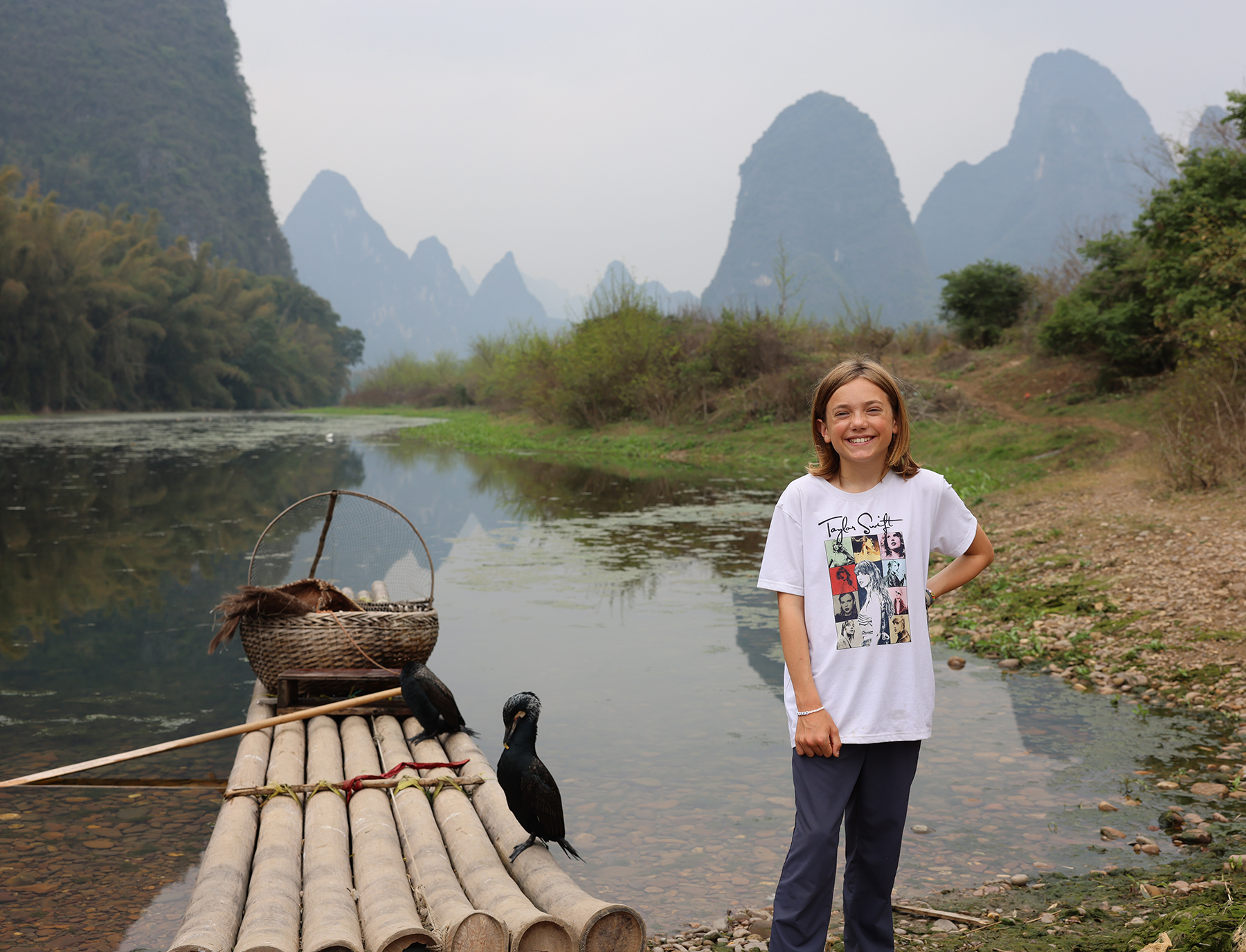
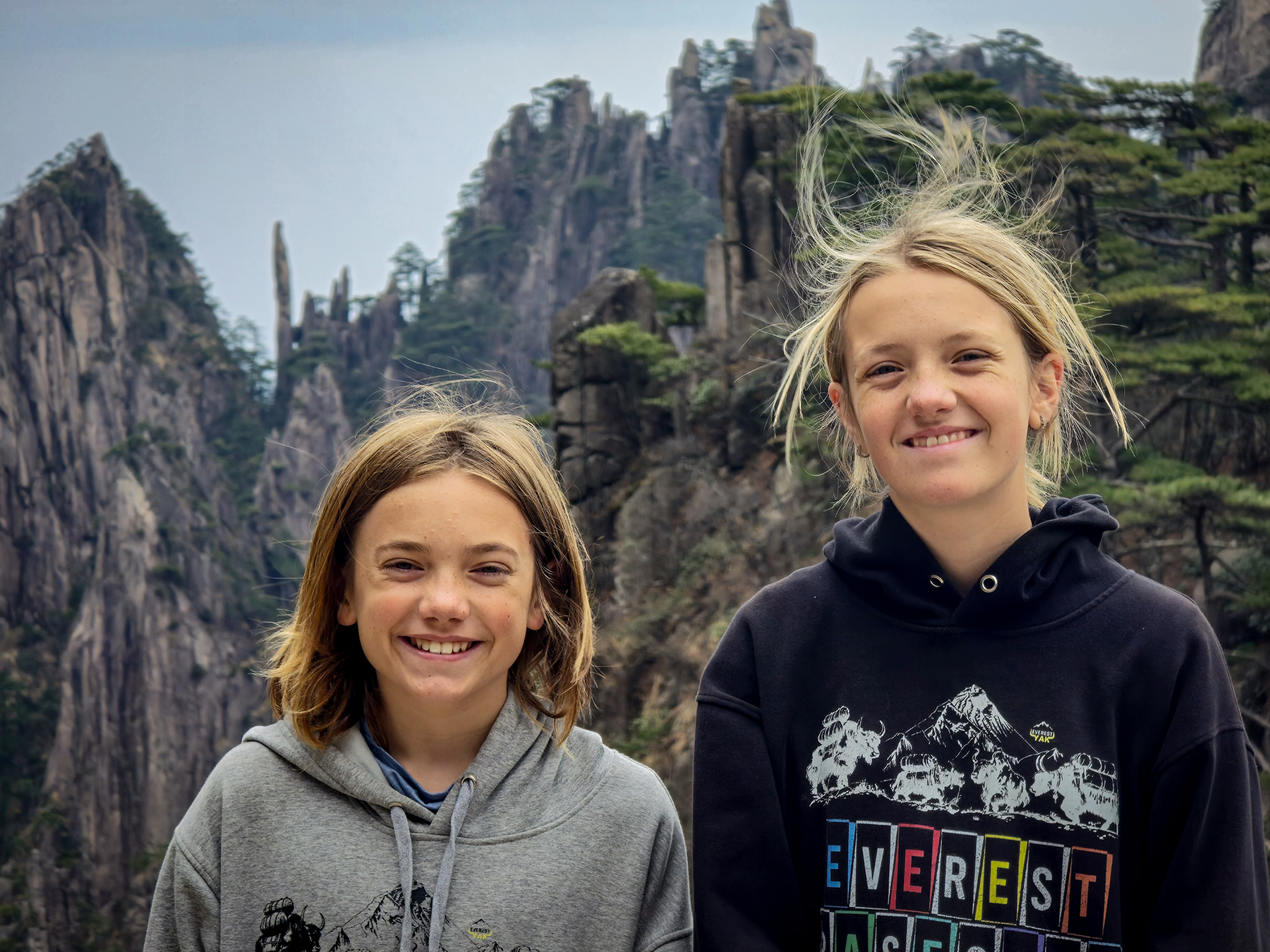
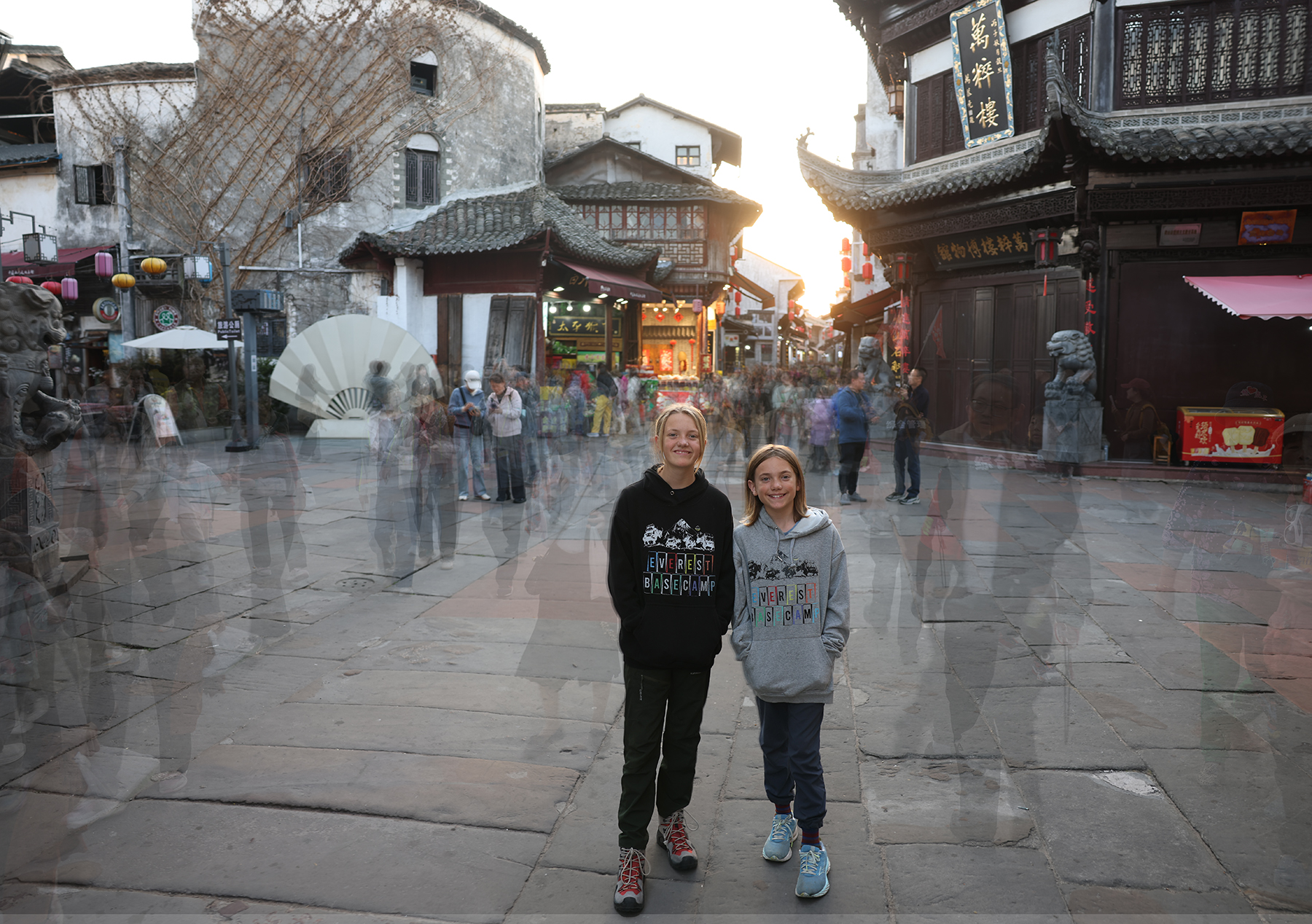
Our kiddos have also obviously grown and changed a great deal as the years have passed, and as a result they were not such a novelty to the local population as they had been on our previous trip. We still fielded numerous requests to take photos, as western tourists remain rare outside of the major cities in much of China, however the picture requests were not nearly as frequent as they had been on our previous visit, when the kiddos would be pulled aside for impromptu photo sessions ten times a day. That said, we did still encounter one hiker in Huangshan who was so surprised to see us that he shouted “foreigner!” at us with a huge smile on his face!

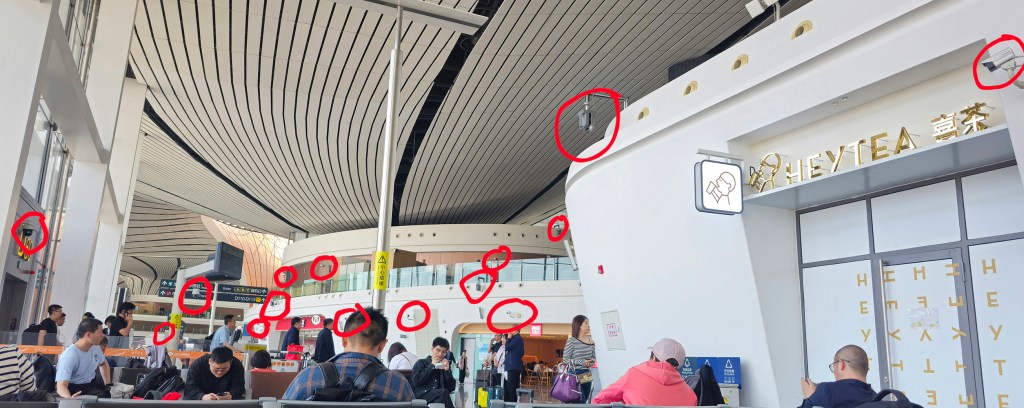
Another futuristic development of the more unsettling variety that we encountered was the widespread use of facial recognition technologies. When hopping on buses in the national parks or checking in at train stations, we rarely had need for physical tickets, as a facial scan at the entrance gate confirmed our reservations and matched them to our passports. In the airports, standing in front of the informational monitors would result in a face scan followed by a display of personalized instructions to help locate your flight, departure gate and seating assignments. All of this made travel seamless and easy, at the expense of near constant surveillance by an enormous array of ever-present cameras (which, admittedly as a westerner, was unsettling). Whenever we sat down for a look around, it became a favorite game of ours to identify as many cameras as possible from a given vantage point – we often counted more than forty in a single location!
Upon arrival at our first hotel in Guilin, we set about devising an itinerary for our China adventure. We decided to plan four main stops: the ancient town of Xingping (known for its spectacular limestone peaks, only two hours away from Guilin), Zhangjiajie (a national park home to hundreds of spectacular sandstone pillars), Xi’an (to view the famous Terracotta Warriors), and Huangshan (the Yellow Mountains) Our kind host at the hotel helped us purchase train tickets as well as cheap internal flights between Zhangjiajie, Xi’an, and Huangshan. We had hoped to travel exclusively by train during our visit, however it became clear this would be time and cost prohibitive given our desired agenda.
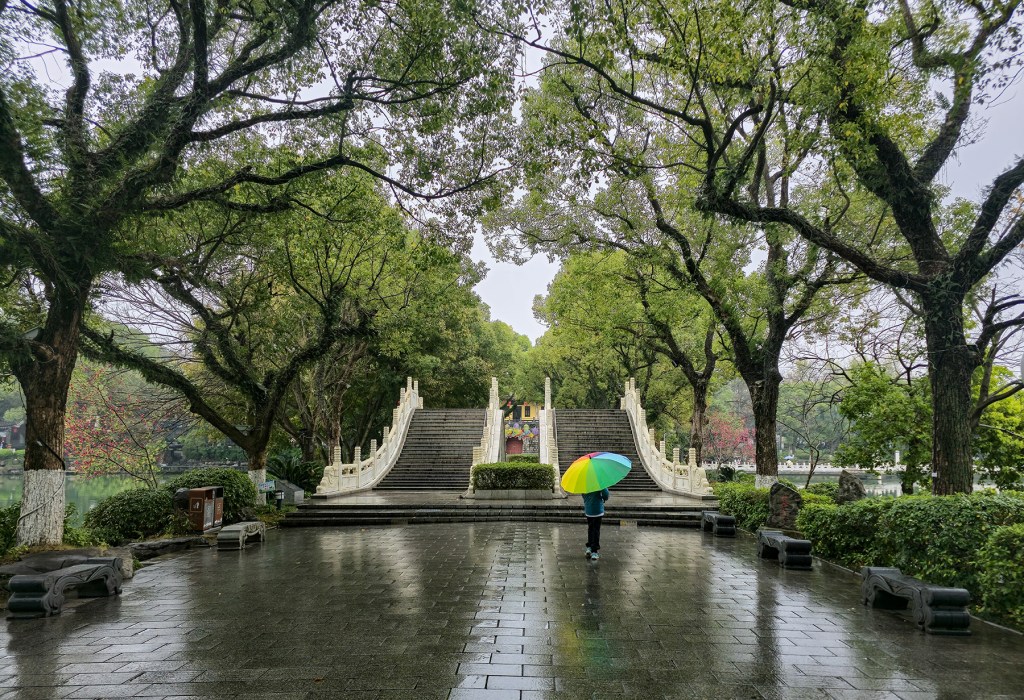
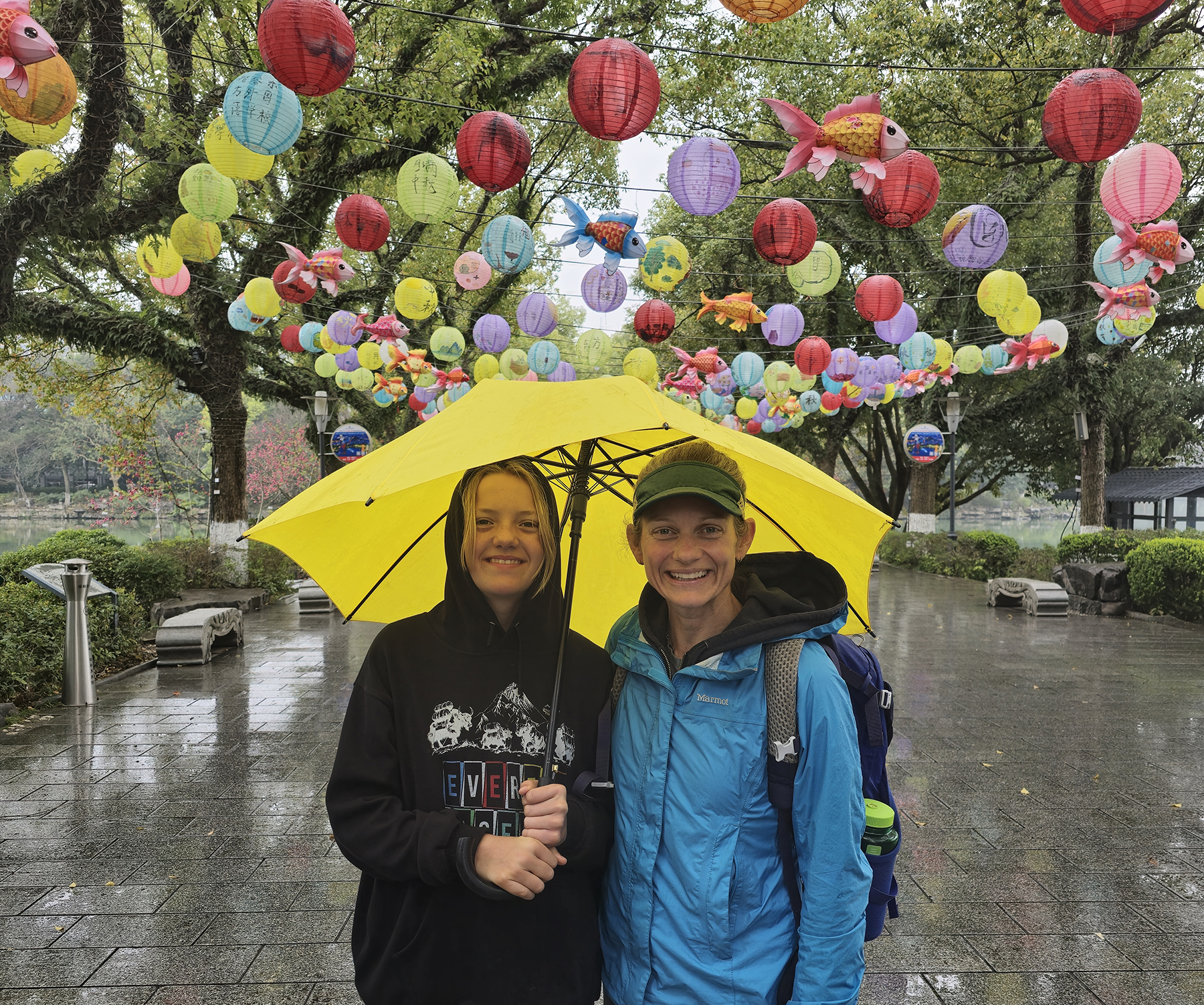
Once our plans were complete we set out to explore Guilin for a couple of days in the rain, and we found it to be a delightful city! Our favorite discovery was a small stall selling traditional landscape paintings run by an art teacher from the local university – we were pleased to purchase a couple of small paintings to remember our visit.

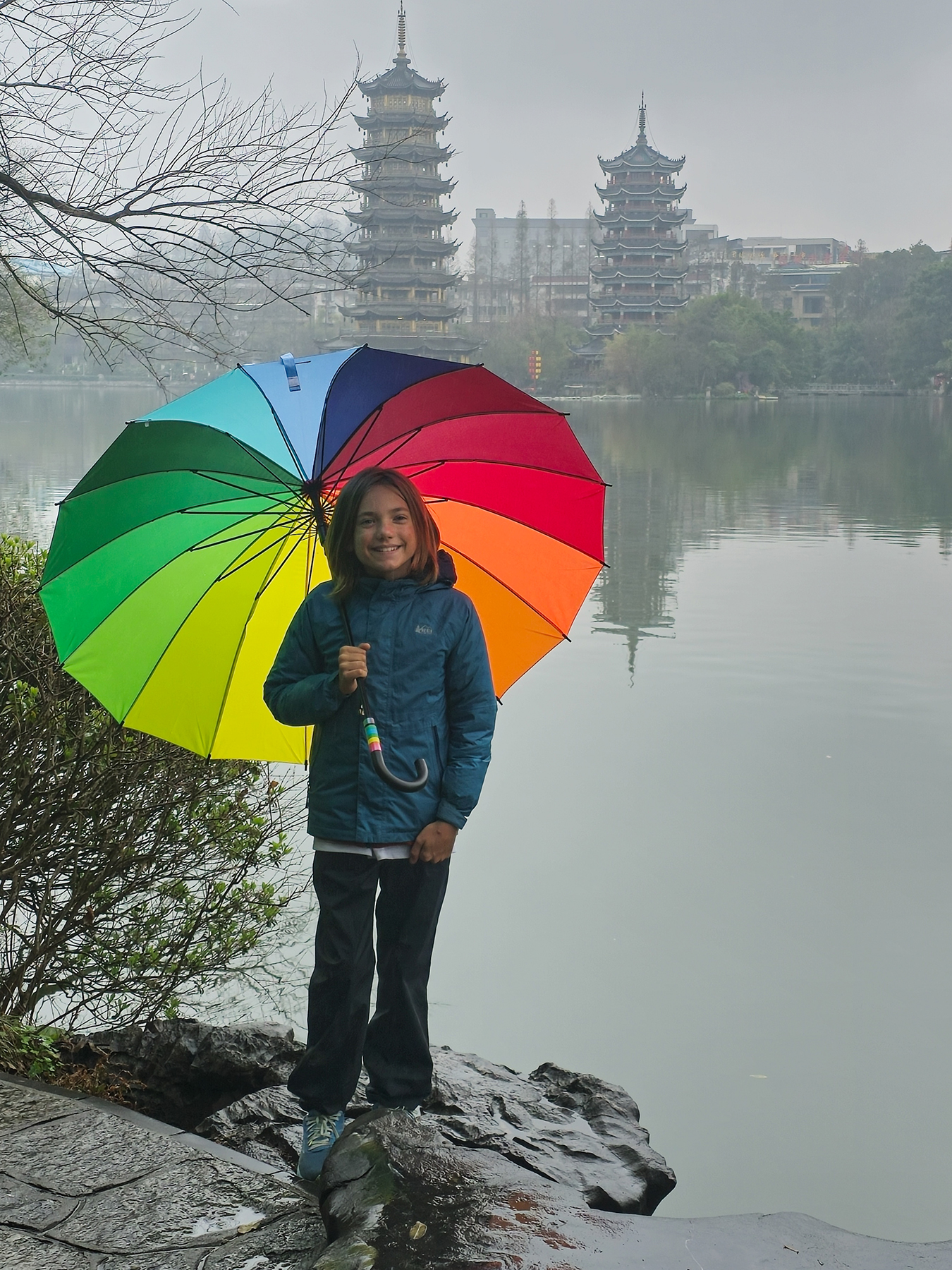


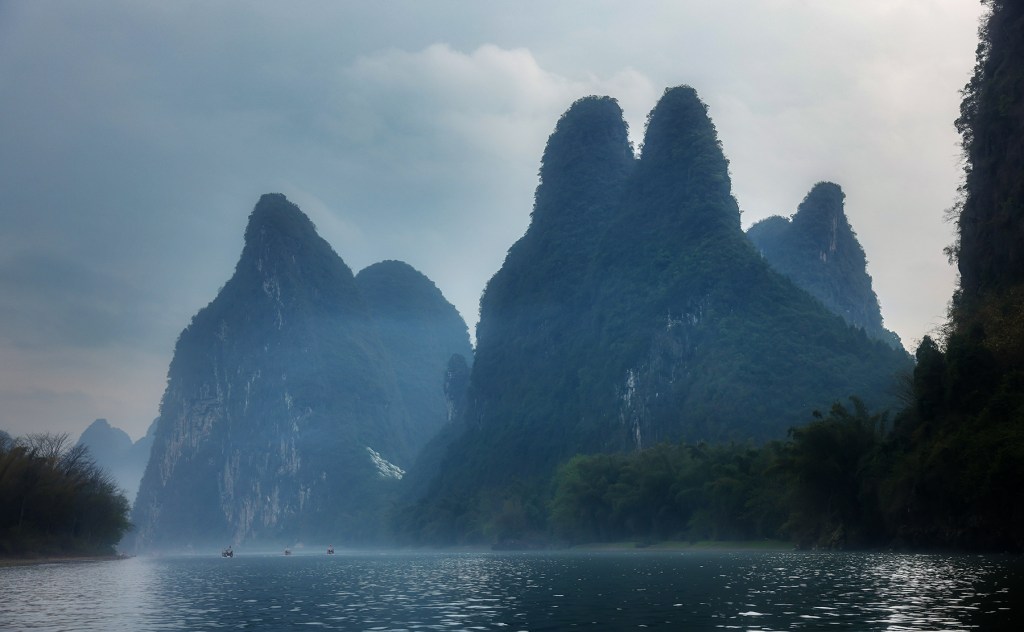
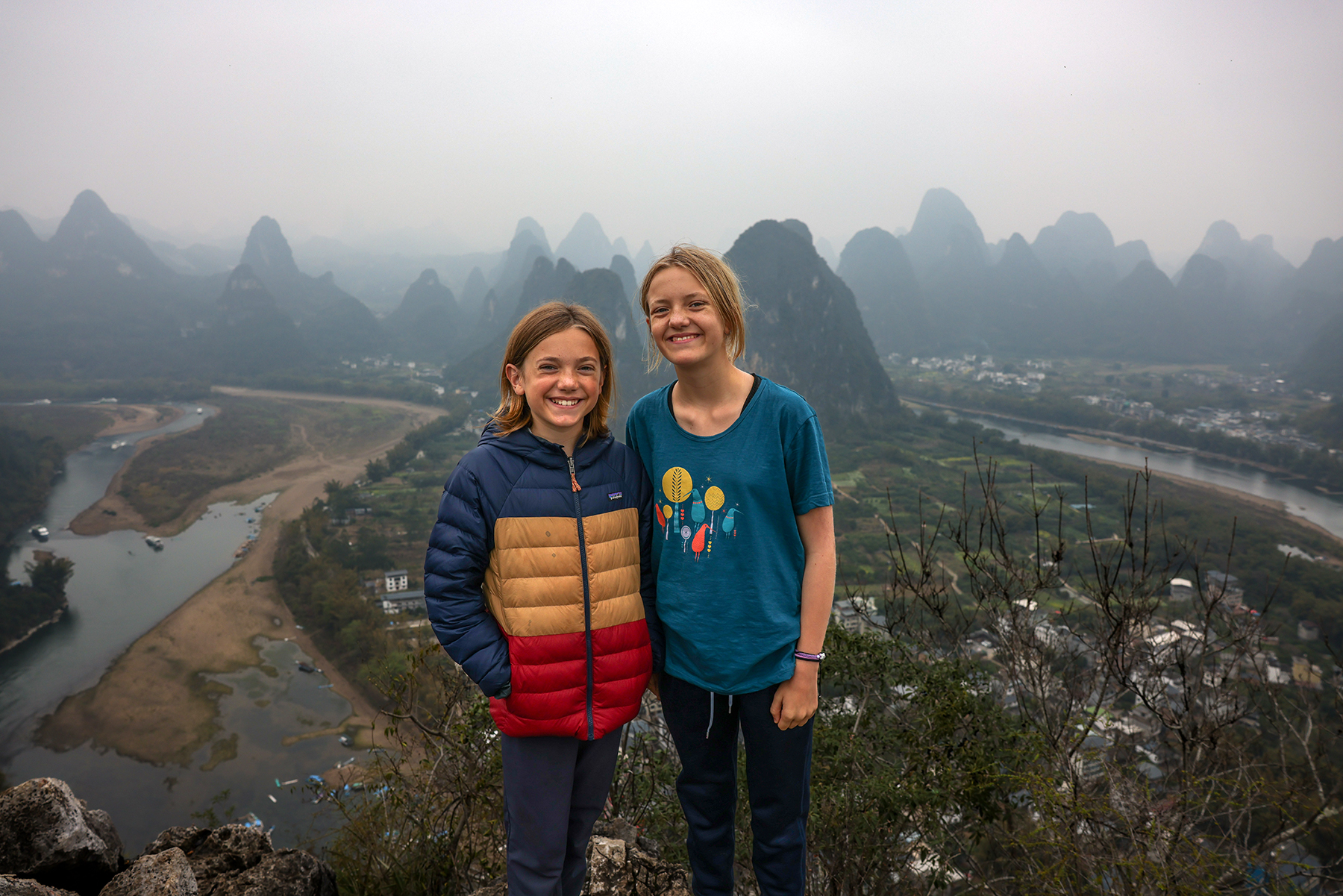
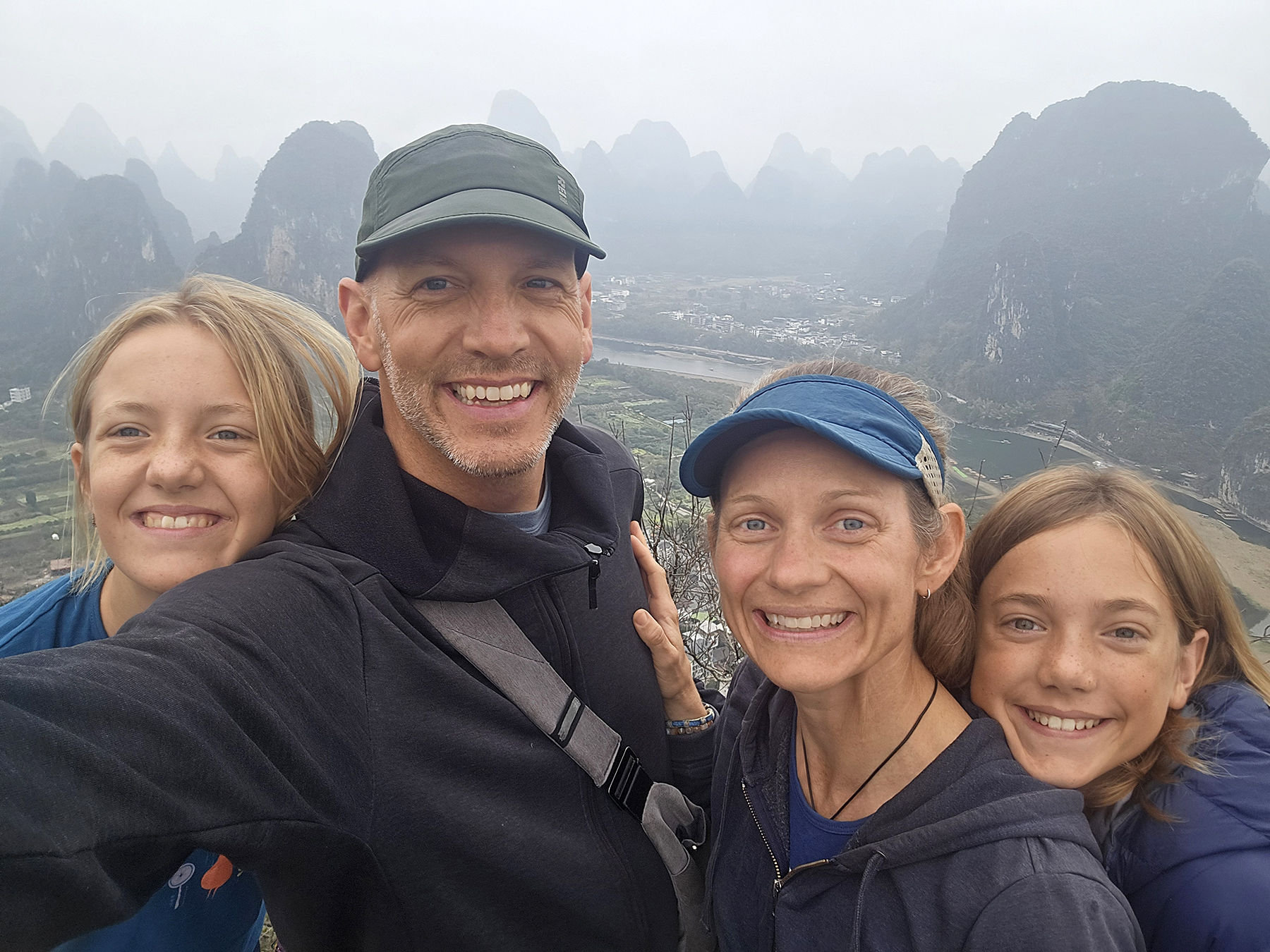
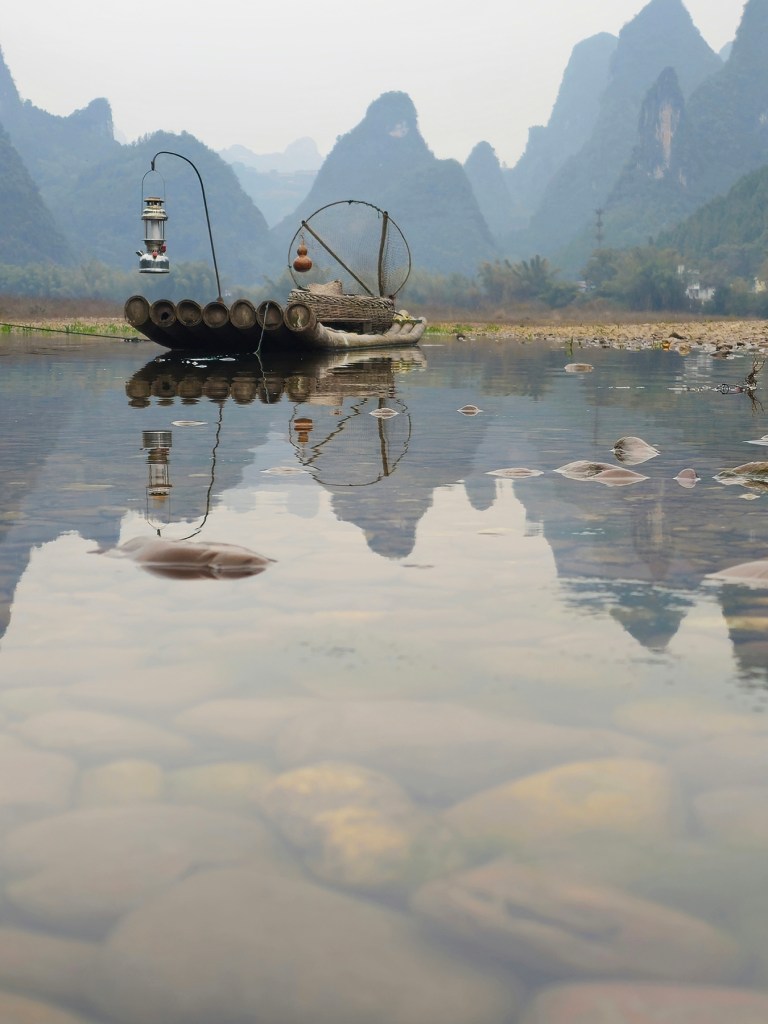
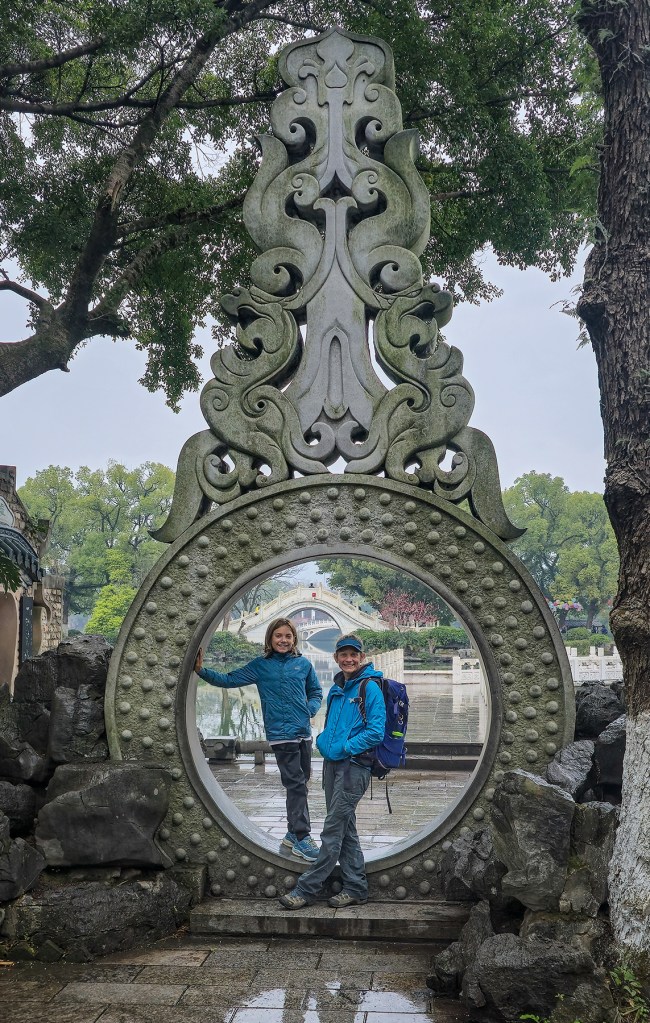
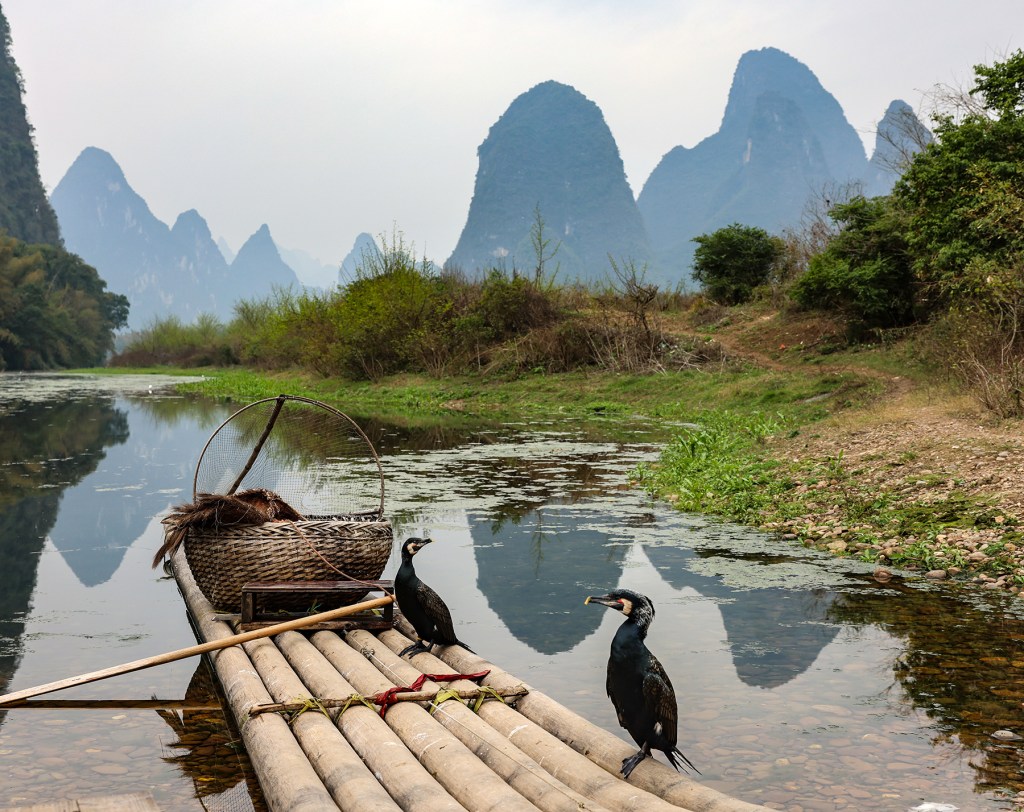
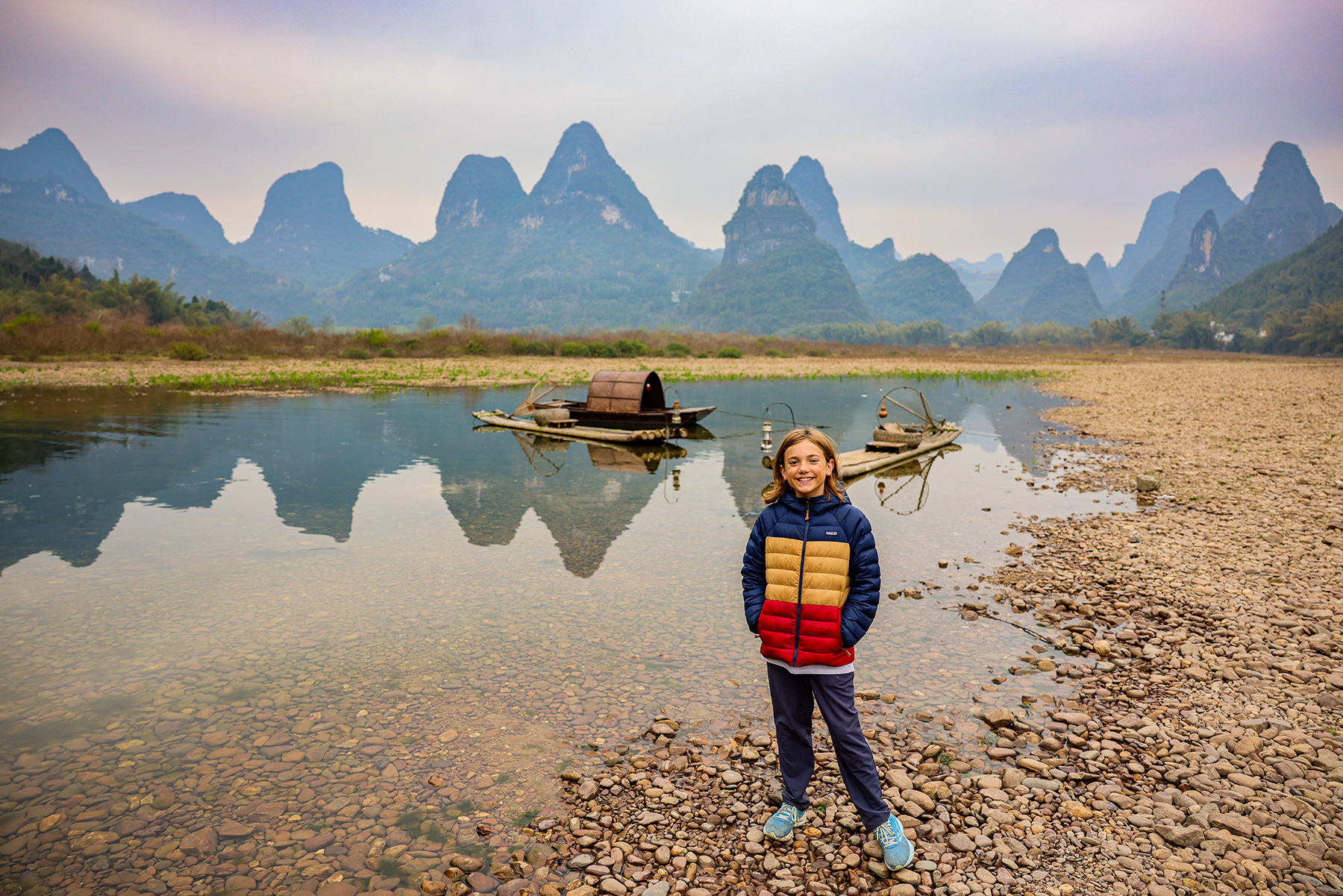
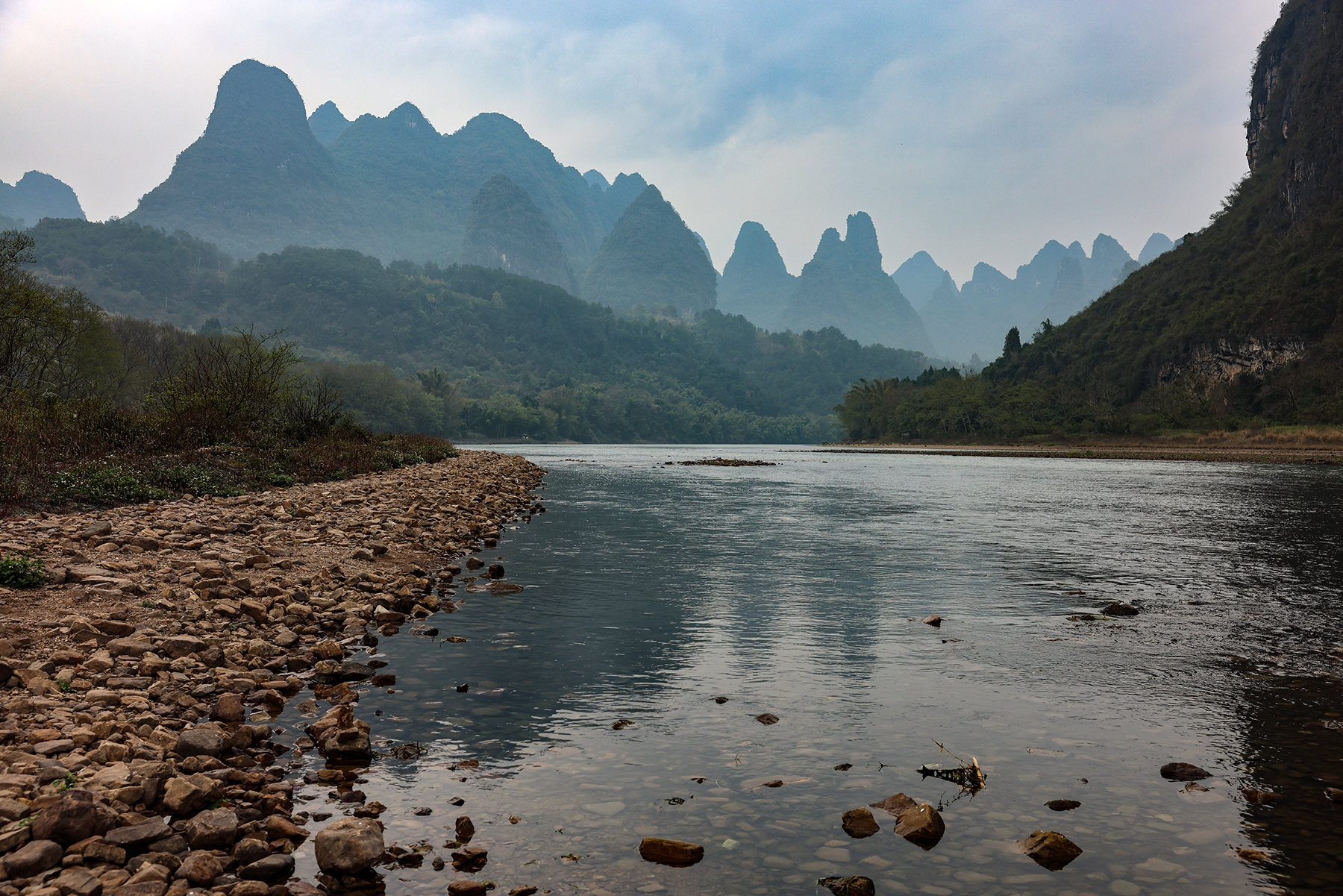
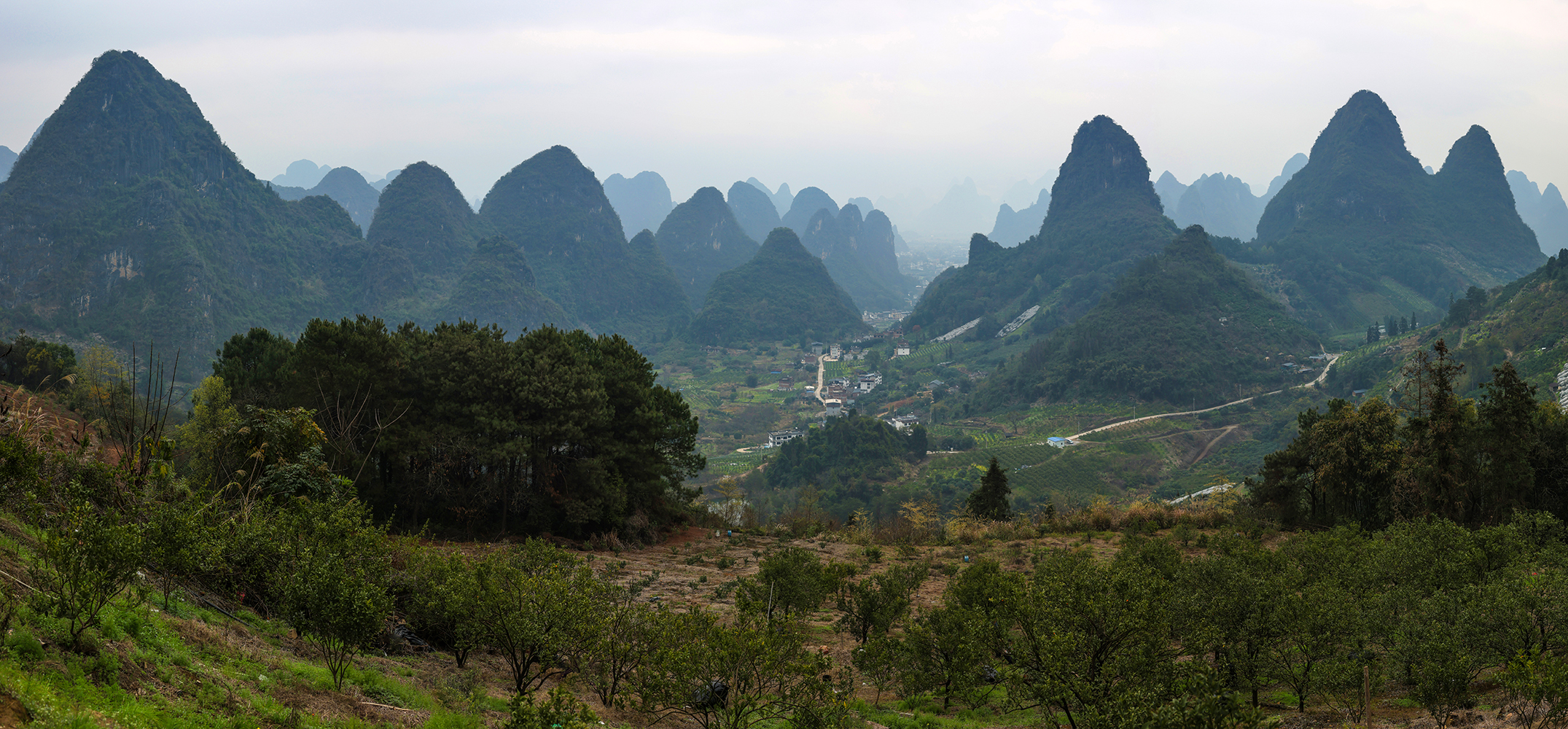
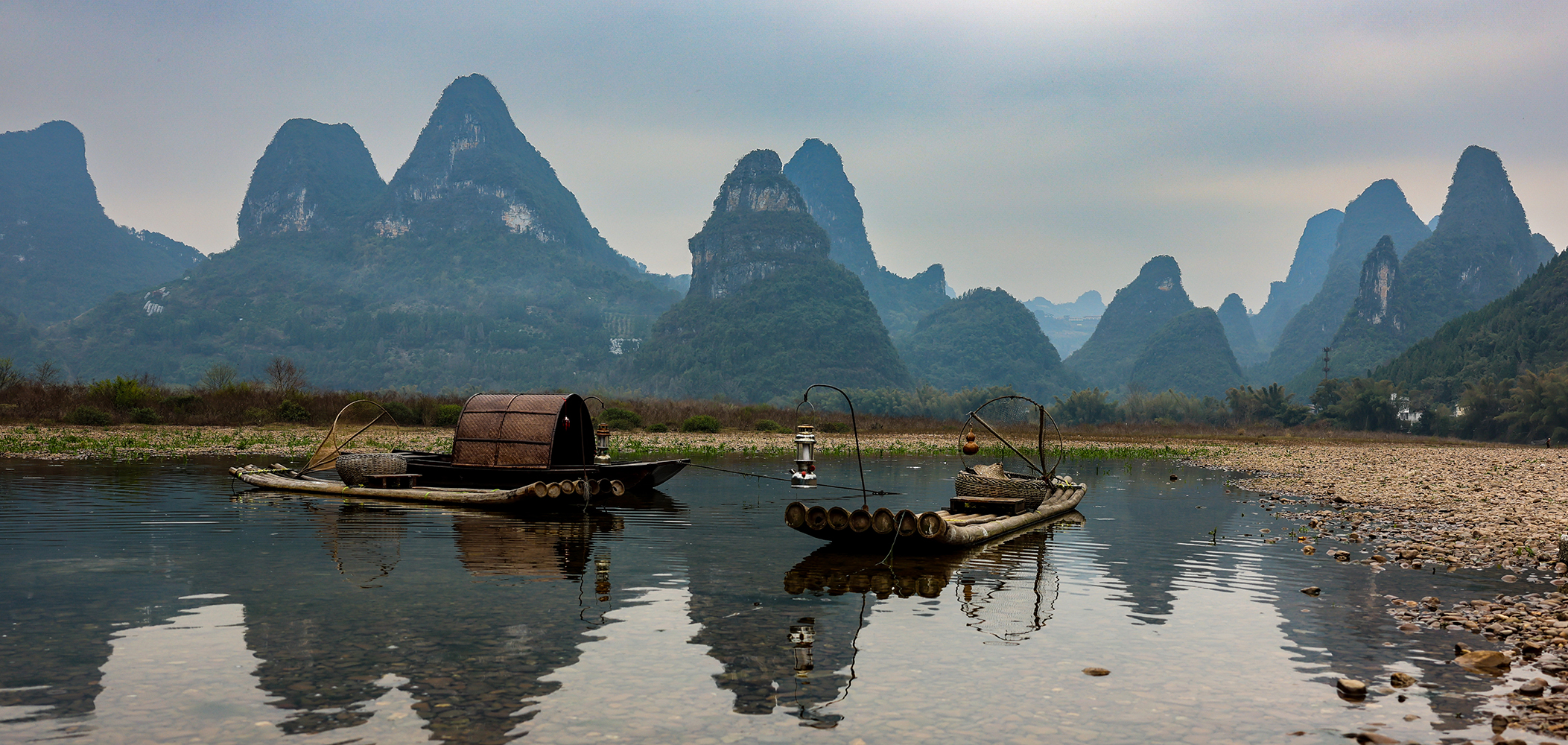
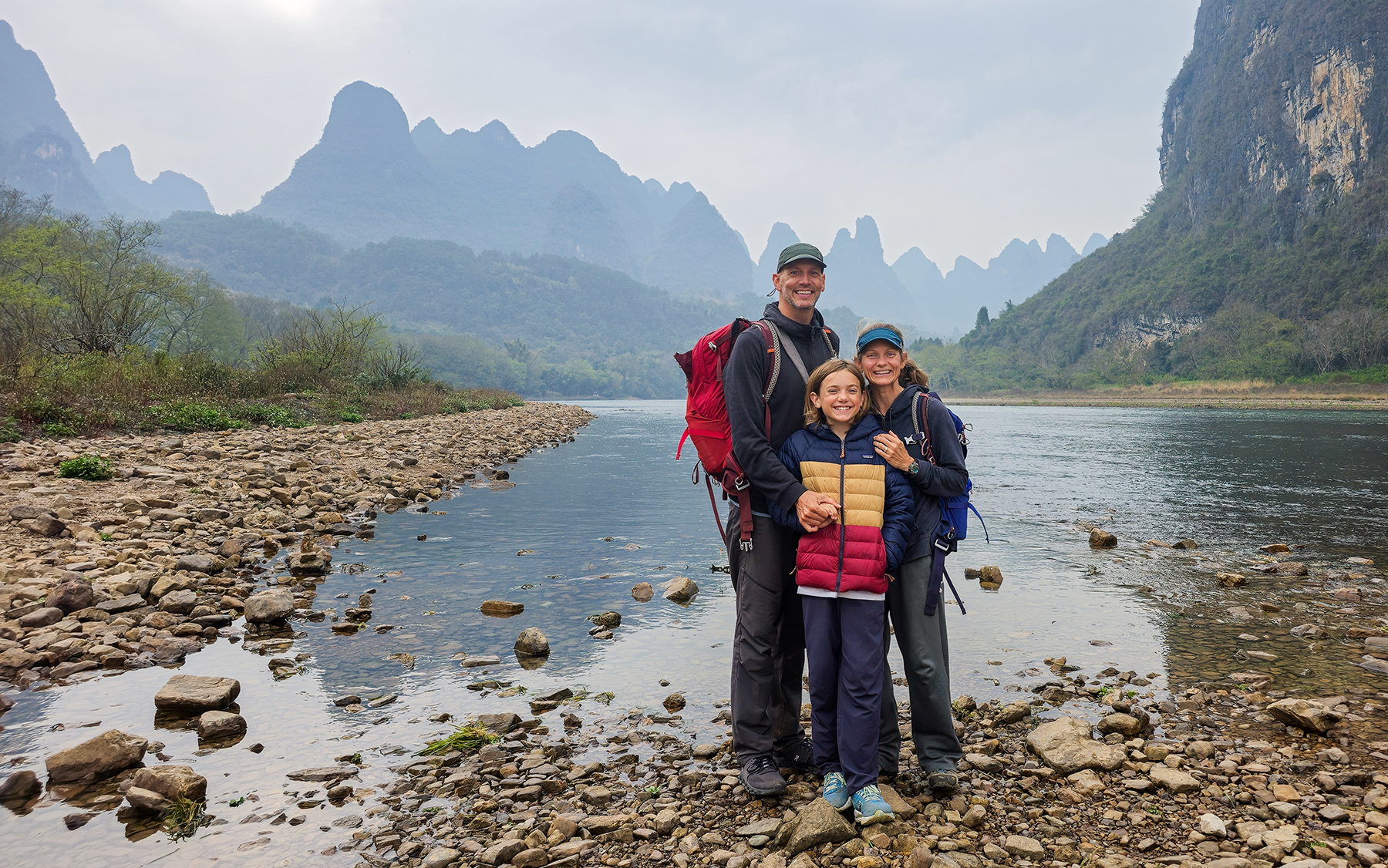
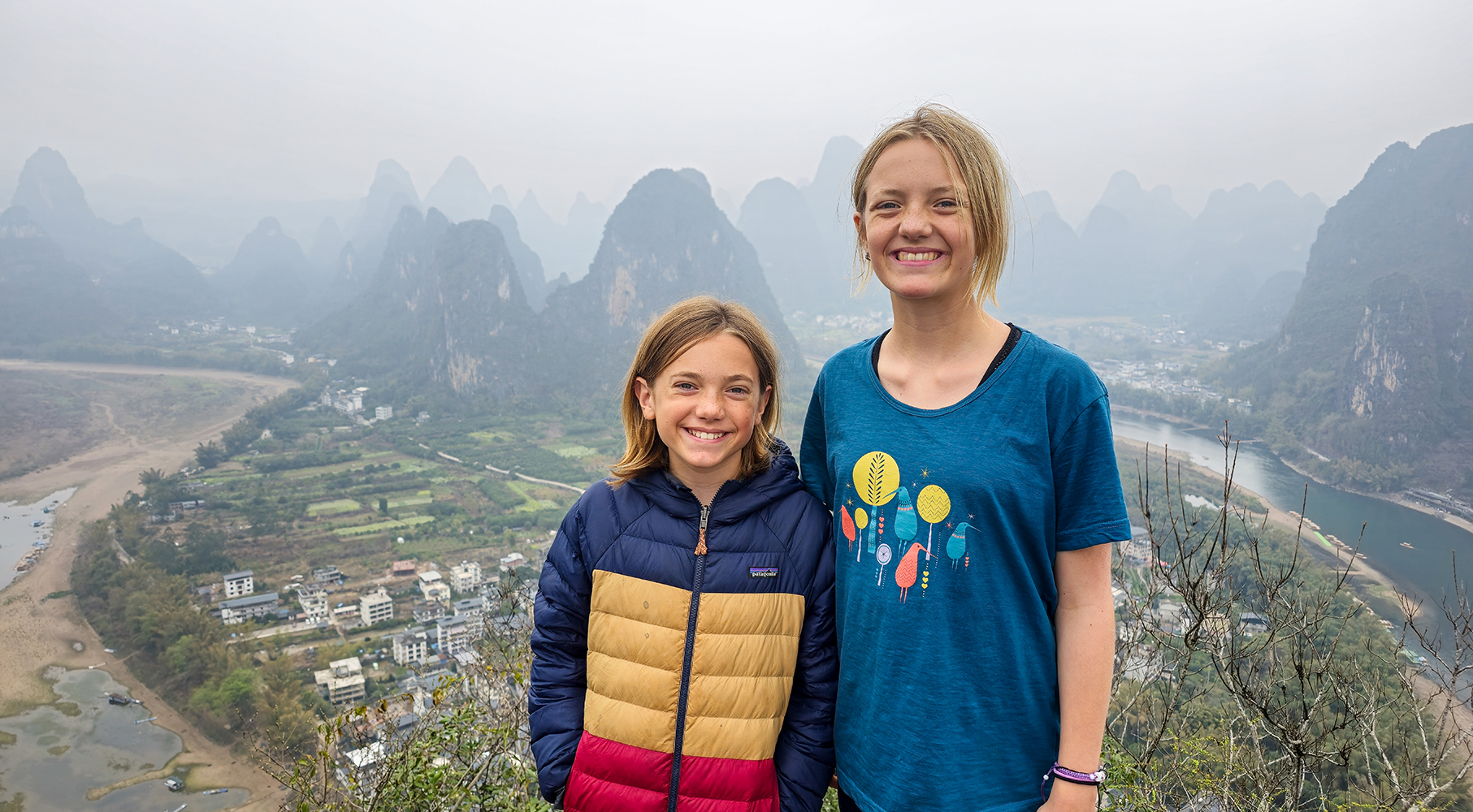
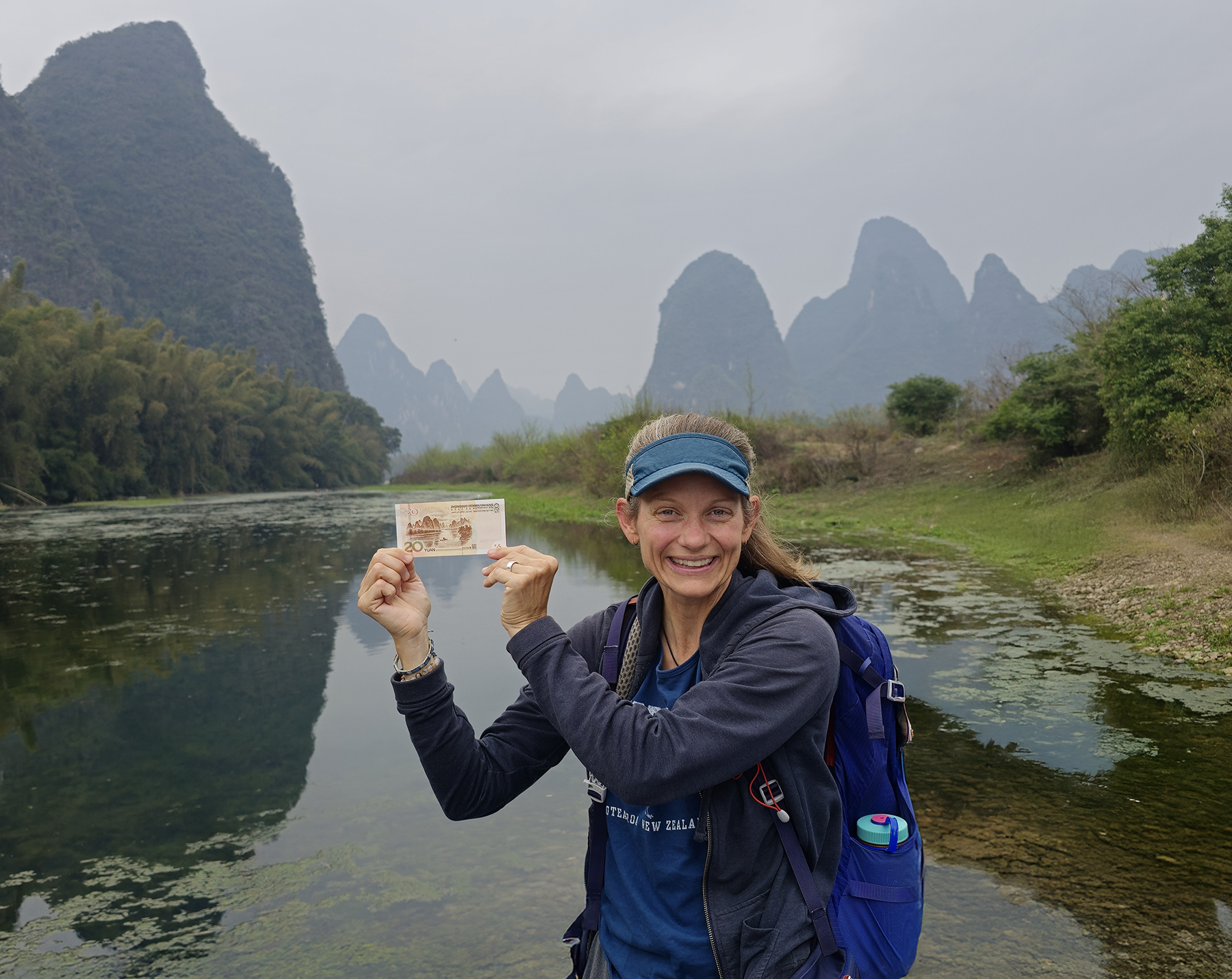
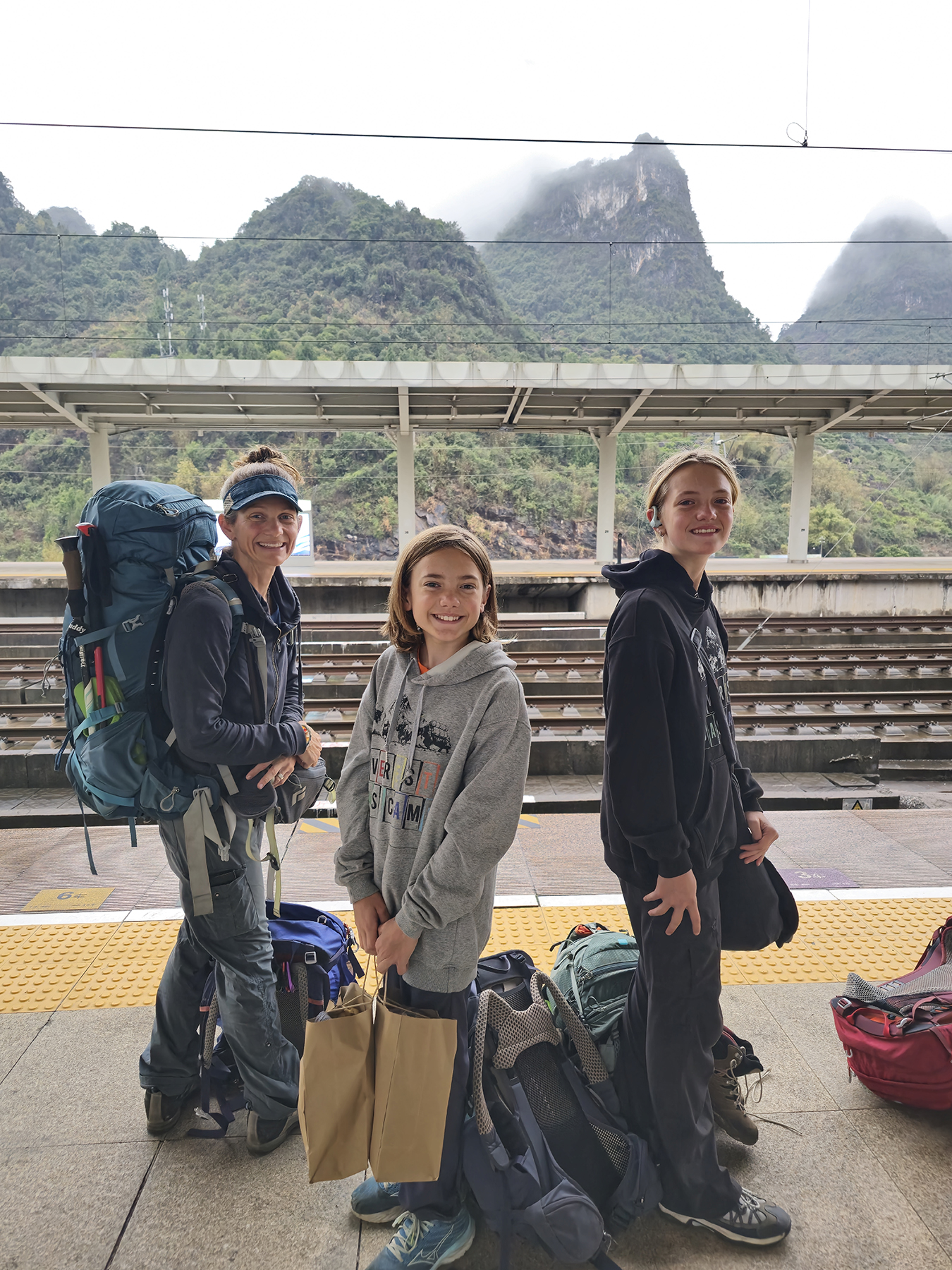
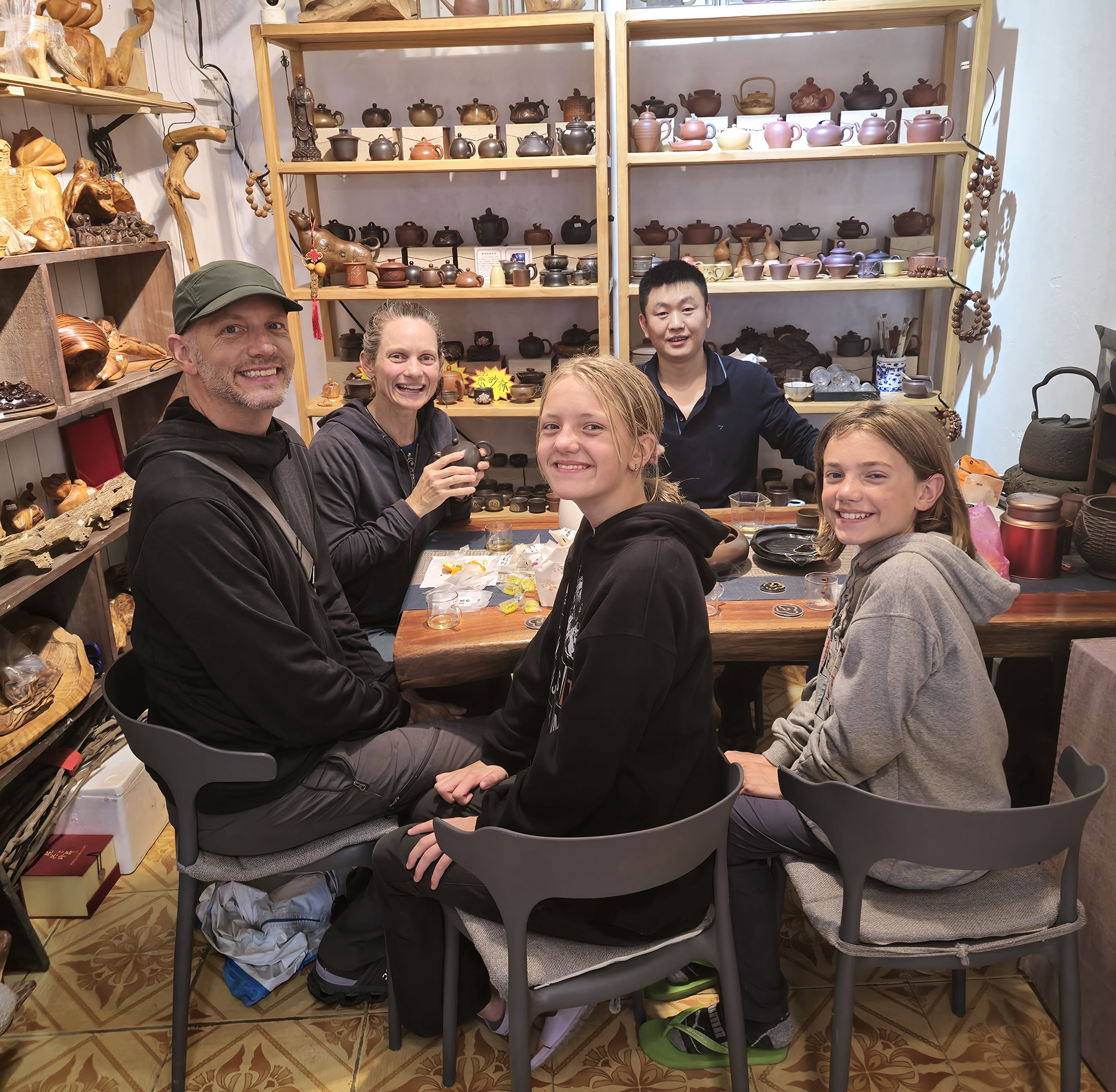
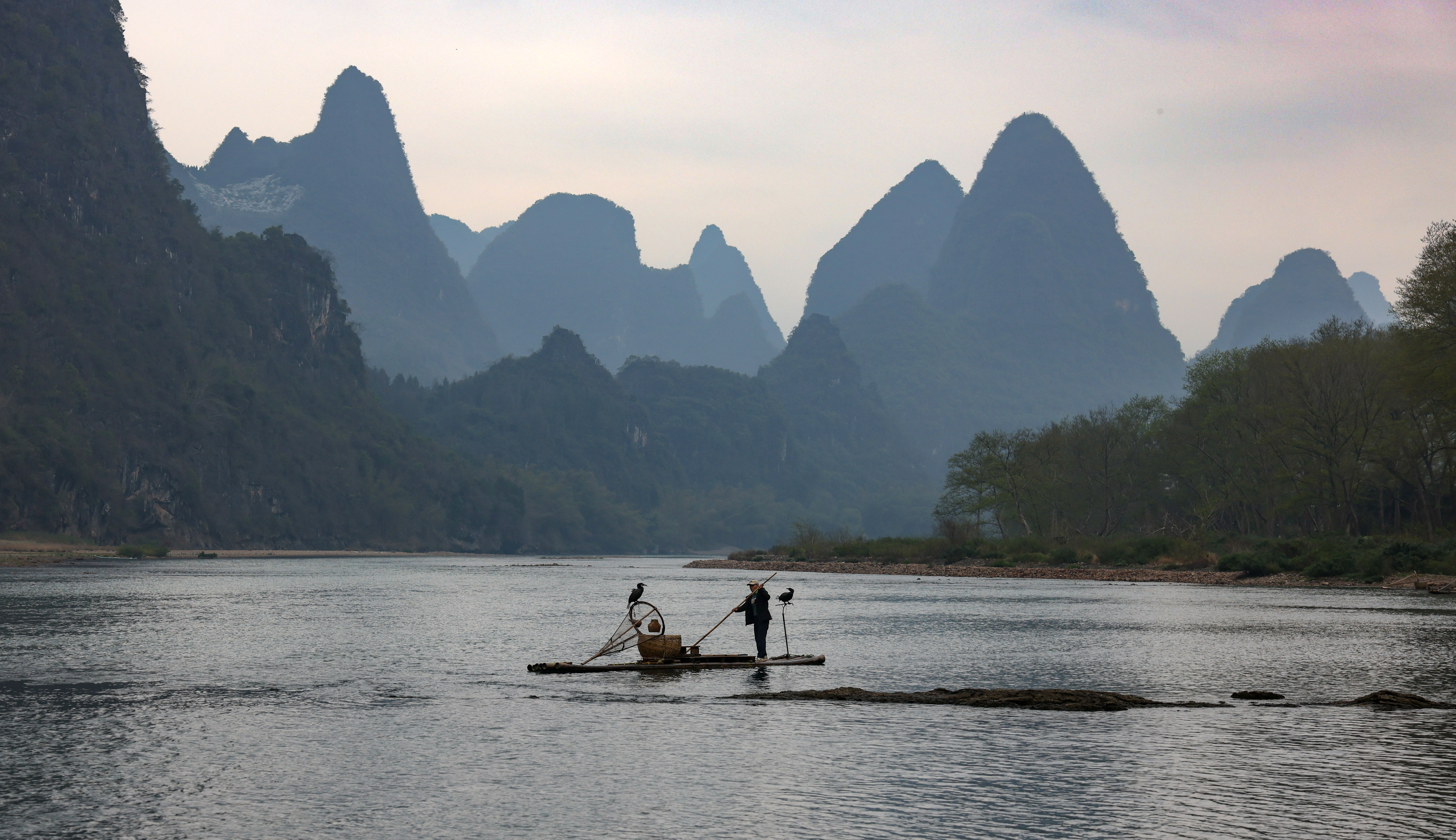
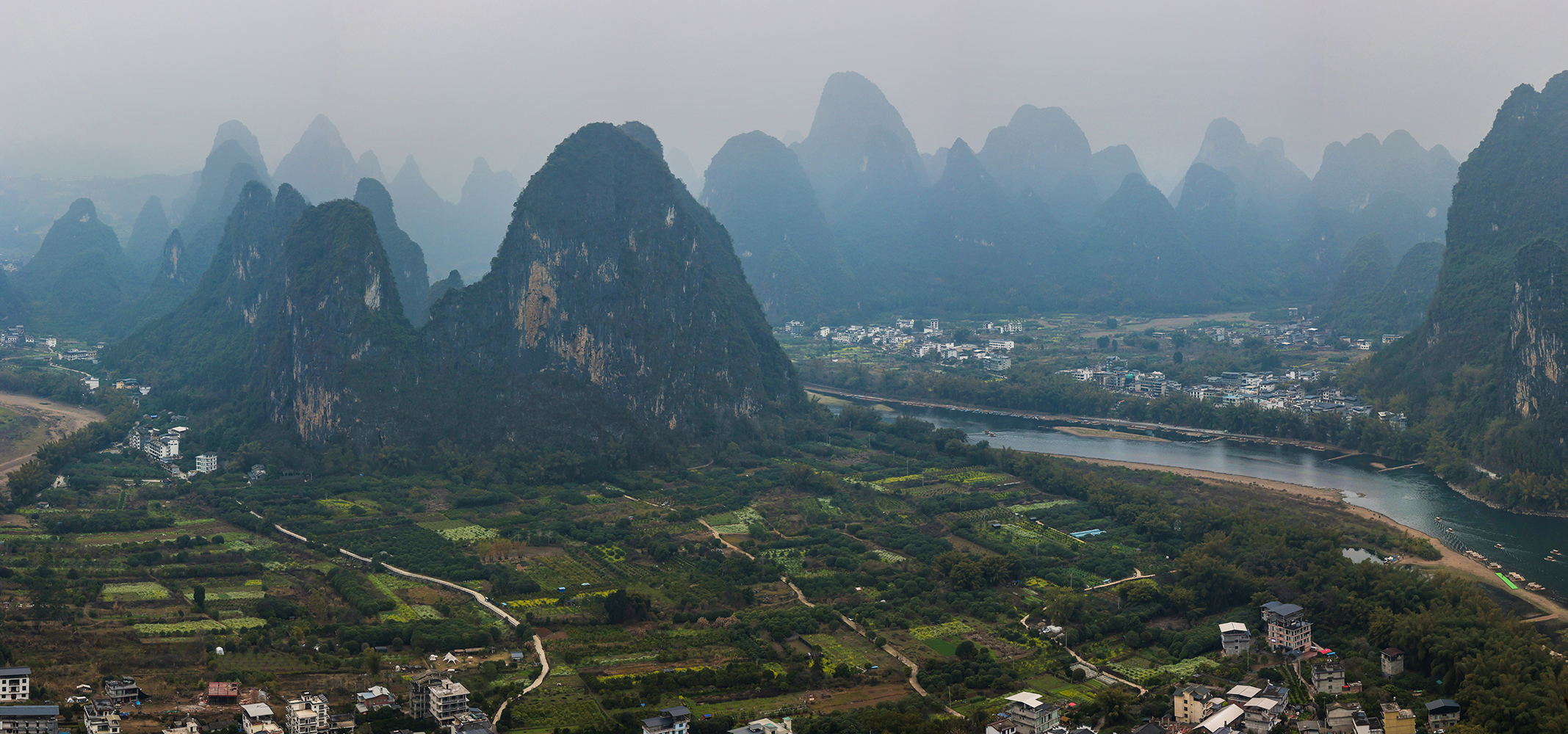
Next up we took the high speed train to Xingping, a location we had loved during our first trip to China. Now that the kiddos were older, we wanted them to have fully formed memories of this place, as they were so small during our first visit. The karst landscape was as spectacular as ever, but unfortunately the weather alternated between a dreary overcast sky and rain for our entire visit. Happily, our accommodation doubled as a local cat cafe, and the kiddos were delighted to spend some time indoors with the feline friends. Despite the poor weather, we still enjoyed a hike up to the summit of Laozhai Hill to look out over a landscape that could have been lifted from an ancient painting. We followed up our hike with a day of travel in a 6-passenger microbus around the karst landscape to search out various viewpoints along the Li River, including the famous Nine Horse Mountain. While in Xingping we were also warmly invited to join a kind gentleman for an evening drinking and learning about tea. As we sampled different varieties and drank cup after cup the kiddos were showered with amazing treats by the man’s sweet mother, including a new favorite snack that reminded us of a rose flavored rice krispy treat. Using our translate app made connecting with people so much easier than it had been during our previous visit, and we found people to be consistently kind, helpful, and eager to share their country with foreign visitors.





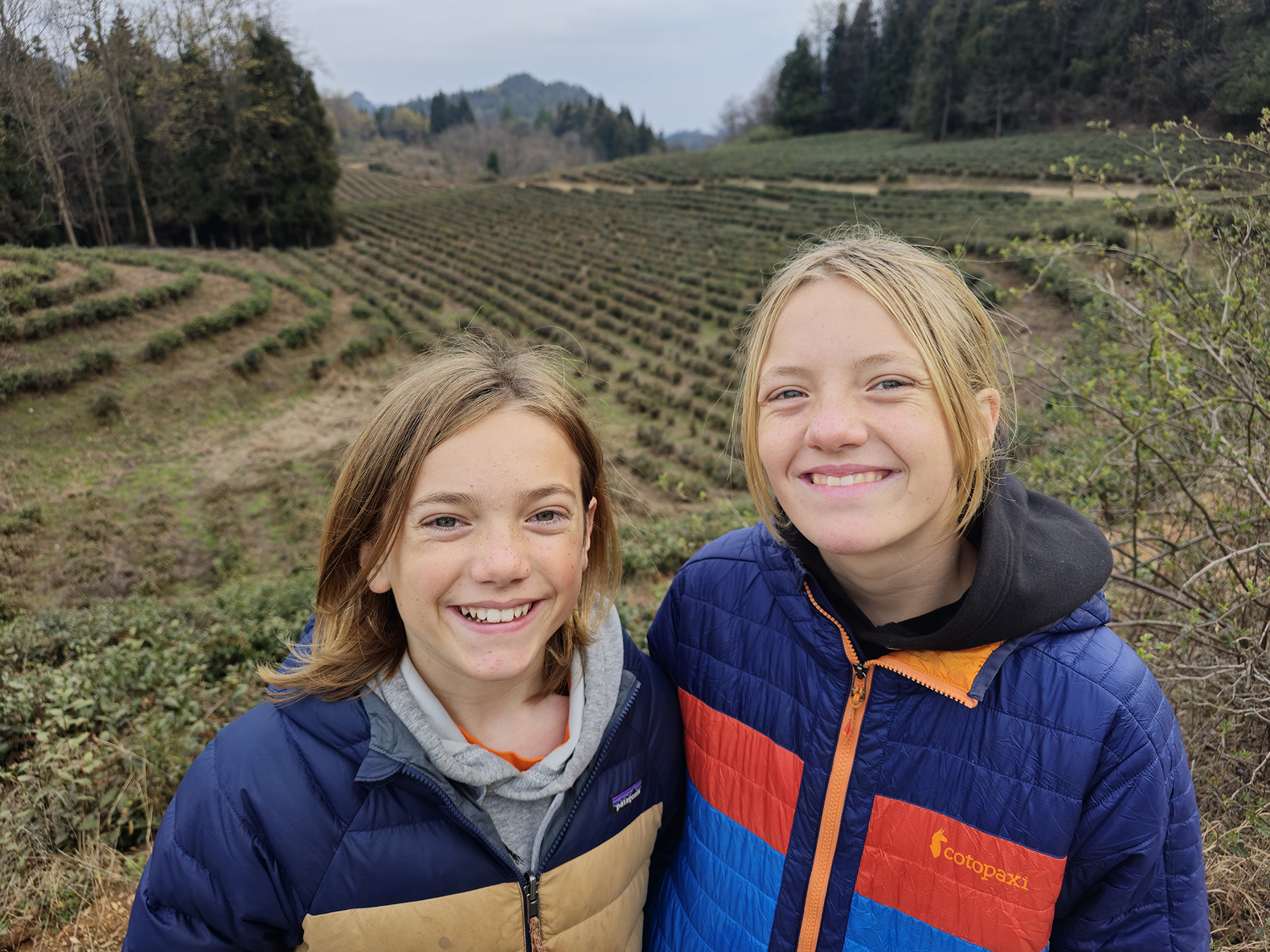
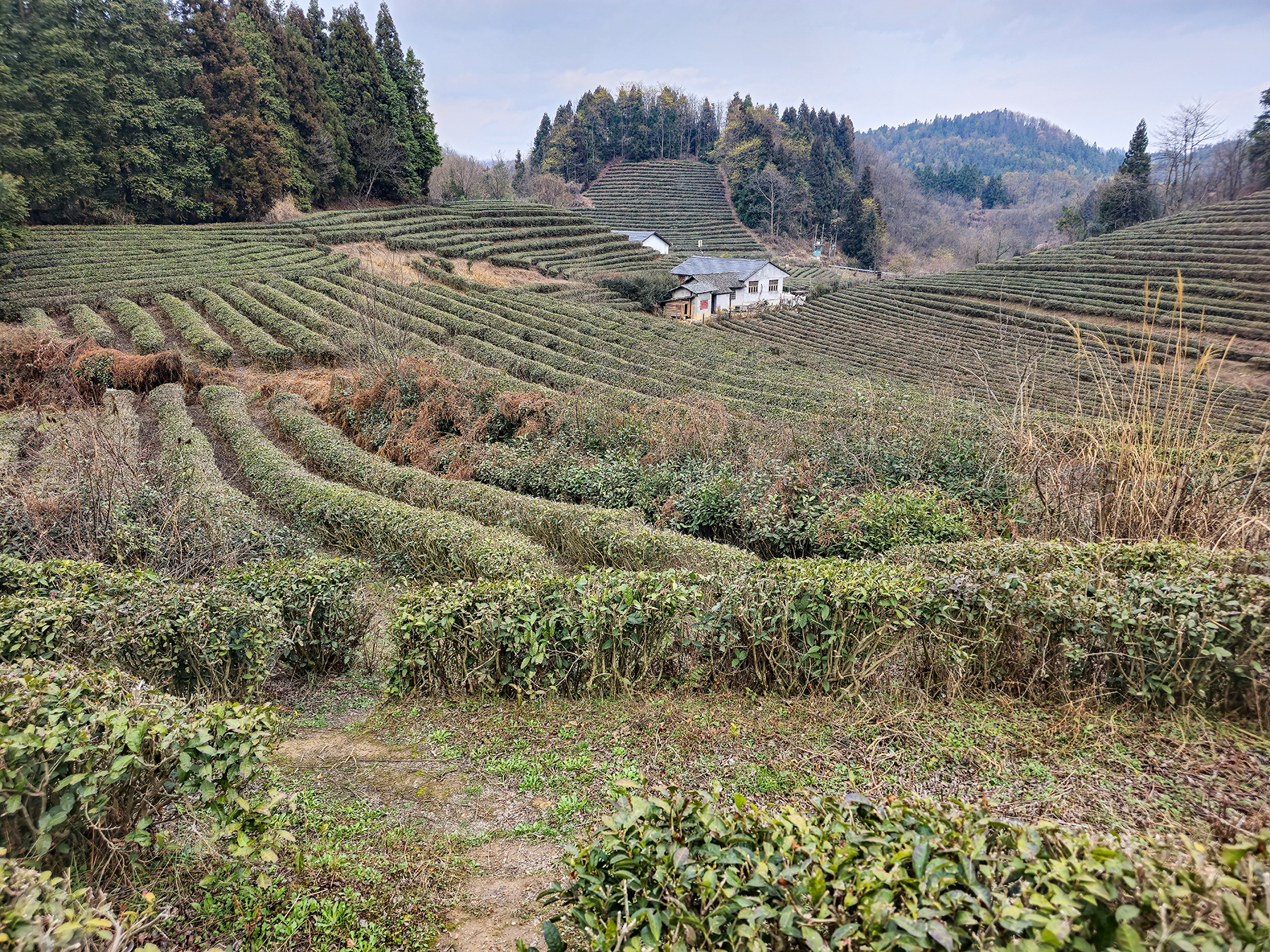
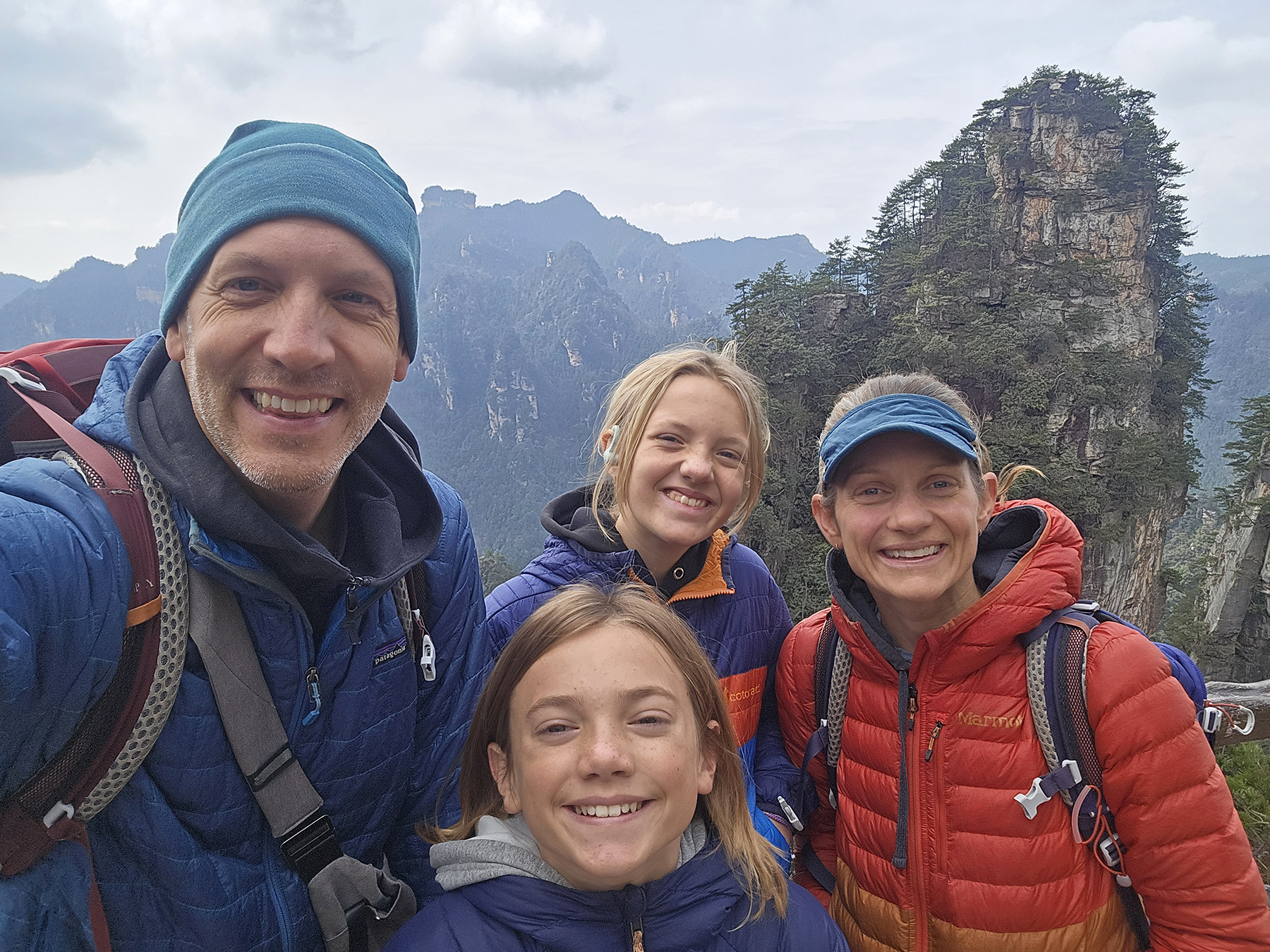
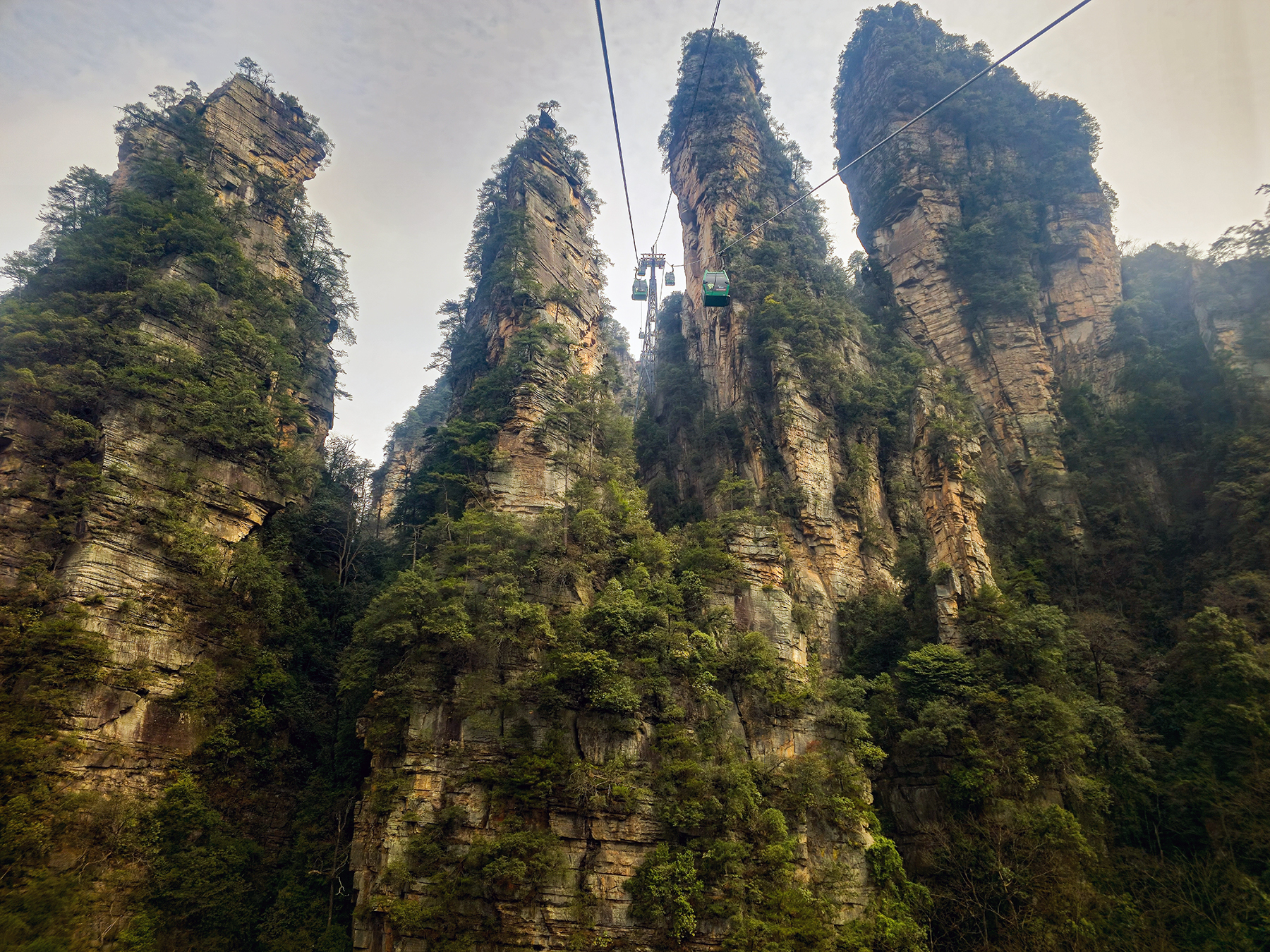
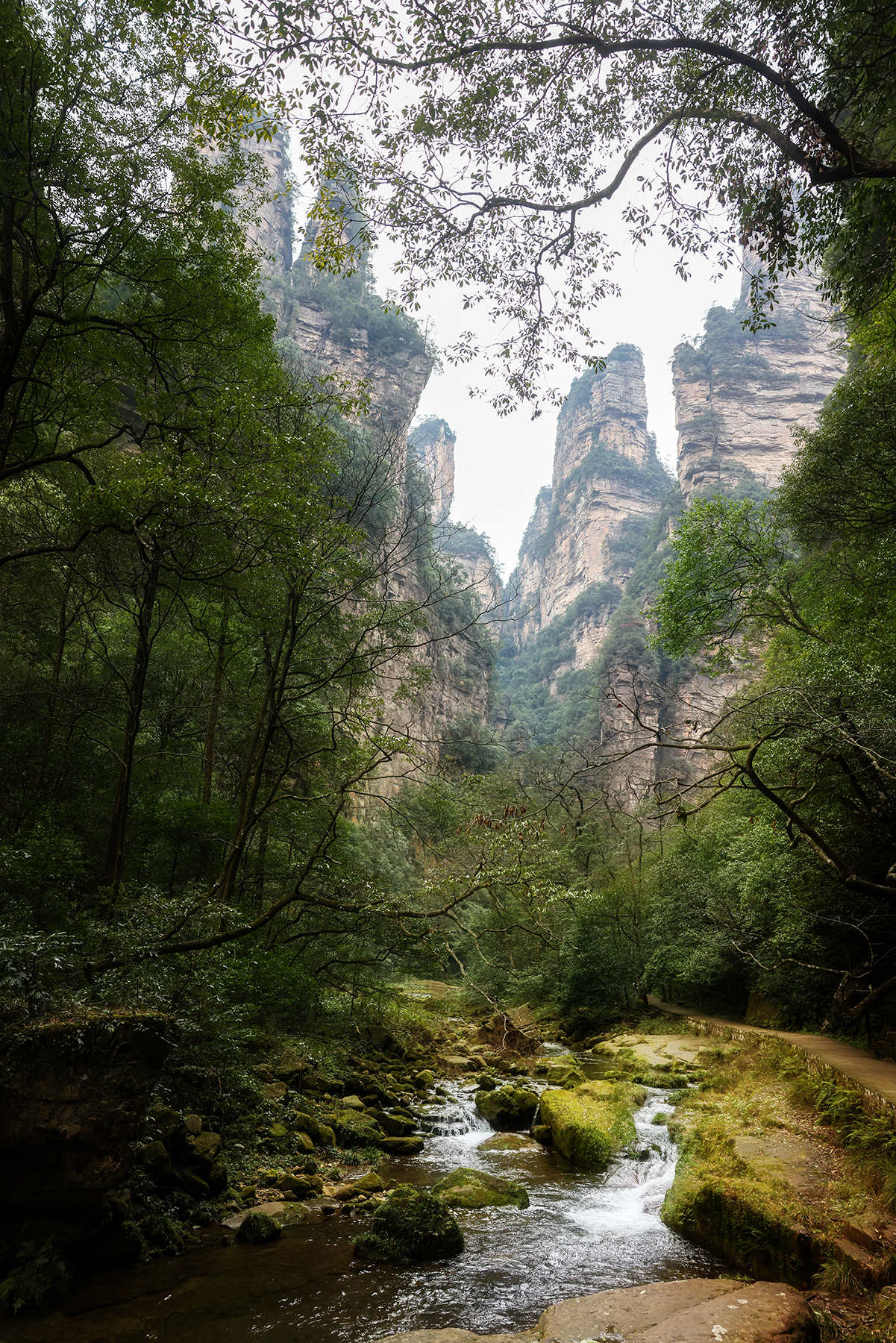
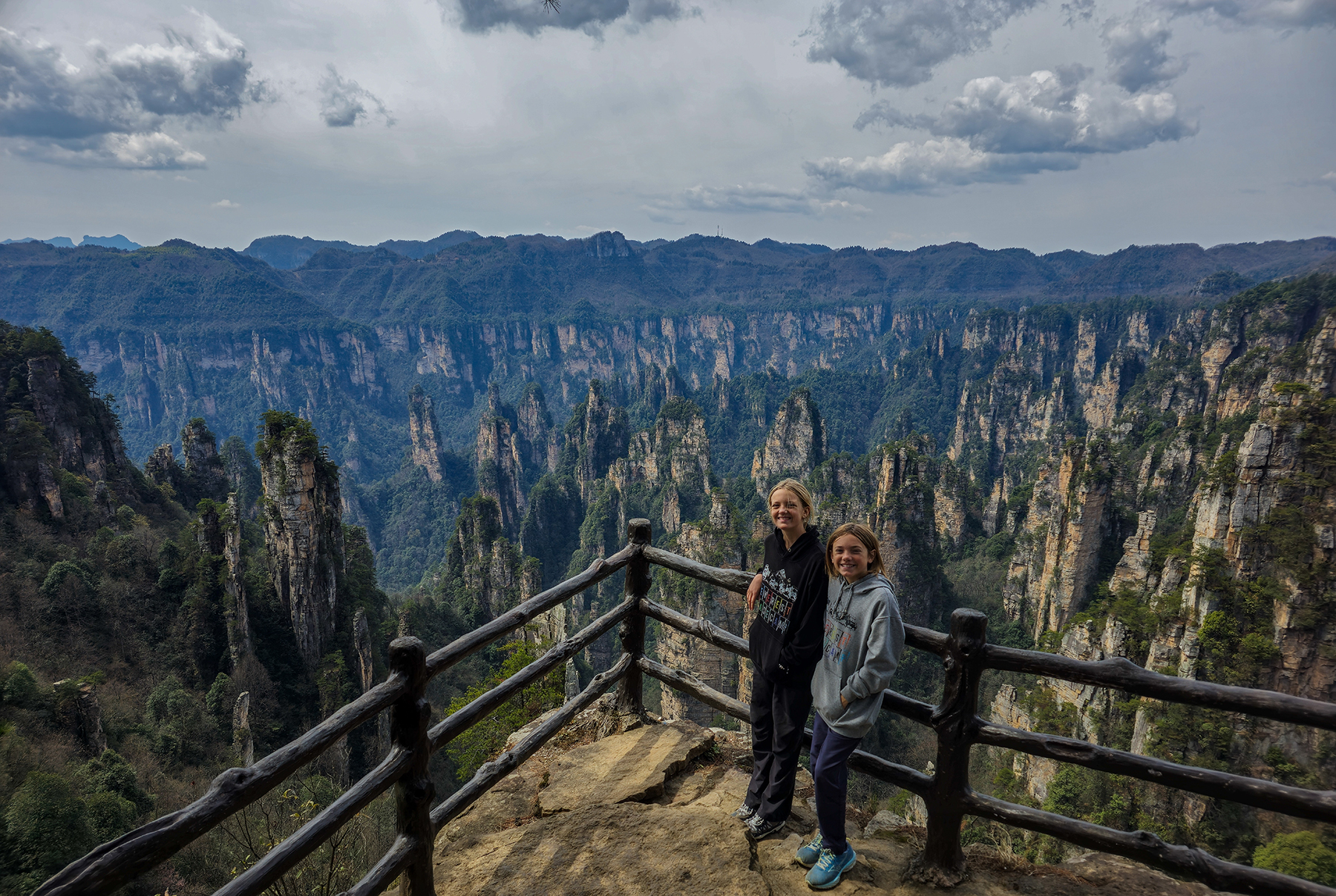
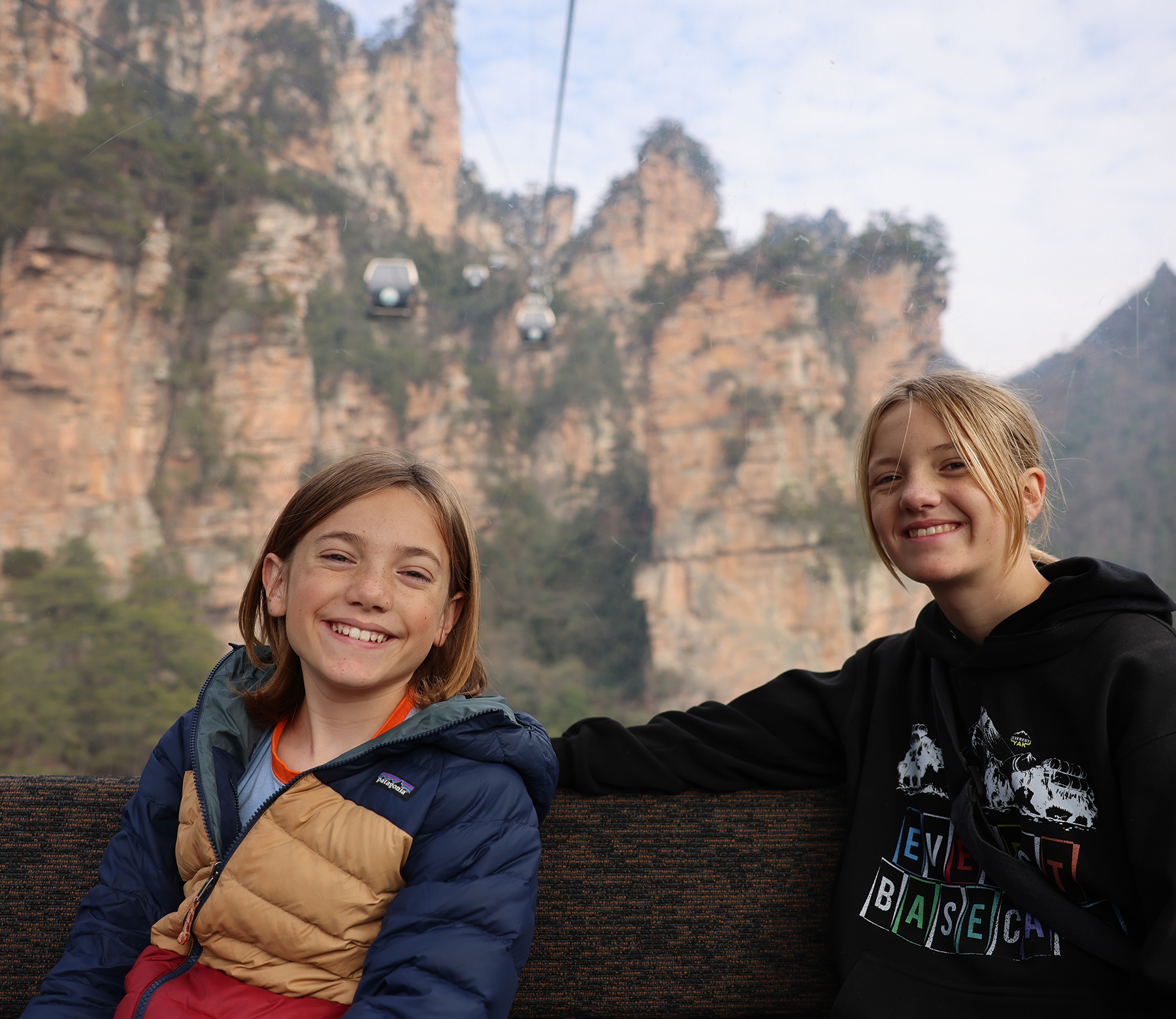
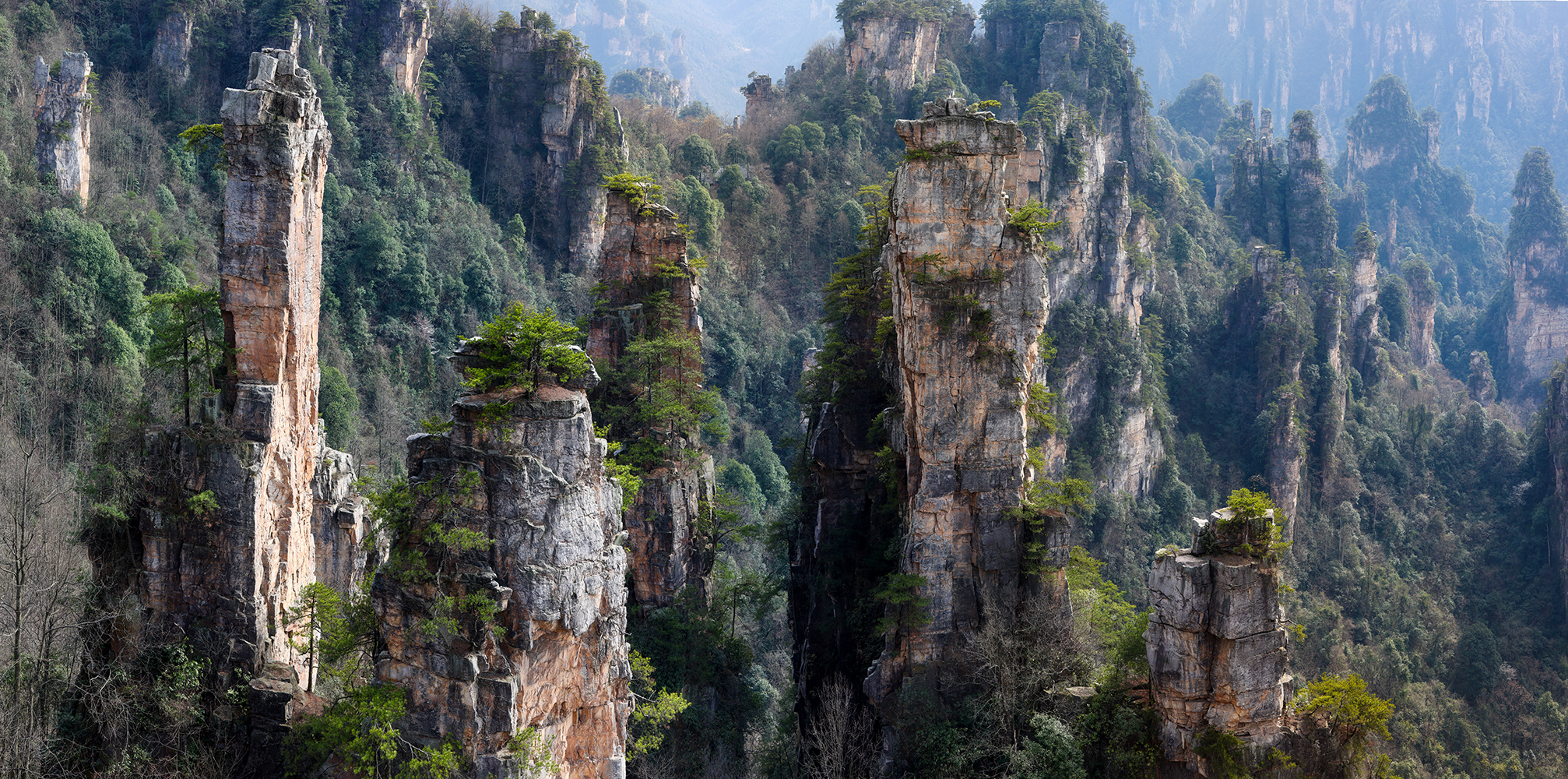
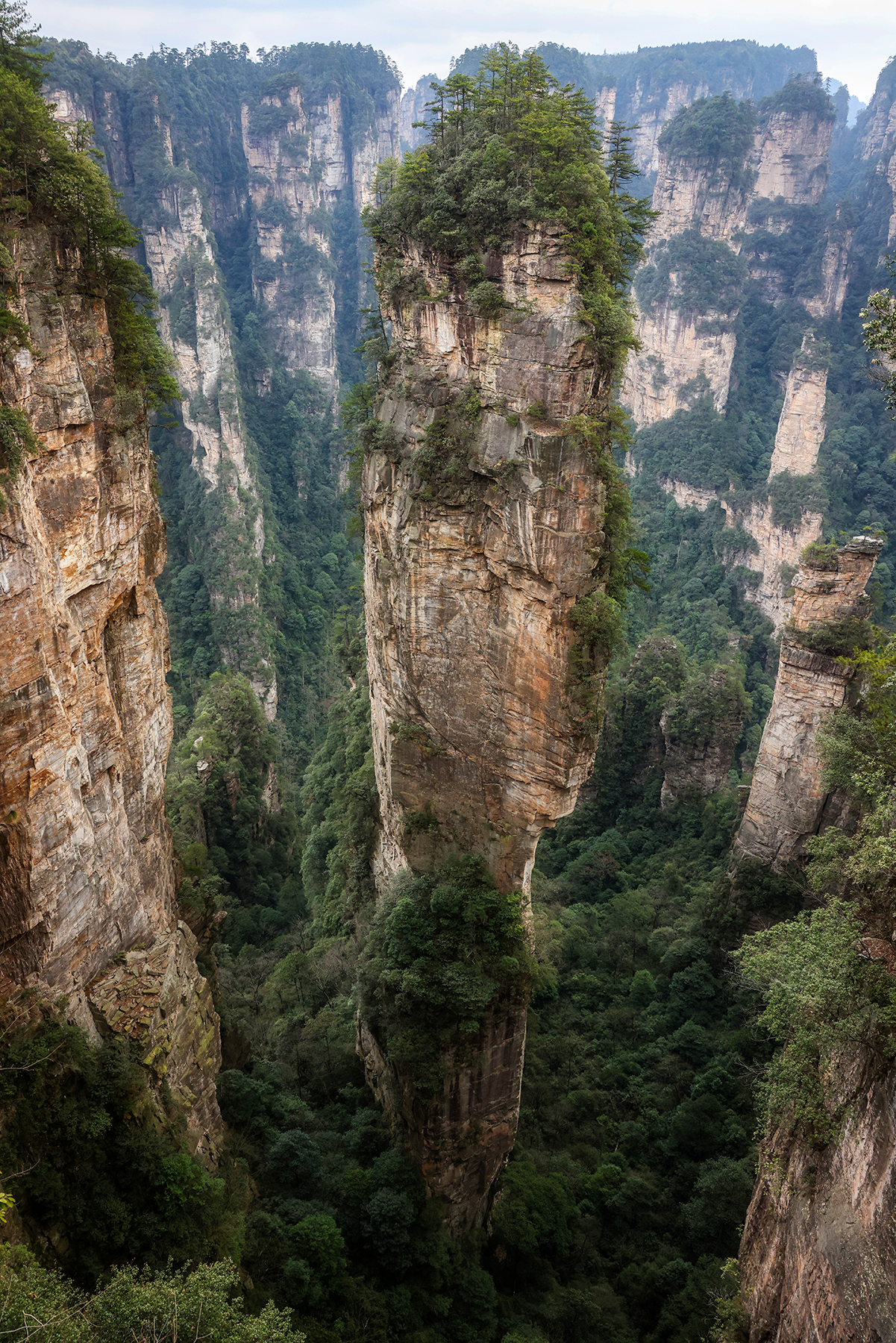
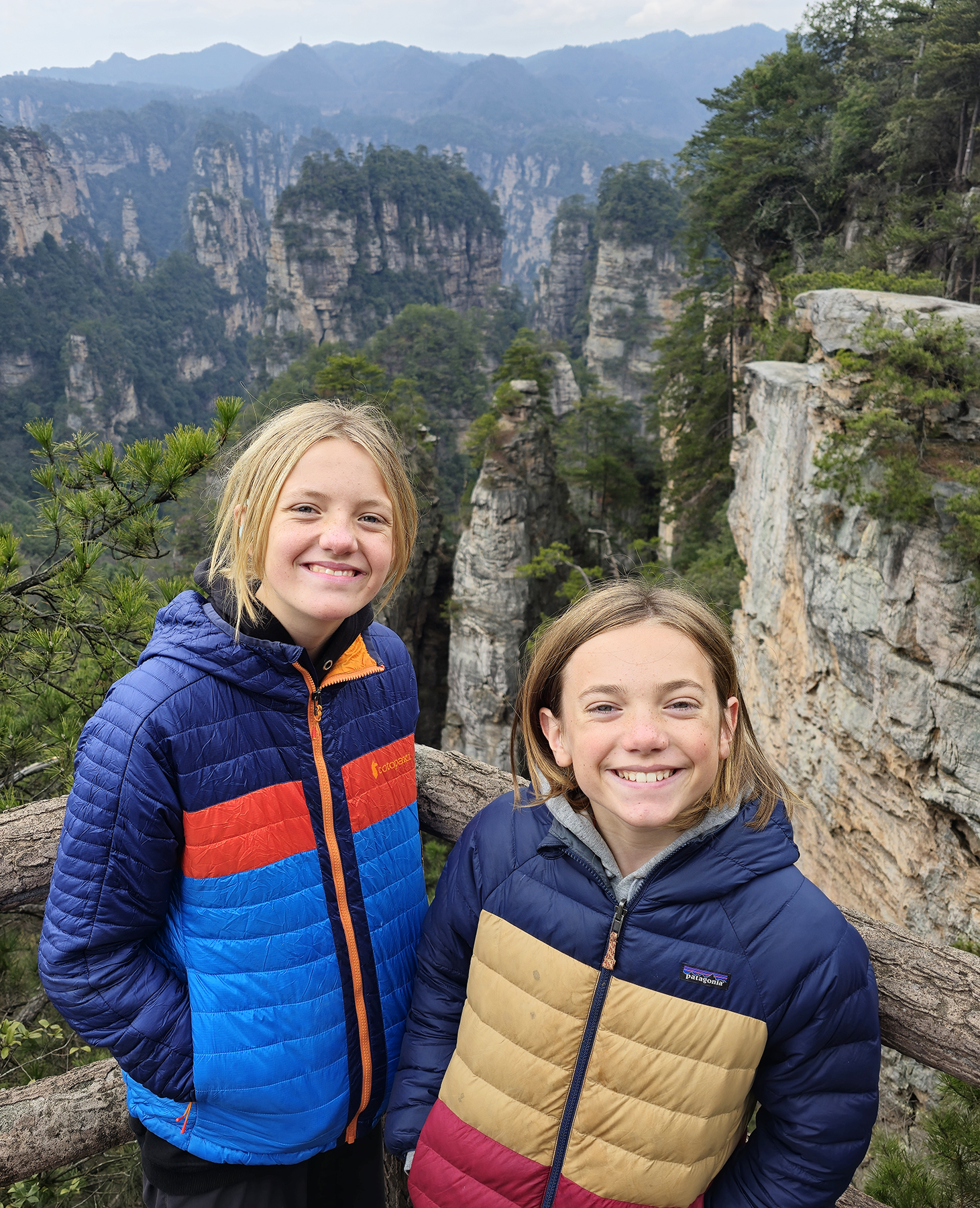
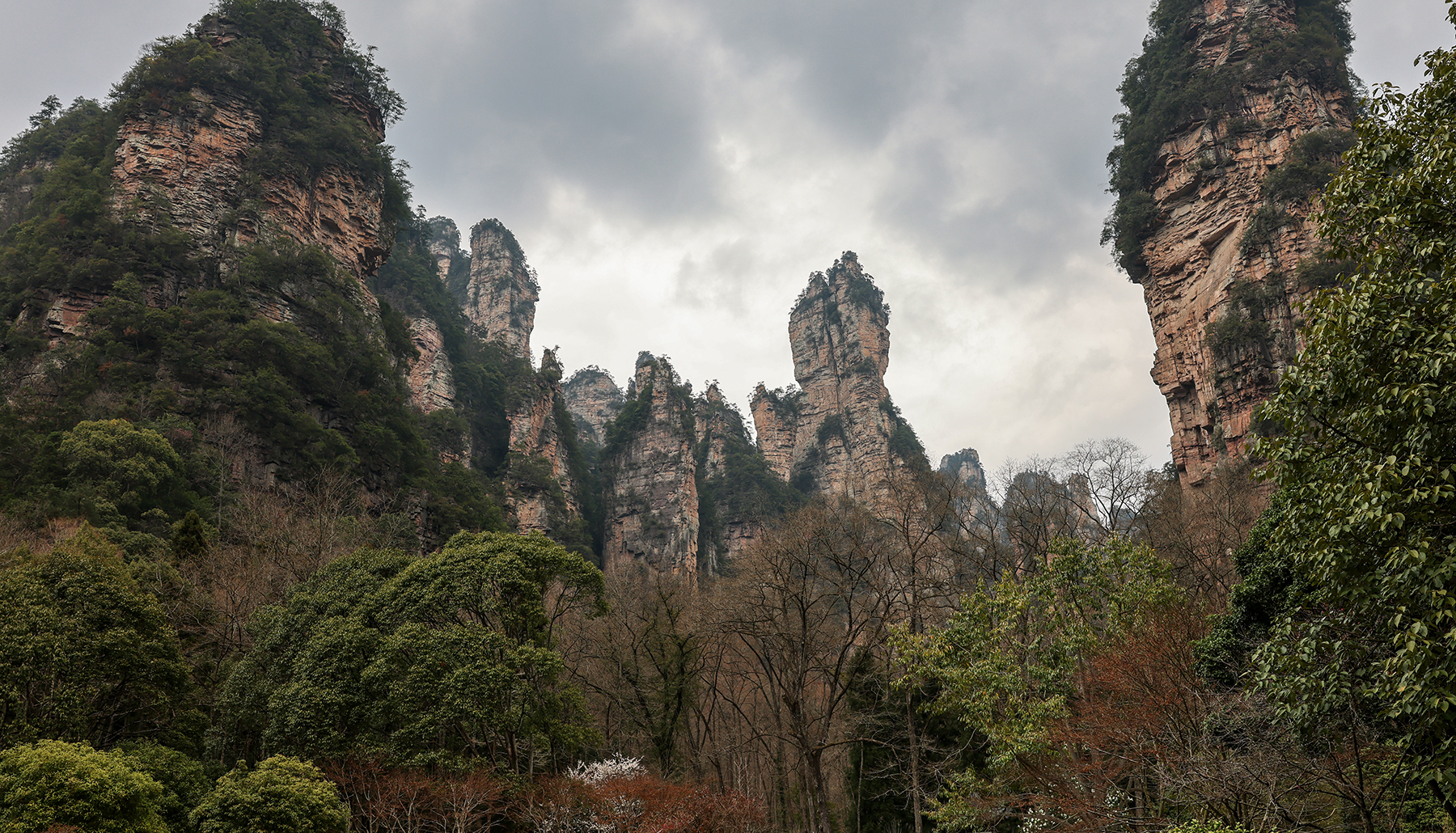
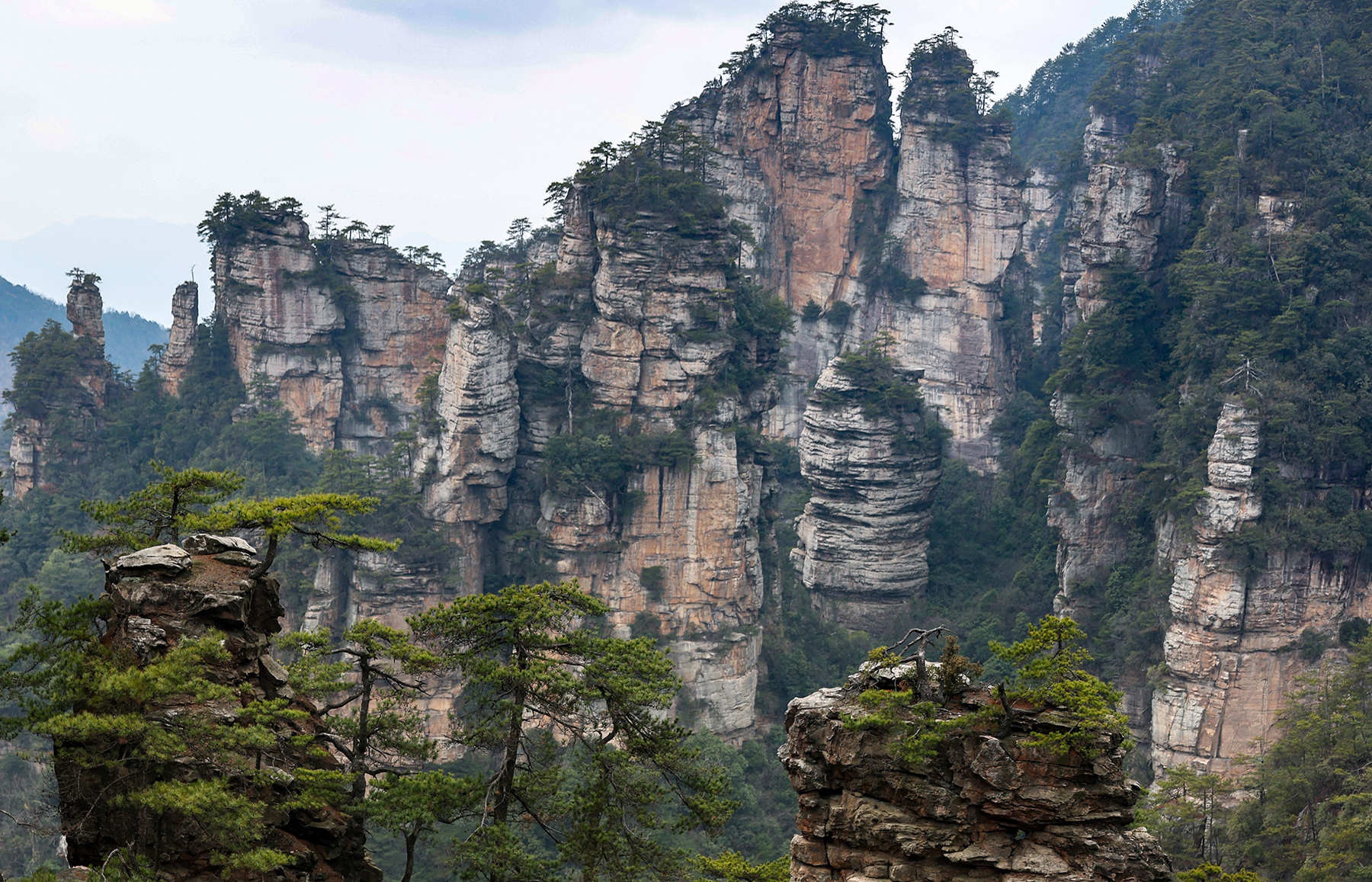
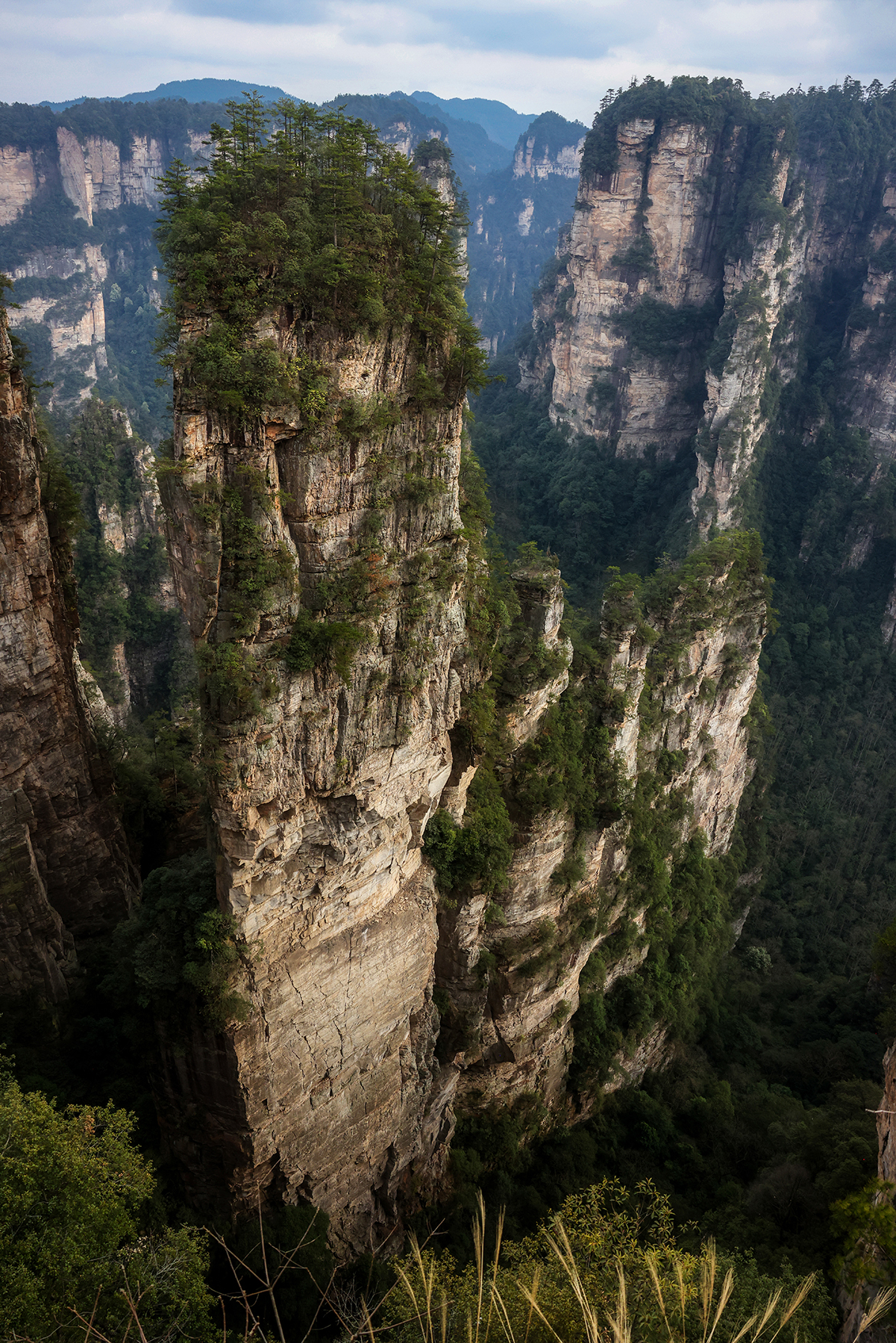
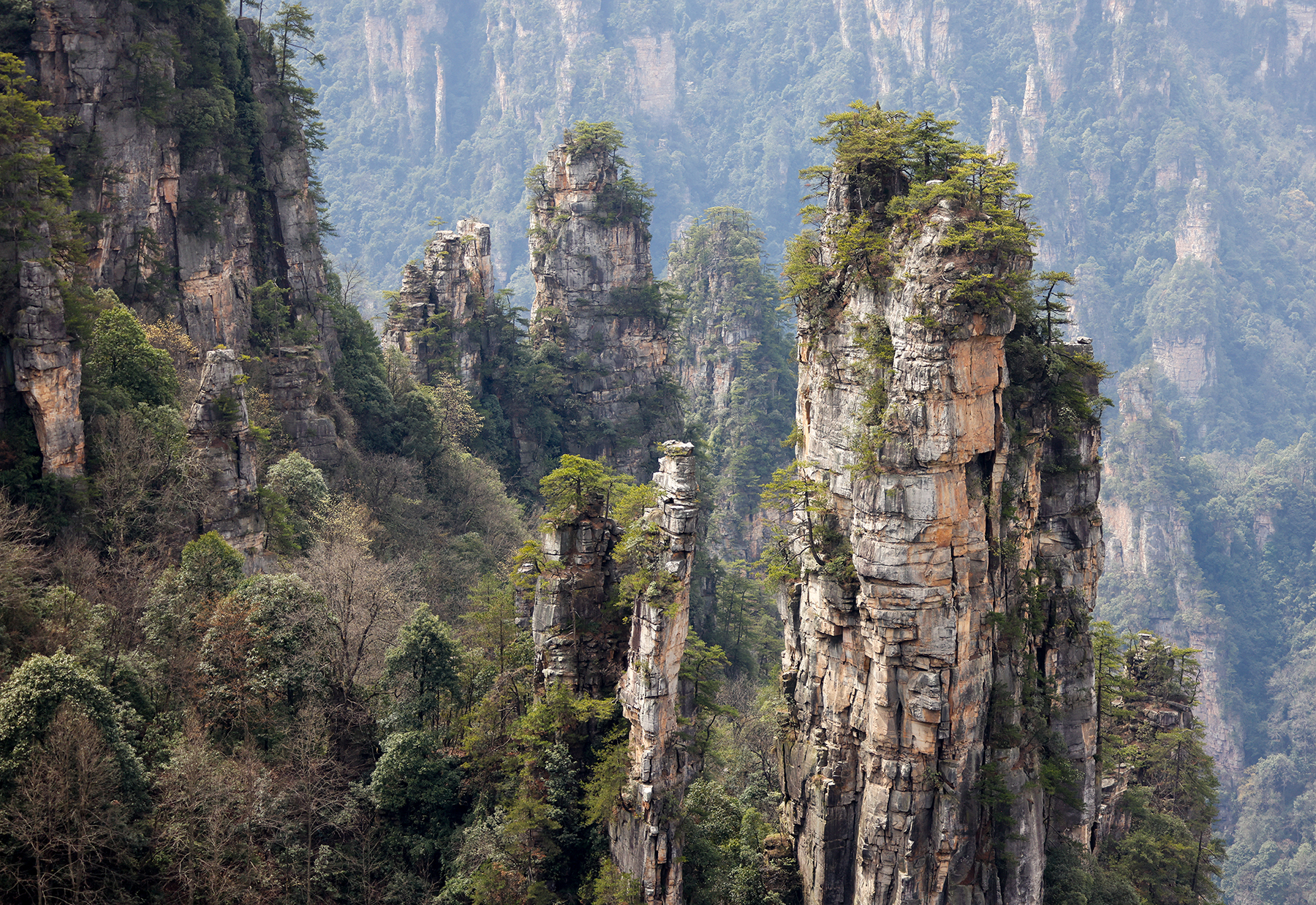
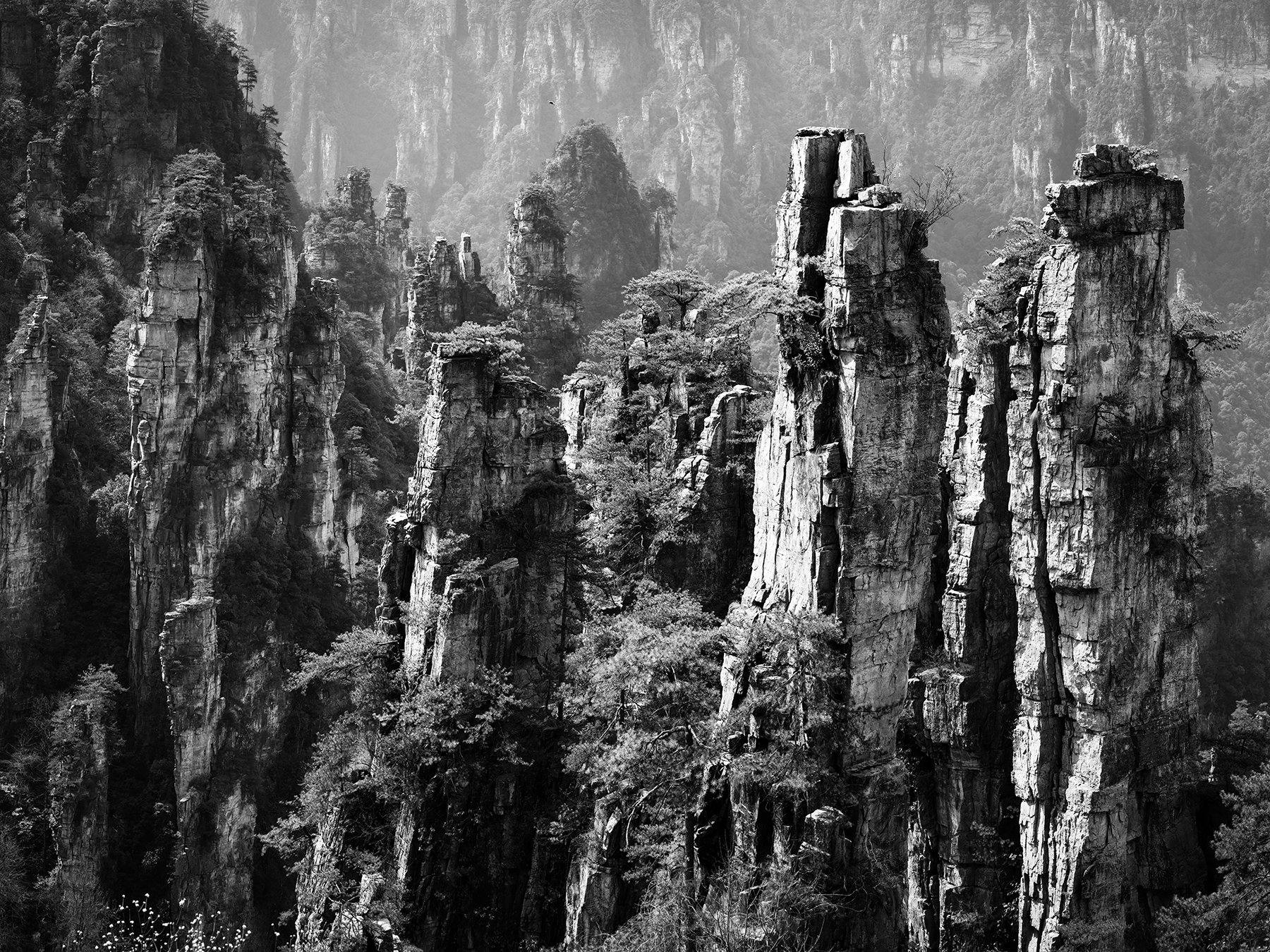
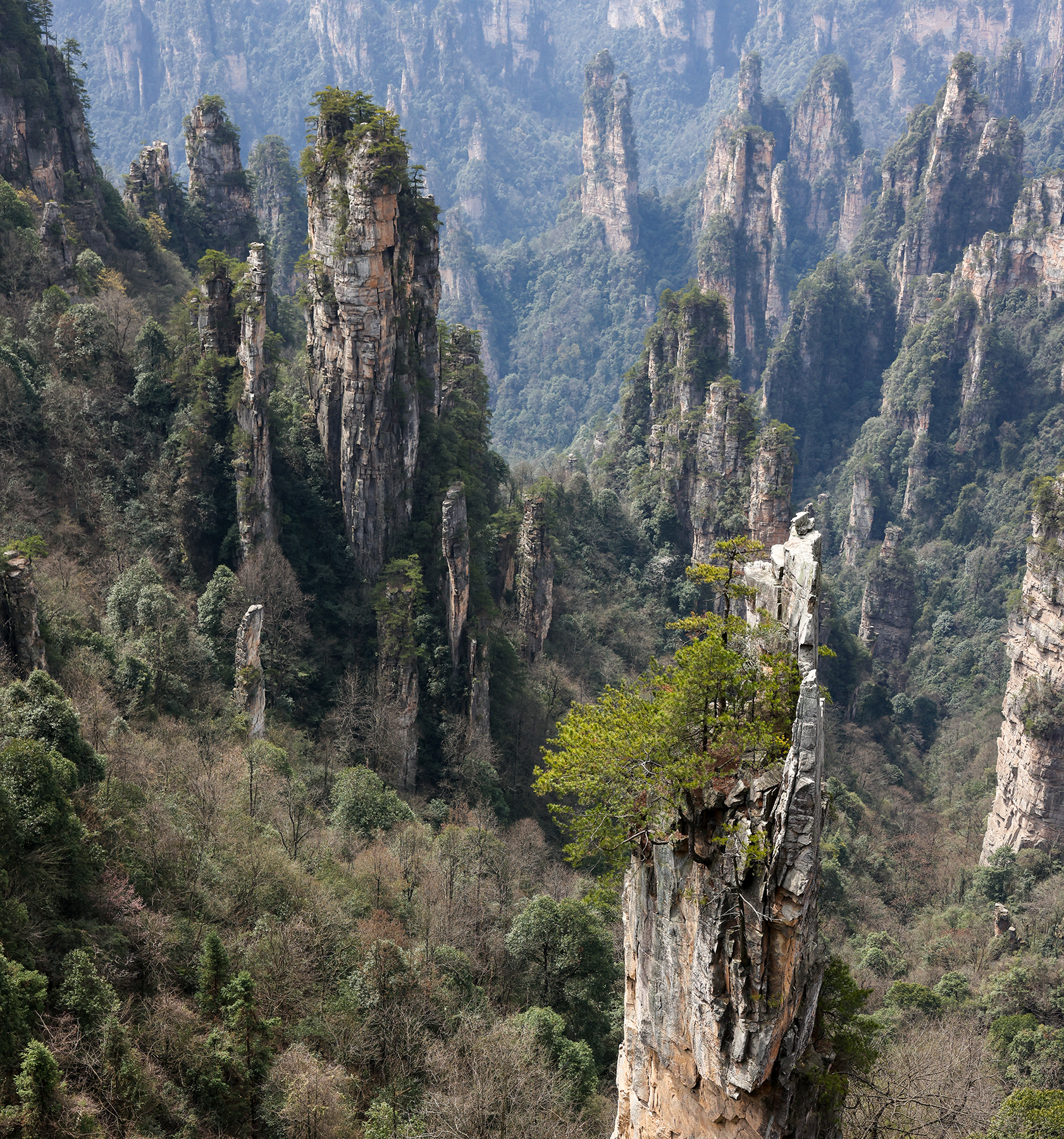
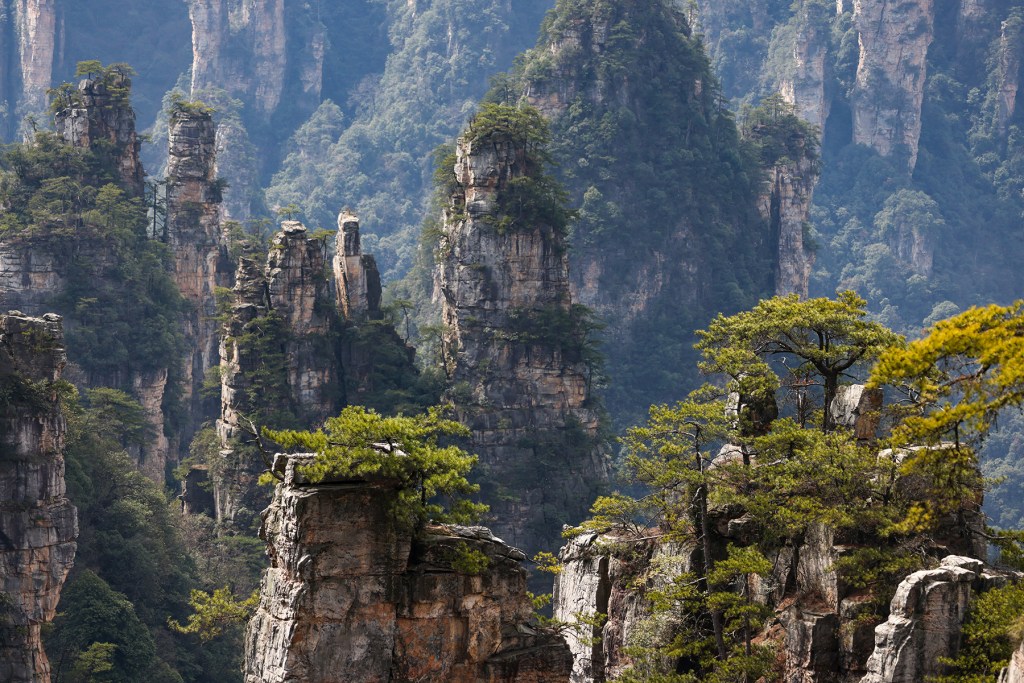
After departing from Xingping we took another train from Xingping to Zhangjiajie, another spot we had visited on our previous trip. Zhangjiajie is one of the most spectacular geologic sites on the entire planet, and as such has a well developed infrastructure to accommodate huge numbers of tourists. As much as we love the landscape, we are not too keen on hiking among large crowds, so we went about devising a plan to find some quiet moments in the park. Our plan was to stay within the park boundary overnight so we would not have to take the sequence of buses and gondolas that most people use to access the trails inside the park. Luckily, Sonya was able to track down a tea plantation within the park boundary that seemed to sometimes welcome visitors for overnight stays. The plantation turned out to be the only accommodation within the park boundary, and sadly it was permanently shut down by the government just three days after we left! We were fortunate to enjoy quiet walks through the forest to and from the plantation to reach the main hiking trails, and we also benefited from some great advice from the man running the plantation on tracking down a number of quiet secret spots in the park. Almost all the domestic tourists seem to travel in large organized tours, so once we got off the main route we found the trails to be nearly empty!
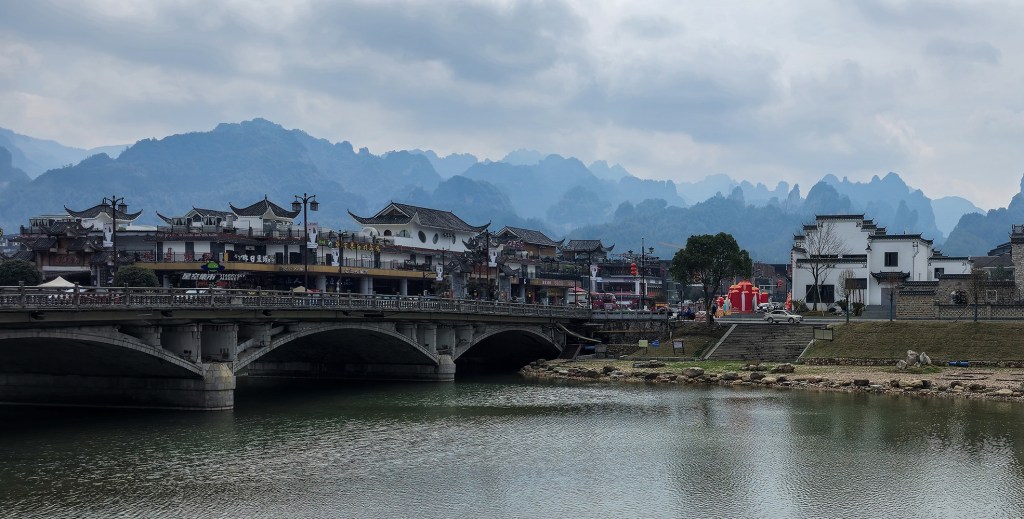
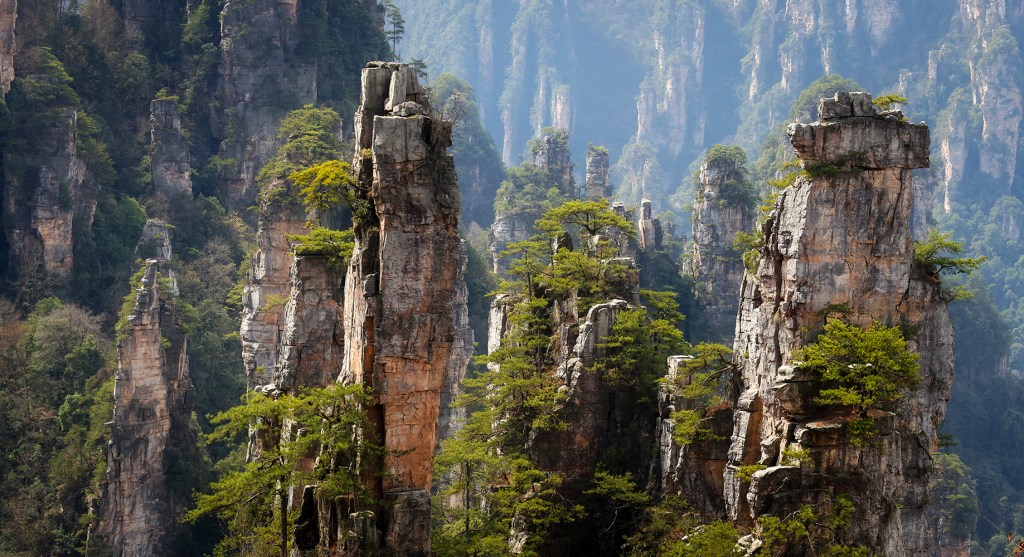
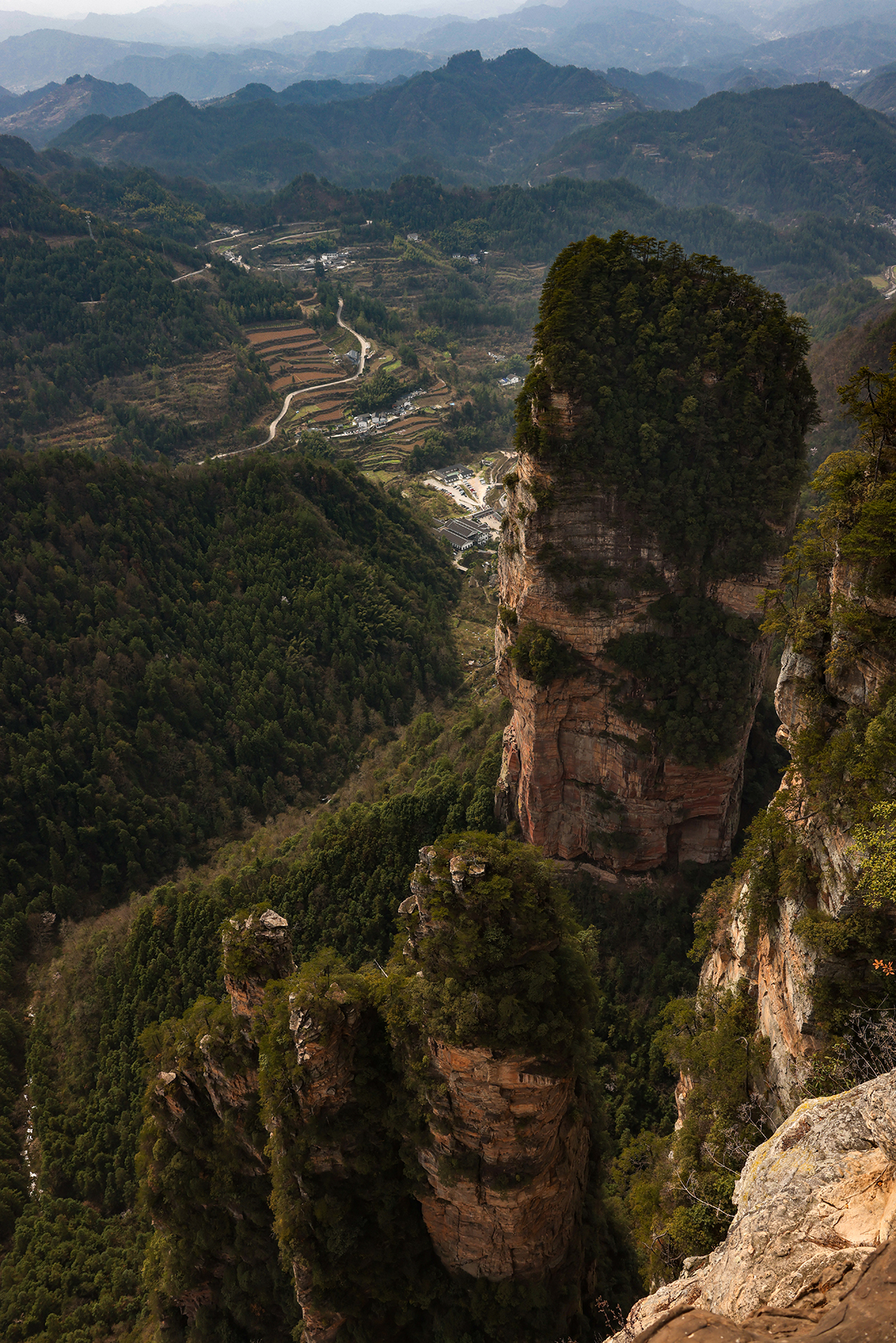
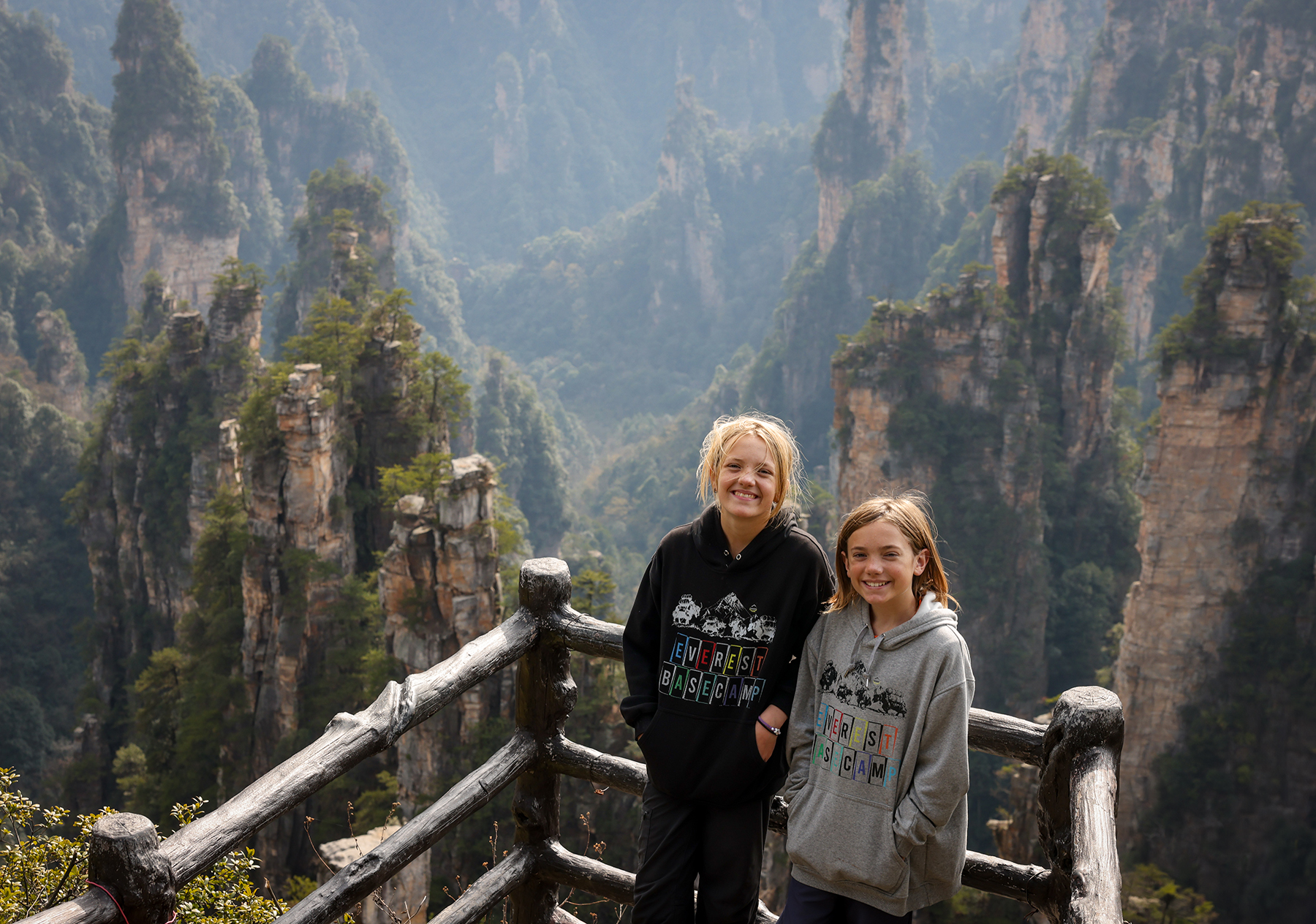
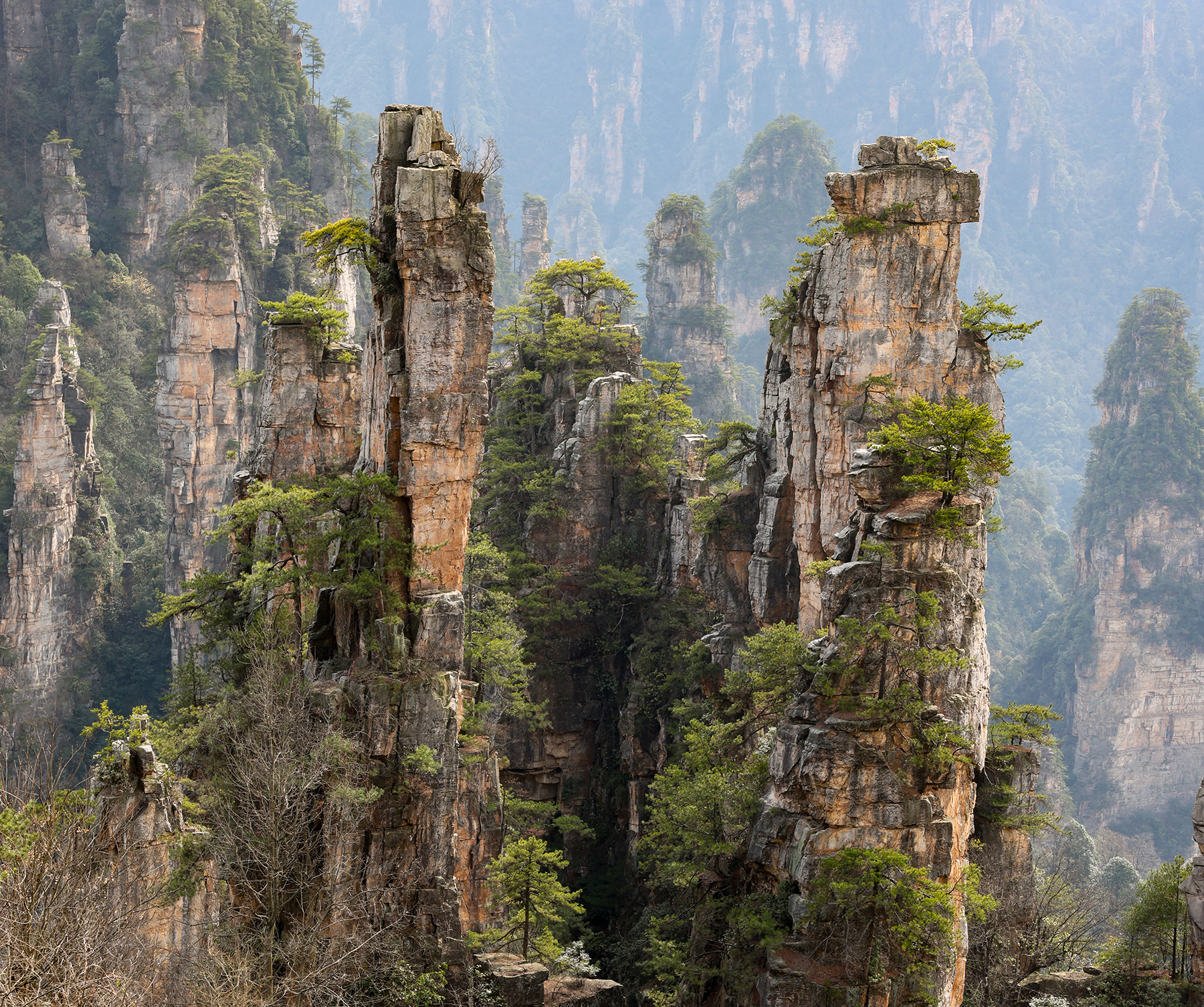
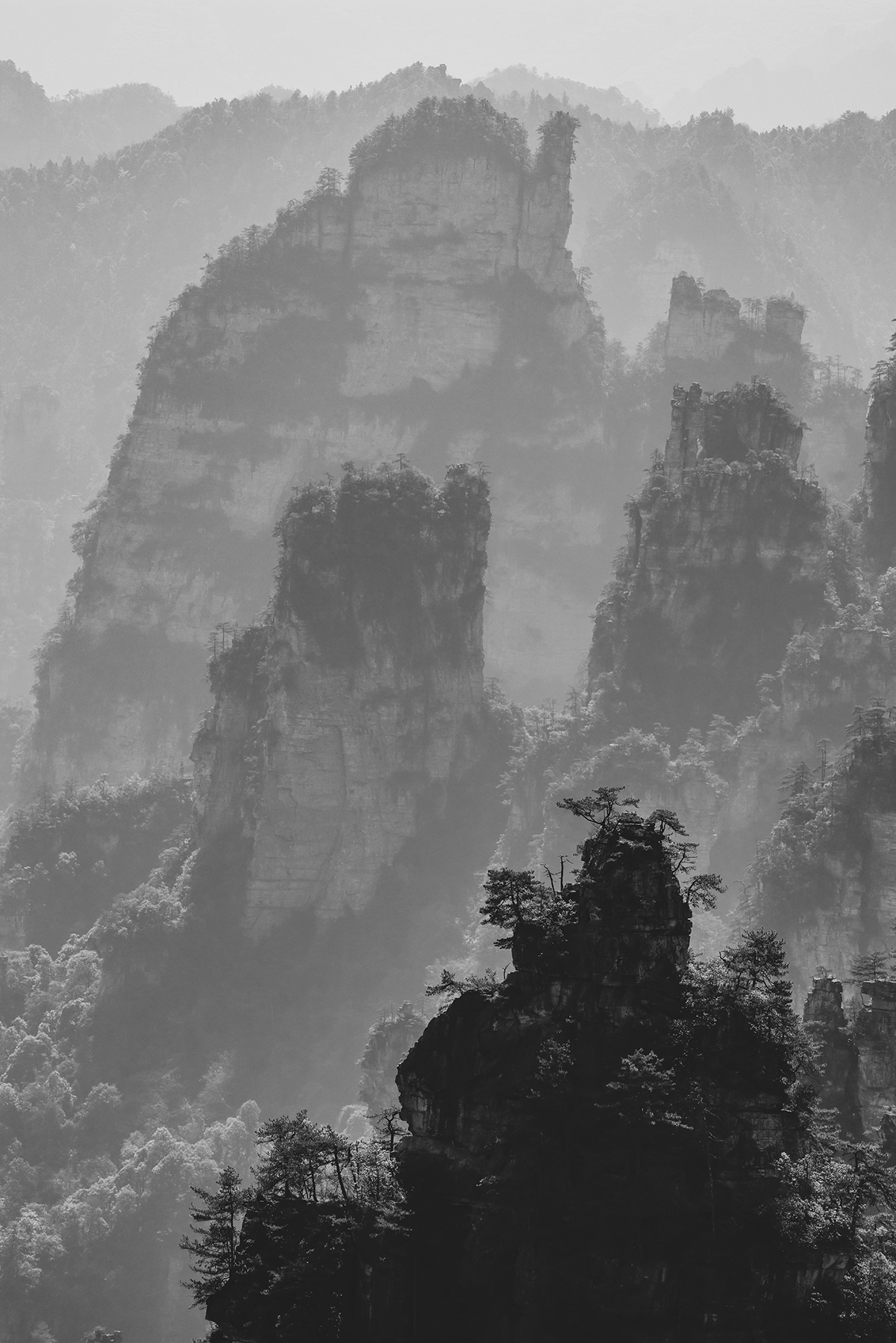
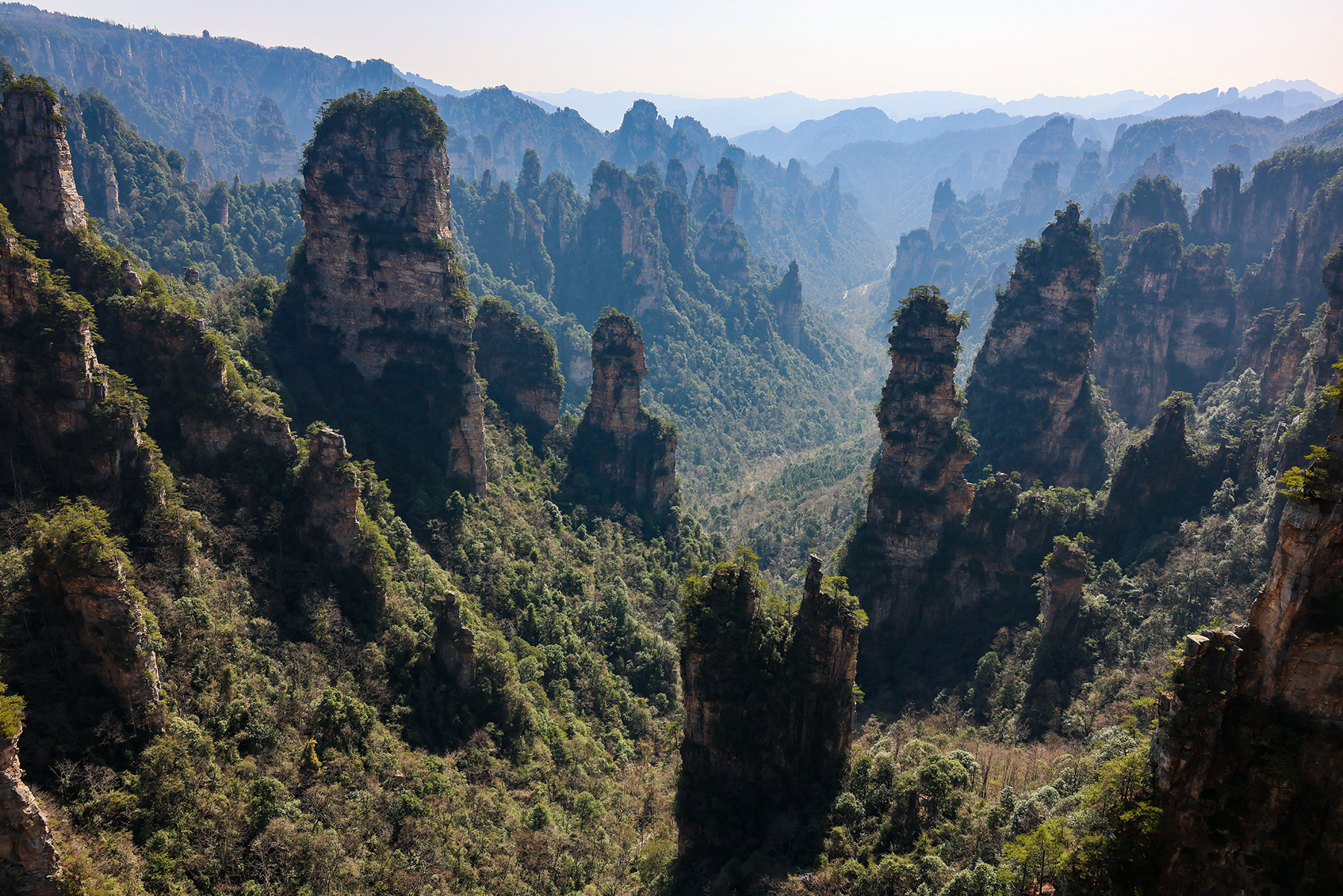
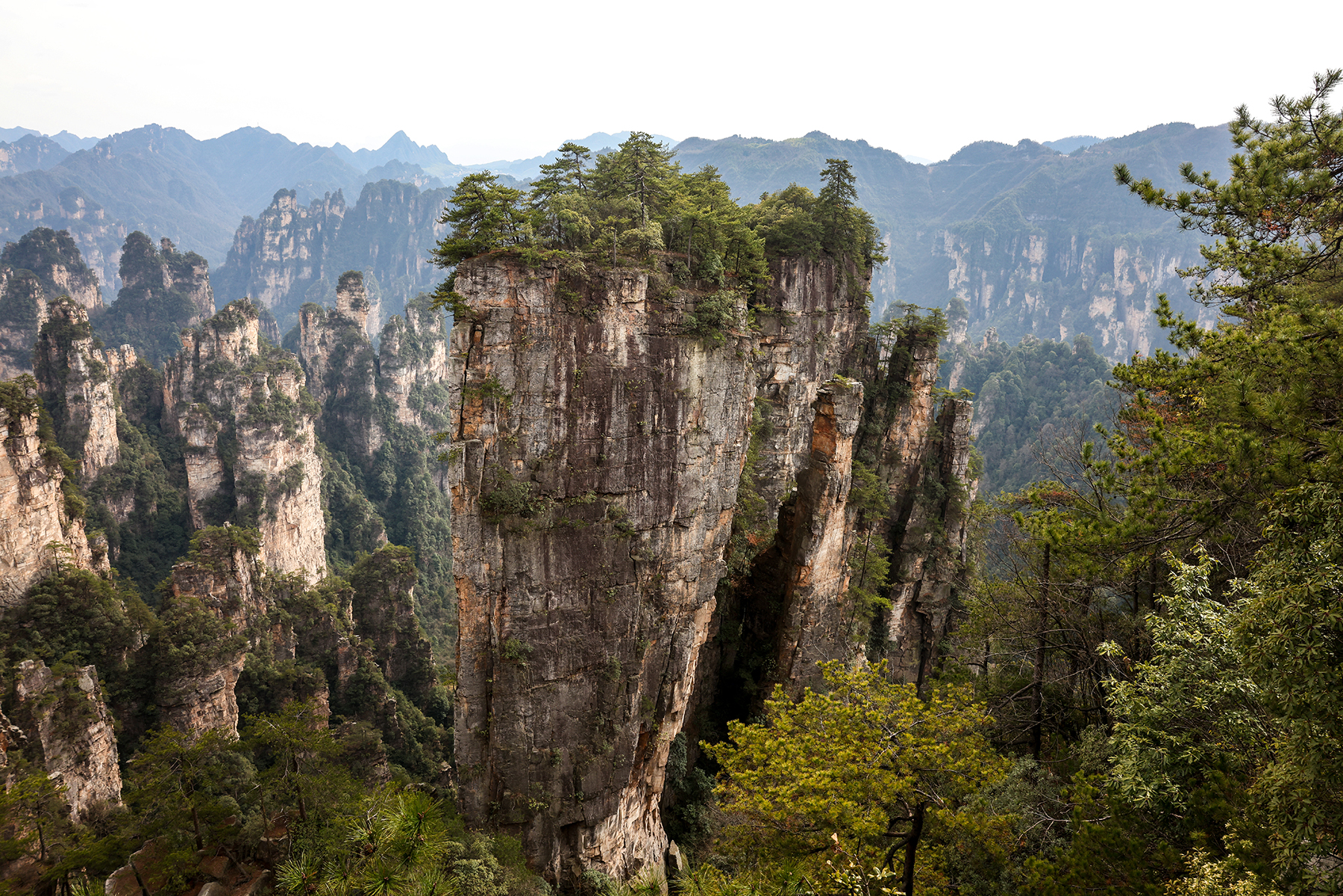
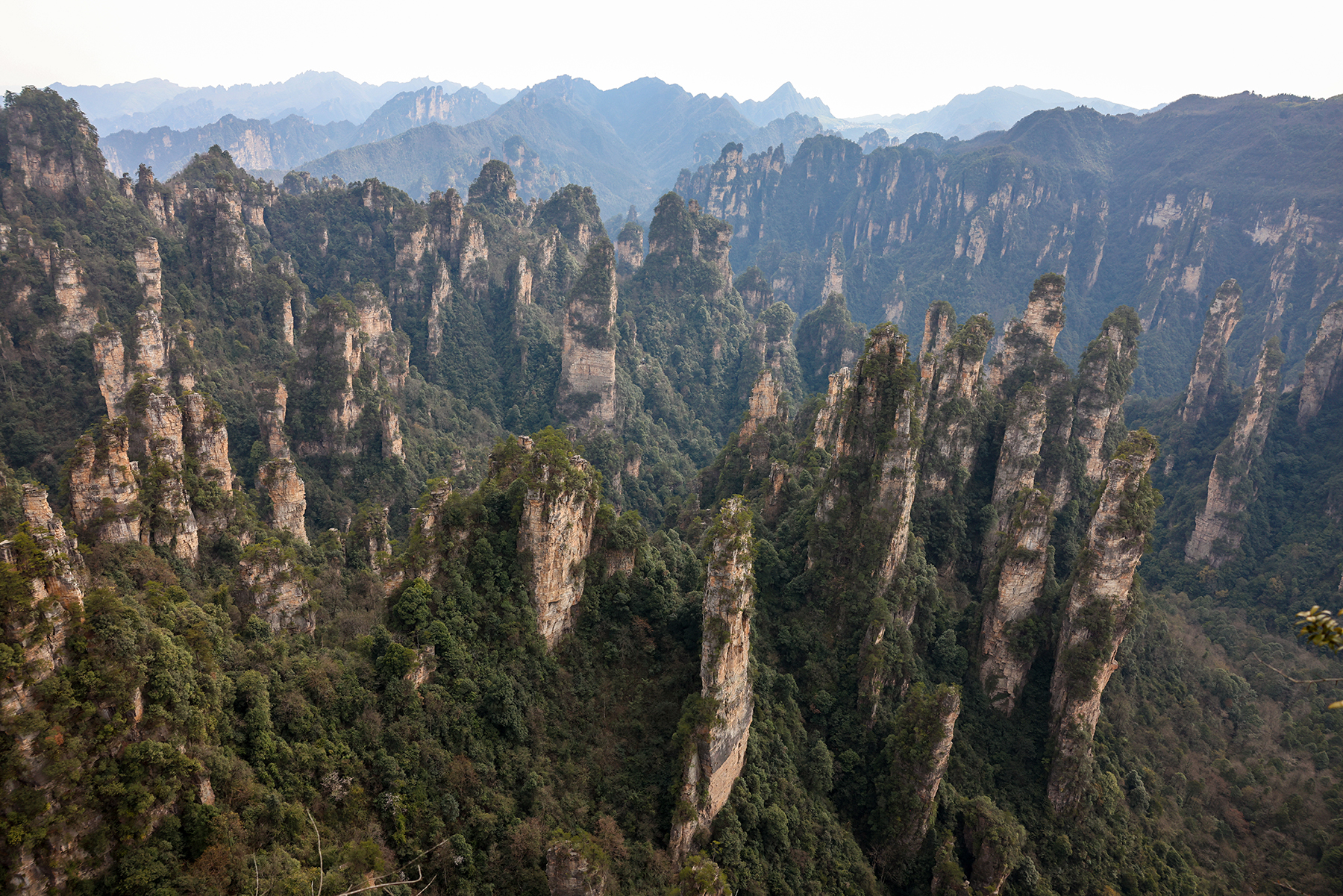
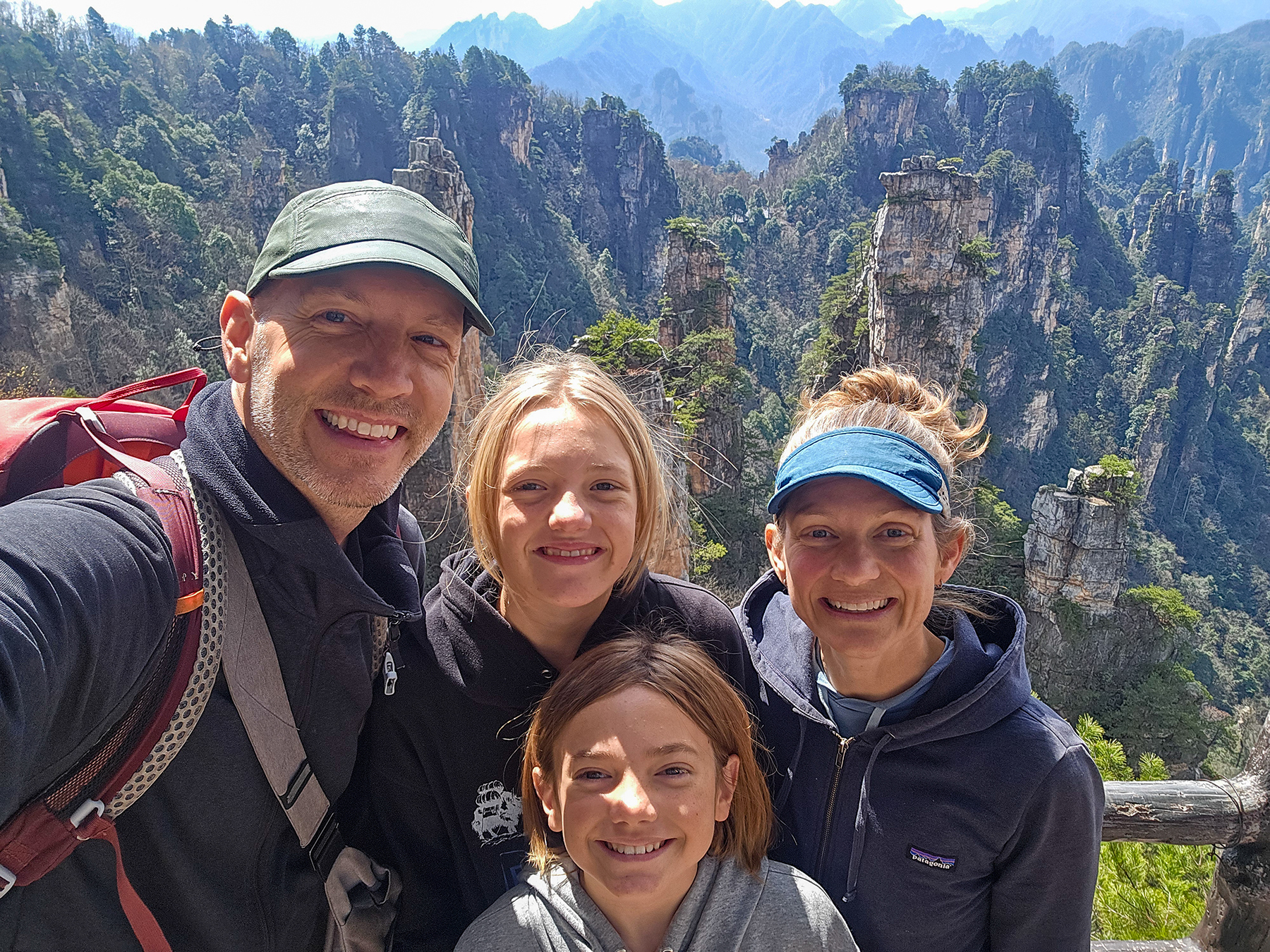
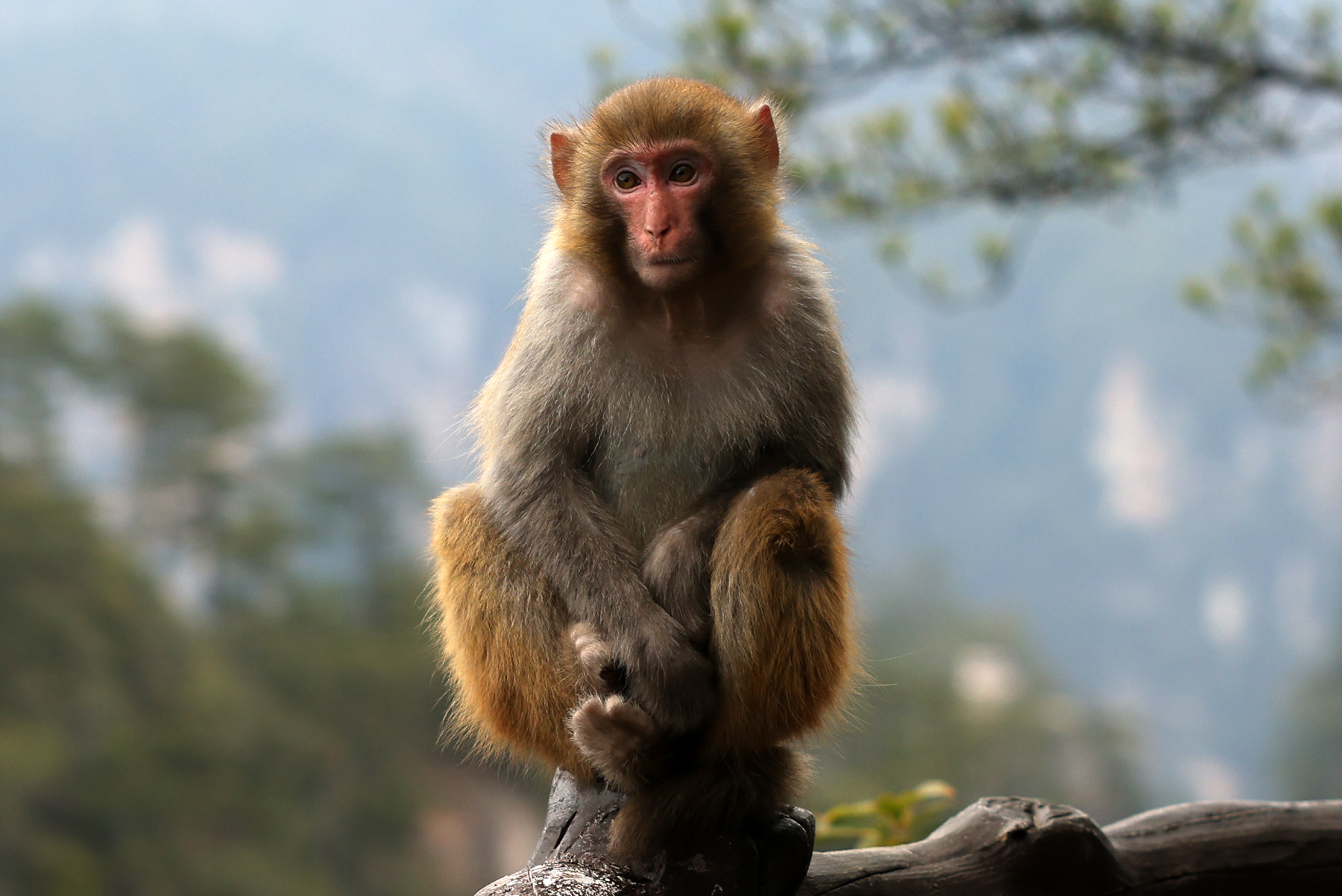
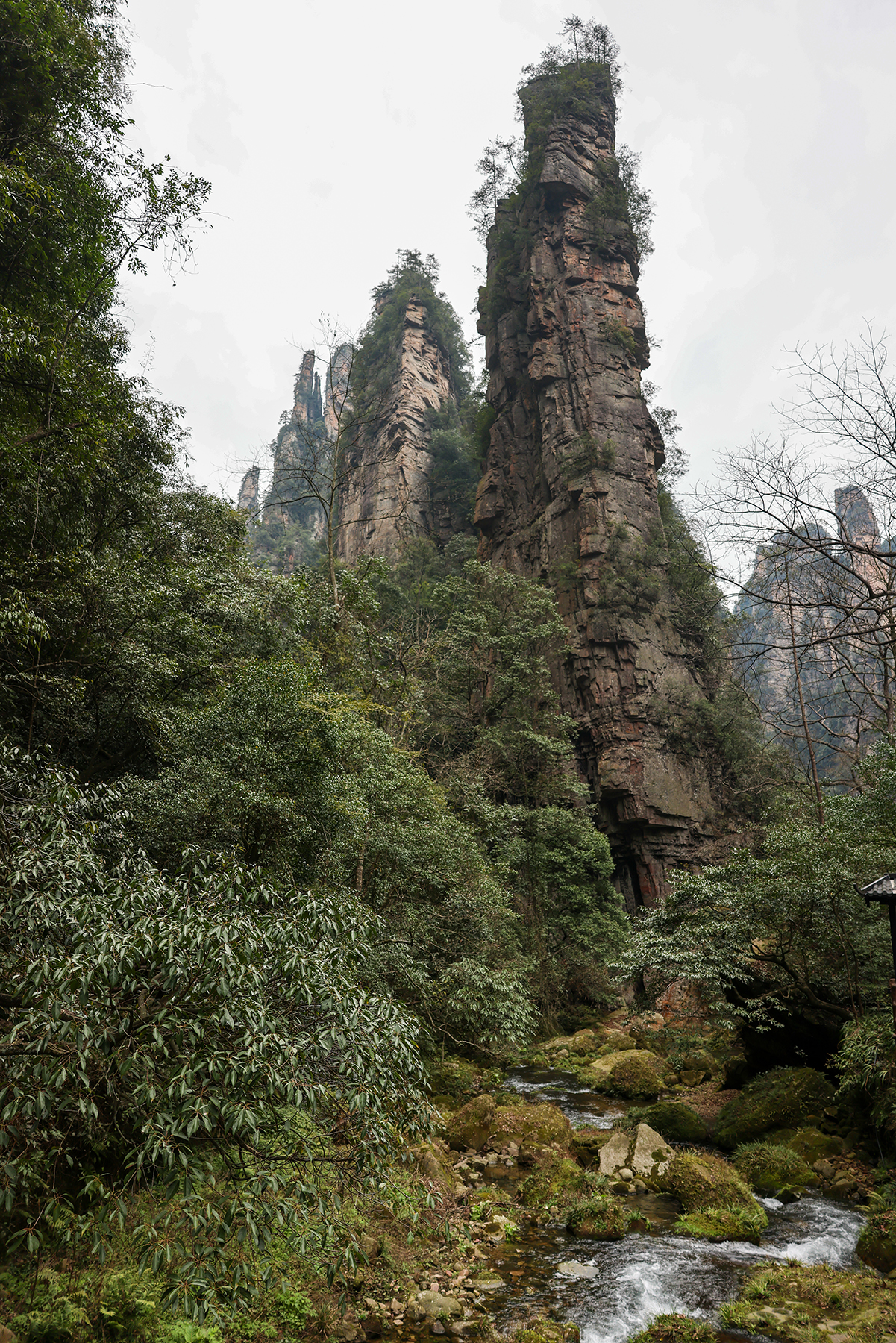
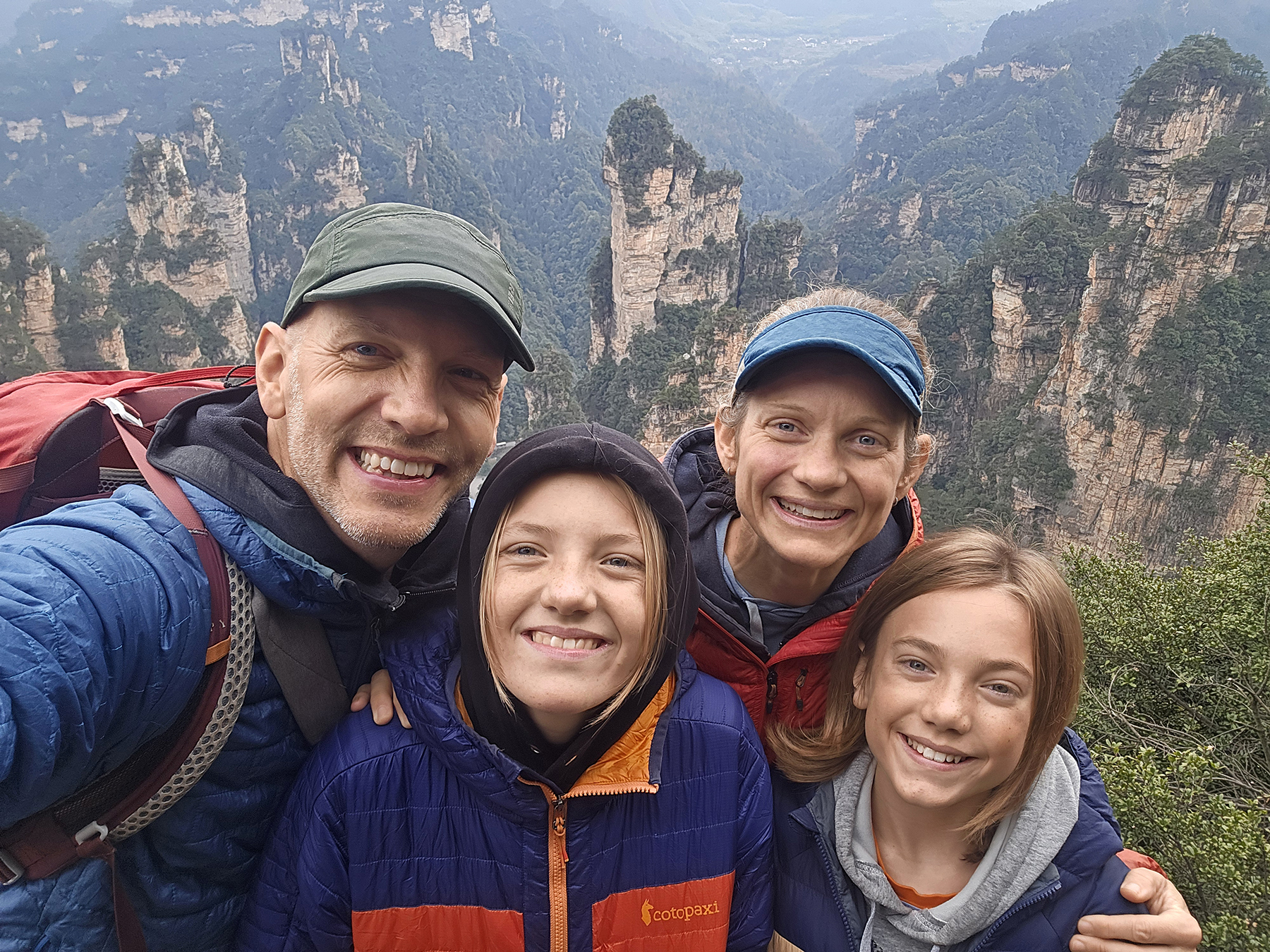

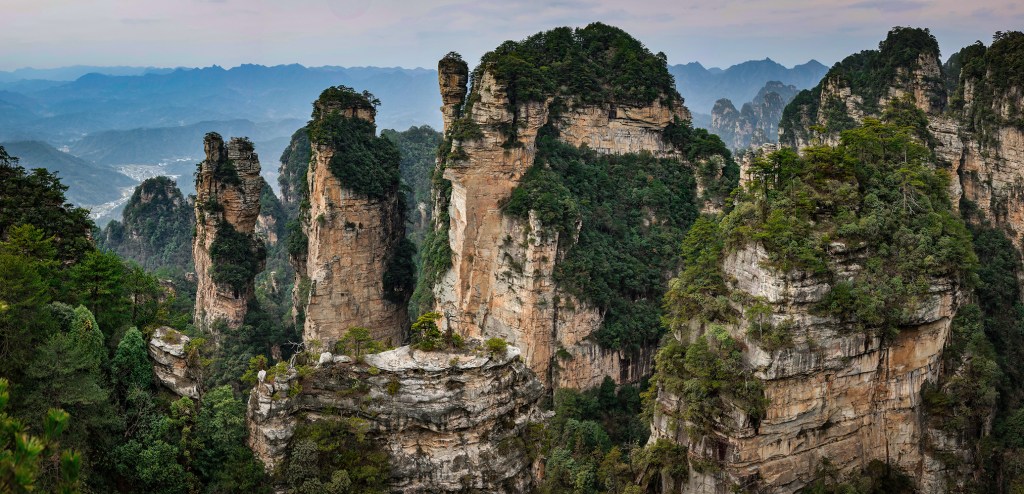
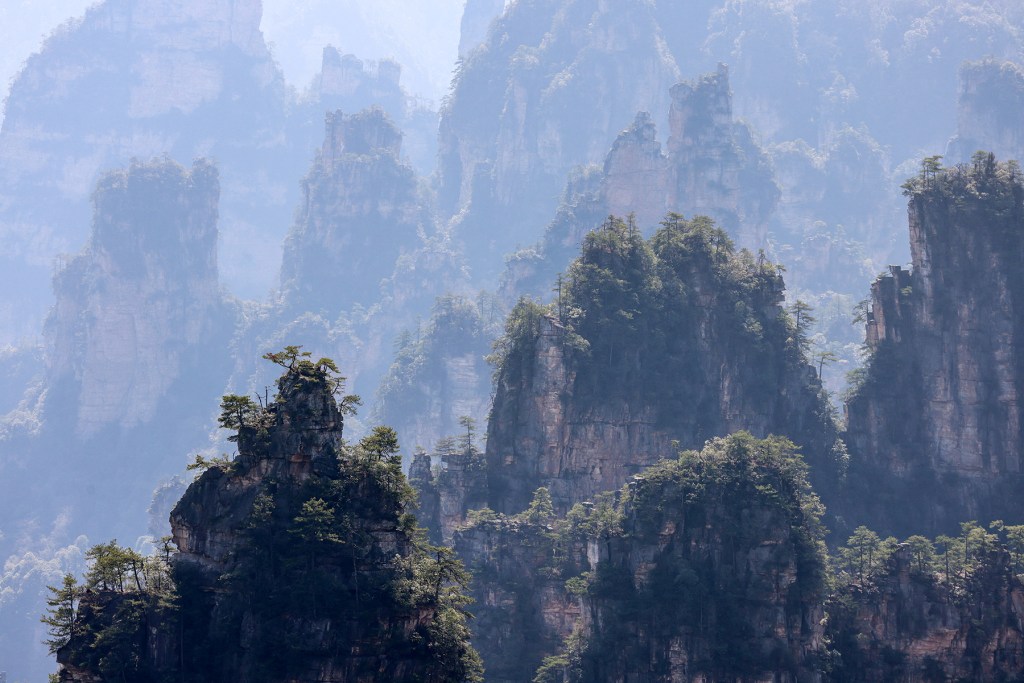

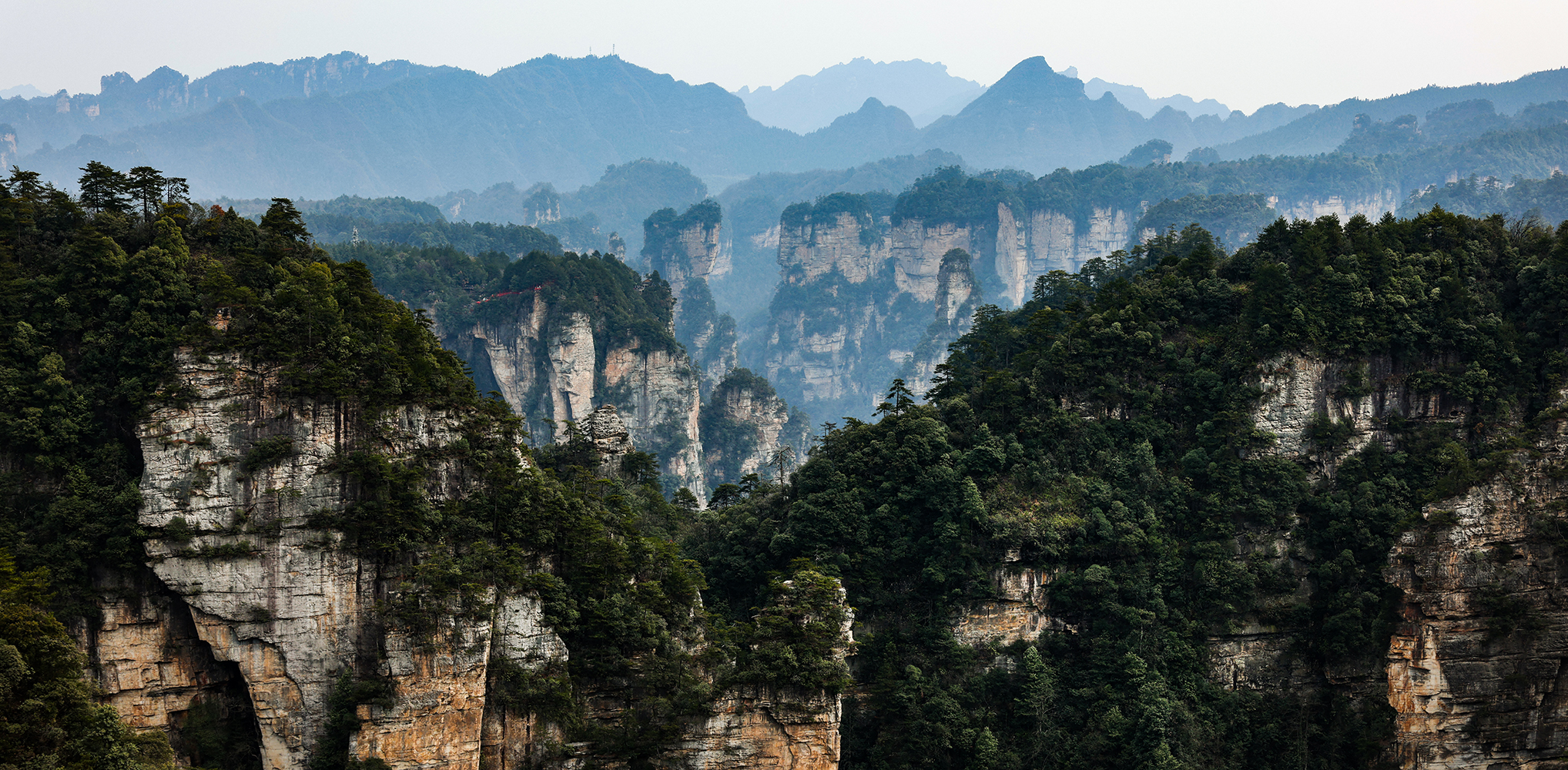

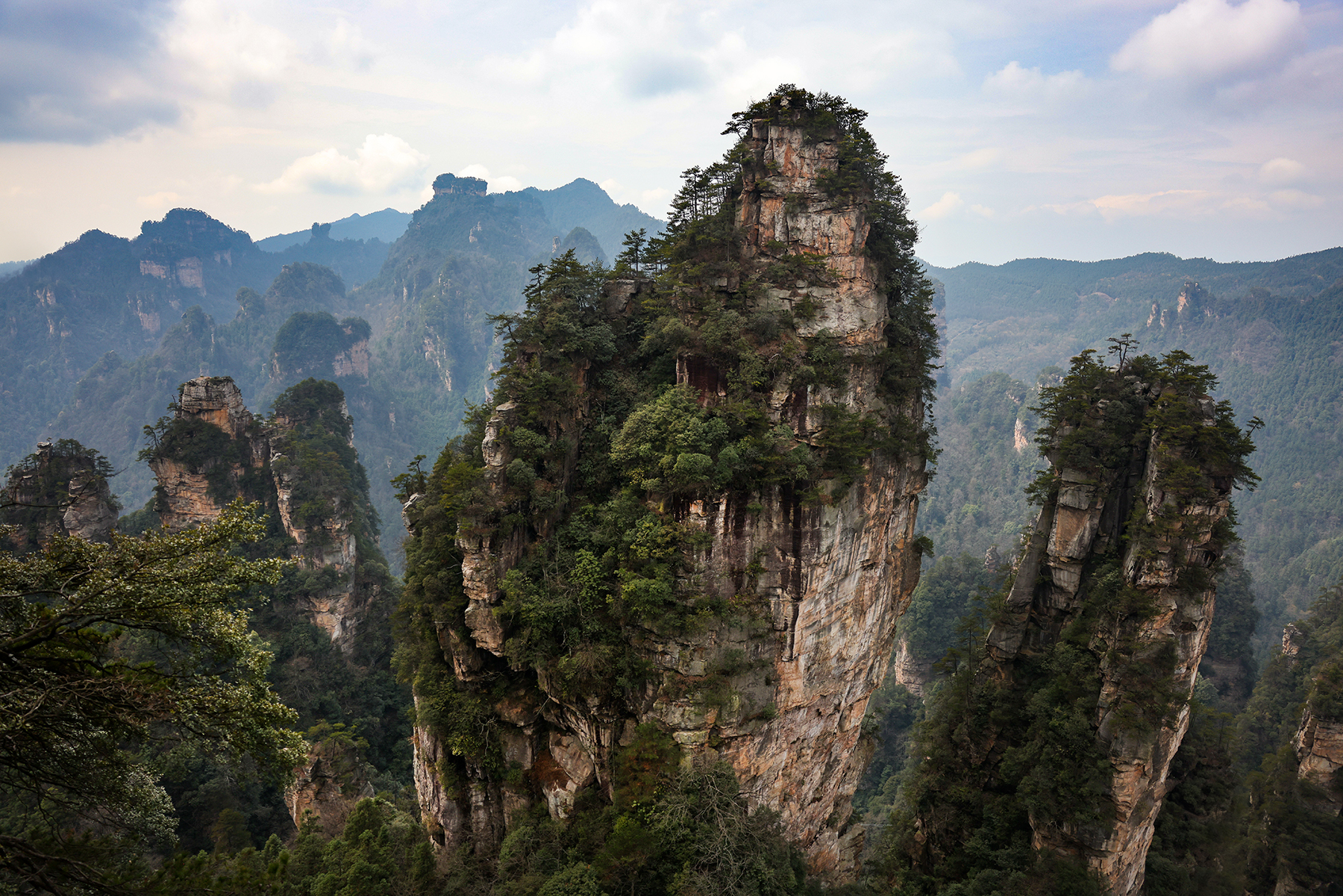
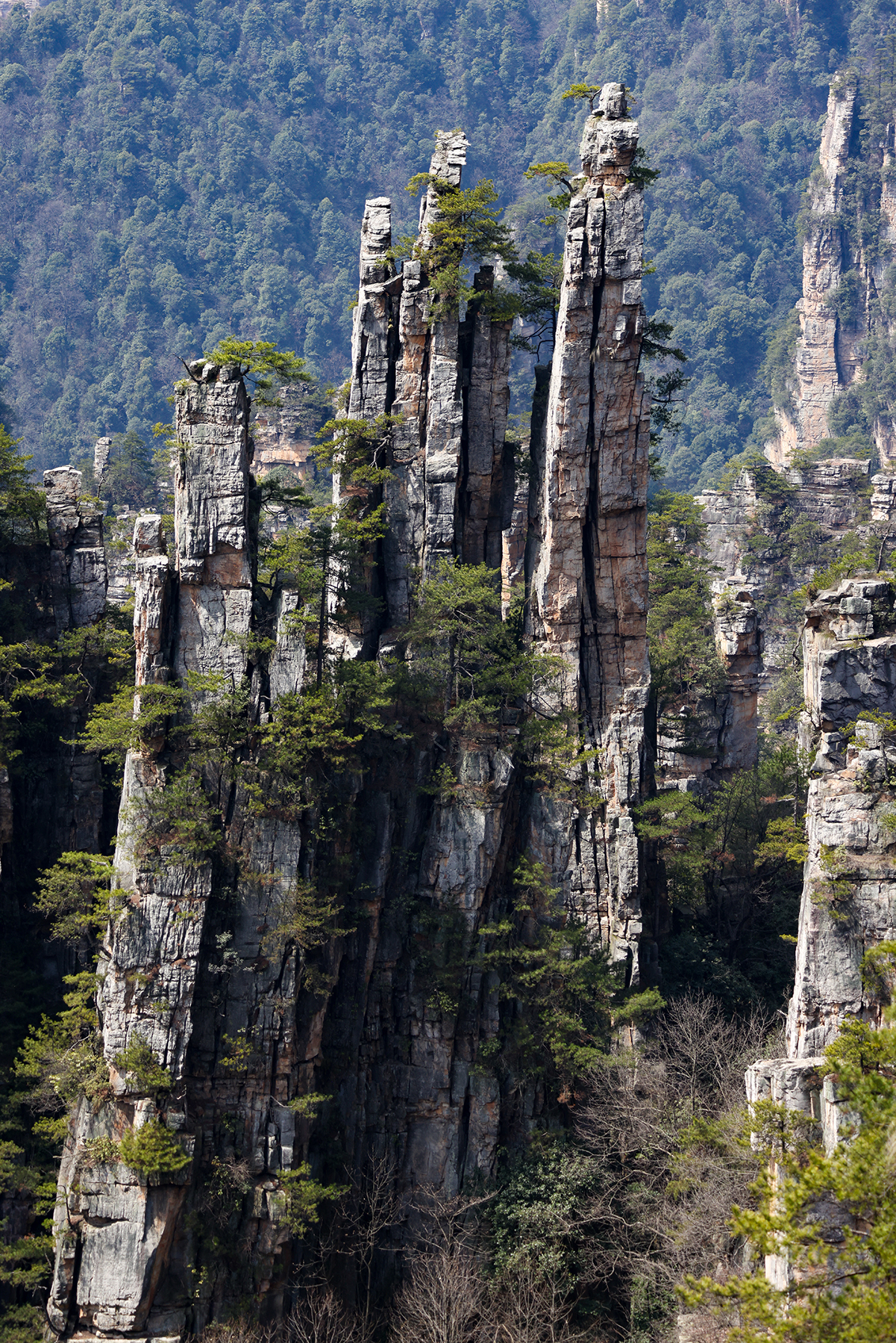
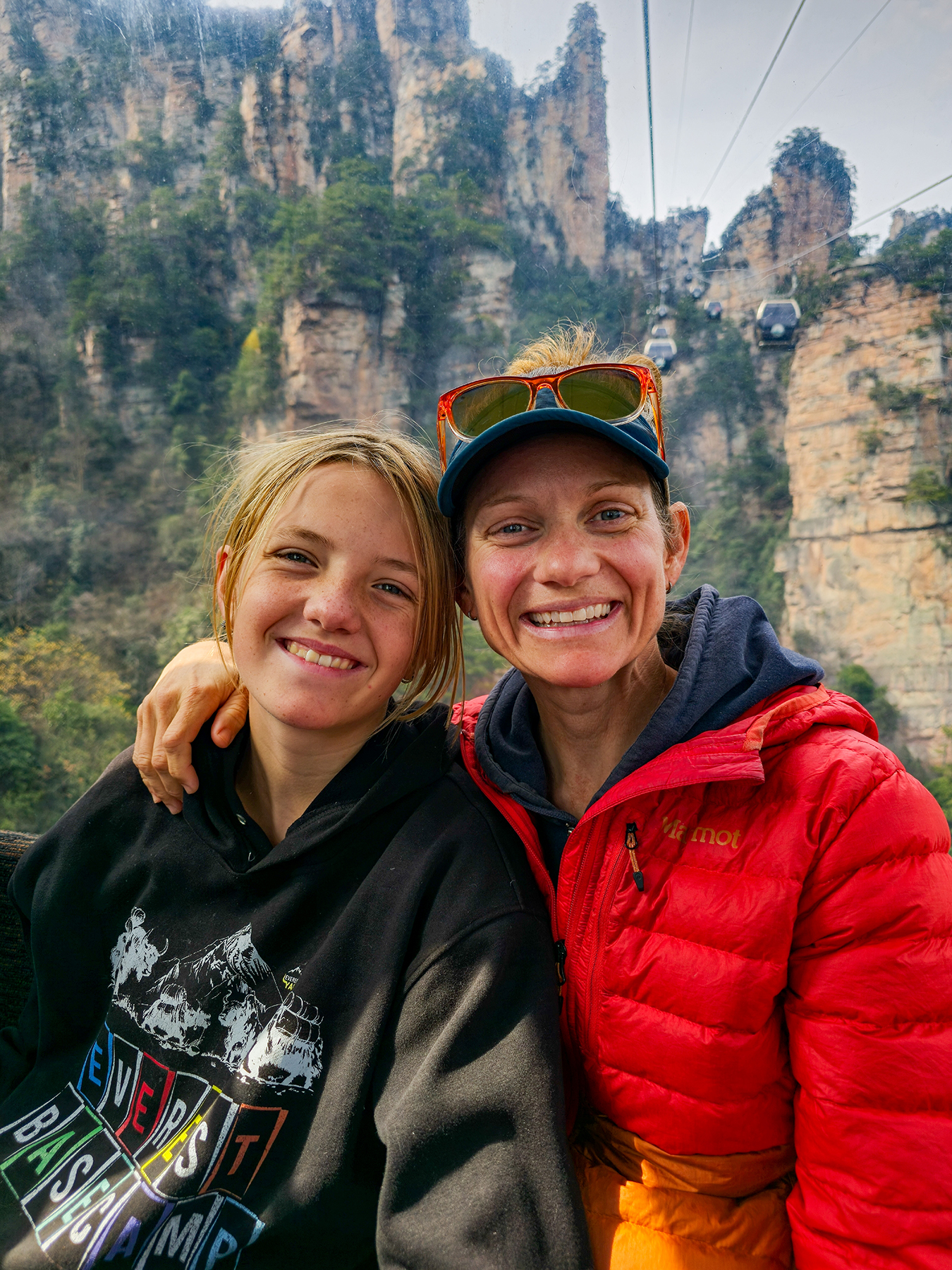
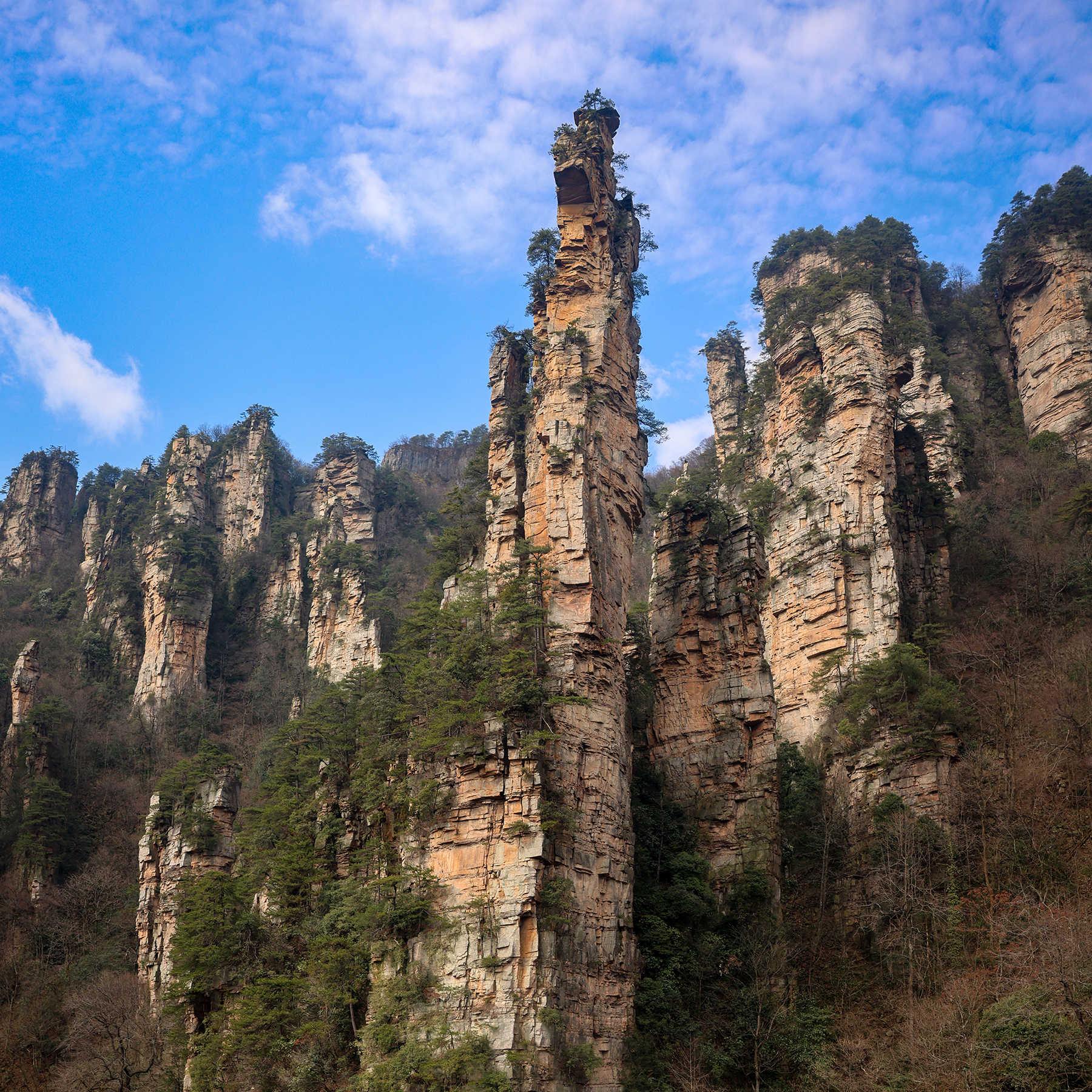
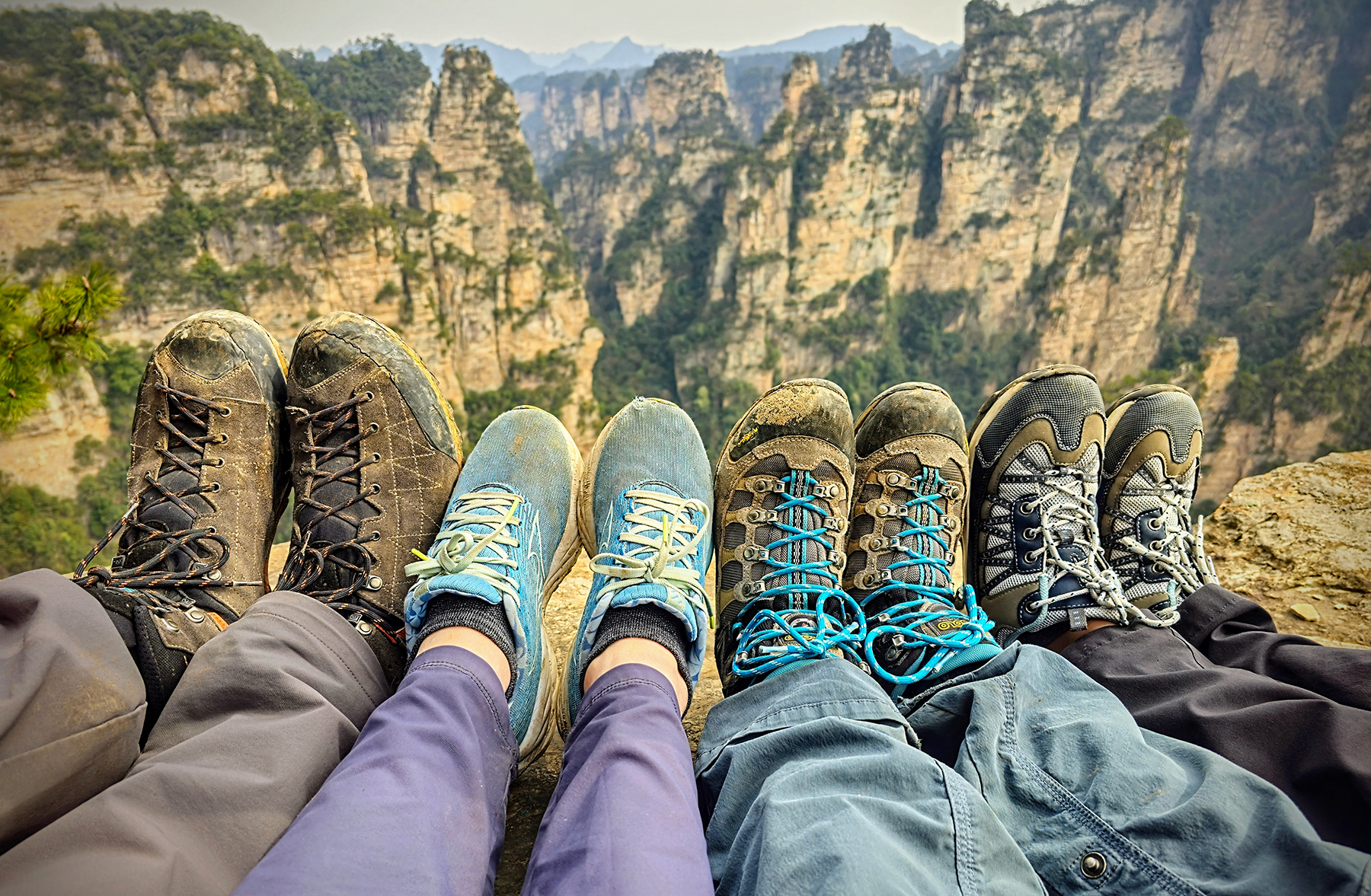

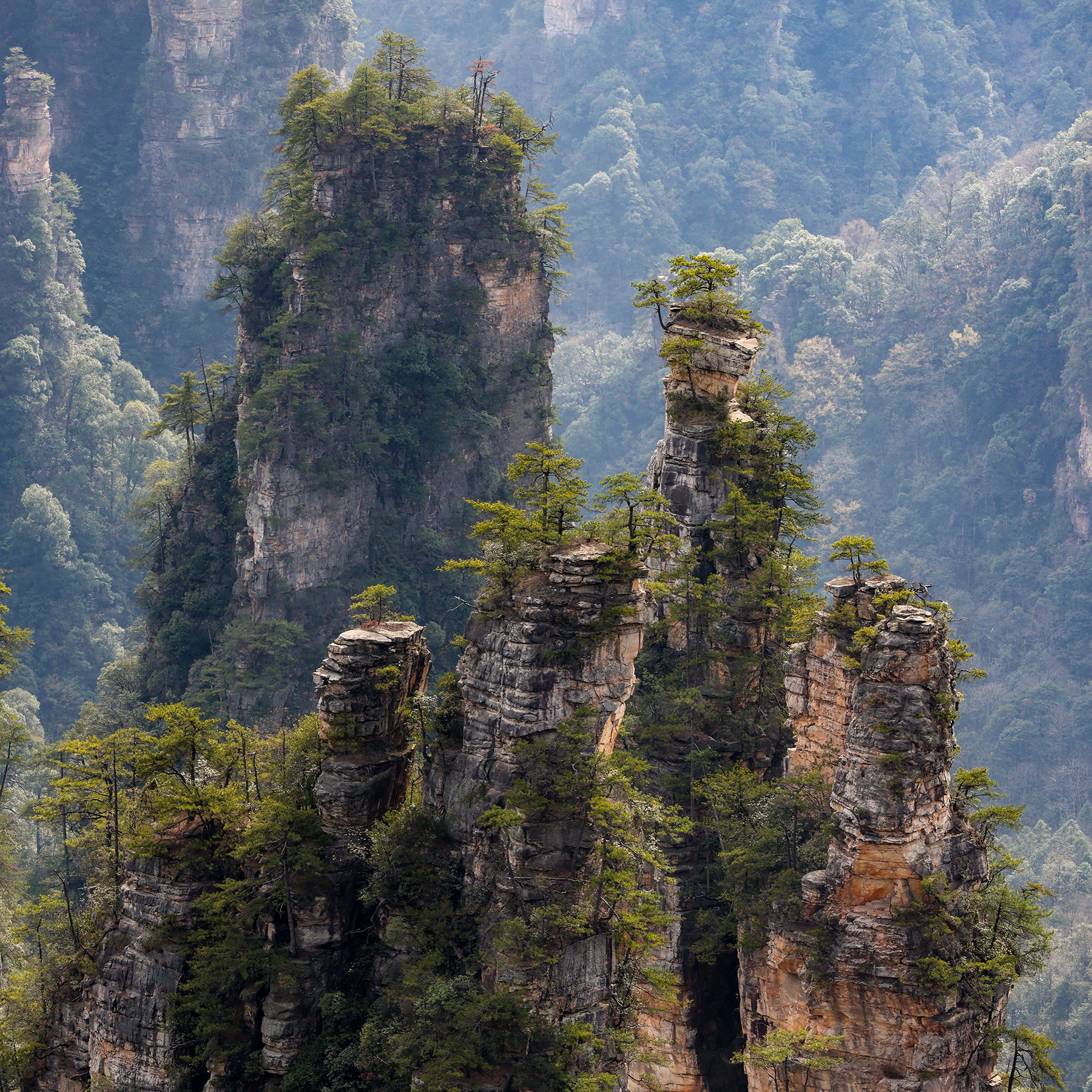
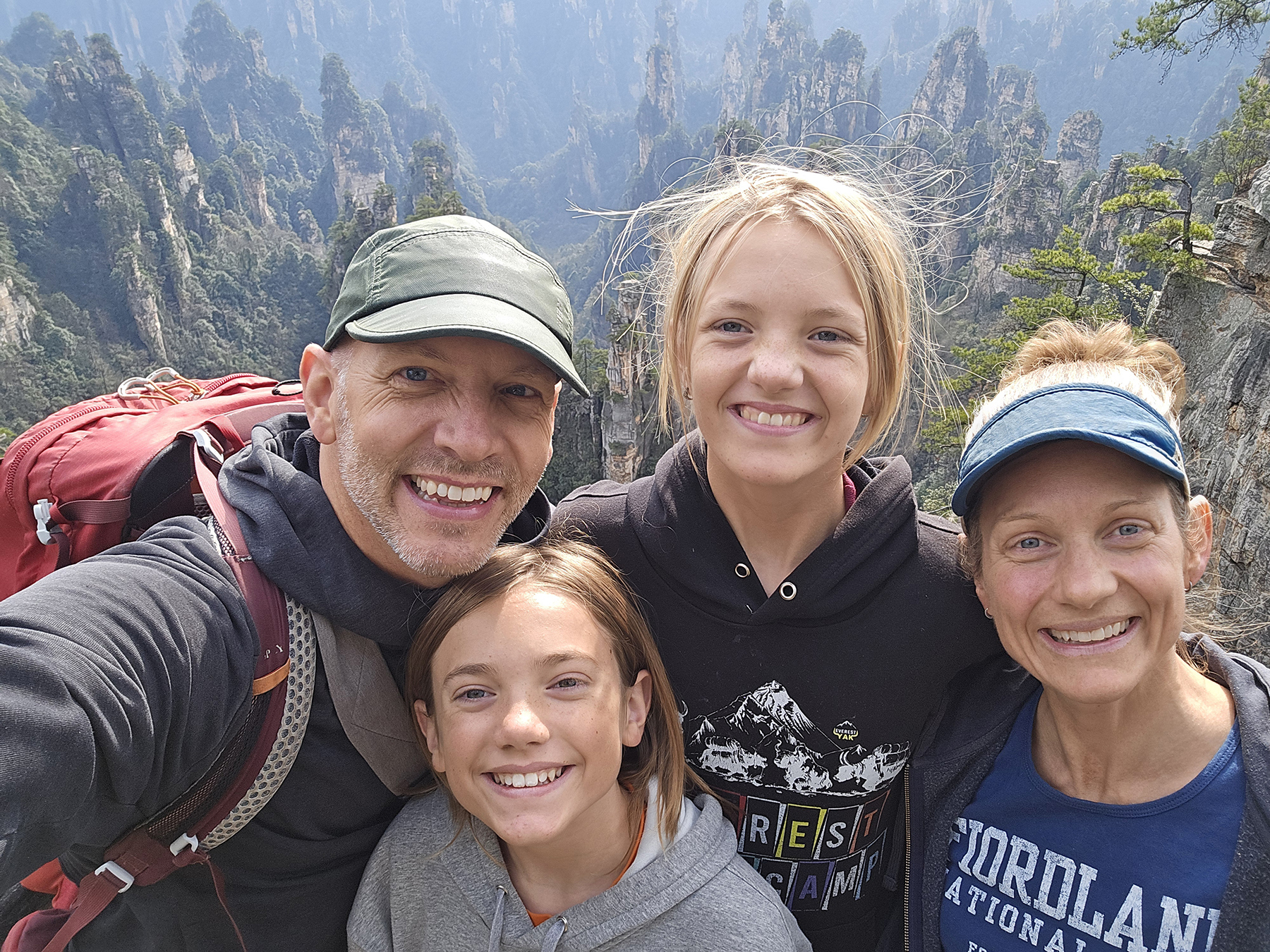
Within Zhangjiajie National Forest Park, we absolutely loved the spectacular Tianzi Mountain area, which we visited on several occasions. A sign near the summit suggests that one will “regret forever not to visit the scenic overlook,” which turns out to be good advice. The spot is ridiculously photogenic, and I took approximately three bazillion pictures. Sonya sometimes teases me that each time I upgrade to a new camera setup I decide we should revisit everywhere we have ever been to retake our favorite photos, which seems perfectly reasonable to me! We also enjoyed a long day of hiking in Huangshi Village, along the Golden Whip Stream, and across the high route around Yuanjiajie, site of the stunning South Sky Pillar.



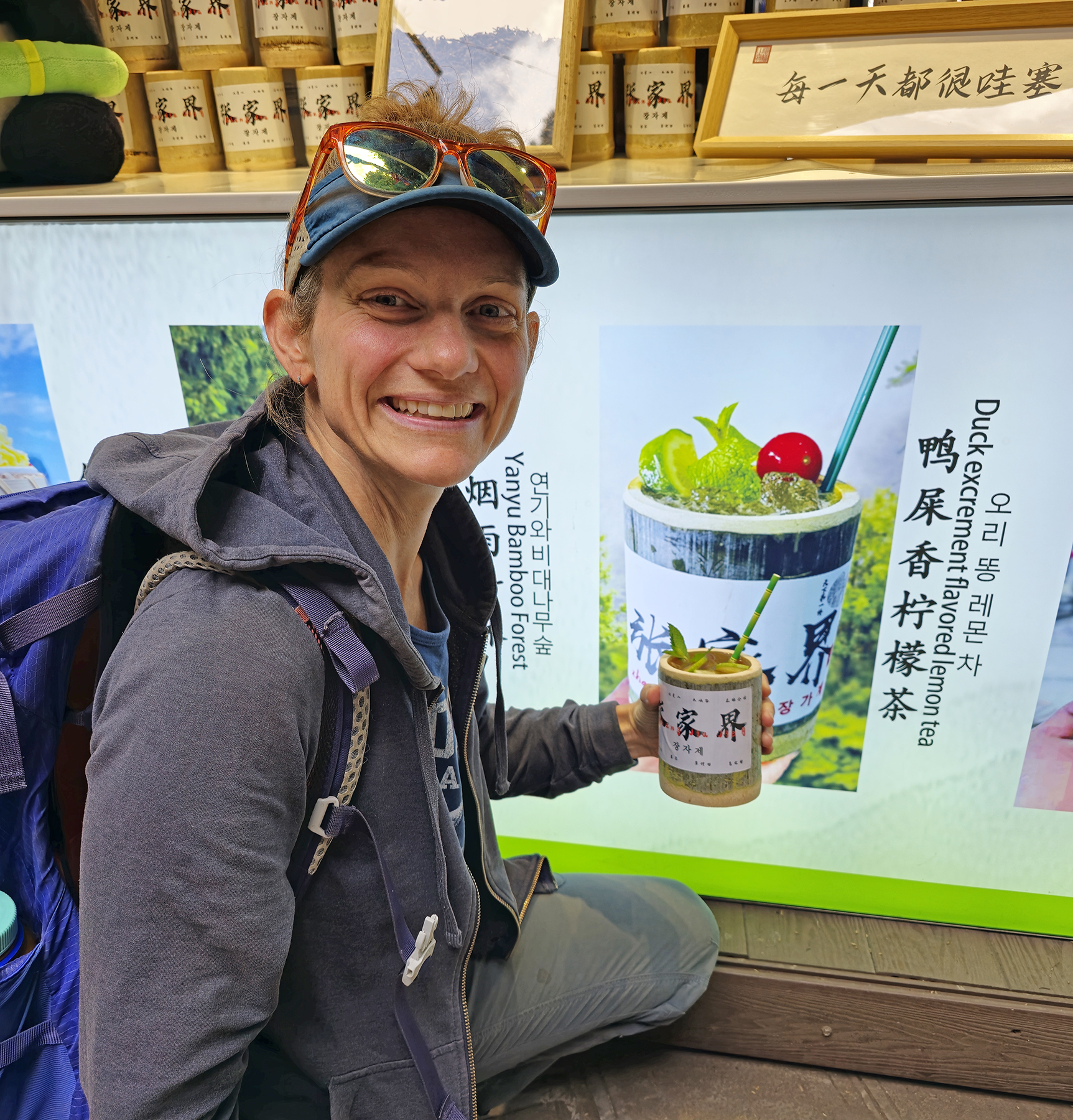
While in the forest park, we were amused to come across a curious stand advertising a beverage we were unfamiliar with labeled as “duck excrement tea.” We were unaware of this particular flavor, assuming that it must be some hilarious translation error, but further research confirmed that the name was quite intentional! The rumor suggests that a farmer discovered a grove of tea bushes that yielded a particularly high quality oolong tea, and he became nervous that someone else might learn of his secret. To protect his discovery, he named the tea “duck poop tea,” and told anyone who asked that the secret ingredient responsible for the amazing flavor was in fact … duck poop. Once we confirmed that the tea in fact contained no actual duck excrement we immediately ordered one. It was not bad … but not our favorite either!




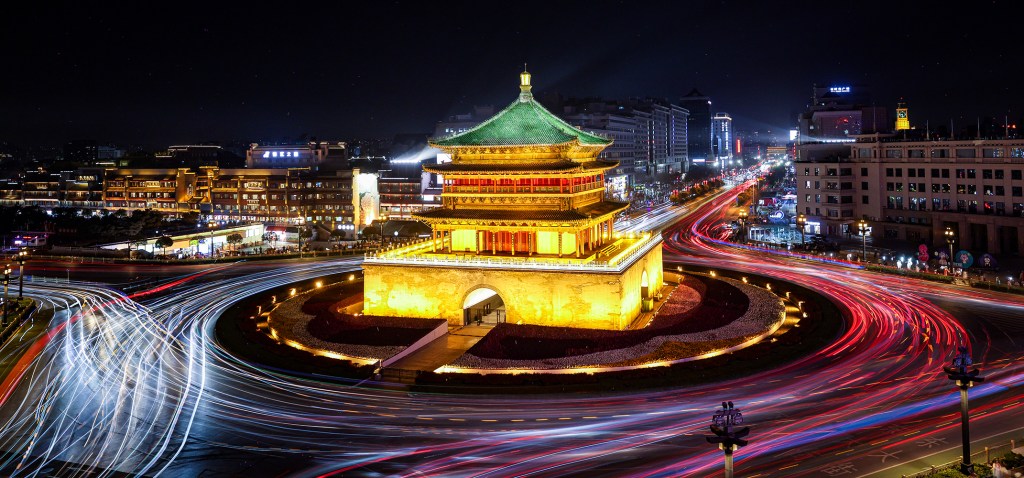
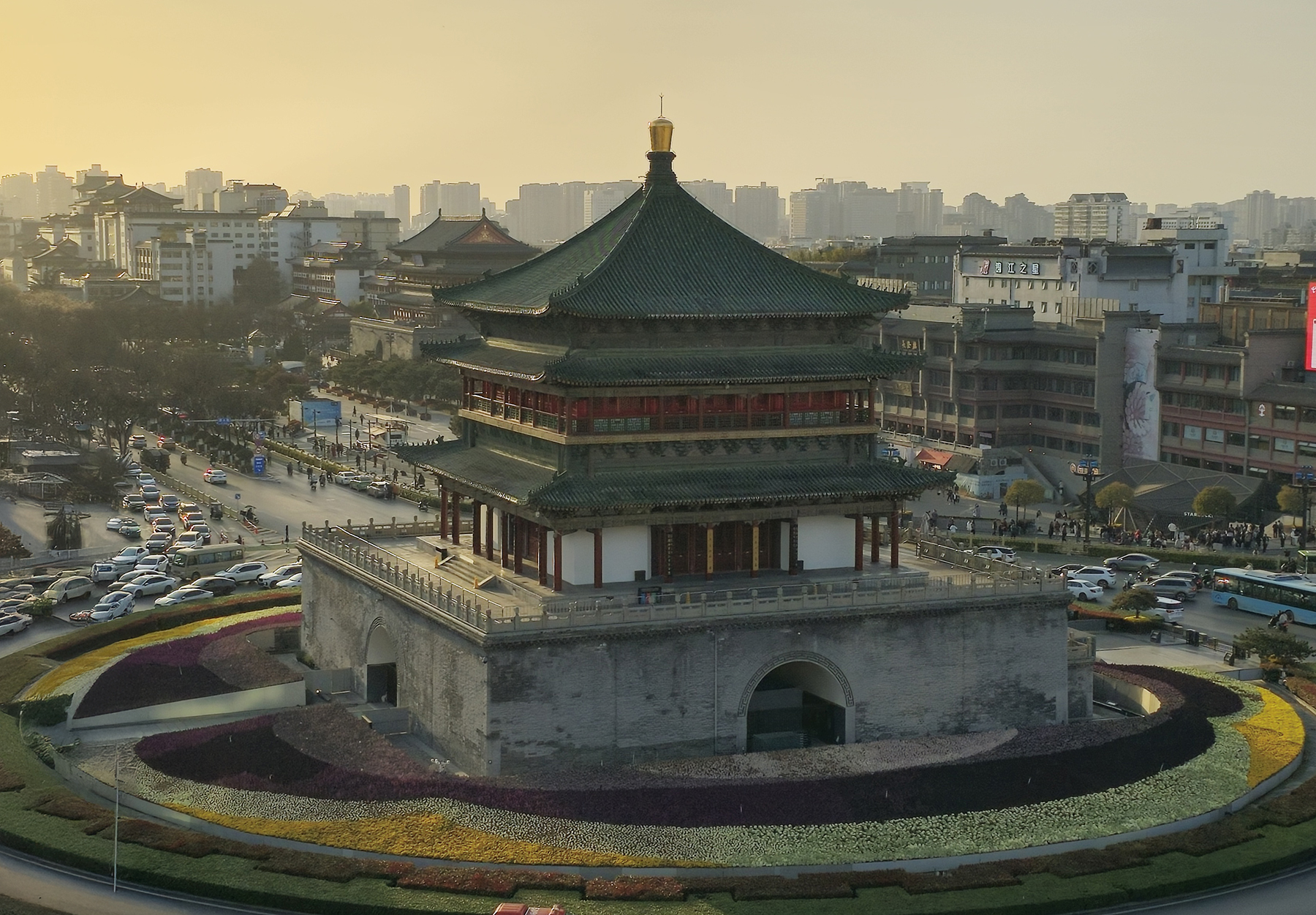
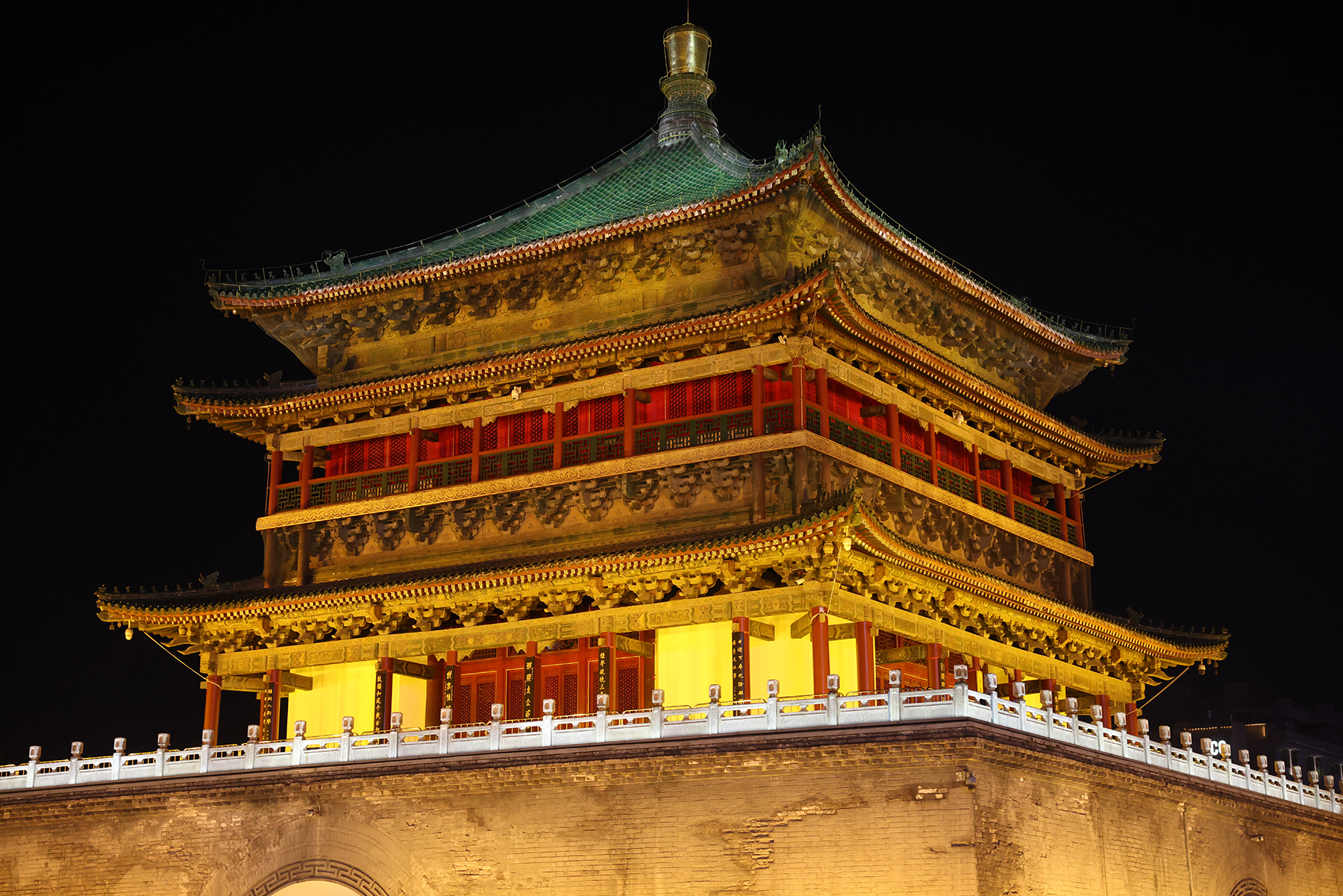
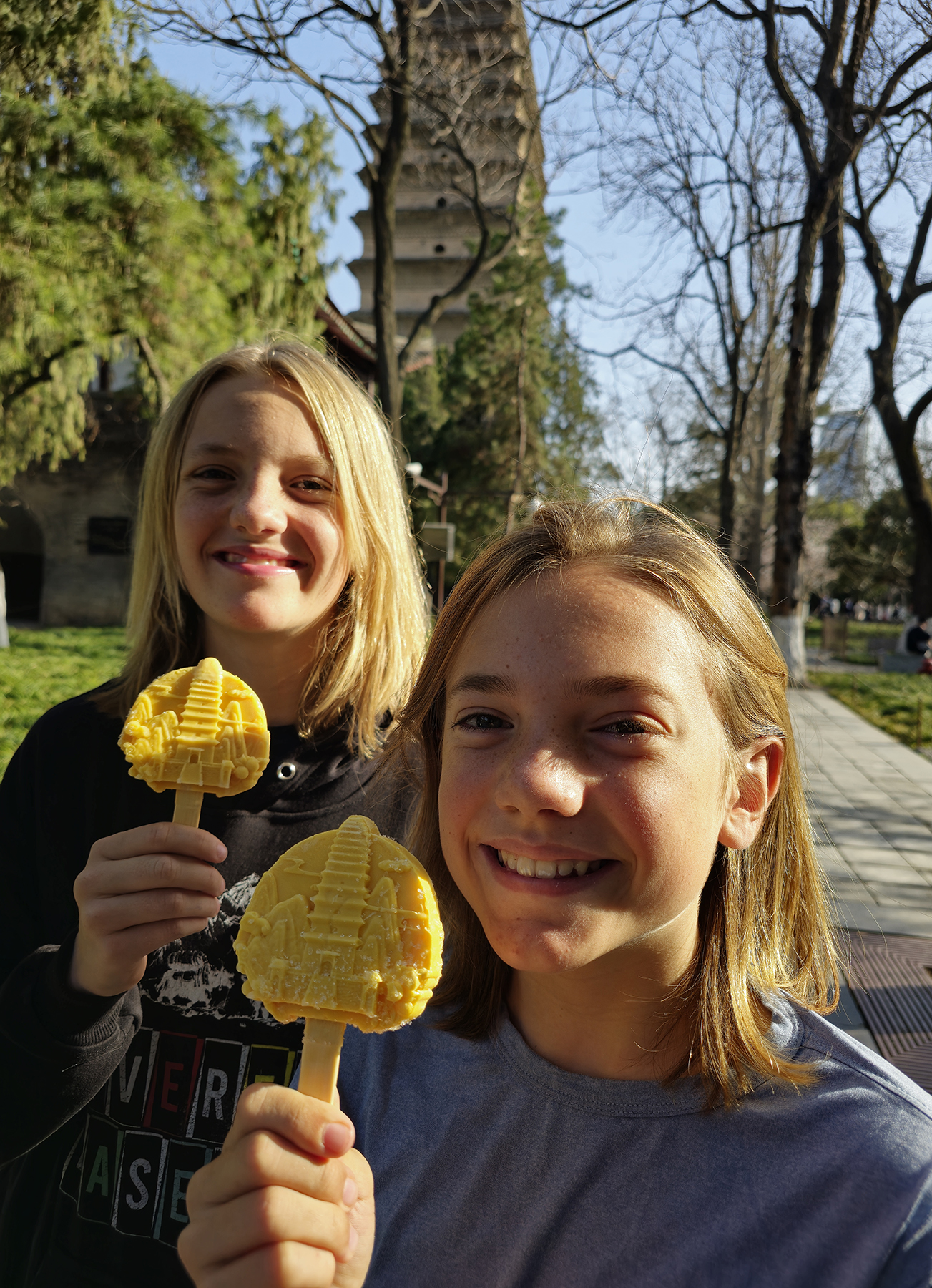
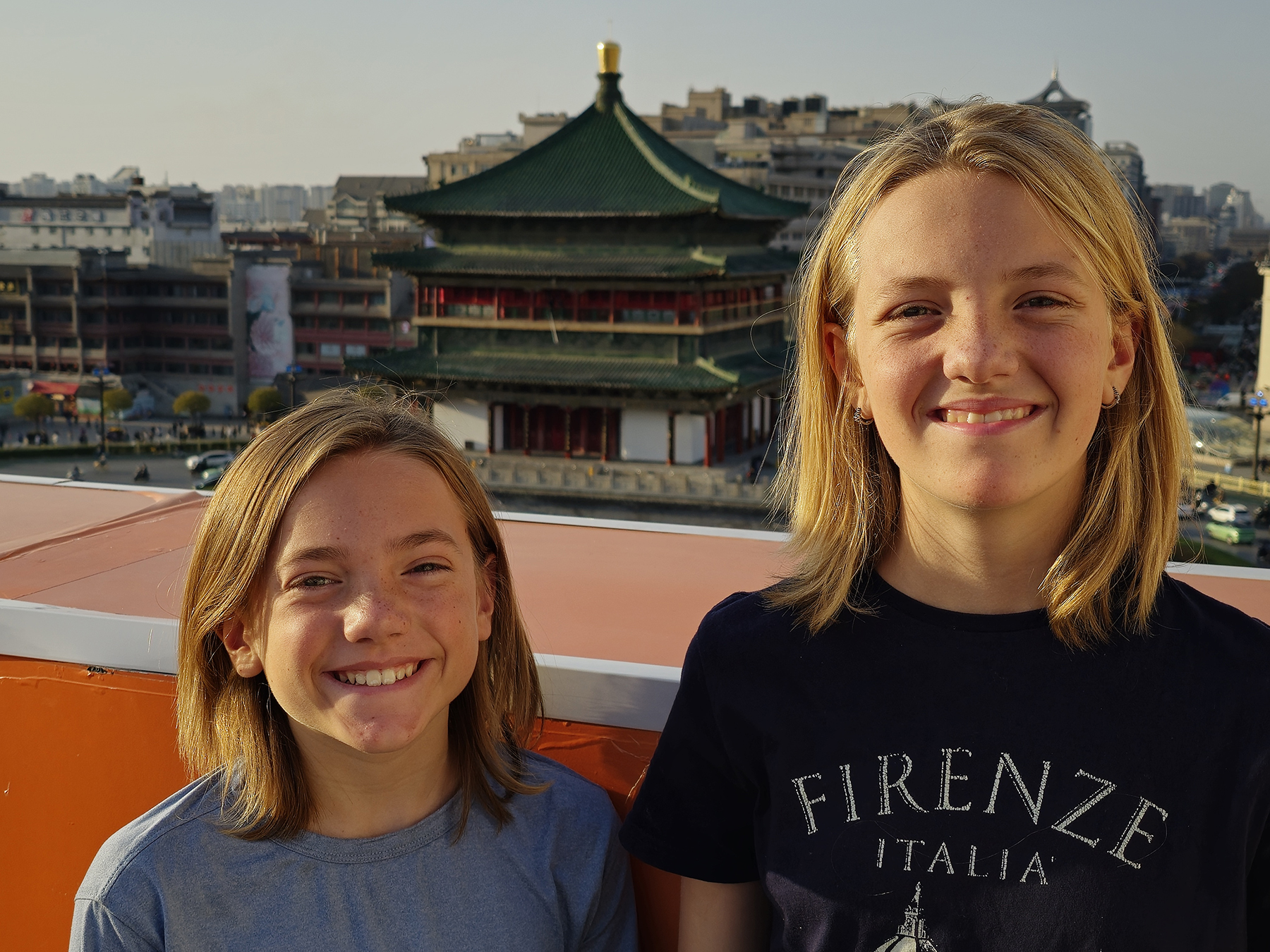
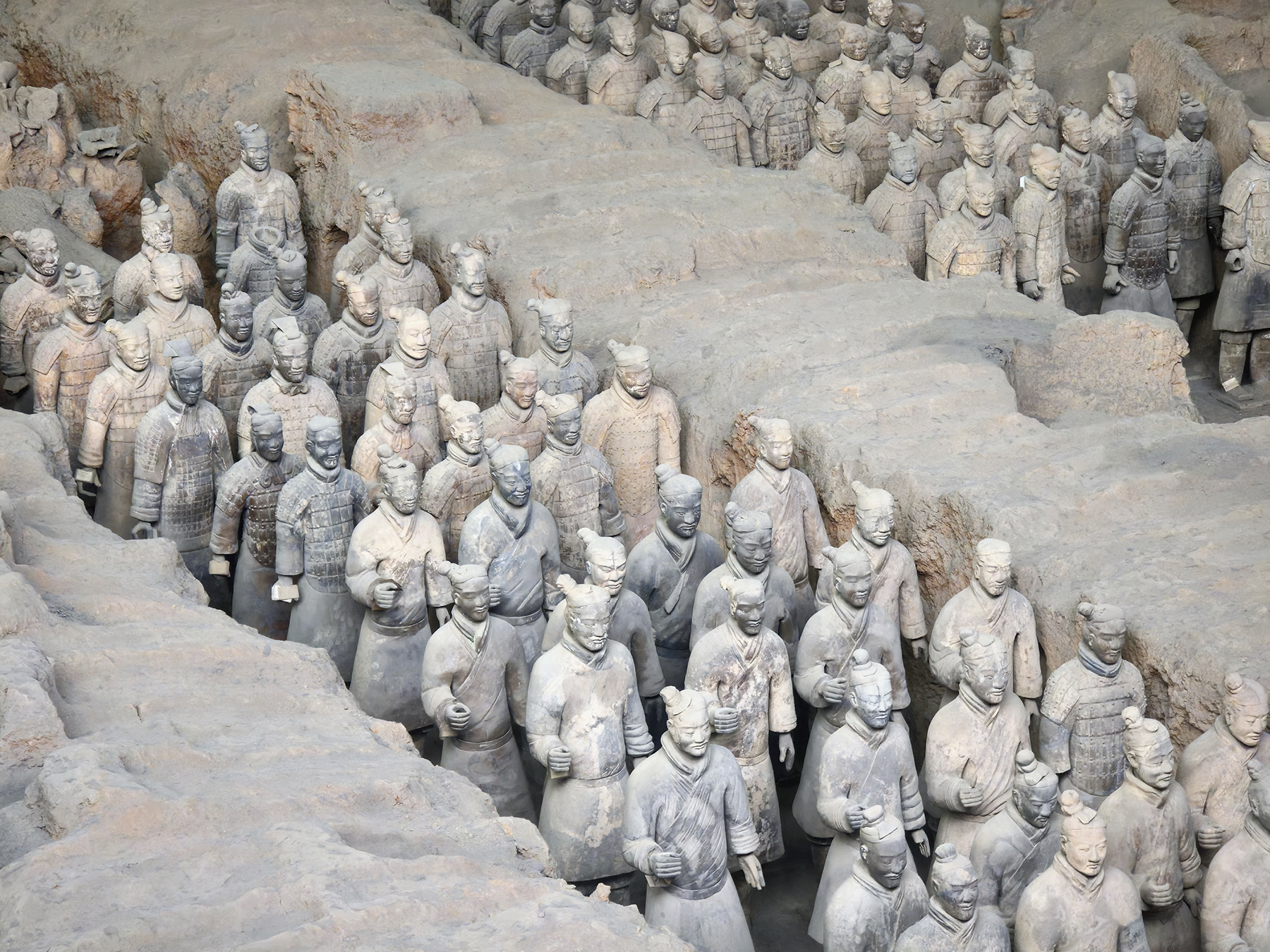
Departing from Zhangjiajie, we took a cheap flight to Xi’an with the goal of viewing the spectacular archaeological site of the Terracotta Army. We were excited to learn that in addition to hosting the thousands of buried warrior statues, Xi’an was also the location of the easternmost starting point of the Silk Road beginning in the second century BCE. Highlights of our time in the city included our visit to the Giant Wild Goose Pagoda and the Bell Tower of Xi’an, site of an ancient crossroads and a beautifully preserved Ming dynasty architectural treasure. Seeing the bell tower lit up at night, contrasting with the lights and highways of modern Xi’an in the surroundings, was a treat. We also had a chance to attend a play depicting a traditional story of travel on the Silk Road called the Legend of the Camel Bell. The set design featured an impressive rotating theatre and some amazing visuals, though the story felt a bit flimsy (and featured more volcanoes than we remember being located along the Silk Road).

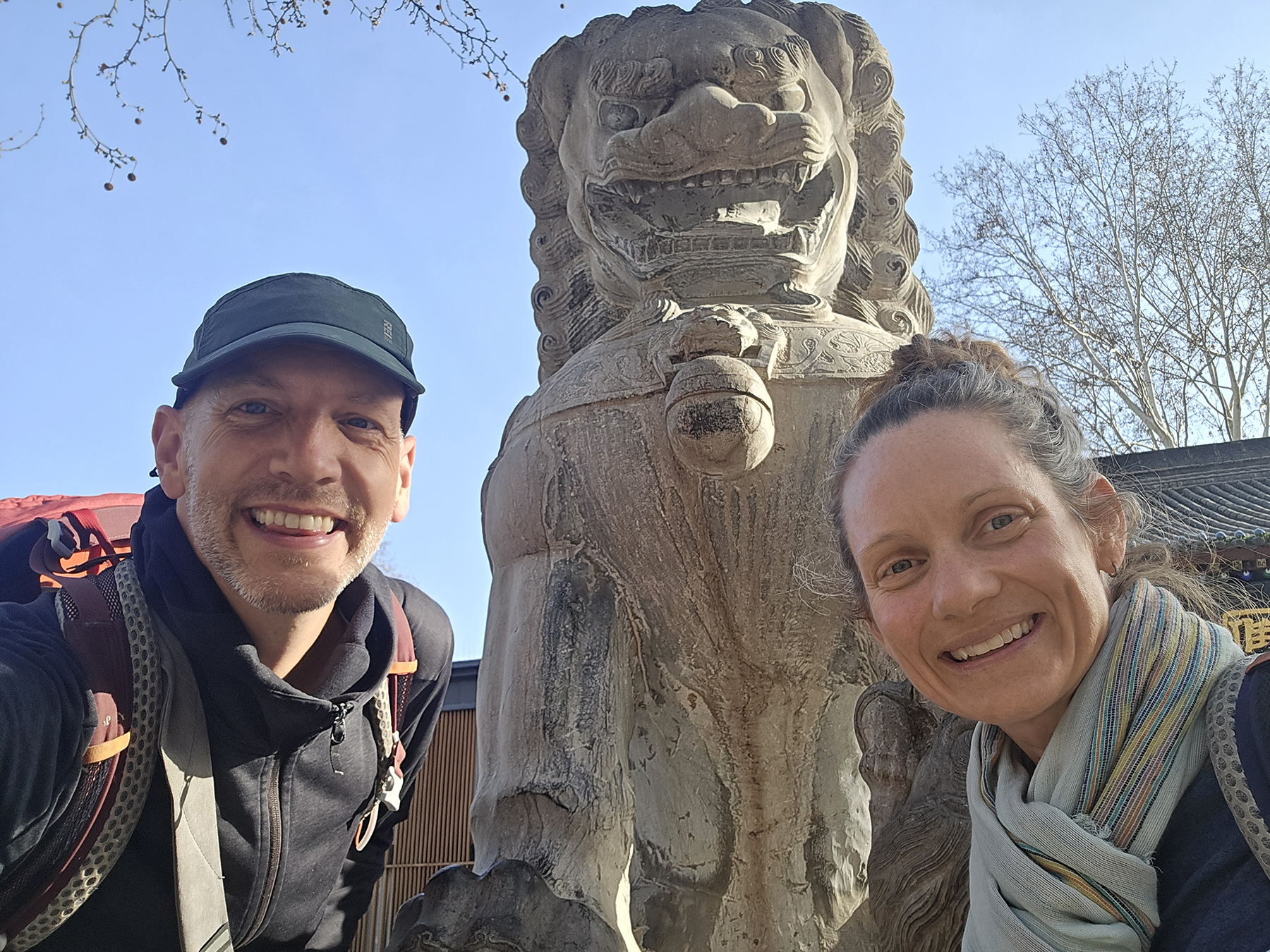


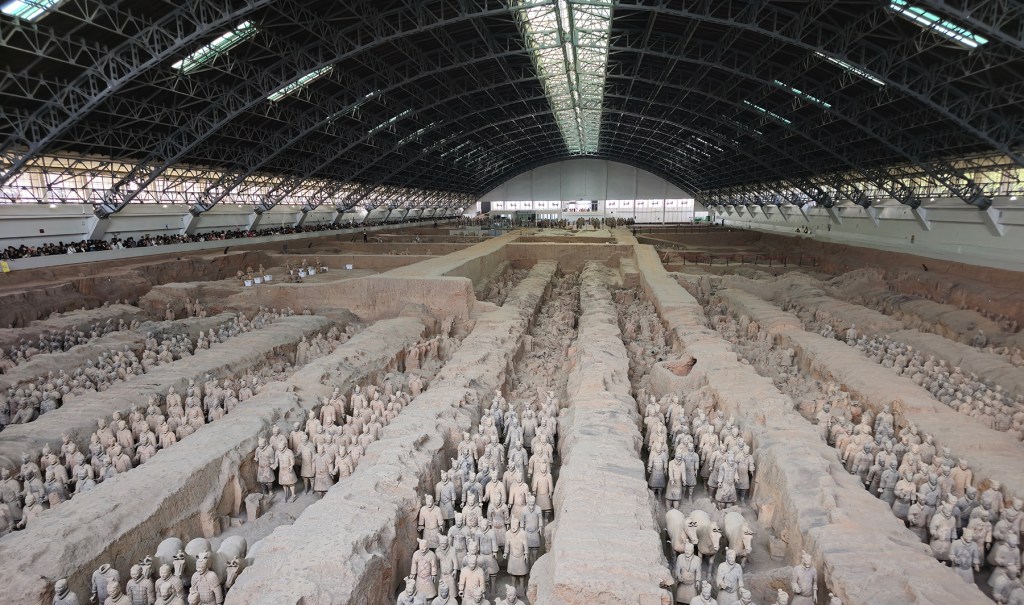
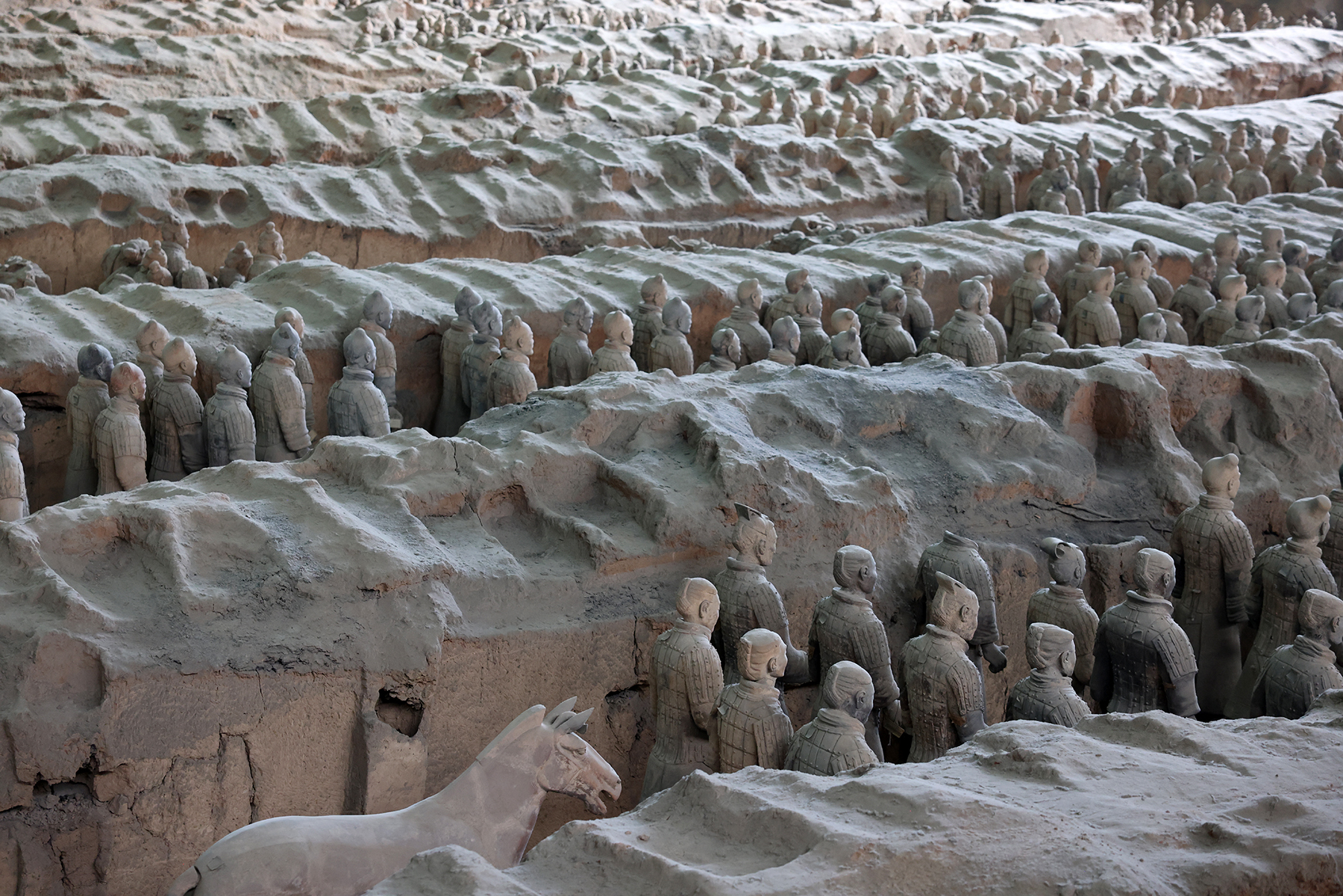
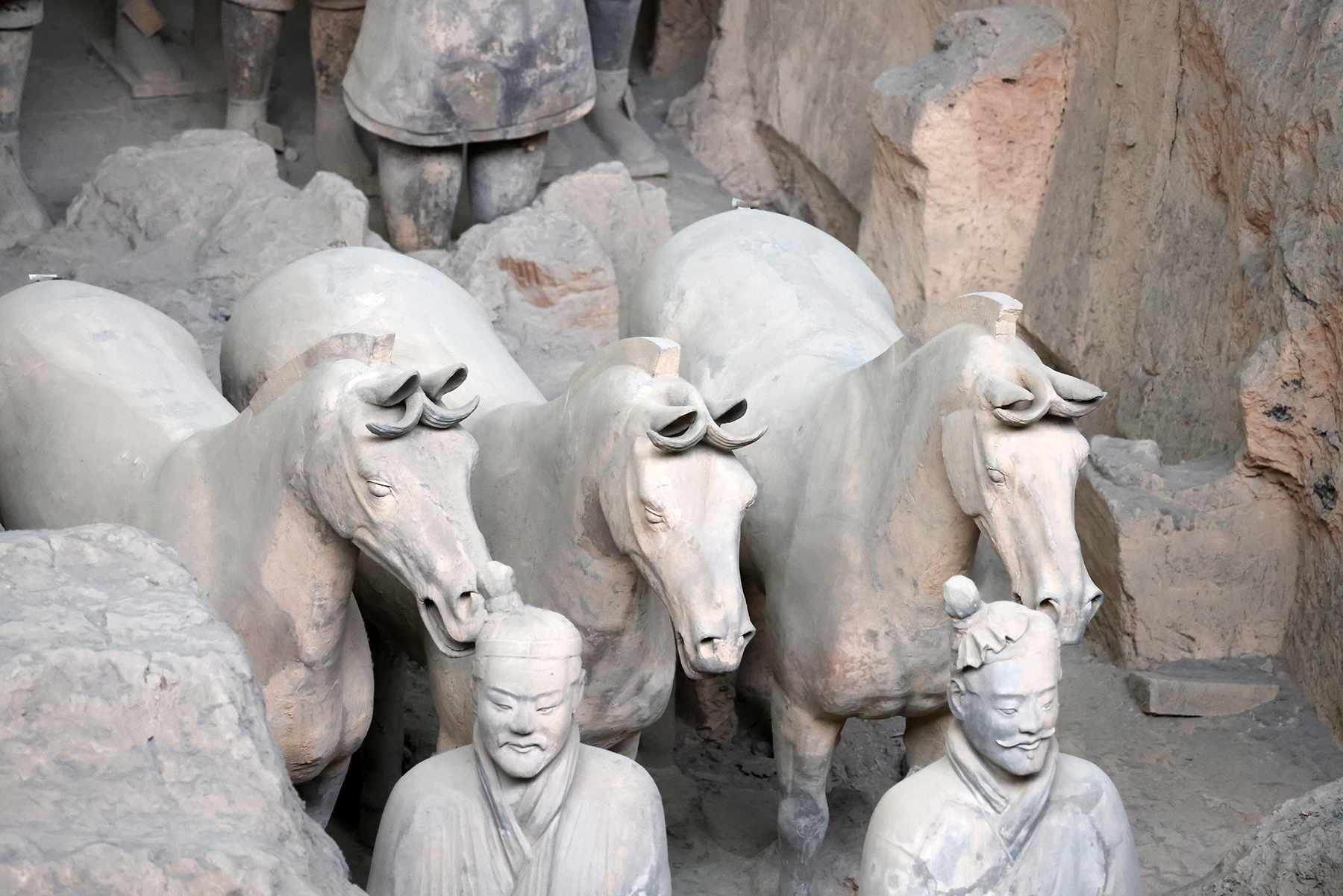
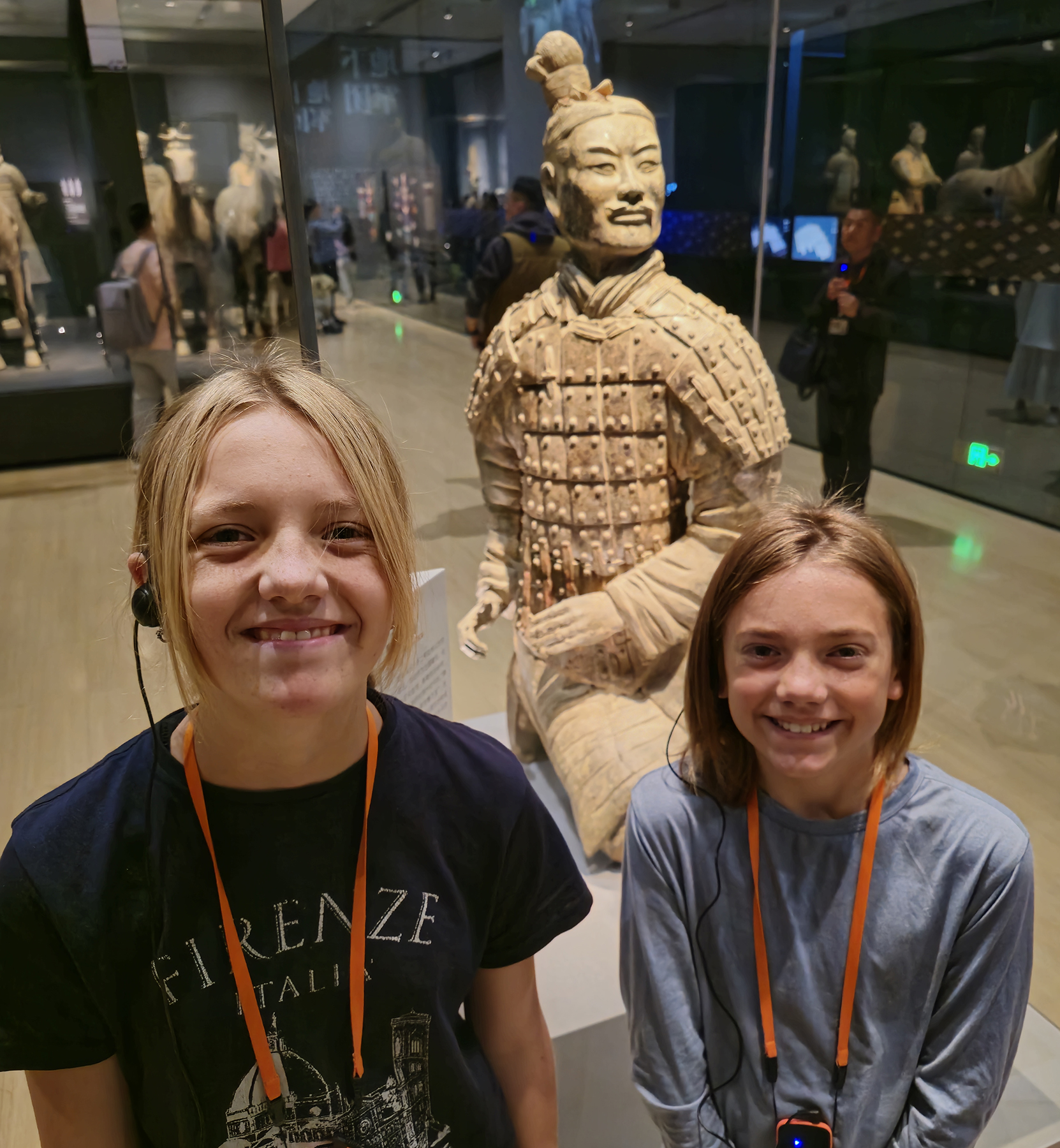
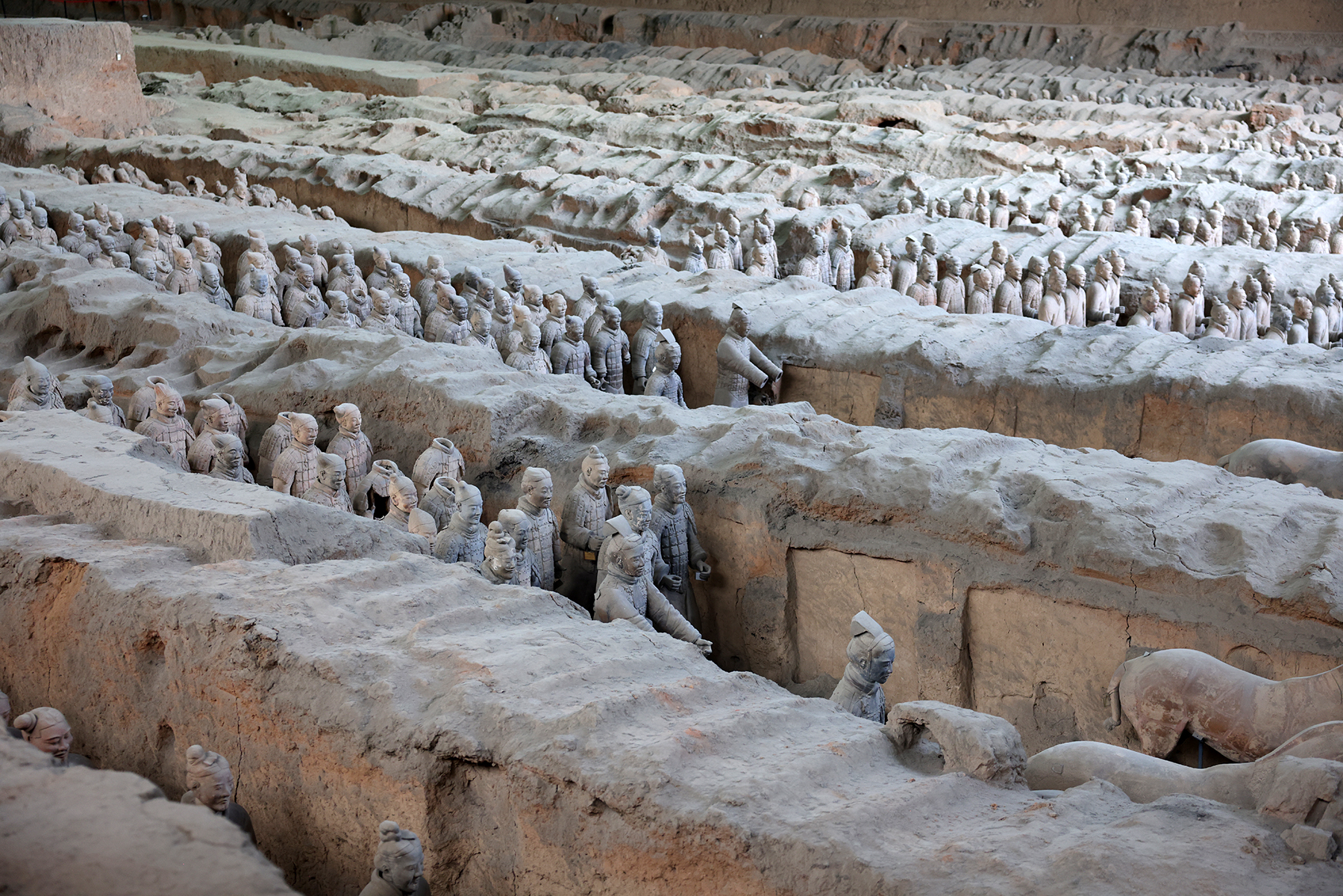
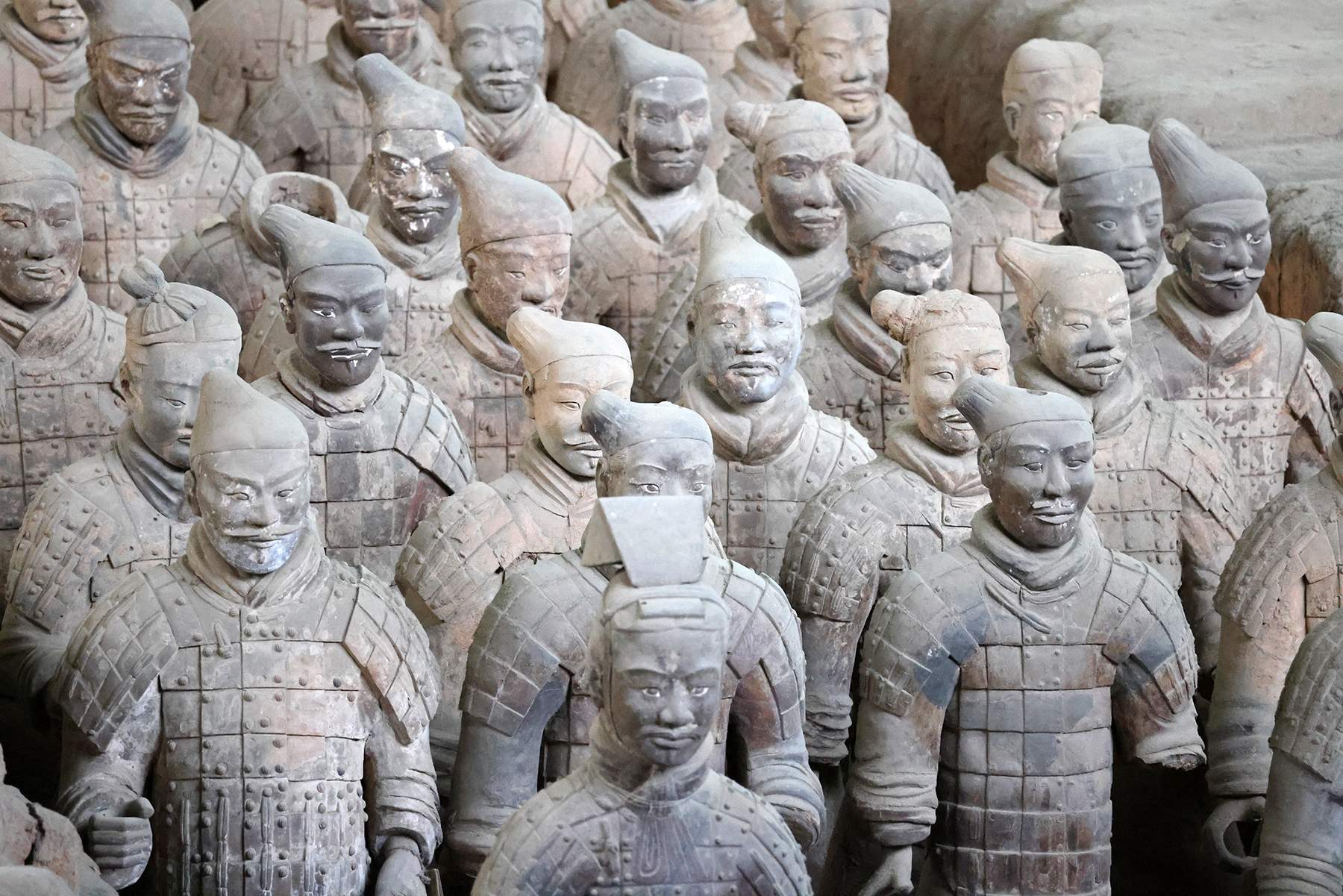
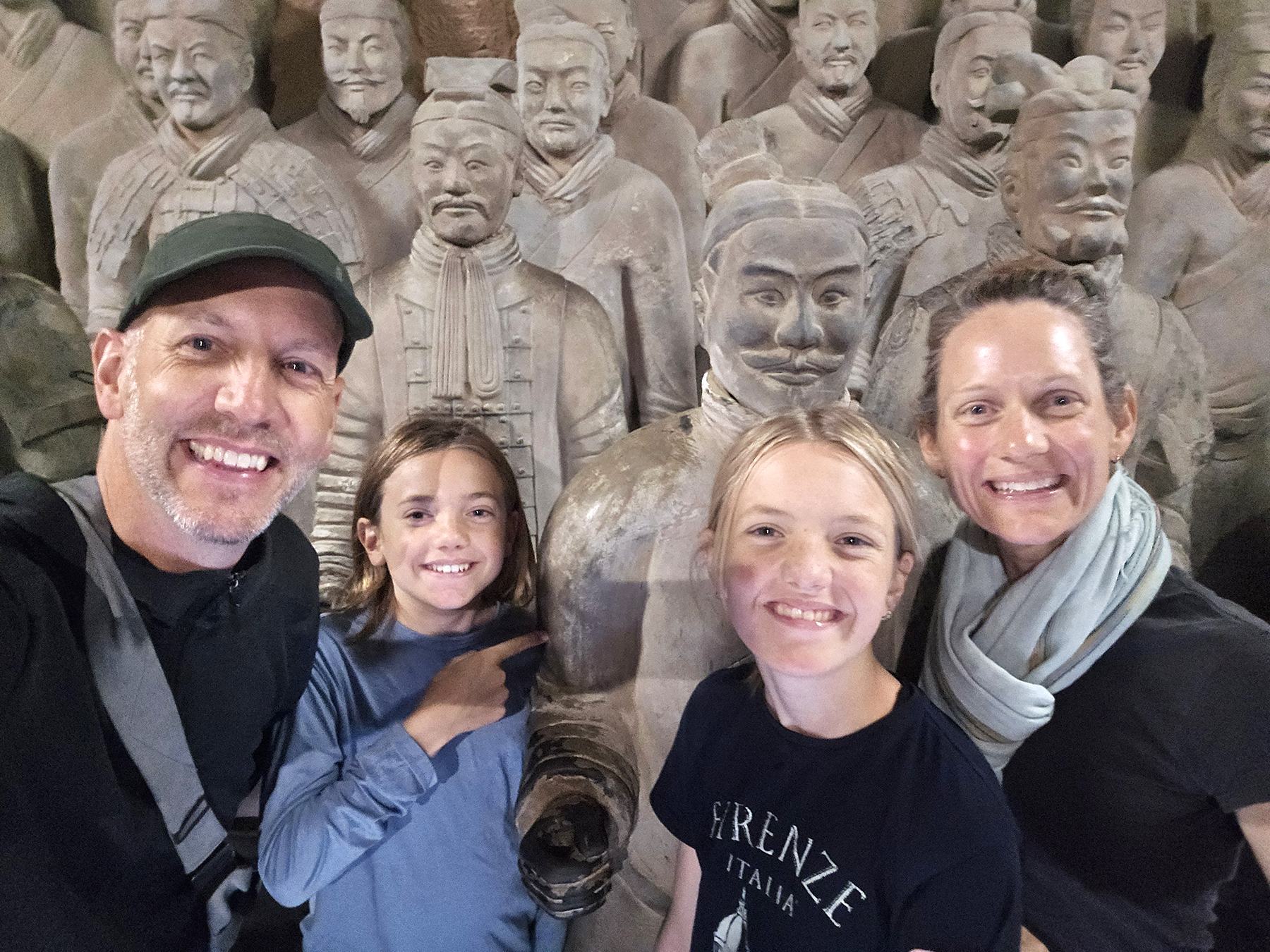
Our day exploring the museums and dig pits of the Terracotta Army exceeded our high expectations. The scale of the dig site was startlingly large, and it was staggering to consider the amount of work and human life that went into construction of the mausoleum for the first Qin emperor, Qin Shi Huang. The site of the excavation is still very much a work in progress, and it was neat to see the various states of reconstruction of the figures found in the excavated pits. The site was incredibly crowded with domestic tourists, but still accessible and truly unique.





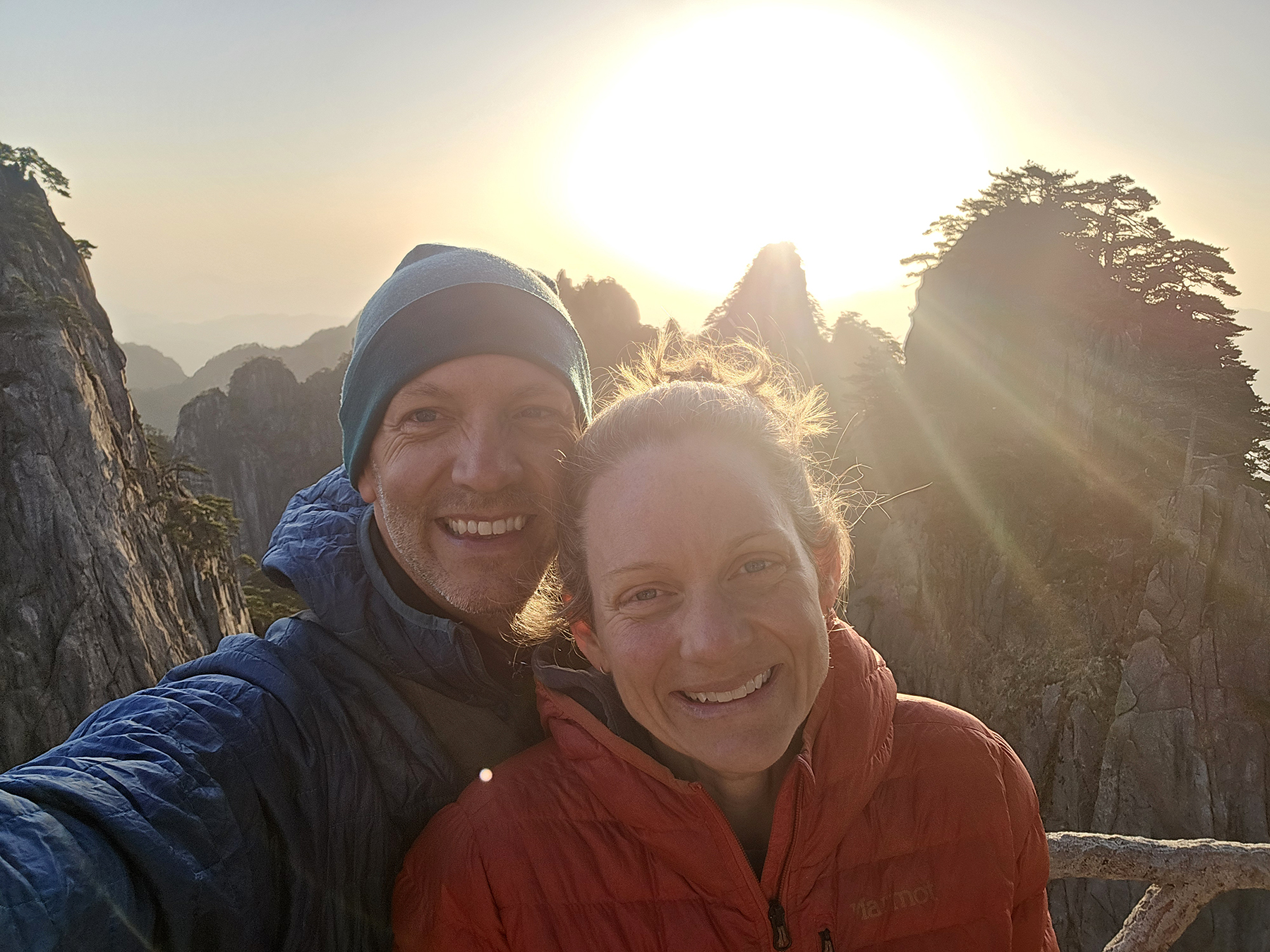
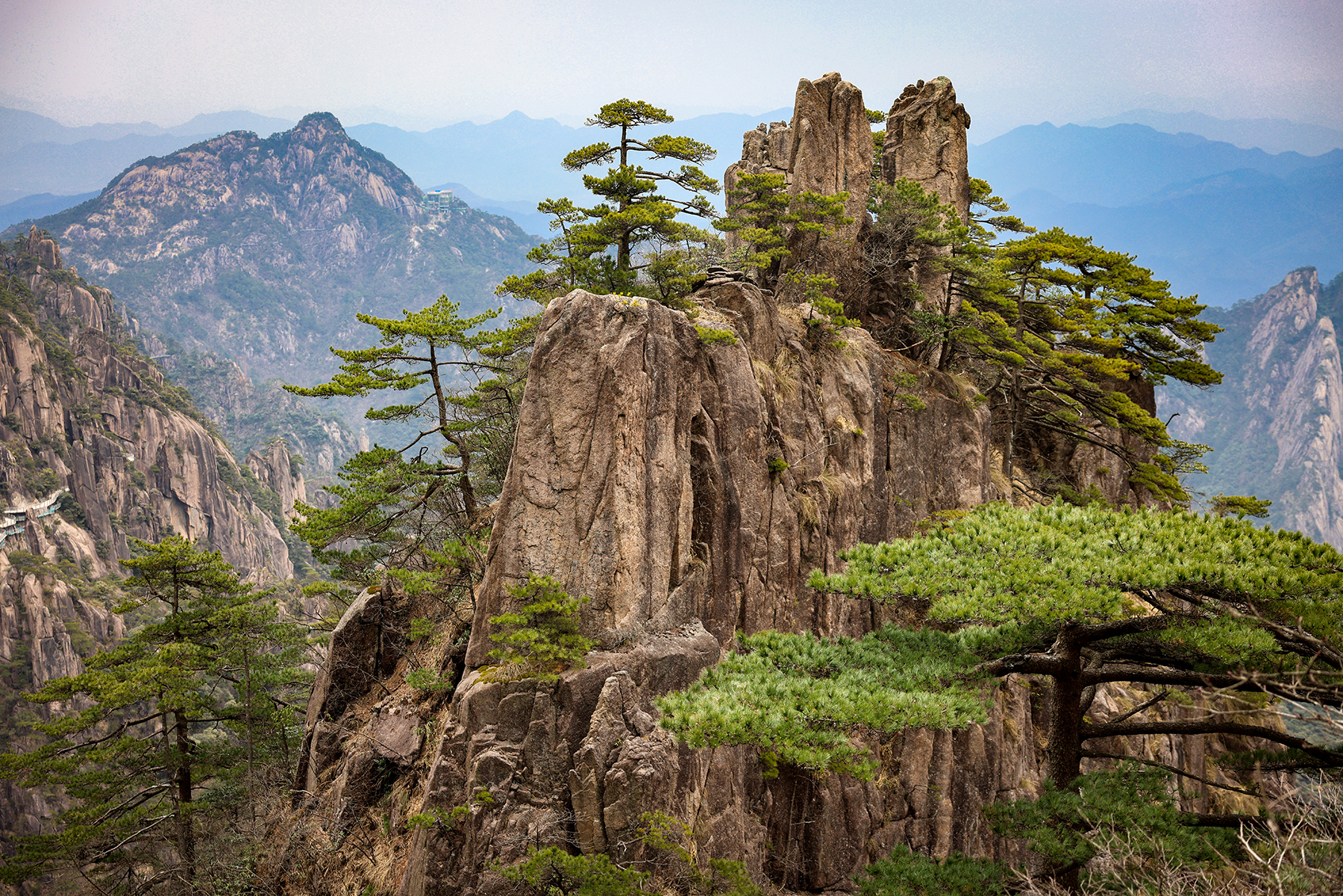
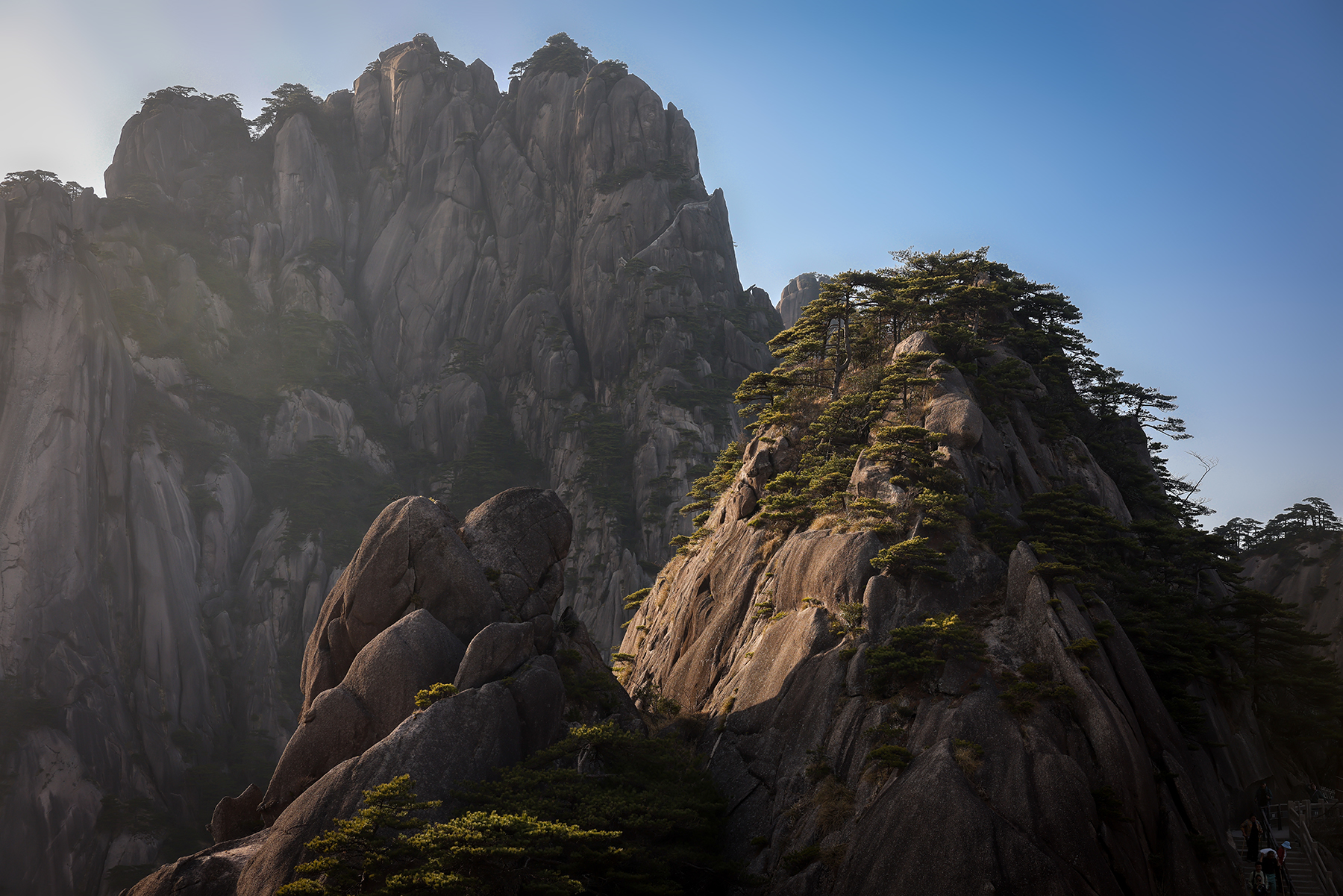
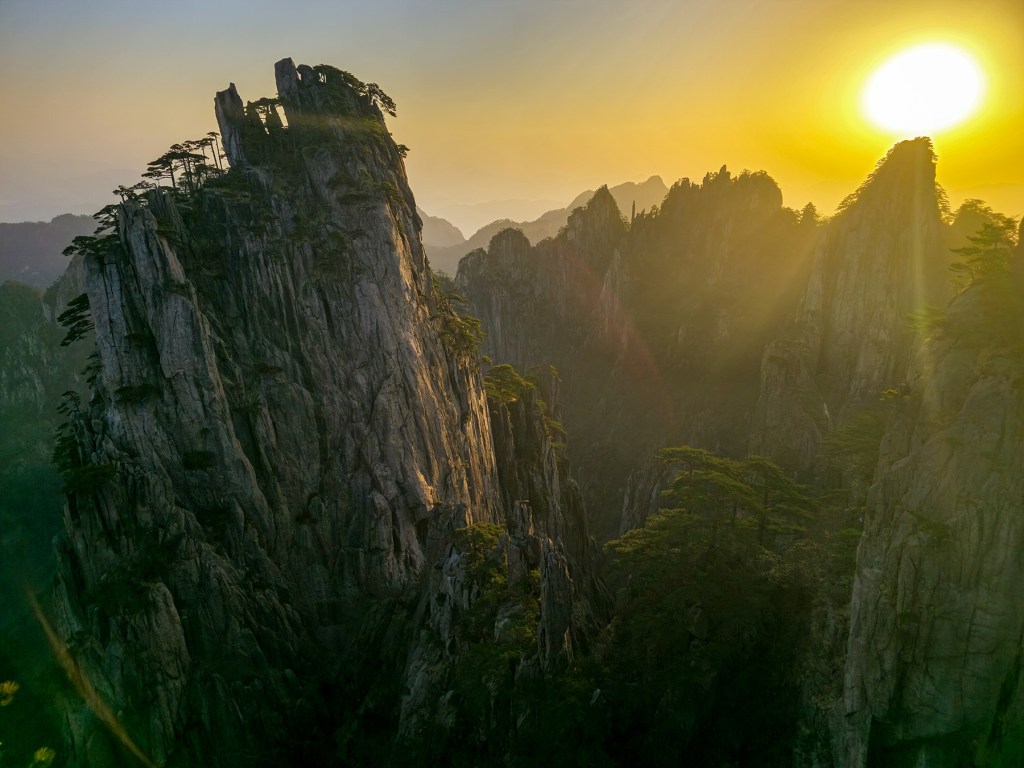
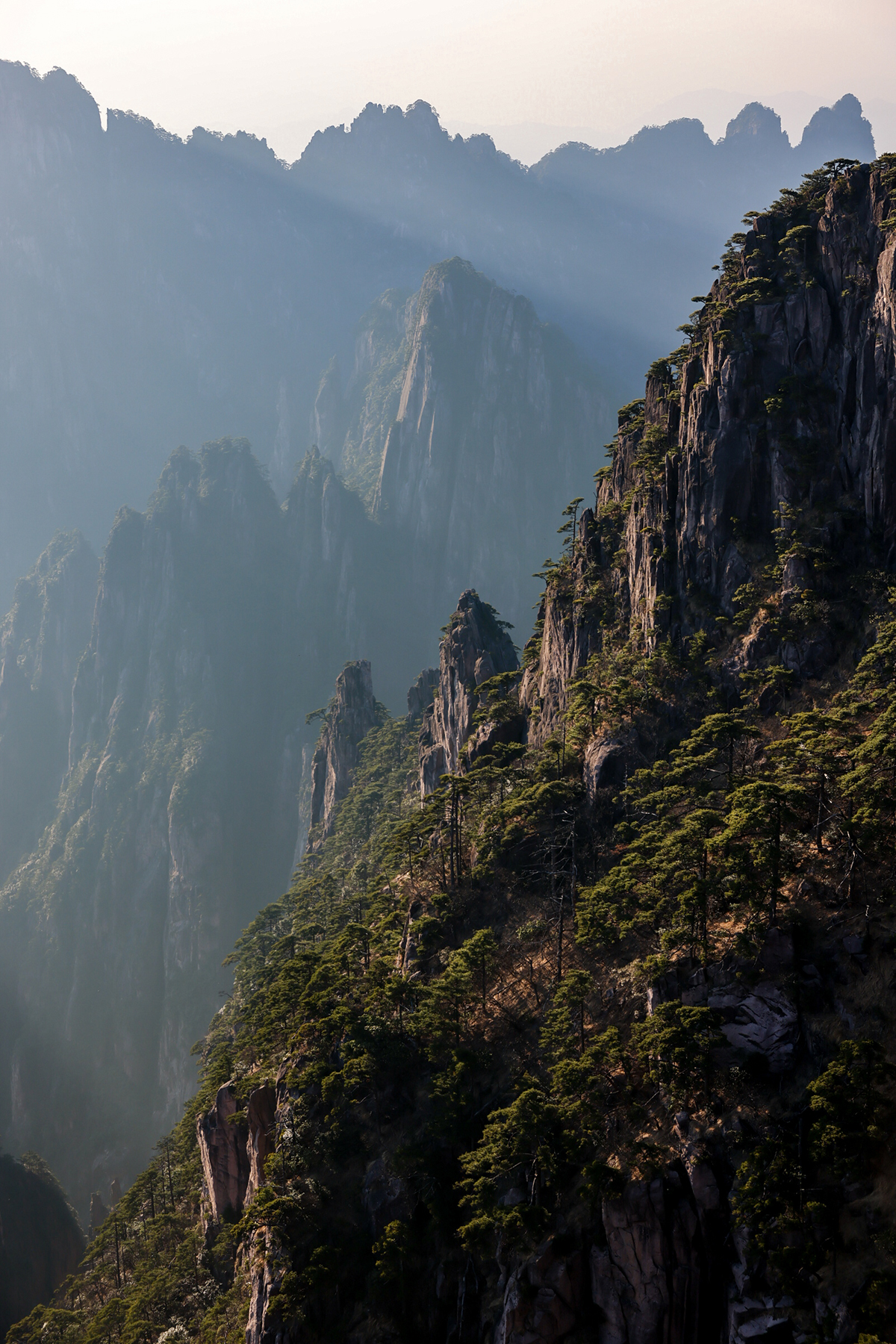
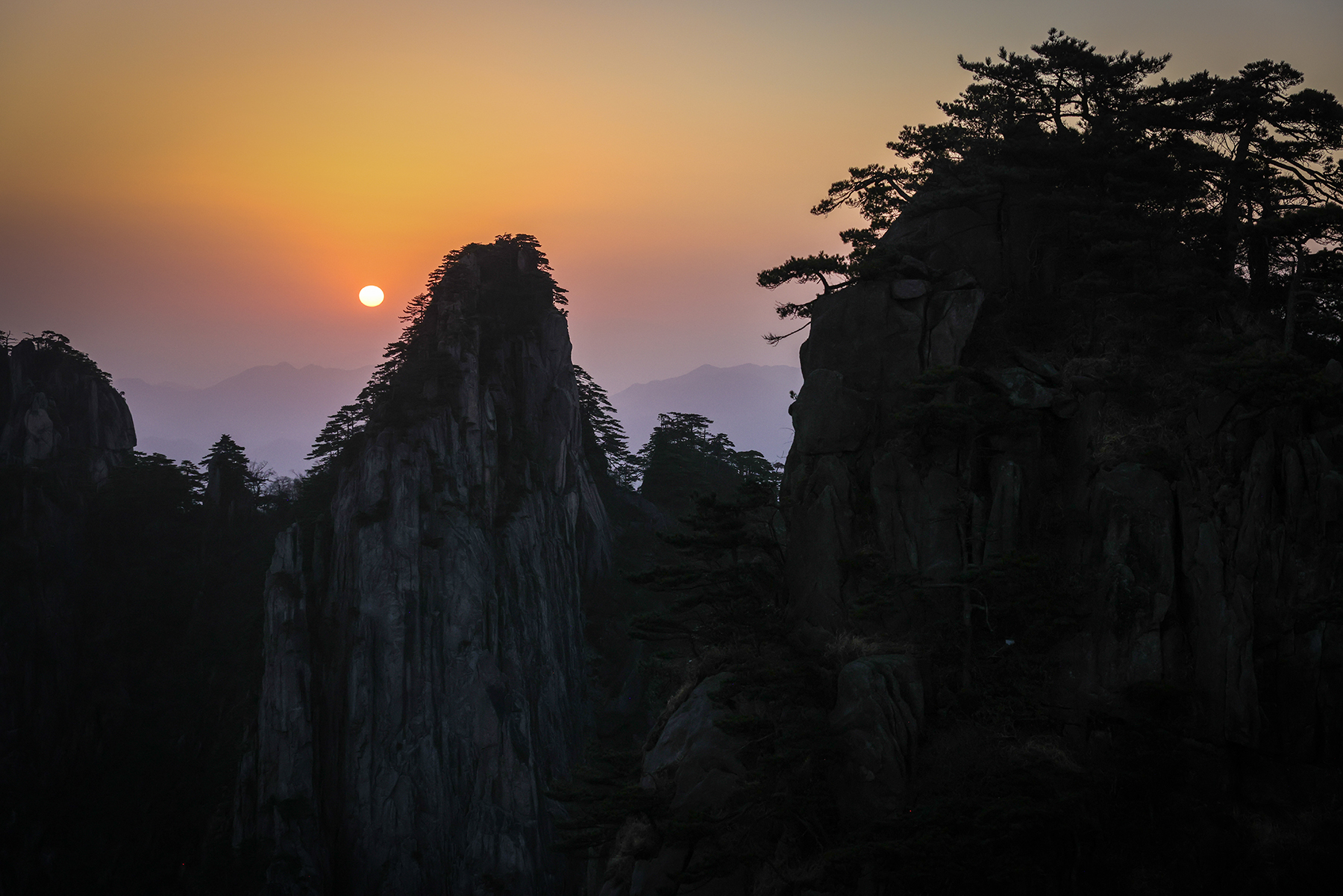
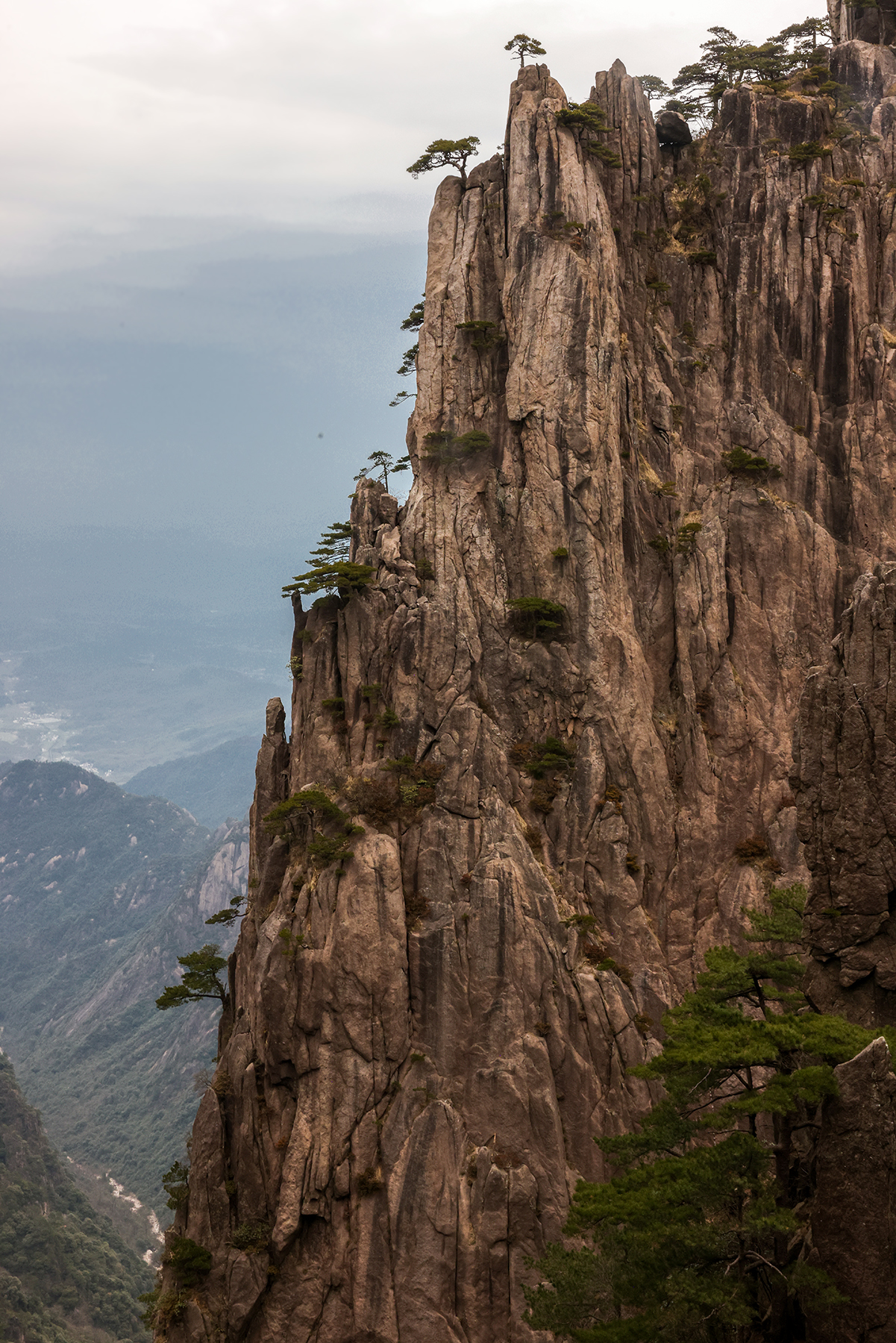
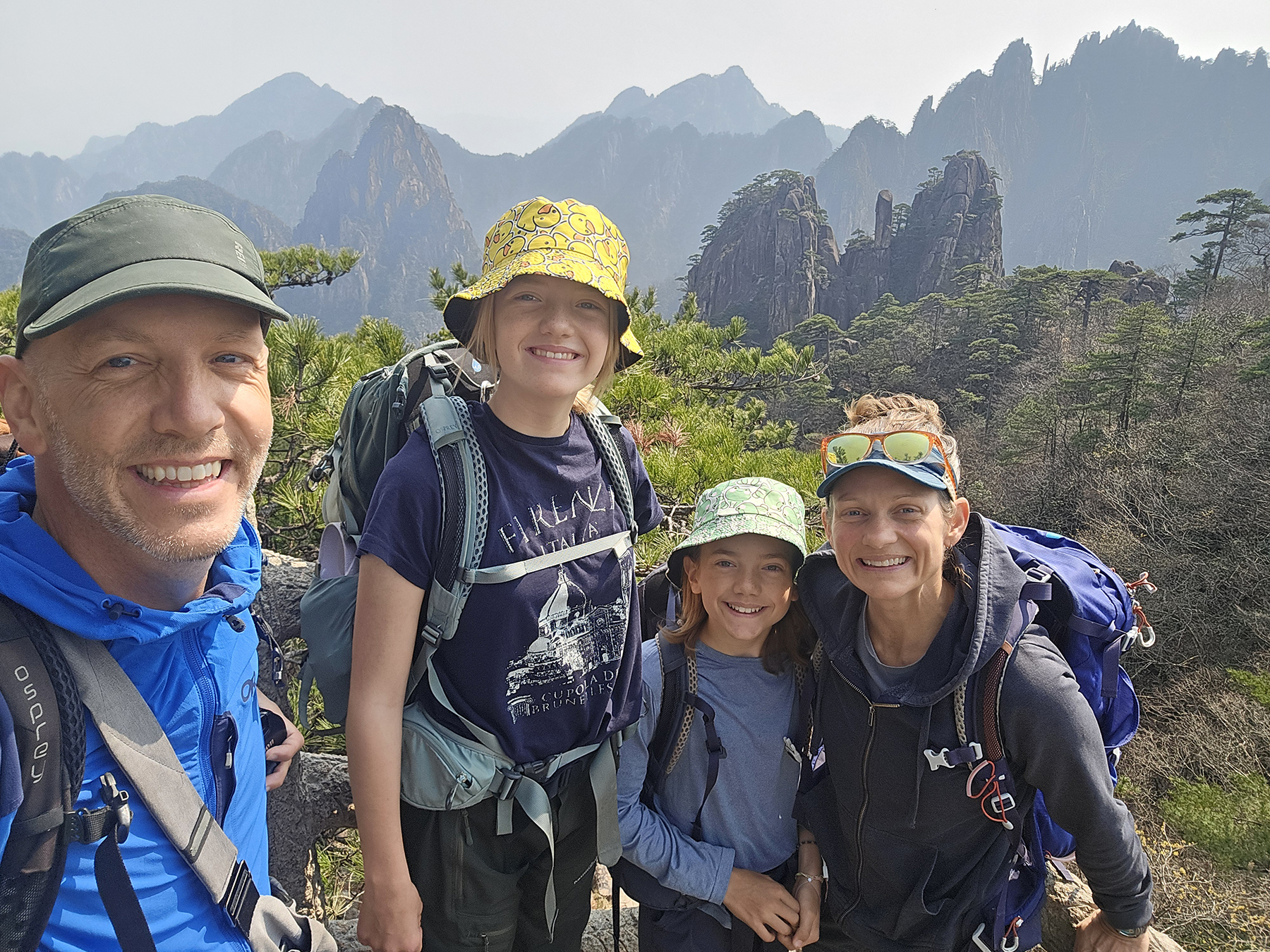
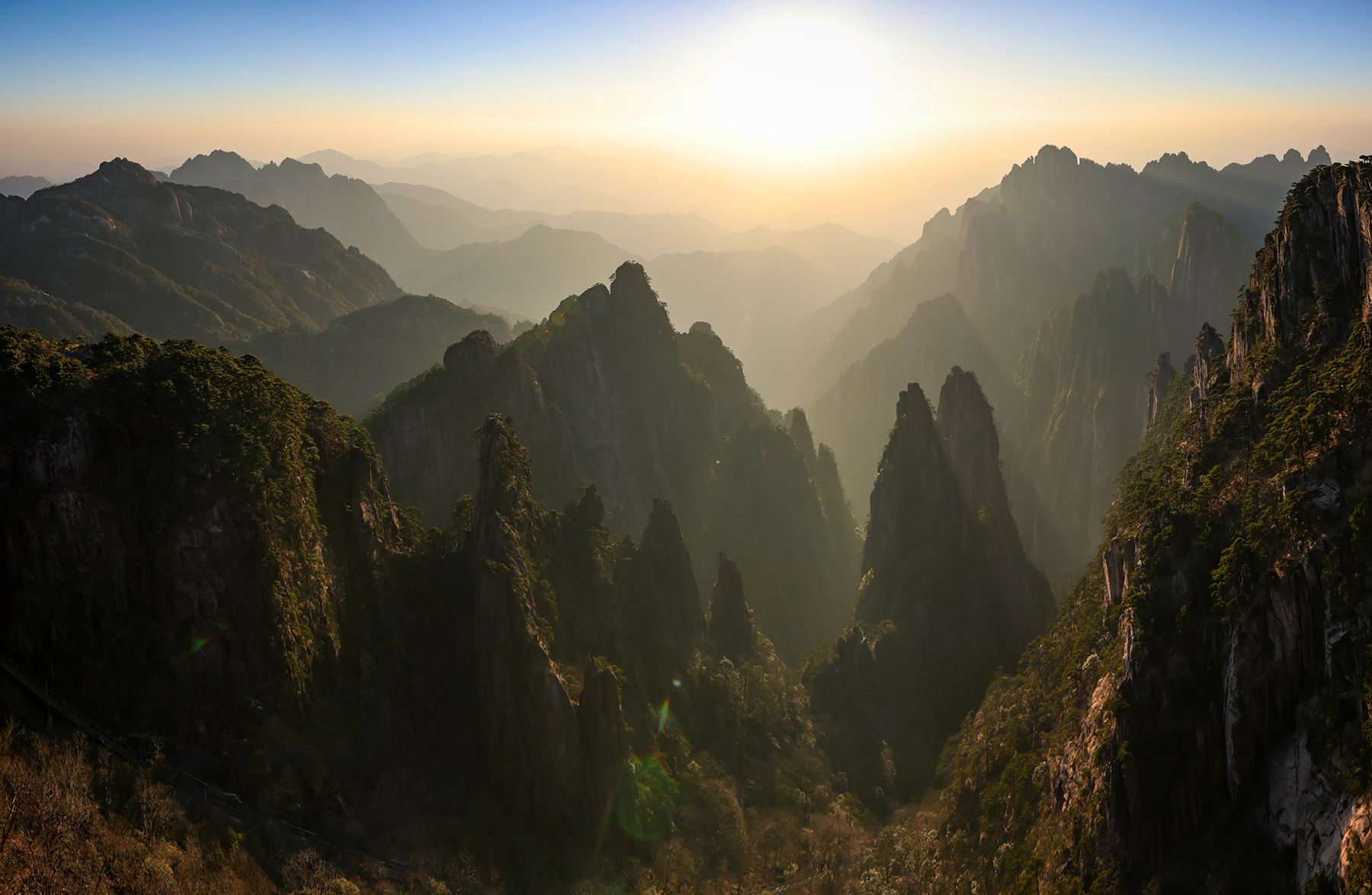
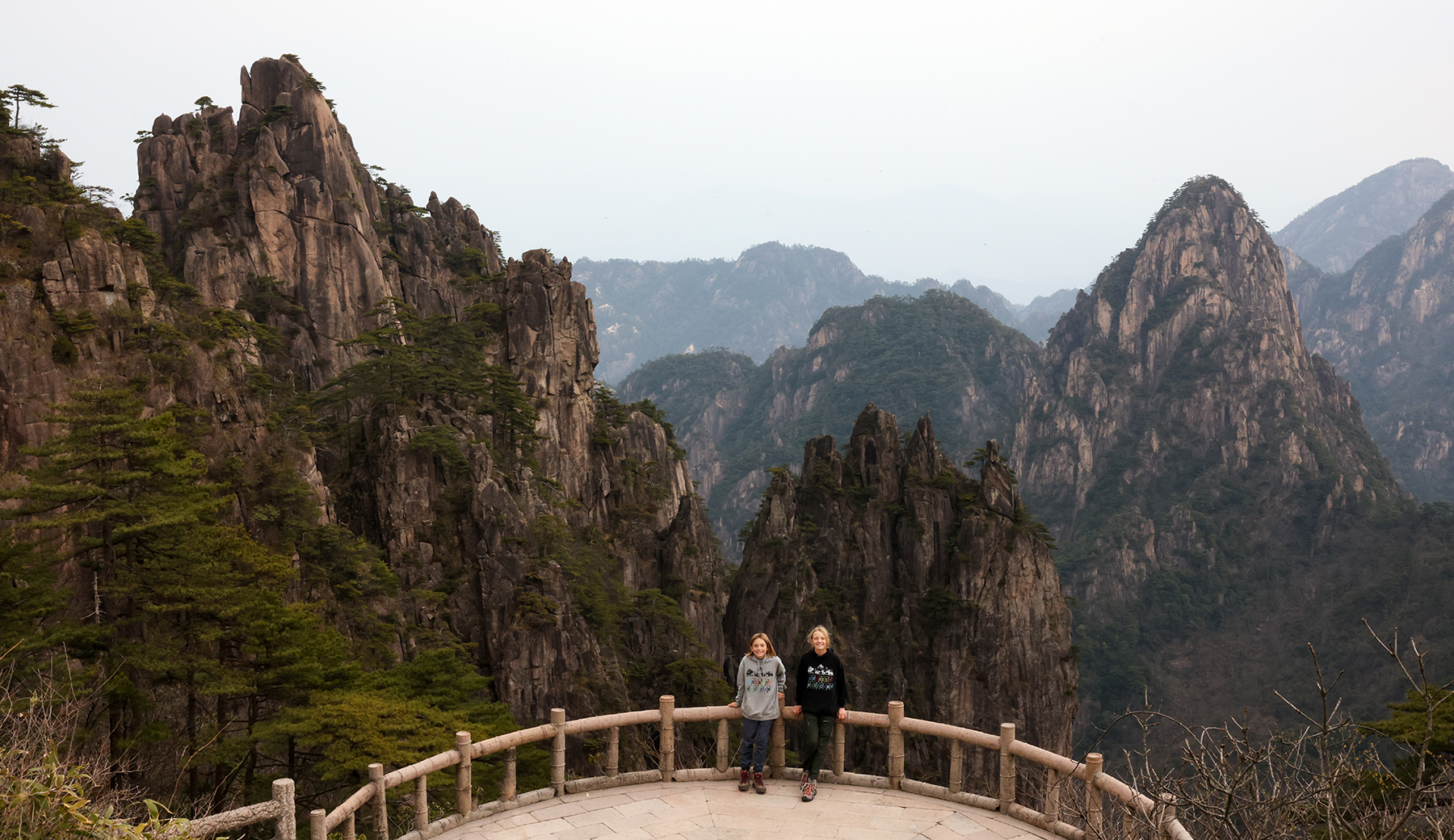
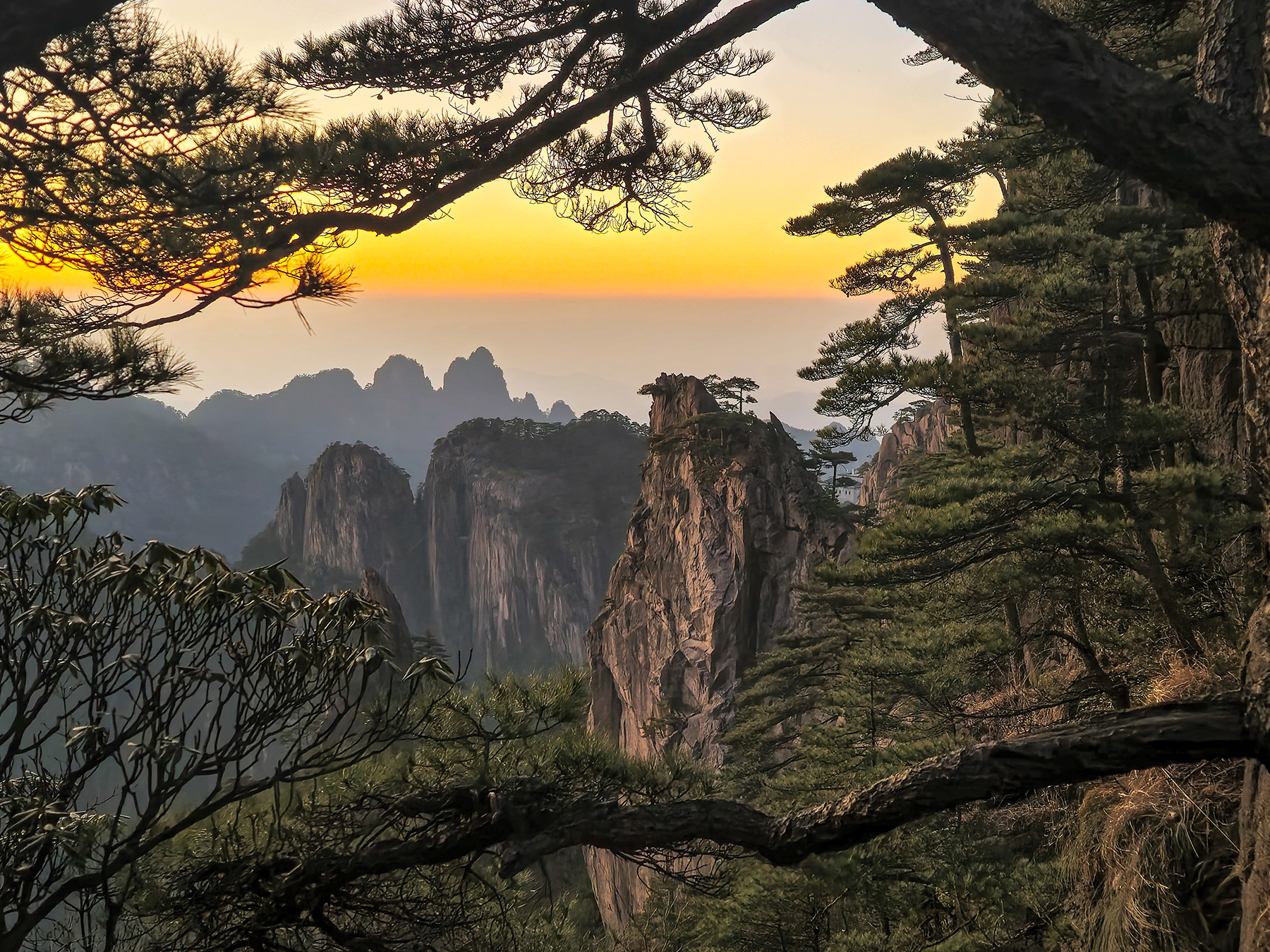
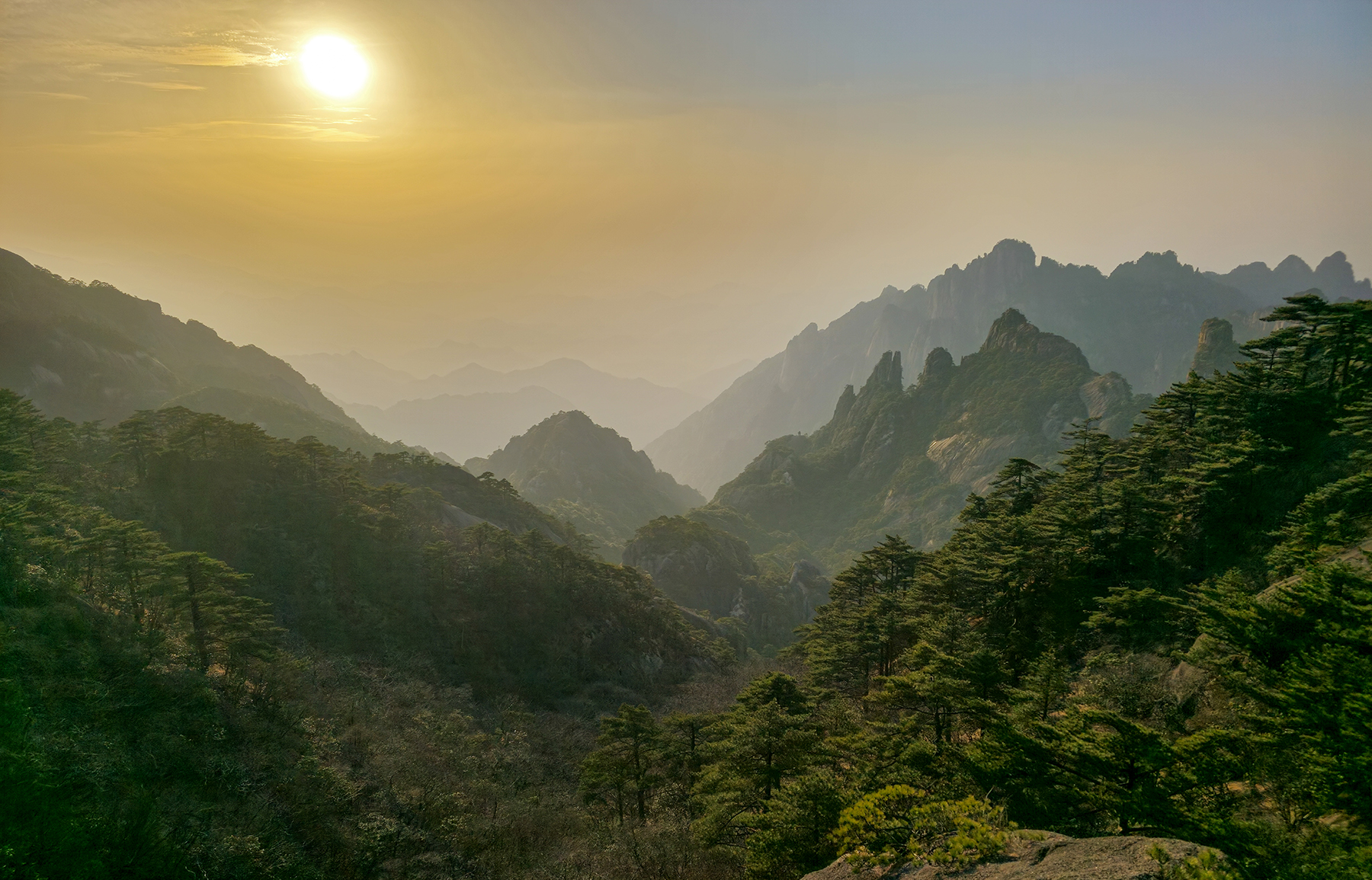
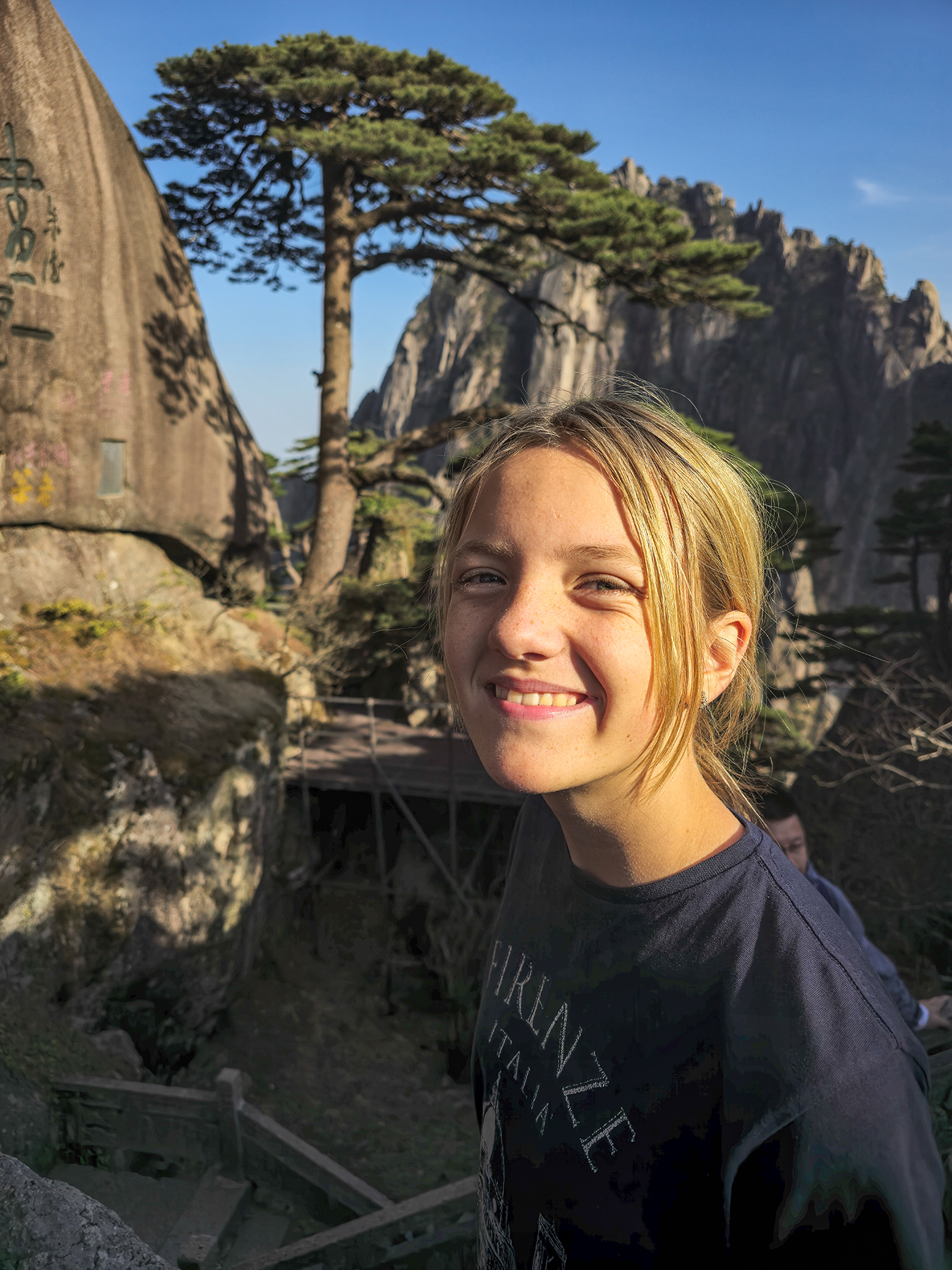
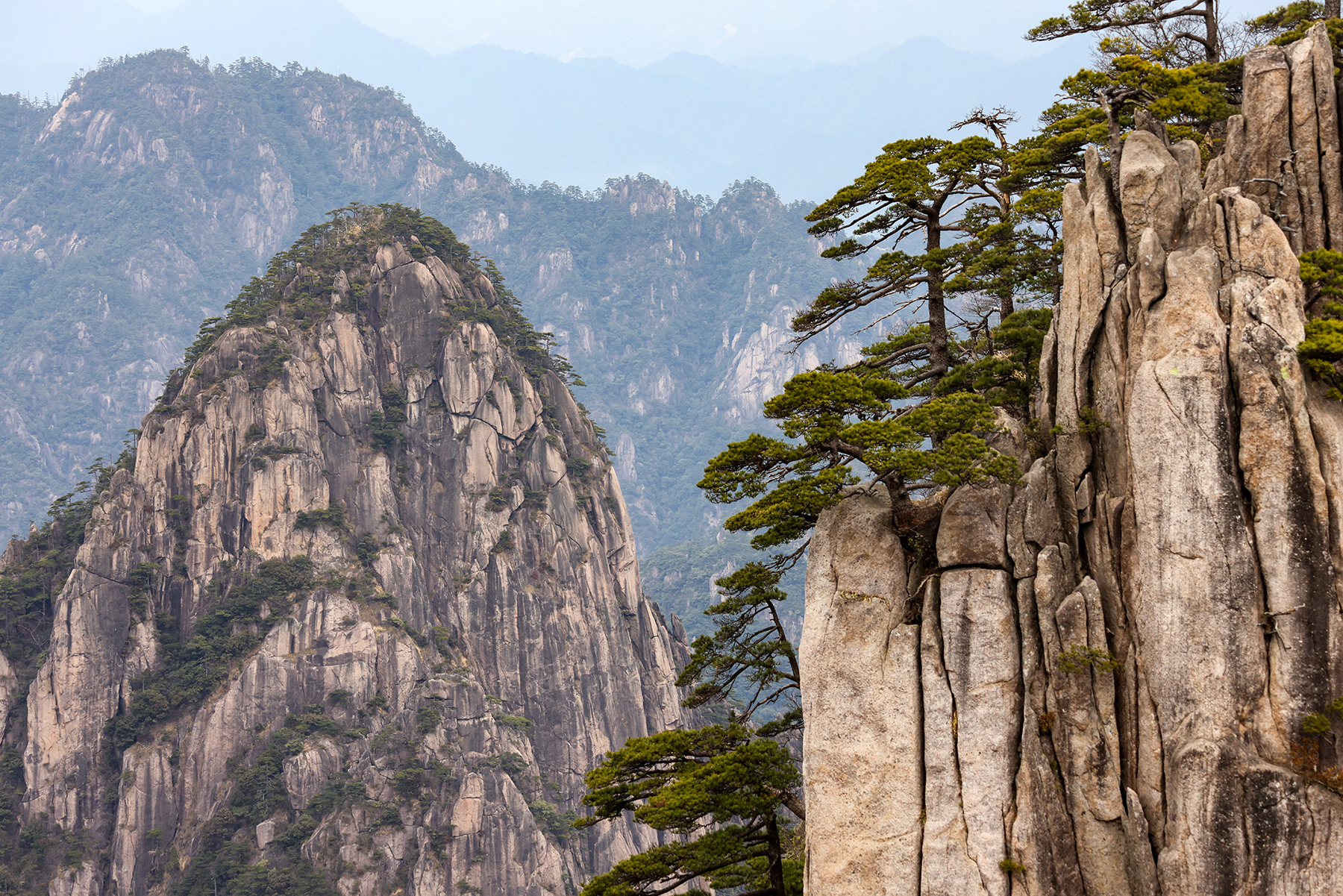
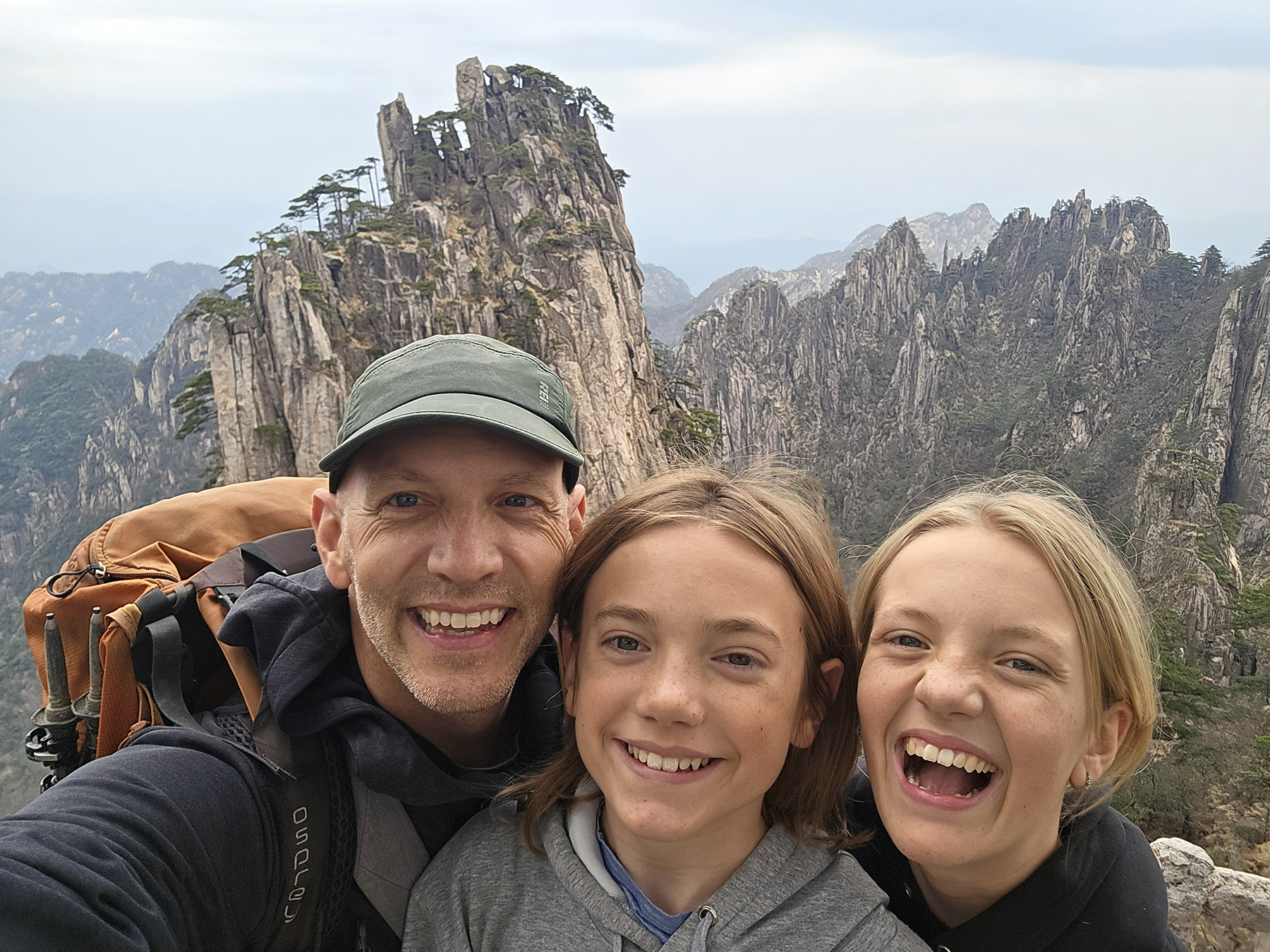
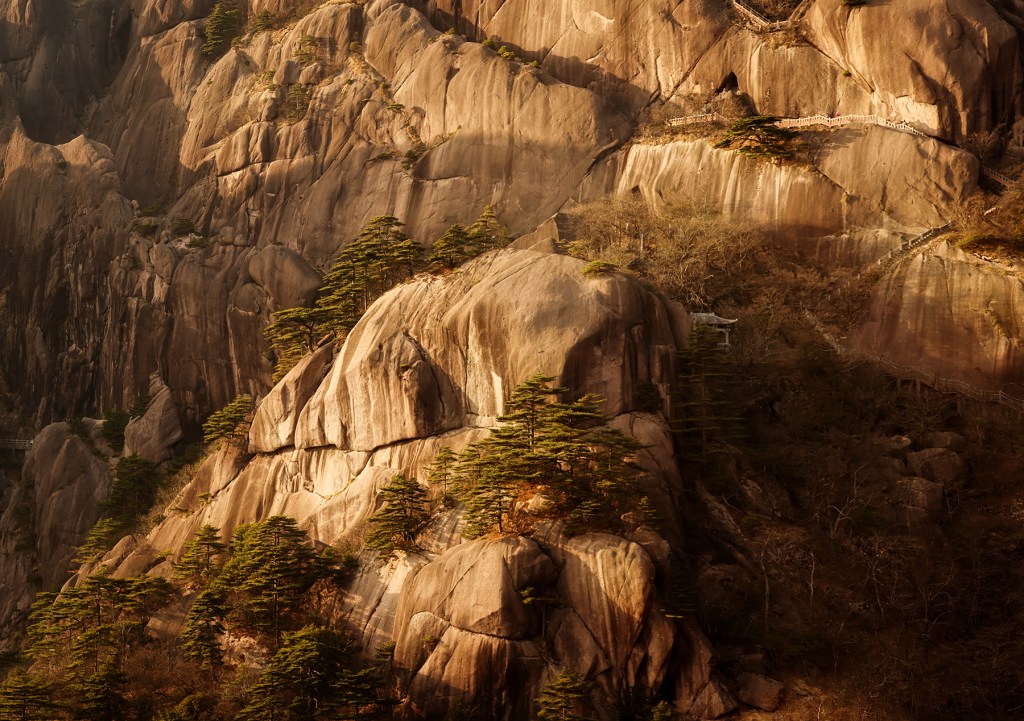
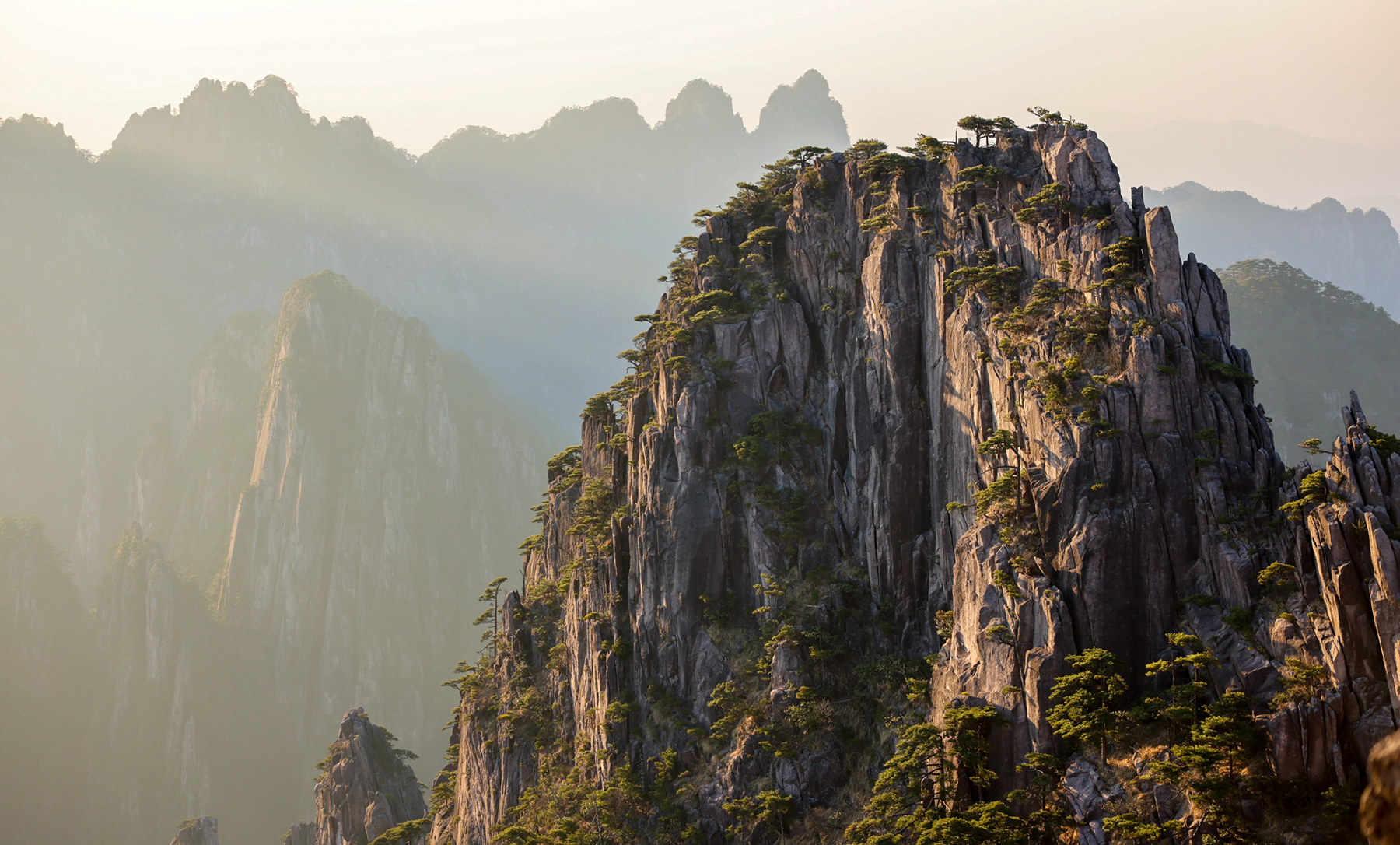
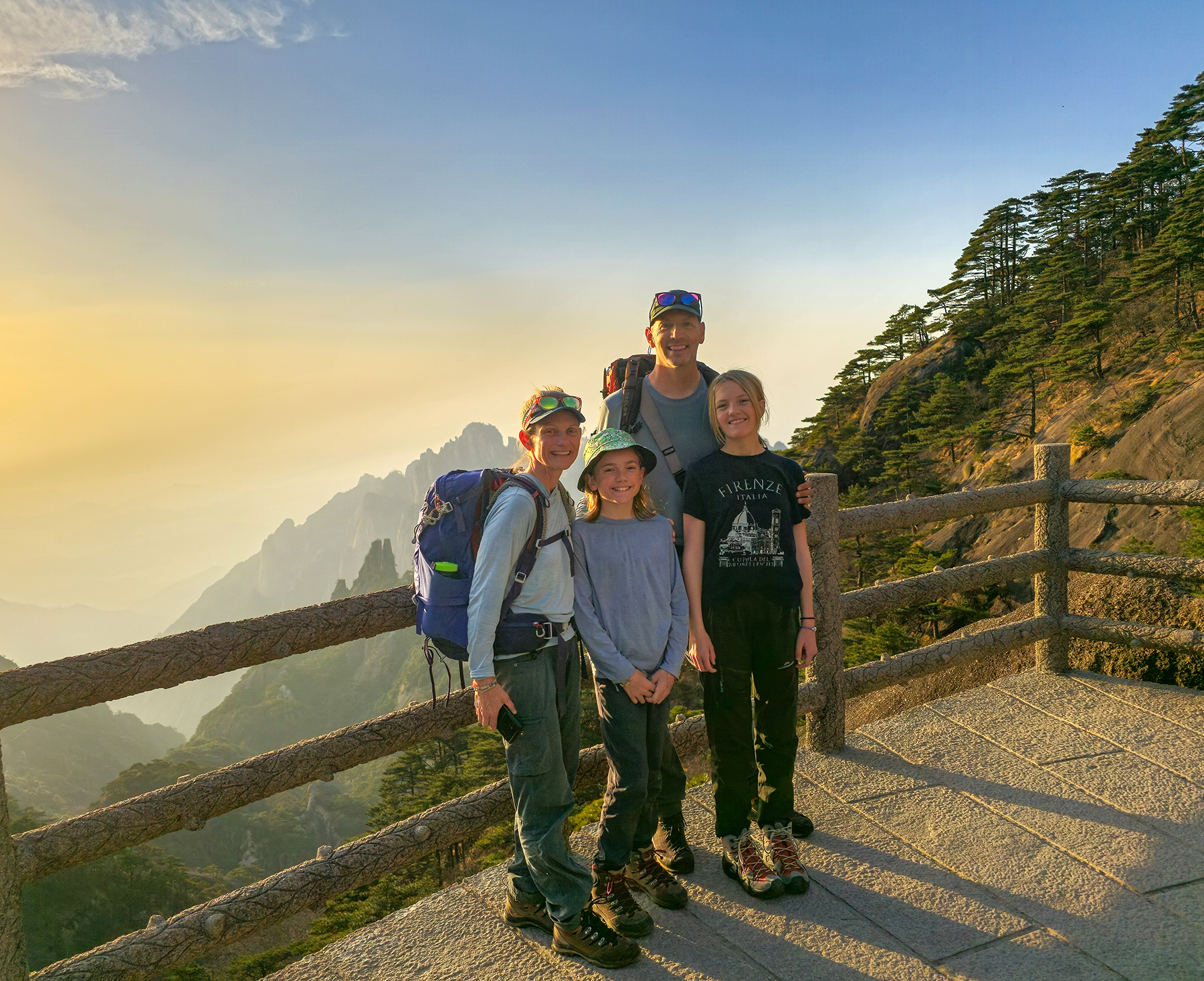
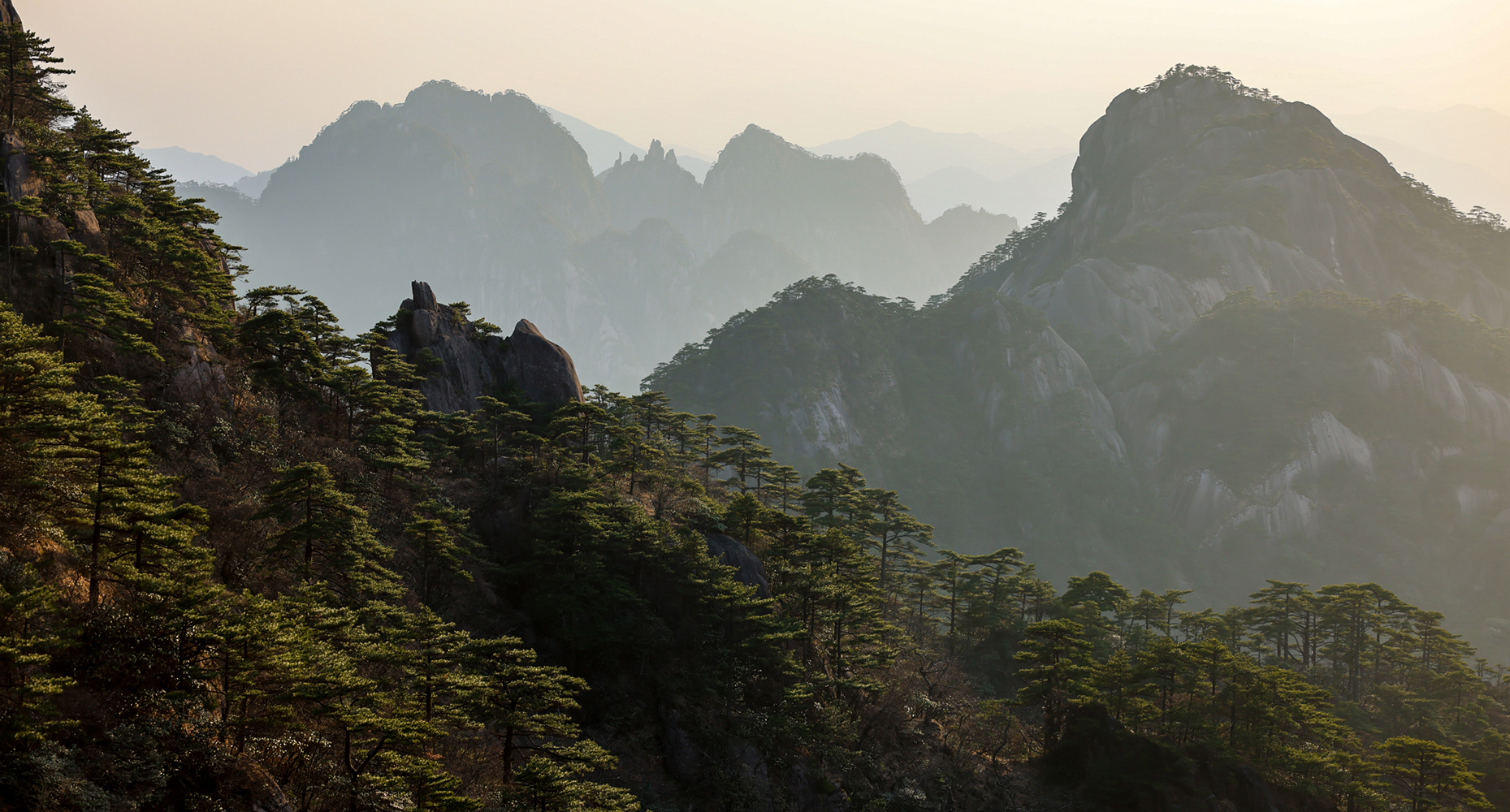
After our time in Xi’an came to a close, we took a final internal flight to Huangshan City, the gateway to Huangshan, the fabled Yellow Mountains. Along with the karst pillars of Xingping and the limestone towers of Zhangjiajie, our visit to the granite peaks of Huangshan completed a trilogy of traditional Chinese landscapes for our family. Much like Zhanjiajie, the miles of hiking trails around Huangshan are designed to accommodate huge numbers of visitors, so we did not enjoy much solitude during our visit. We sadly again timed our visit during a period of bland, mostly overcast weather, so my dreams of photographing the famous Huangshan Pines rising elegantly above the misty cliffs will have to wait for another year.


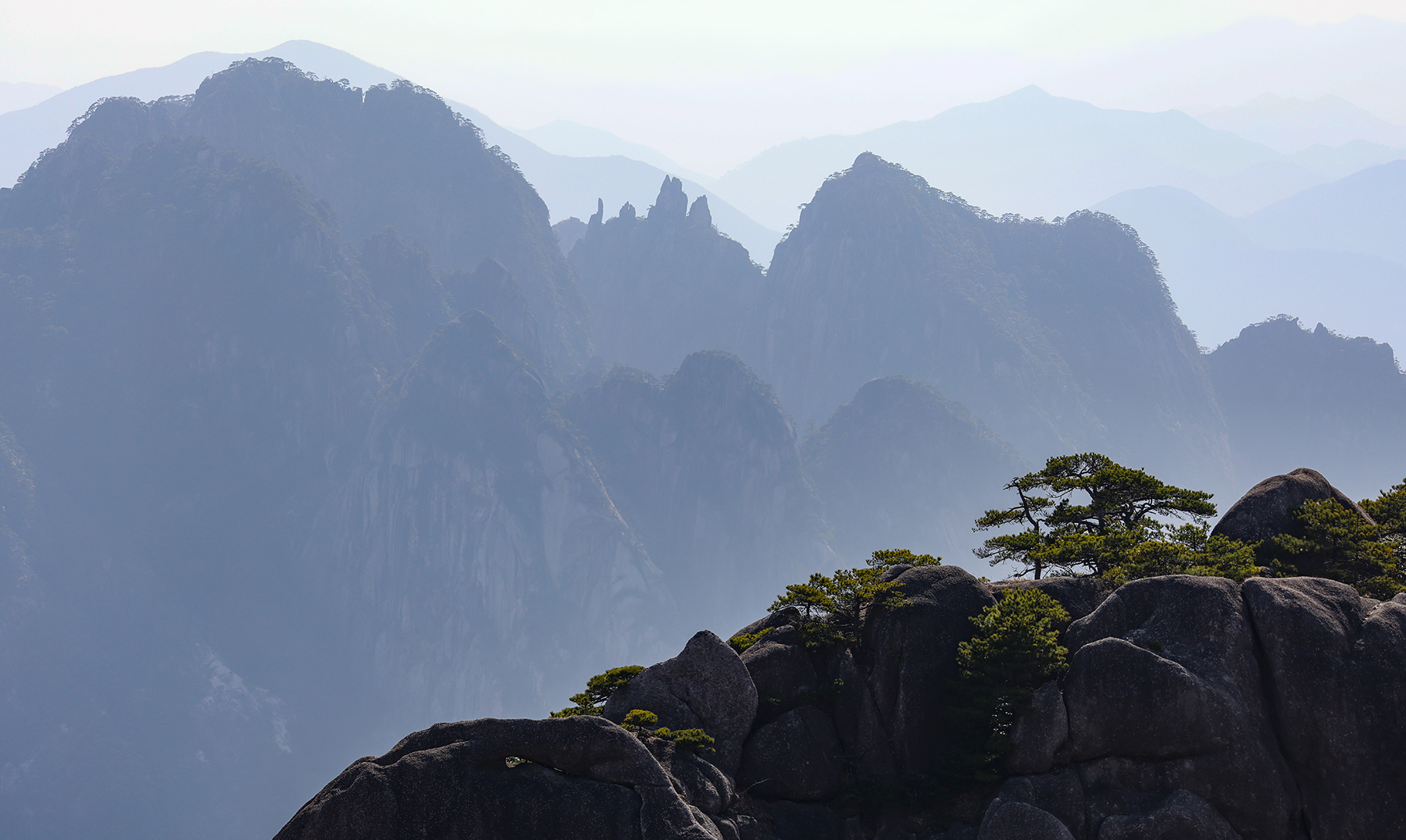
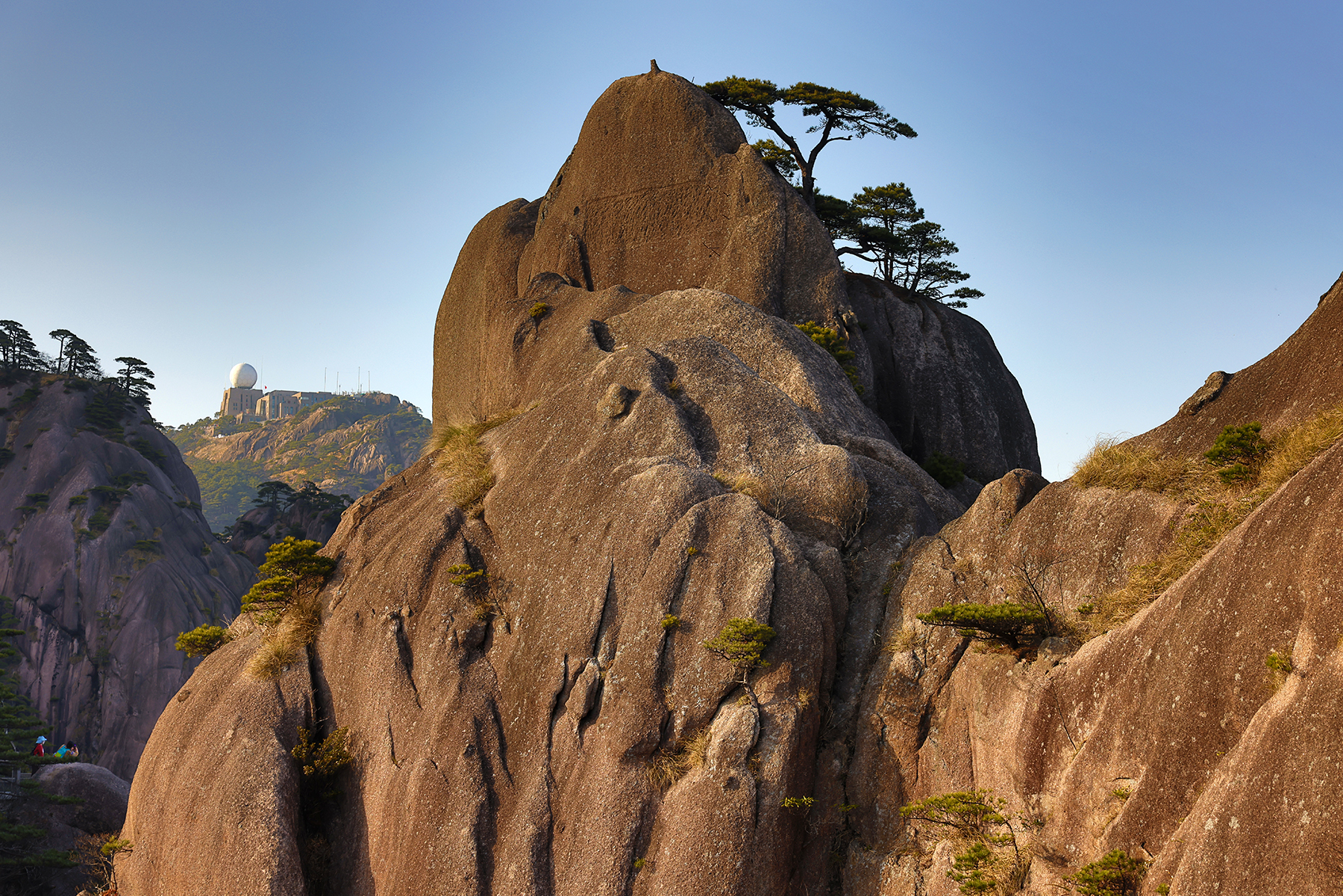
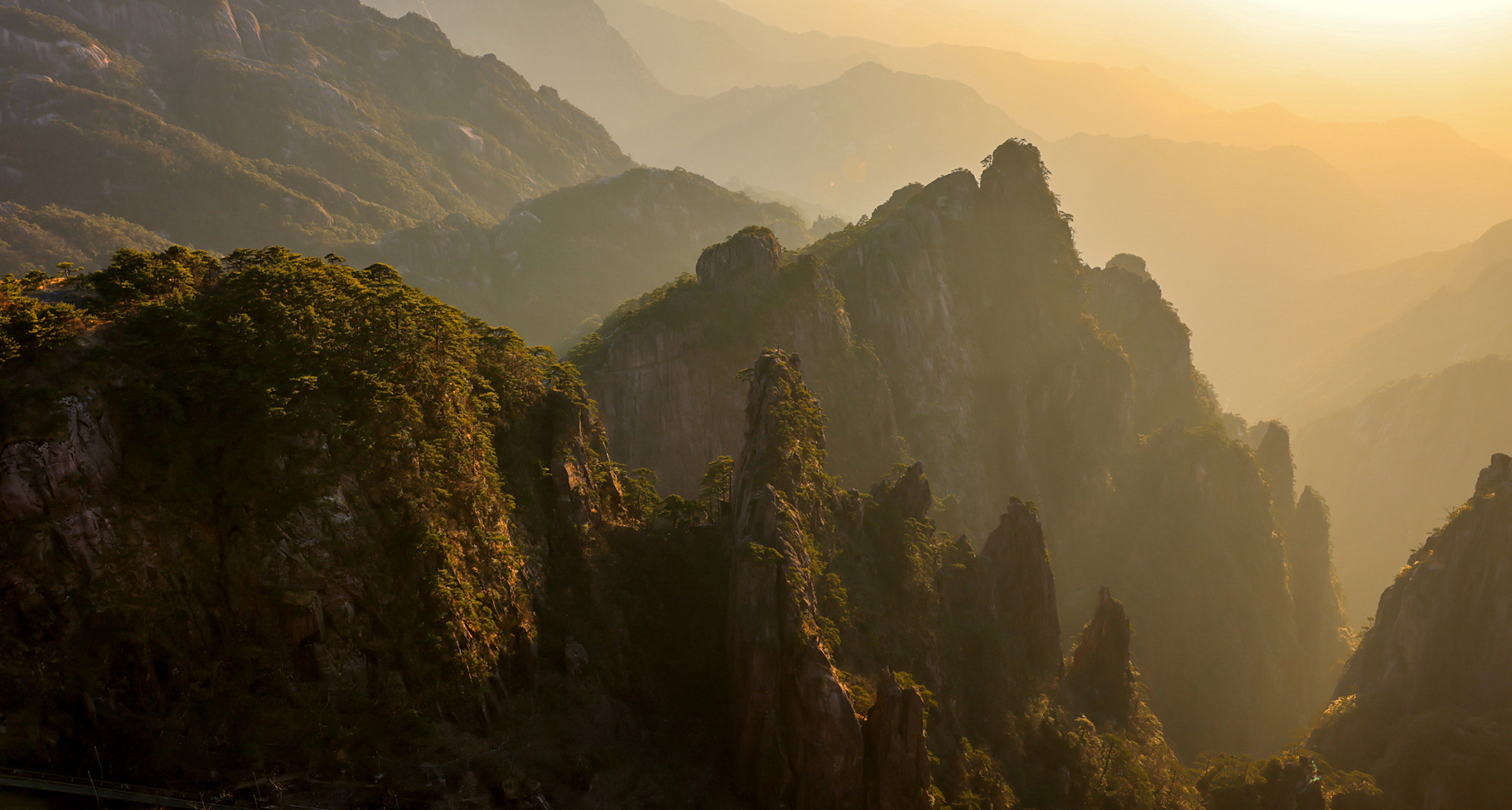

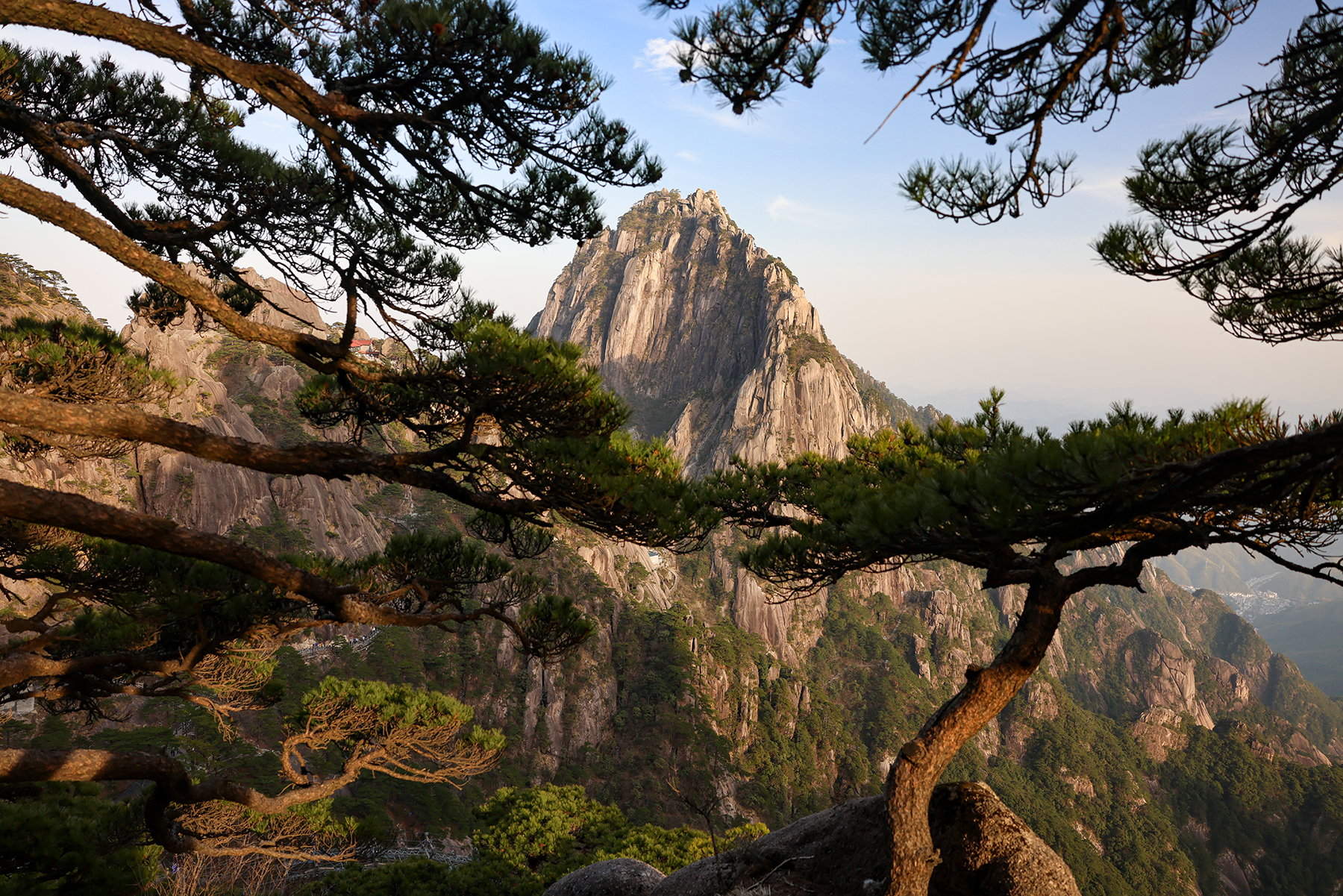
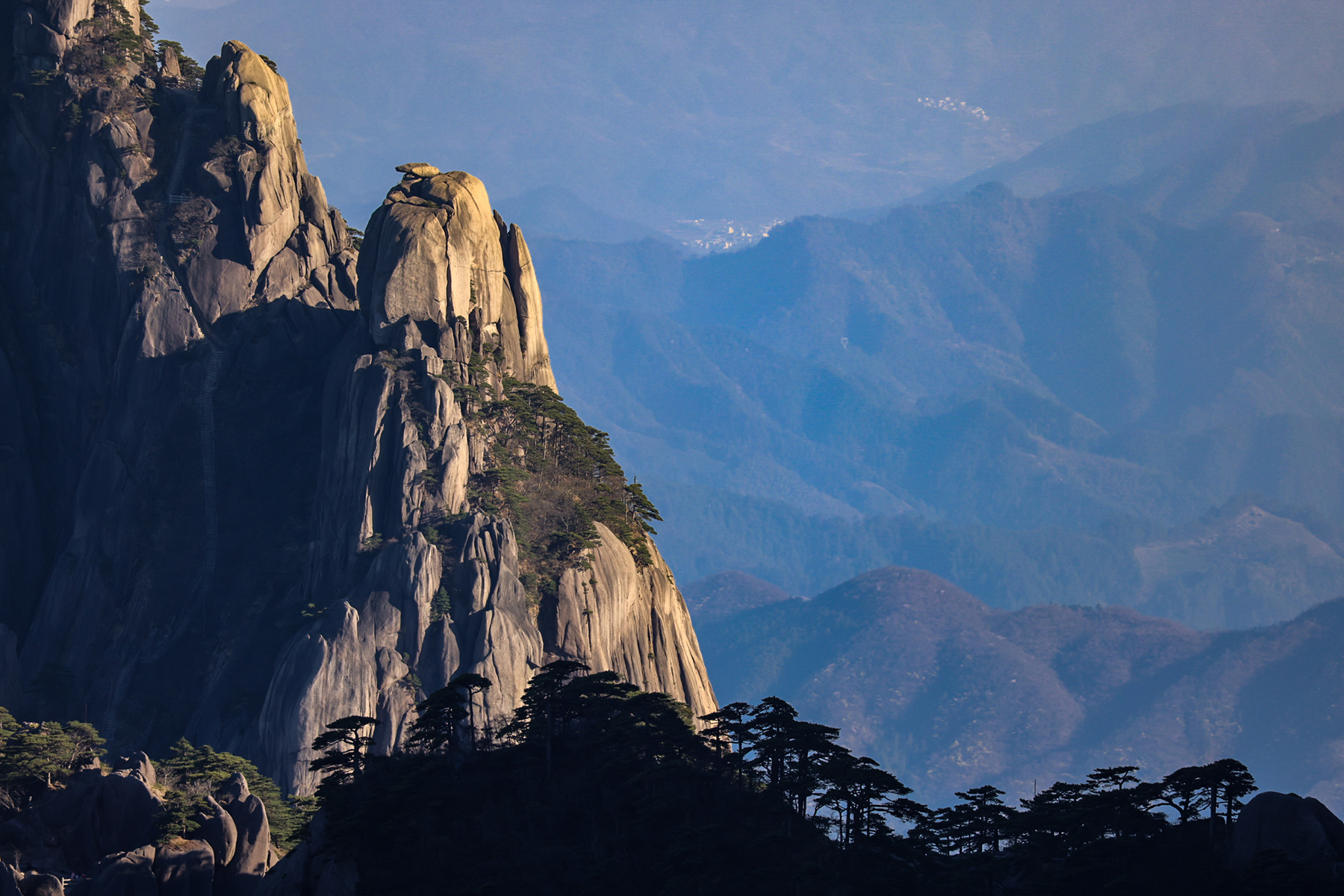
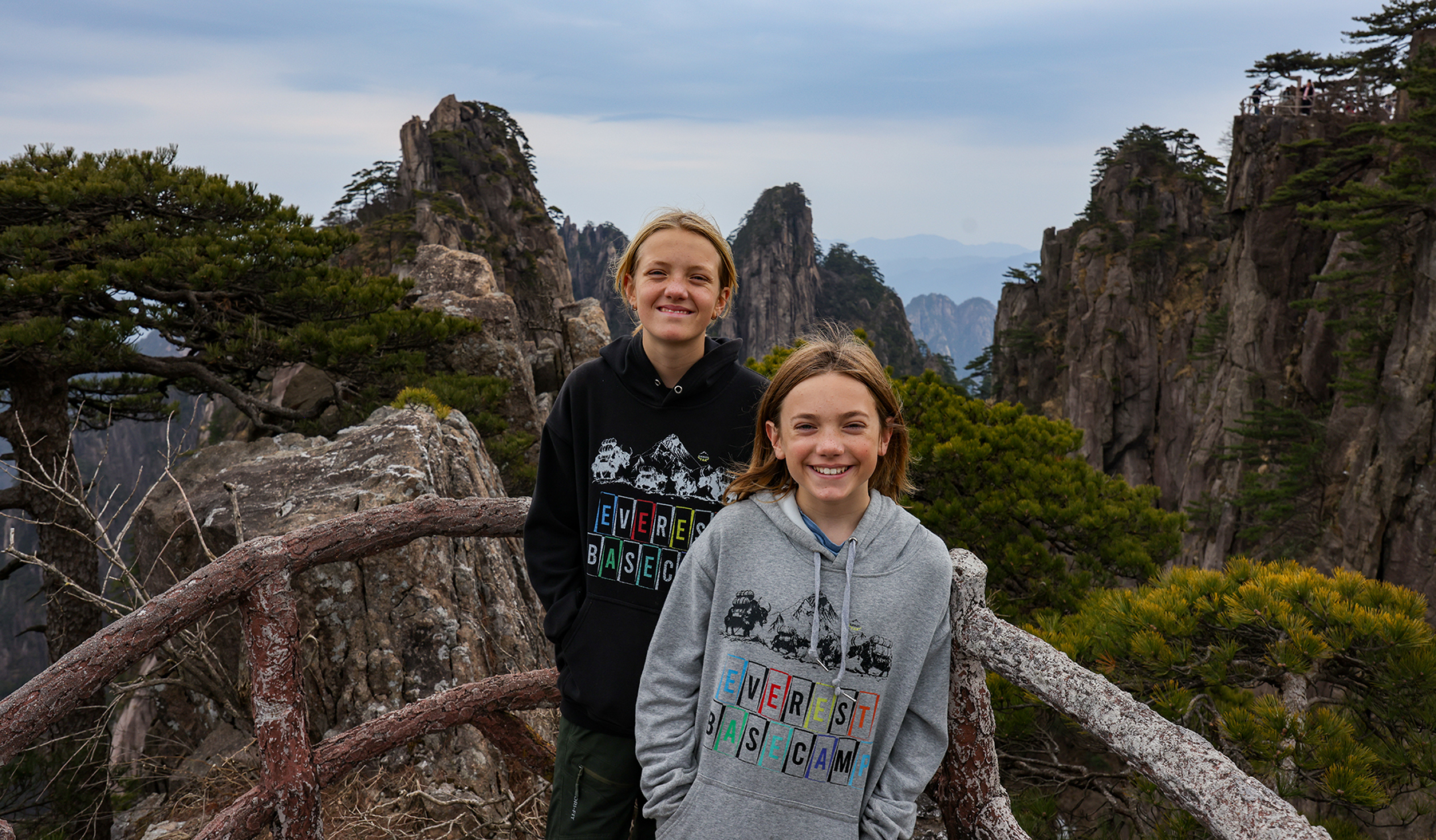
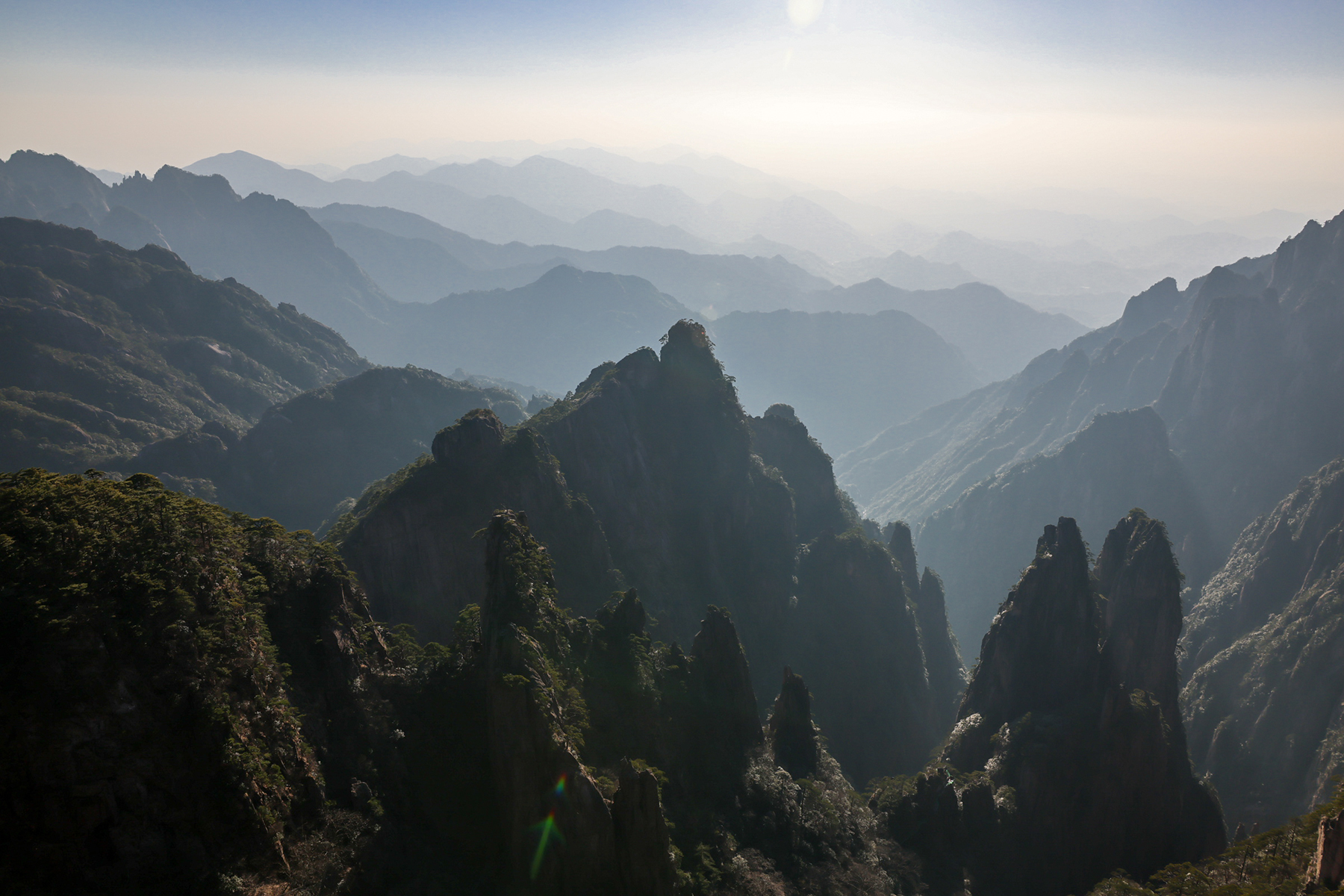

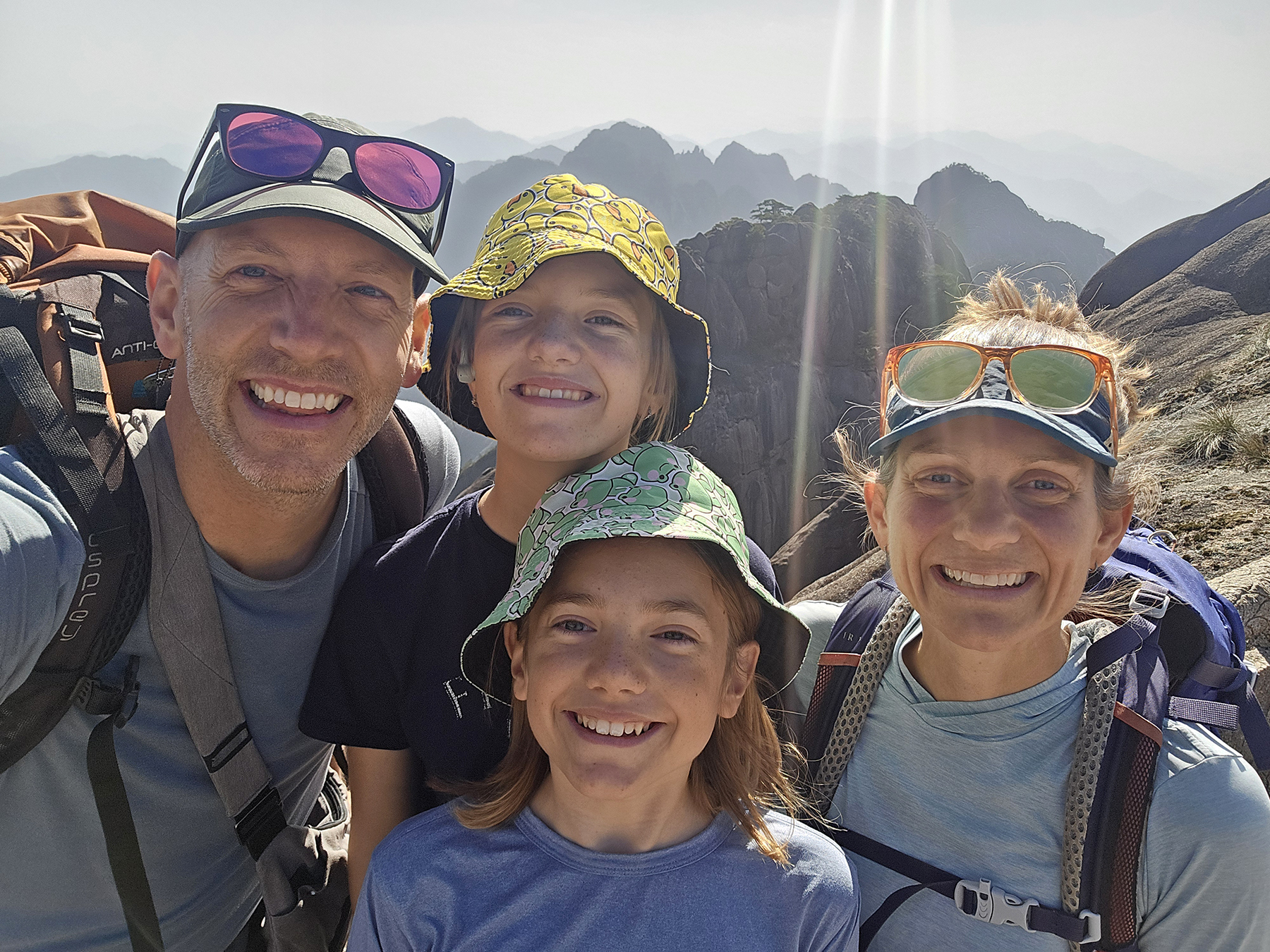

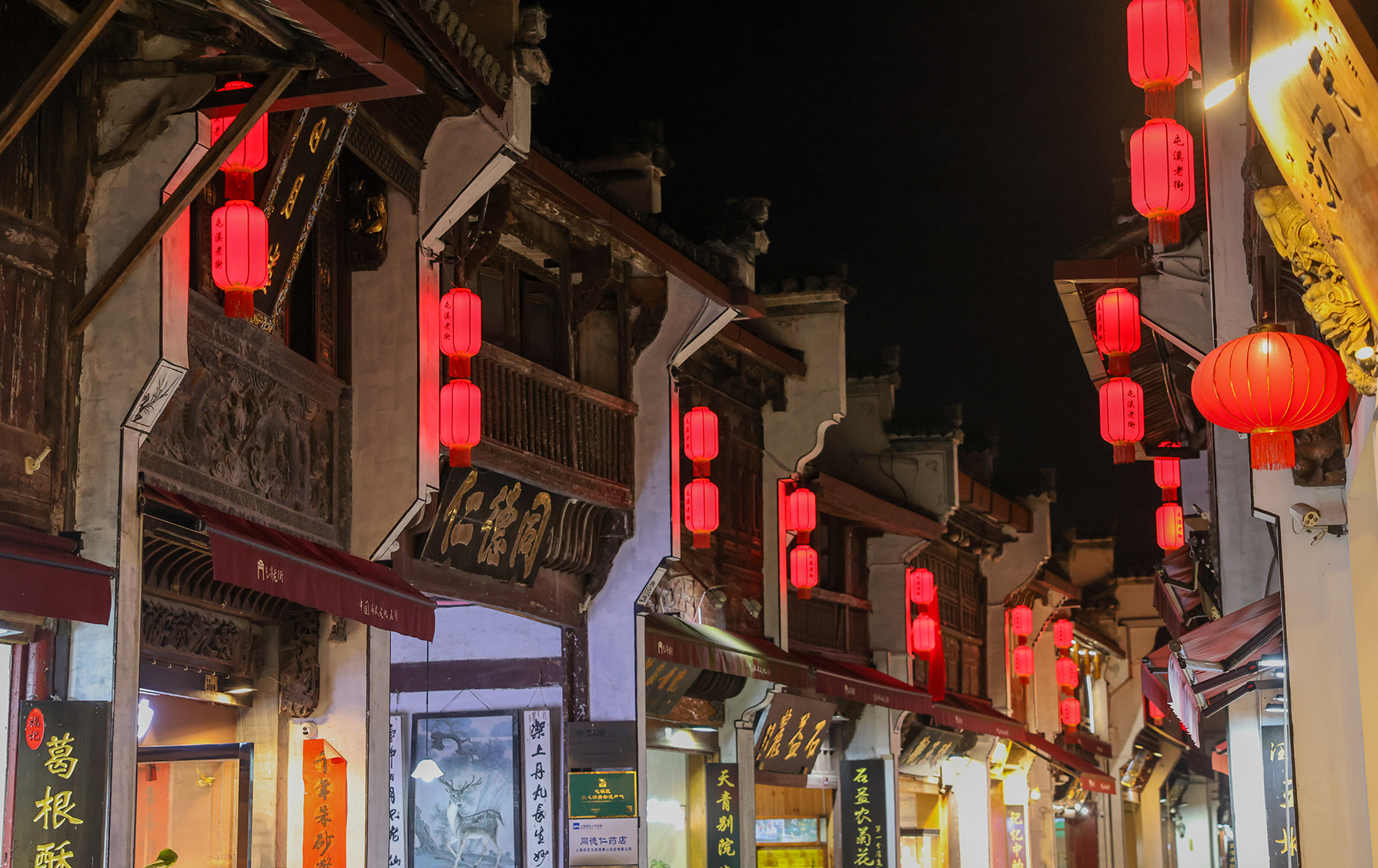
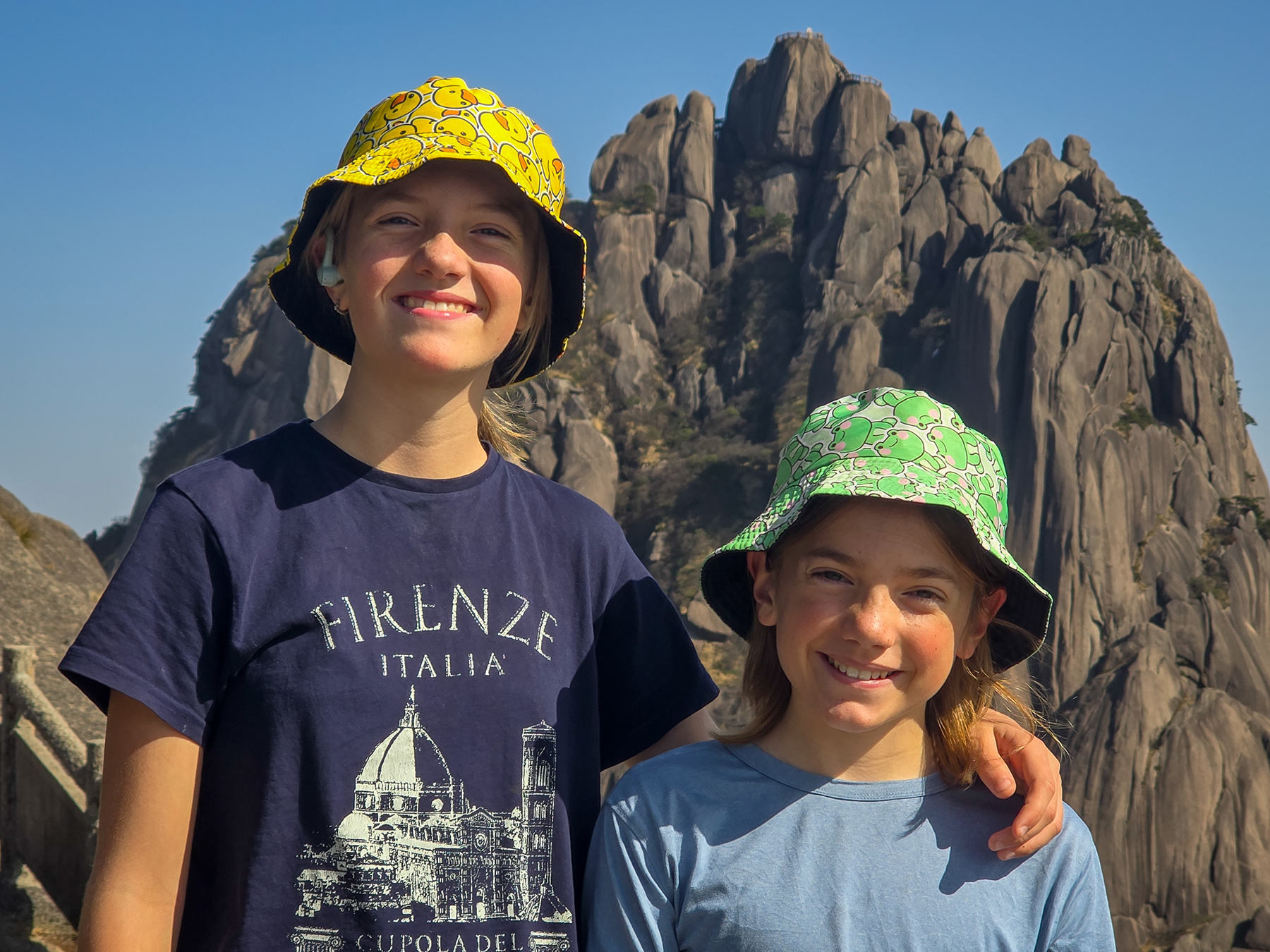
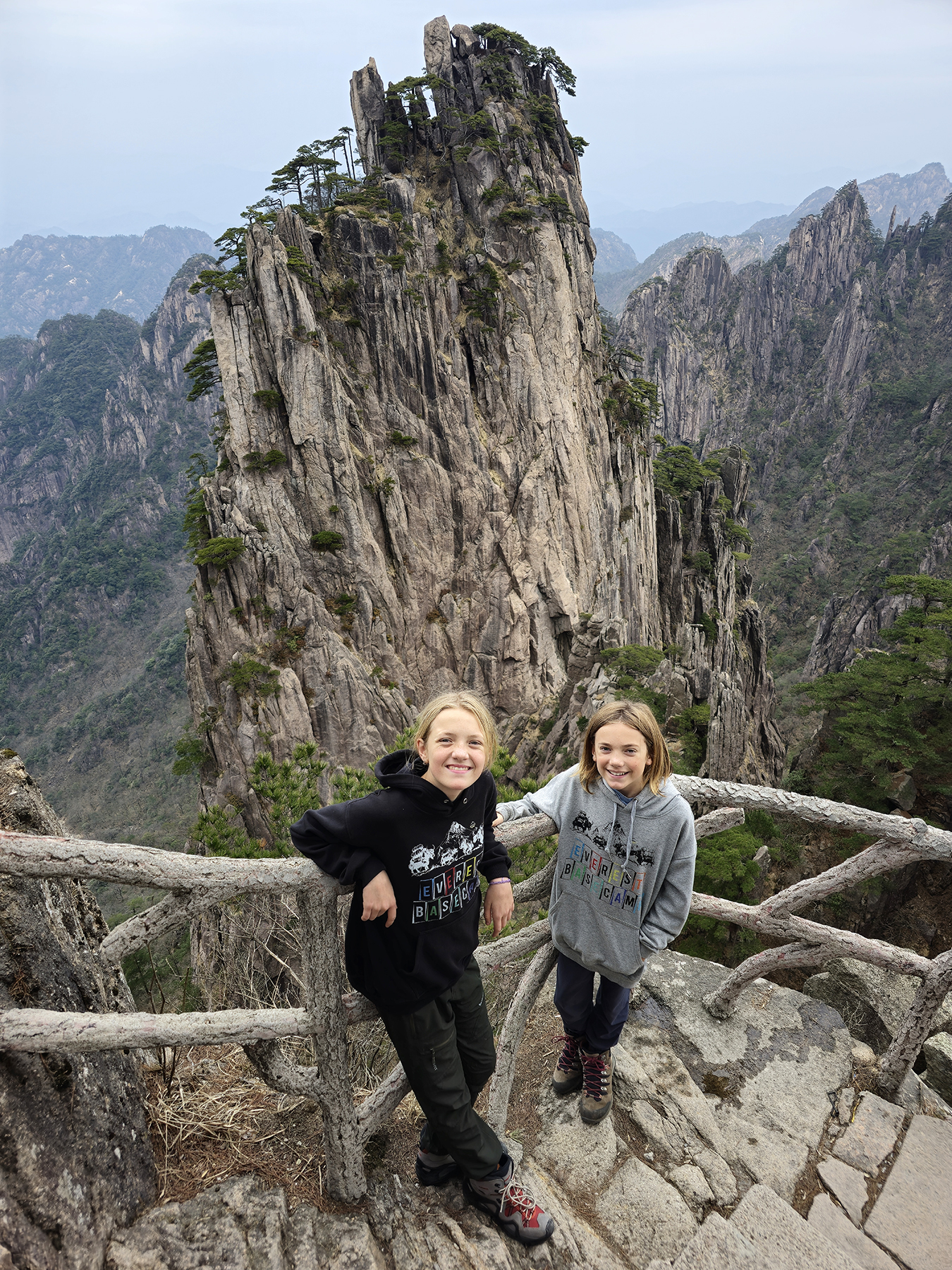
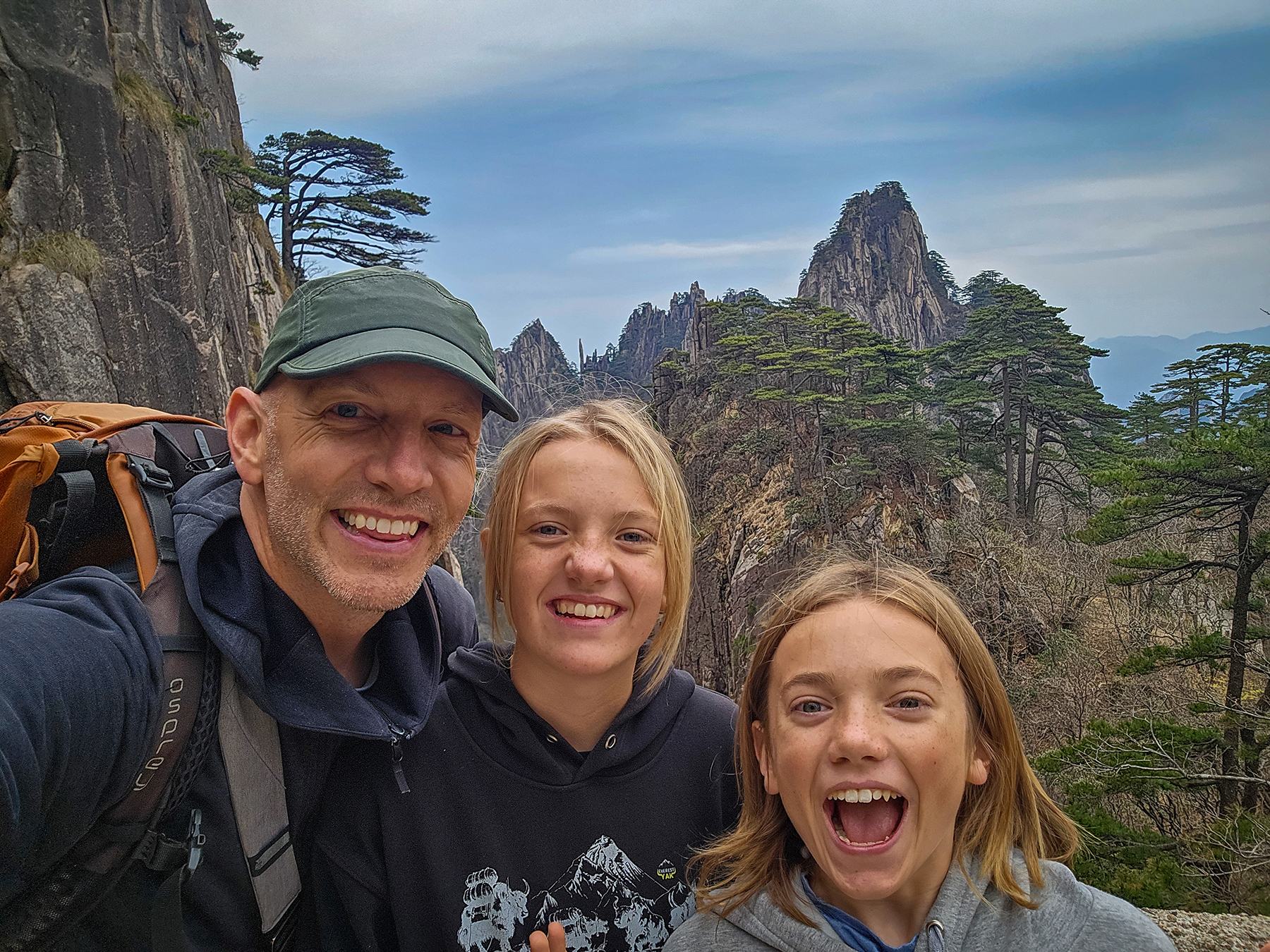
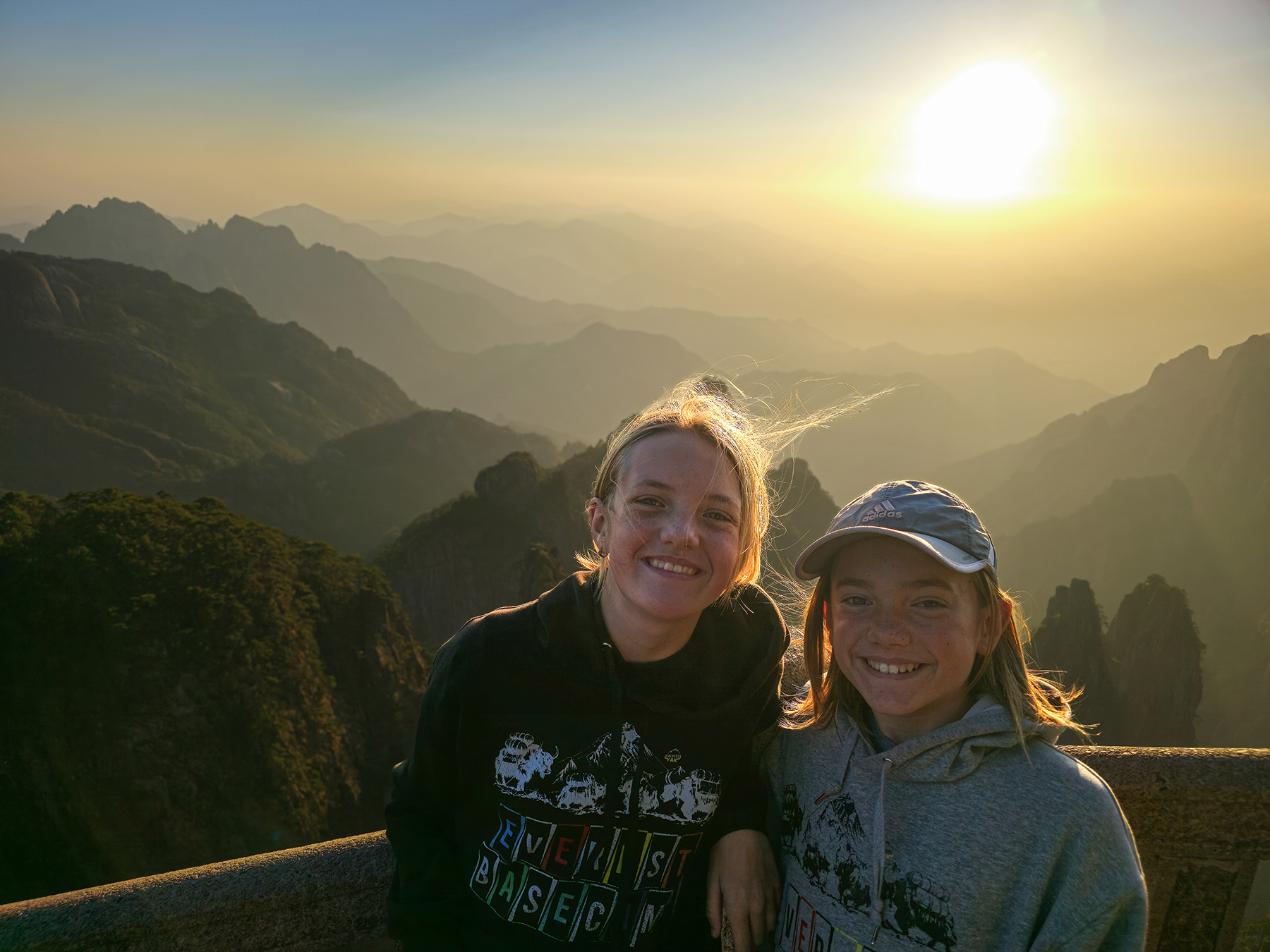

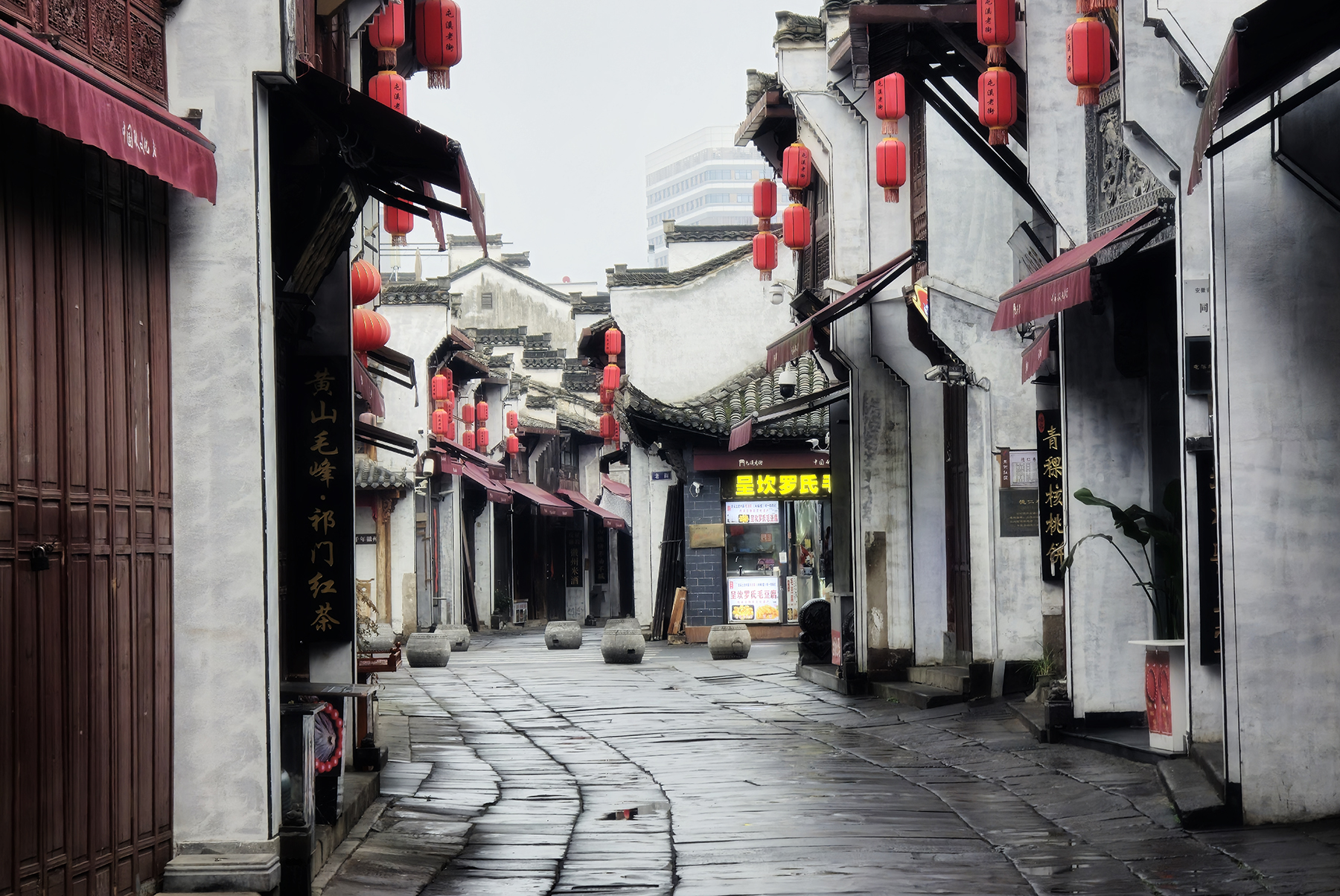
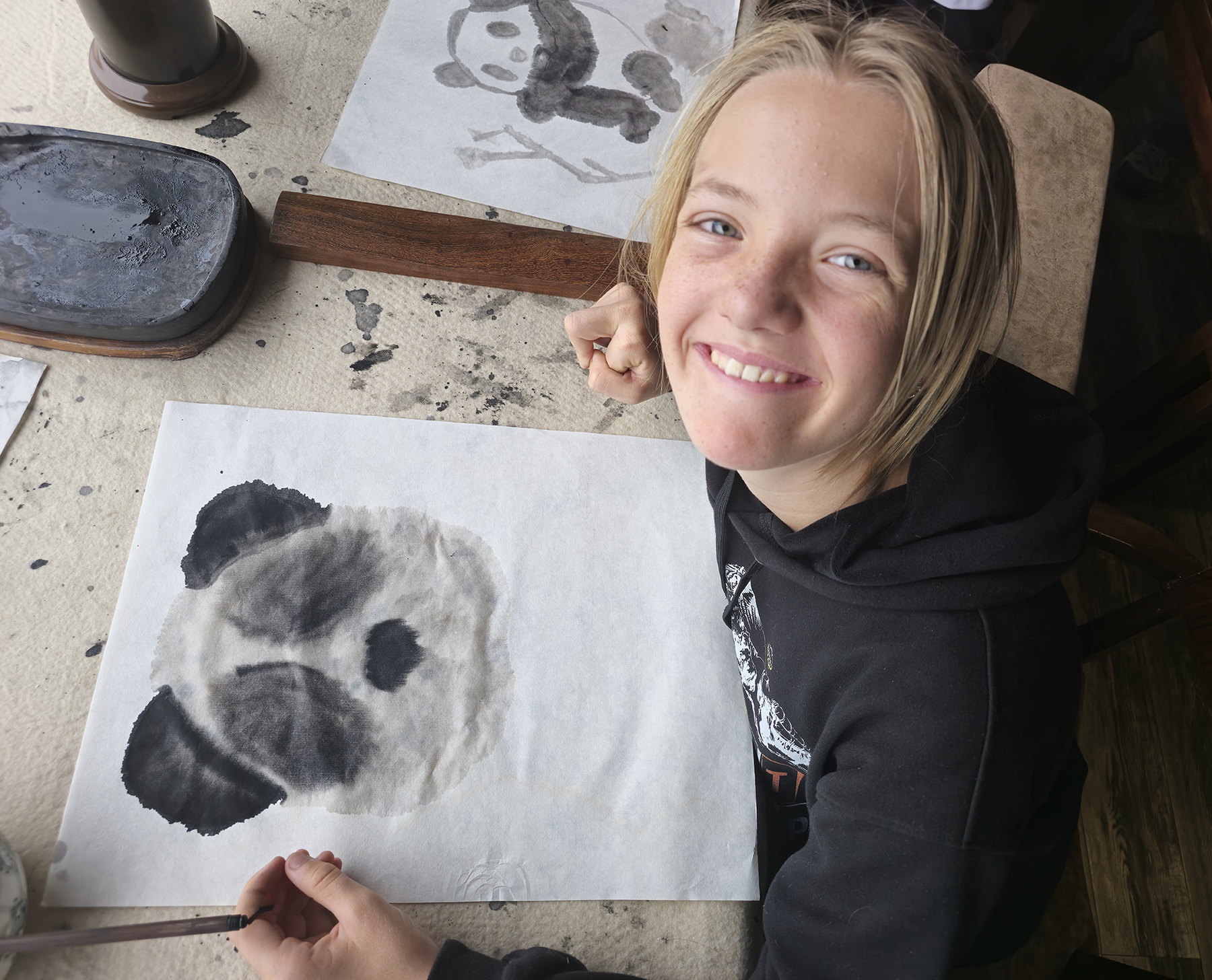
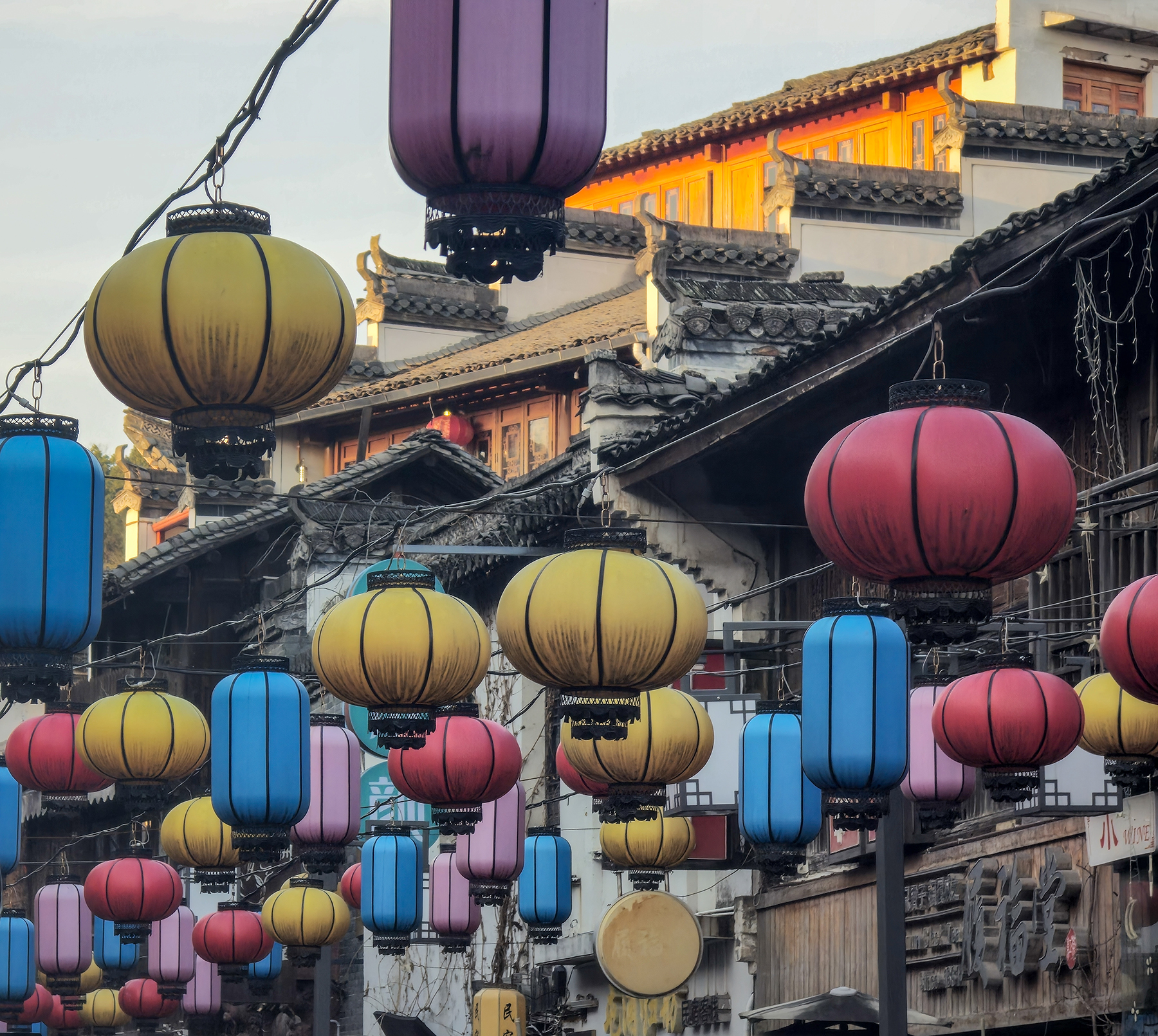
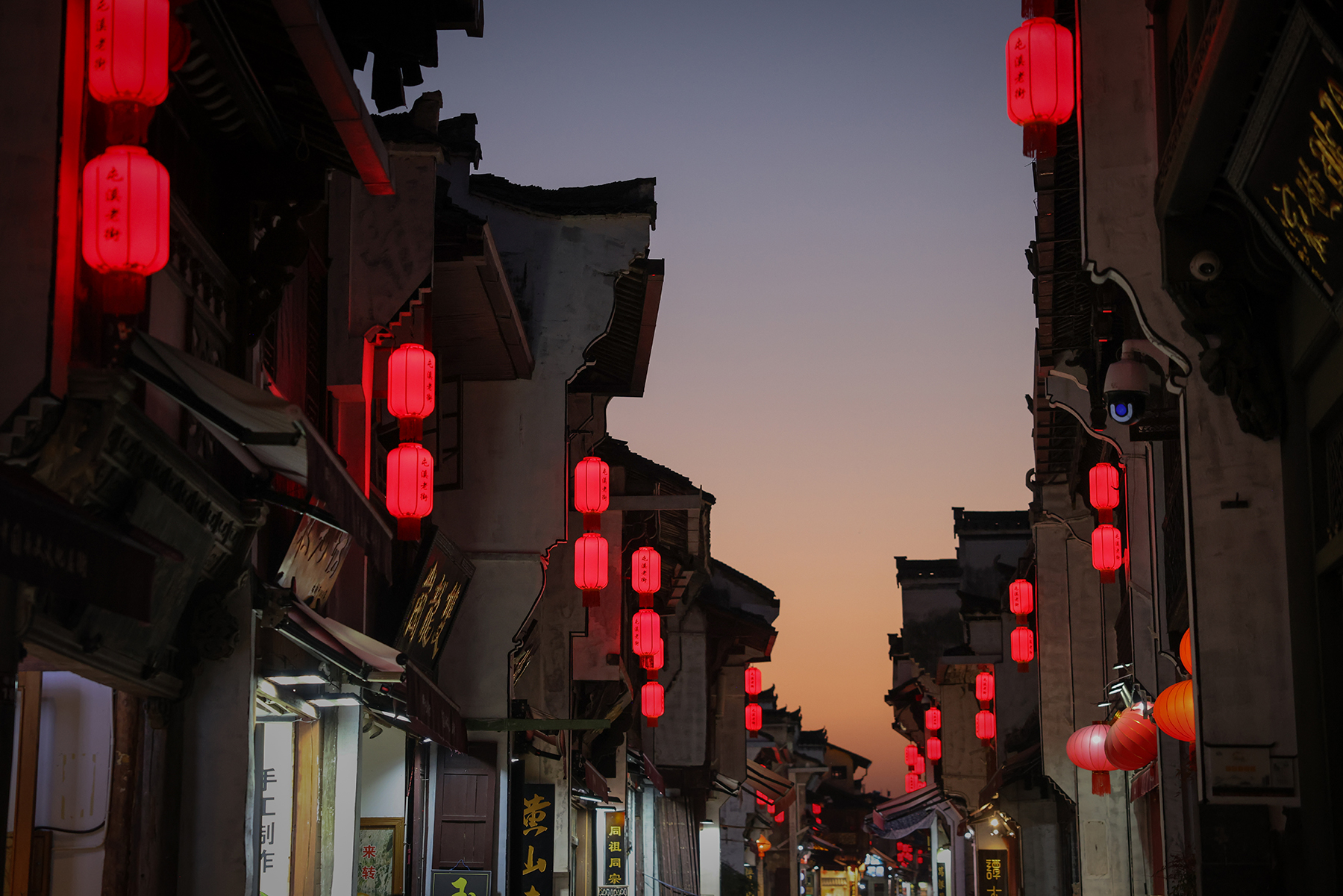
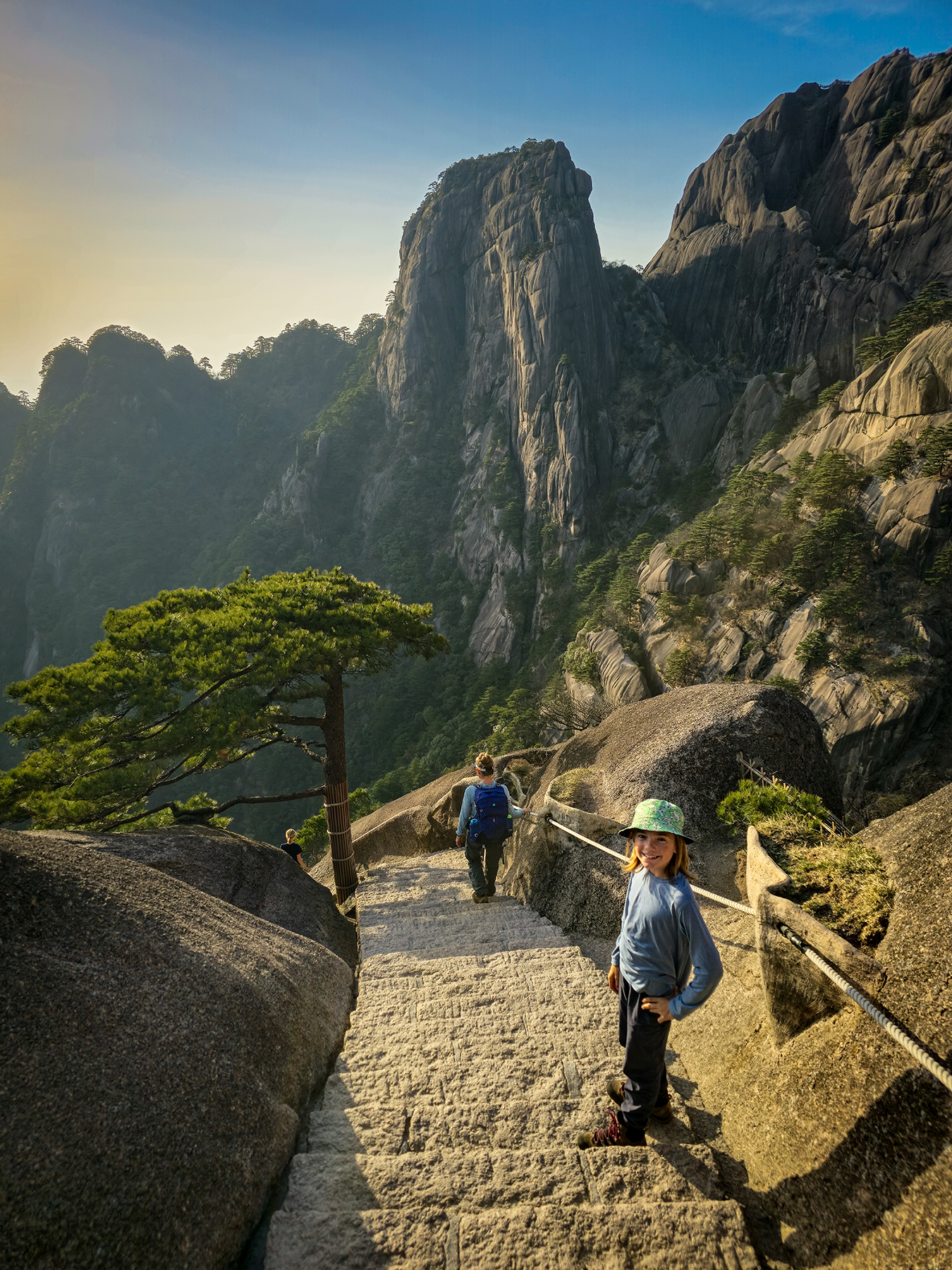
The park still was impressive, and we particularly enjoyed our hikes out to visit the famous viewpoints of Greeting Guest Pine and Beginning to Believe Peak. We also quite enjoyed our time exploring the ancient streets of Huangshan City itself, where we stayed in an incredible, centuries old wooden inn, and learned about the process of creating beautiful traditional inkstones for calligraphy. We even acquired an inkstone for our family, which immediately became the heaviest keepsake we have picked up during our year of travels.
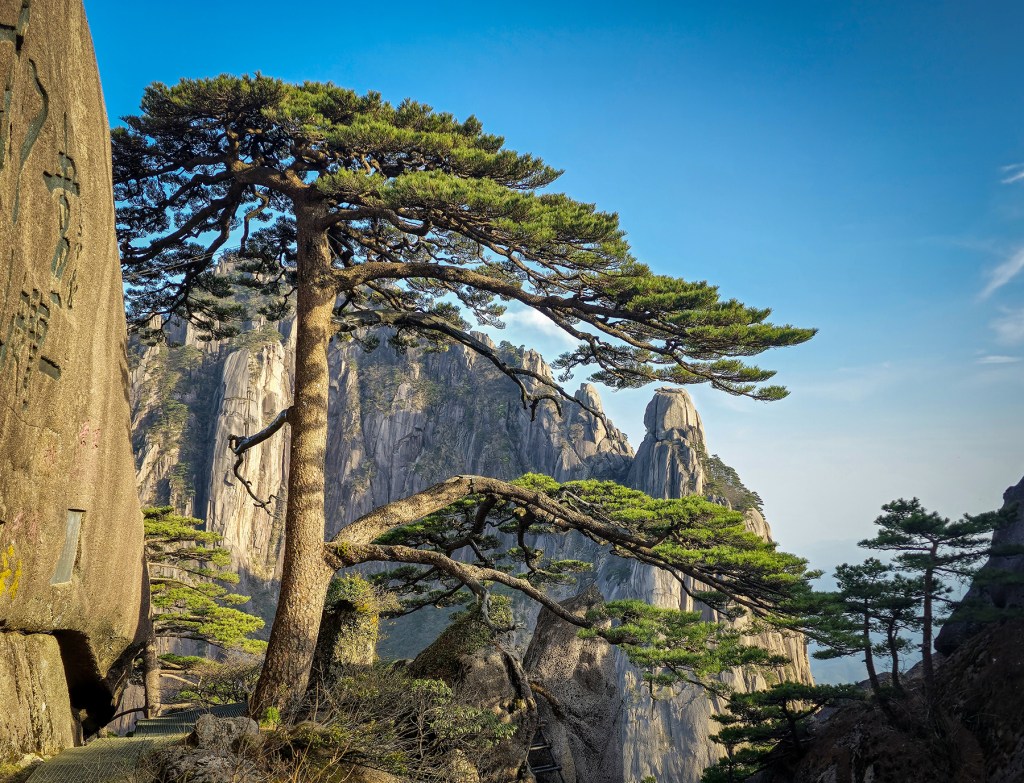
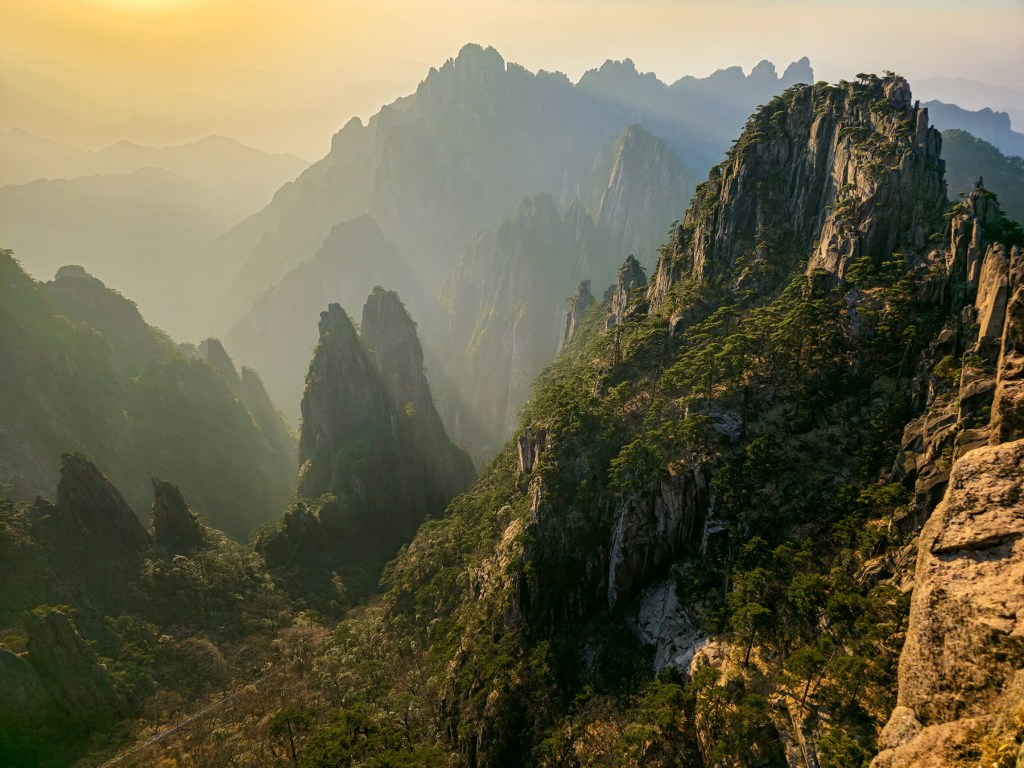










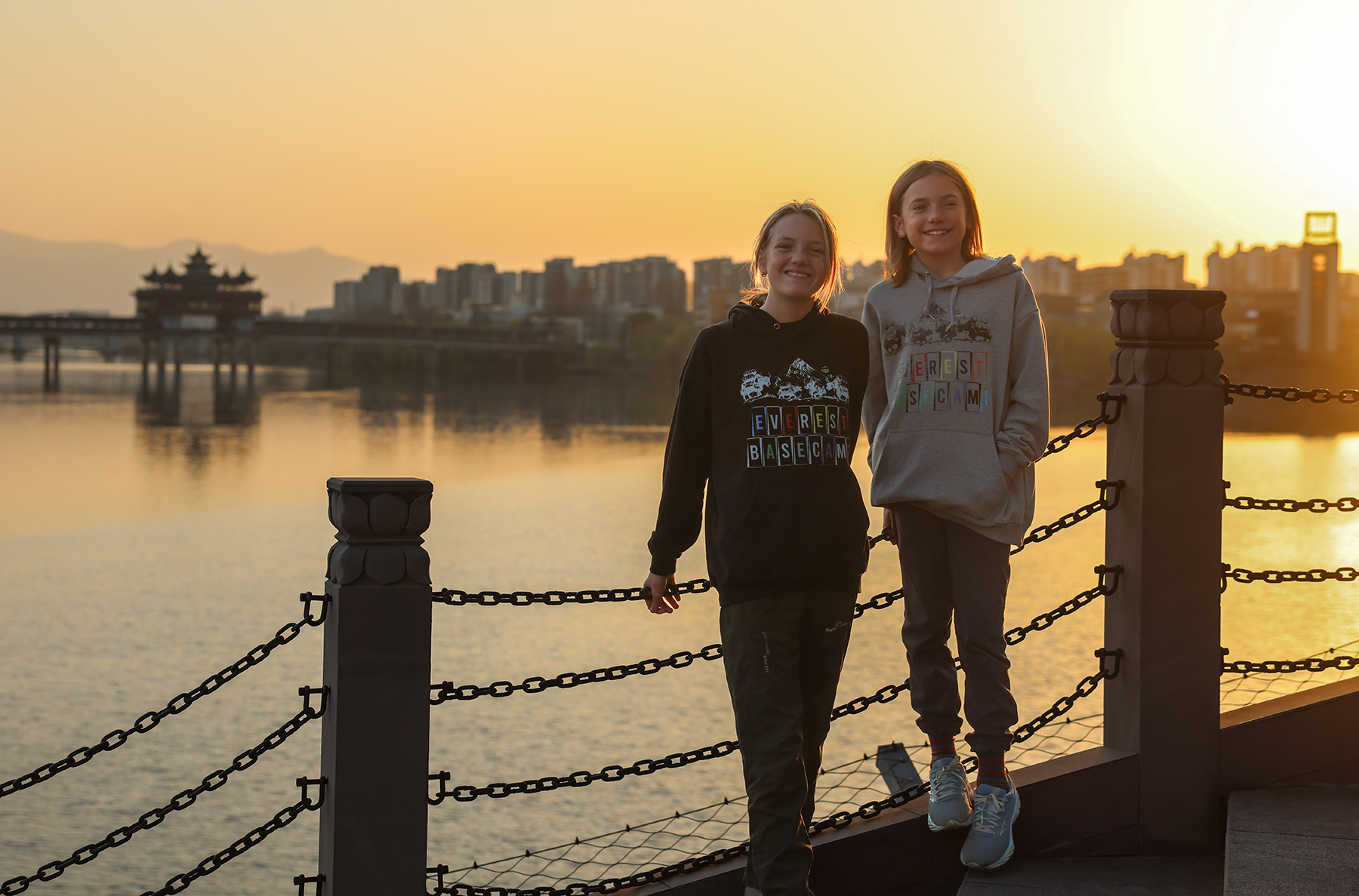
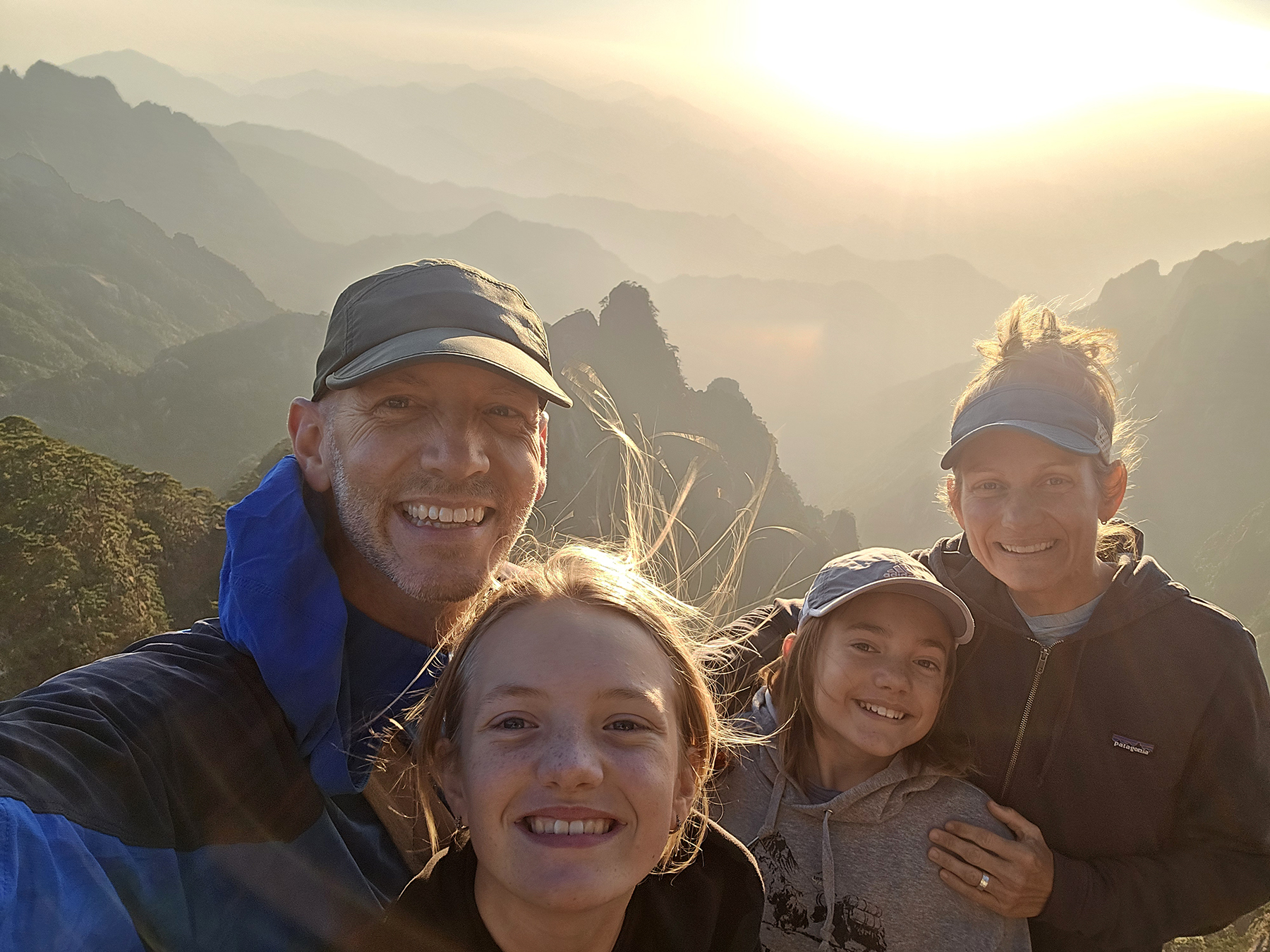

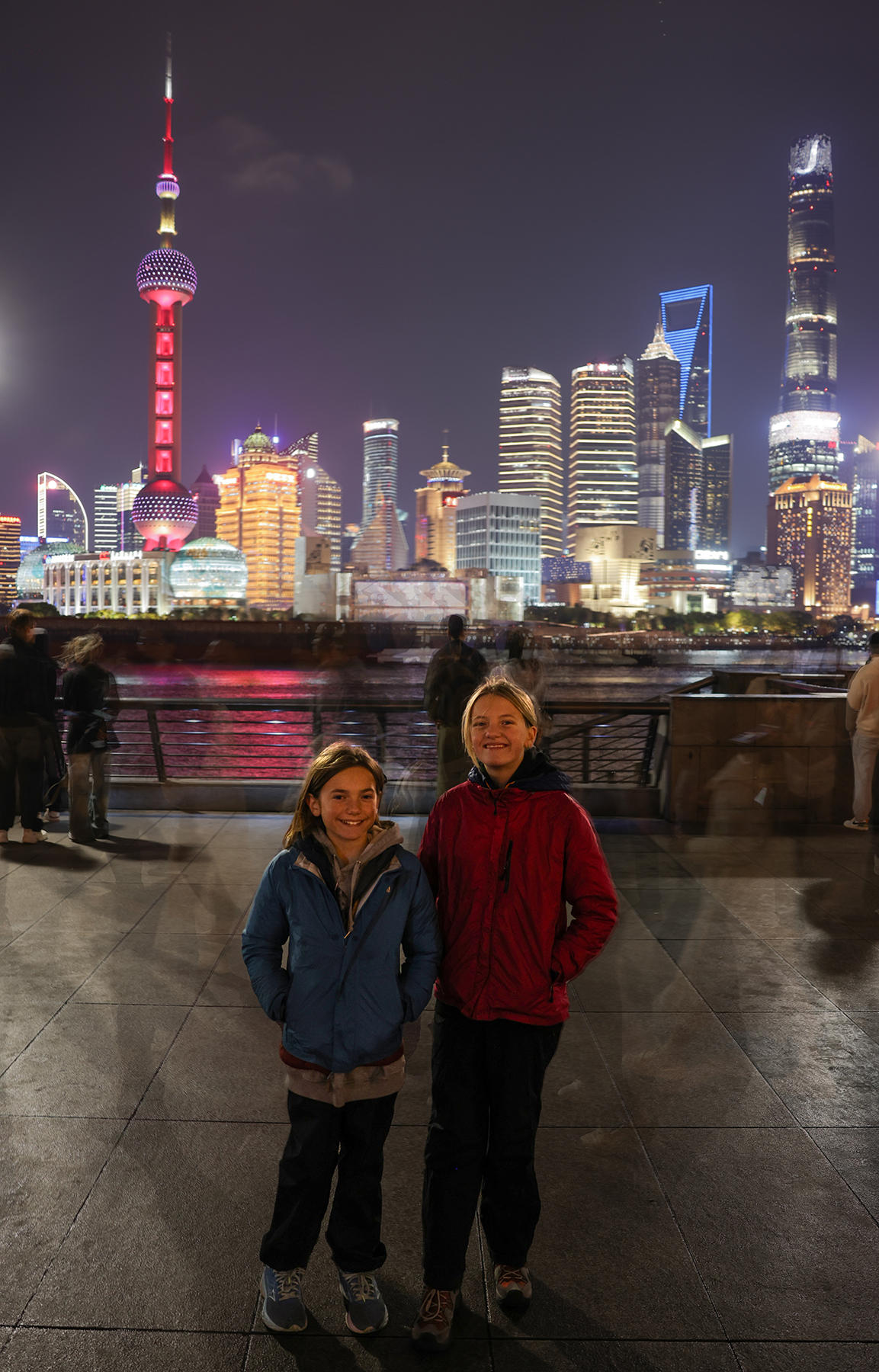
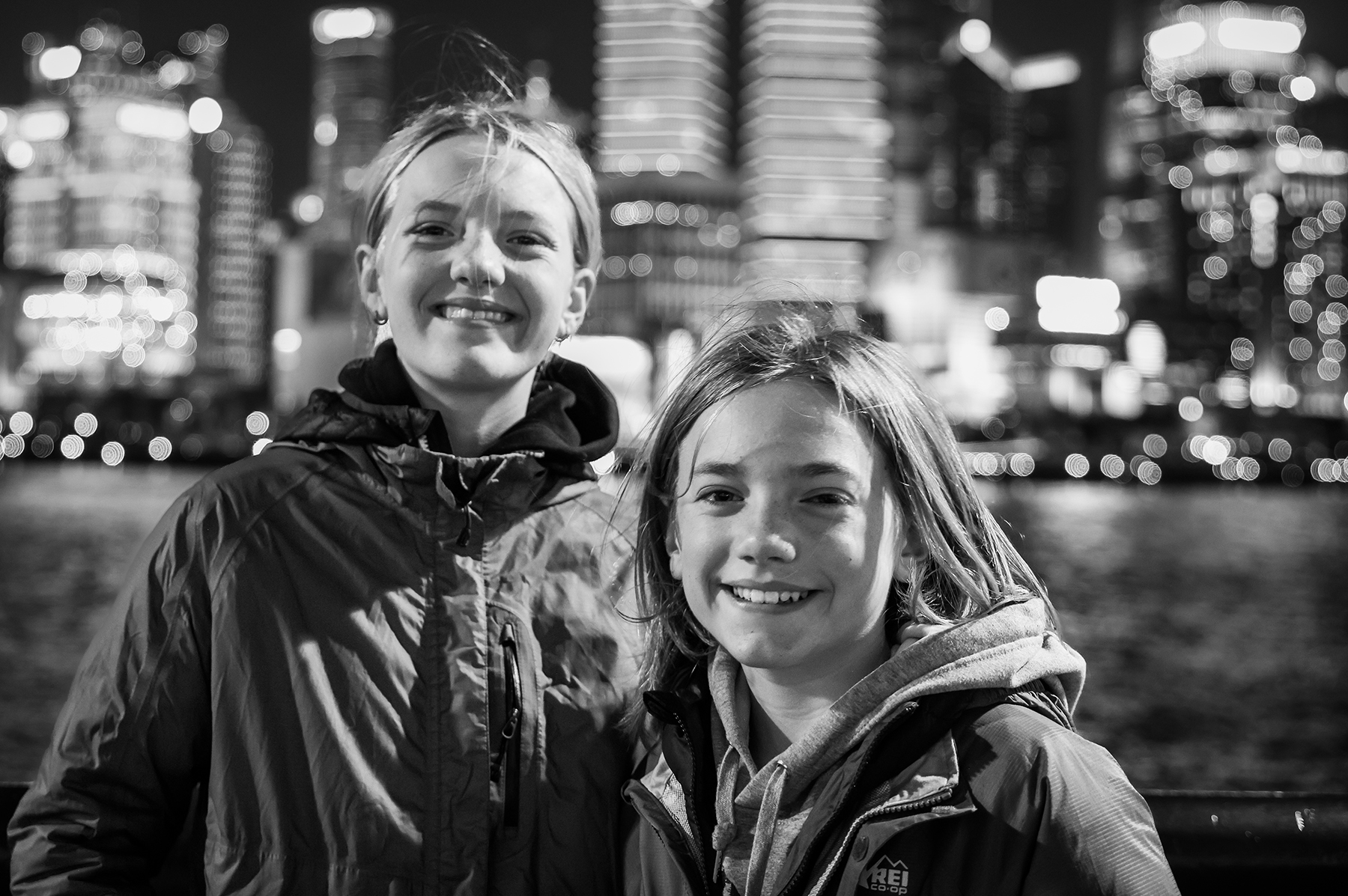
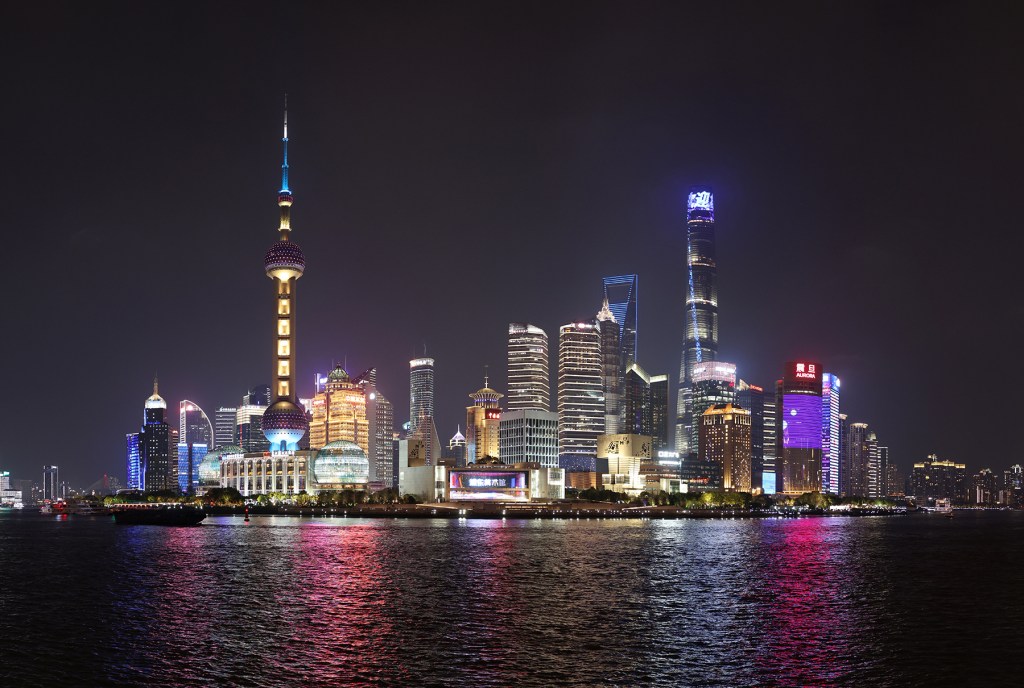
After three nights staying up on the mountain, we descended via a cable car and made our way to the train station to catch a high speed train to Shanghai. Megacities are rarely our favorite destination, but we were quite impressed with the spectacular Shanghai skyline. Our biggest accomplishment in Shanghai was locating a shipping company that would help us send a box back home, filled with cold weather gear we no longer needed to haul along with us, as well as several trinkets and souvenirs we had accumulated over the last month. The task ended up being quite a challenge without access to a reliable map, but we ended up finally locating a tiny, one-man shipping company in the sub-basement of a shopping mall thanks to the help of a very friendly teenager, who spent half an hour with us helping to track down the location. In this top-secret shipping cavern, a second kind man running the shipping company spent nearly an hour with us helping to carefully wrap and package everything up, and even gifted us some neat brass dragon figurines that he thought our kiddos would enjoy. The experience helped to highlight something we hope our year of travel has made clear to our kiddos: though we may strongly disagree with the policies and actions of a country’s government, the government is not the same thing as the people of a country, and kind, wonderful people can be found all over our world.

 Eight Boots Abroad
Leave a comment