
Our self-induced family hostage crisis in Laos, aka the weeks spent waiting for our replacement passport, came to a chaotic end on the afternoon of December 23rd. On the morning of Christmas Eve we began our journey to Indonesia. Due to the limited last-minute flight options, we found ourselves traveling for 24 hours straight to reach our remote destination: the seaside city of Sorong in West Papua, Indonesia. The region is known as Raja Ampat – the Four Kings, referring to the four principal islands of Salawati, Batanta, Waigeo, and Misool. We were mid-flight on Christmas Eve at midnight, but luckily Santa was able to intercept the plane, access the checked baggage area, and sneak a few small gifts (sketchbooks, colored pencils, and a bottle of Tabasco) into our bags for the kiddos!
Our time planned in this area of Indonesia was one of our most anticipated events for the year. The region of West Papua, specifically the islands of Raja Ampat, are commonly referred to as the “last paradise” due to their isolated location, incredible biodiversity, and stunning beauty. We had plans to stay with a local family on one of the islands for a few days and then transfer to a liveaboard boat for 11 more days of snorkeling, hiking, and remote village exploration.

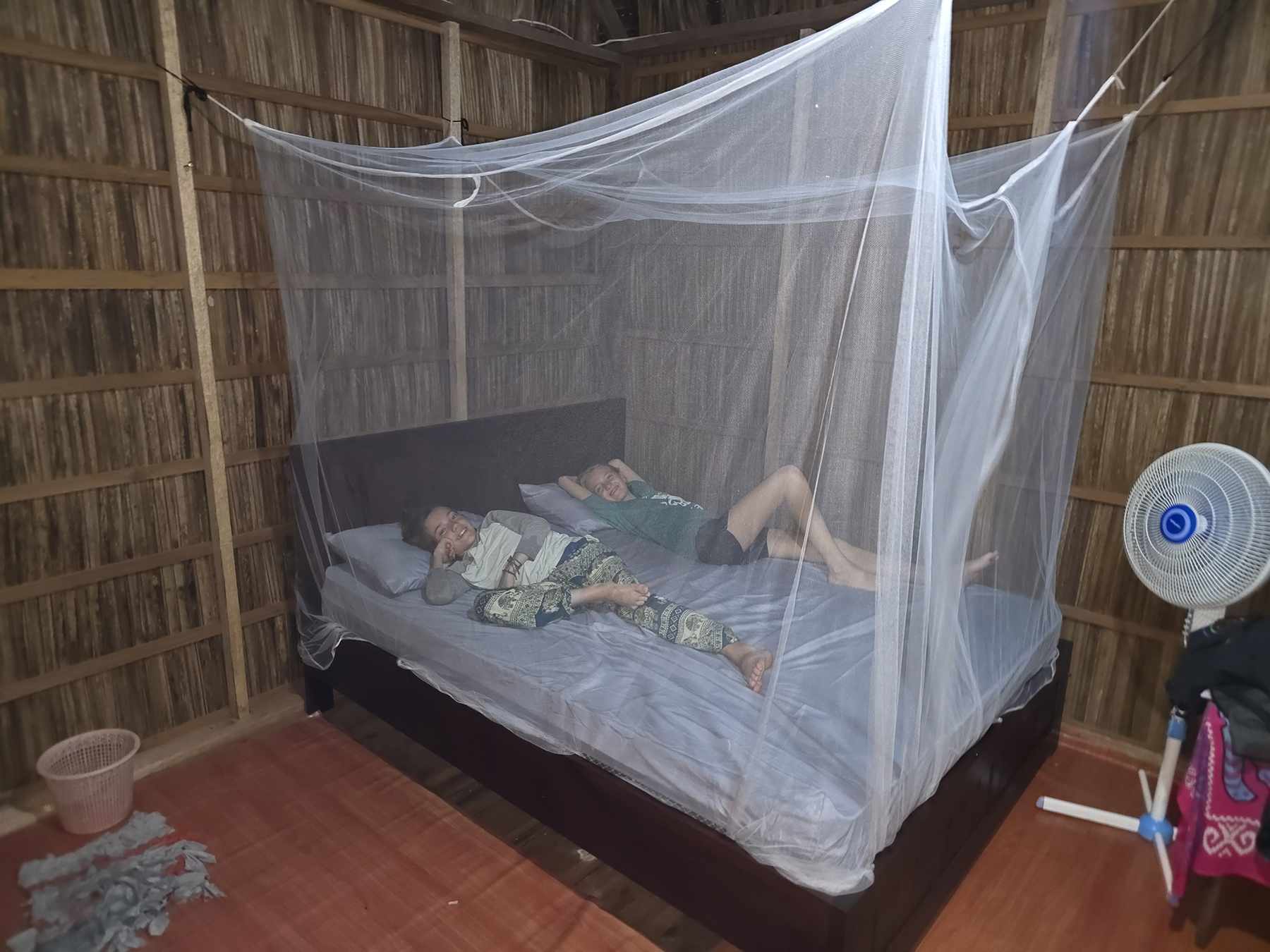
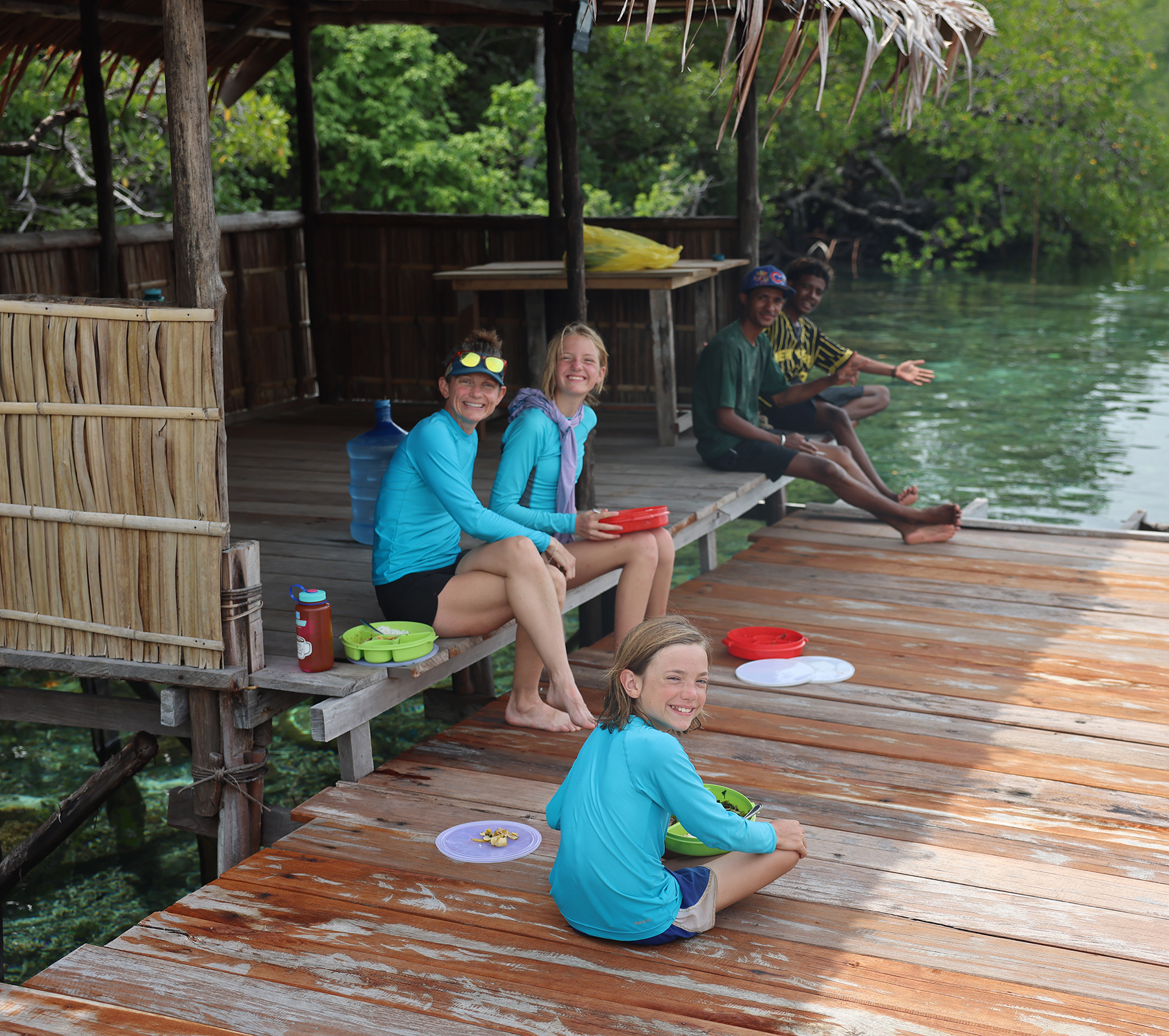
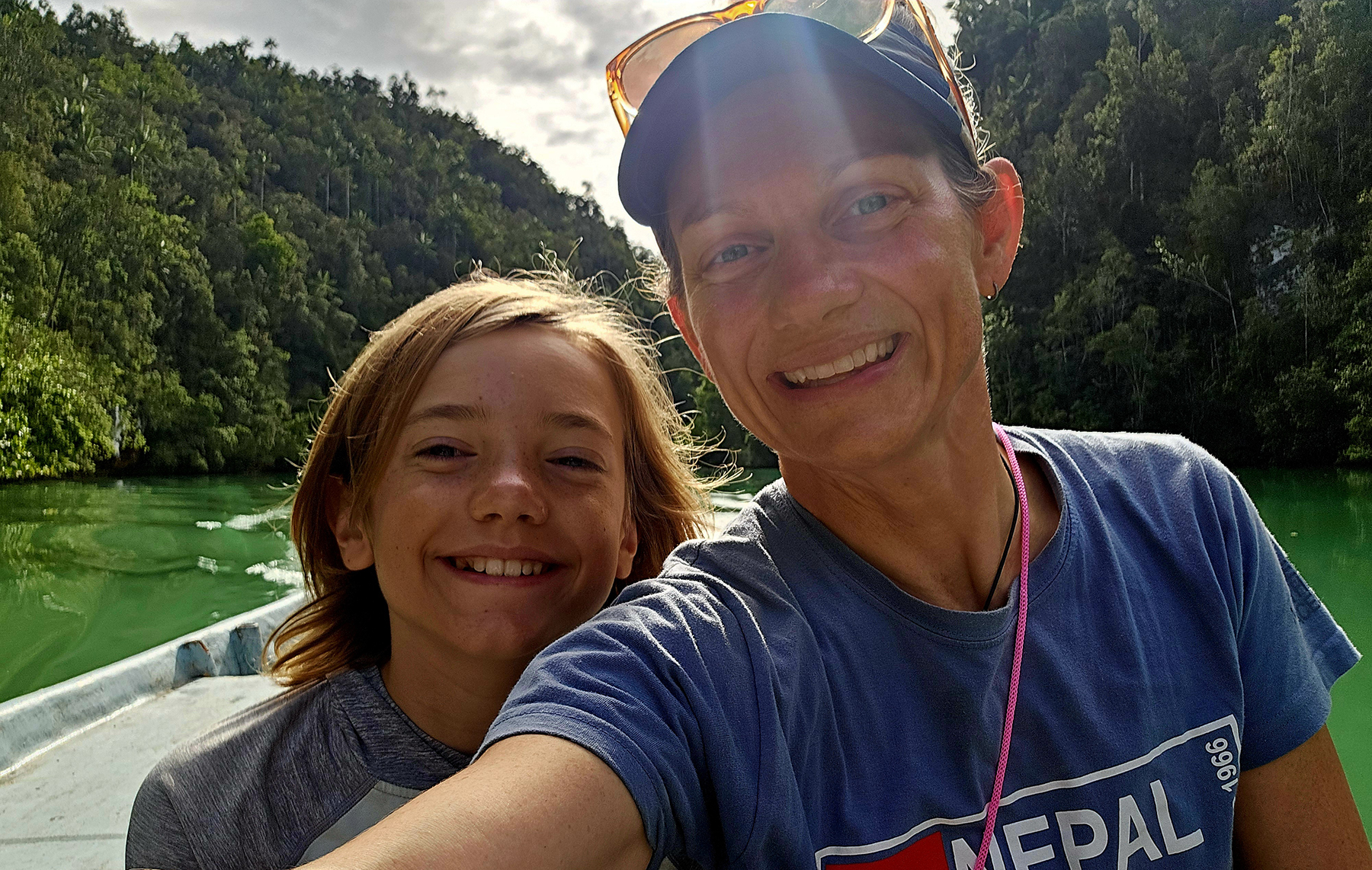
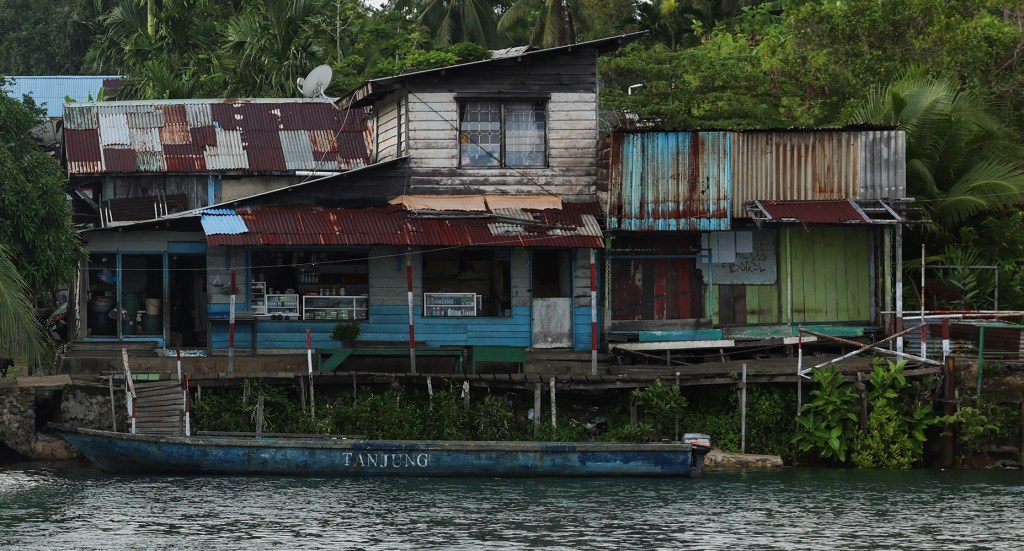
From the town of Sorong in West Papua, it was an additional three hours of ferry voyage and a further hour aboard a tiny long-tail boat to reach our isolated homestay accommodation on the island of Gam. There aren’t any hotels on these remote islands, so instead travelers choose from dozens of small homestays to visit. Each homestay provides very basic accommodation (usually mattresses on the floor with mosquito netting, shared toilets/showers, and sporadic electricity), as well as 3 meals a day (breakfast: rice and fish, lunch: rice and fish, dinner: fish … and rice). Our homestay was a bit unique because we discovered at the last-minute that our hosts were actually off the island visiting extended family for the holidays. Instead, we arrived to find the young nieces and nephews in the family running the show. We lucked out – they were actually very sweet and thoughtful hosts!
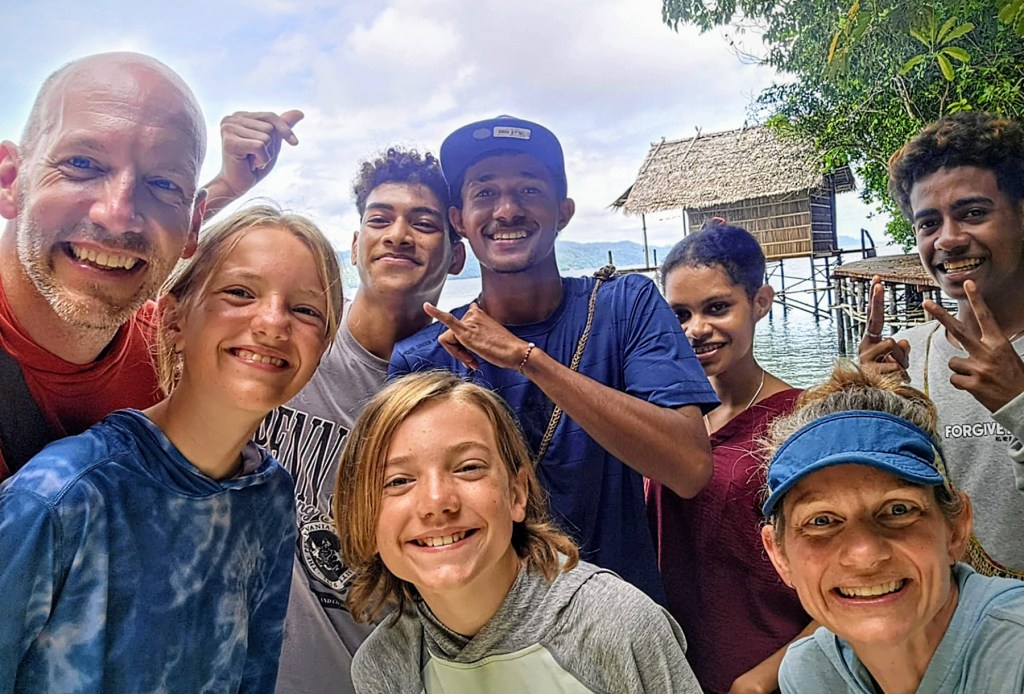
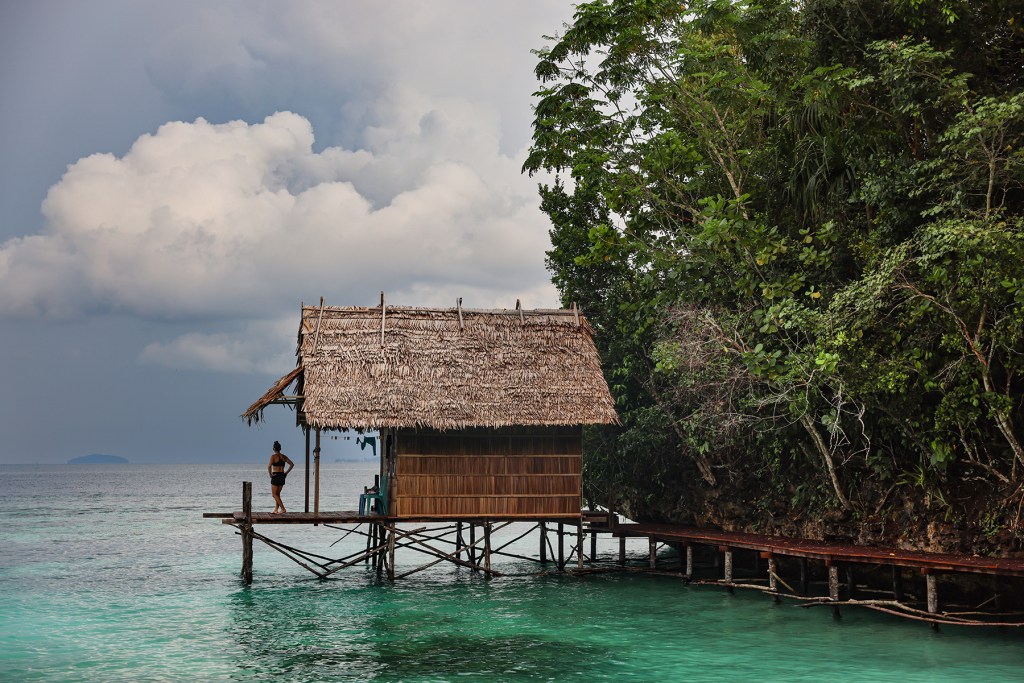
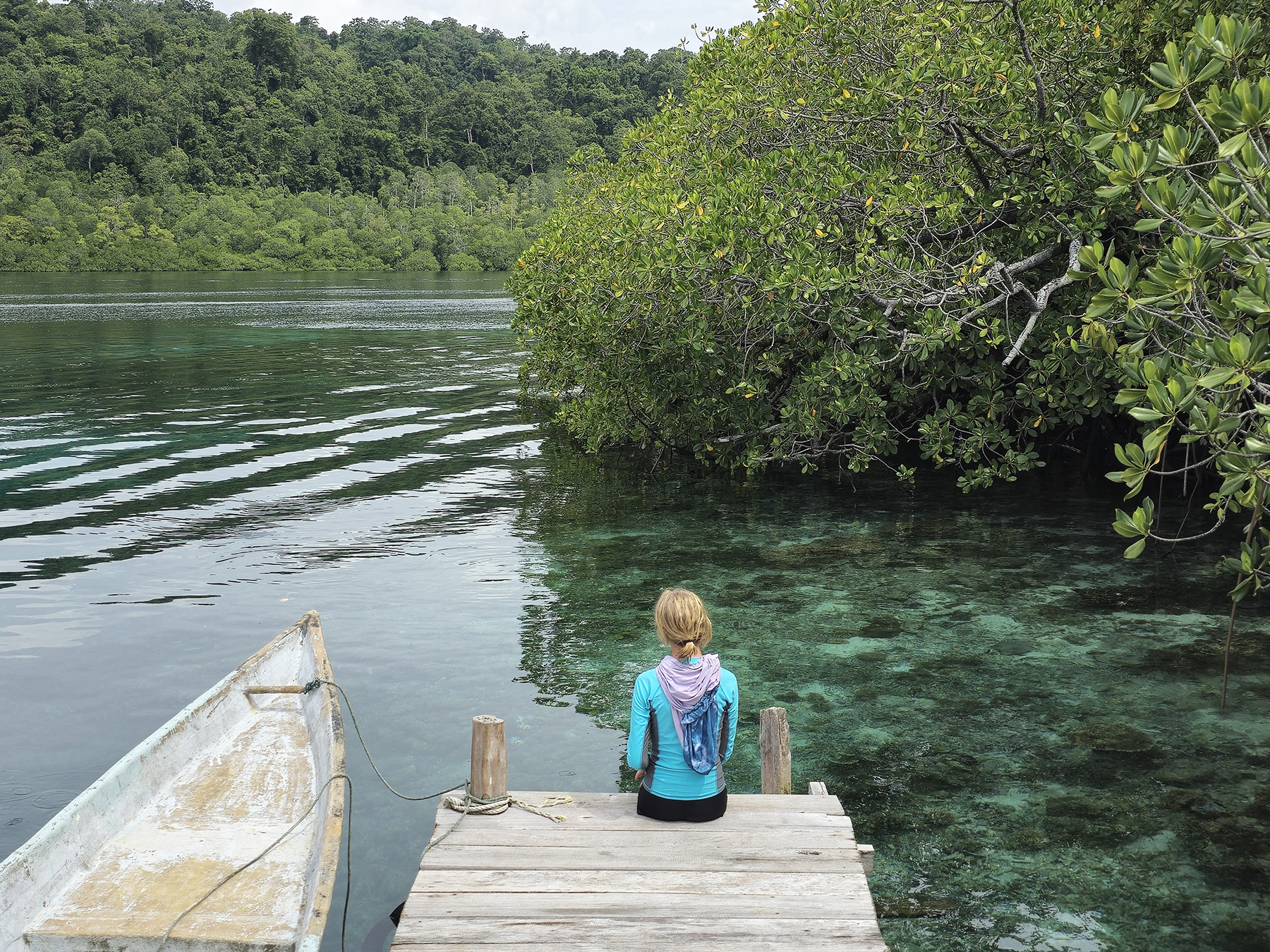
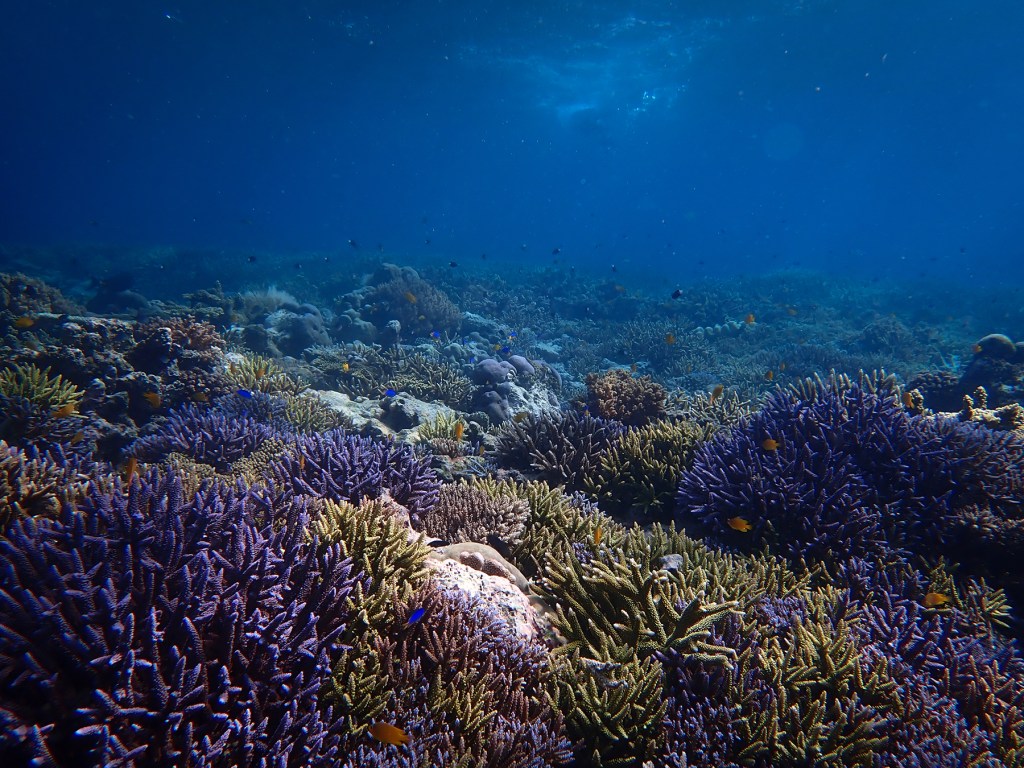
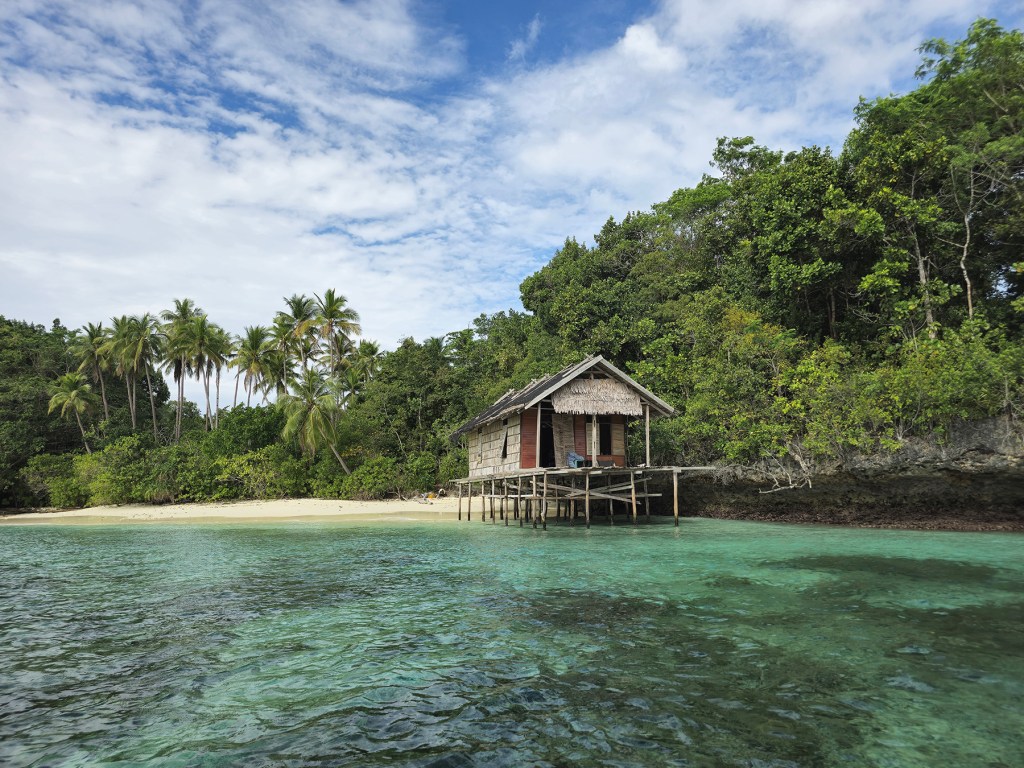
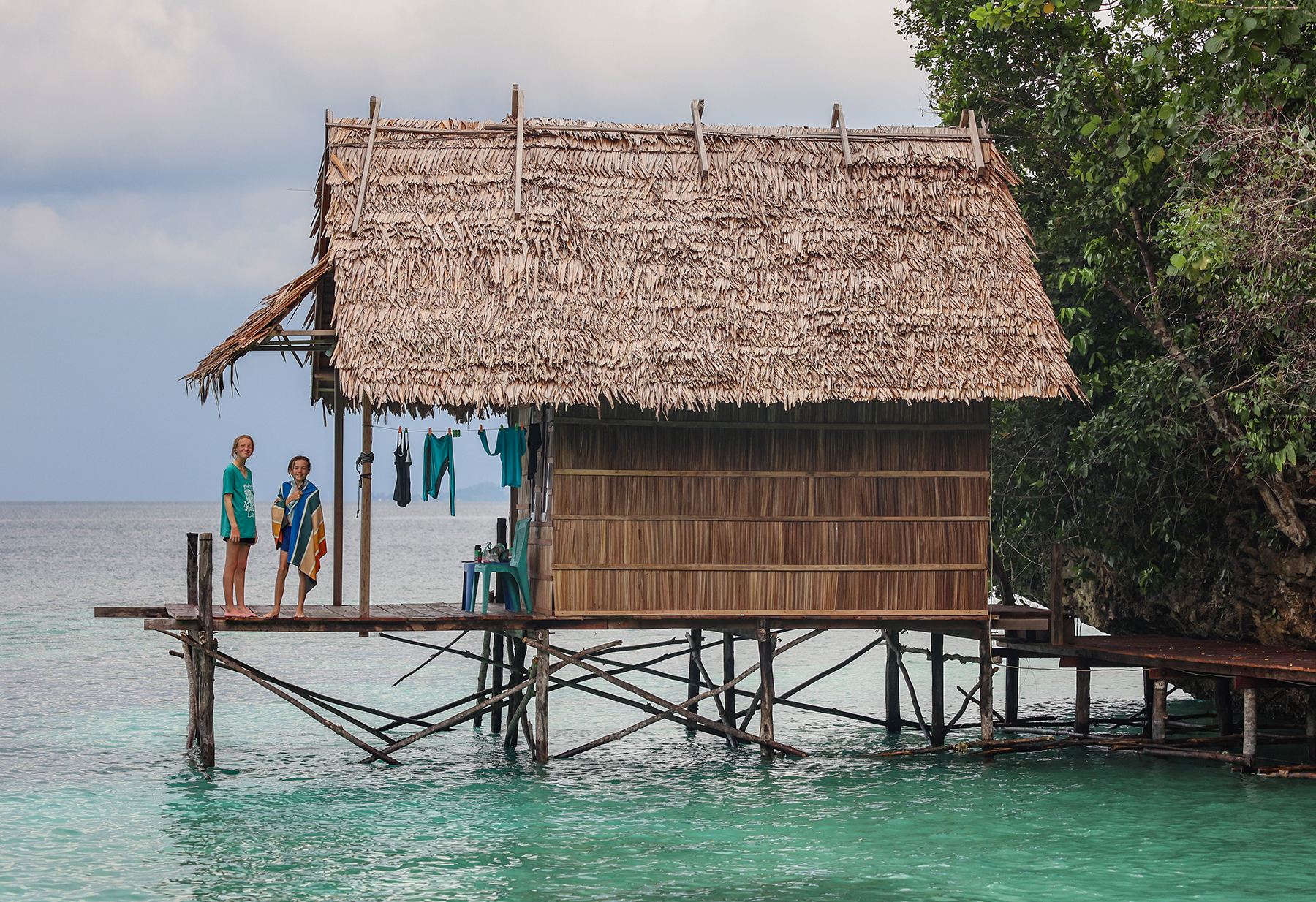
Our family was treated to rustic above-water bungalows, with no windows, no doors, and minimal roof. This resulted in numerous small lizards falling from the ceiling into our room, and an invading army of ants on the floors. We could, however, look out over the vibrant coral reef and see fish, turtles, sting rays, and black-tipped reef sharks!
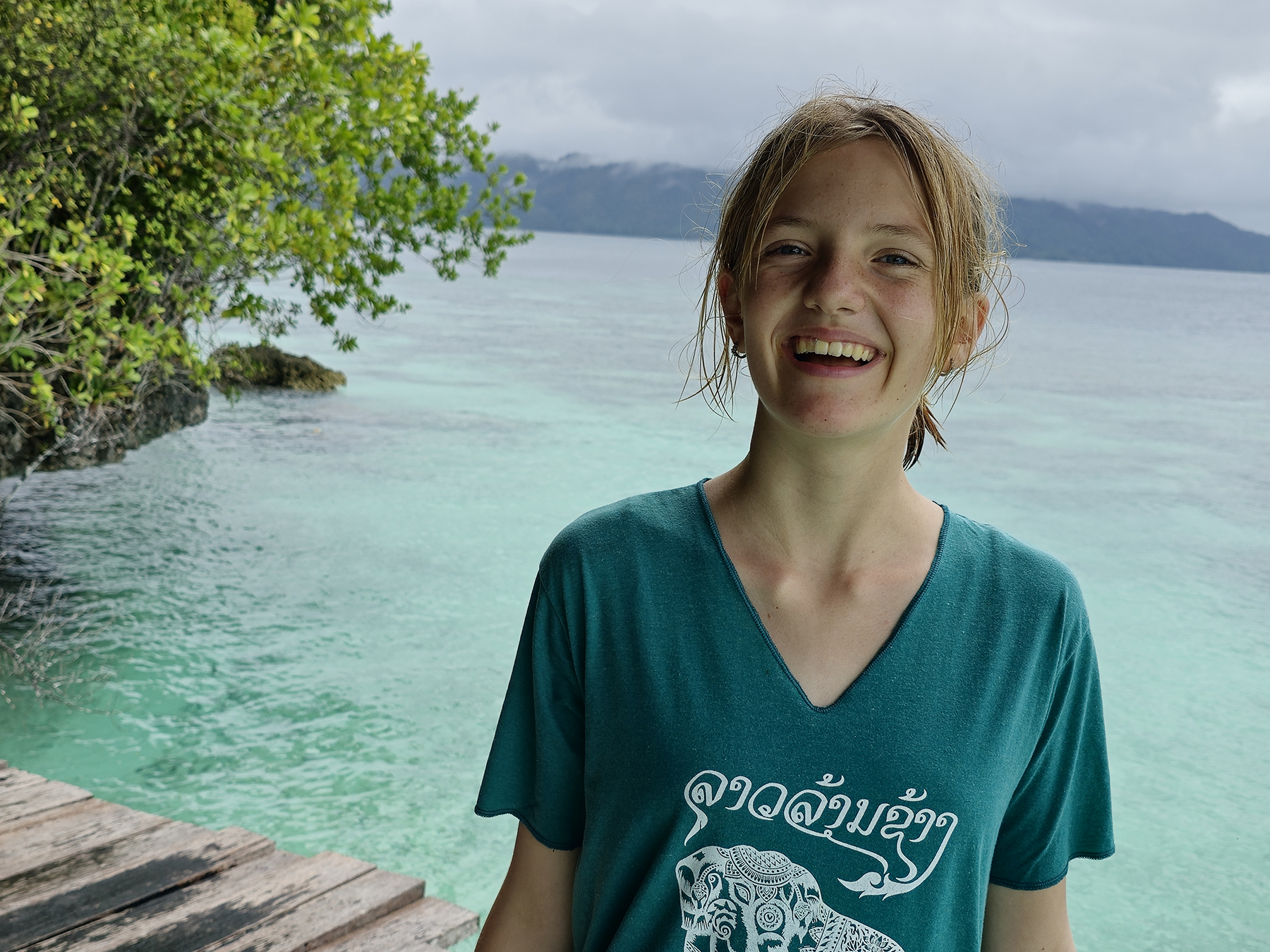
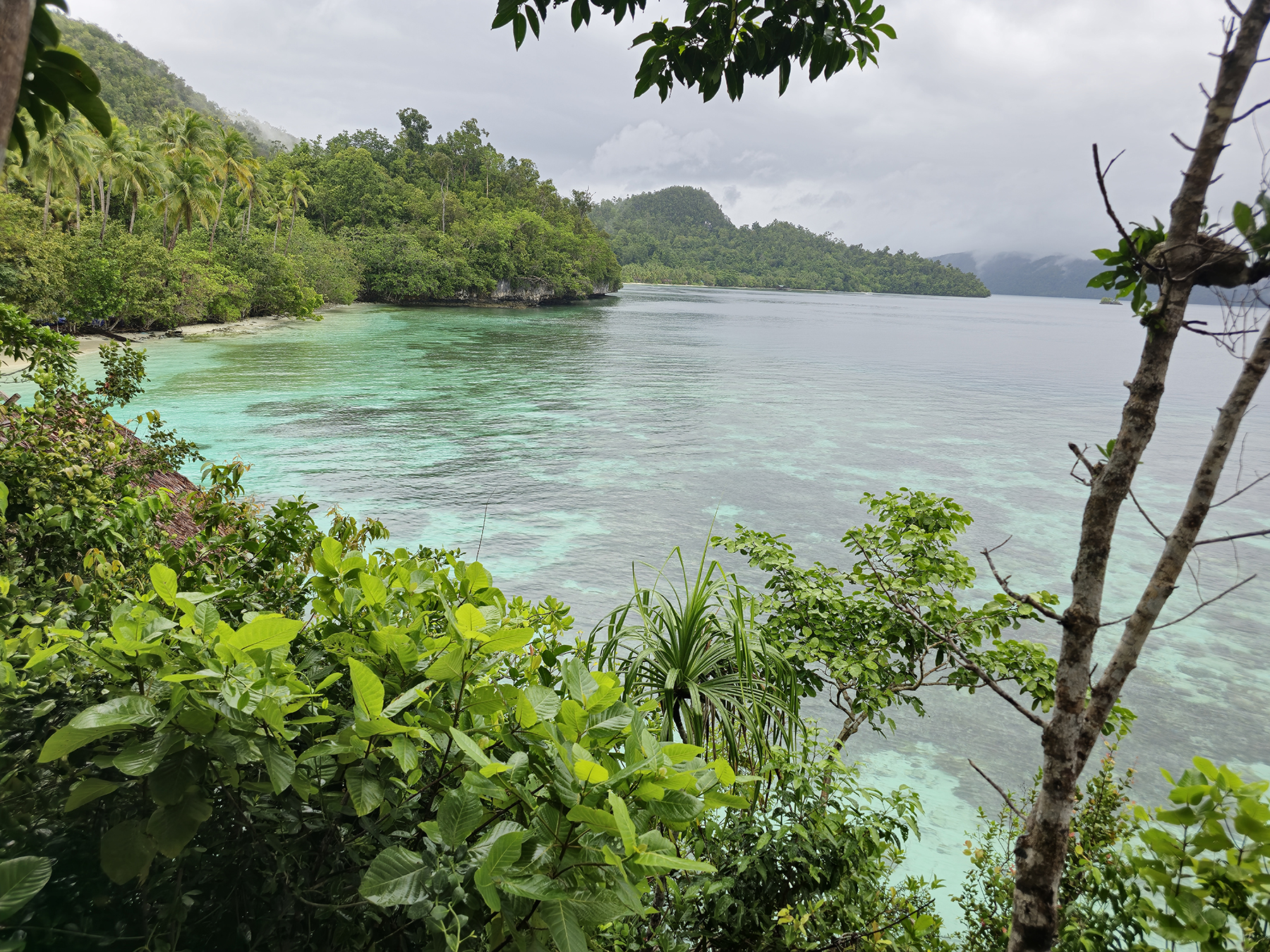
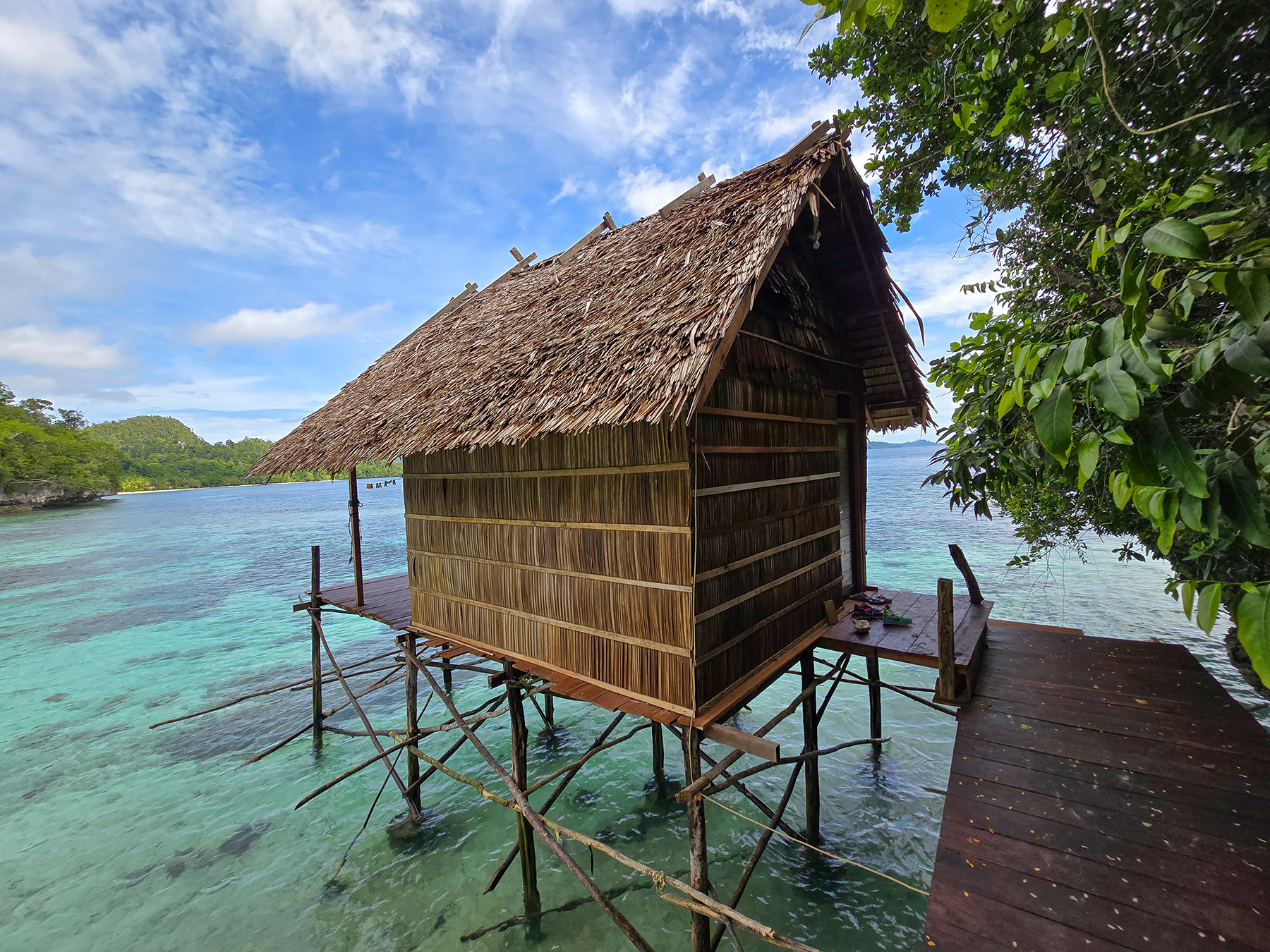
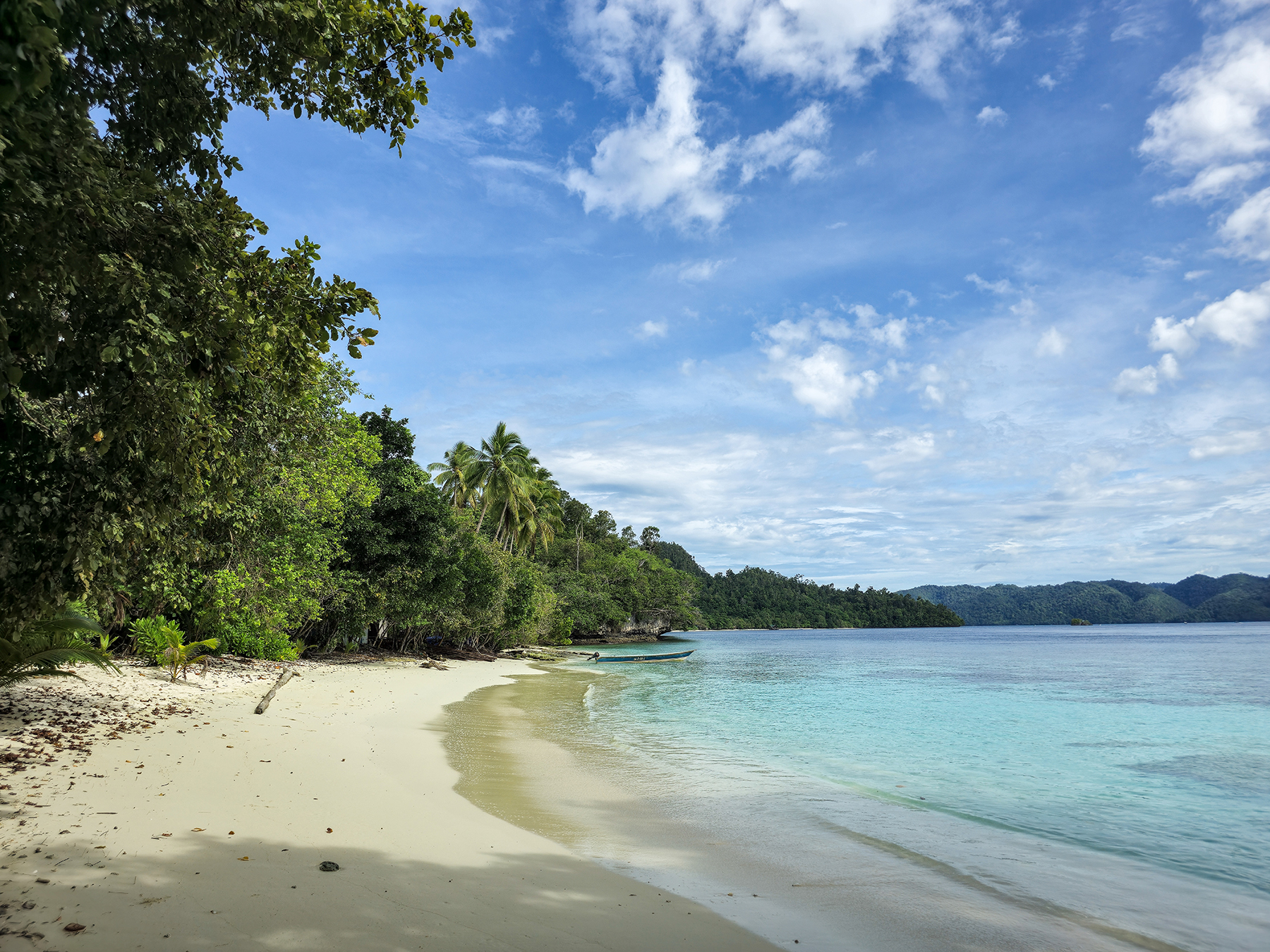

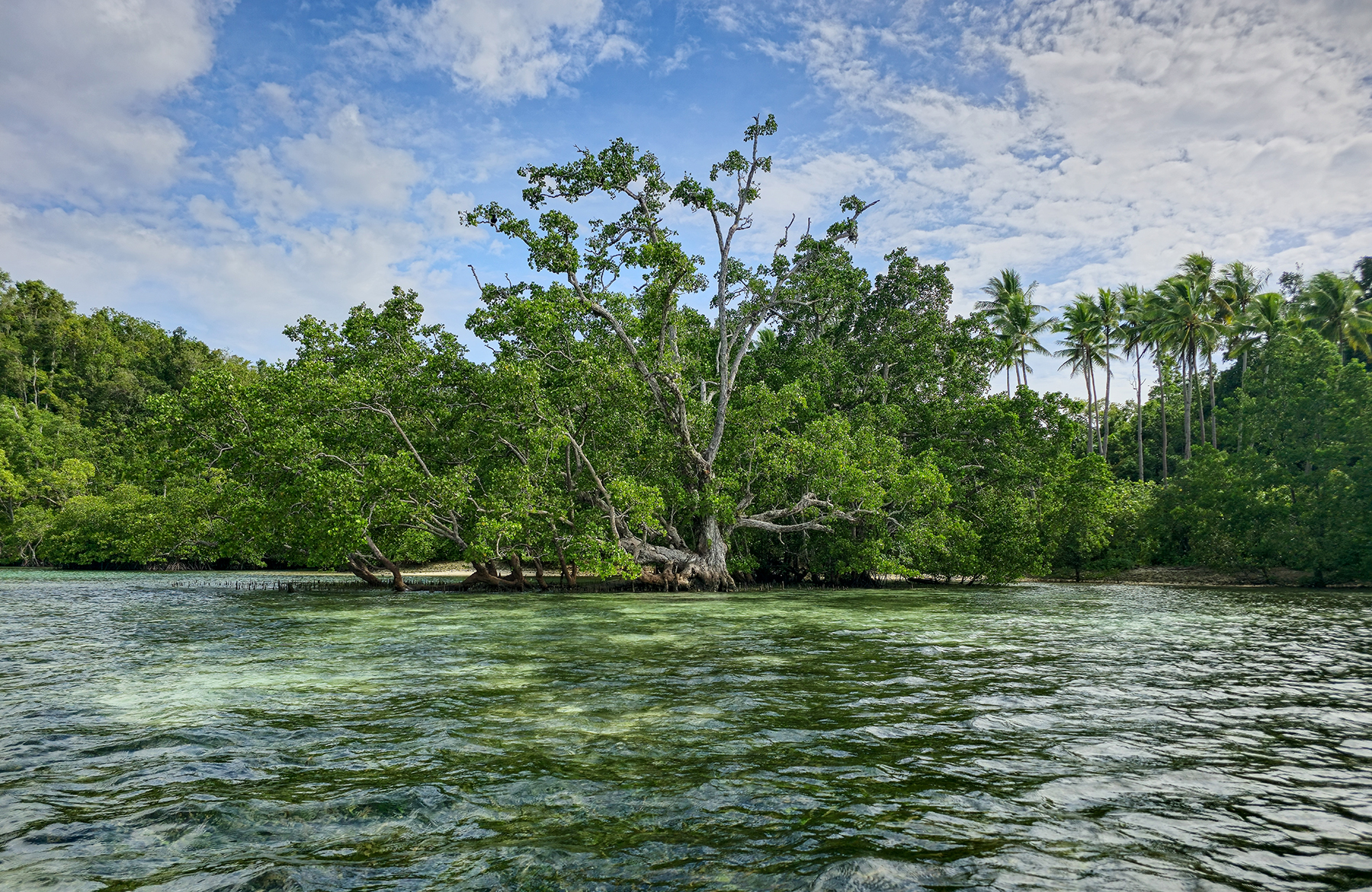
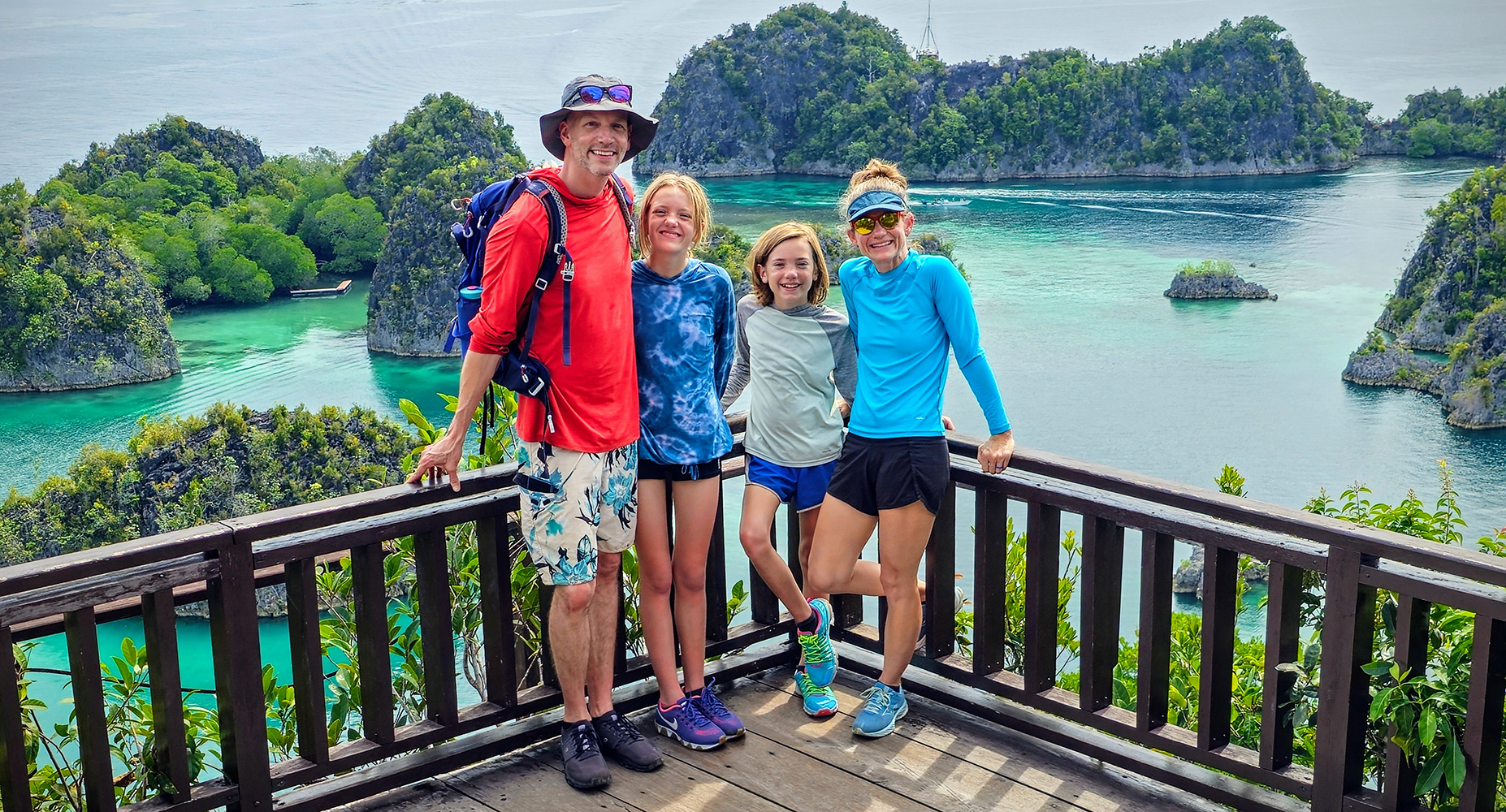
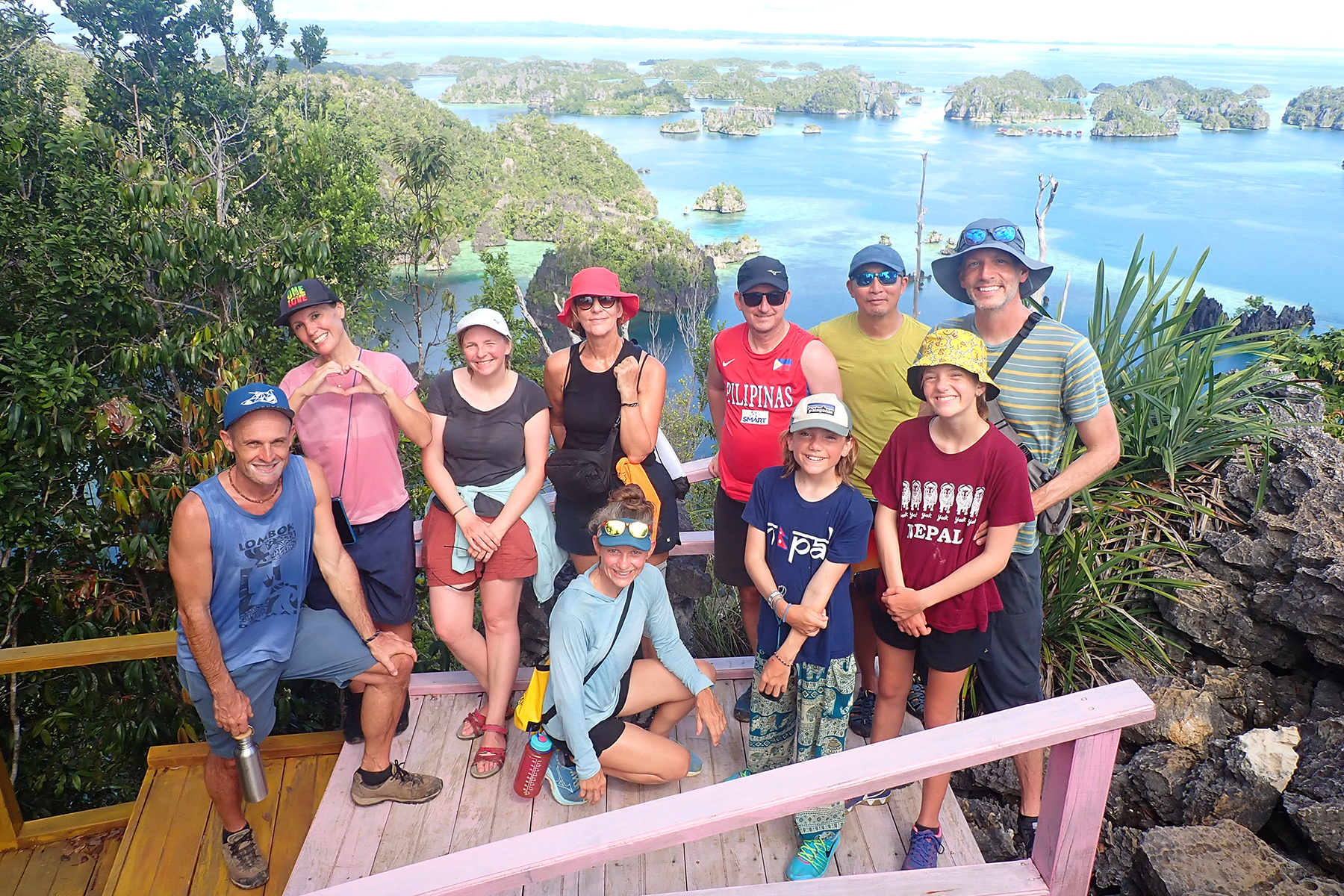
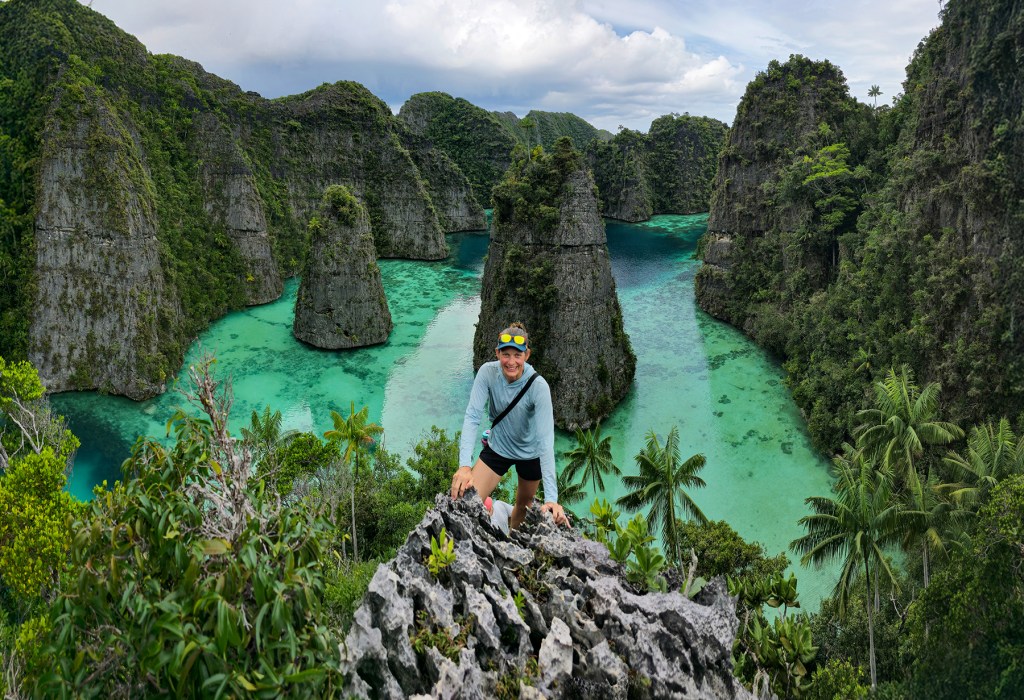
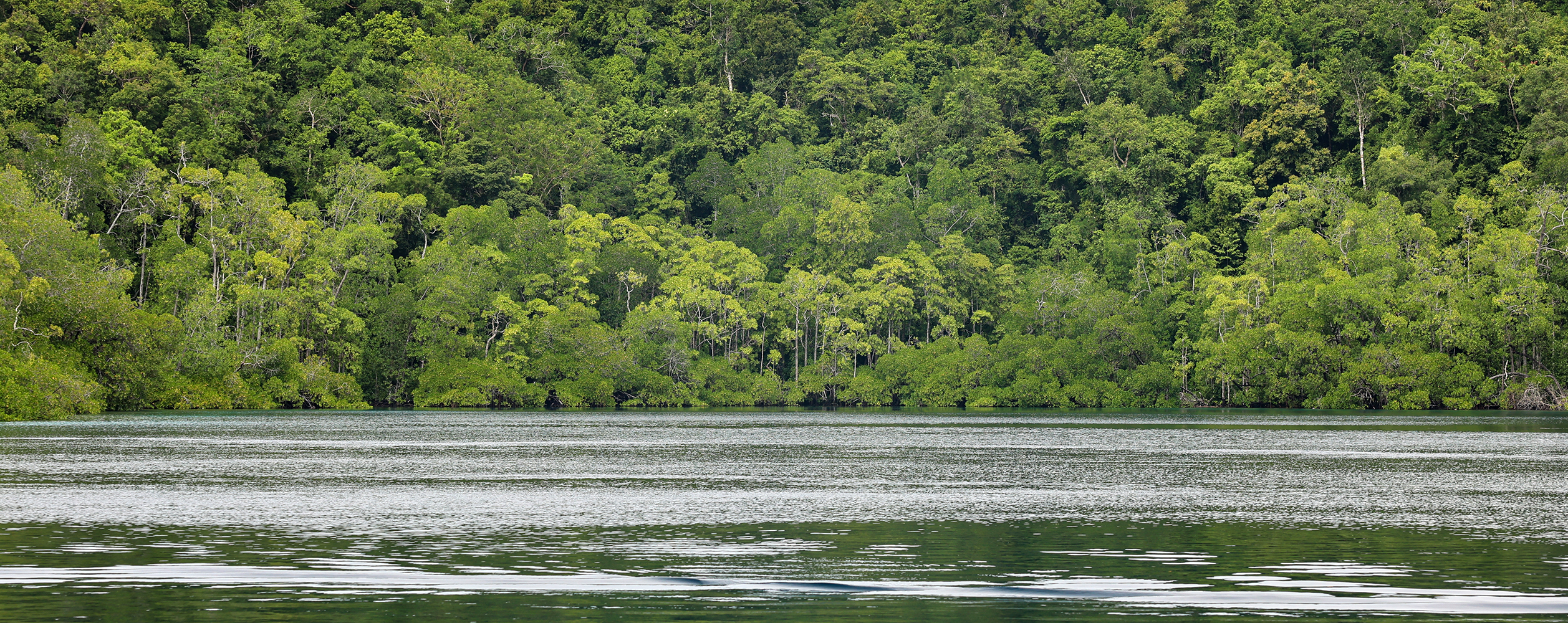
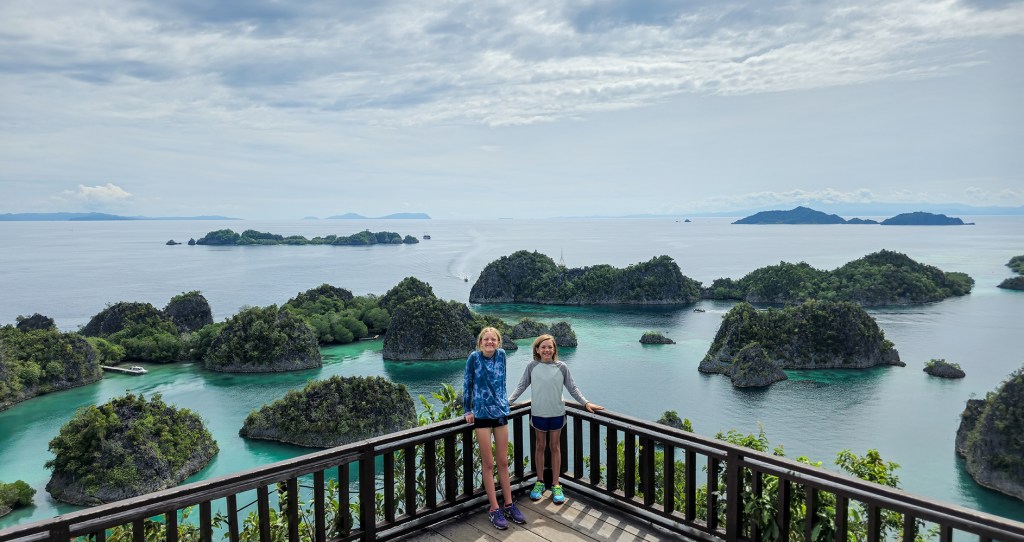
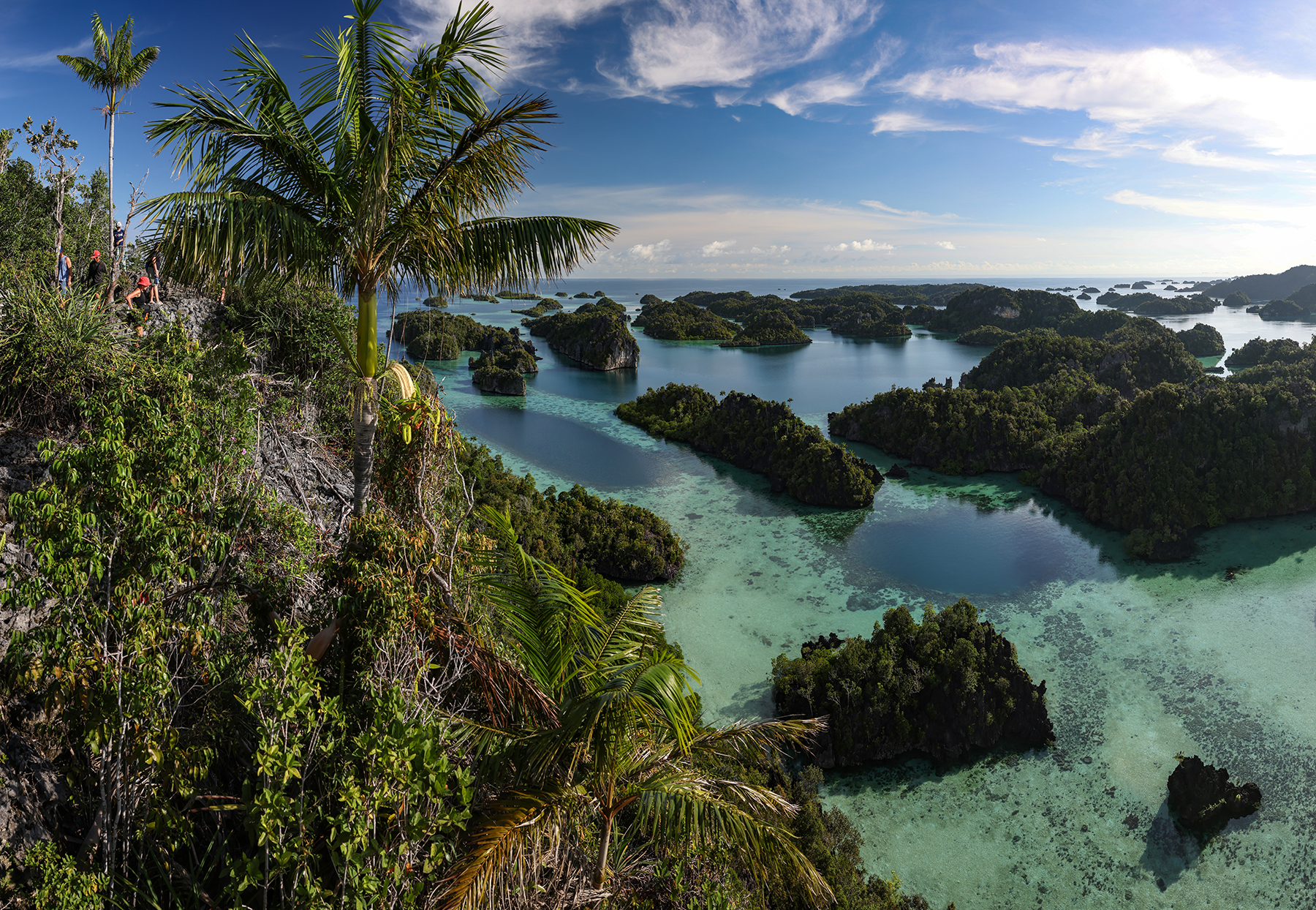
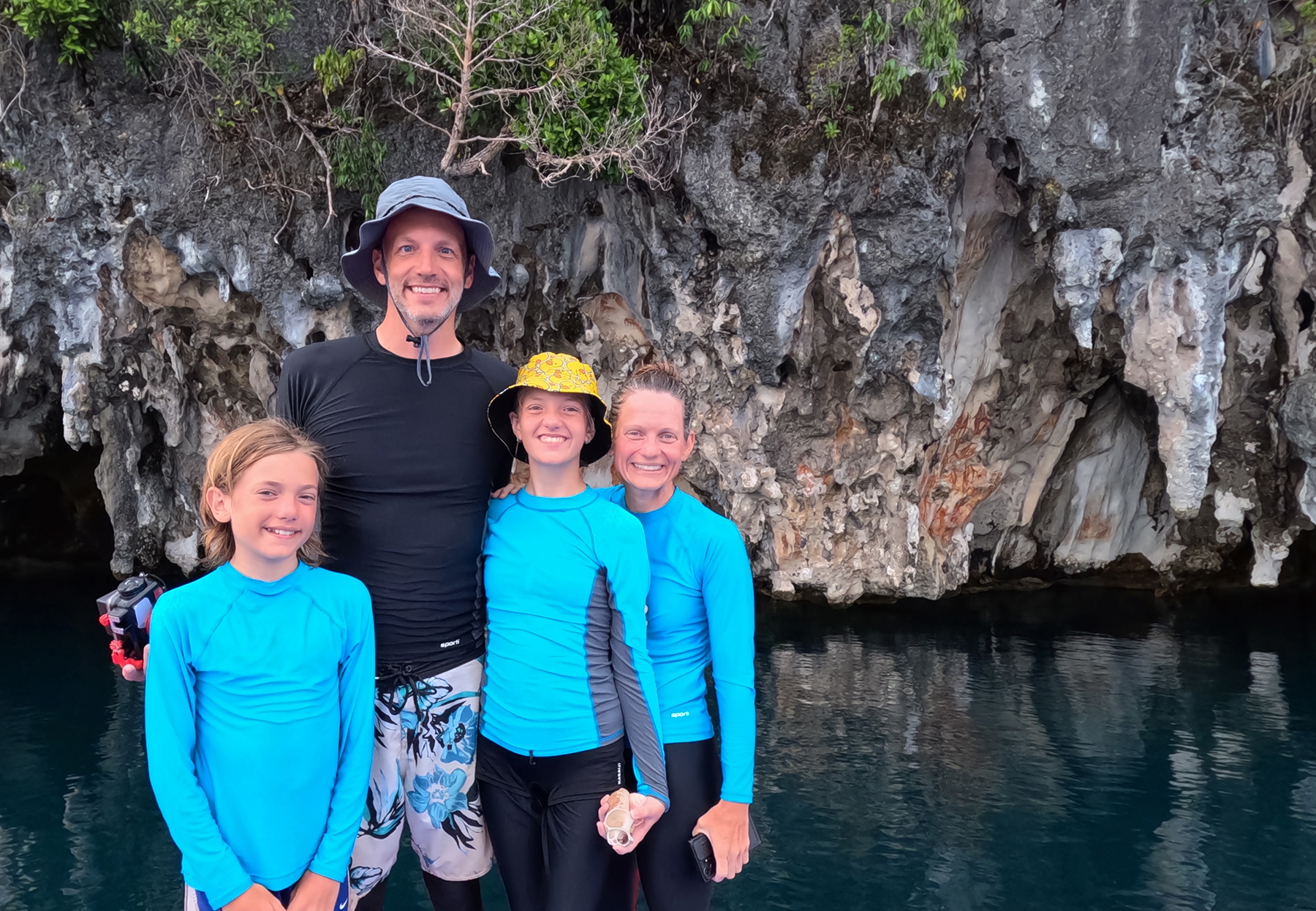
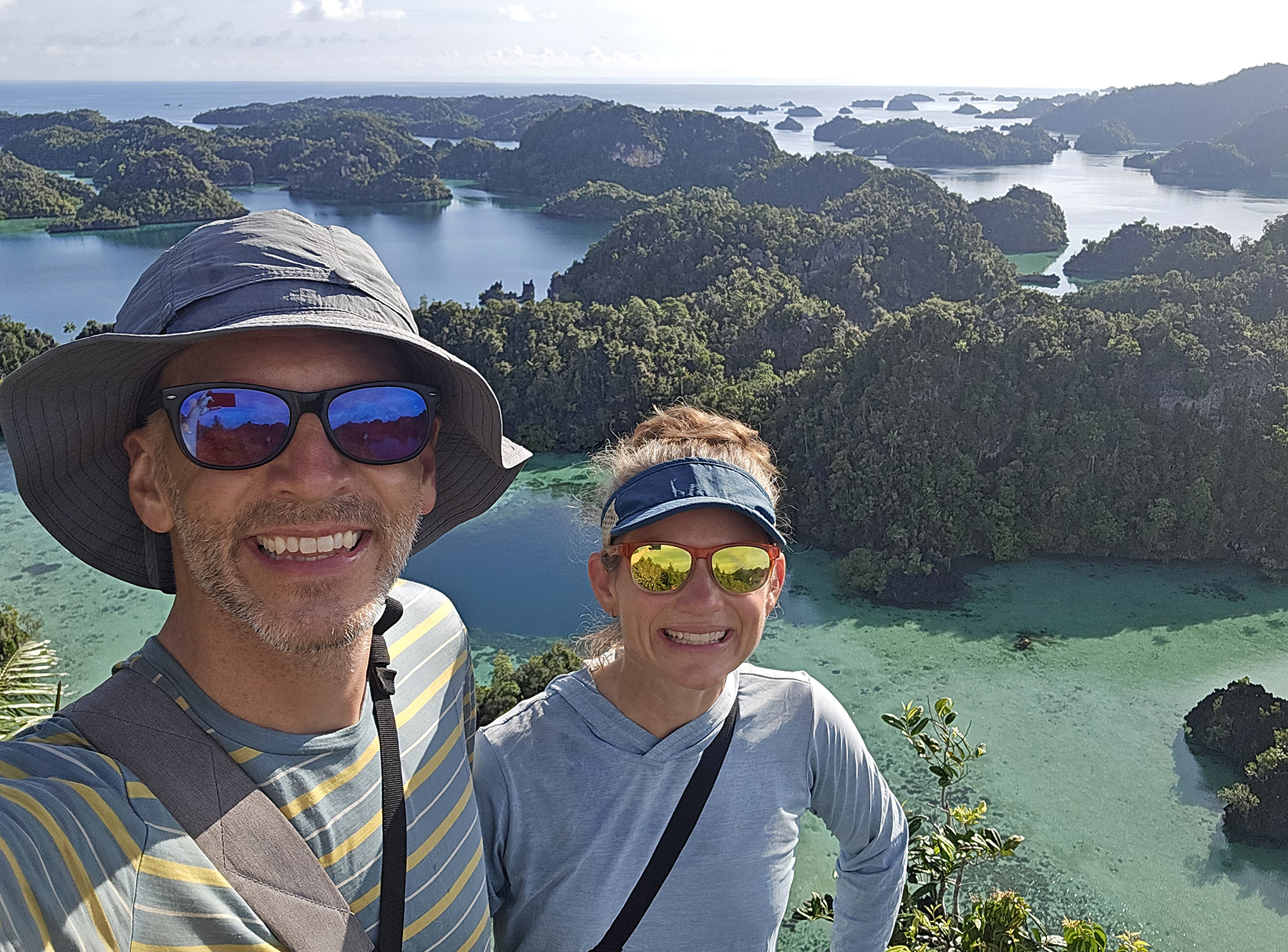
We stayed for 3 days and were able to swim and snorkel in the crystal clear waters from the beach next to our bungalows. We took long-tail boat transfers with our young hosts to several special snorkeling spots, a local mangrove forest, and the Piaynemo lookout hike.

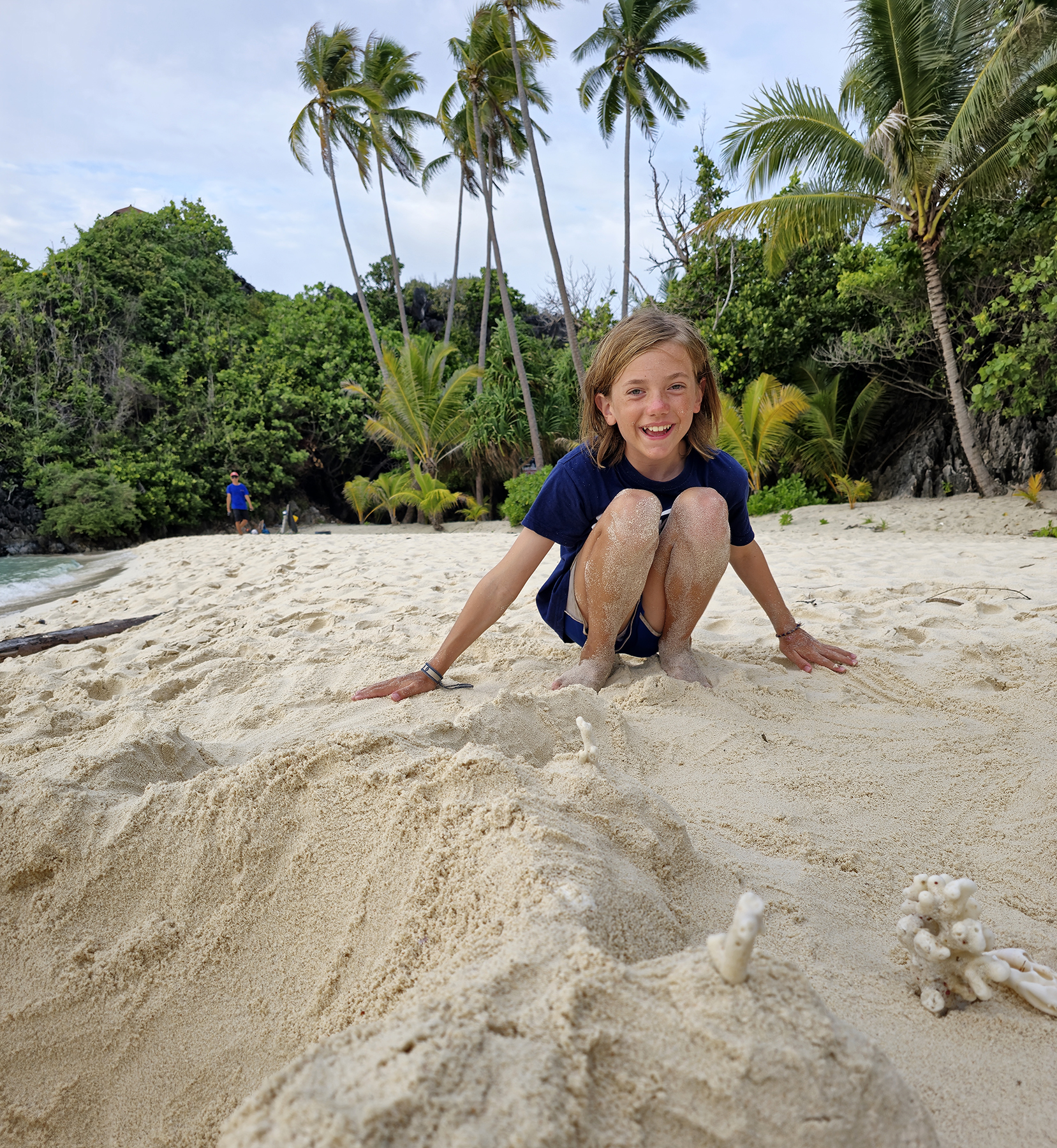
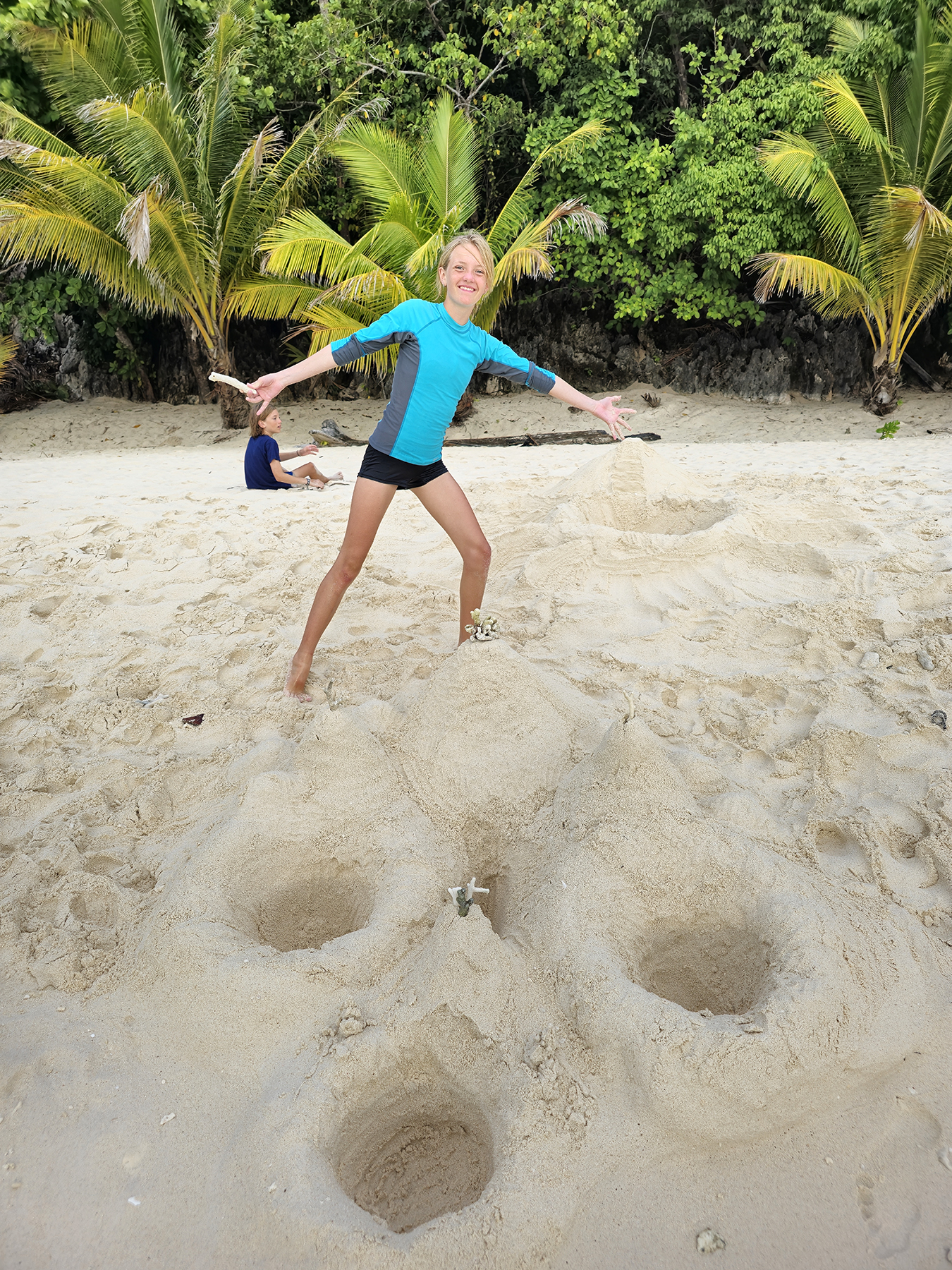
Our kiddos’ favorite activity every evening was catching crabs on the beach. Hundreds of crabs would become active once the sun set, and over the course of a few nights the kids really dialed-in some amusing crab catching techniques.


We also discovered the isolated homestay was the habitat of a fascinating, unique marsupial – the nocturnal Waigeo spotted cuscus! Endemic to the island of Gam (Waigeo), the incredible creatures could be found moving slowly amongst the trees near our homestay every evening. What a spectacularly quirky little creature!

After 3 days of remote island life, snorkeling, and exploring at our rustic homestay, we headed back to the main island of West Papua for a night before transferring to our liveaboard boat. The kiddos chose to relax and enjoy the wifi and air-conditioning at the hotel while Howie and I wandered the city of Sorong looking for goggles, sunscreen, and sandals. We quickly learned that random travelers independently roaming the shops and streets of Sorong are not a common occurrence. We encountered numerous locals video chatting with friends and family to proudly display the tourist spectacle (us) they had discovered in town! It was highly amusing and refreshing after traveling for so many months in locations where travelers are not always as enthusiastically embraced.
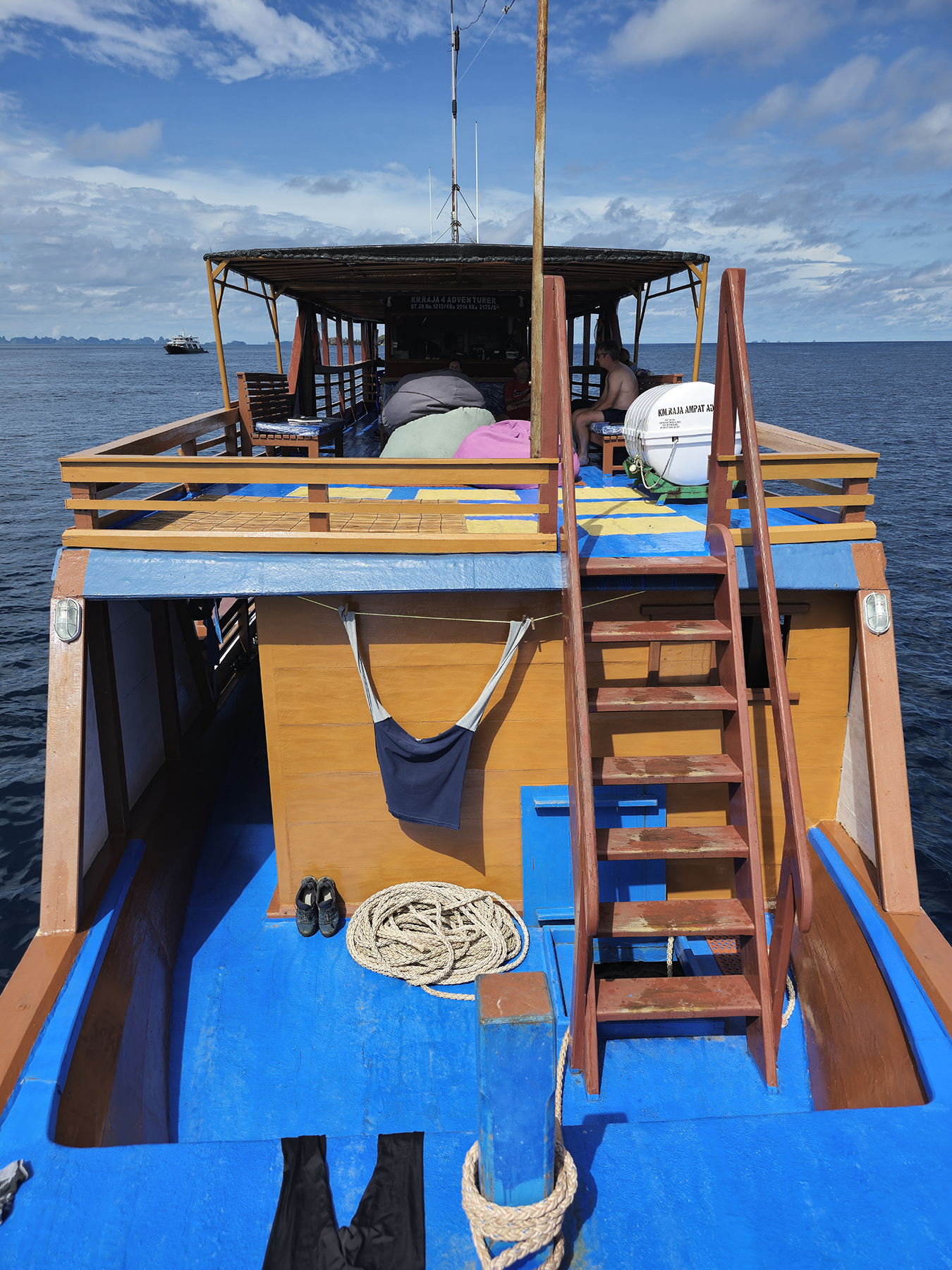
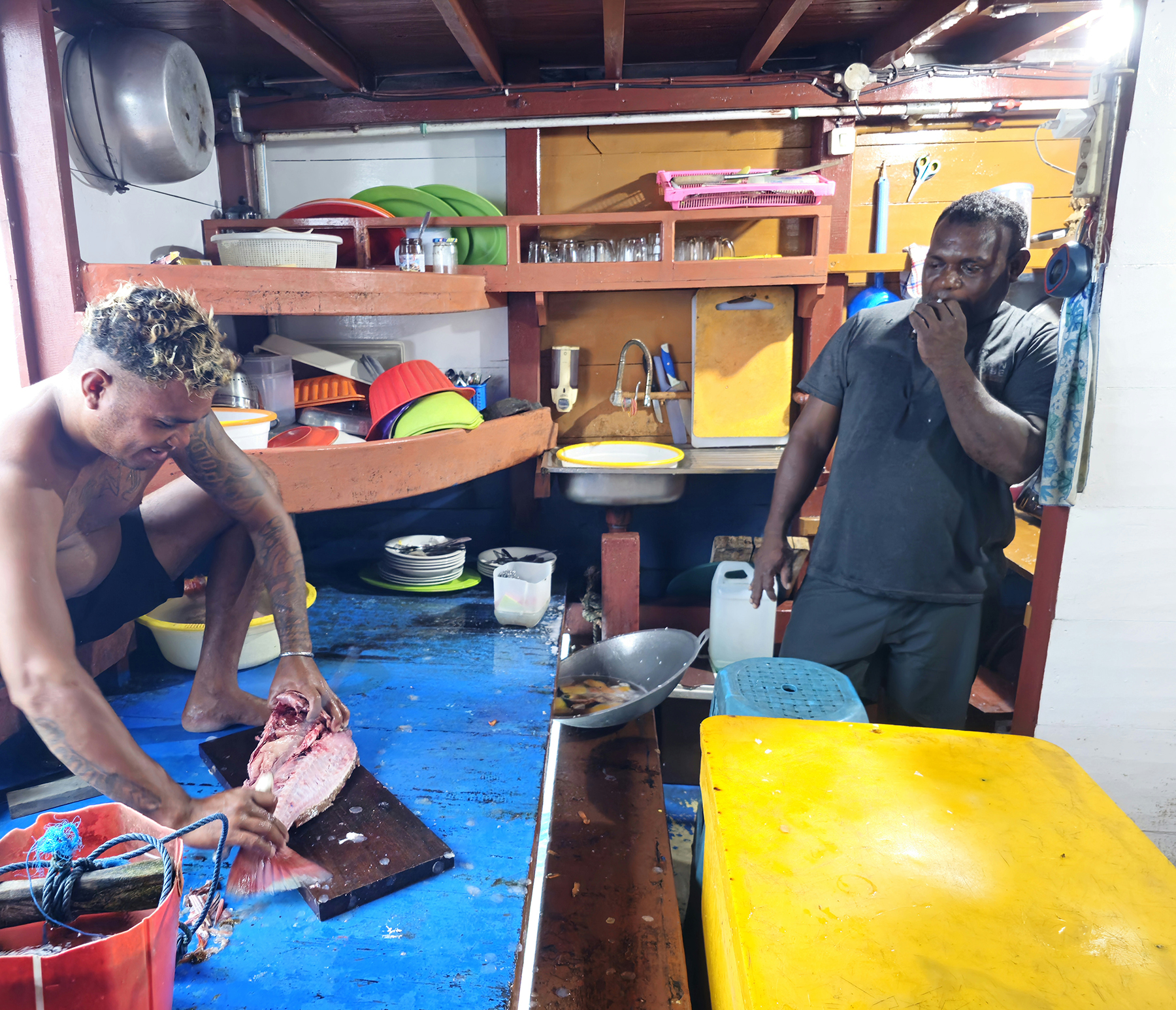
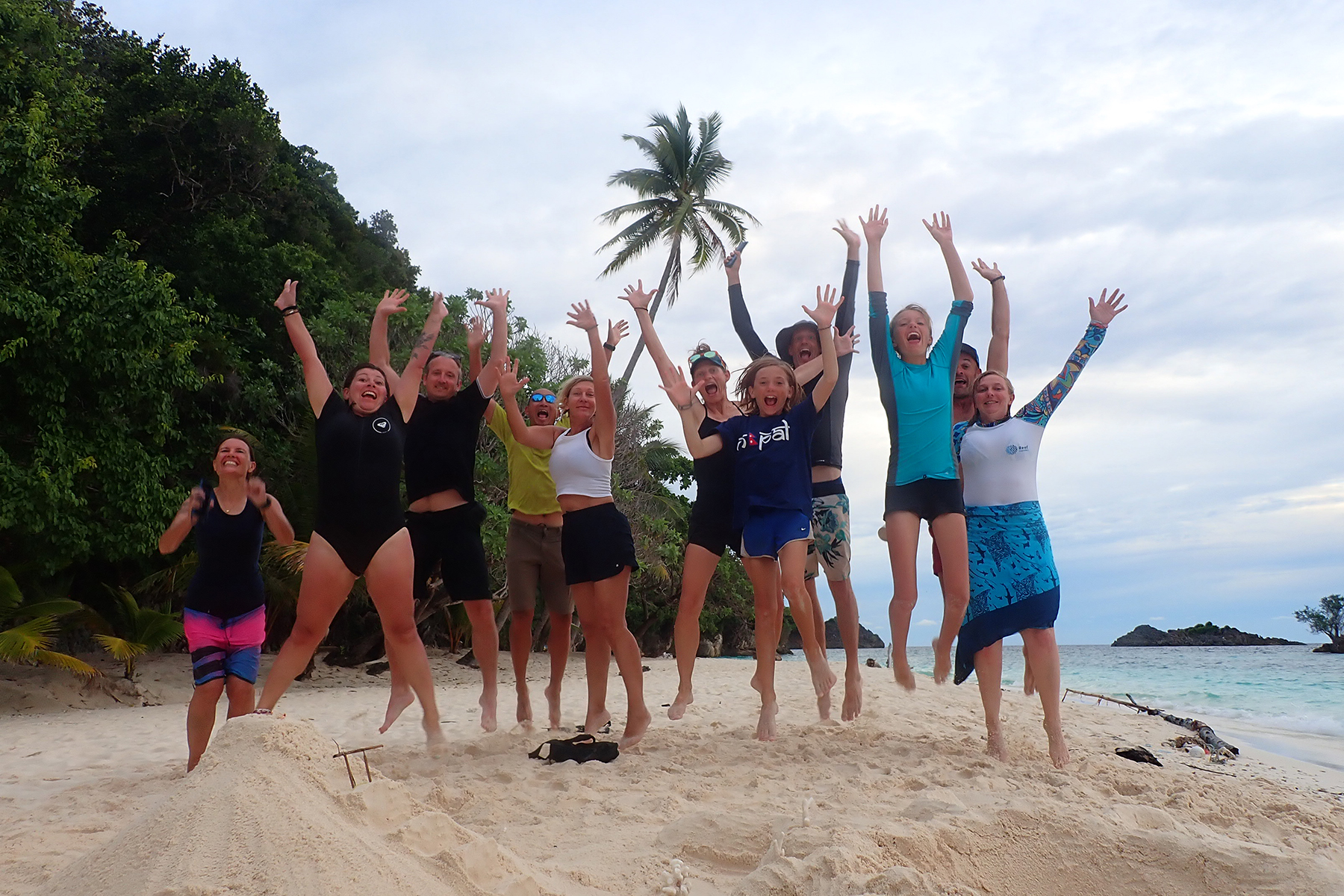
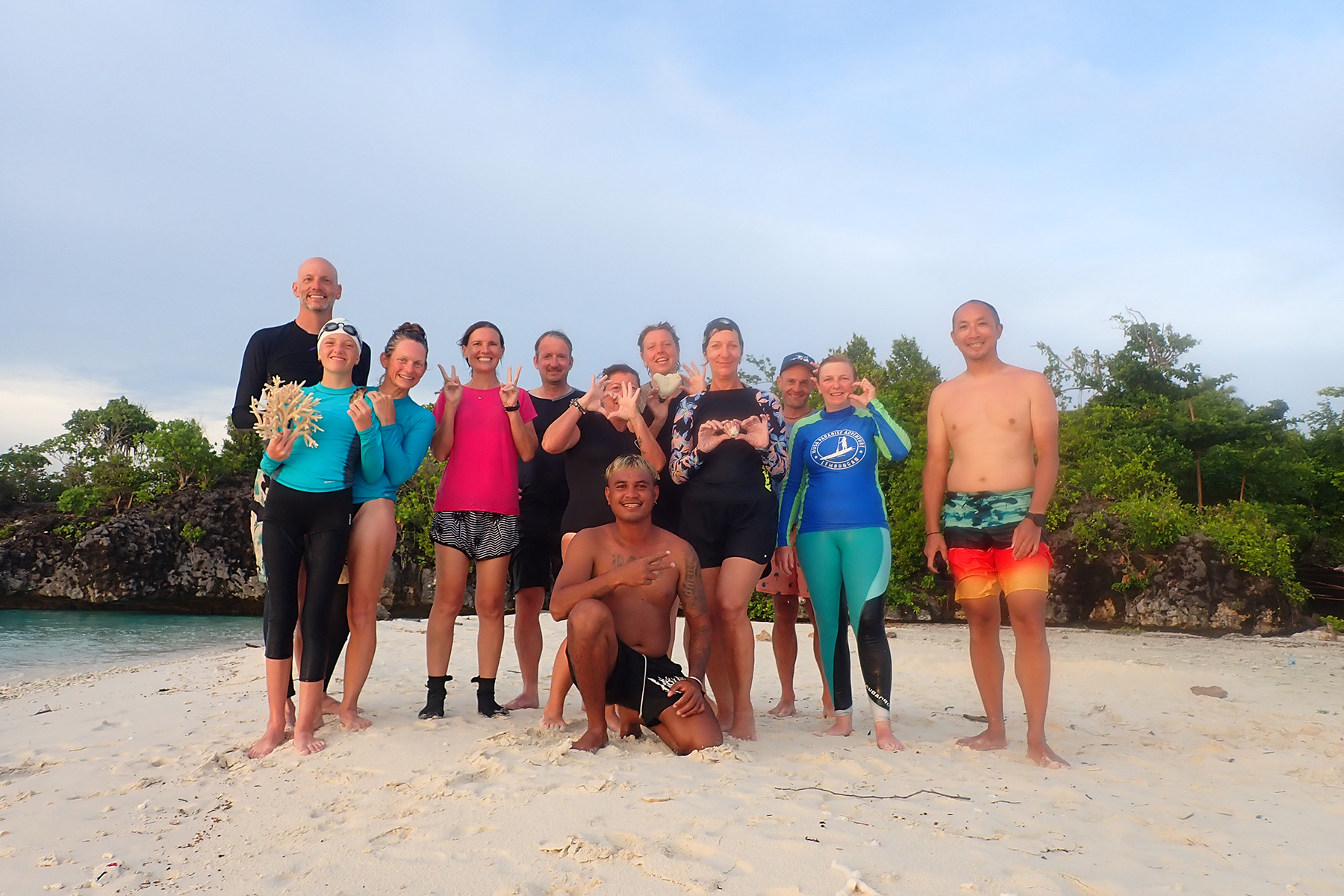
The next morning we boarded the quaint, simple boat which we would call home for the next 11 days. This boat adventure was far from the luxurious (and insanely expensive!) scuba diving ships that one imagines when dreaming of an Indonesian liveaboard experience. Instead, I would describe it more appropriately as a “budget-friendly 1980’s summer camp on water.” Our 22 meter boat had three bunk rooms for 12 guests and another two bunk rooms for the captain, guides, and cooks. The 17 of us shared three bathrooms (3’ x 3’ “shoilet” rooms with an inch of standing water covering the floor at all times), a sundeck, and a dining table. The kiddos enjoyed launching themselves from the top deck into the ocean below, and playing nightly UNO games with the Captain and other passengers. Many nights were so incredibly hot in the bunk rooms that we would all sleep out on the sundeck under the stars. It was far from luxury, but it was absolutely perfect.
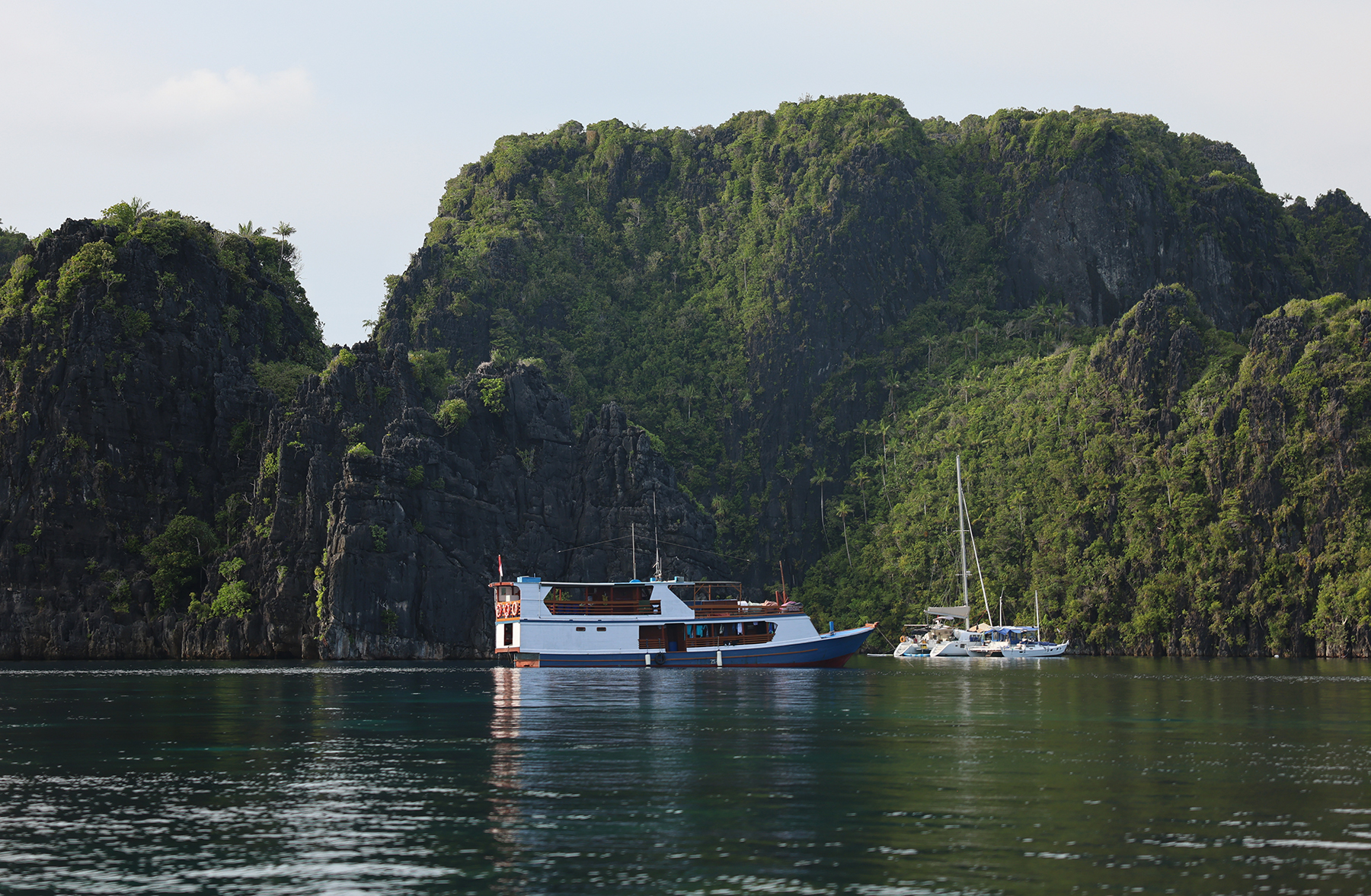
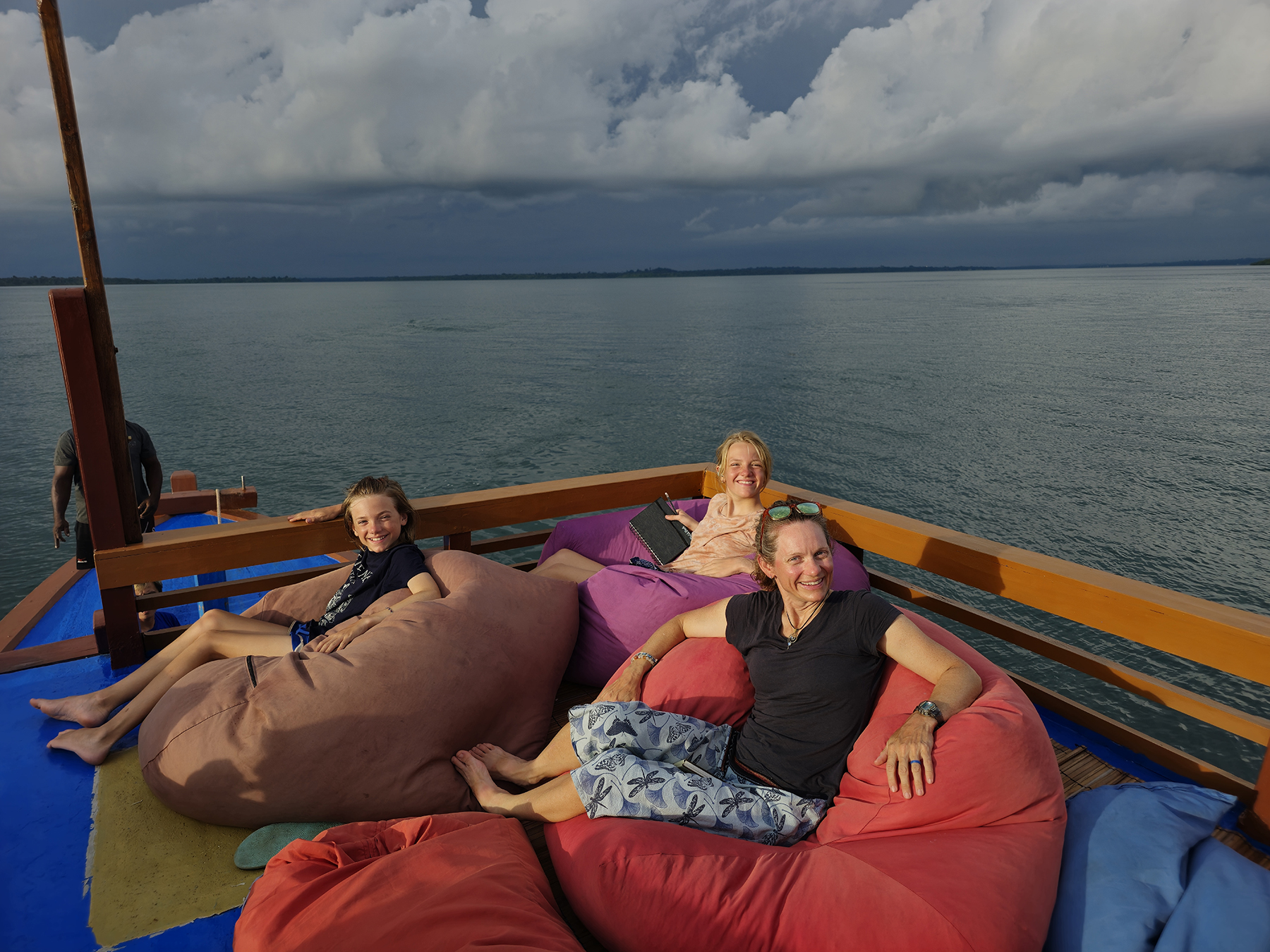

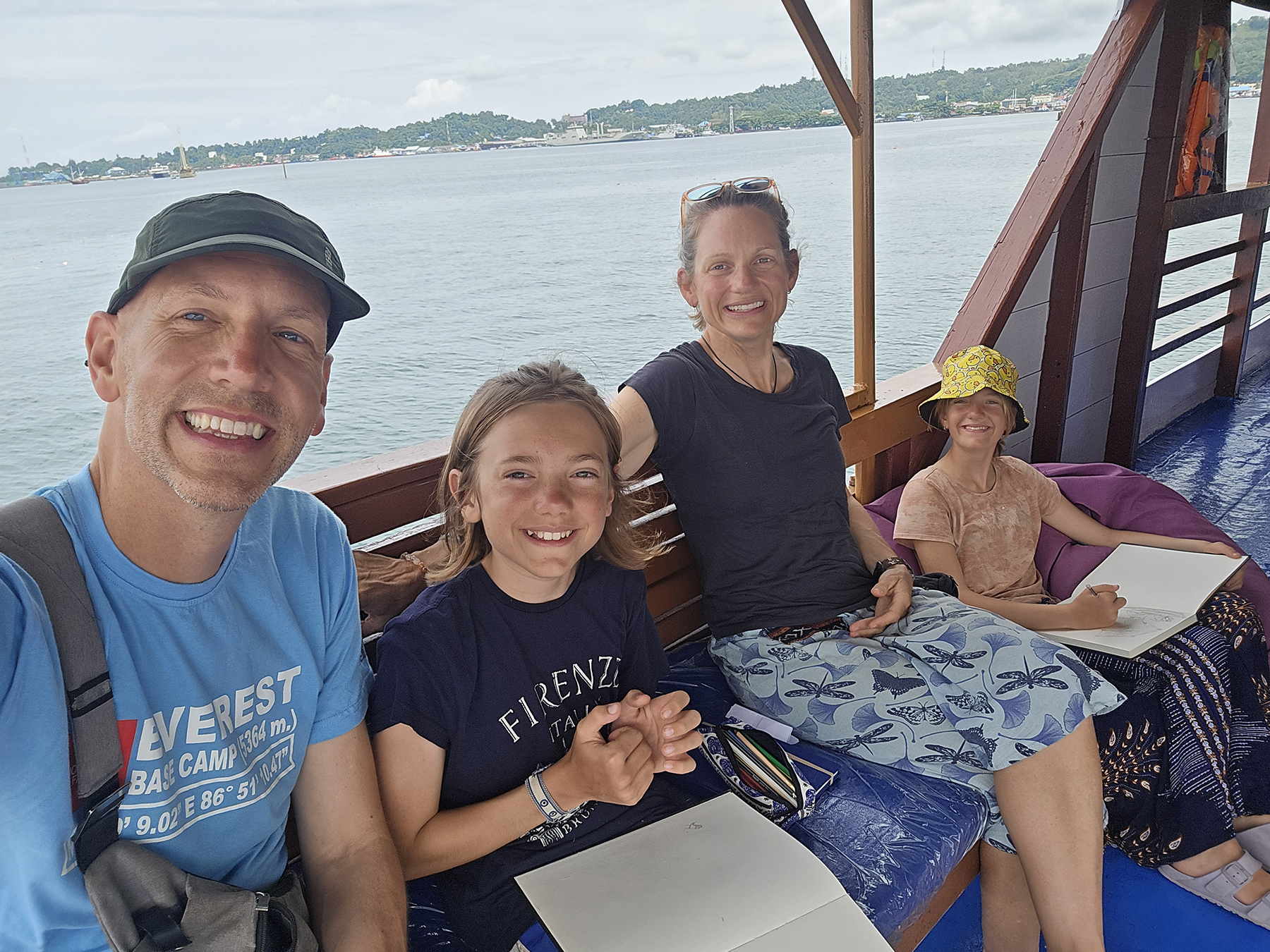
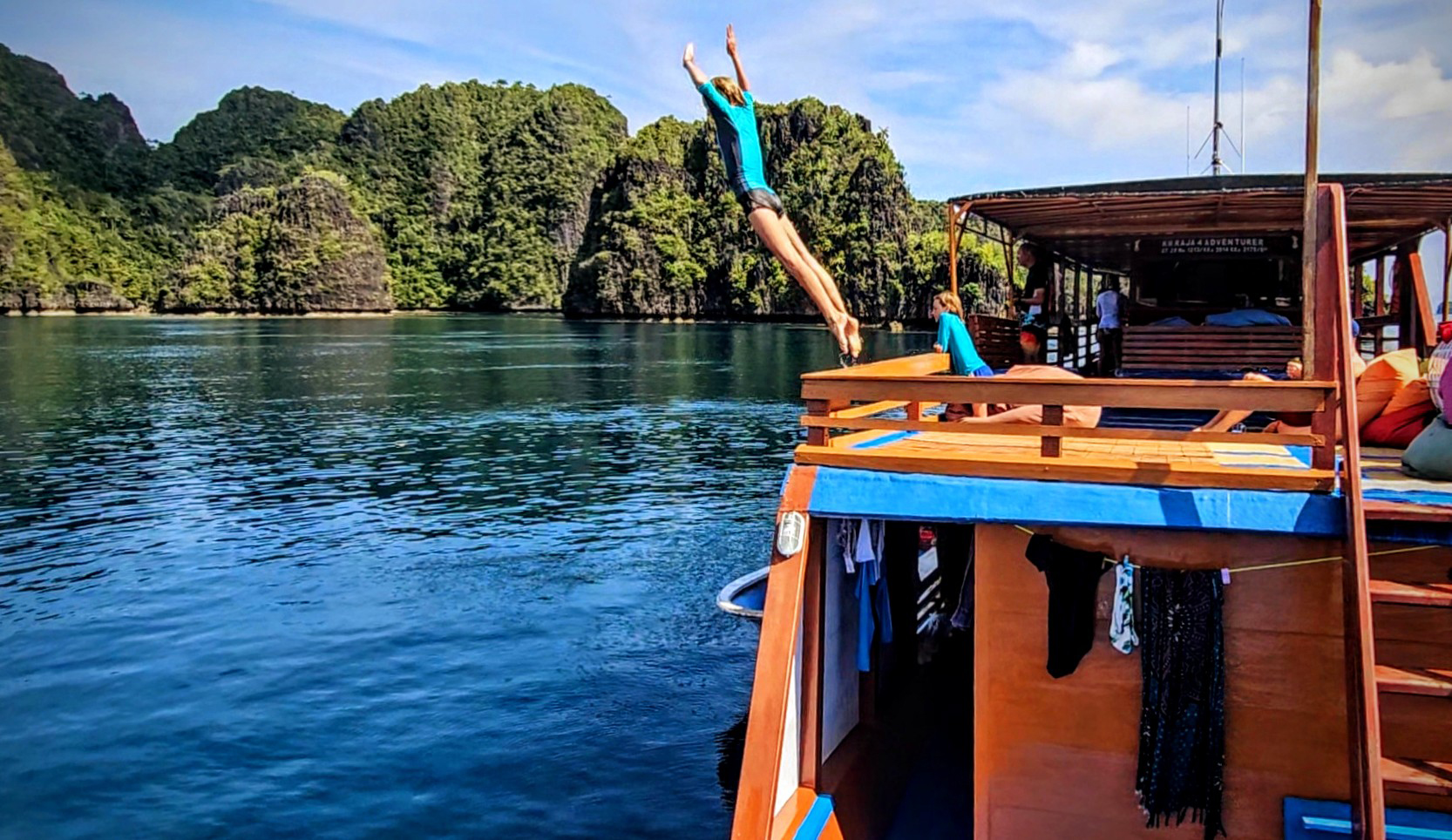


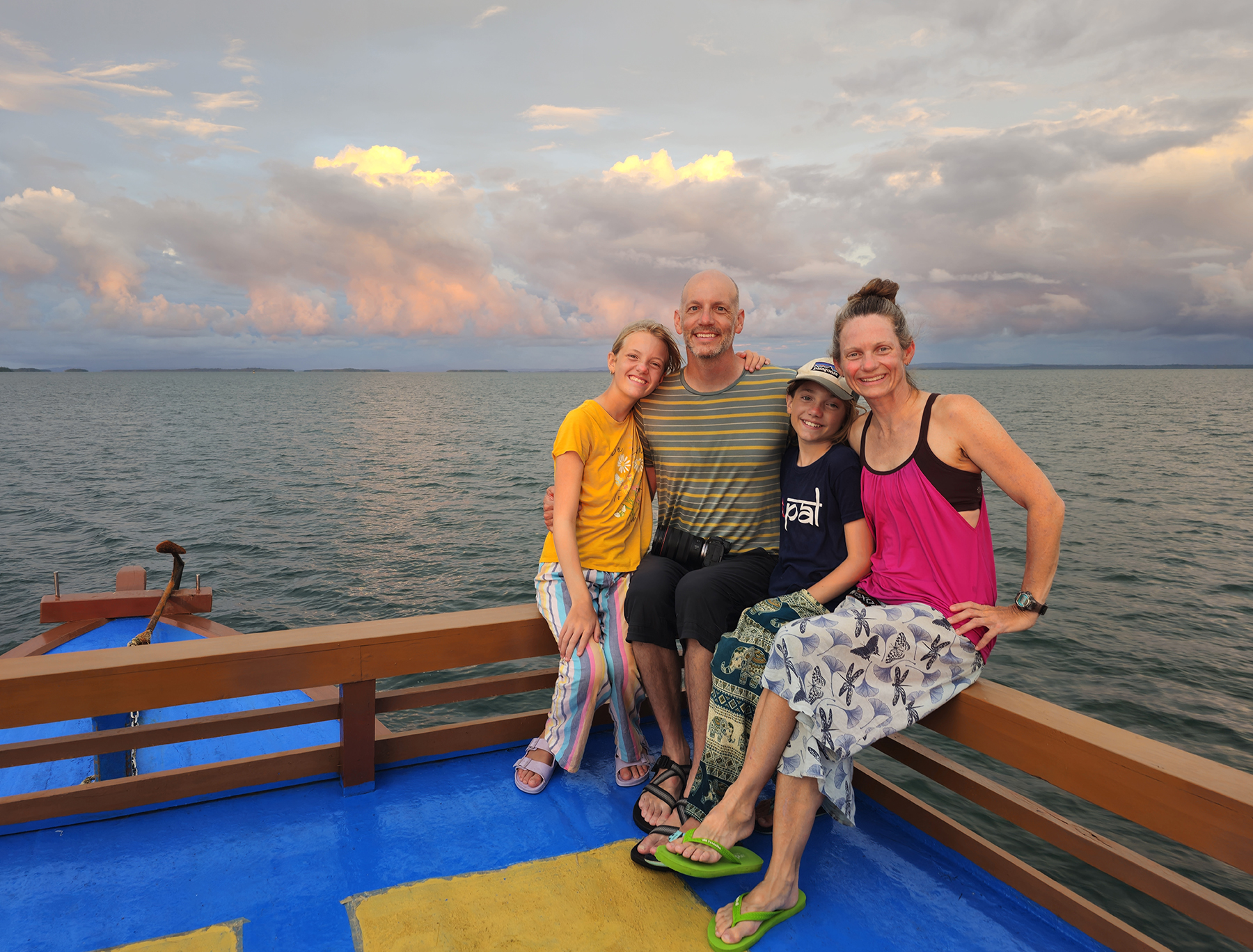
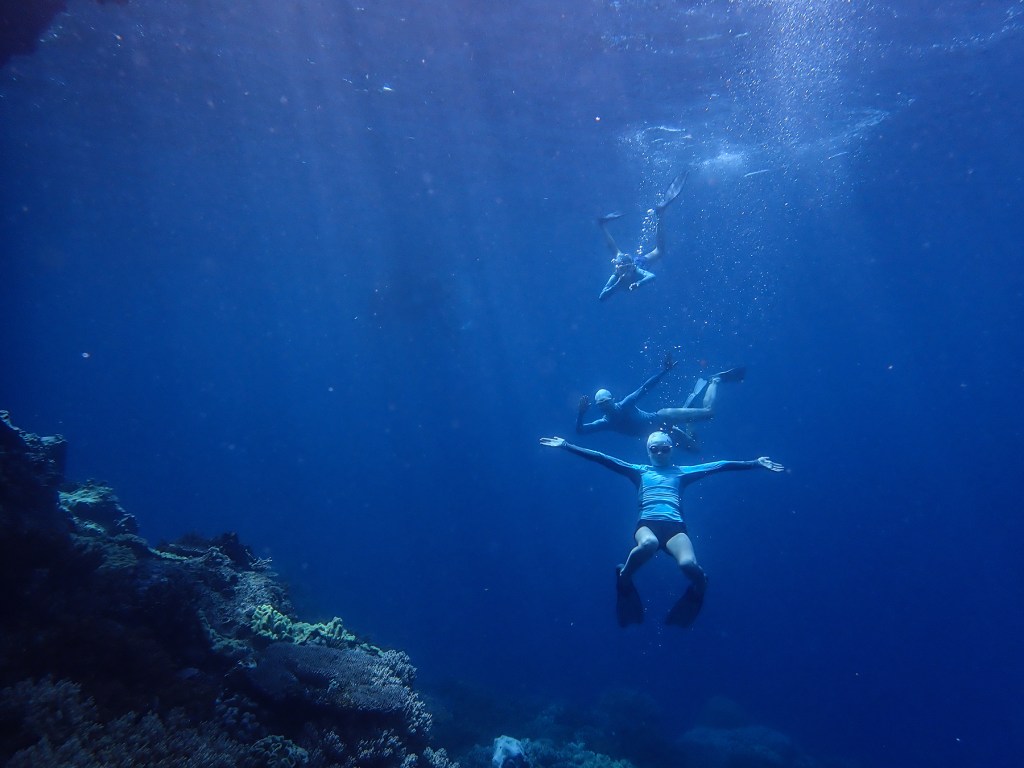
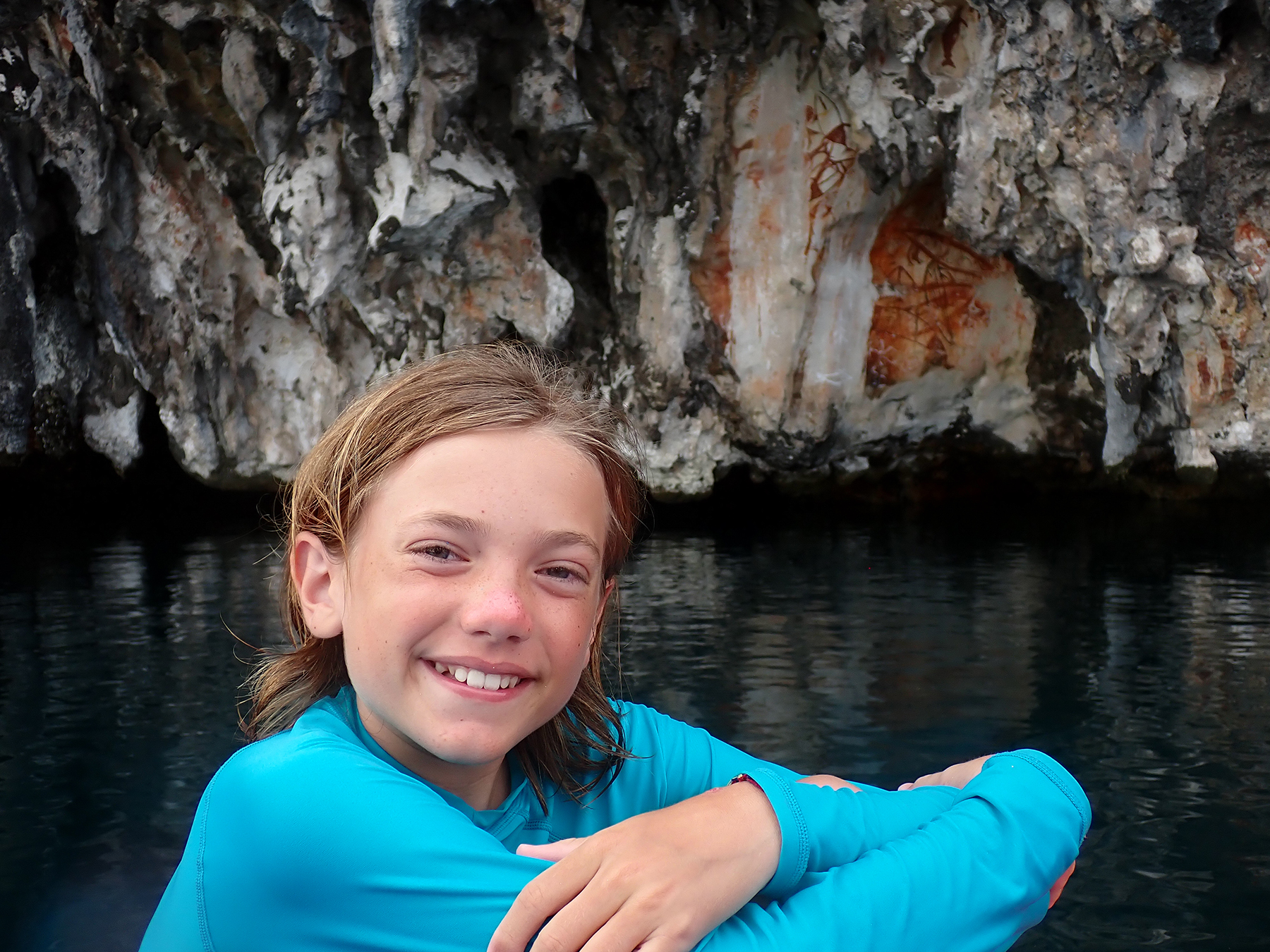
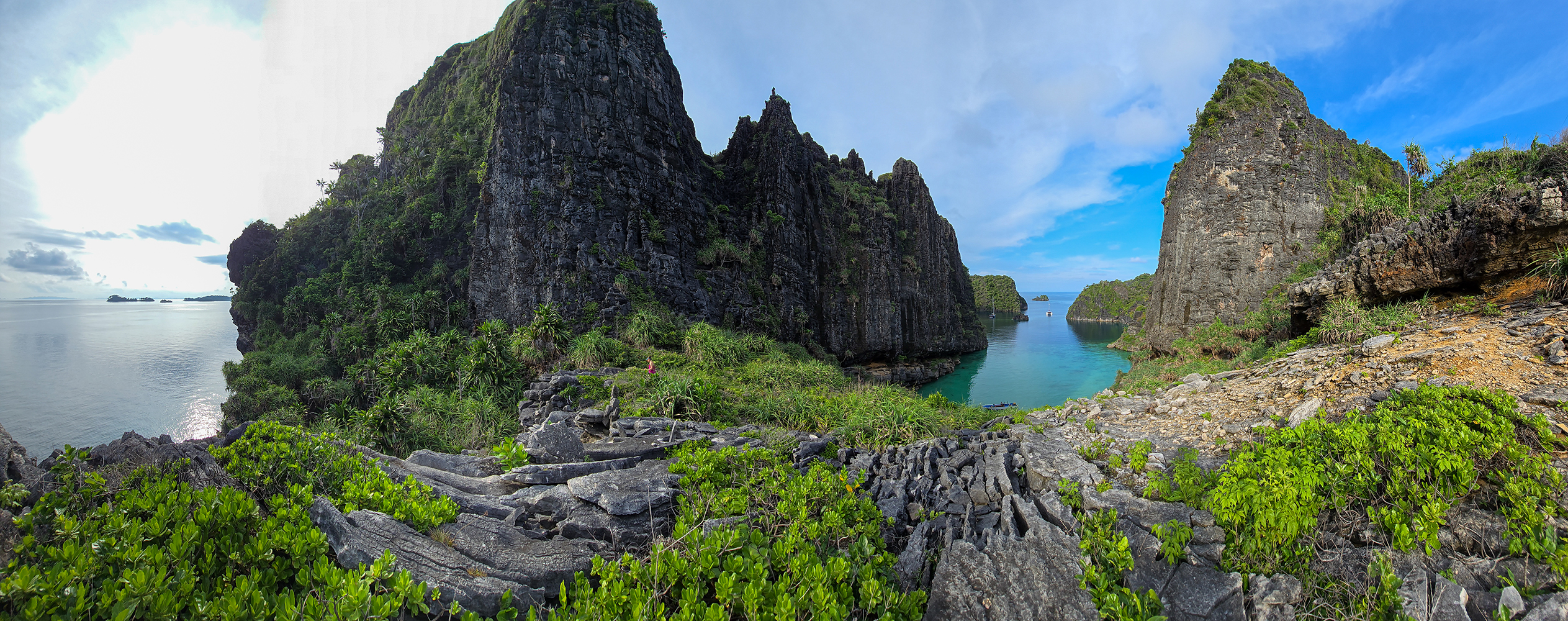
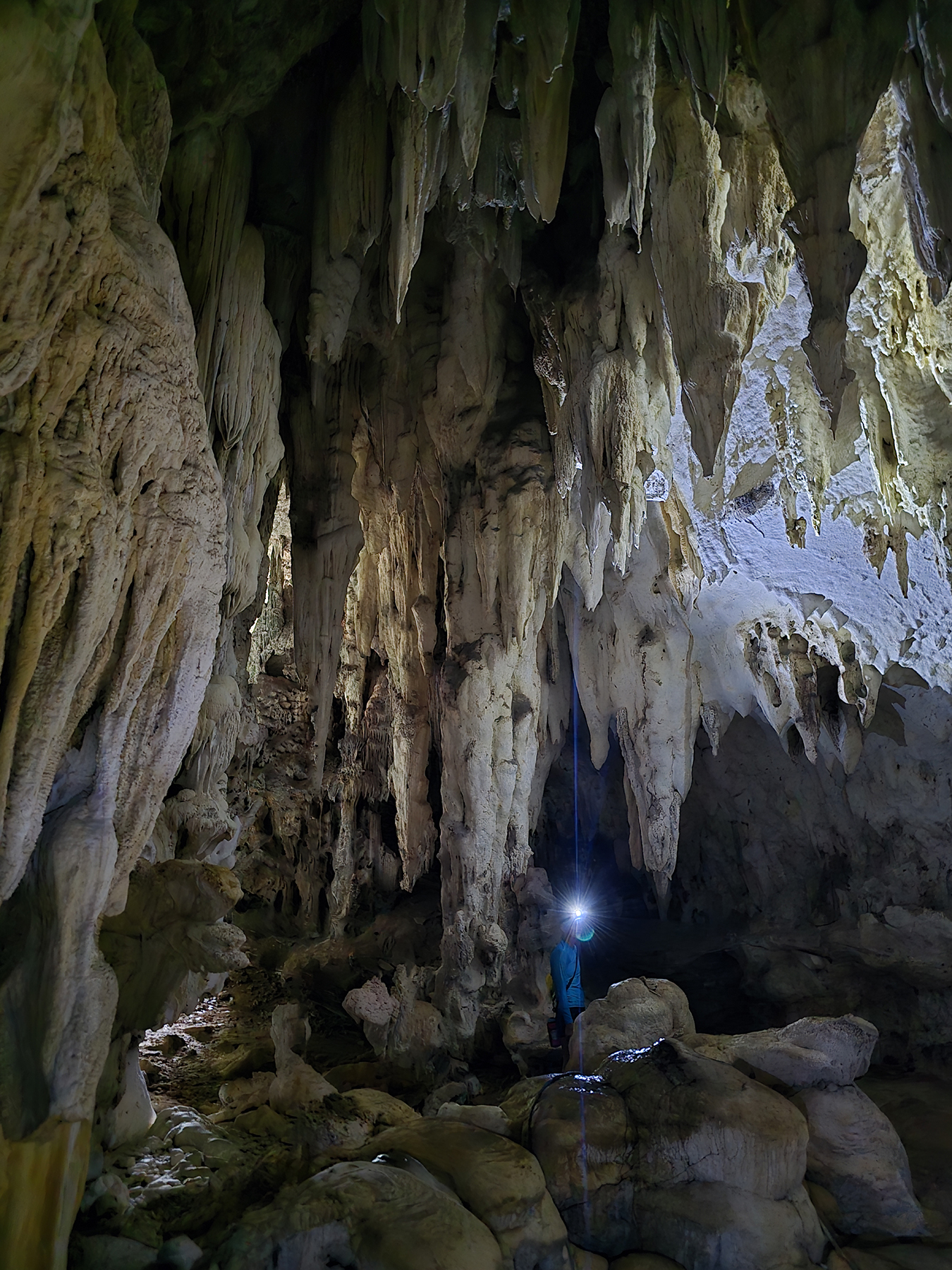
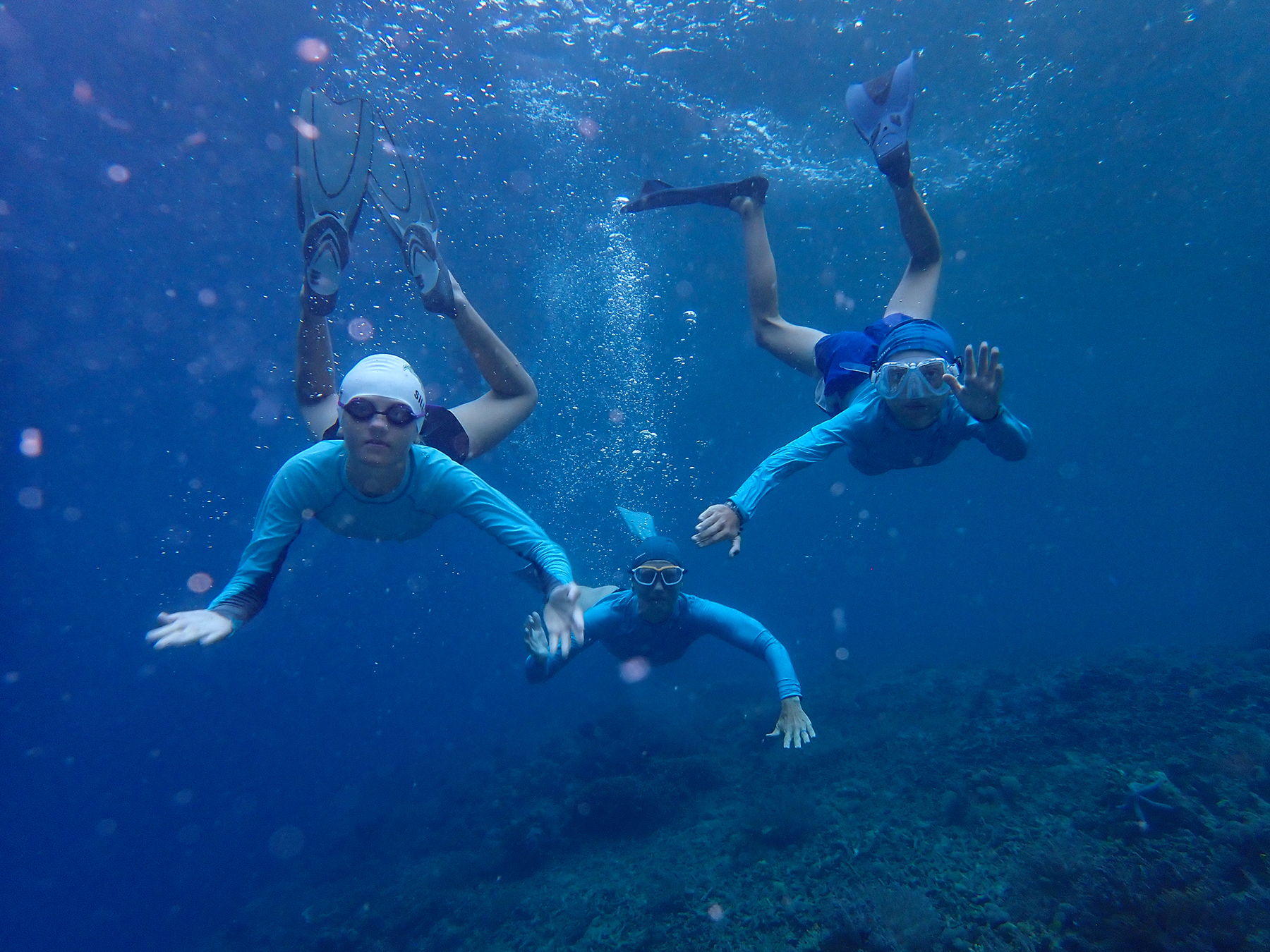
Each day on the boat involved four to six hours of snorkeling excursions (an absolute dream for our swimming family), hiking steep trails to amazing viewpoints, visiting remote island villages, and exploring hidden karst caves.

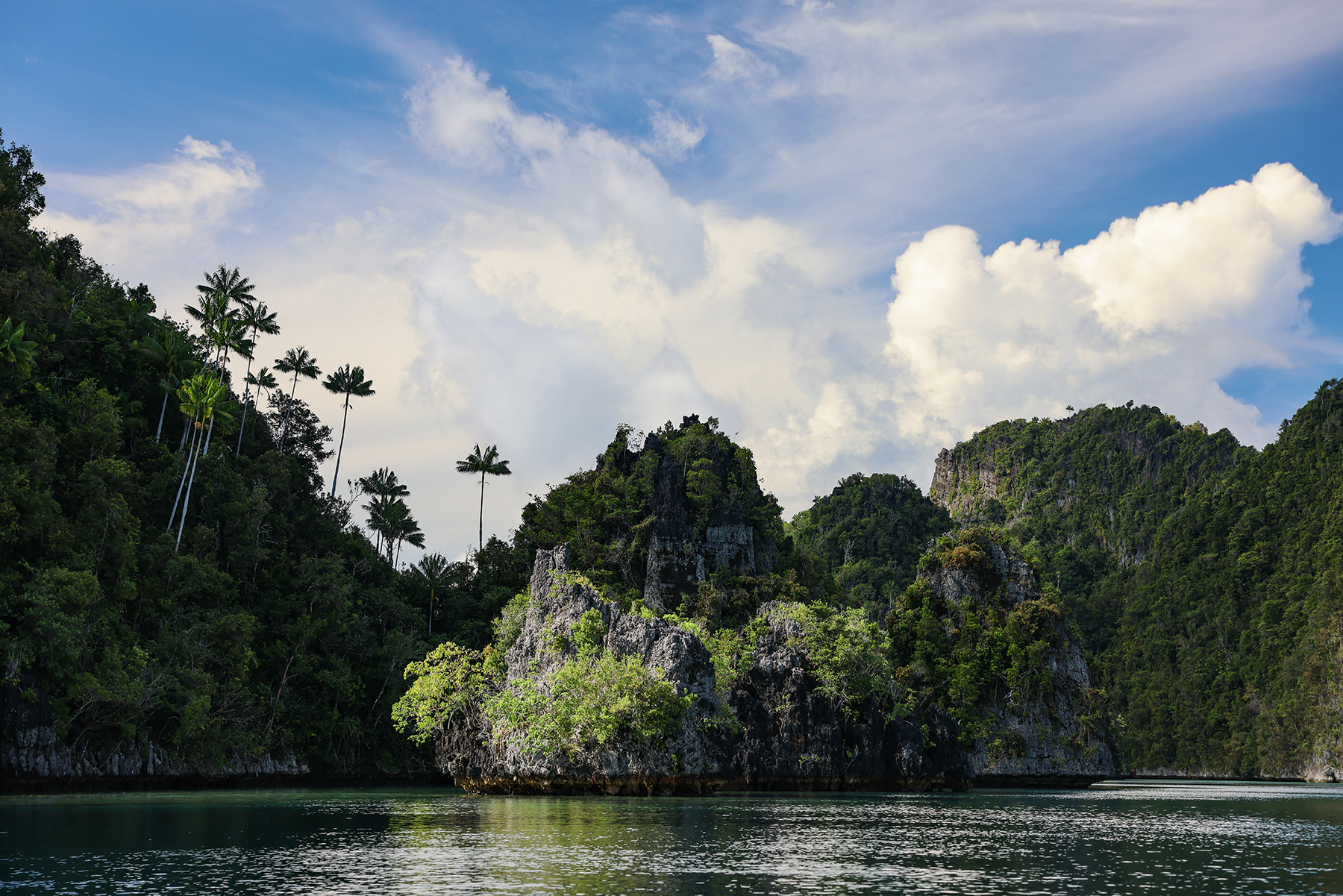
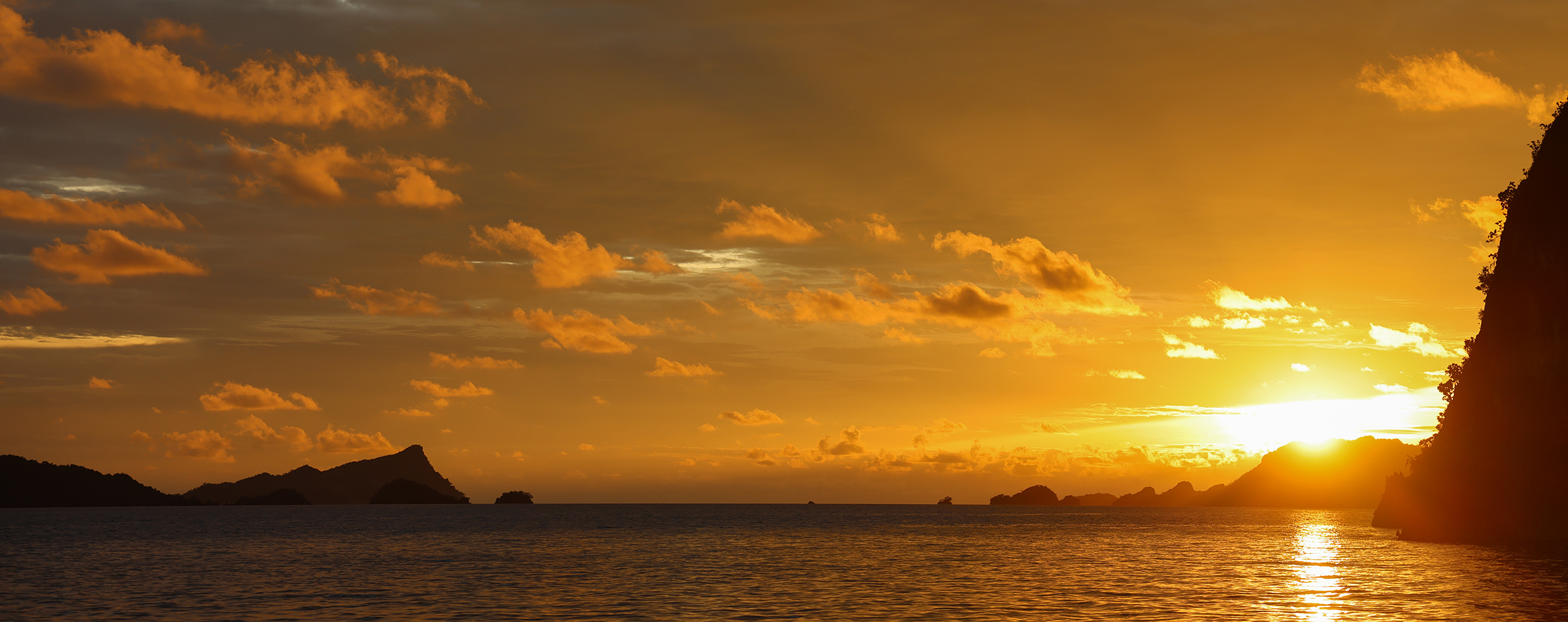
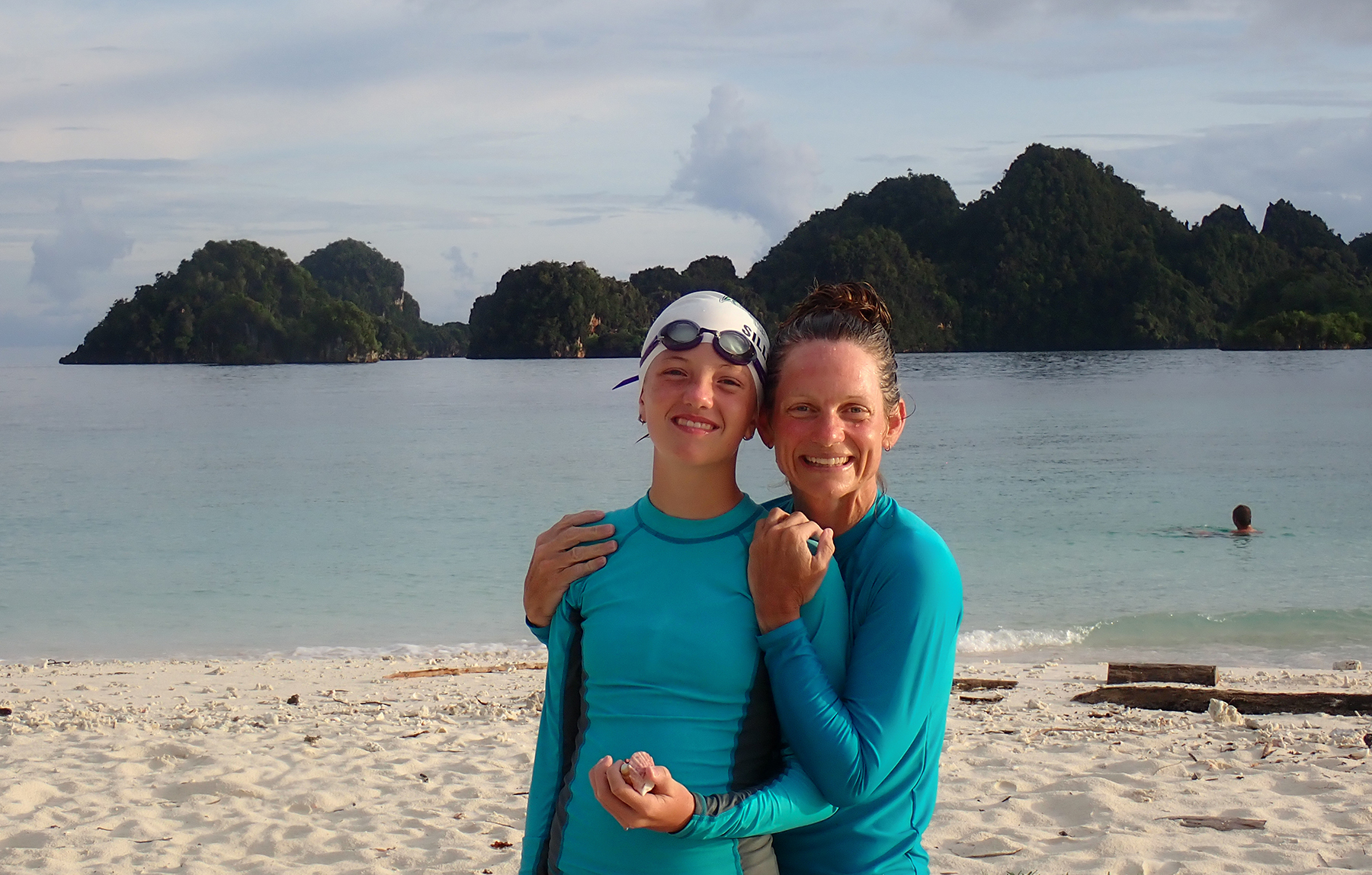

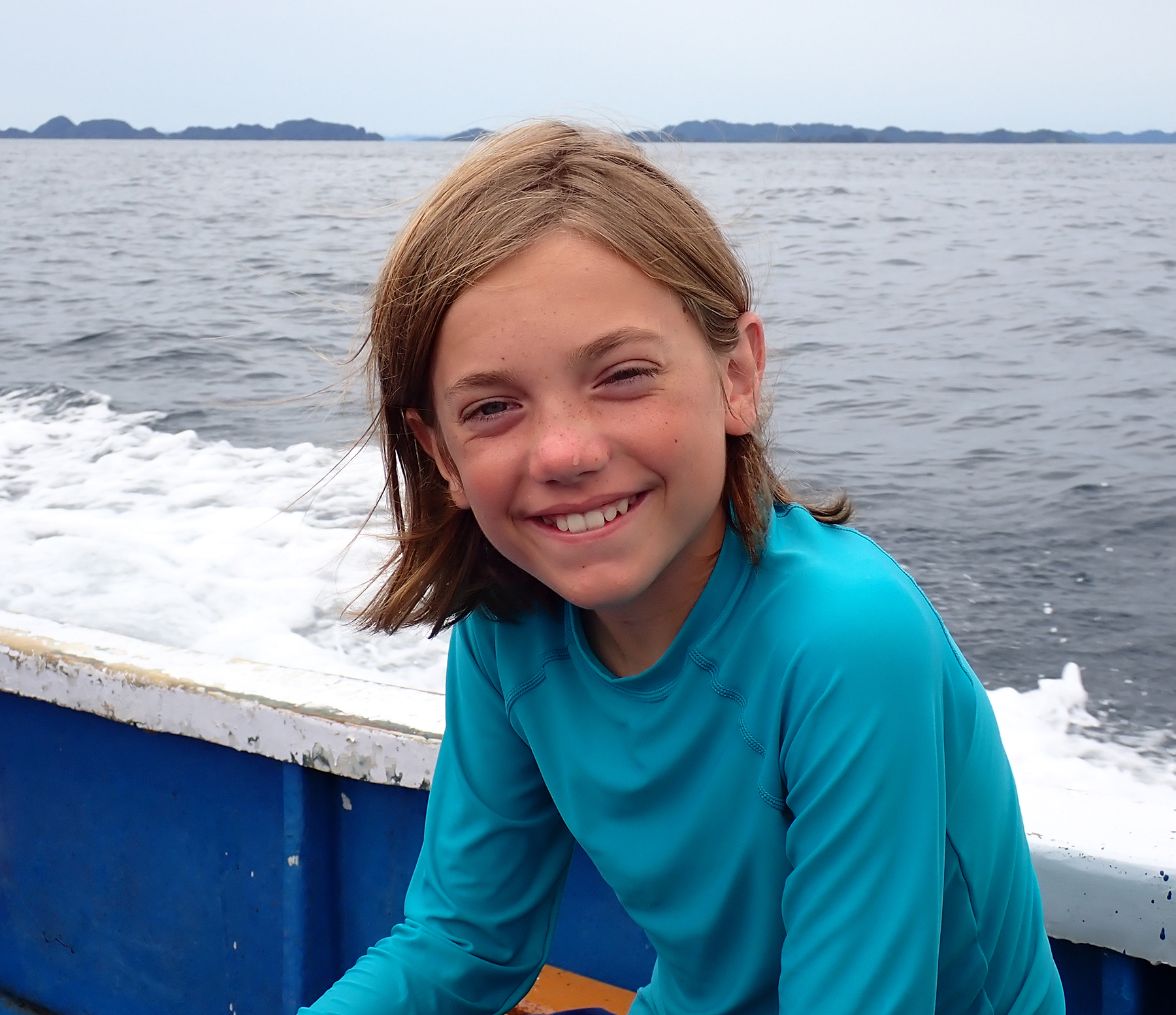
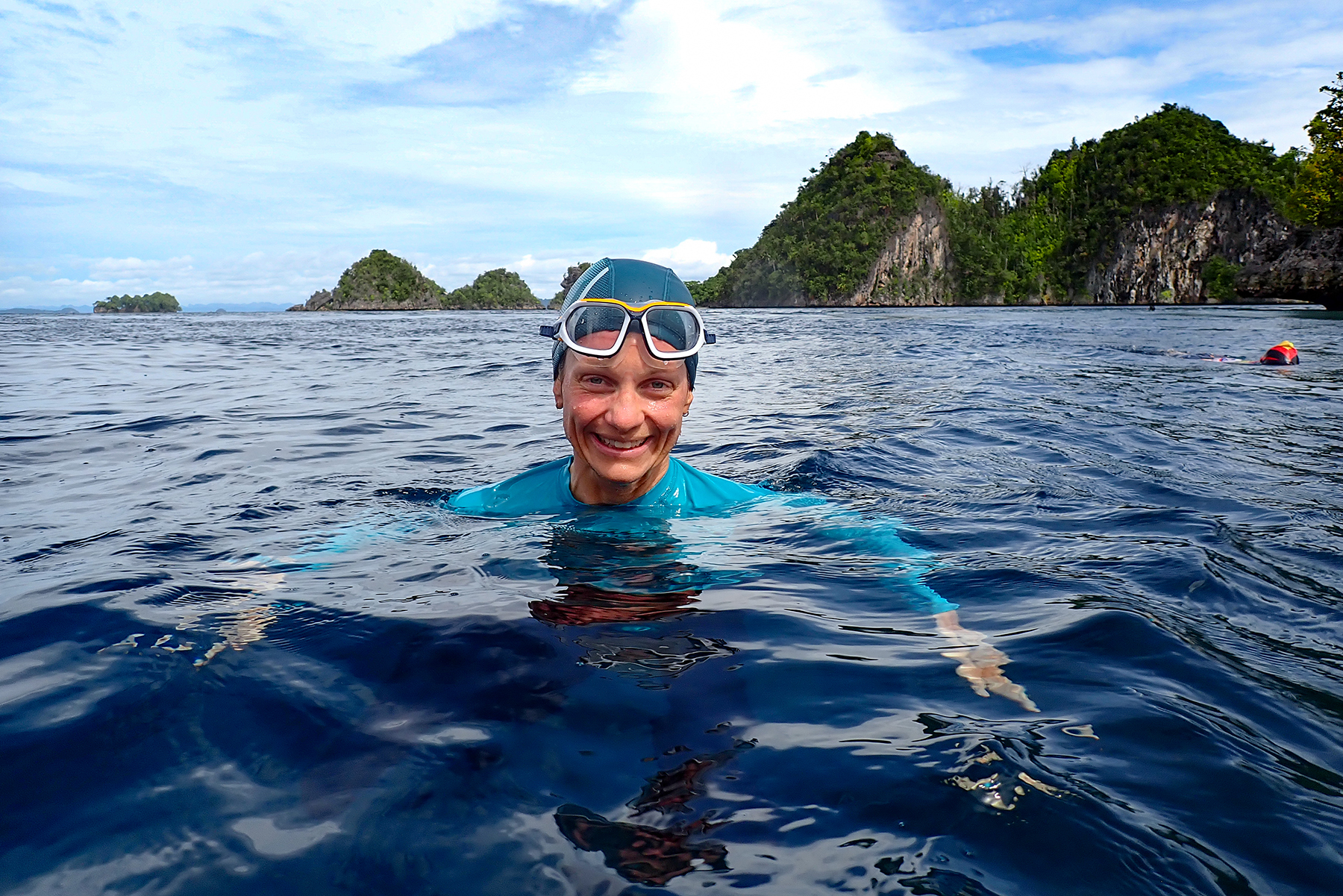


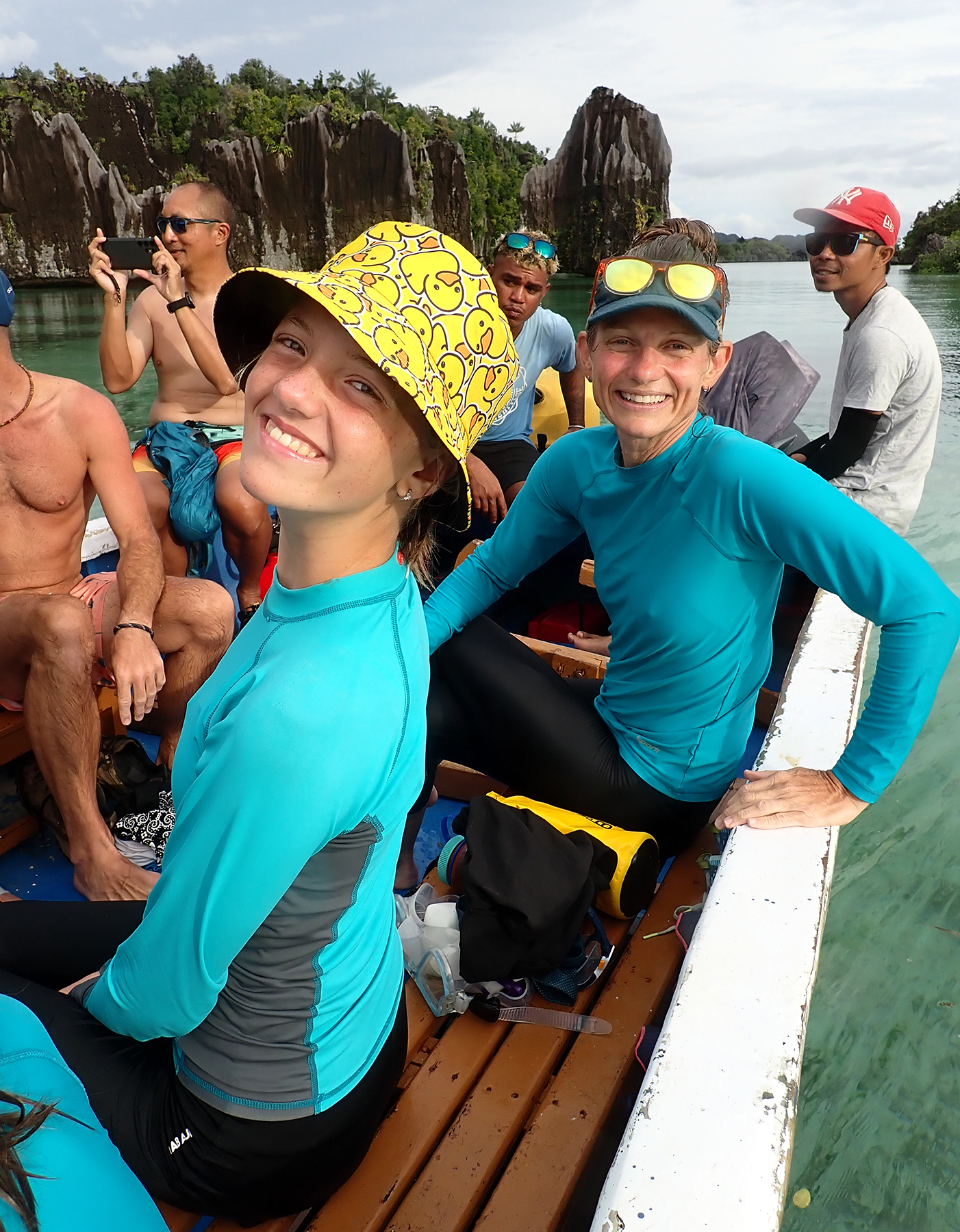


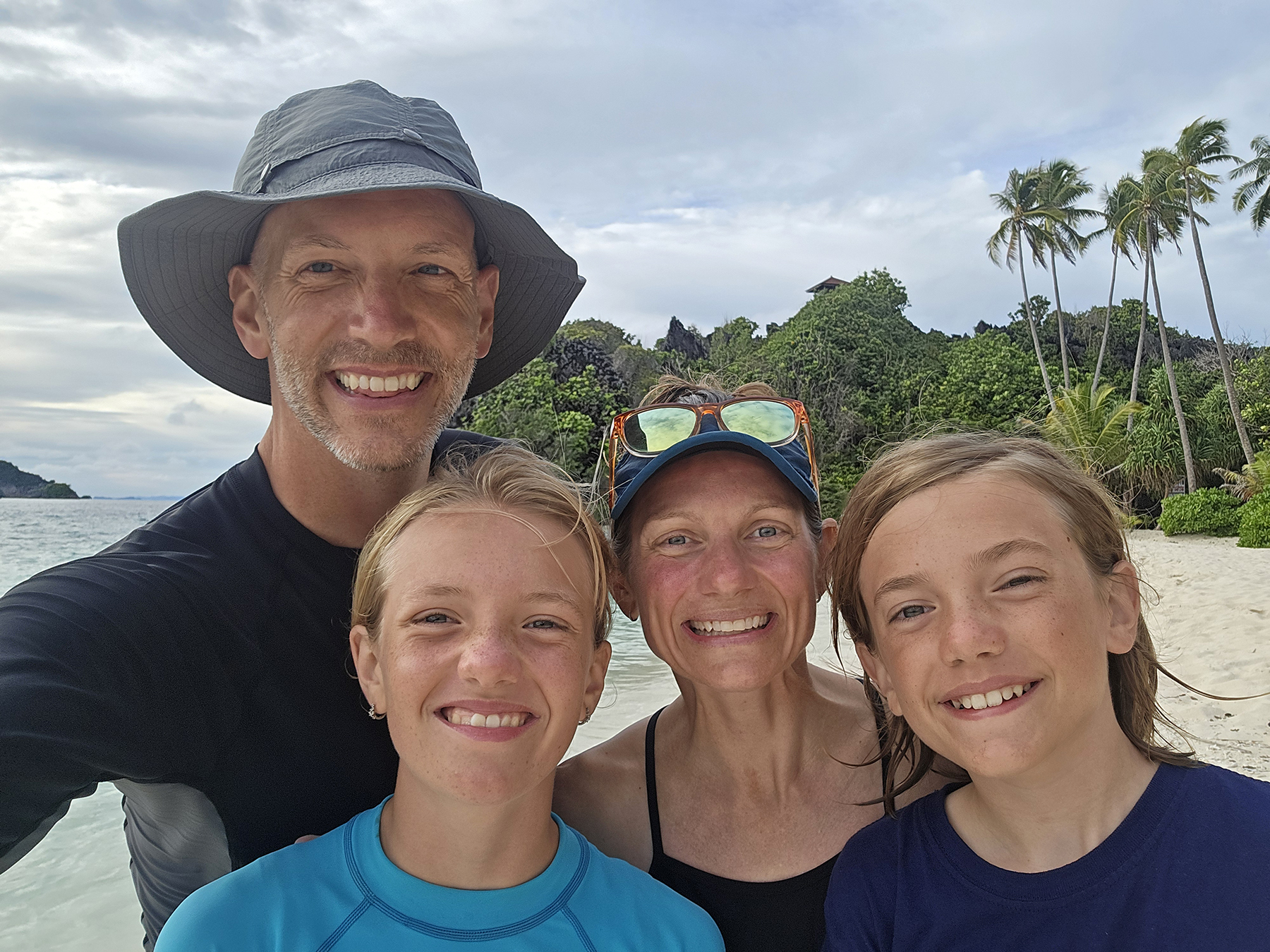

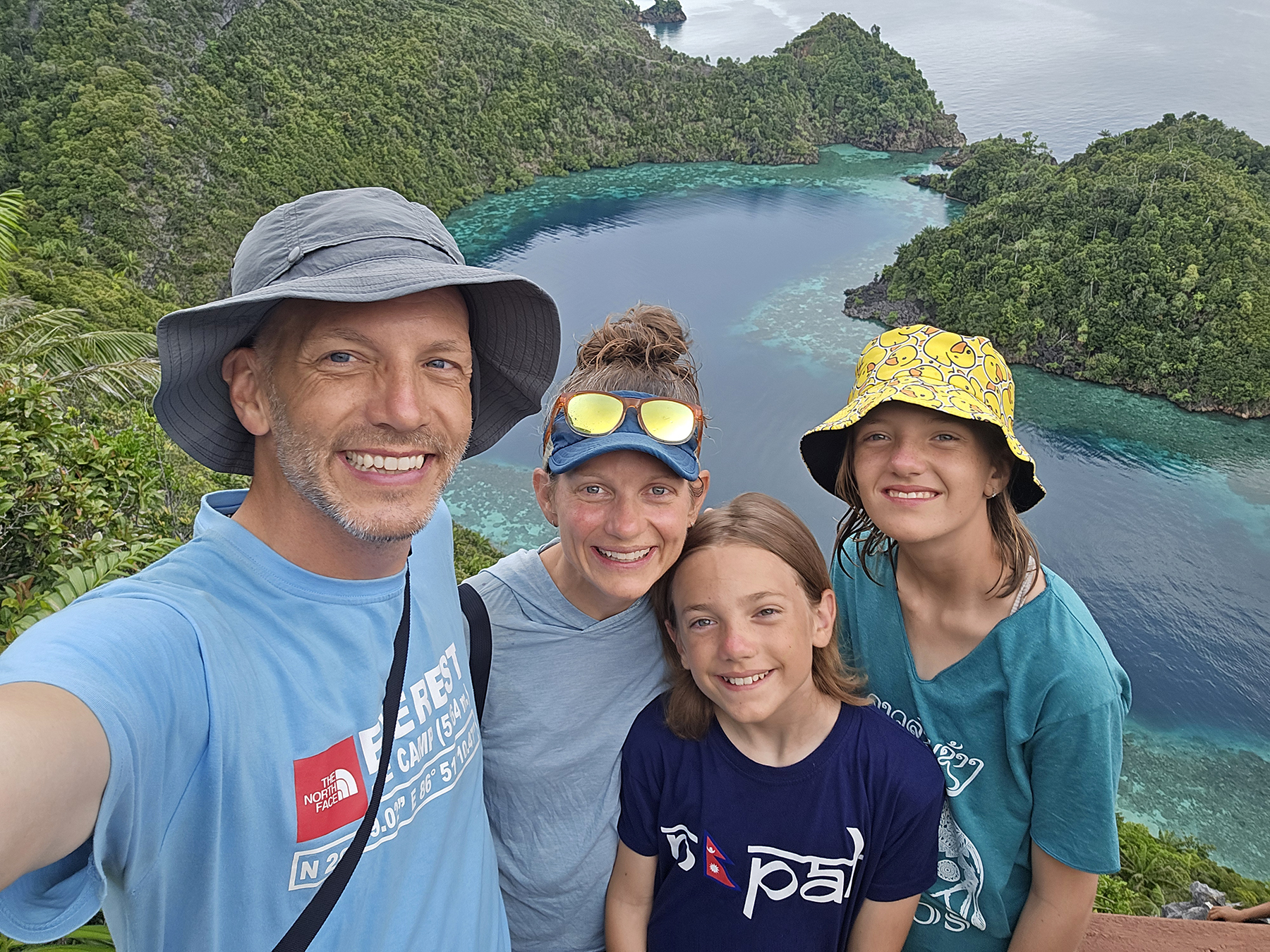
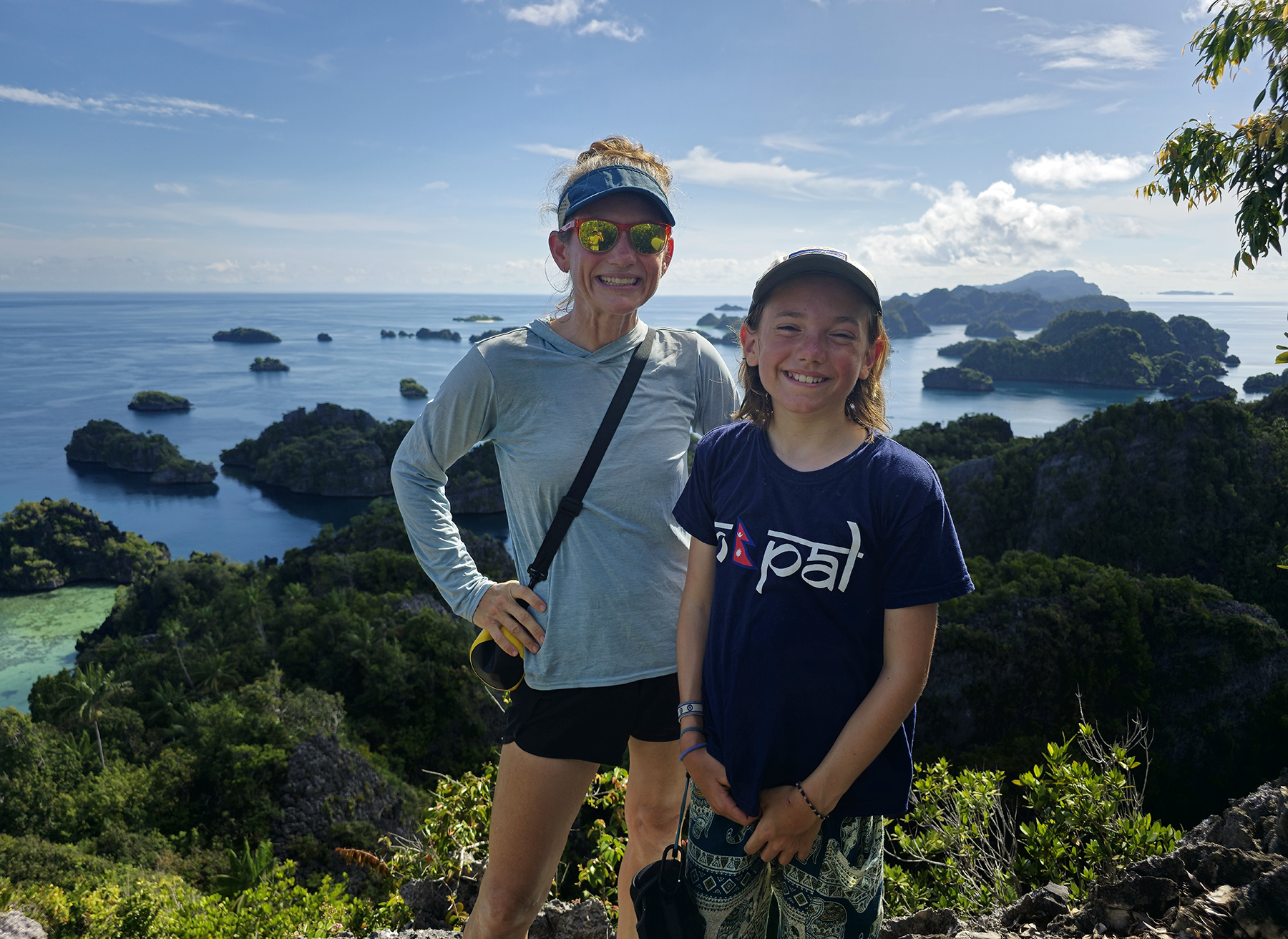
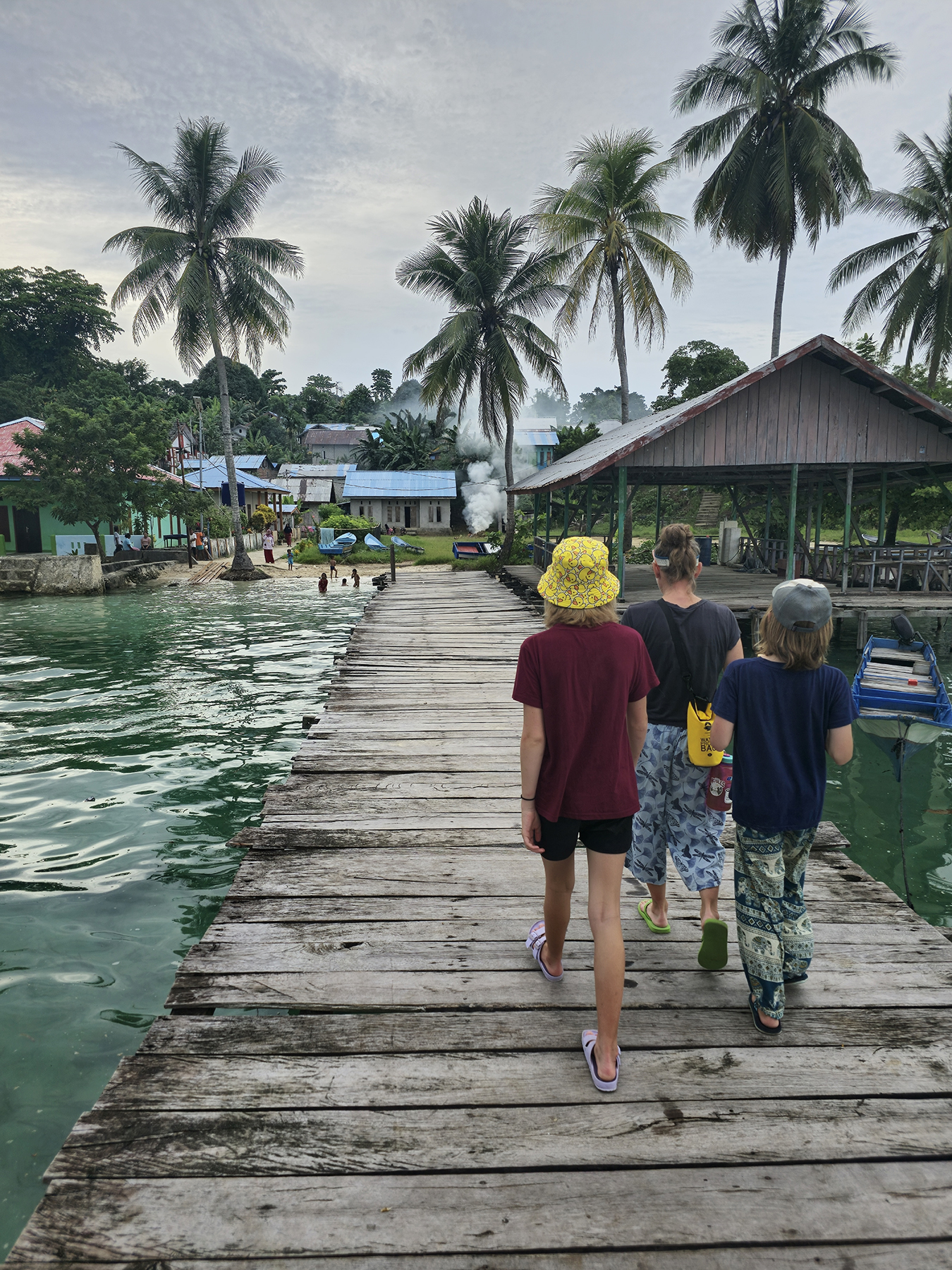



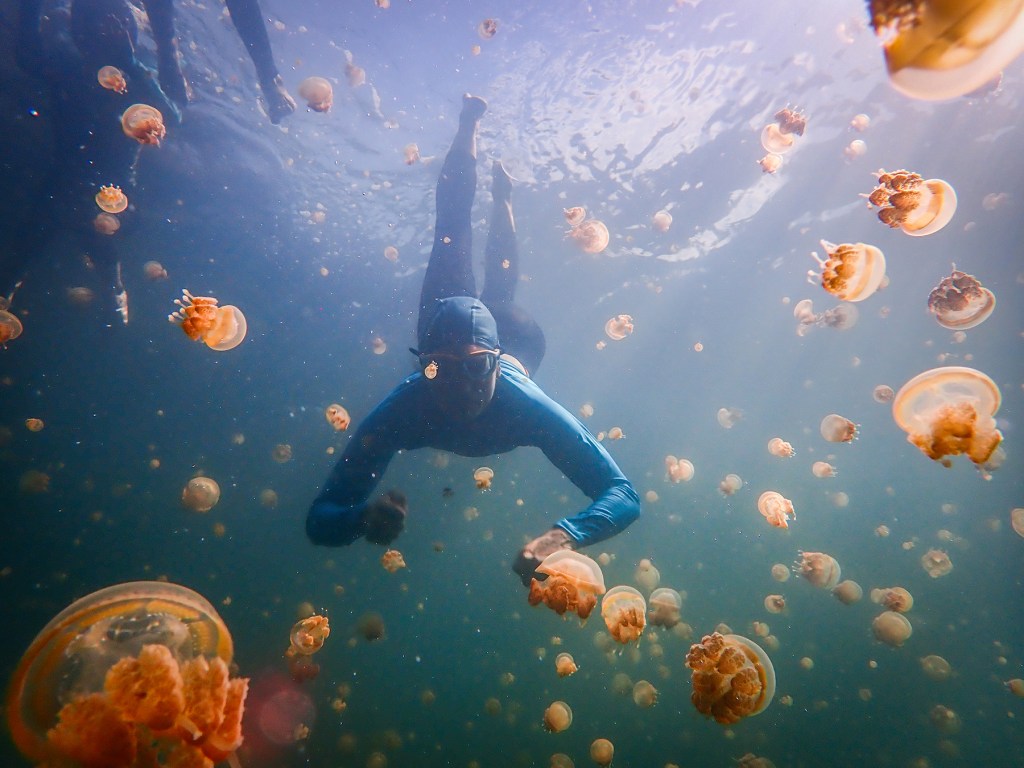
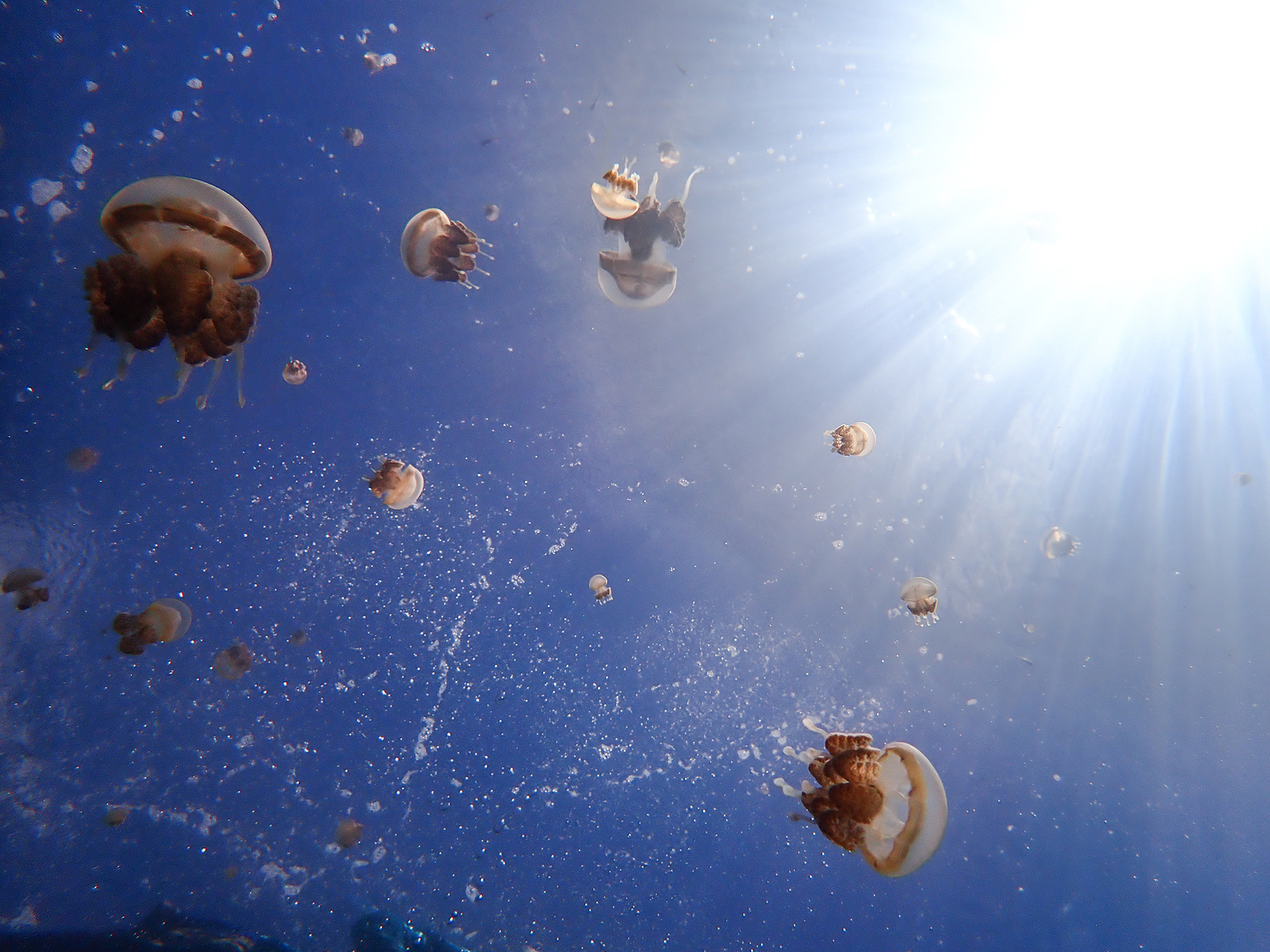
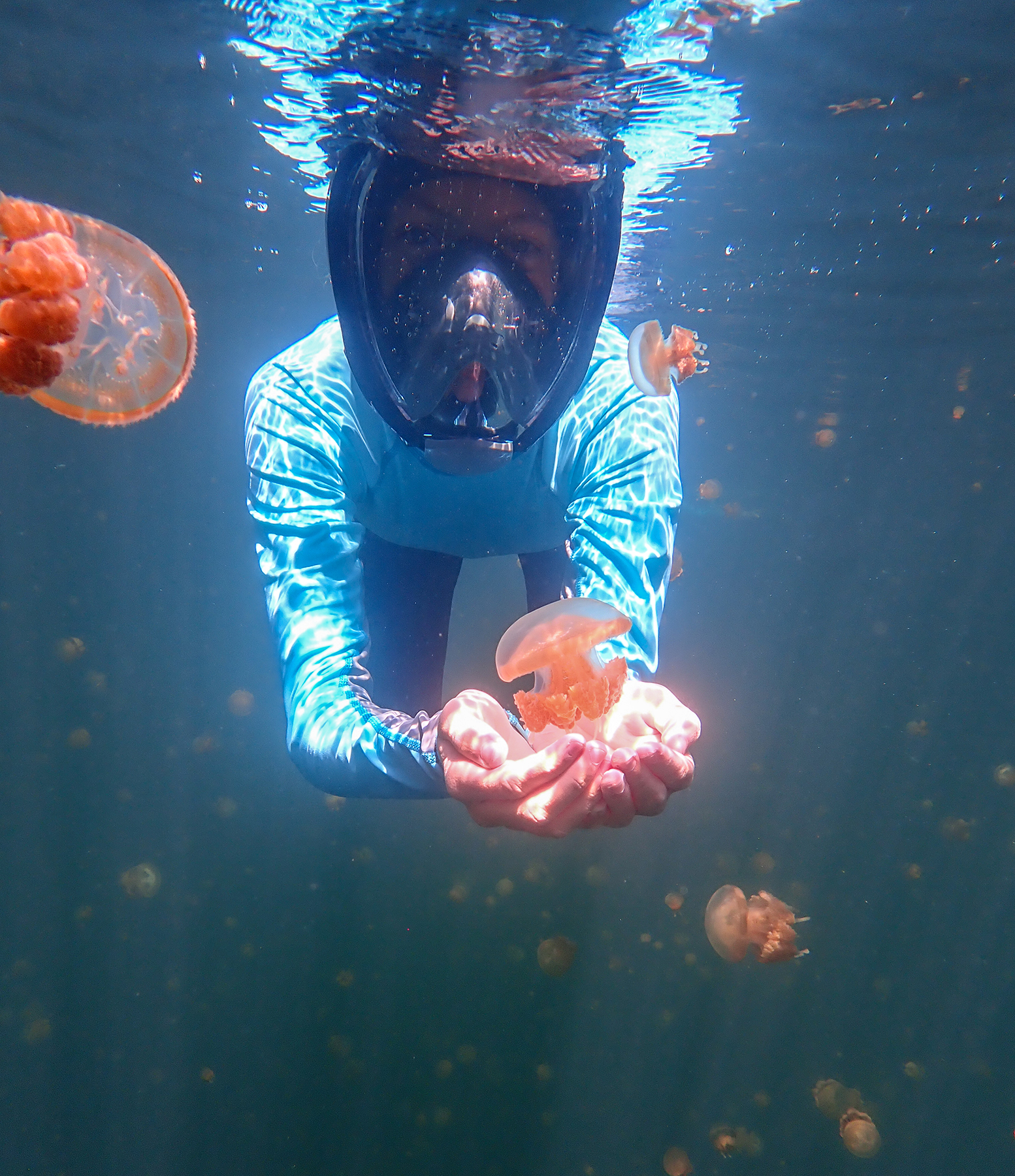
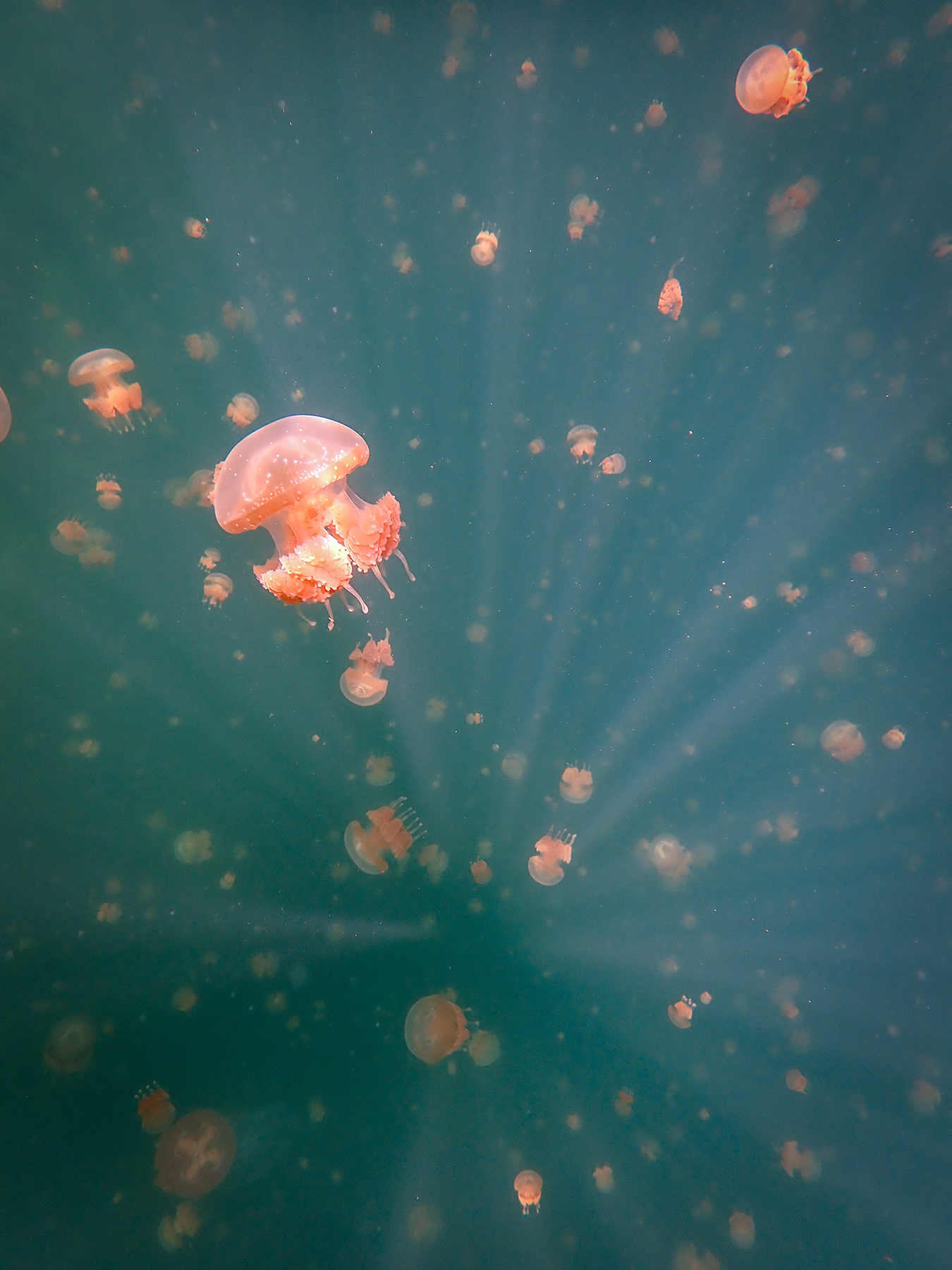
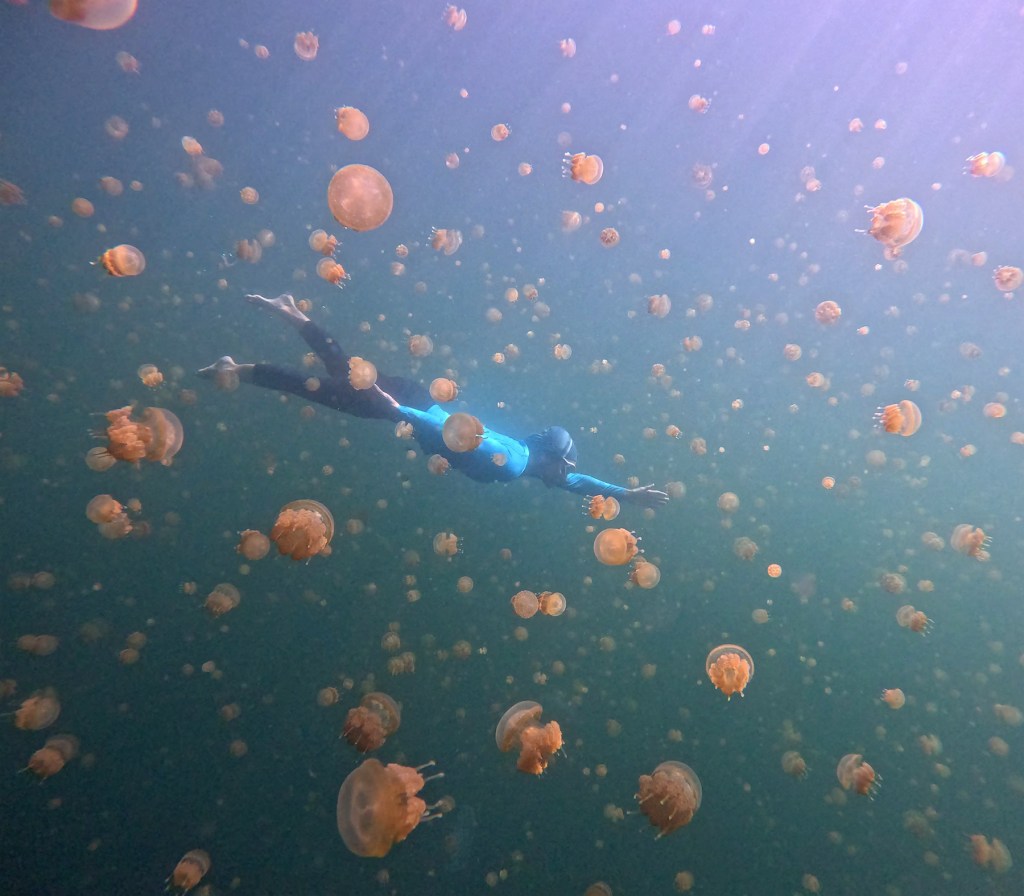
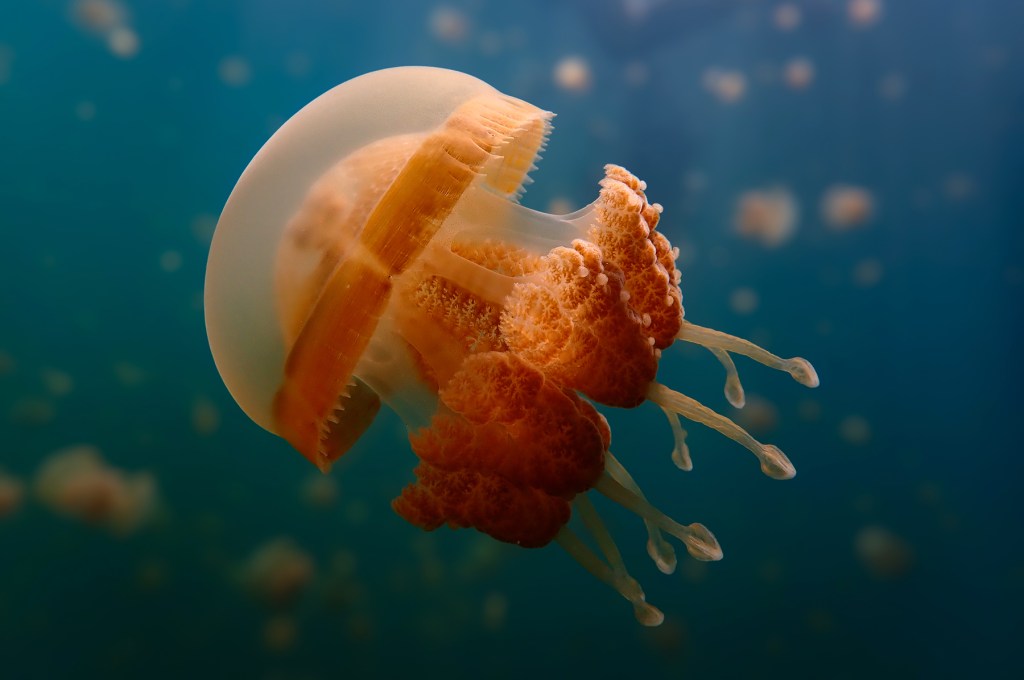
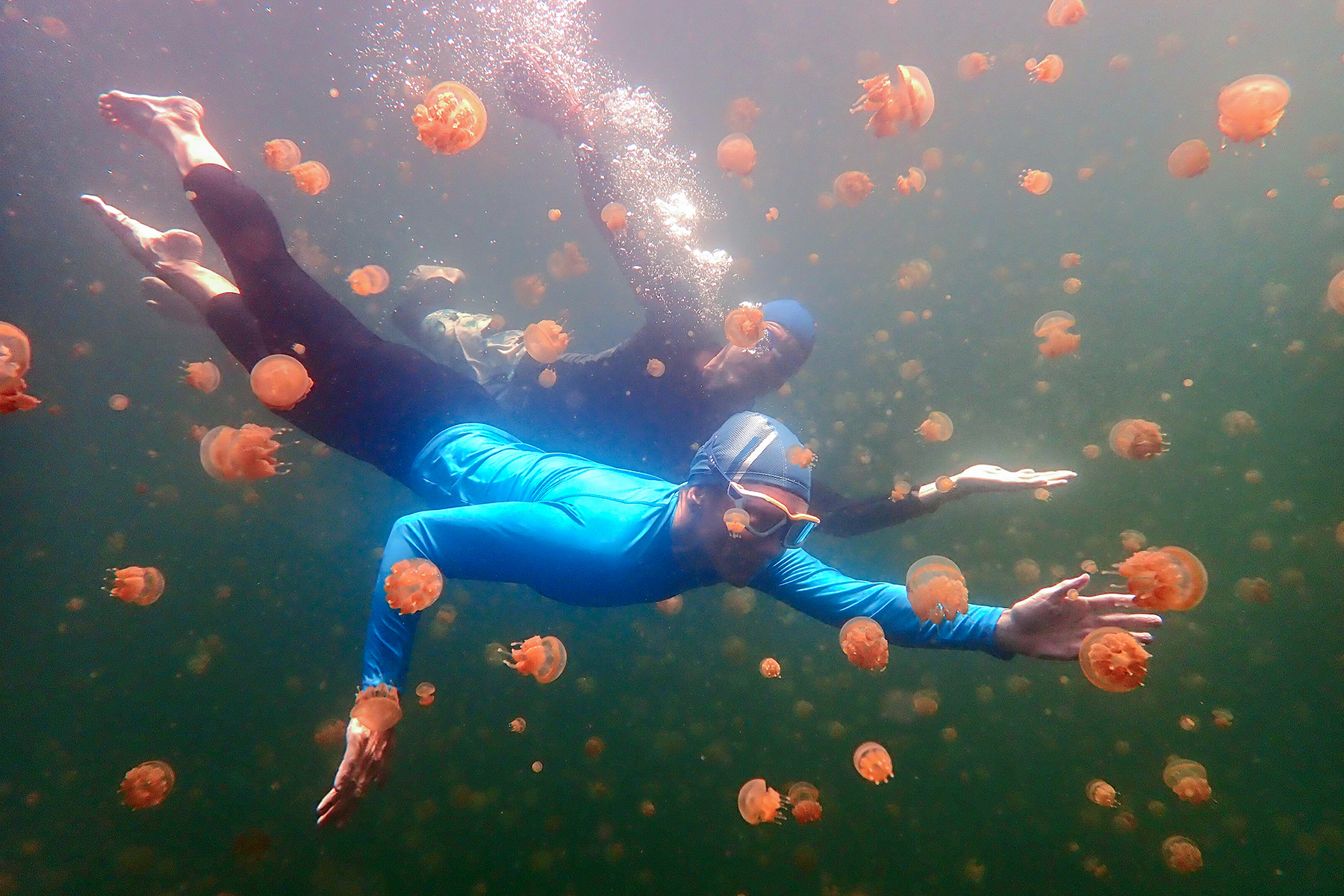
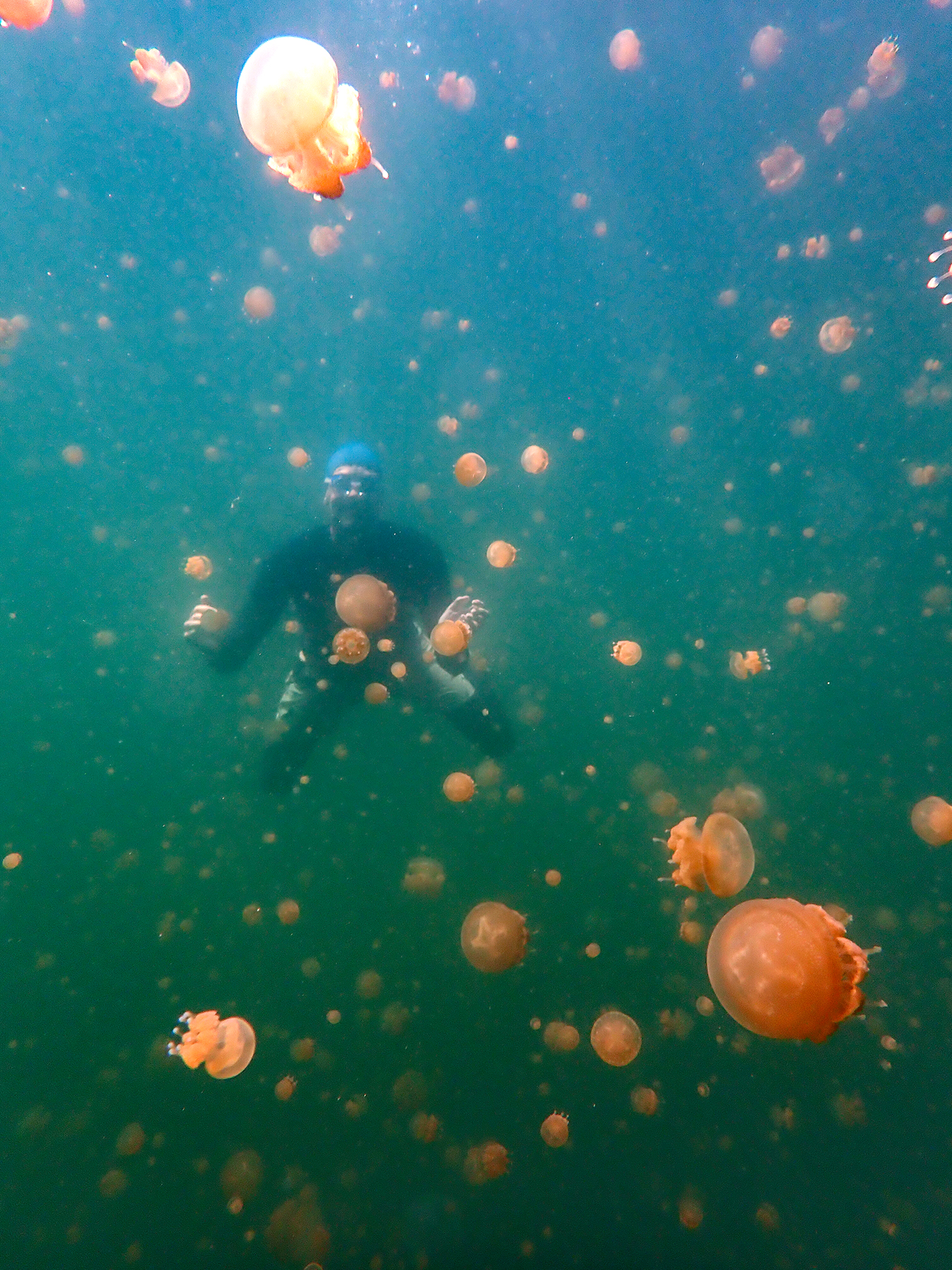
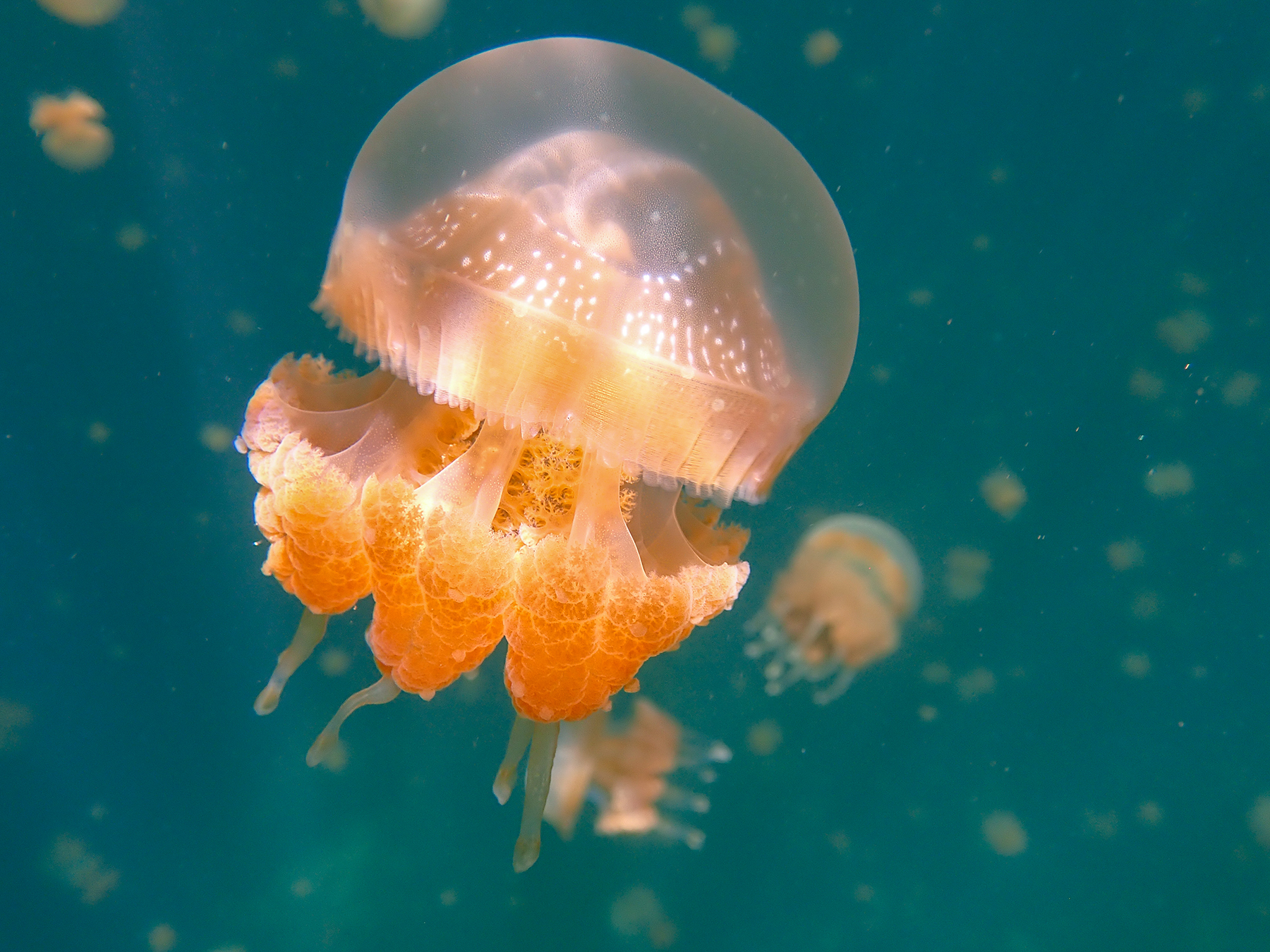
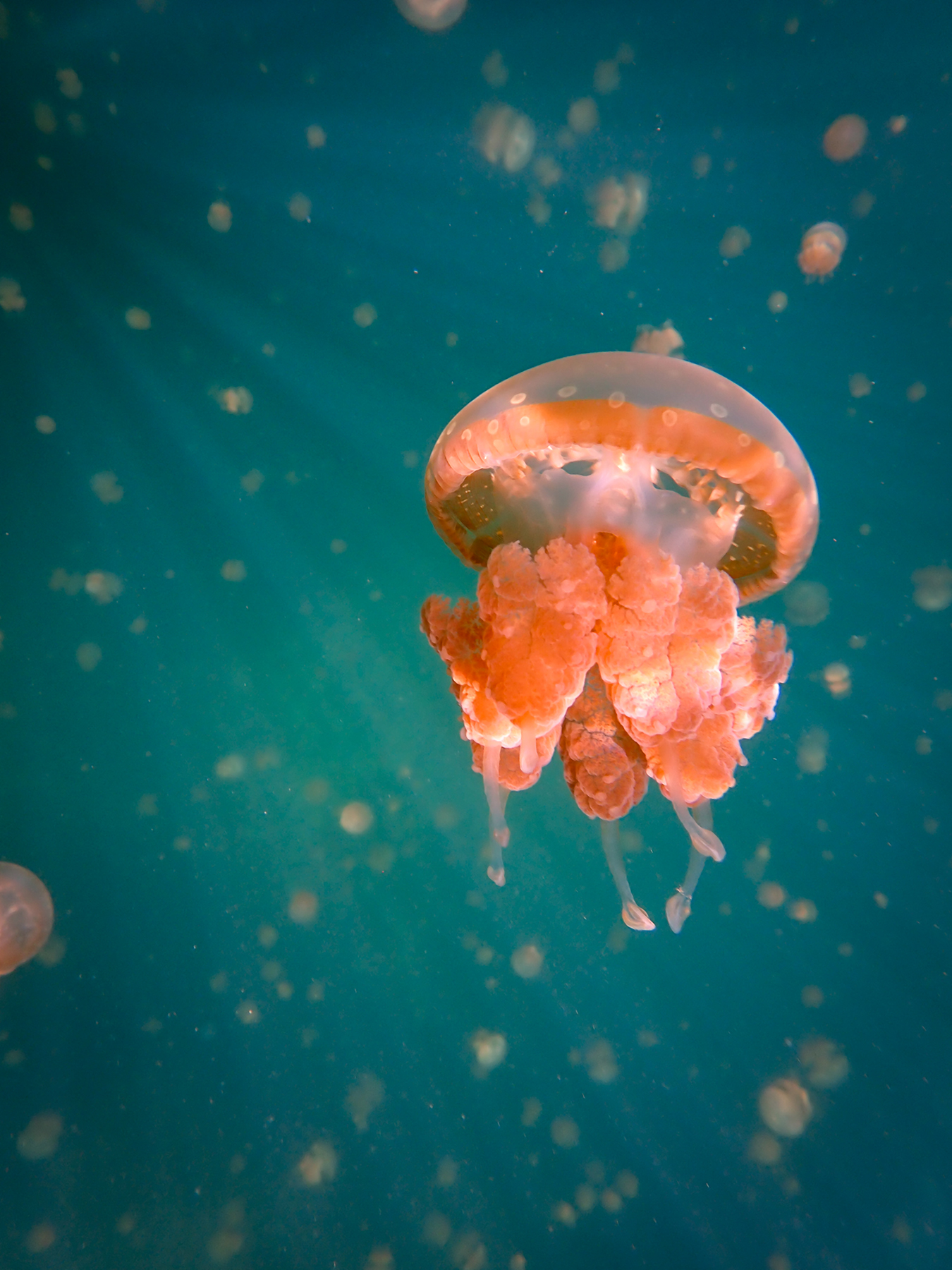
Our most favorite excursion from the boat was Lenmakana Lake. This extraordinary lake was actually our entire reason to visit the southern region of Raja Ampat – it’s one of the only places on earth where you can swim with hundreds of thousands of stingless jellyfish! After a short hike to the lake, we spent over an hour swimming with these amazing creatures! It’s difficult to express with words how unique the experience was, but I think the best word would be “ethereal.” I loved diving down deep, turning to look up towards the surface, and seeing thousands of jellyfish illuminated by the sunlight above. Our time in the jellyfish lake was, without a doubt, a memorable highlight of this year!


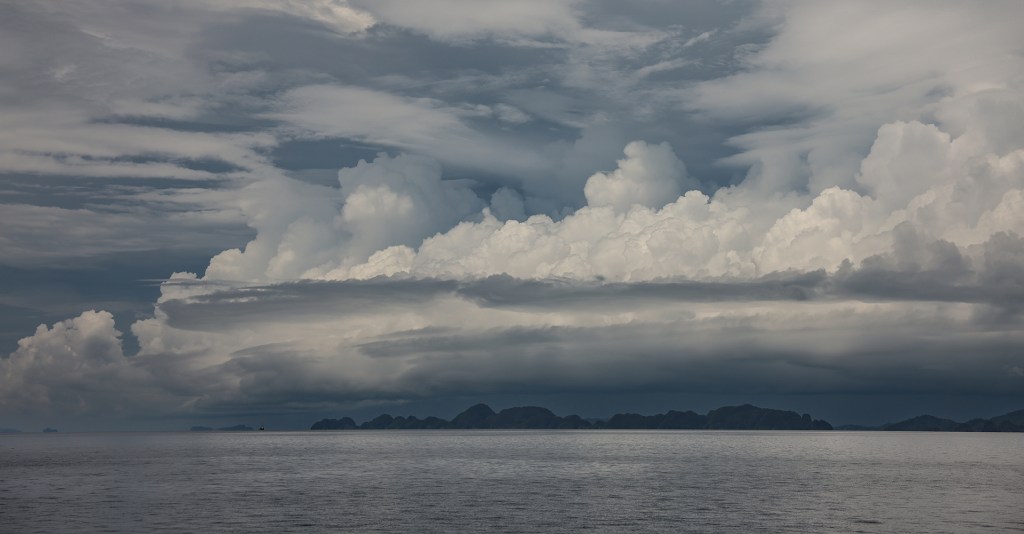
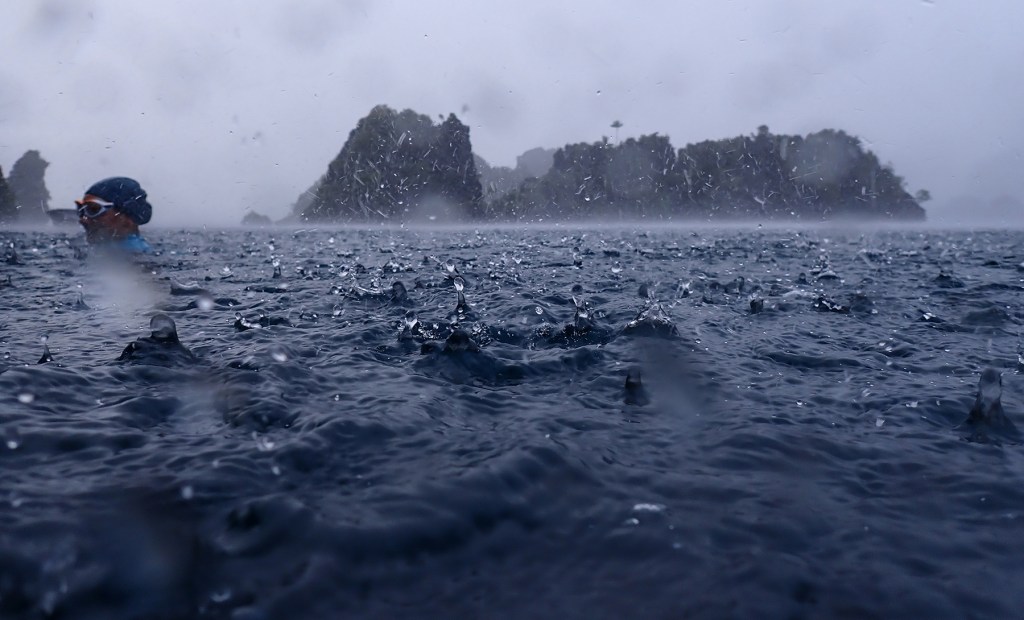
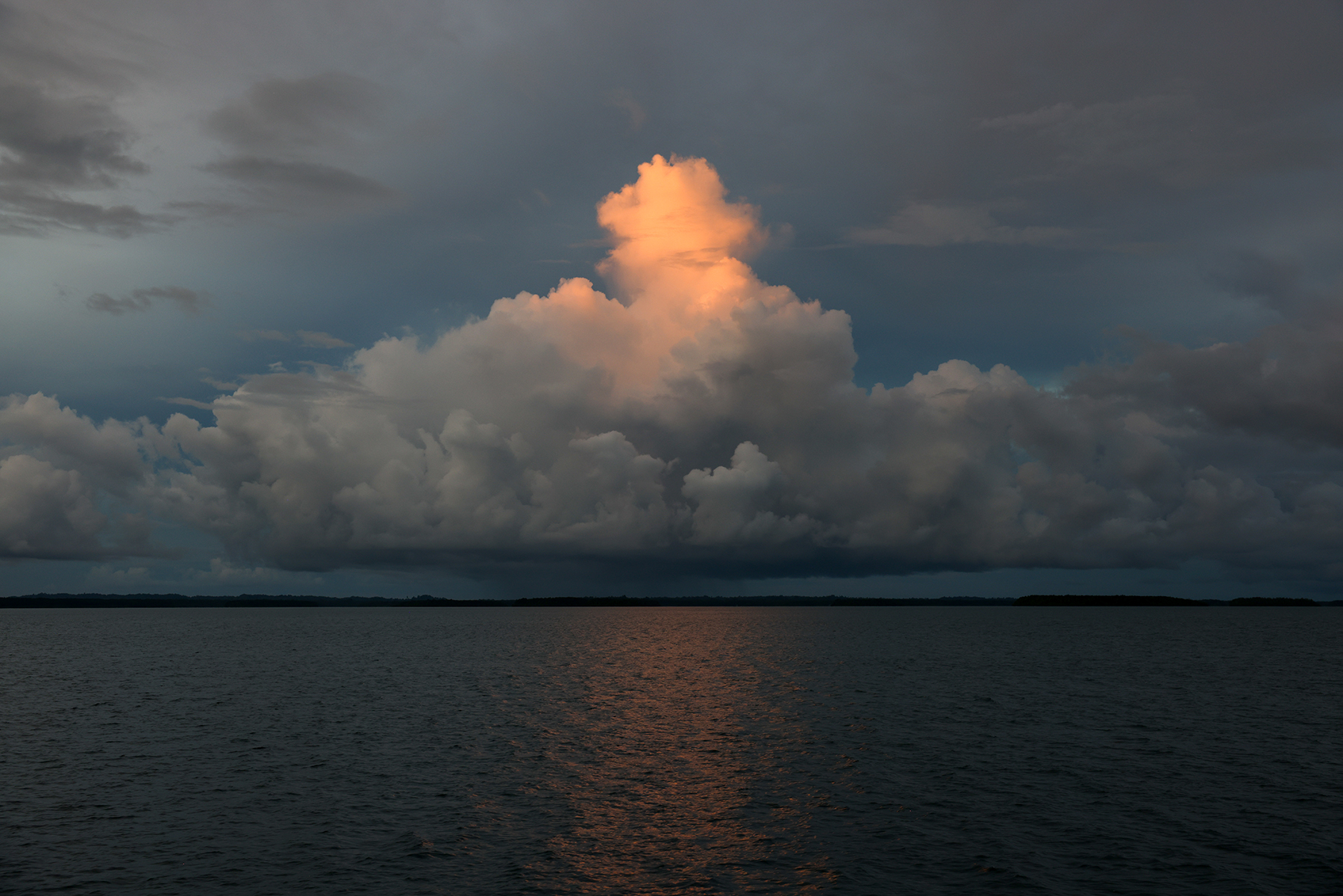
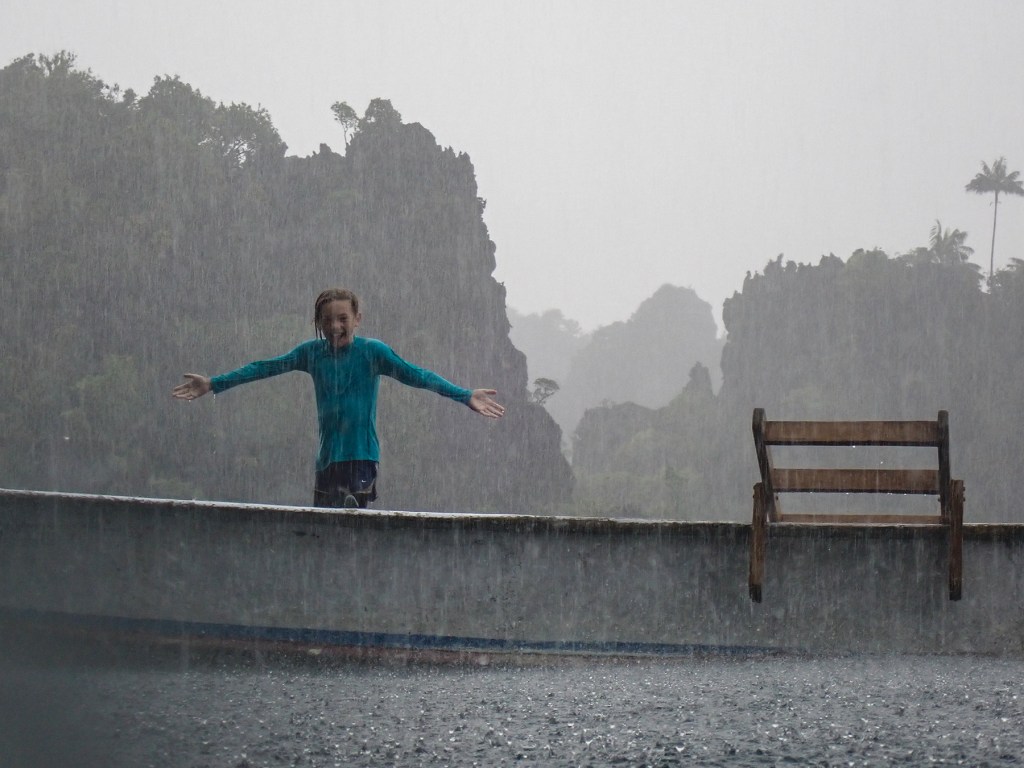
Wildly torrential downpours were also a memorable part of our Indonesian liveaboard boat adventure – probably some of the most impressive rainstorms I’ve ever experienced. They often came from out of nowhere while hiking or snorkeling – and we were usually caught without shelter, forced to truly embrace the intensity of the moment.
Upon completion of our two-week “Silleck Indonesian Snorkelfest” we disembarked from the compact, simple boat and re-entered civilization in Sorong. We spent just one night here (with dinner at our favorite pizza joint, which was also just about the only tourist restaurant in the entire city) before departing on our flight to Vietnam early the next morning.








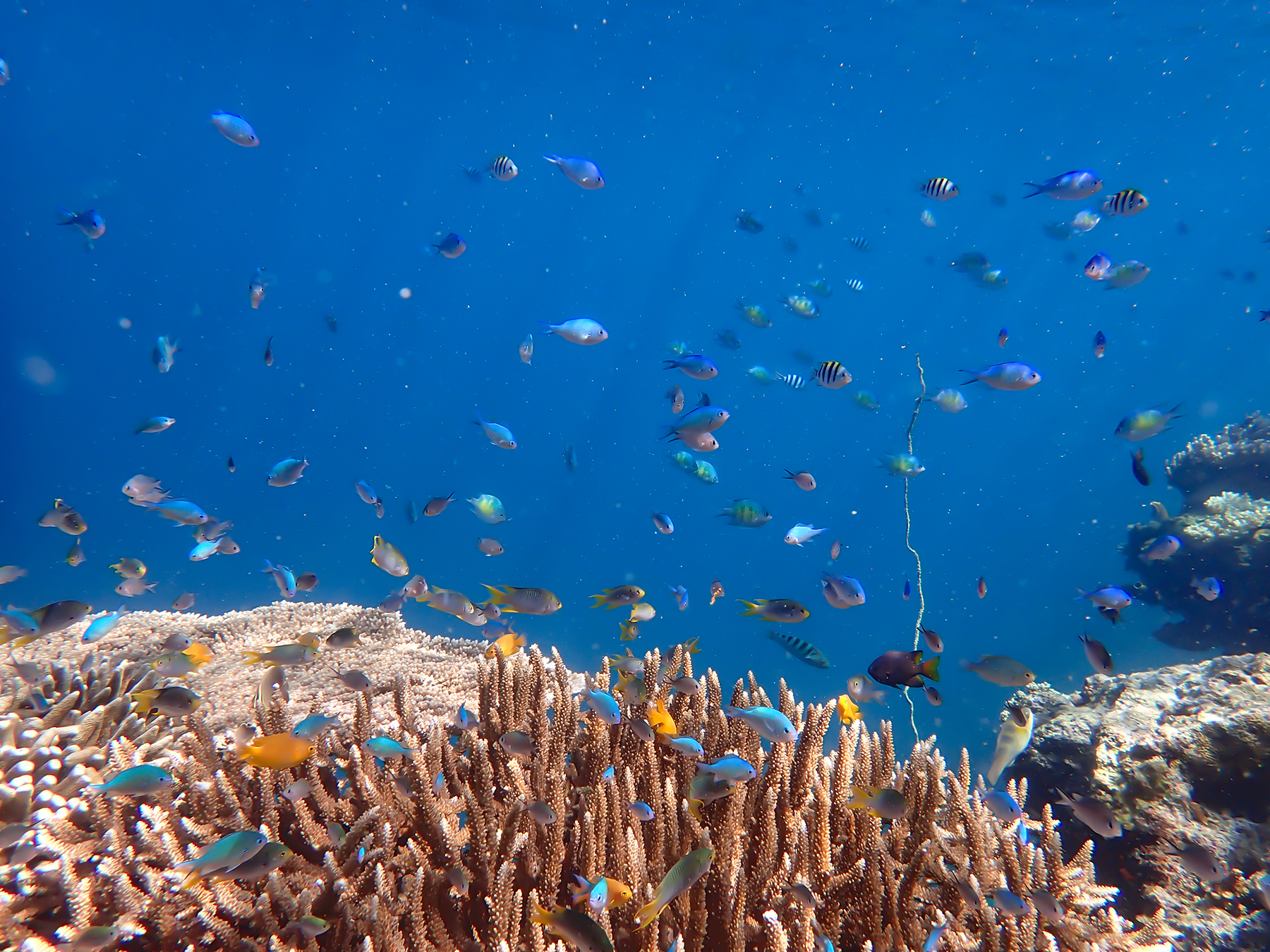
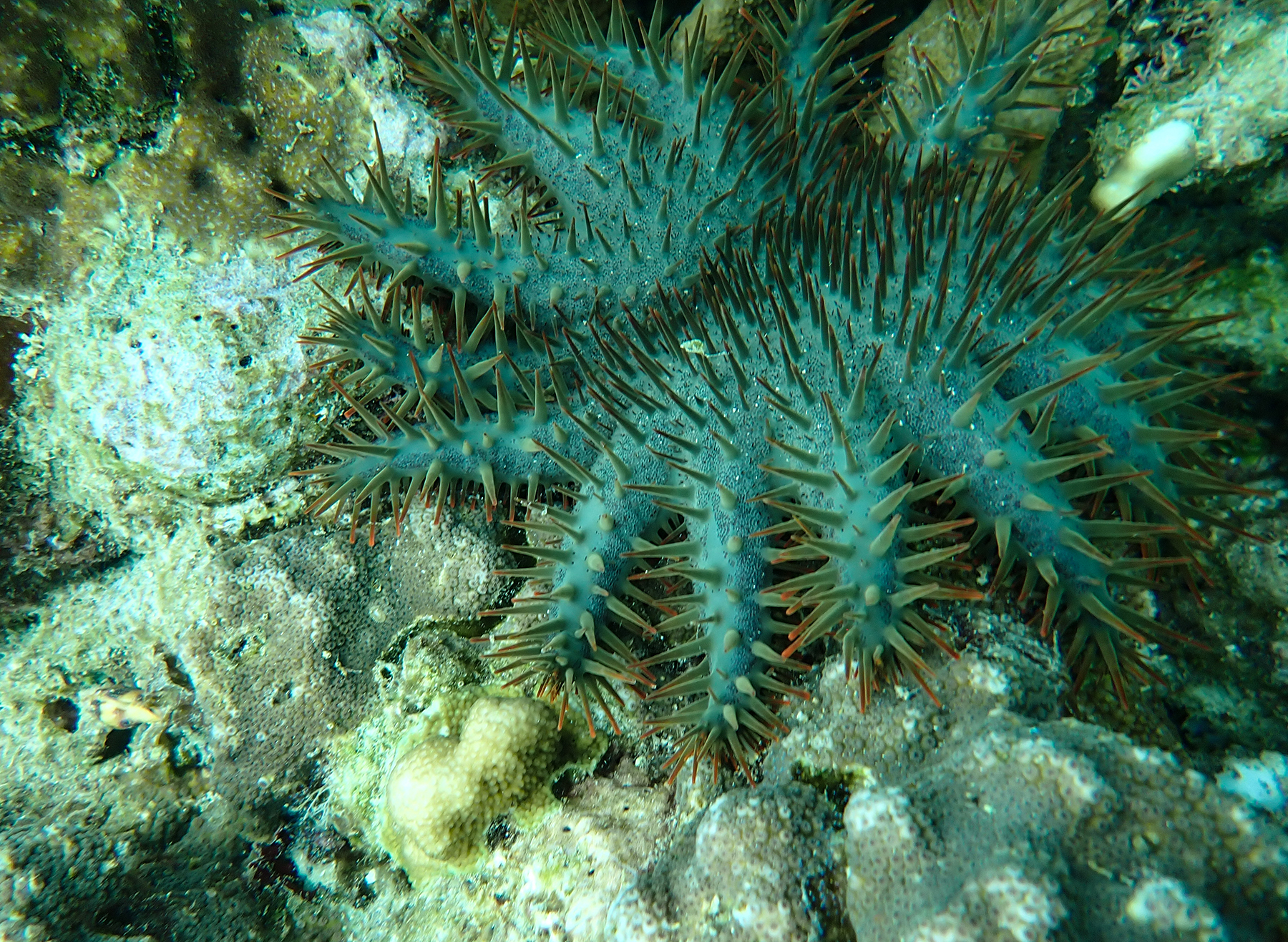
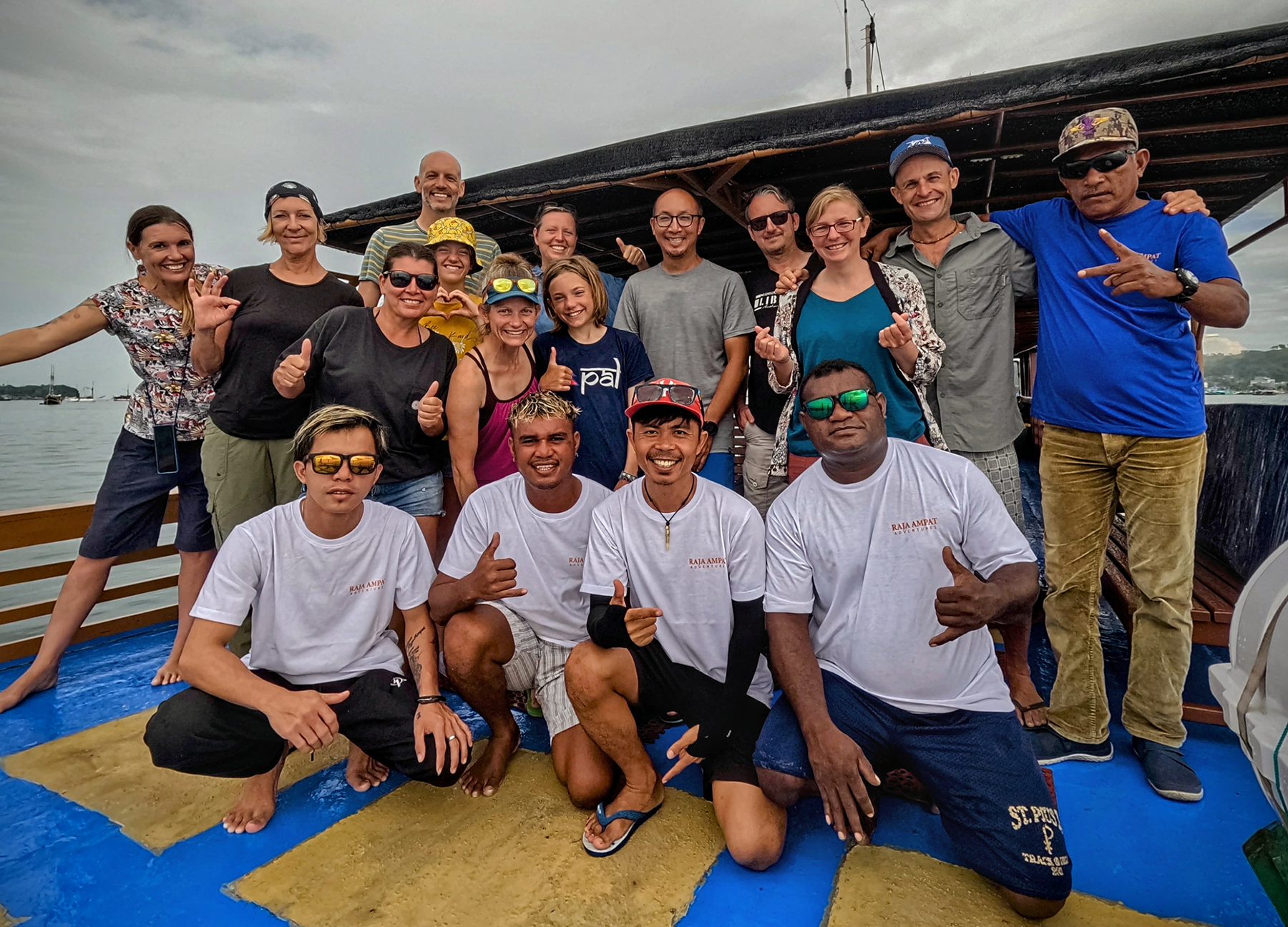
A tremendous thank you to our amazing guide Rolli and the crew of our liveaboard – thank you Captain, Chico, Ronnie, and Brian for helping to make our time in Raja Ampat unforgettable. It was as joy to explore with you! Also, thank you to Colin, Frank, Anya, Anna, Anja, Heike, Roman, and Ninnie for sharing your adventures with us!
Here’s a fun video of our Raja Ampat adventures!
Indonesia – Raja Ampat – Howie’s Addendum
The rollercoaster of emotions we experienced upon our departure from Laos was, in all honesty, quite overwhelming. When we really started dreaming about what adventures we envisioned for this year, one of the first ideas we had was to find a way to swim in a lake with stingless jellyfish. I had seen a few pictures online, and could hardly believe such a place could be real. As it turns out, there are three such lakes that exist on our planet – one in Palau, one in Borneo, and one in Raja Ampat, a remote location near West Papua that I had never heard of until we started researching for our adventure. The idea of finding this jellyfish lake in Indonesia became symbolic in my mind of a central theme of our year of adventures – to seek out this experience that is utterly unique, in a stunning location that under normal circumstances would be exceedingly difficult for us to visit in an ordinary year of our lives. As the hours, days, and weeks spent waiting for the return of our passport went by in Laos, I could feel this part of our dream slipping away, with the deadline to catch our boat in Raja Ampat rapidly approaching. Just when we were about to give up our last shreds of hope, miraculously, the last-minute arrival of an email from the US embassy letting us know the passport had arrived kicked off three straight days of near constant motion: three flights, an overnight stay sleeping on the airport floor in Kuala Lumpur, the arrival of Christmas morning on an airplane, and a long ride aboard a hot and crowded ferry. Then all of a sudden, I find myself skipping across the water in a tiny longtail boat with my amazing wife and two sweet kiddos, getting completely and utterly soaked by ocean spray, looking out at dense, untouched jungle and feeling about as far away from home as I have ever been. Our adventure to find the jellyfish lake was back on! It had been 72 hours since the email from the embassy had arrived. How did I get here?
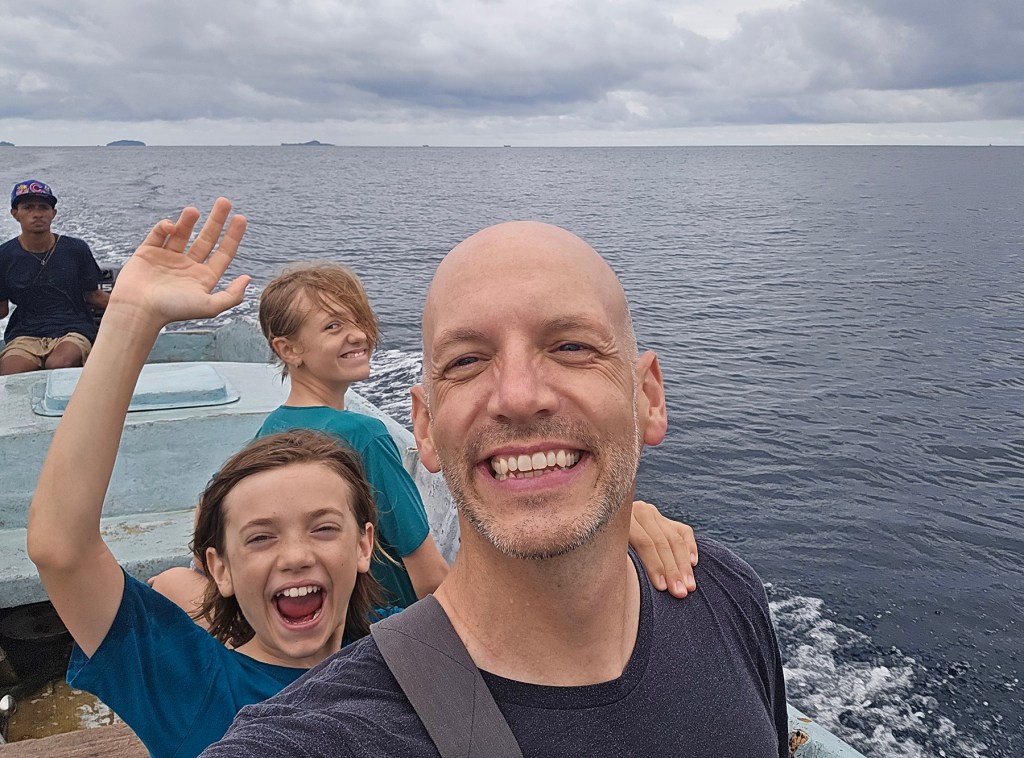
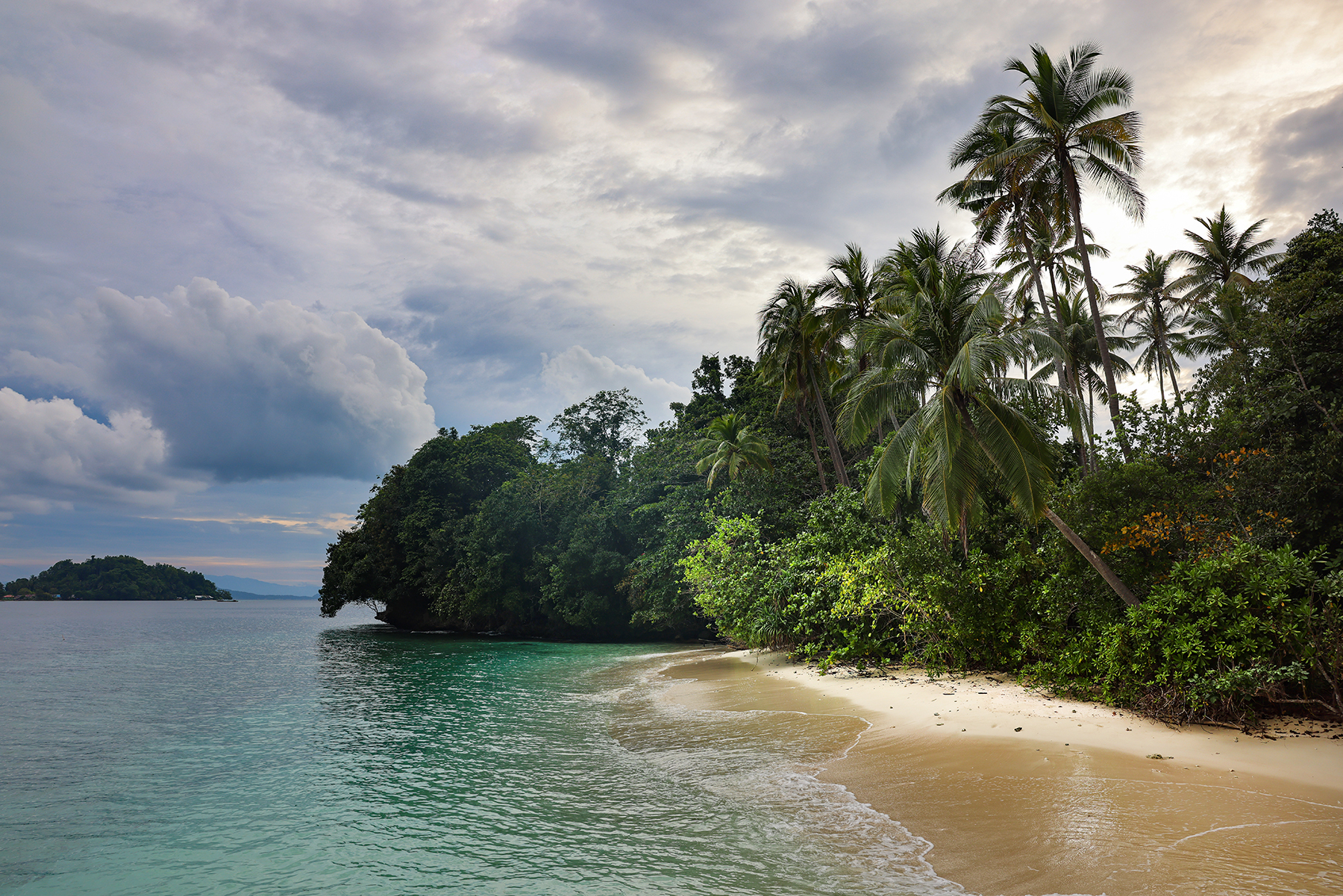
Viewing the site of our homestay on Gam Island upon arrival was almost unreal – a couple of tiny overwater thatch huts that look right out of the pages of Robinson Crusoe, complete with pristine white sand beaches and coconut palms. A stunning shallow reef lies just off the beach, which as part of the Coral Triangle is home to the most diverse marine life on the planet. The homestay is a small outpost in a vast jungle, surrounded for miles by a dense tropical forest filled with the constant sound of exotic bird calls.
It was here that we began to understand the concept that this tropical island paradise can be many things at once. Stunningly gorgeous and nearly inaccessible, cut off from the outside world. Home to arguably the best snorkeling on the planet. A haven for fish, turtles, manta rays, sharks, birds of paradise, and unique species found in the jungles and nowhere else in the world. Home to incredibly friendly and welcoming people. So remote, yet not immune from the threats of plastic pollution and climate change.


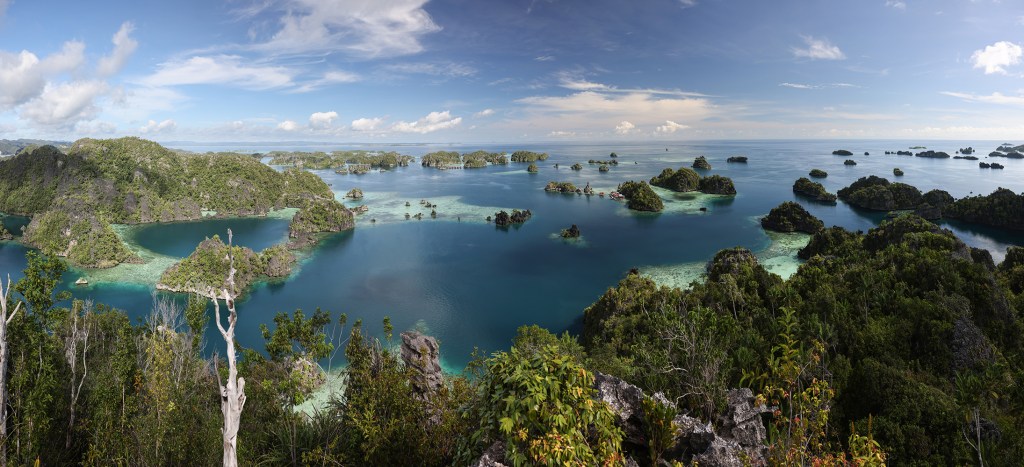

So, how is it that this paradise remains relatively untouched by the advance of mass tourism? Clearly there must be a catch.
First, Raja Ampat is very difficult to get to. Difficult not only as a location at which to arrive as a visitor, but also difficult to outfit with infrastructure. There are so many little islands that are spread over such a vast area that each location ends up needing to be nearly self-sufficient. As such, accommodation options are mostly quite rustic – the overwater thatch huts of our homestay, picturesque as they were, were definitely more closely aligned with “shipwreck survivor aesthetic” than “Tahitian luxury hotel.” Each night we enjoyed wondering which creatures were making the rustling sounds emanating from around the holes in the roof as we fell asleep. Food options are also very limited. Our kiddos, who are not enthusiastic fish eaters, particularly struggled with the diet of almost entirely rice and fish. Out of desperation, they used MB’s emergency hot sauce stash to invent a new dish called Tabasco Rice, which is exactly what it sounds like. The occasional opportunity for banana fritters were a welcomed treat to help the kiddos get additional calories.
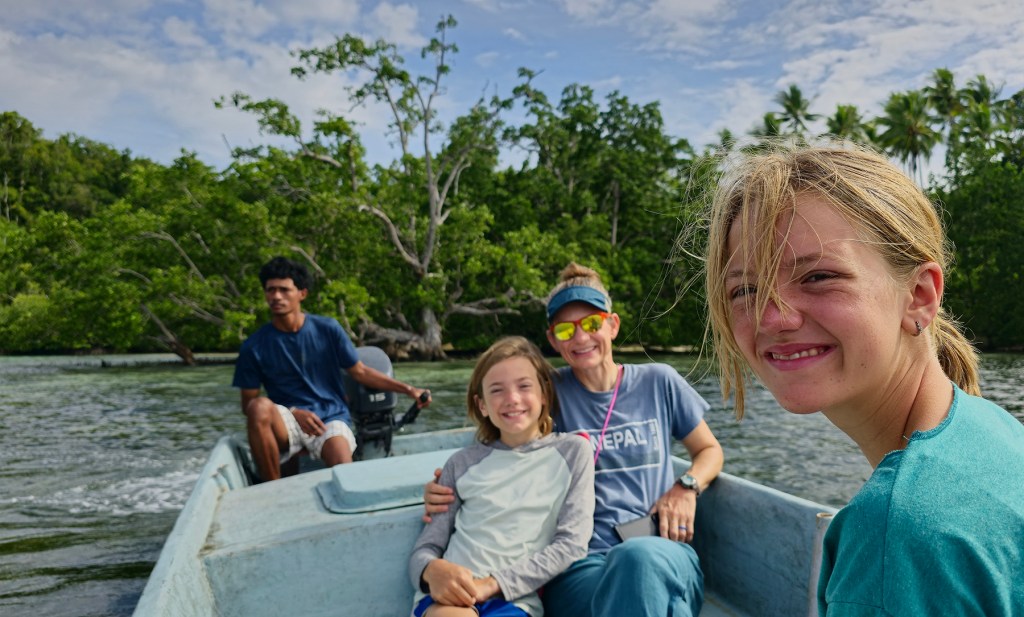
Beyond the challenges relating to the remote location, Raja Ampat is also unfortunately a risk area for a wide variety of tropical diseases. The threats of malaria, dengue, Japanese encephalitis, and rabies meant we were all in for a number of shots and pills to get vaccinated (a big shout out to the affordable health care provided in Thailand to keep us healthy!). Apart from the danger of disease, there are also risks posed by encounters with sea creatures in a location that is far from any available medical care. We all wore long rash guards on both top and bottom to help protect us from the common tiny jellies and their larvae, but nonetheless each of us received dozens of stings, often directly to the face, while out snorkeling.

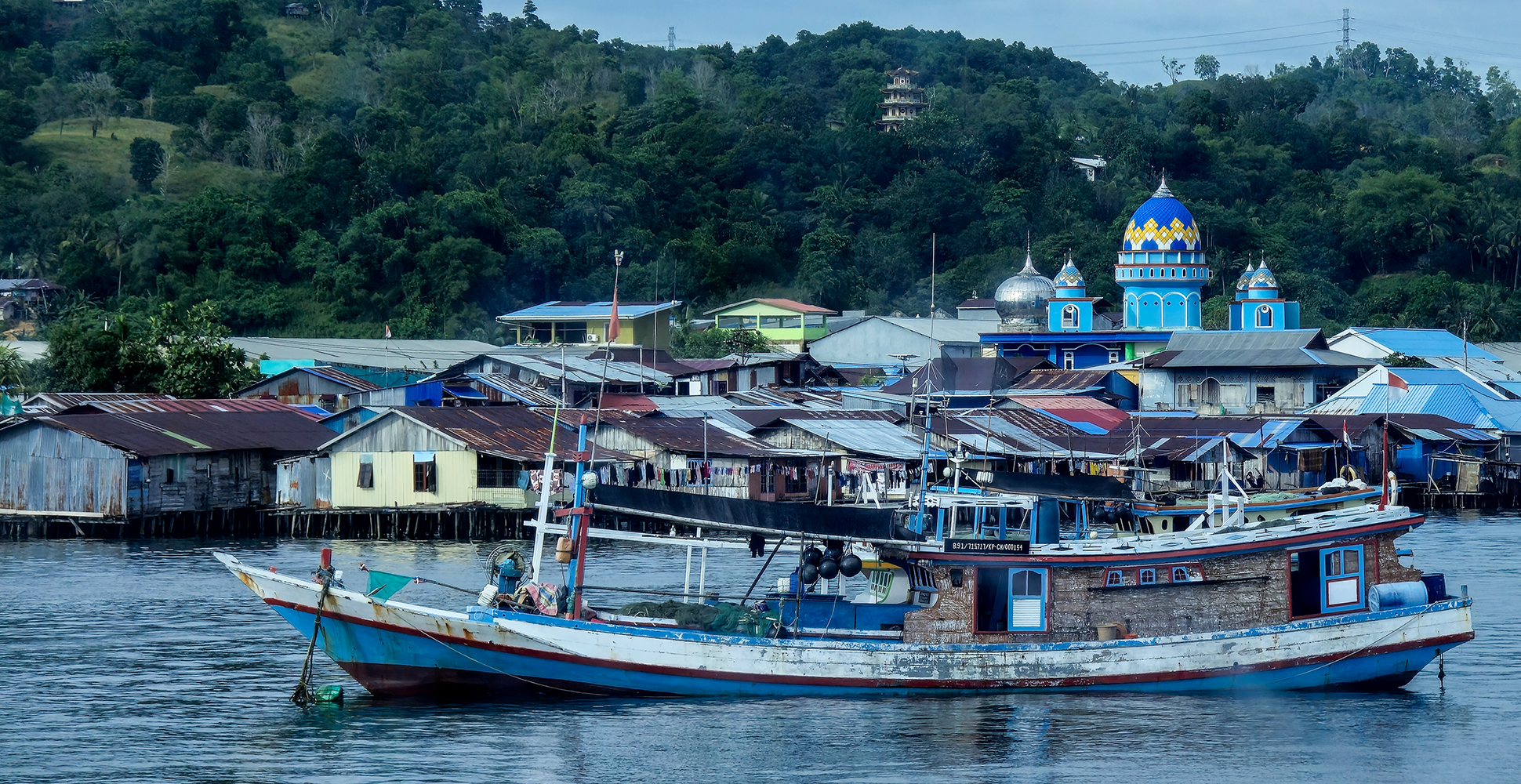
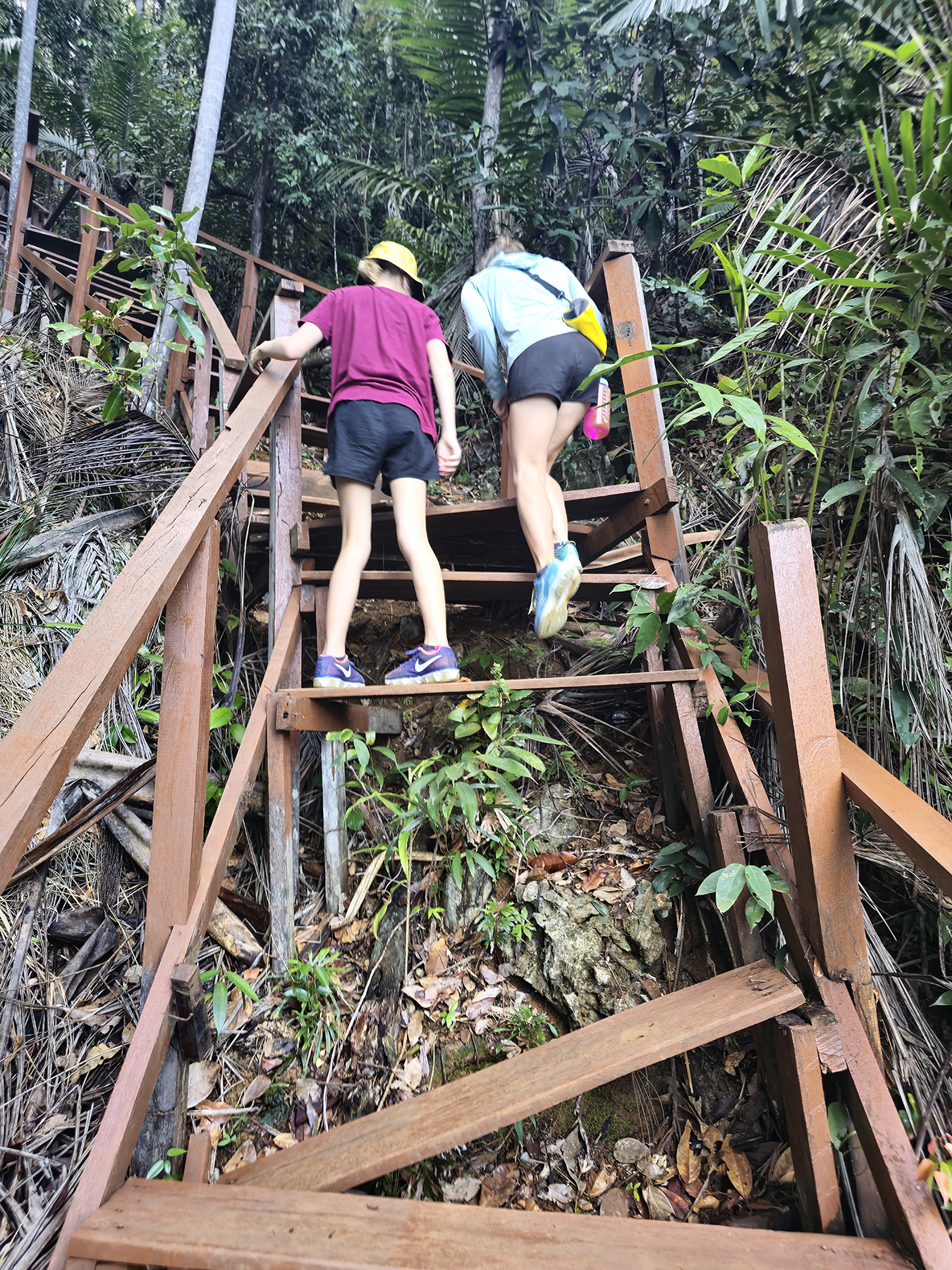
Finally, one difficulty I had not anticipated was that tropical paradises can be quite uncomfortable places! Living in the mountains, I am not used to extreme heat and humidity, and I really struggled with trying to keep cool. The ocean water year round is around 90°F, which means the air temperature (day and night) is also 90°F. Jumping in the water really didn’t cool us down much, and I struggled to sleep while constantly damp and hot.
Challenges notwithstanding, our time in Raja Ampat was a spectacular adventure. Highlights from our time in the homestay included:
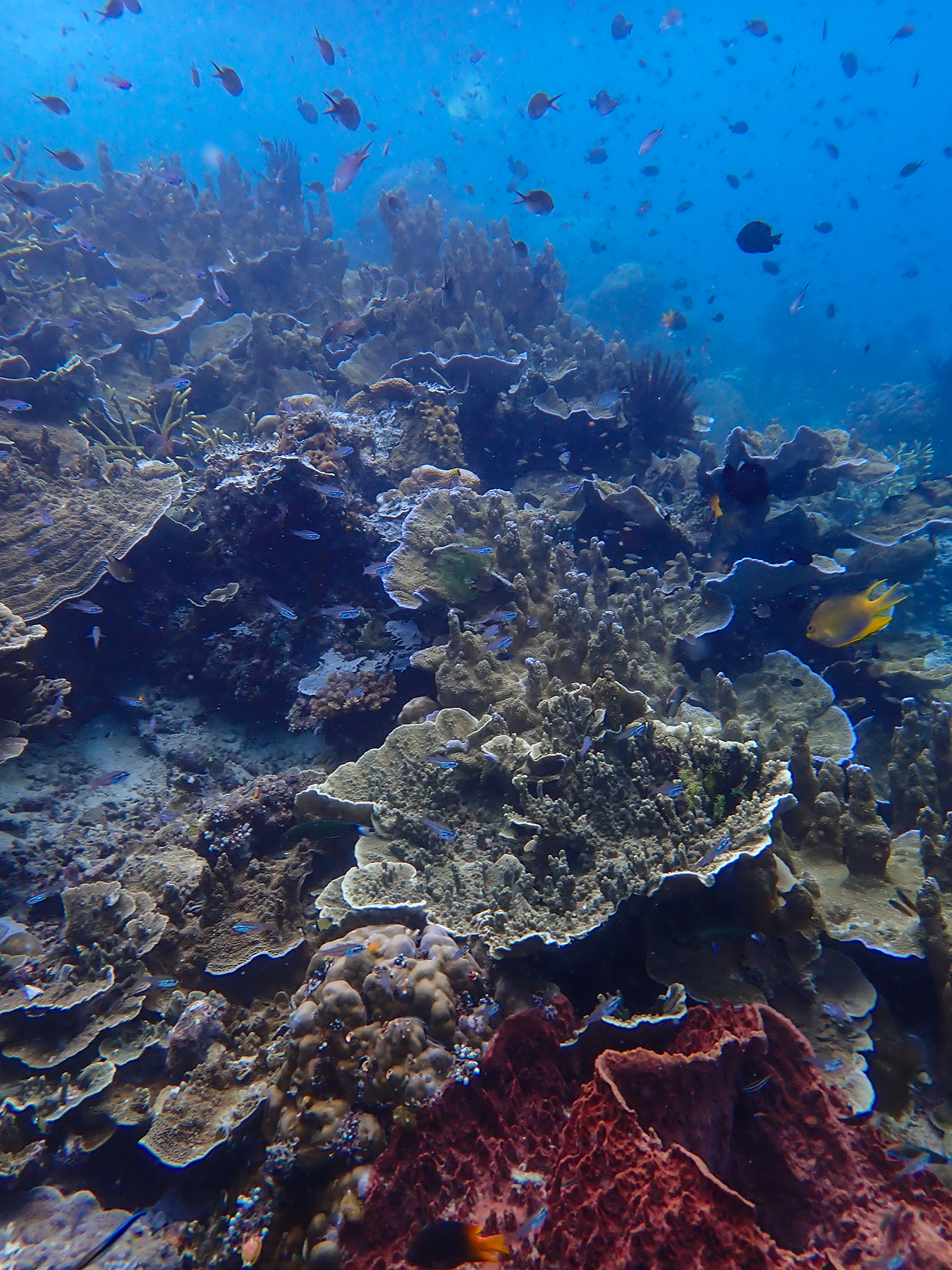
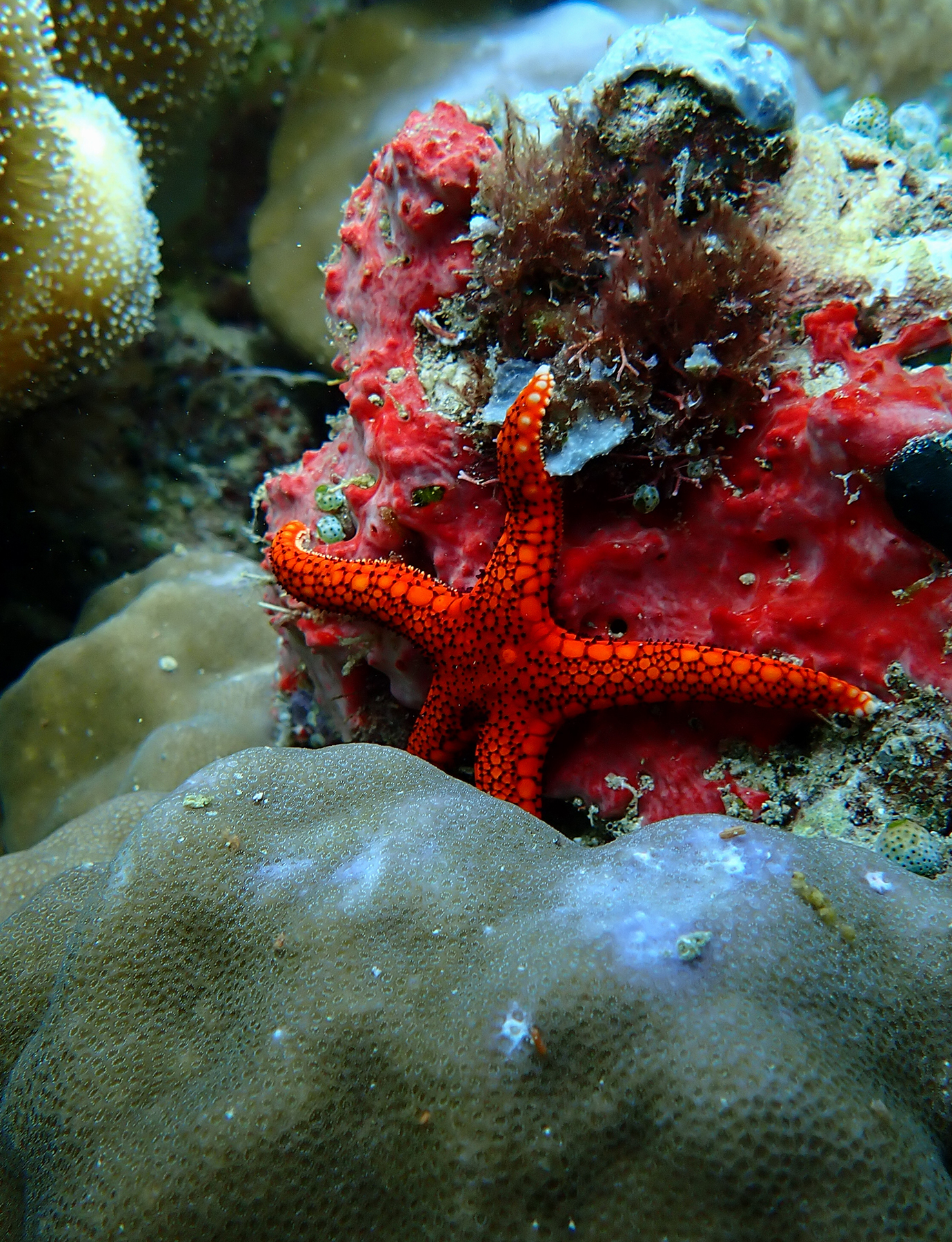
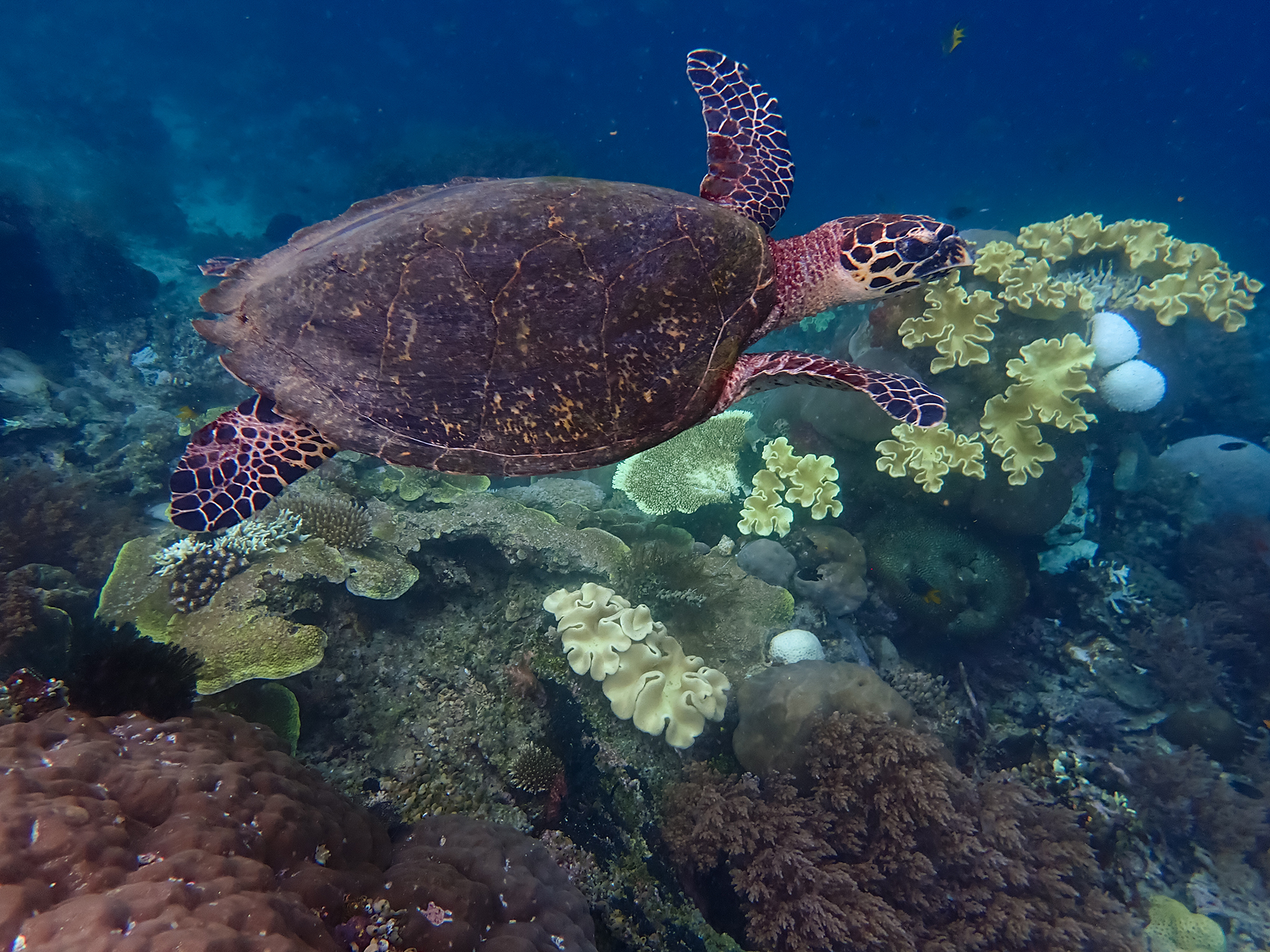
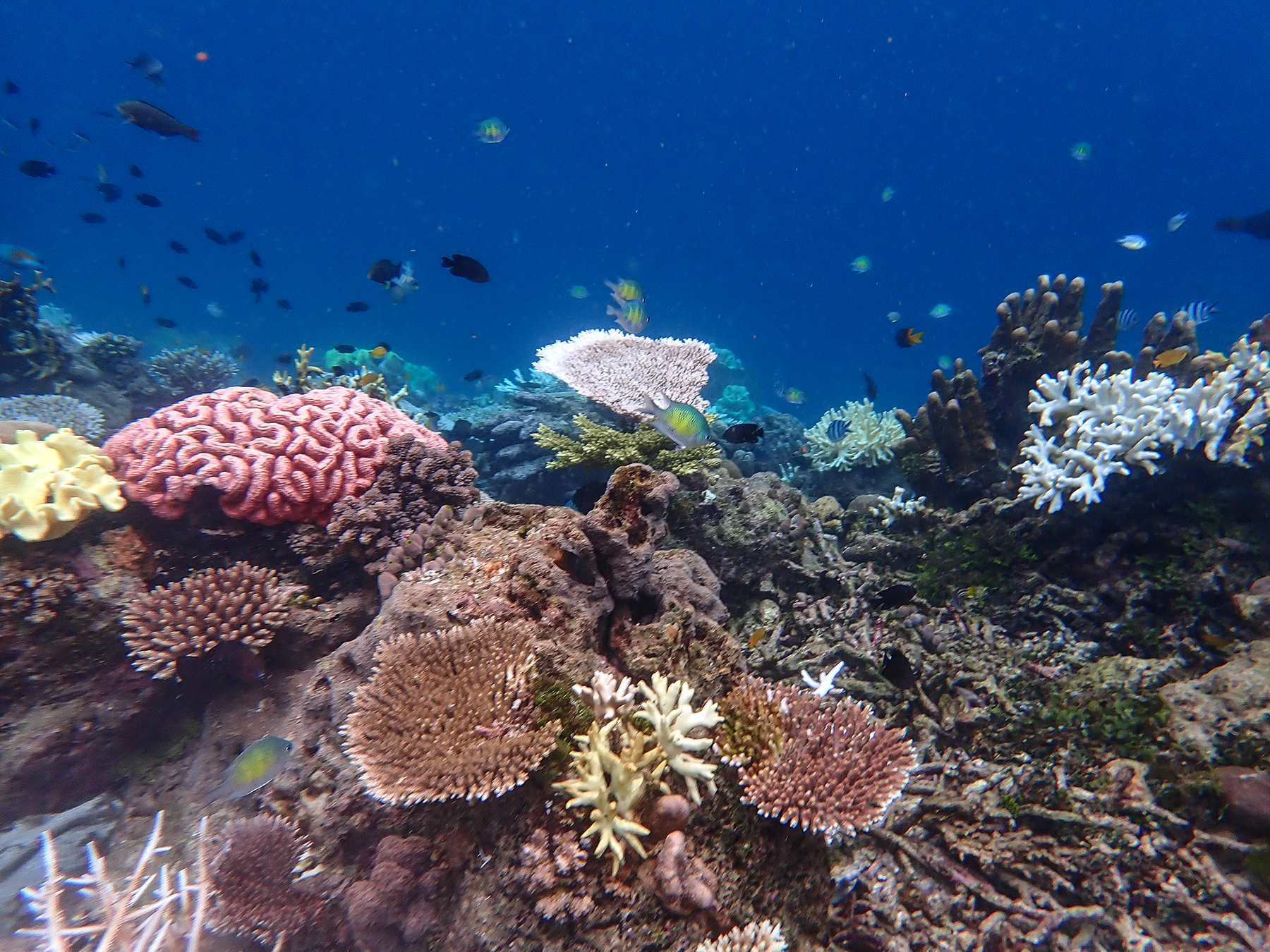
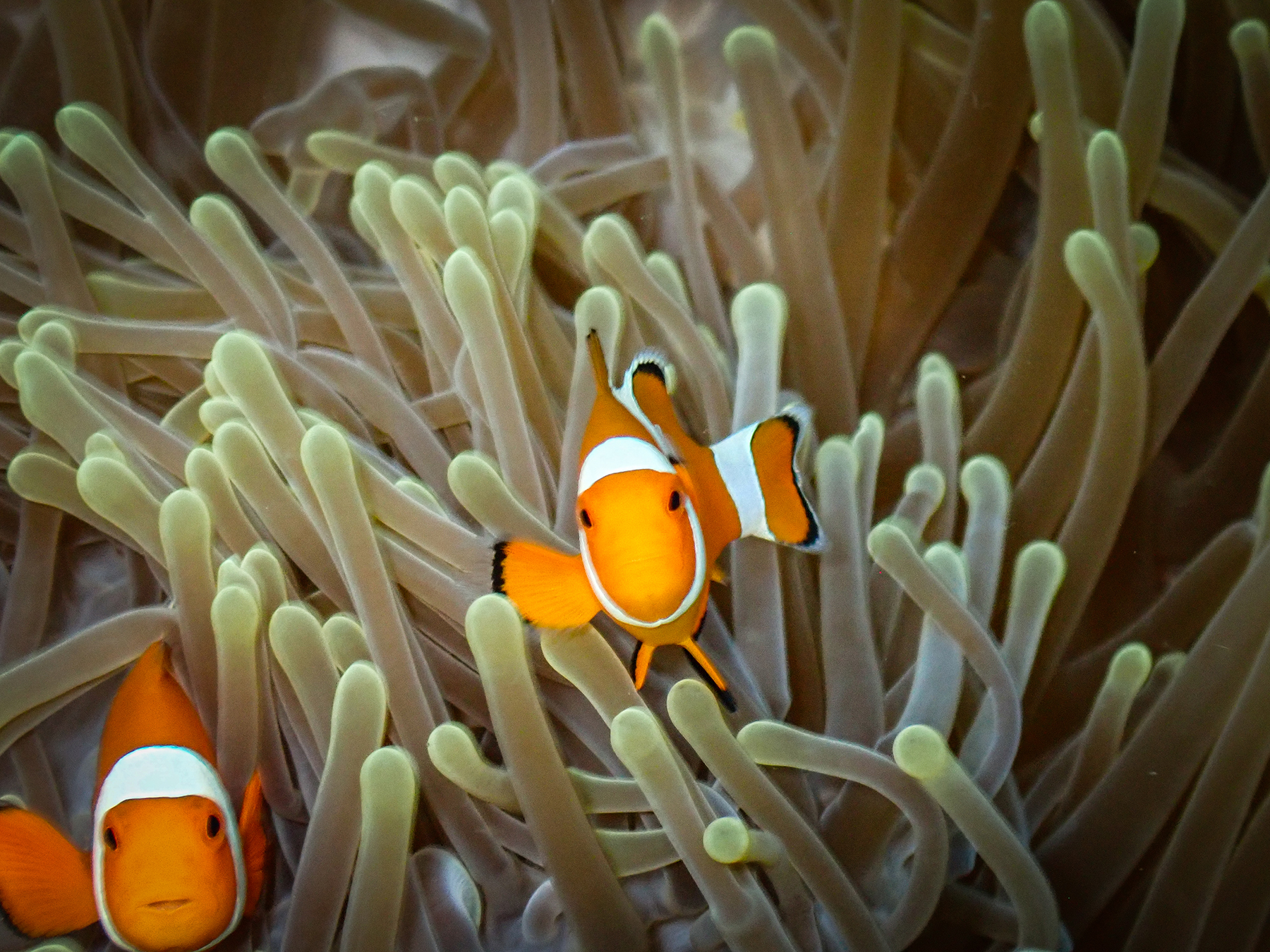
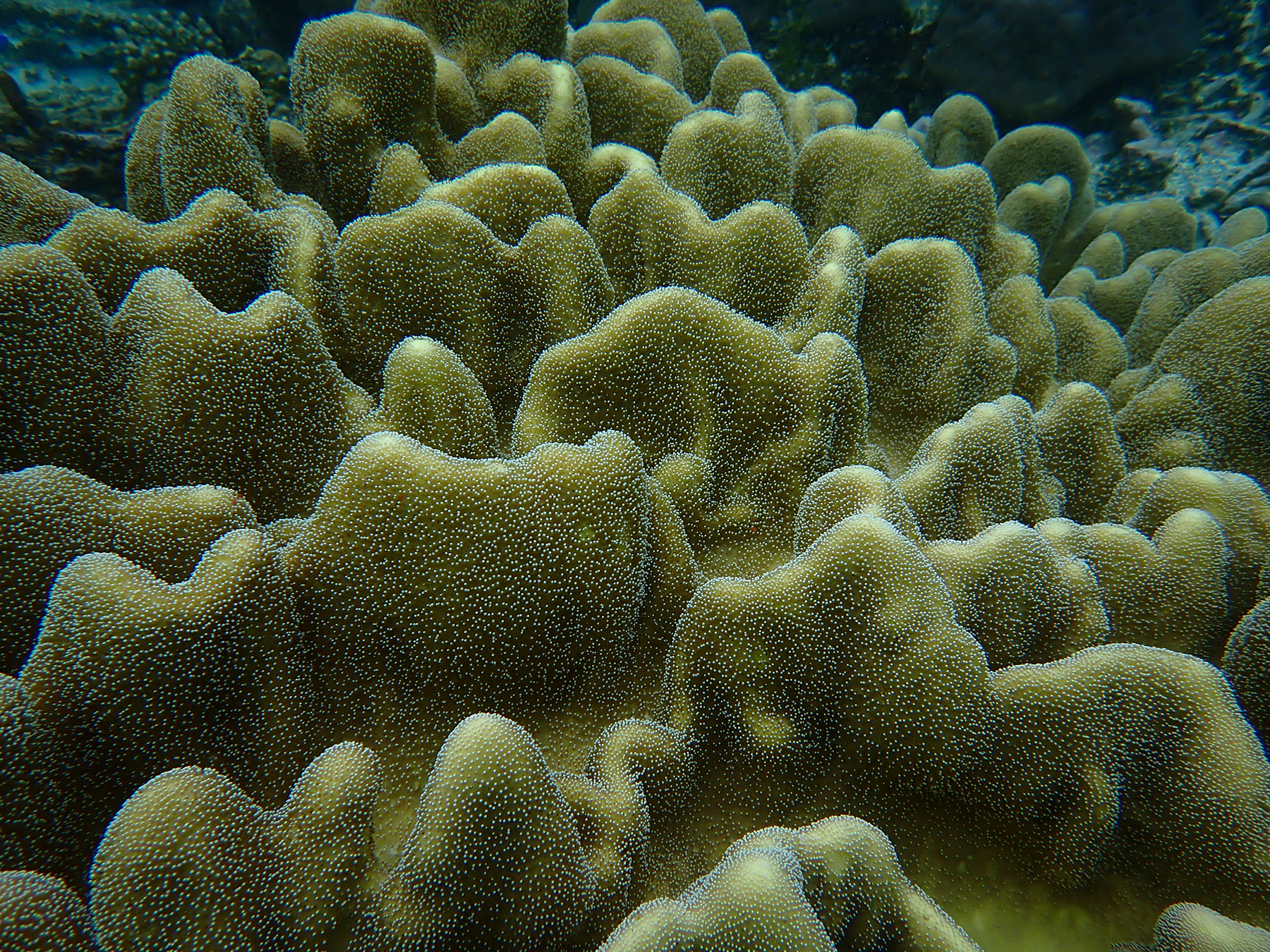
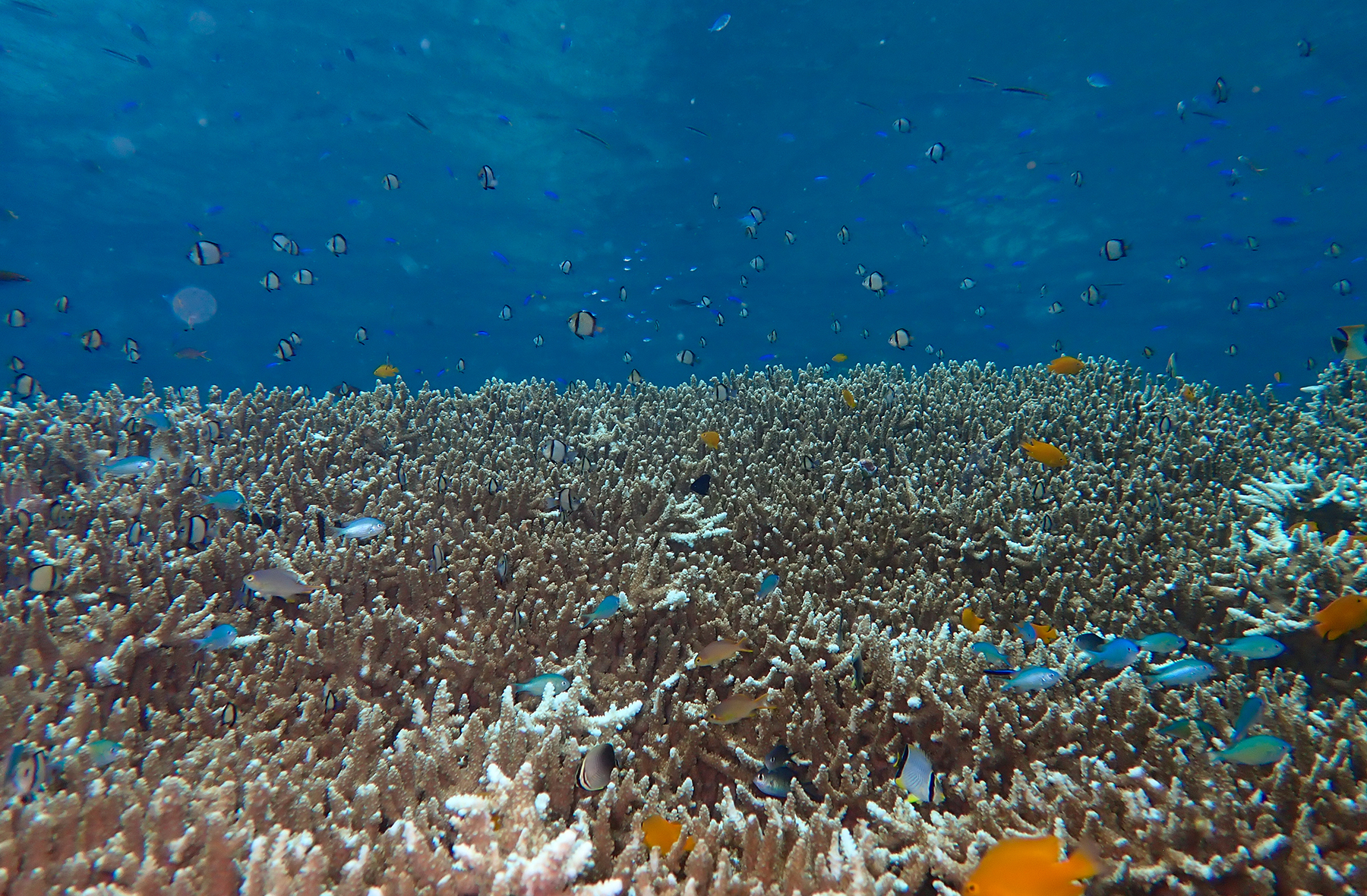
- Hours of snorkeling on one of the most amazing reefs I have ever visited. We saw our first (of many) anemonefish (Nemos!), black tipped reef sharks, turtles, a manta ray, giant clams, and so many species of fish that we immediately lost count!
- A memorably rough long-tail boat trip to the famous viewpoint on the scattered karst islands of Piaynemo. After an hour of smooth travel across the glass-like ocean surface through the protected strait, we were met with waves that on several occasions seemed likely to capsize our tiny craft once we reached the open ocean. I spent much of the time aboard thinking about the maximum distance our family of swimmers could swim in order to make it to shore at any given point along our route.
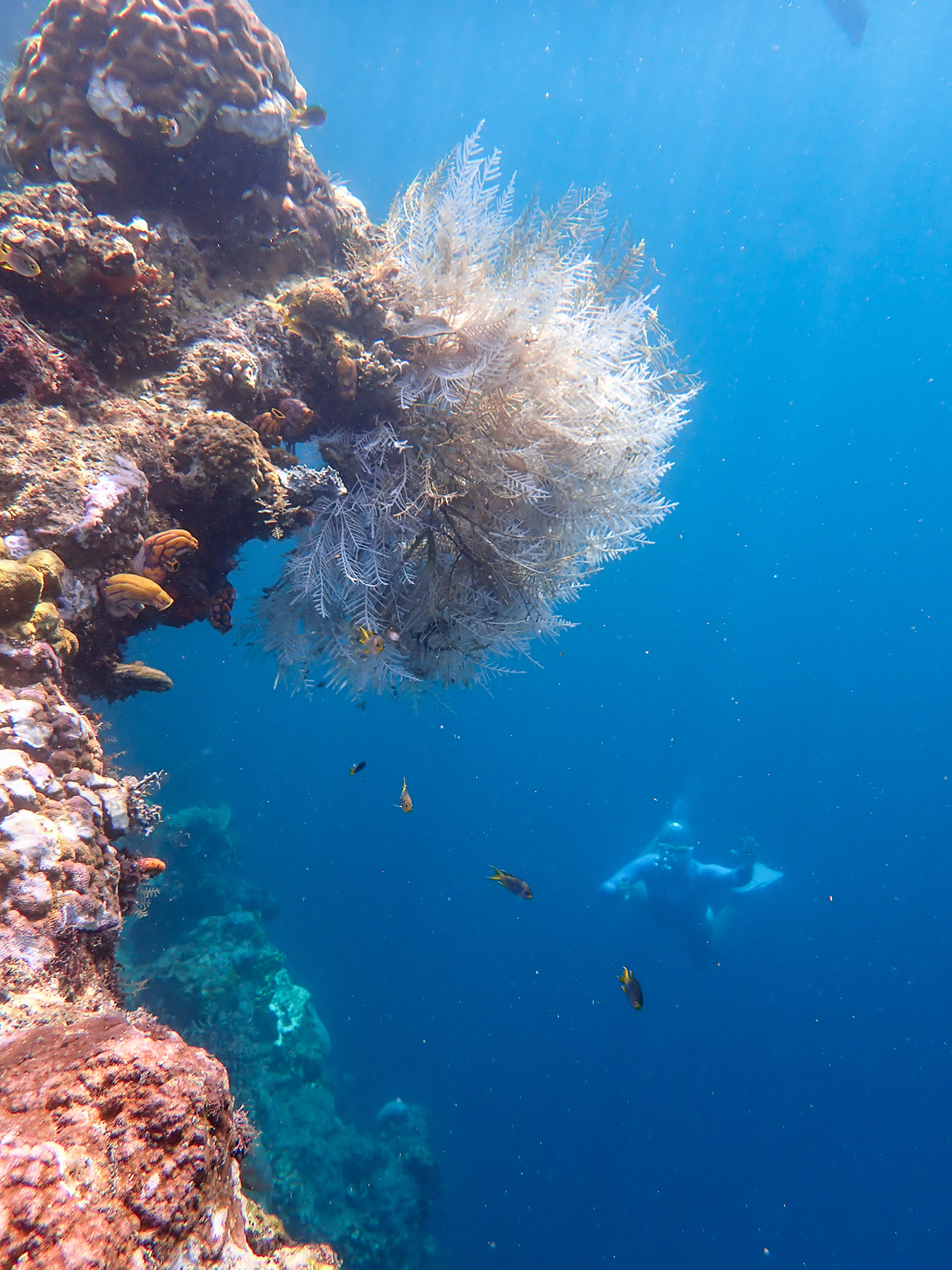
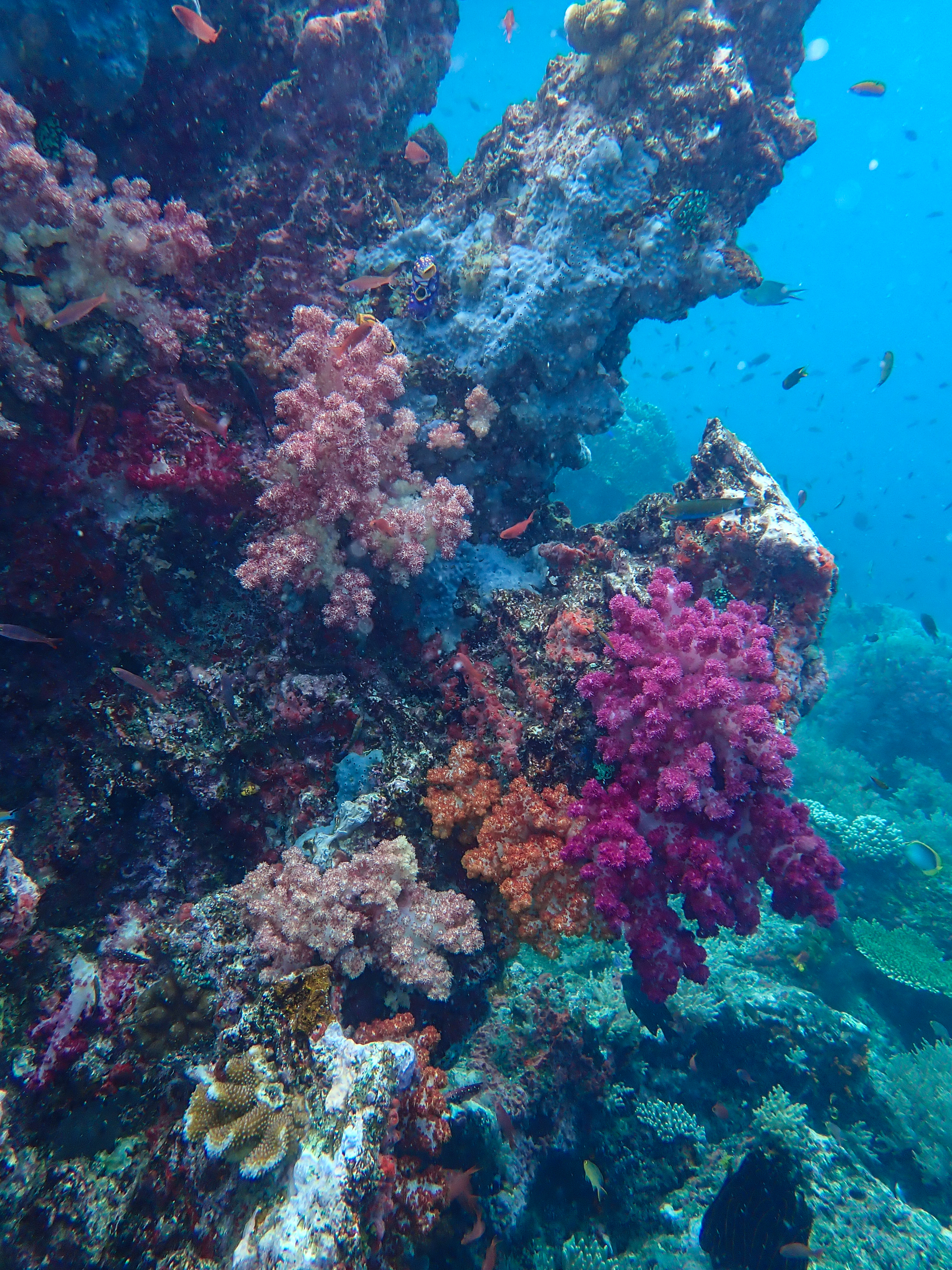
- An afternoon snorkeling along the Friwen Wall, a limestone pinnacle that plunges almost straight down as a cliff into the depths, with fantastic soft corals.
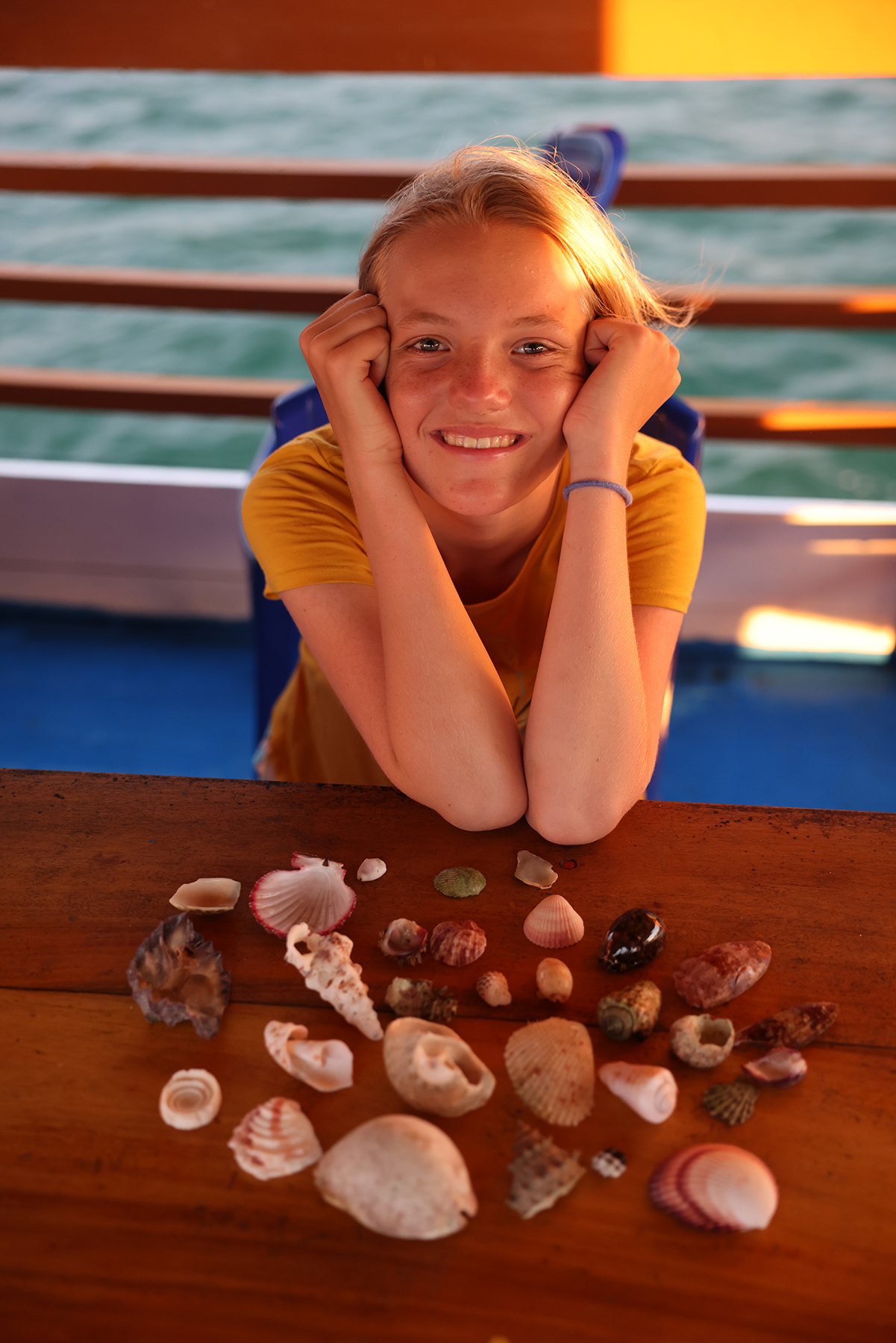
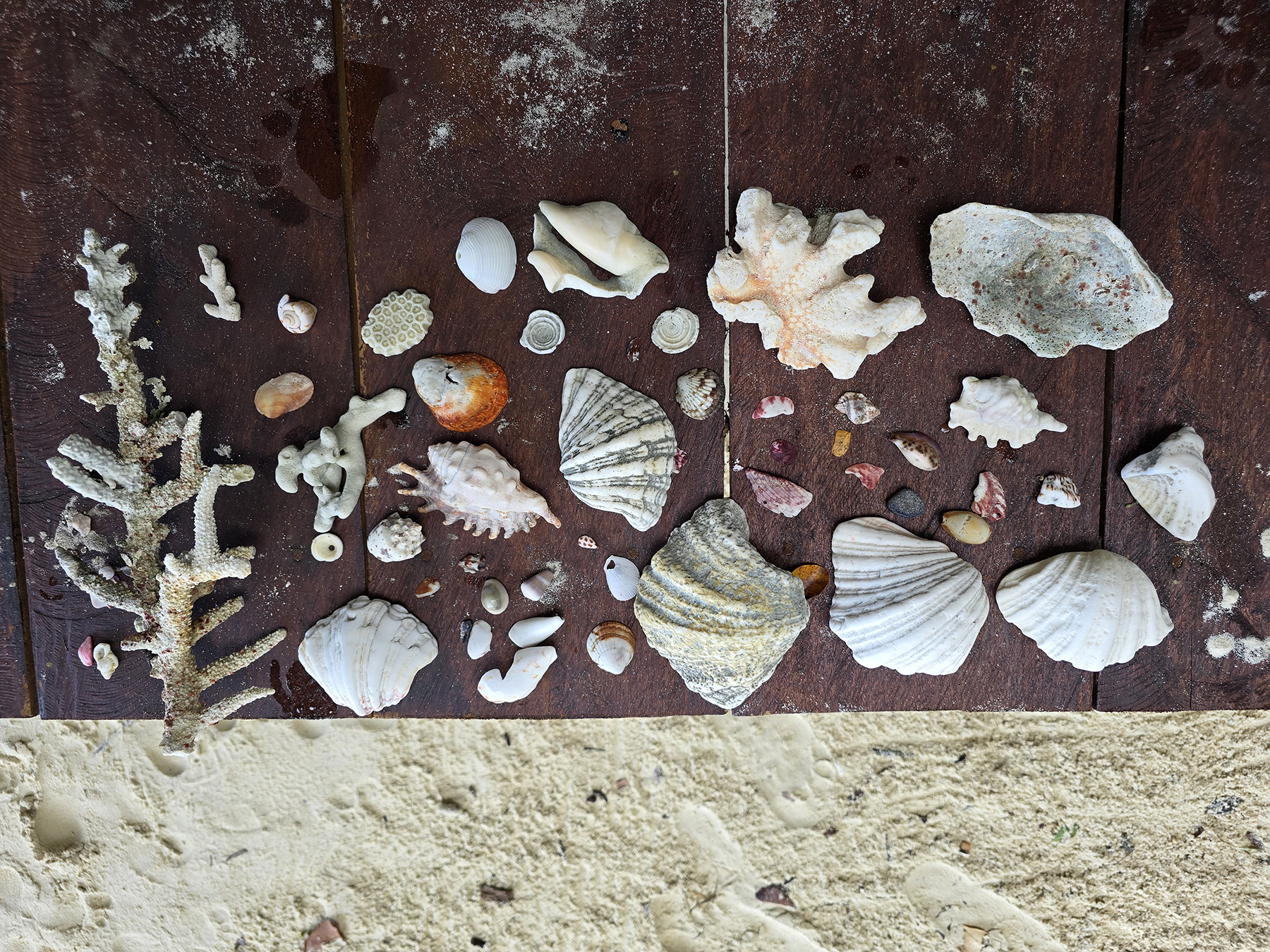
- Relaxed beach time to explore with the family, spent searching for crabs and seashells while listening to nearby birds in the forest. Also, nightly visits from the local cuscus.
After we departed from the homestay, I enjoyed the short afternoon back in Sorong and our entertaining search for some last minute items before the departure of our liveaboard boat the following morning. As Sonya was busy being secretly (and sometimes not so secretly) photographed by women who were amused by our presence in the shopping center, I enjoyed shaking hands, getting high fives, and being told that I am tall by people as we moved along the streets. After finally tracking down sunscreen and a pair of new goggles, we were all set to embark on our liveaboard boat experience!


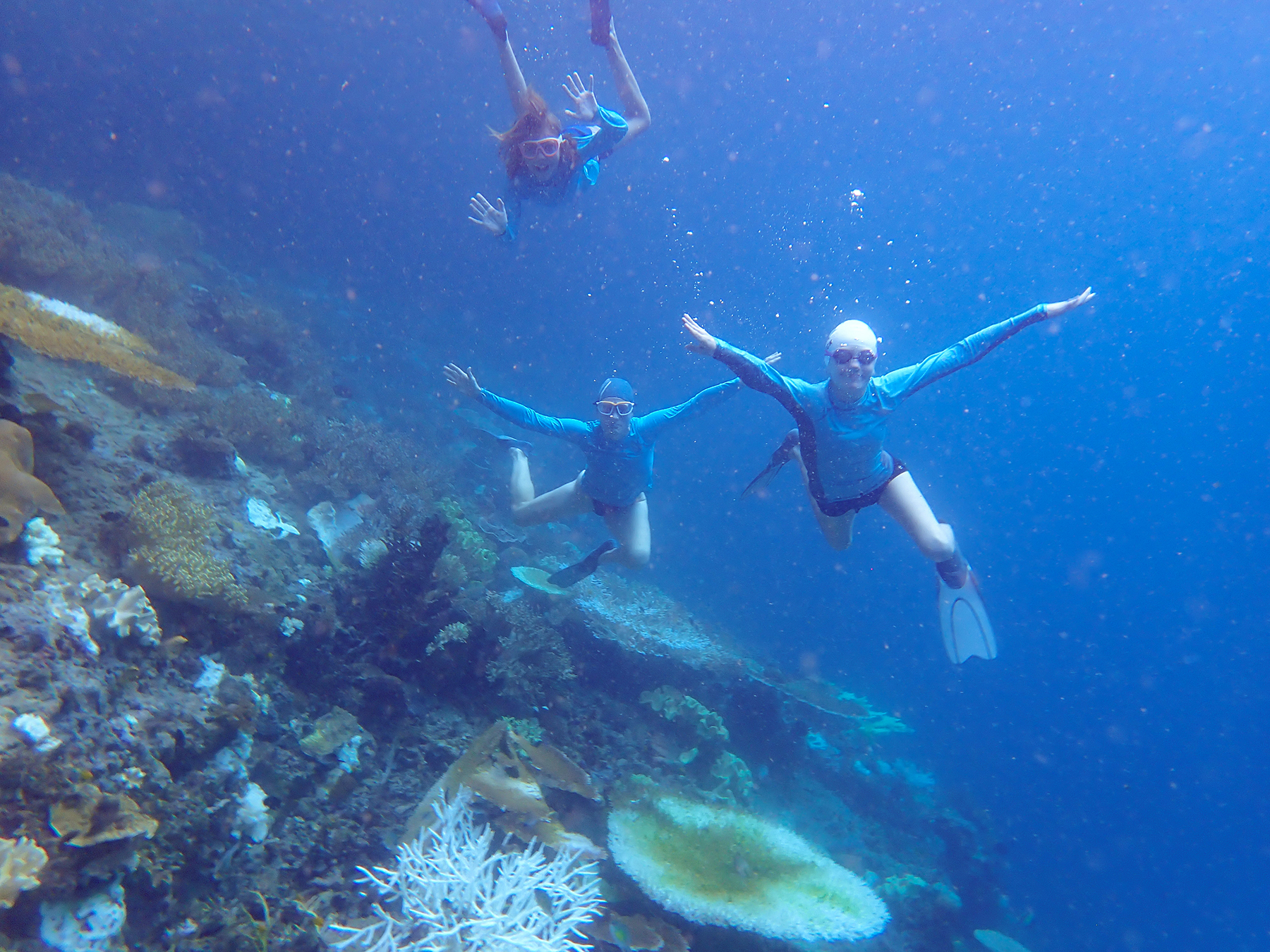
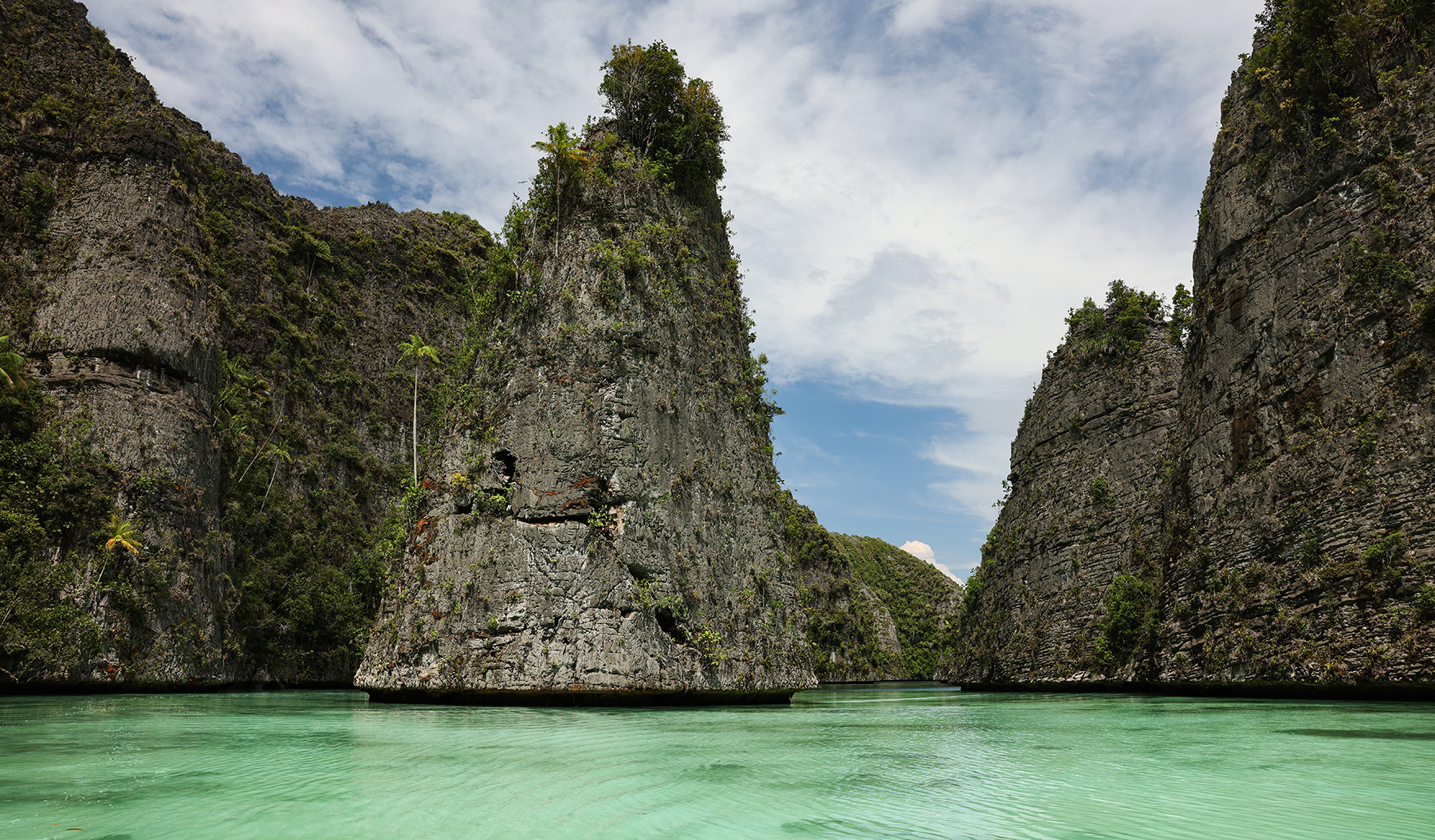

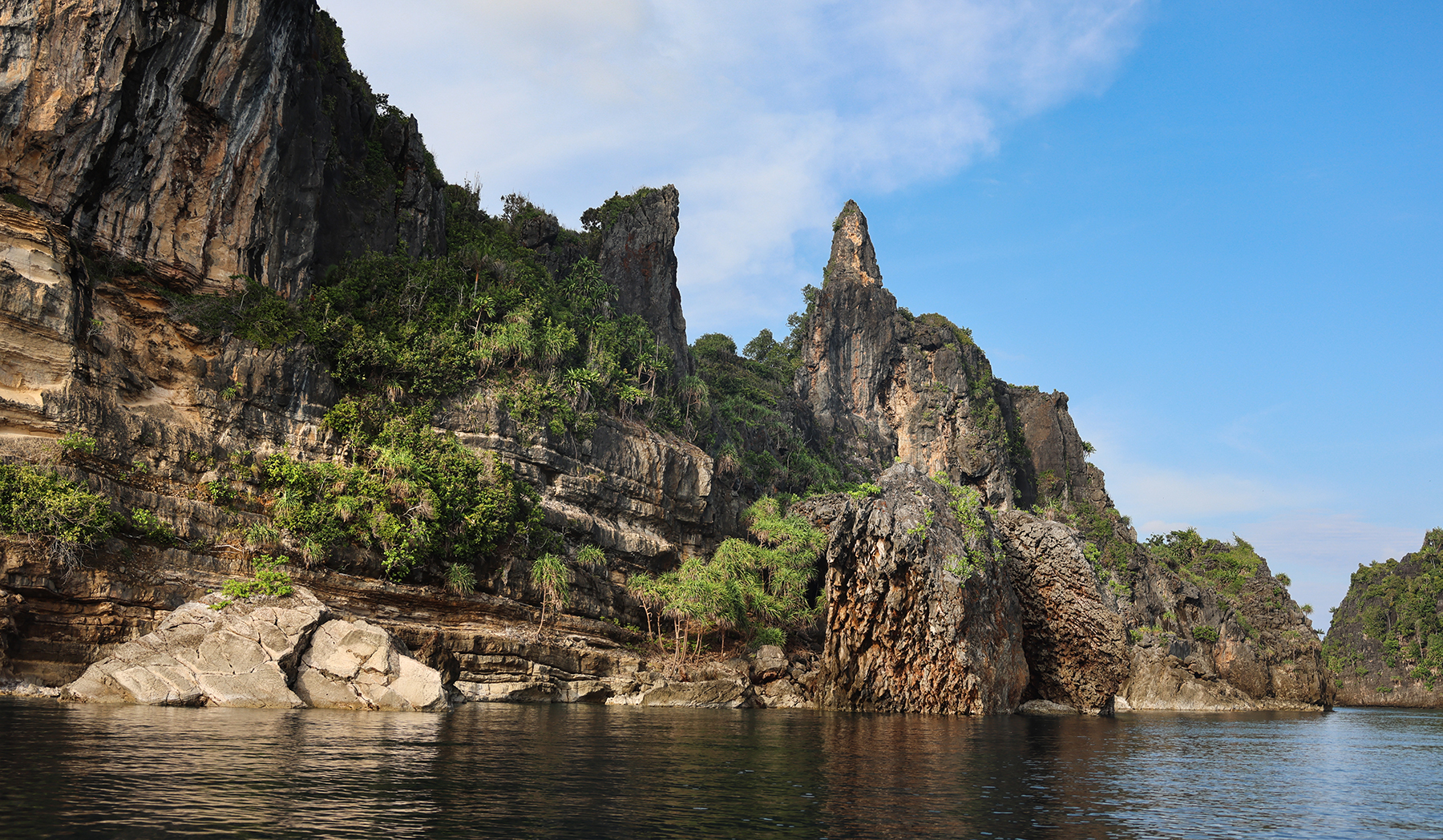
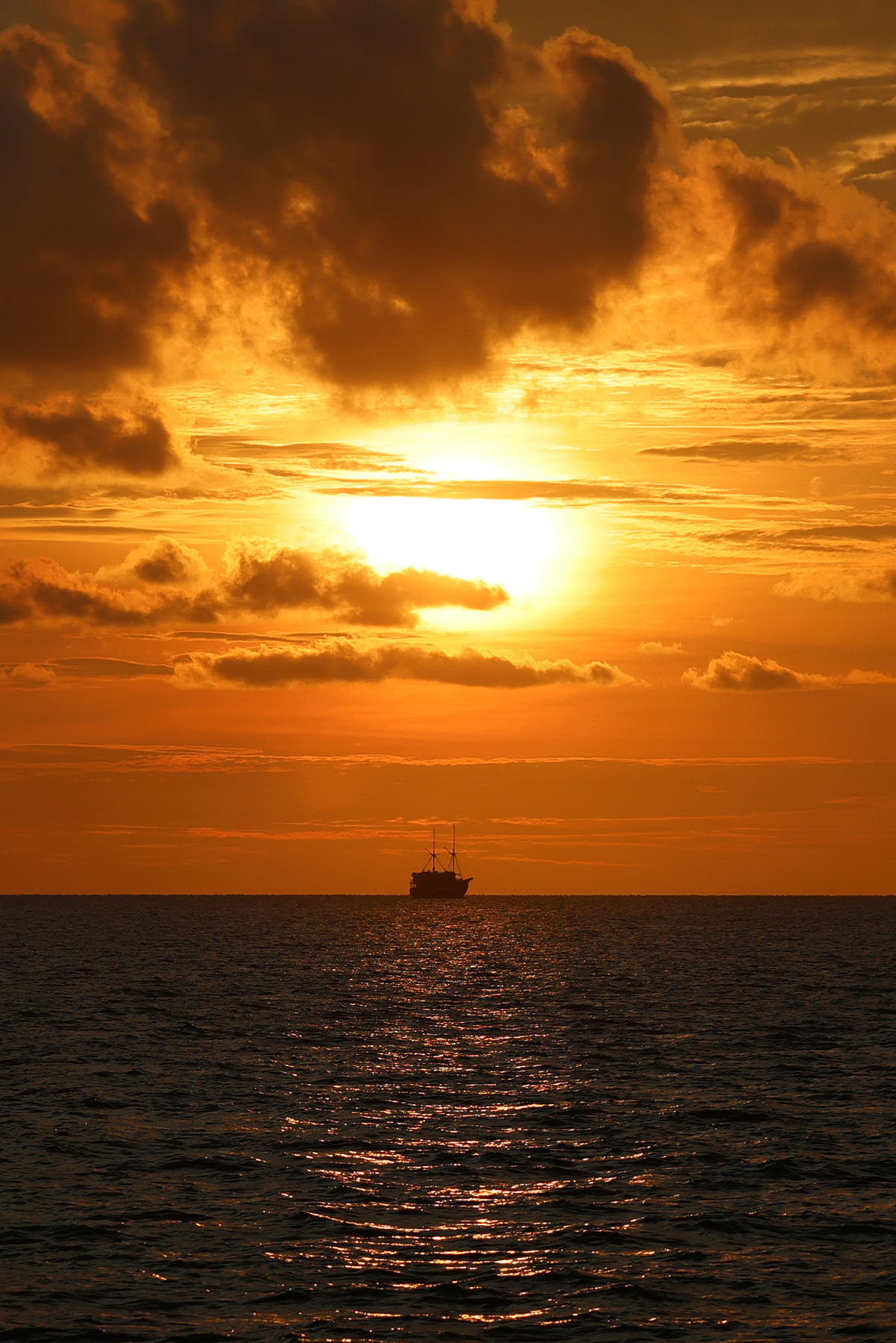
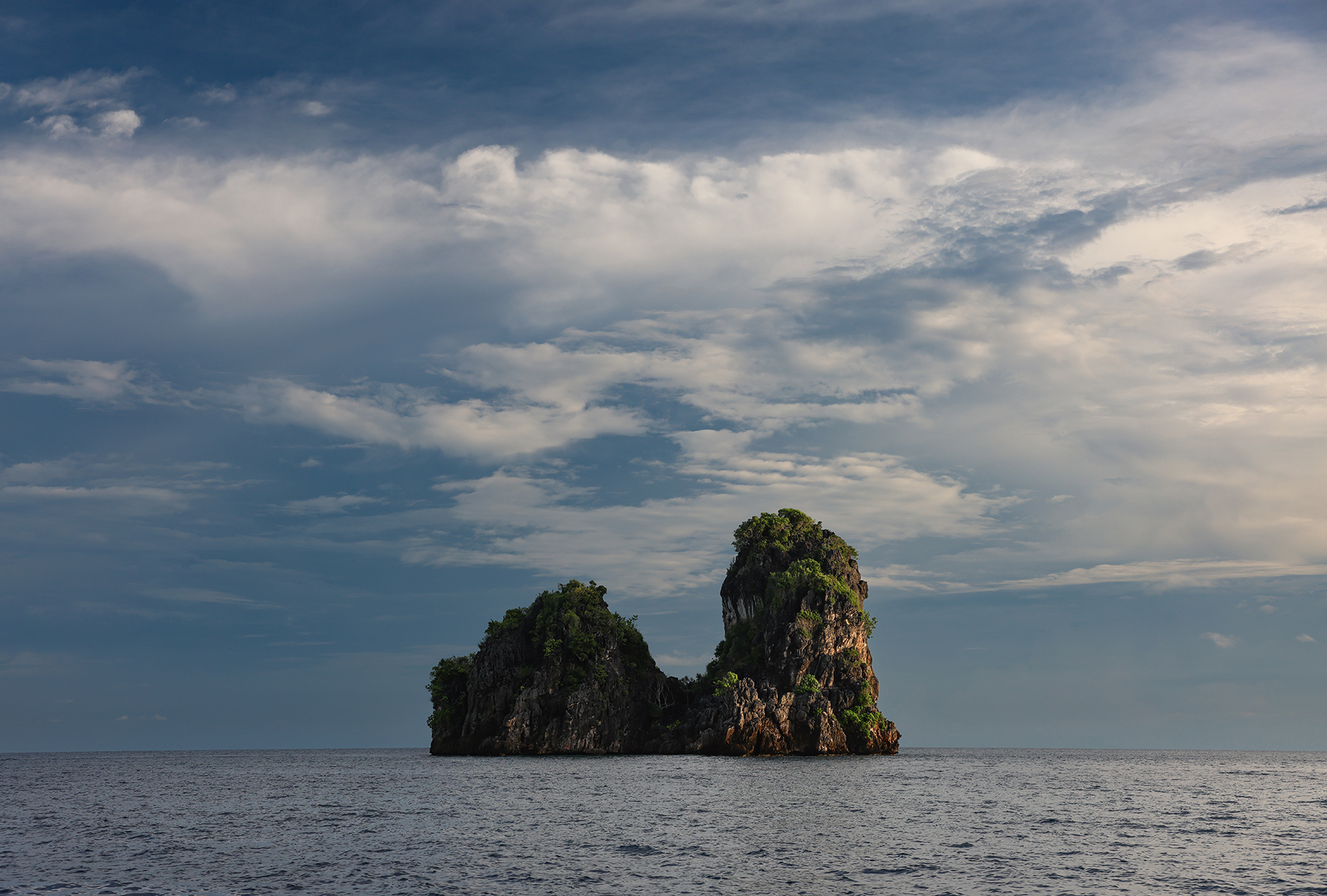
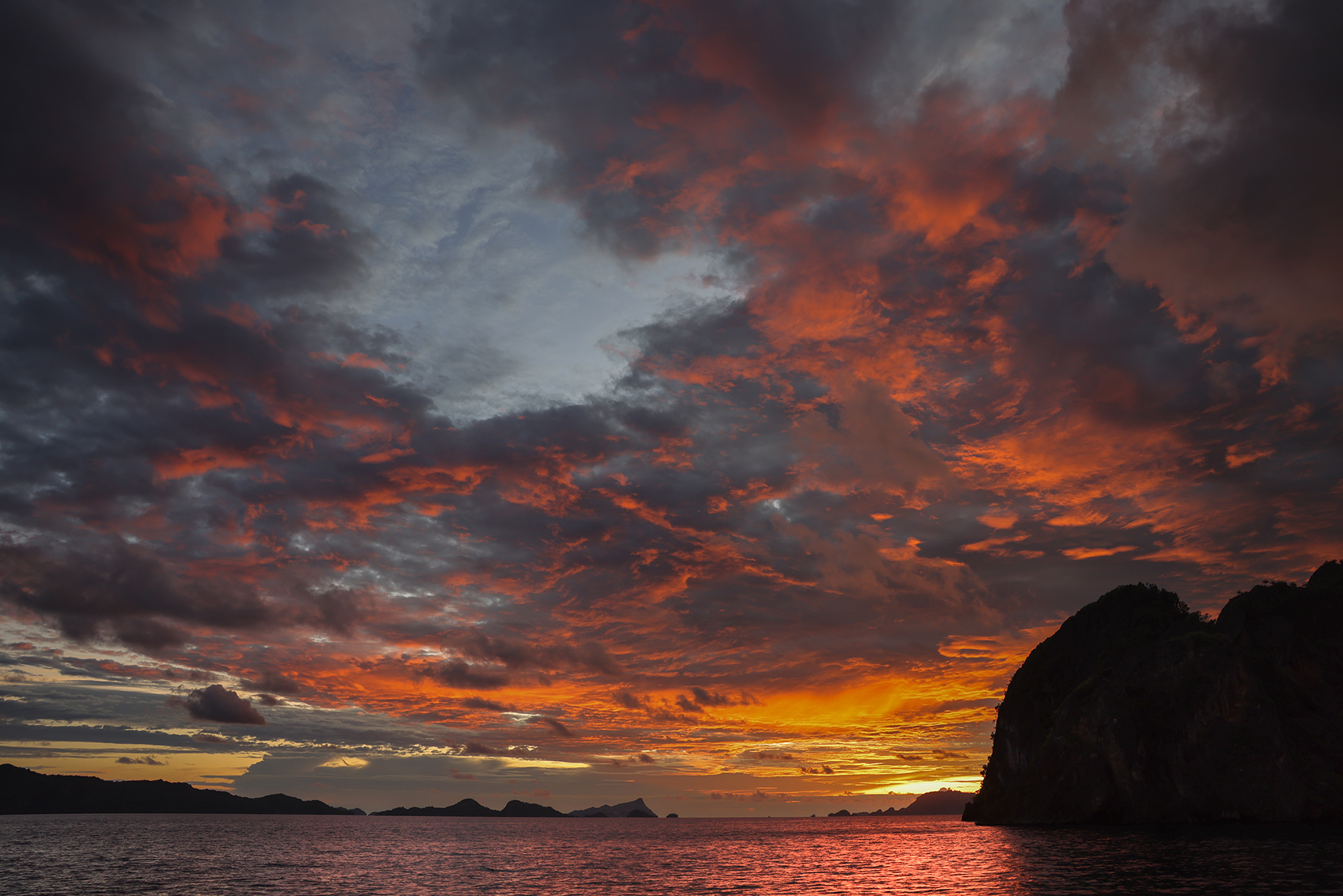
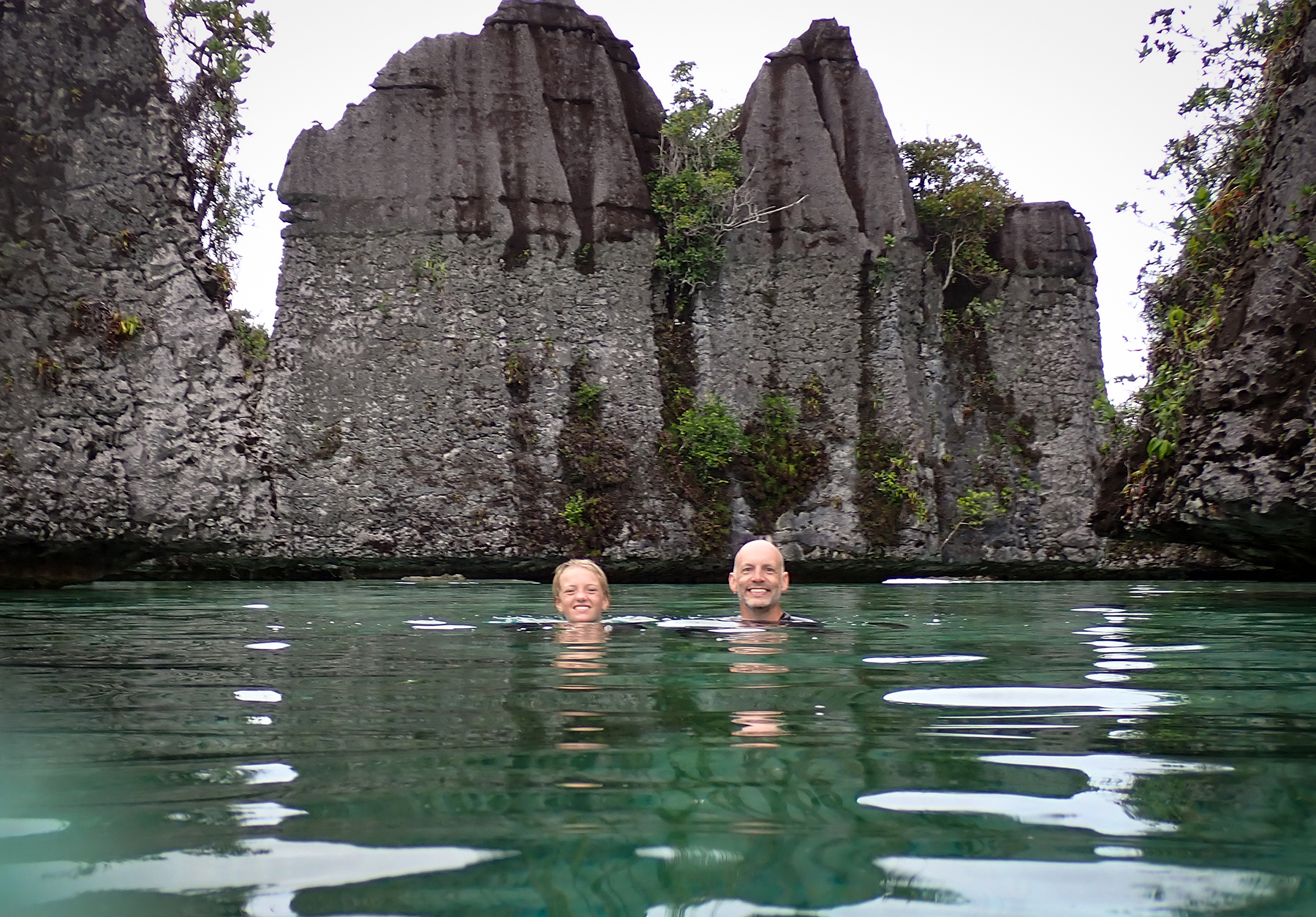

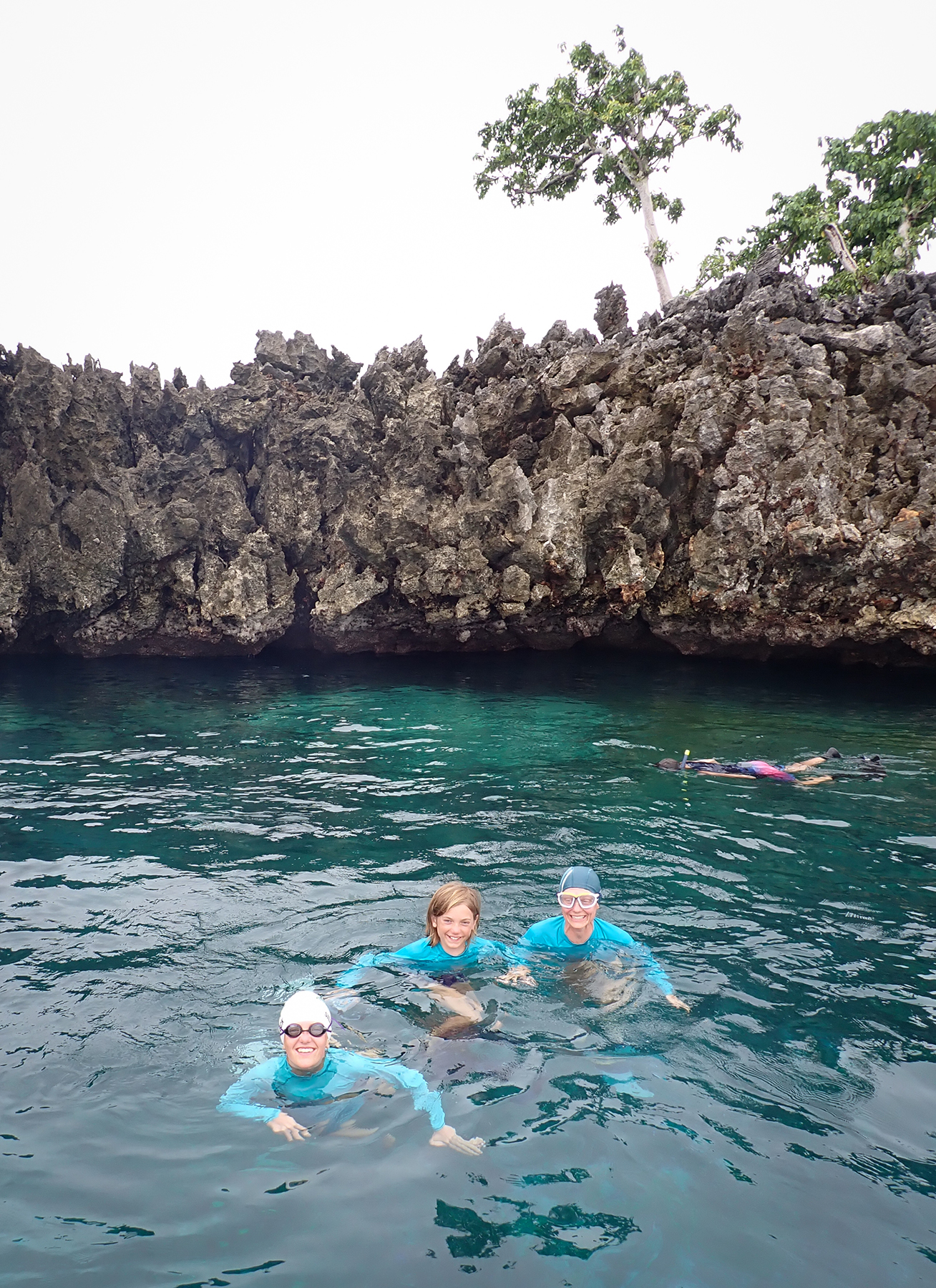

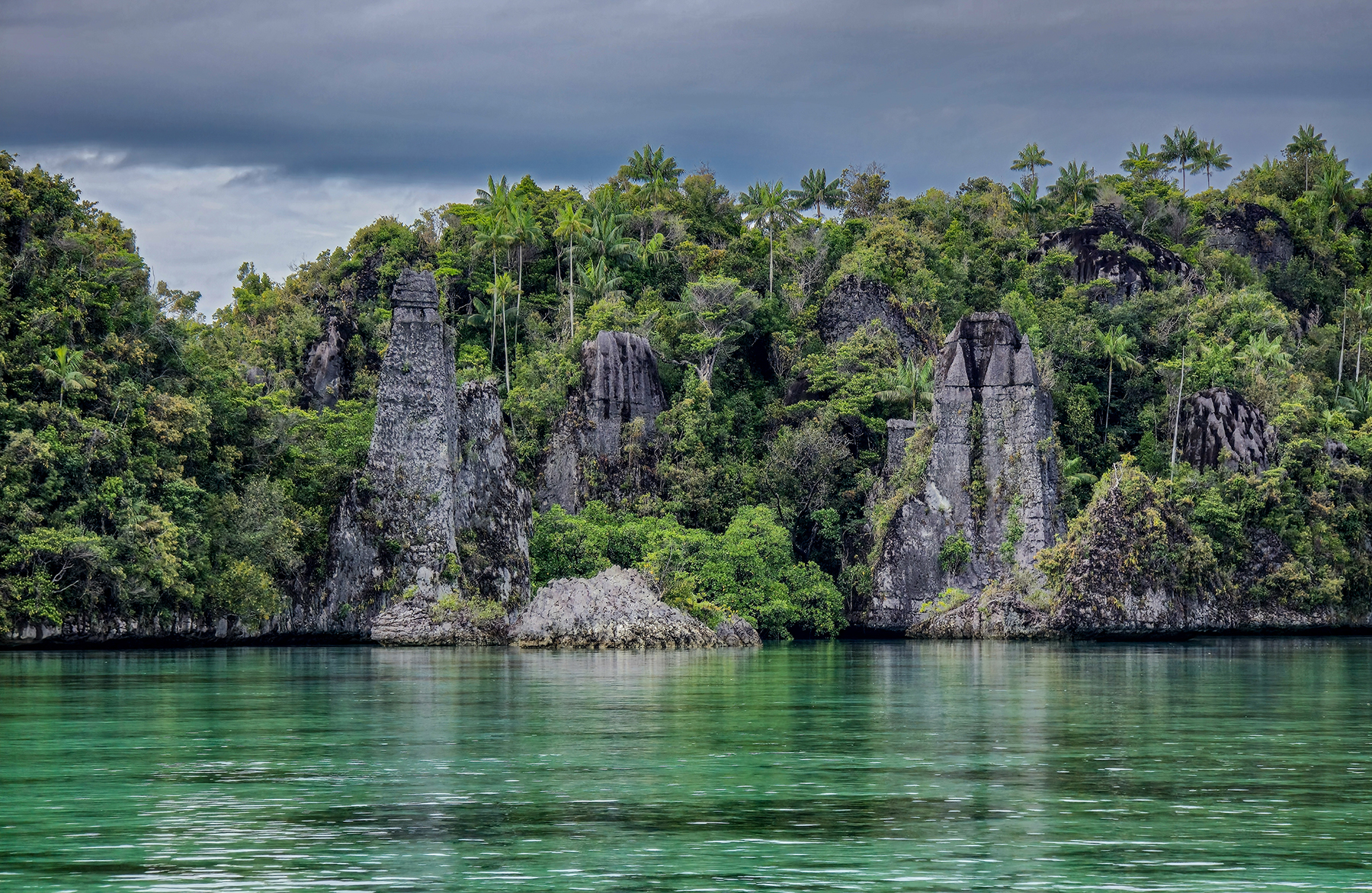







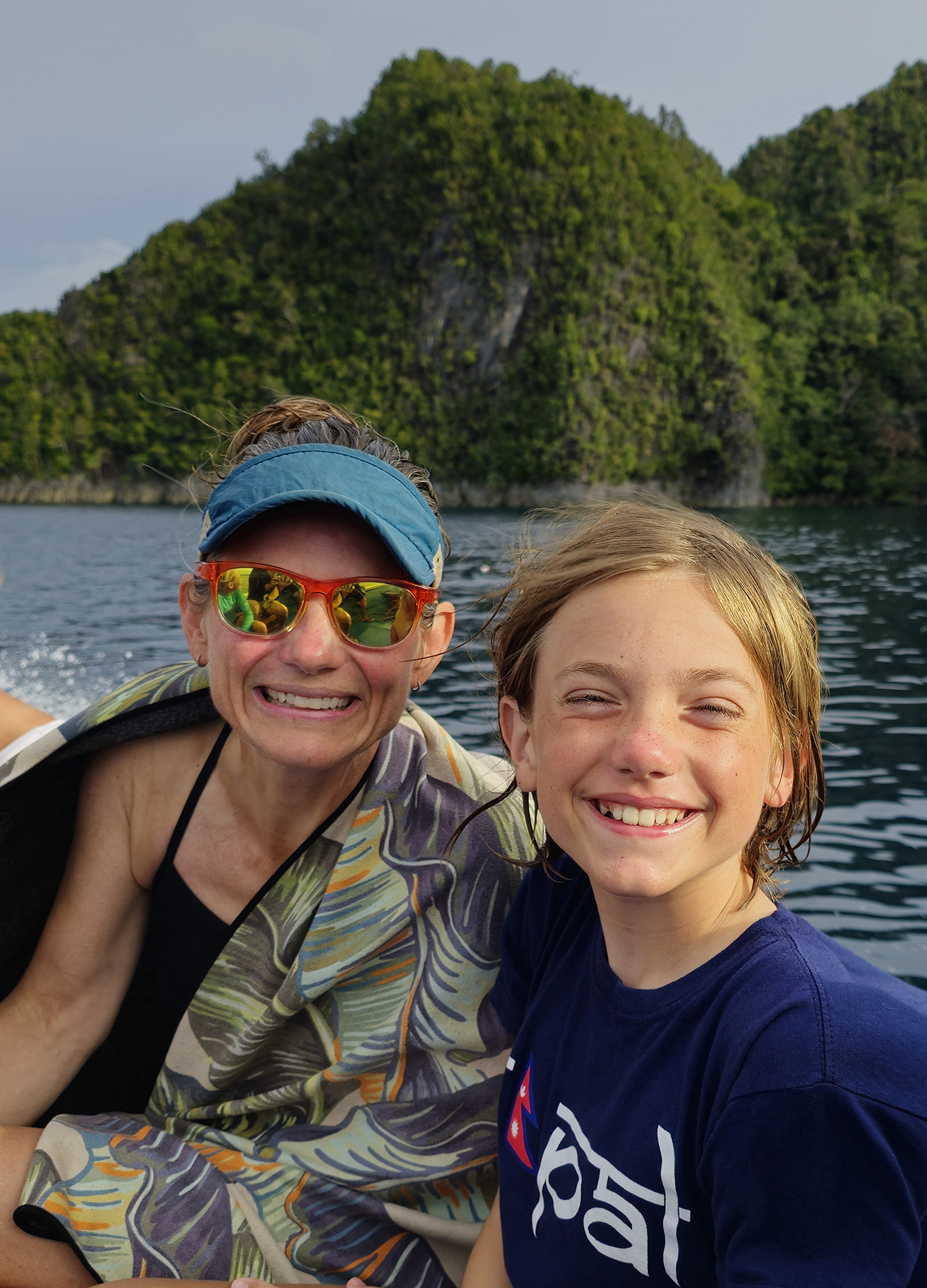


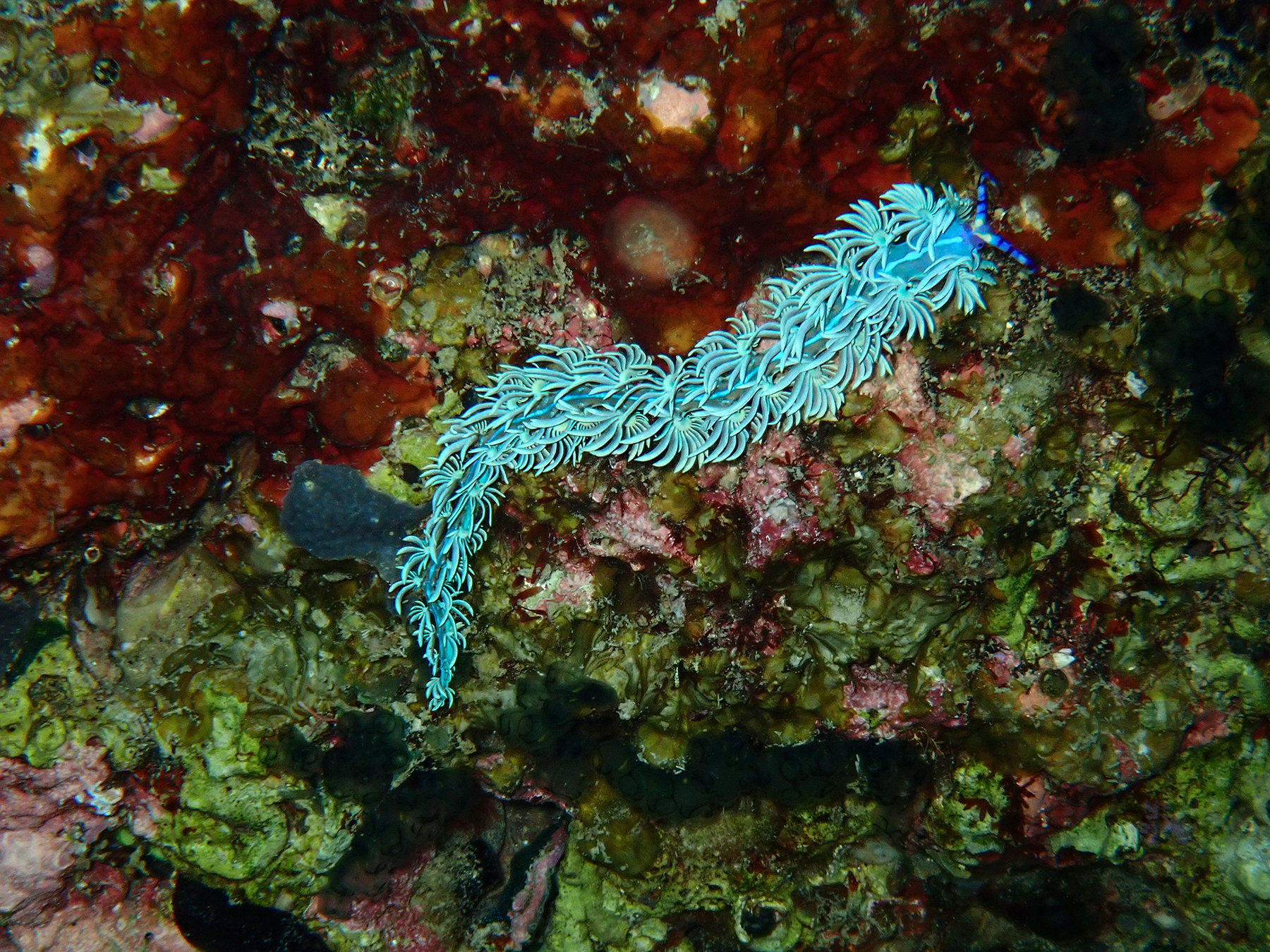
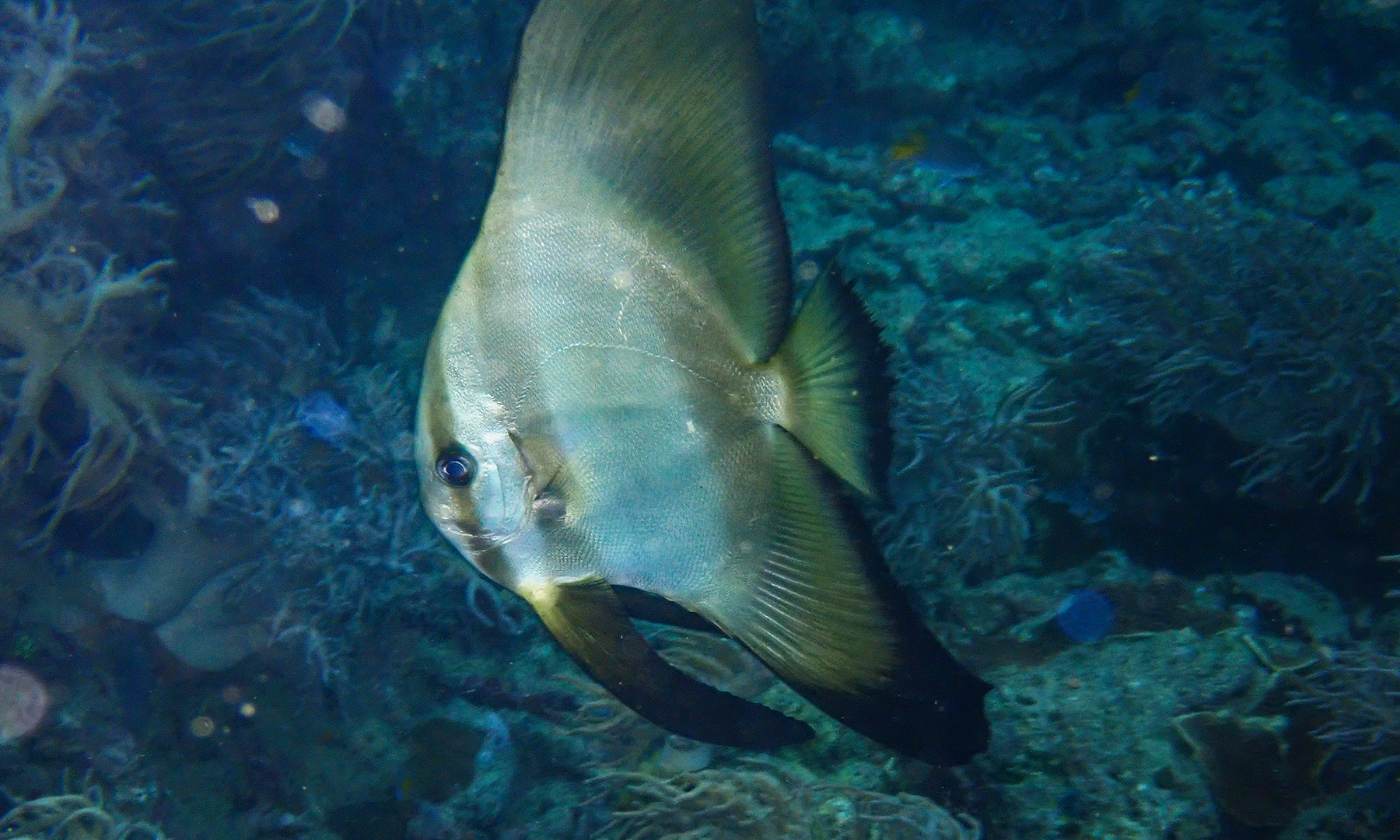
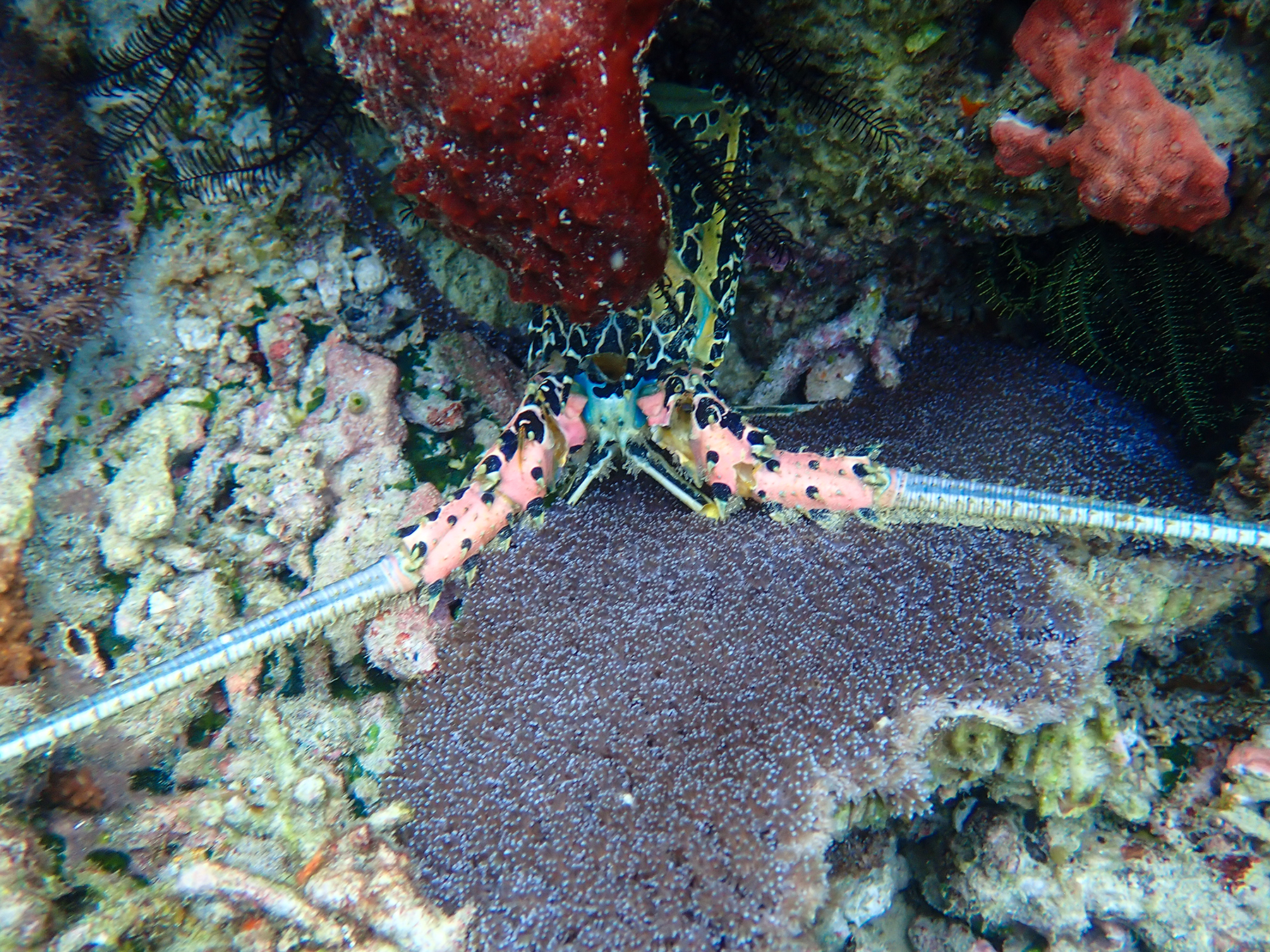
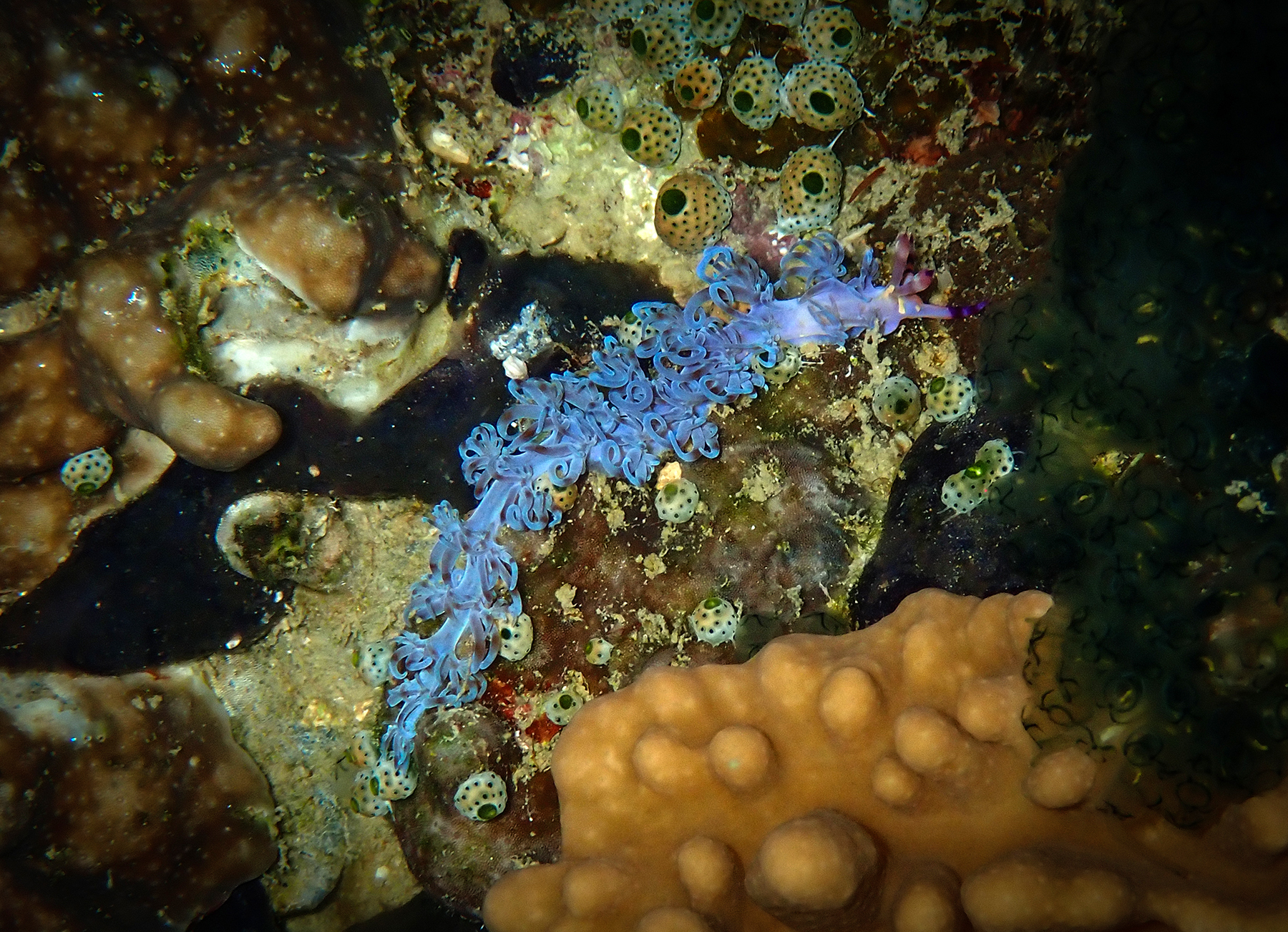
Sonya often makes fun of me whenever we visit the ocean, as I will generally snorkel indefinitely unless she tells me it is time to get out of the water. This trip, accordingly, was a dream come true for me. Each day featured hours and hours of time dedicated to exploring the reefs – sometimes at up to six different sites in a single day! Each time as we prepared to get into the water, our guide Rolli would give us an overview of what to look for at that particular location. Inevitably, it was “many fish, many corals. Maybe nudibranch. Maybe sharks.” Mira, who particularly does not enjoy being stung, would then ask, “will there be jellyfish?” – to which Rolli would then laughingly reply, “yes, maybe jellies, maybe not so much!” Rolli is an incredibly talented underwater photographer, and it was fantastic to swim near him as he often spotted amazing creatures that others less familiar with the reef would miss.
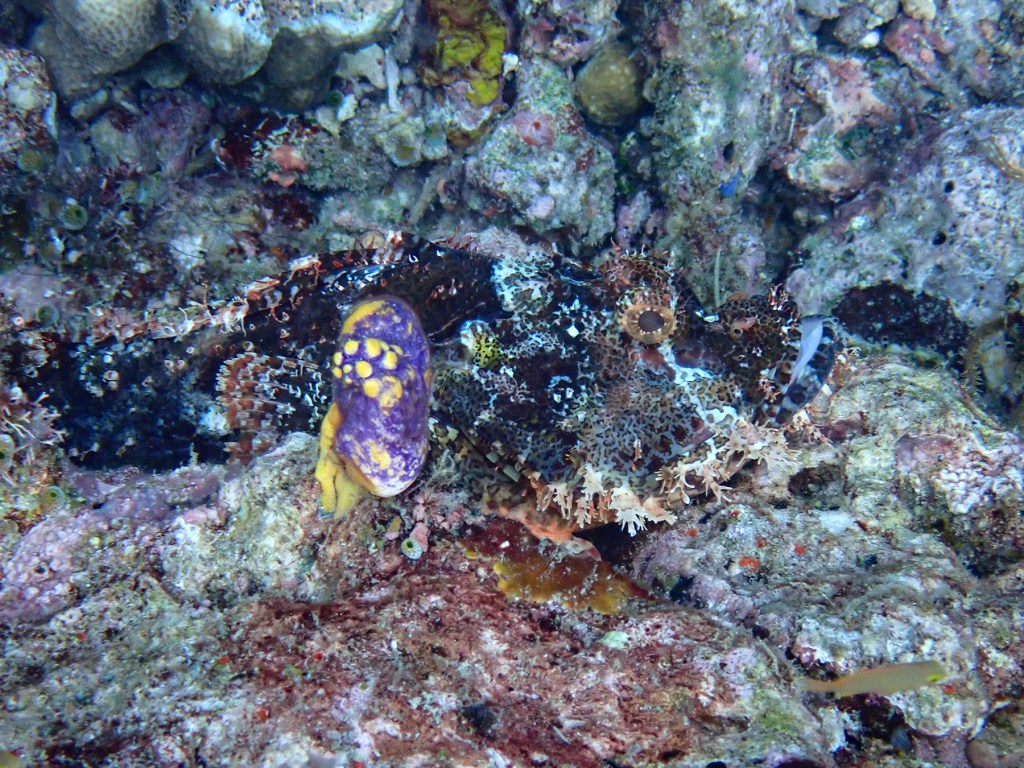
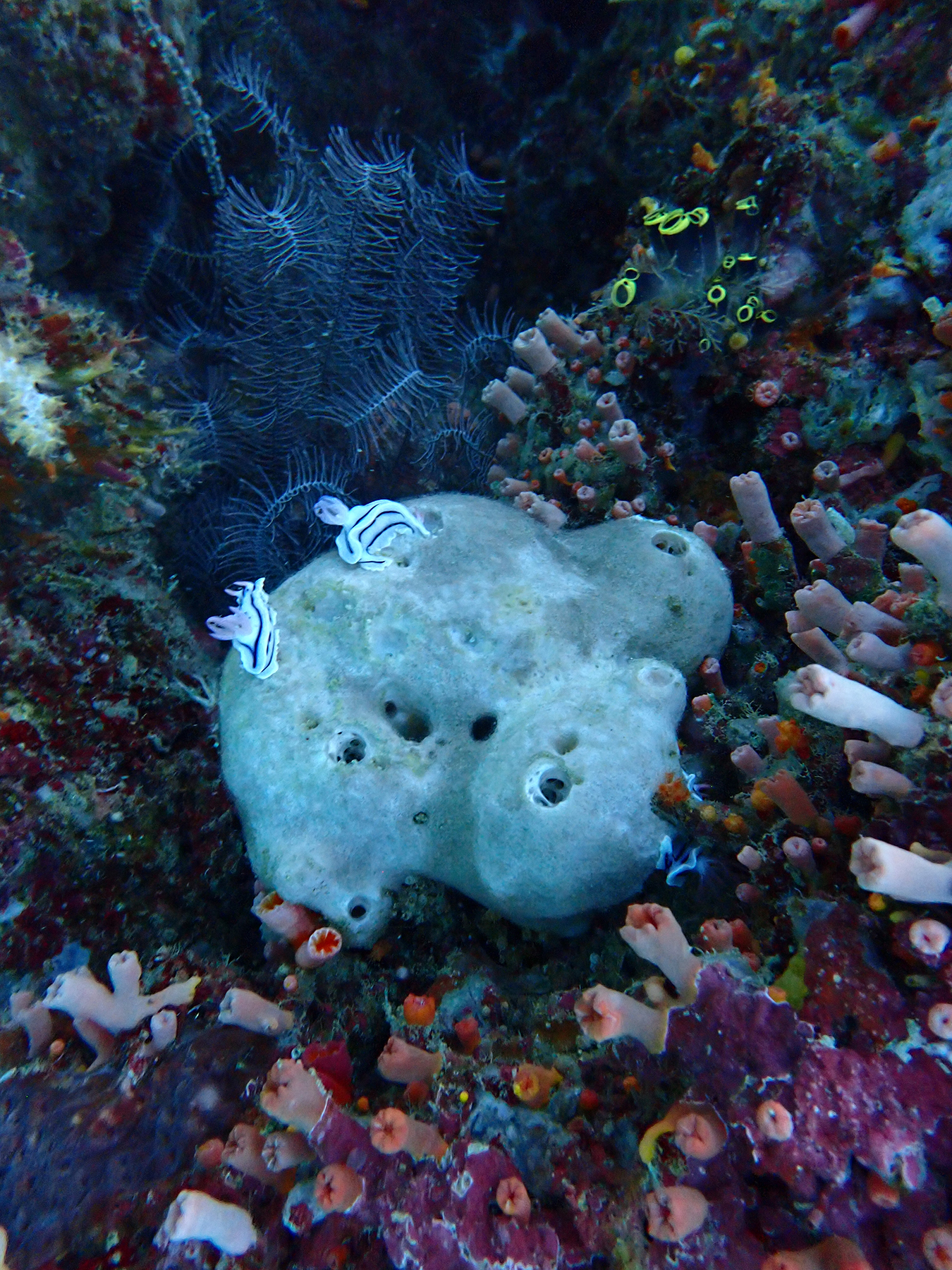
Being colorblind, I have a particular difficulty in spotting the hard to see creatures against the confusing chaos of rocks, corals, sponges, and hundreds of other life forms that blanket every surface that I collectively think of as “ocean things.” Having Rolli, Sonya, and the kiddos nearby was a great help to me, especially as we searched for the tiny nudibranch, which I found particularly amazing. Each one is like a different tiny jewel of a creature, with color, designs, and shapes so unfamiliar that they seem almost alien!


Apart from the nudibranch, we spotted an astonishing array of ocean life over the eleven days on board the Raja Ampat Explorer. One of my absolute favorites was the clown triggerfish. When I was very young, I had a field guide to tropical reef fish that contained a photograph of a clown trigger, with its stunning and unexpected patterns and colors making it my favorite fish of all. After a few days of searching on this trip, we came across several individuals of this charismatic species, and fulfilled one of my childhood dreams!

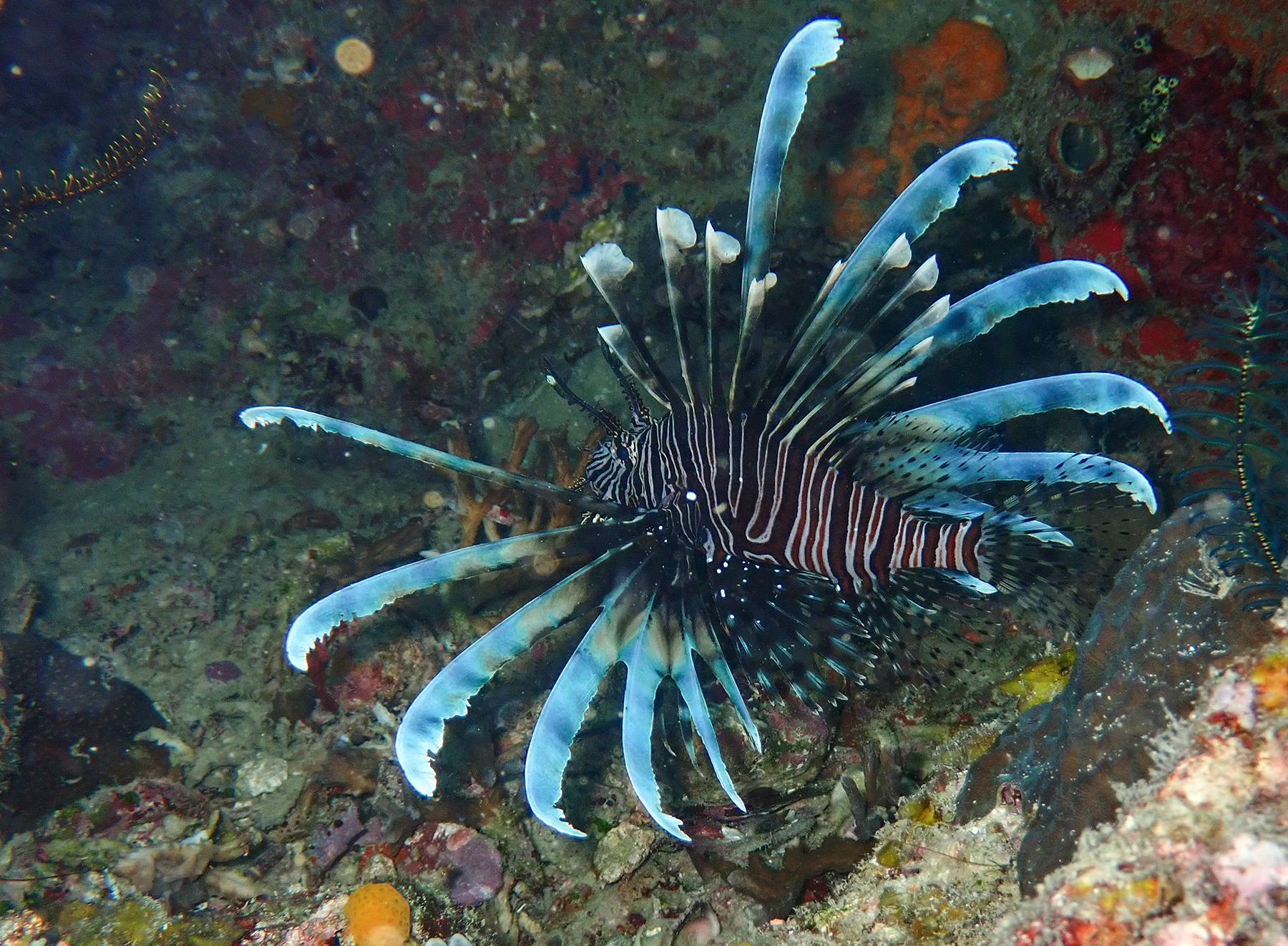
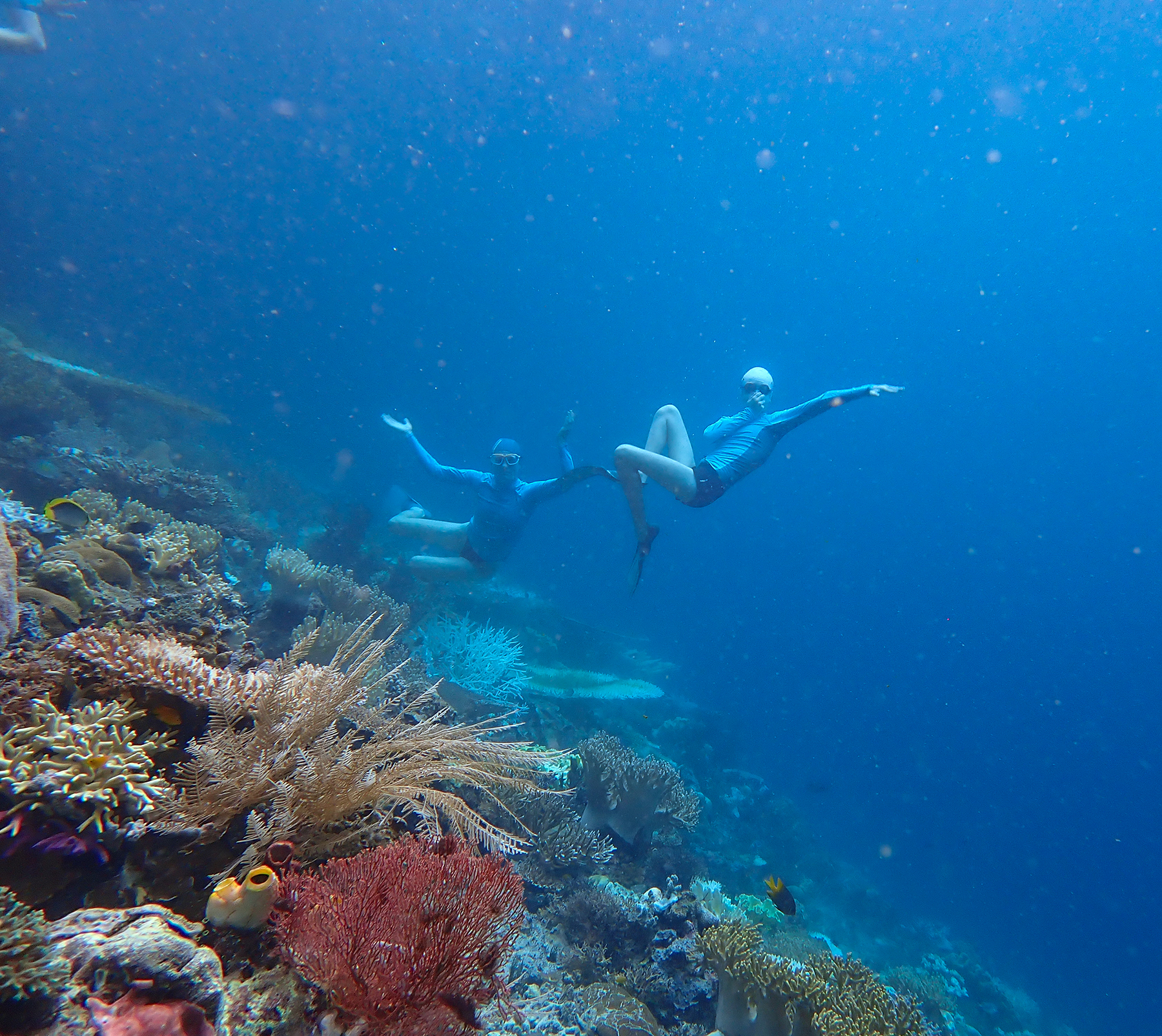
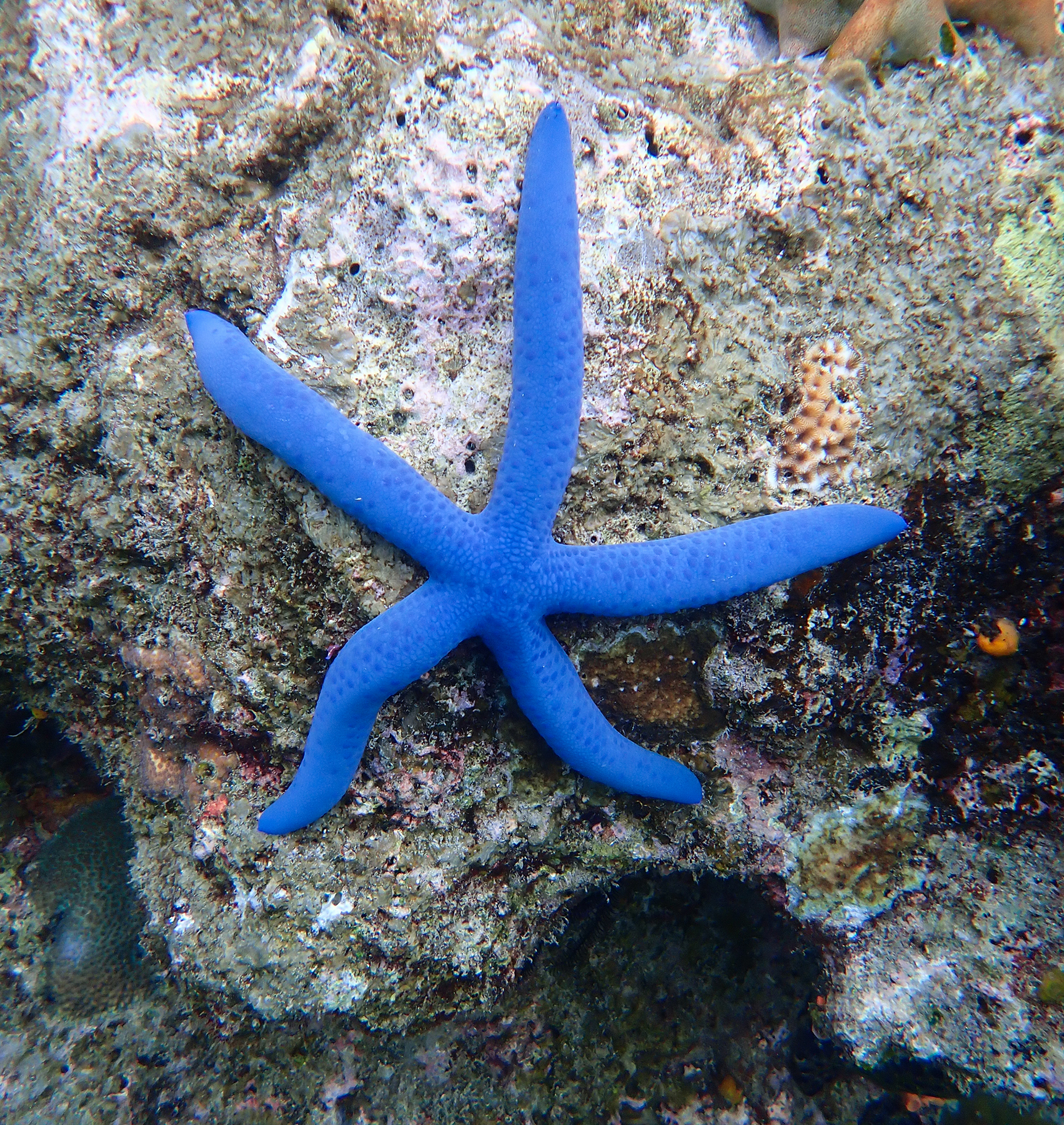
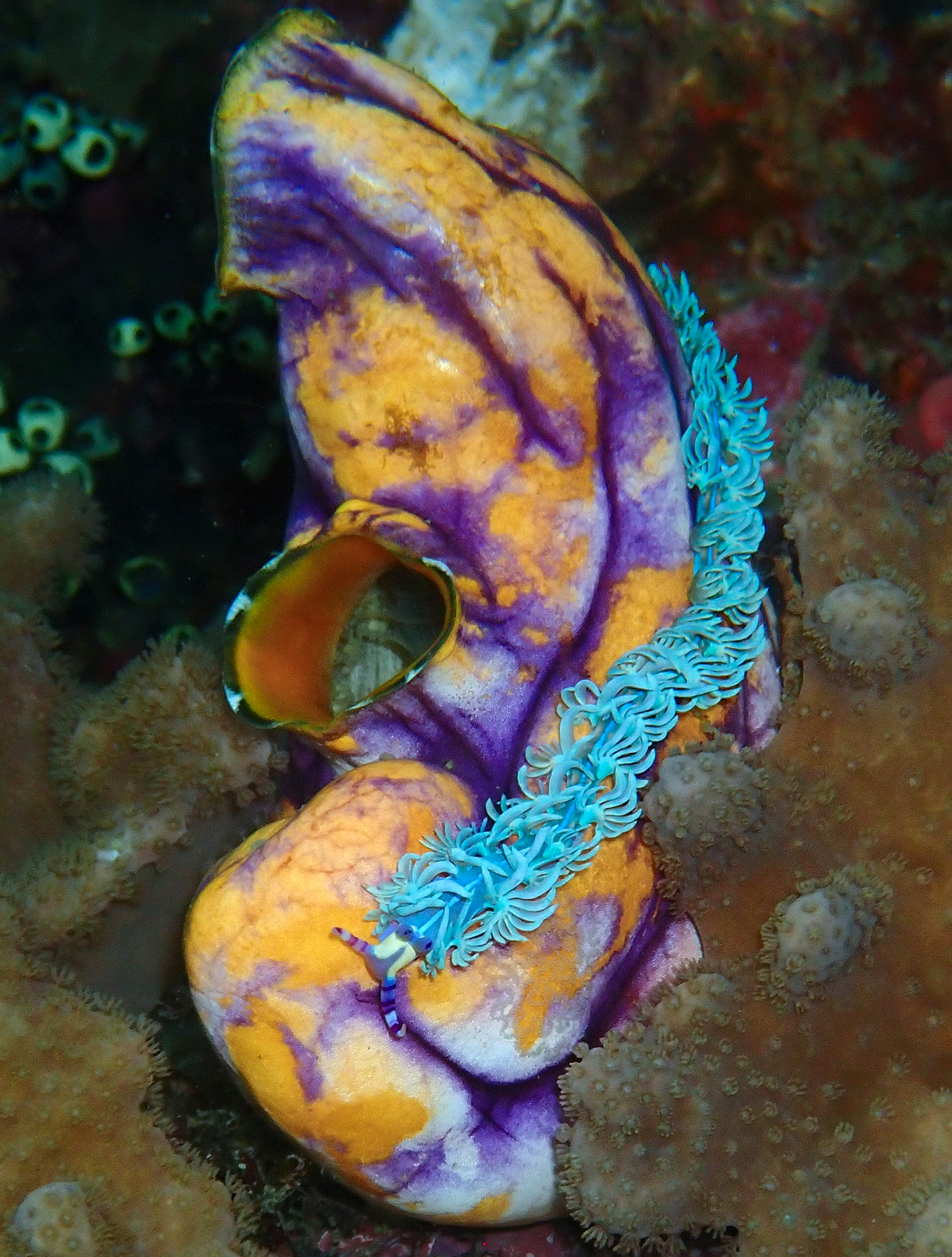
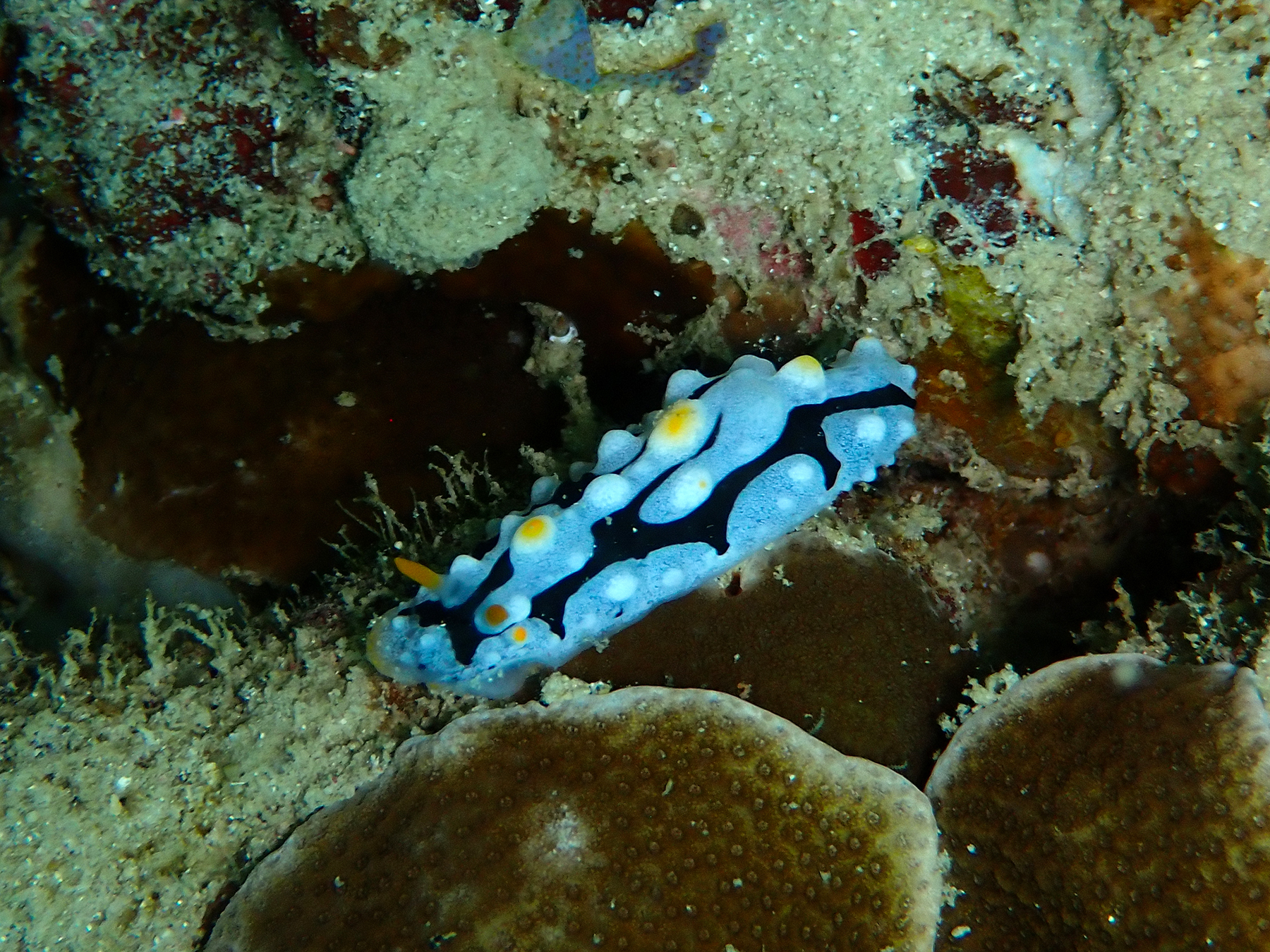

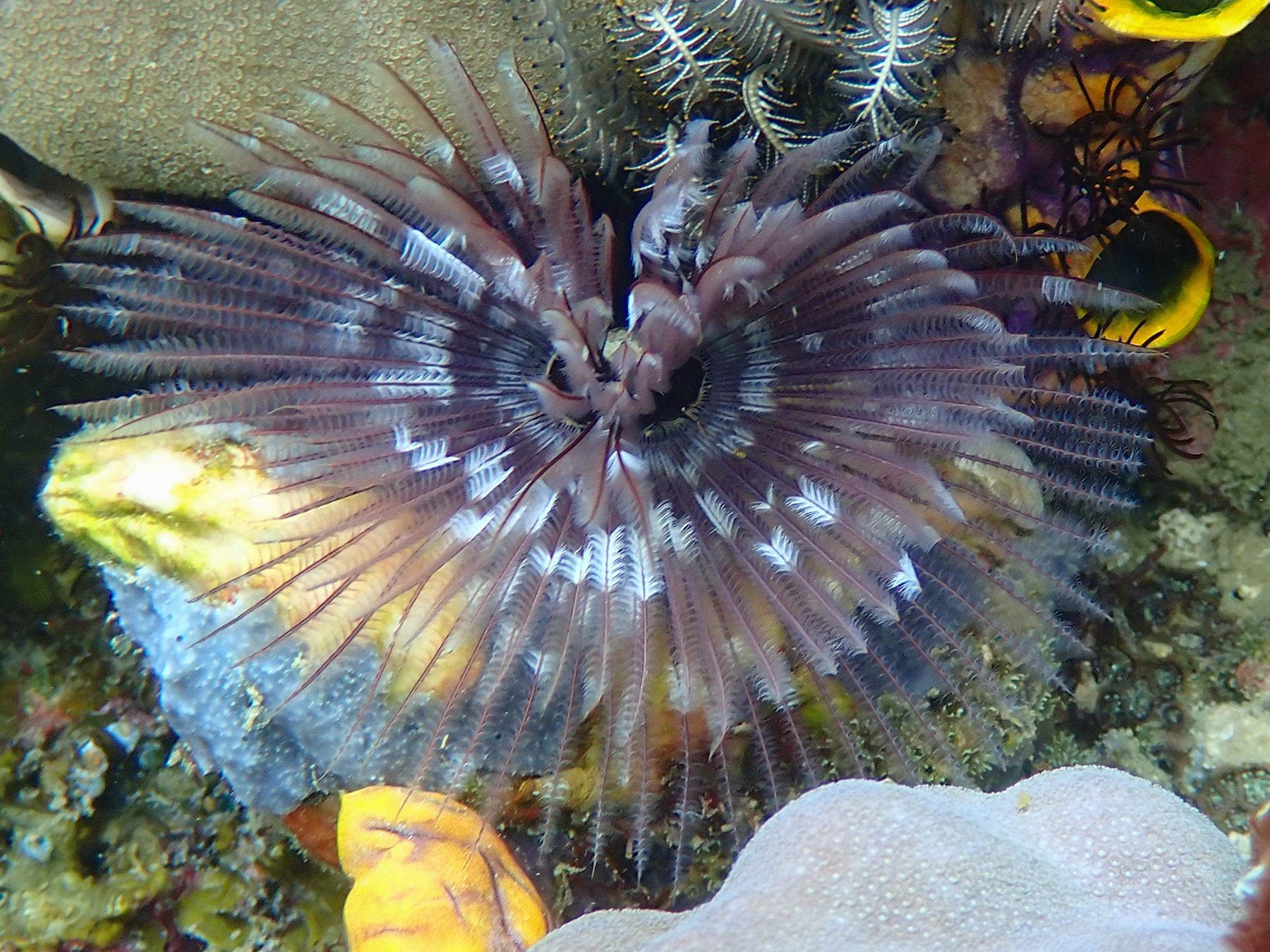

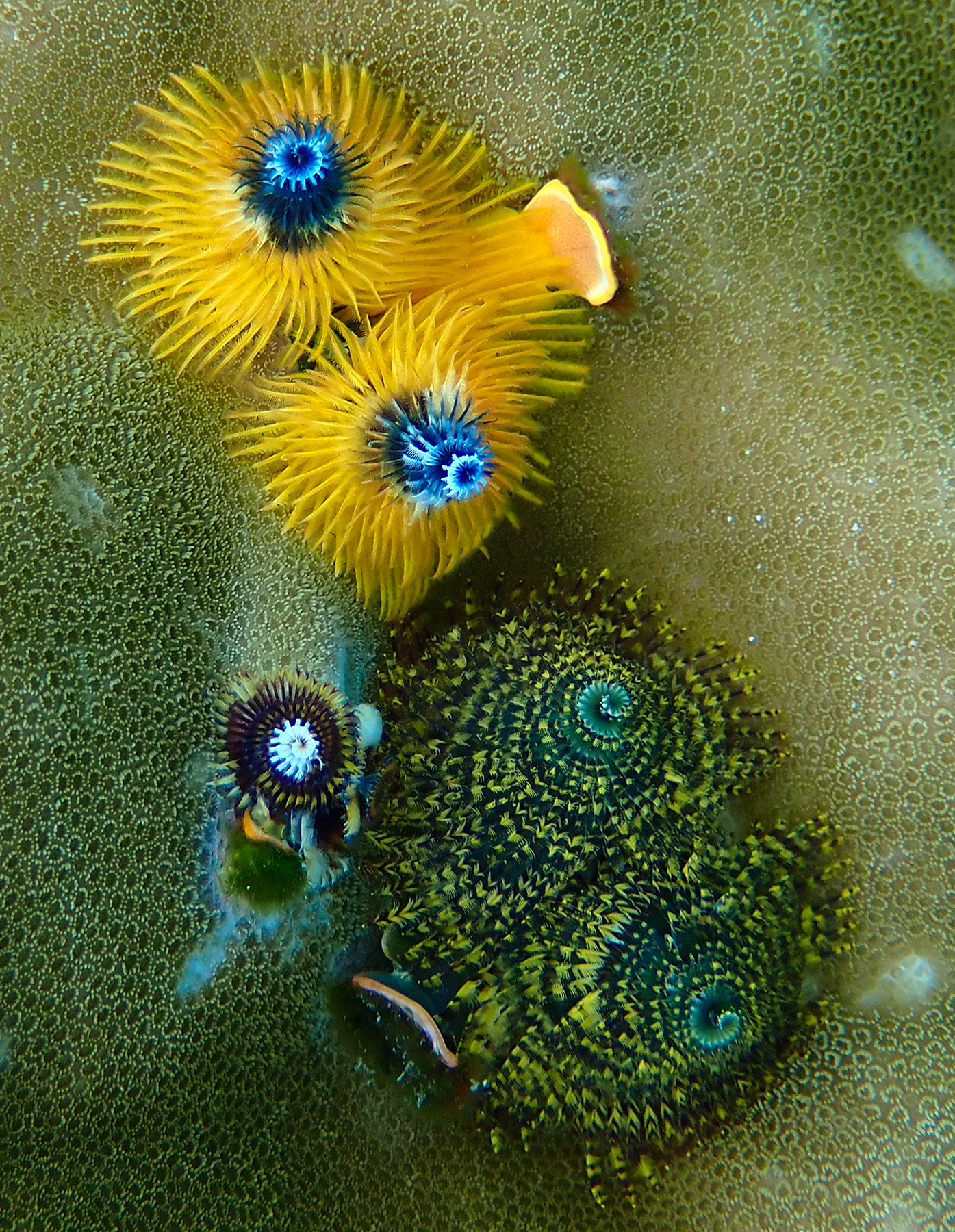


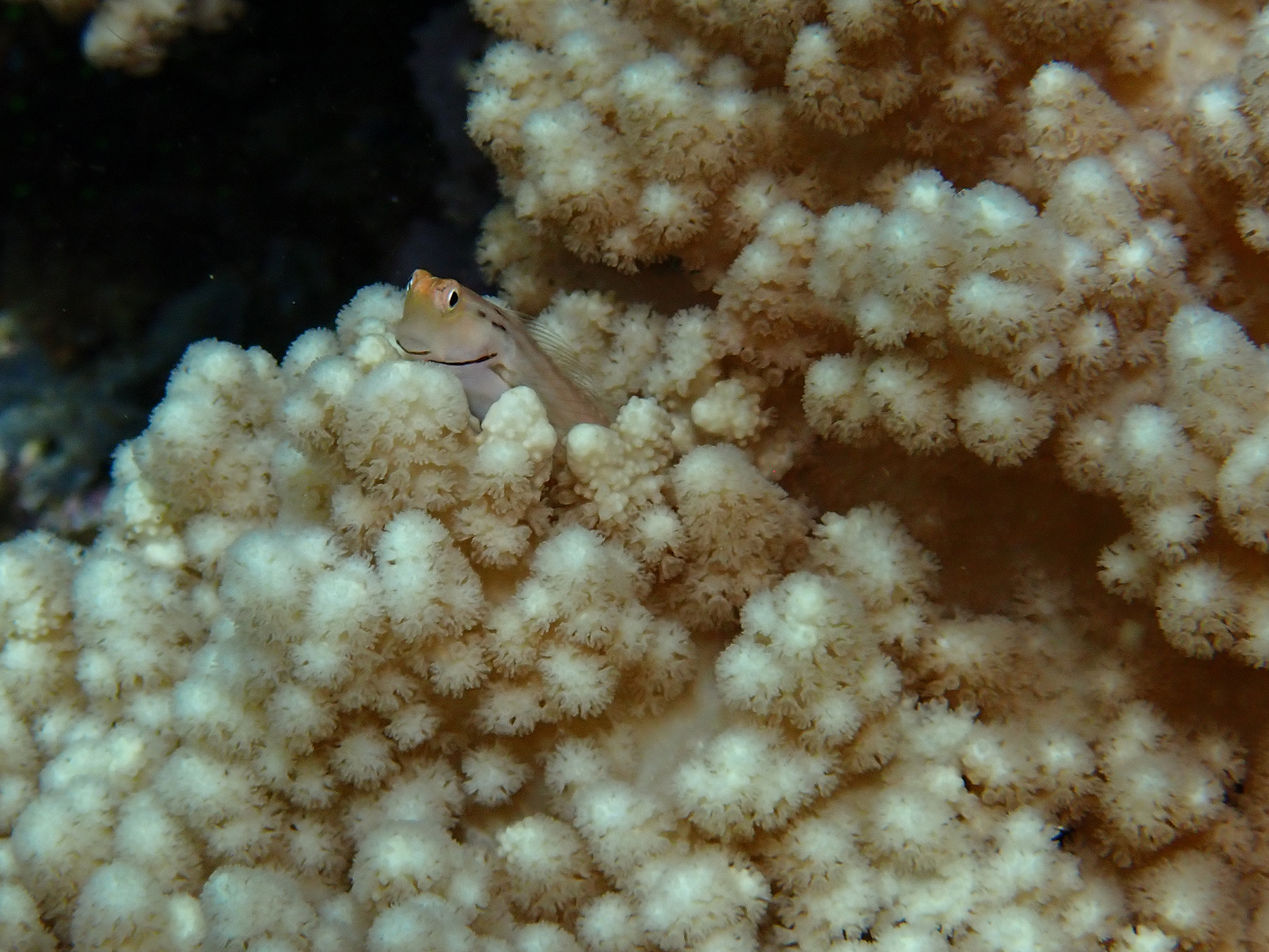
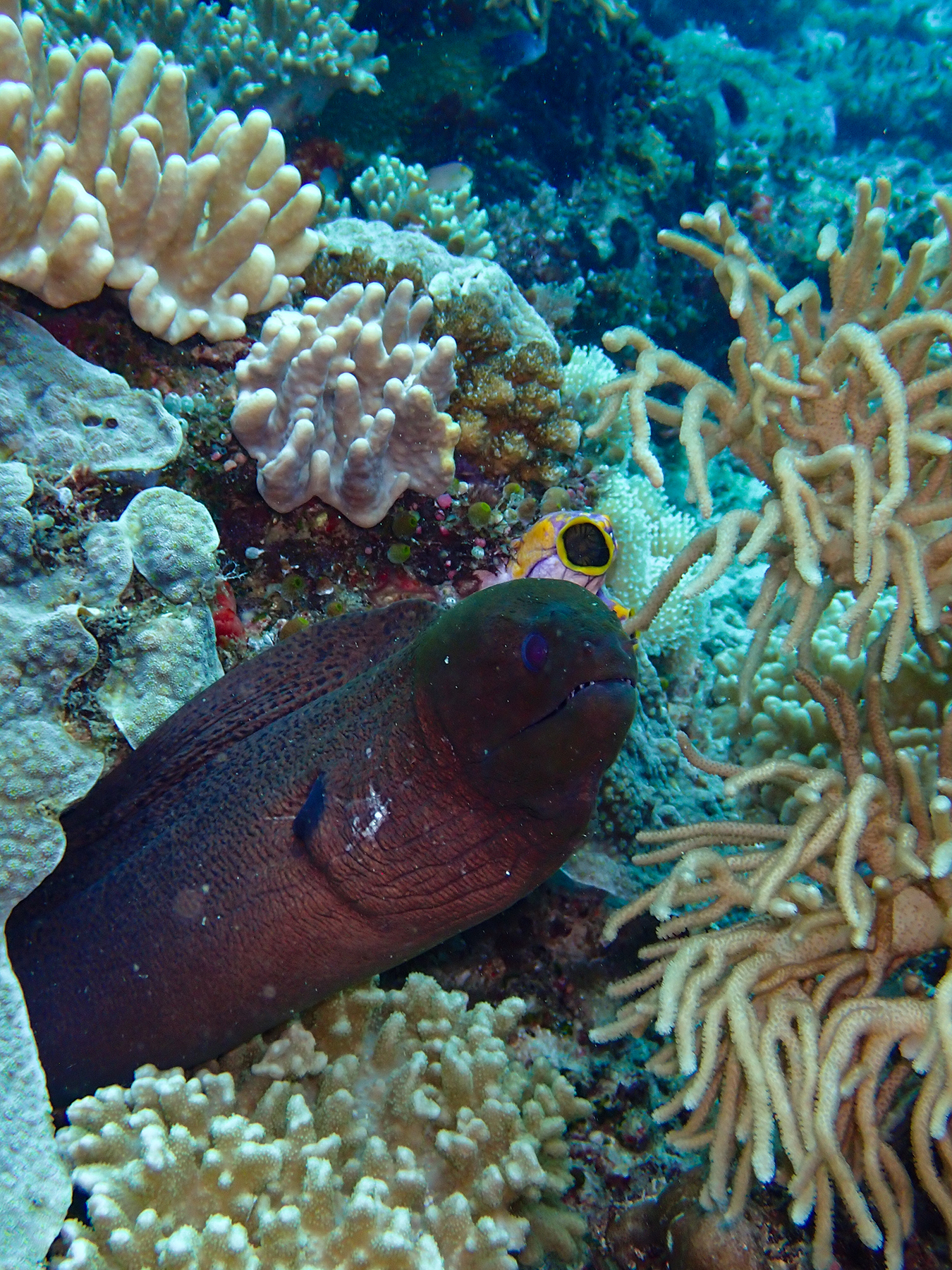
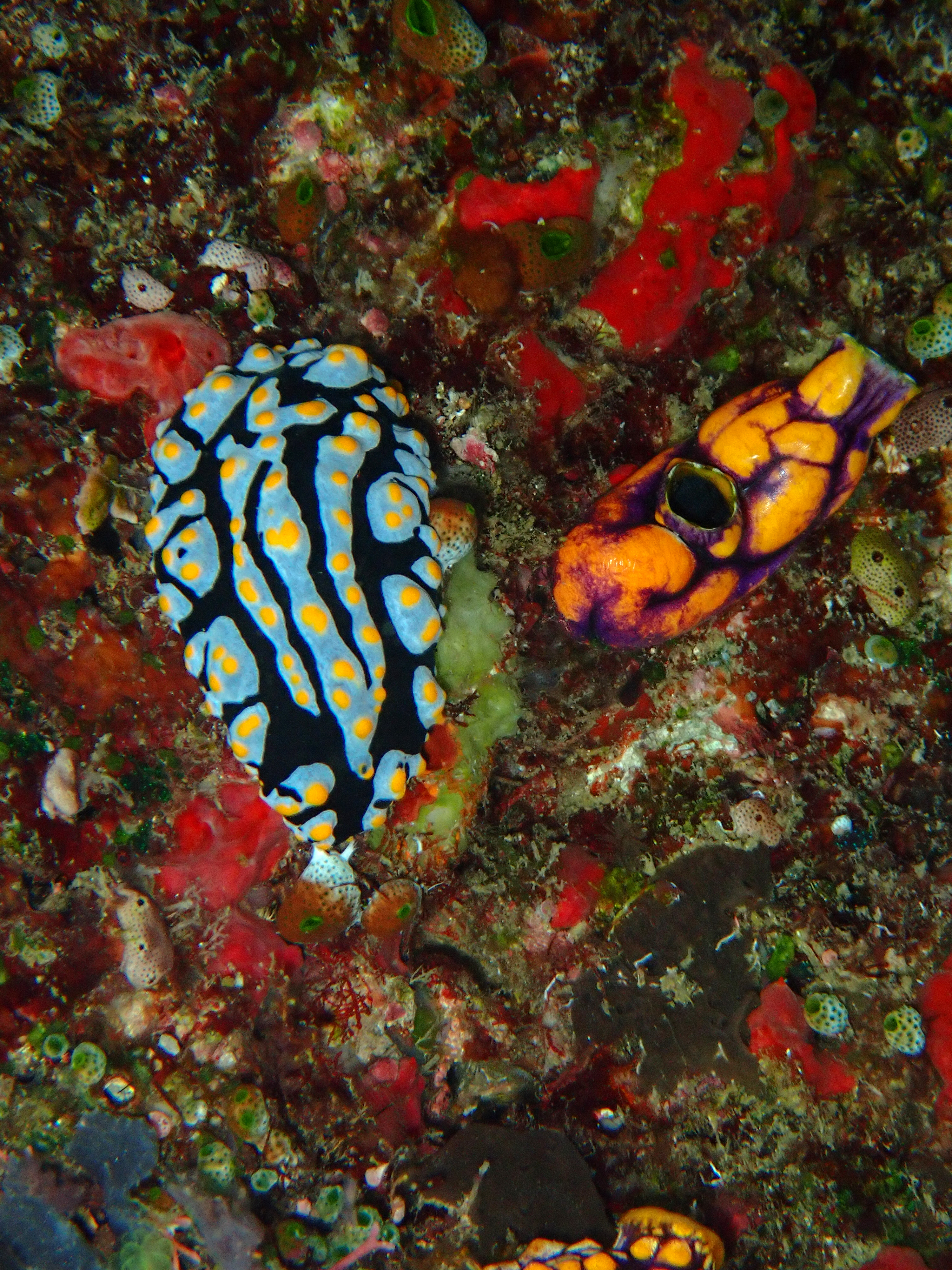
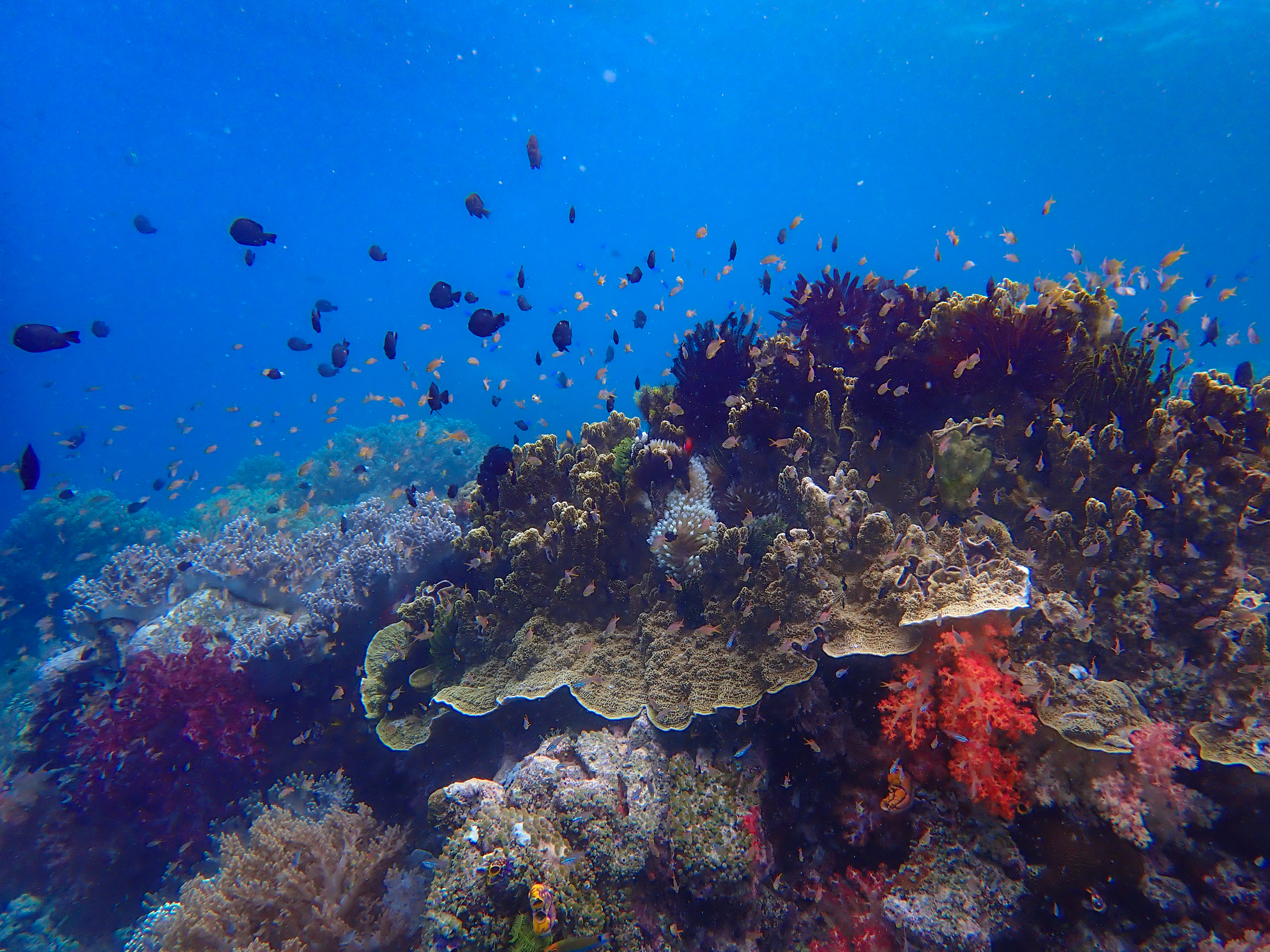
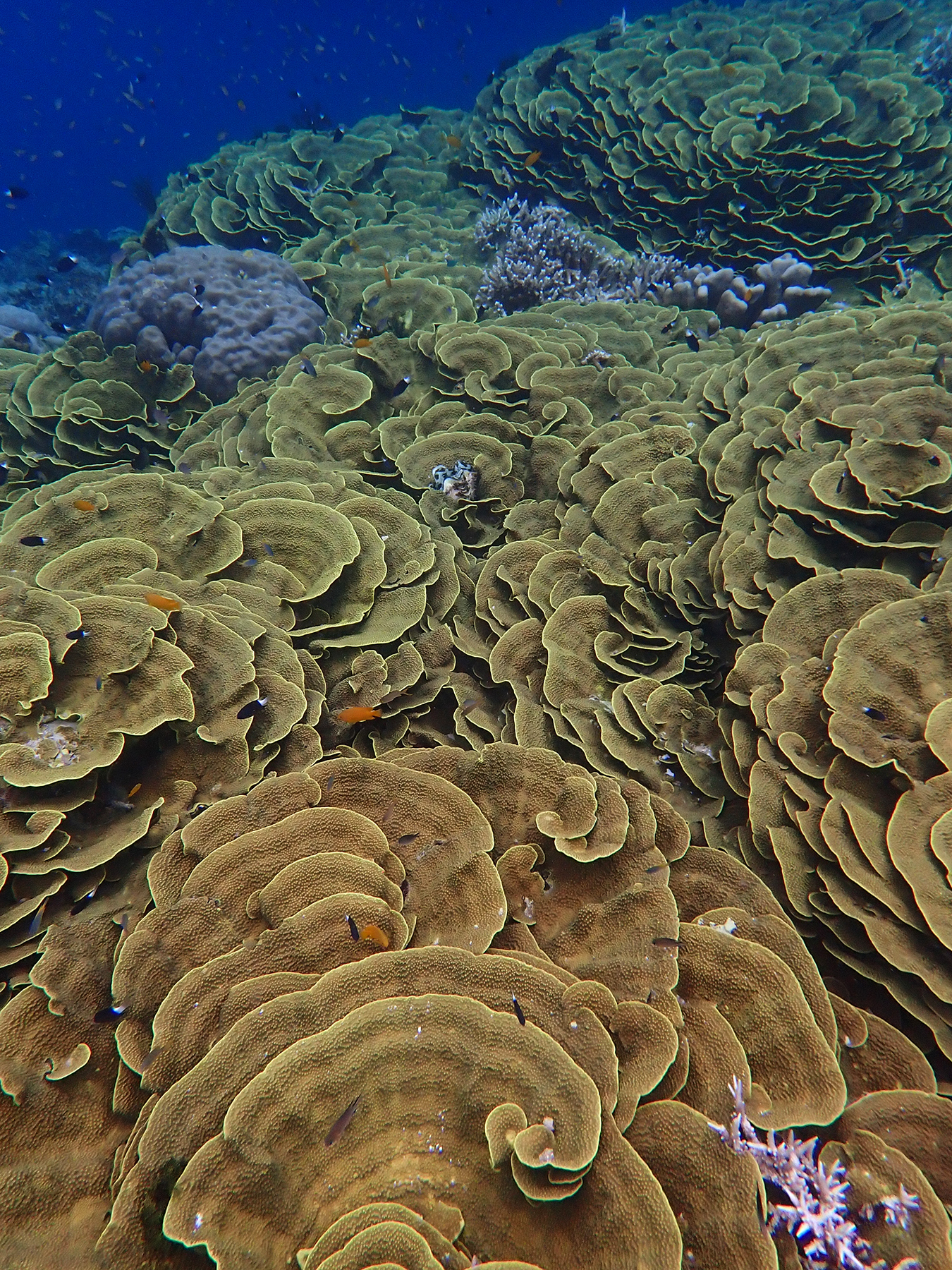
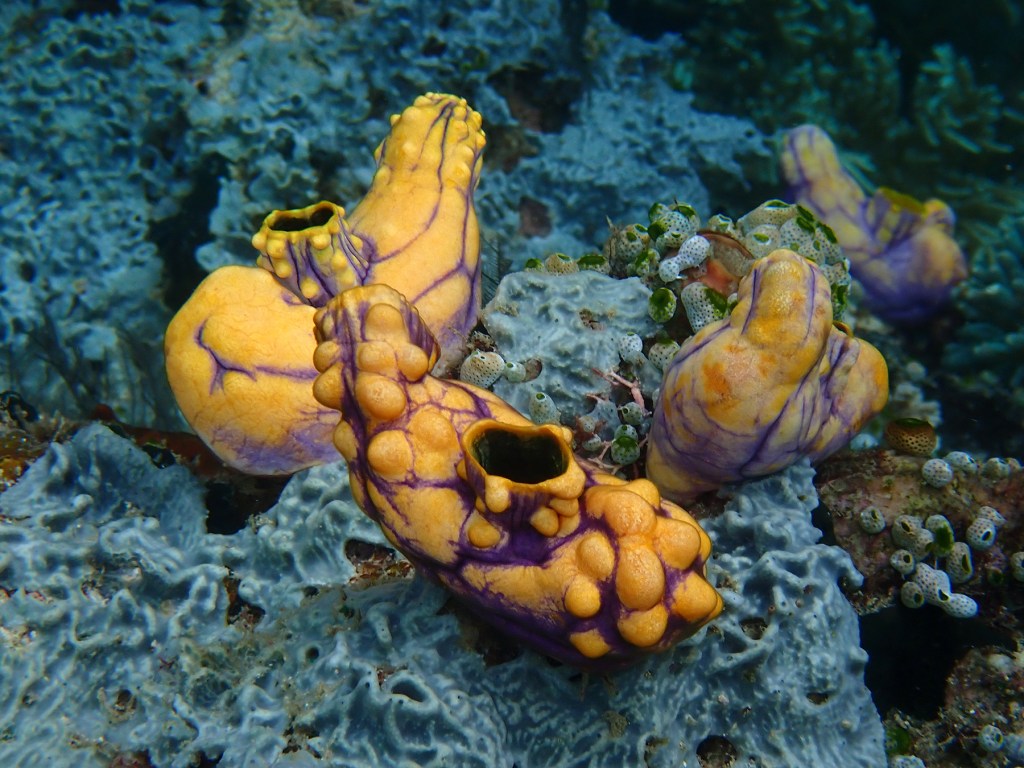
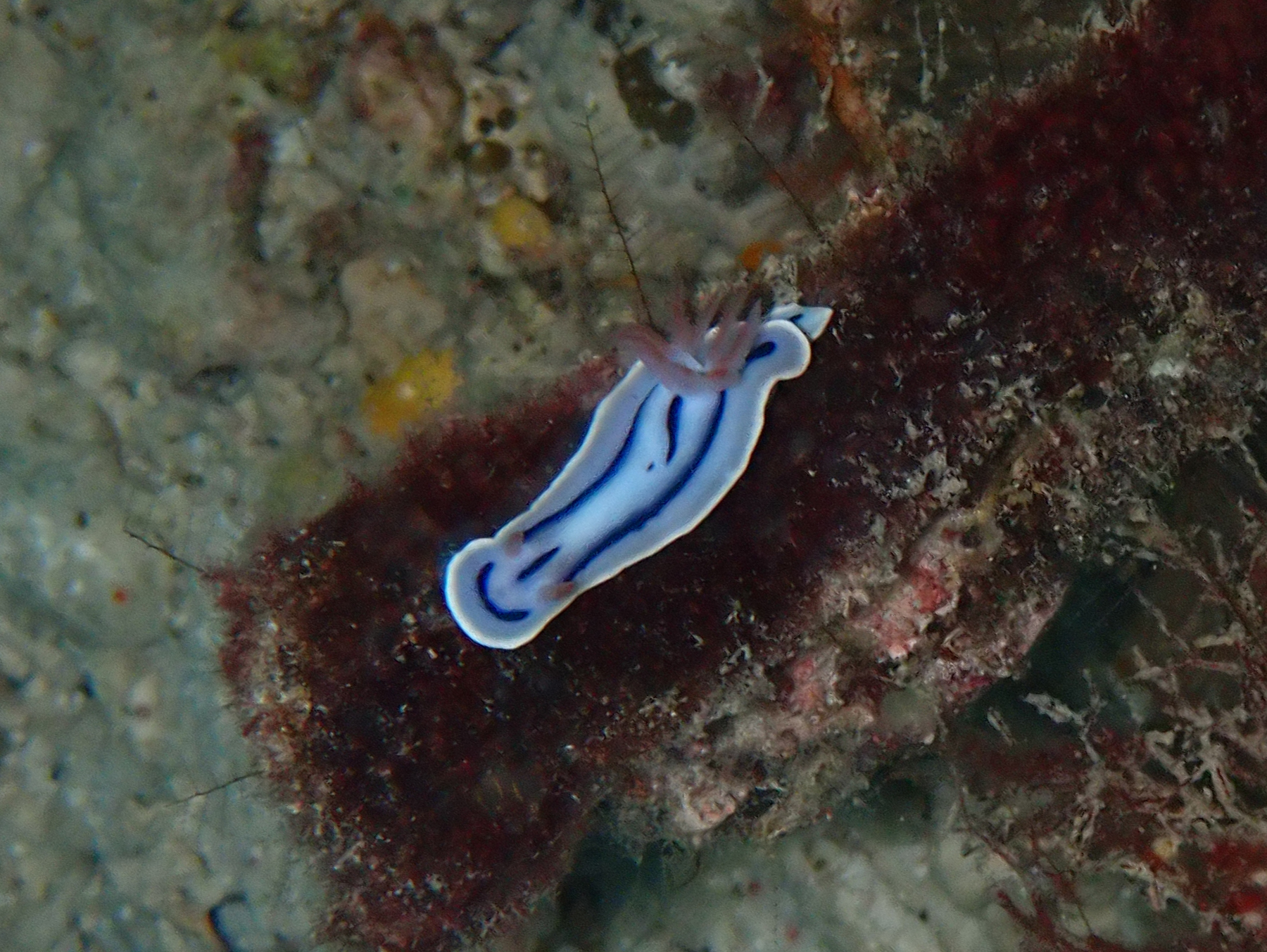
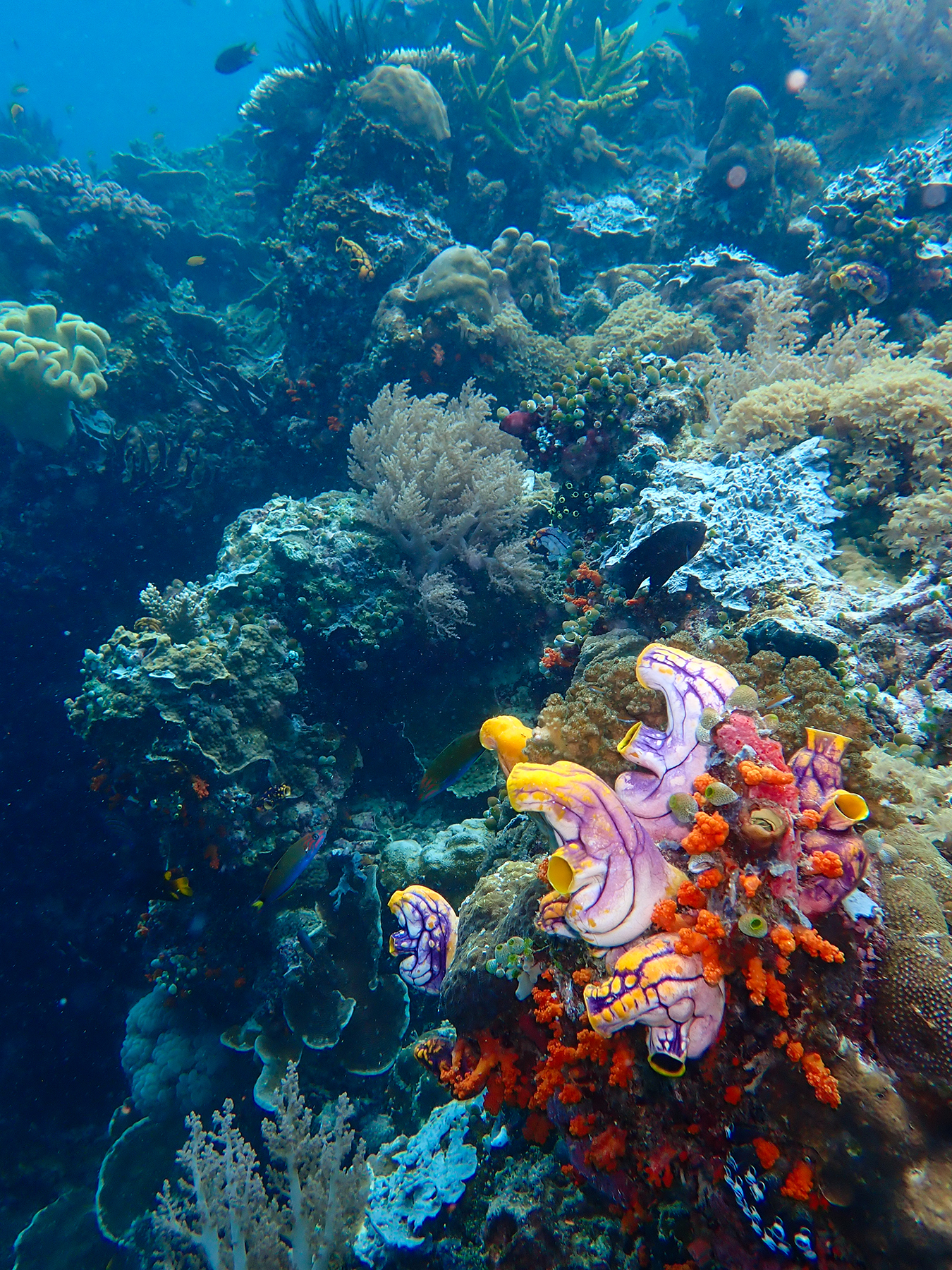
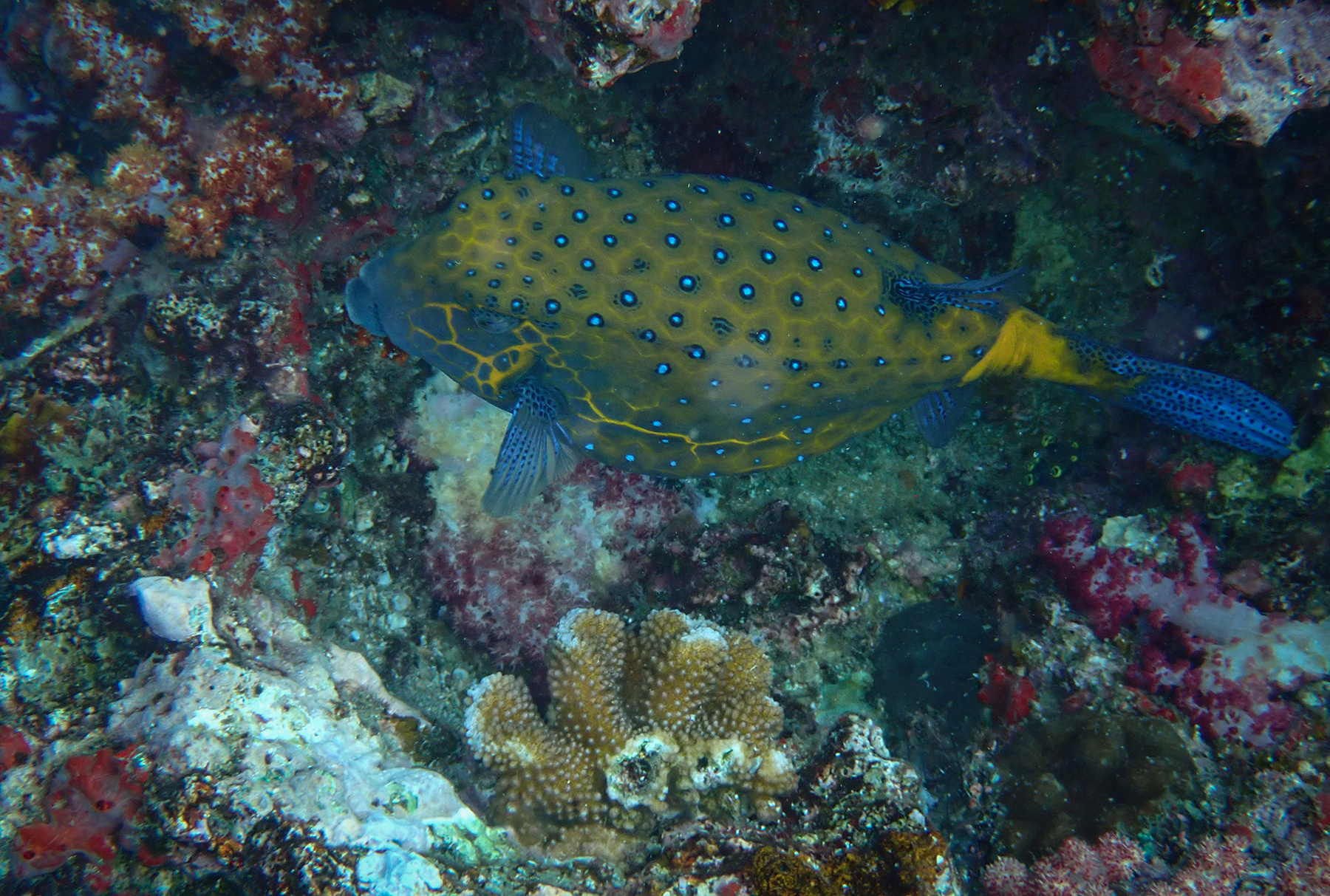

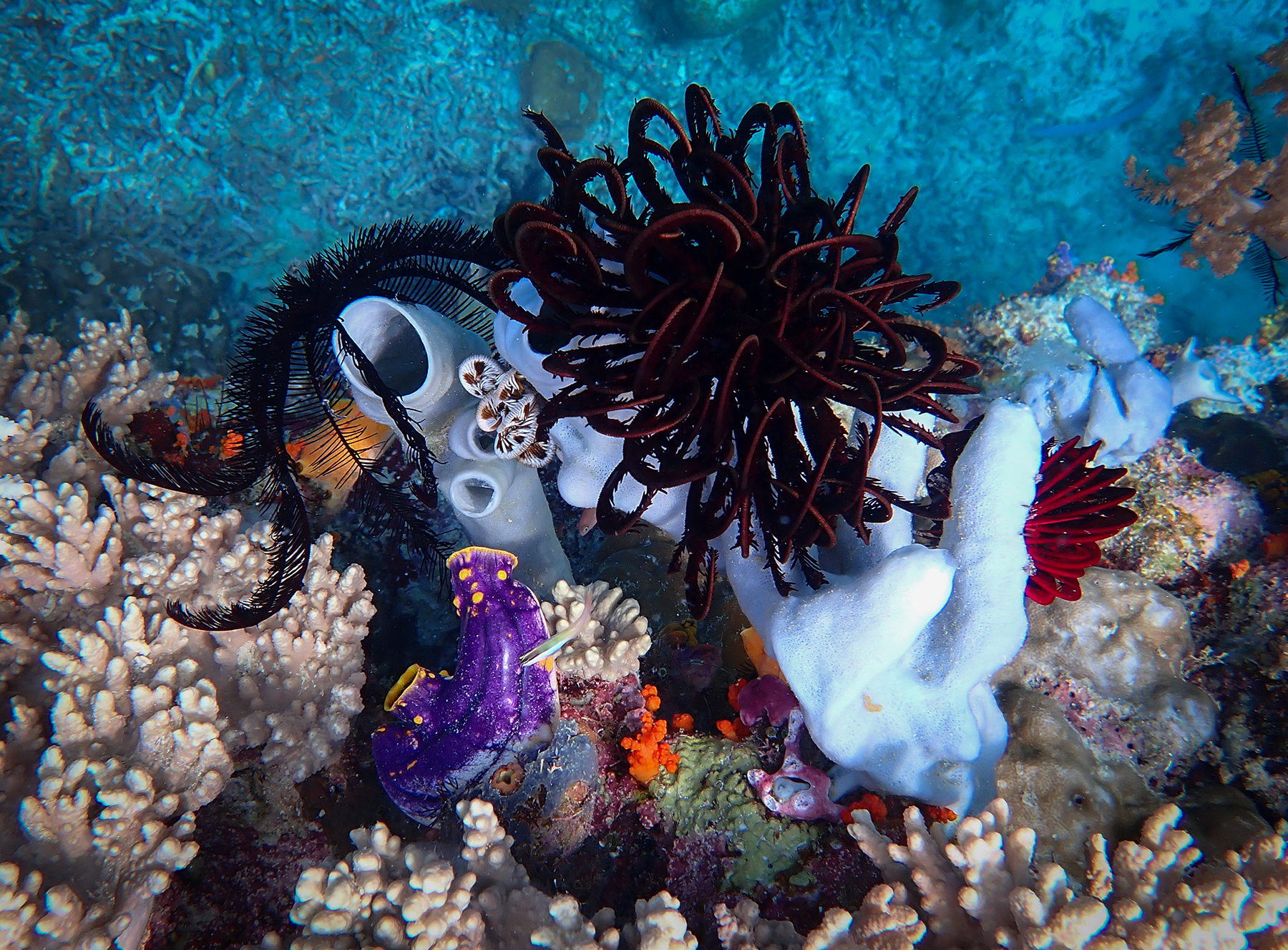


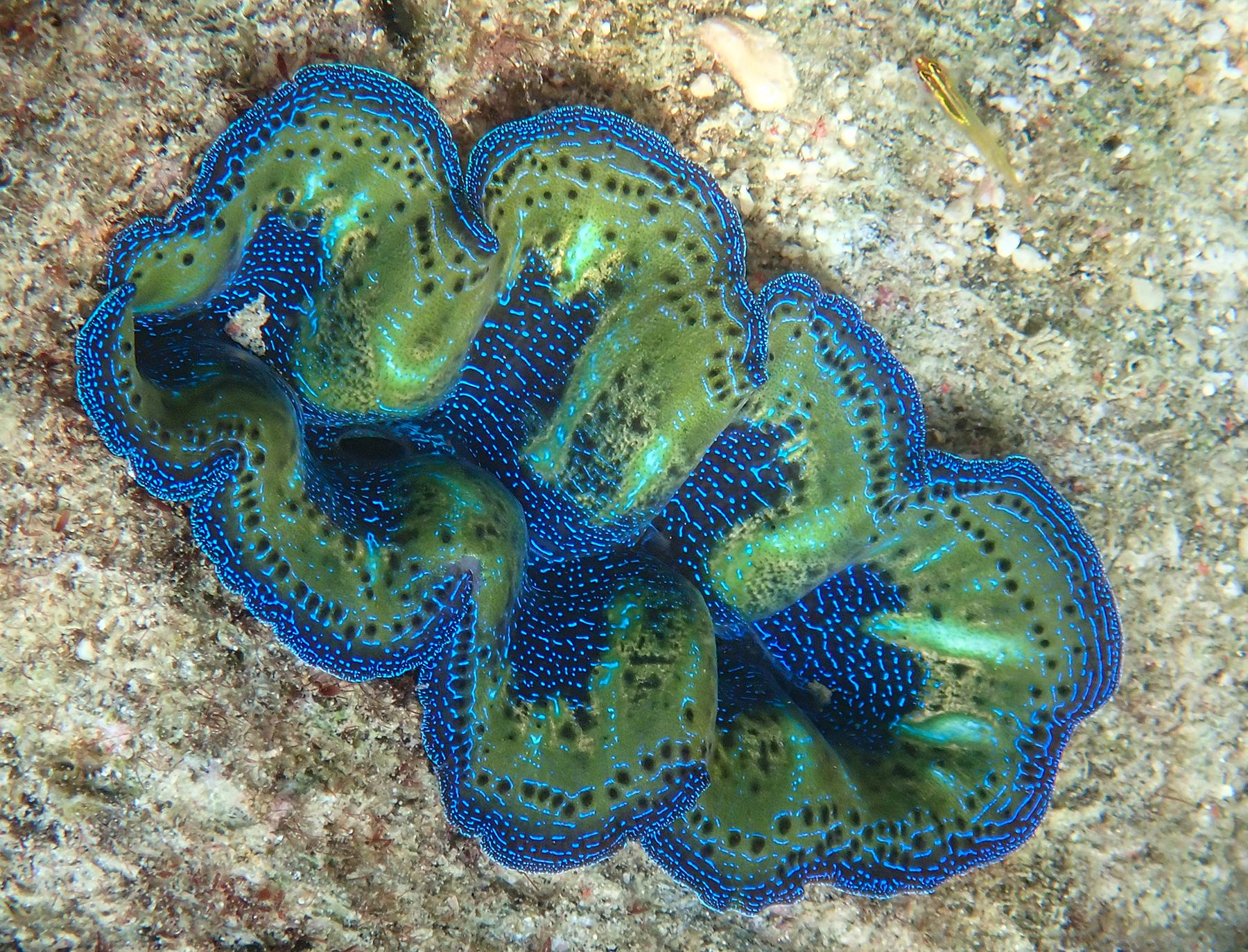
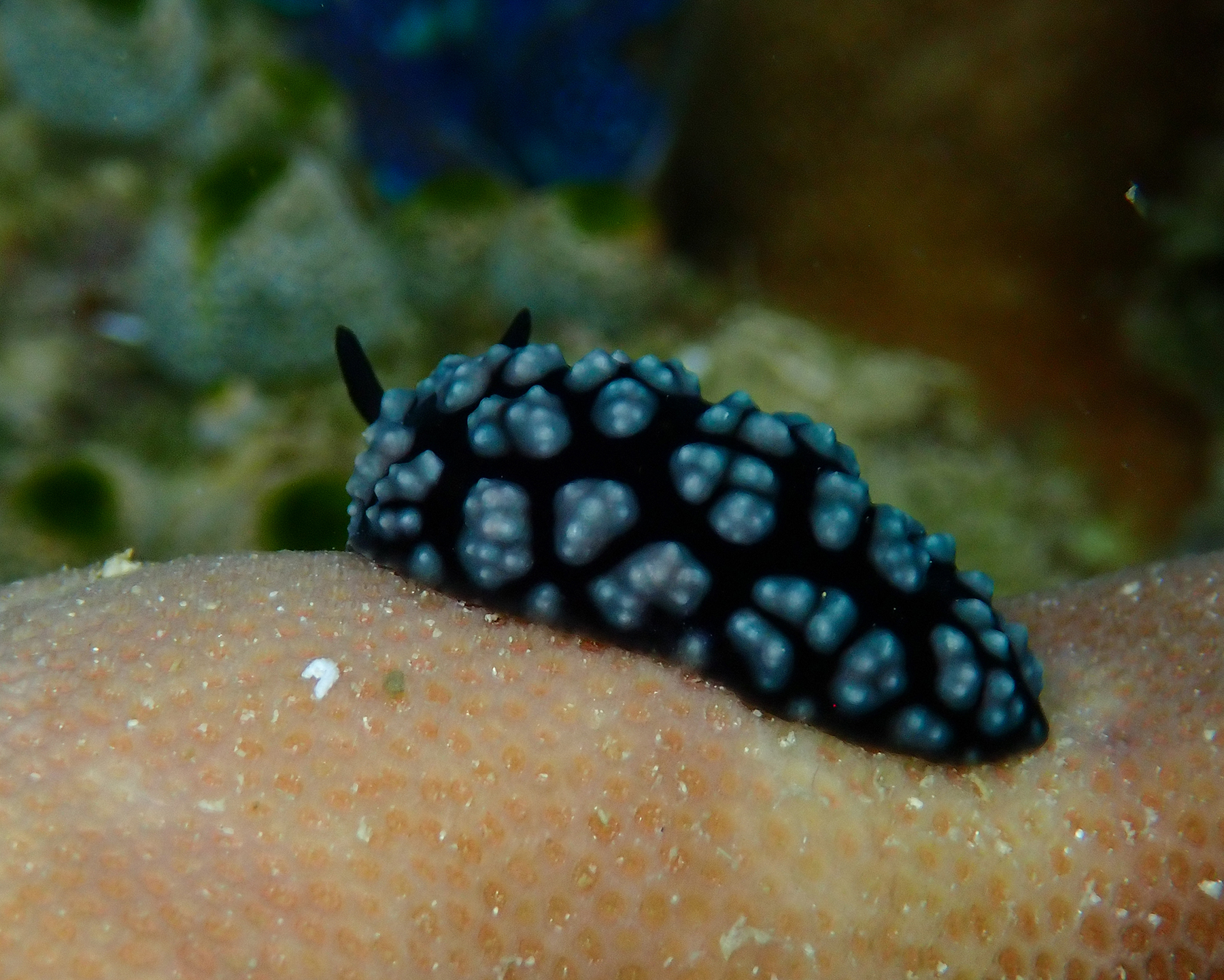

Other favorites spotted during the trip to Misool included:
- a couple of octopuses (octopi … octopodes?) that put on a dazzling display of color changes


- black tipped reef sharks that would inevitably cruise away as soon as they were spotted
- a variety of different species of anemonefish, including the tomato clownfish and black clownfish (emo Nemo!)
- titan triggerfish

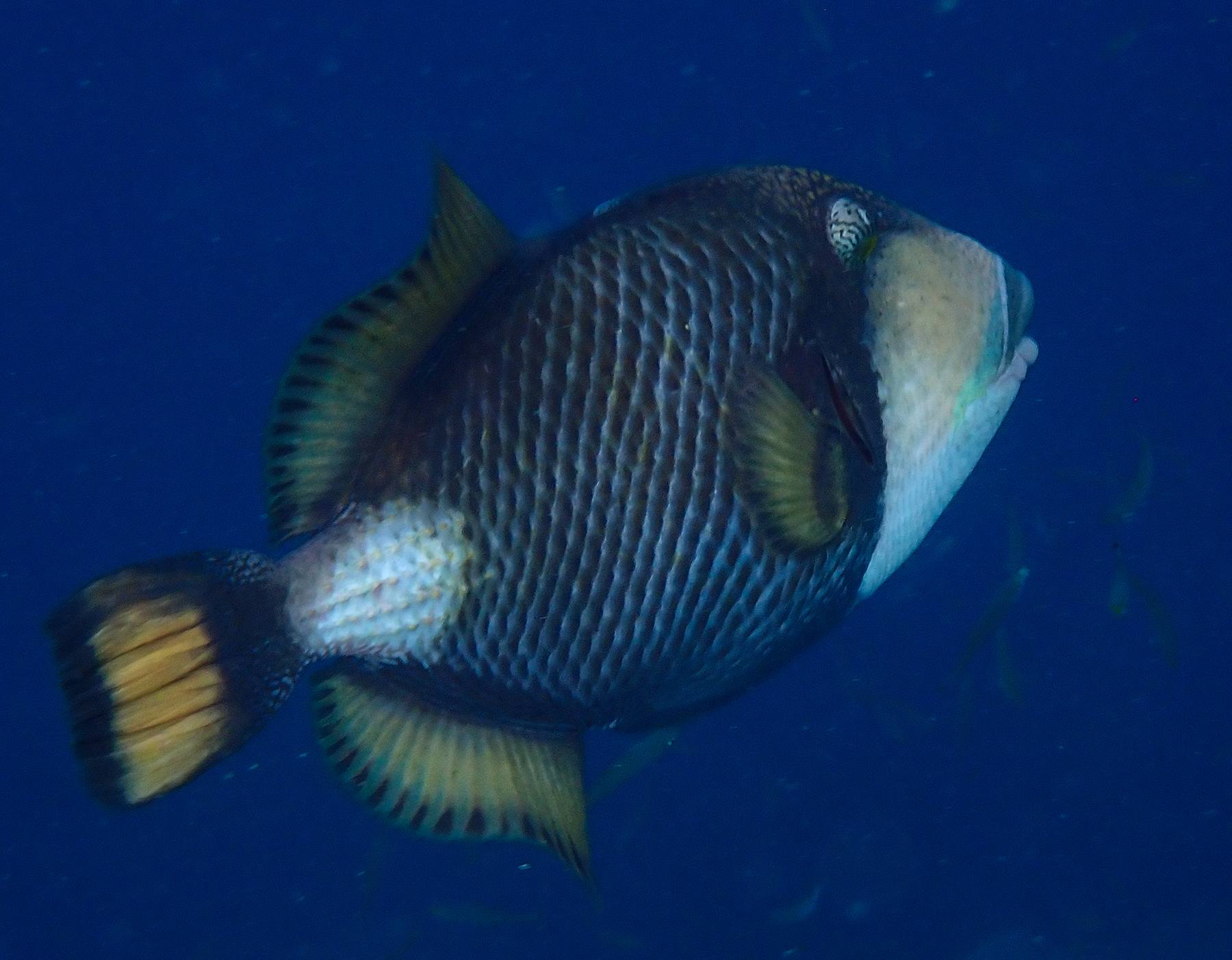
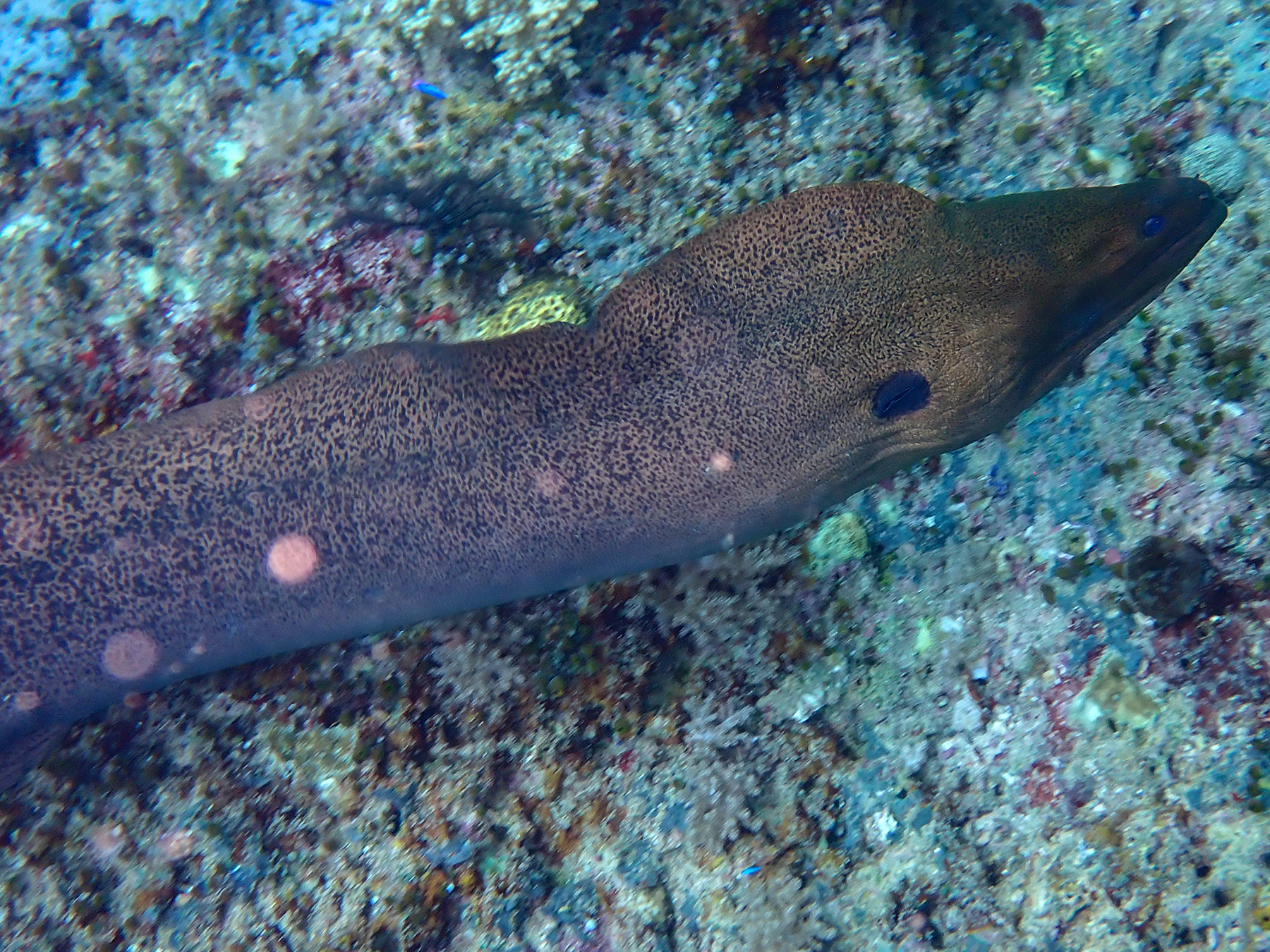
- enormous moray eels hunting across the reefs
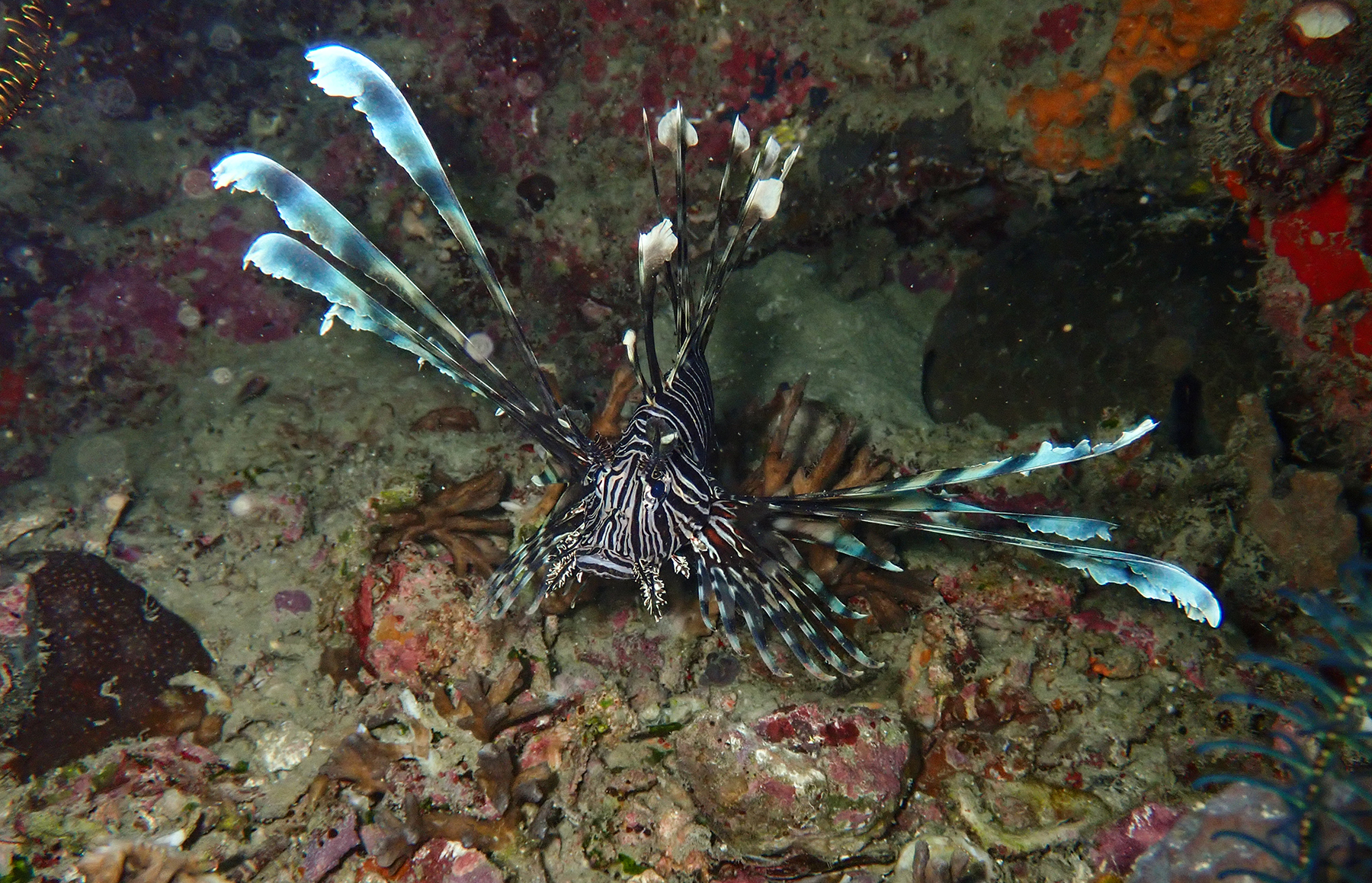
- the scary-looking lionfish, that would lurk beneath overhanging coral shelves deep below the surface

- pipefish (related to seahorses)
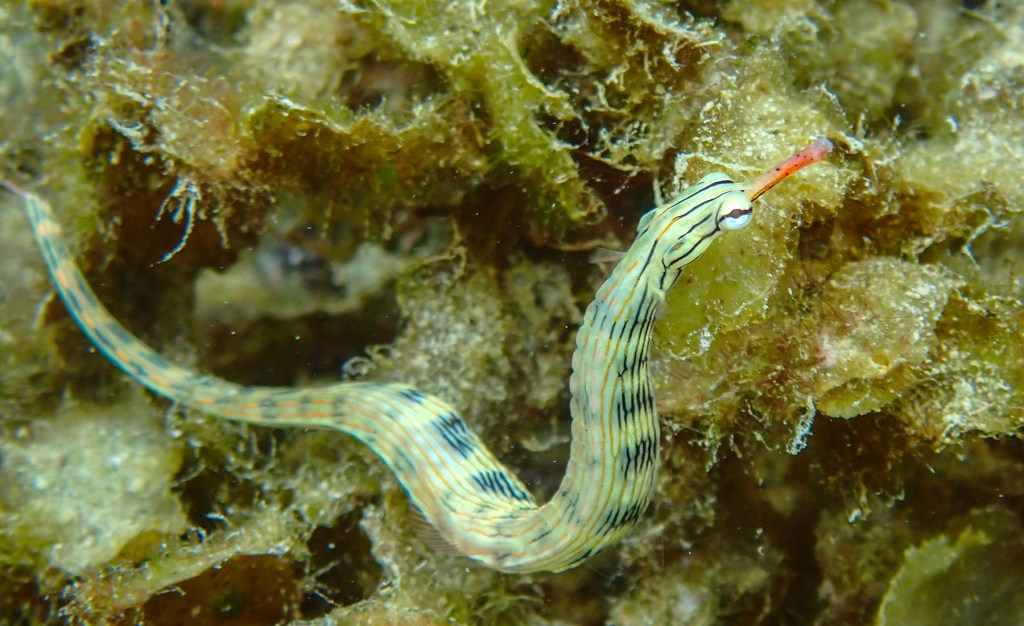
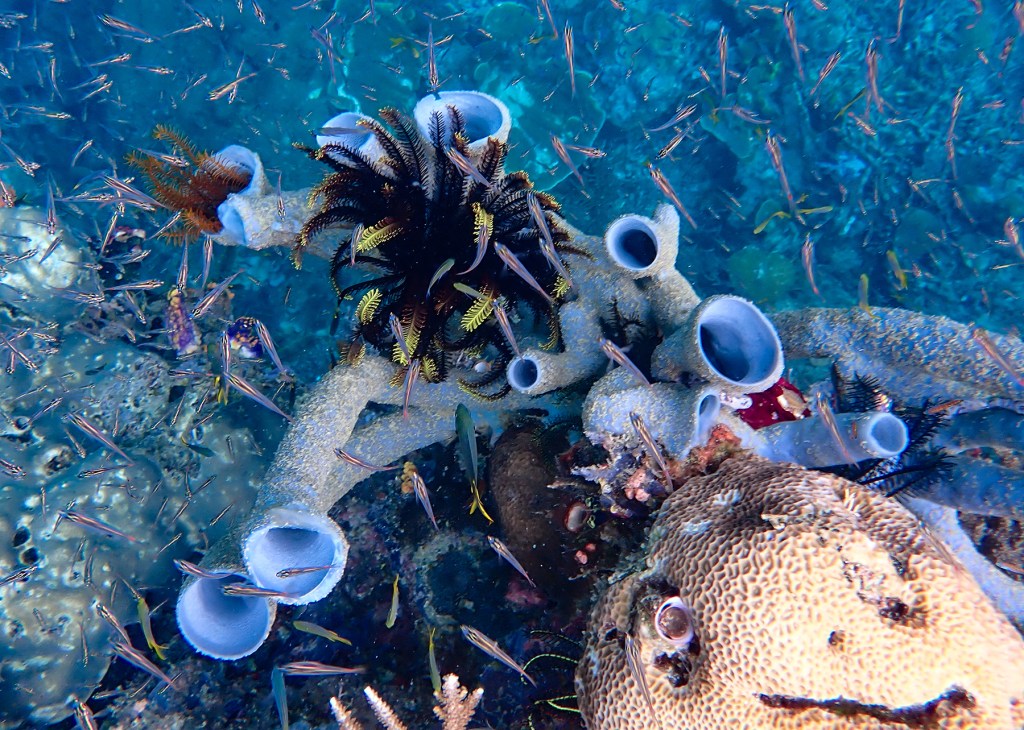
- blue-grey tube sponges
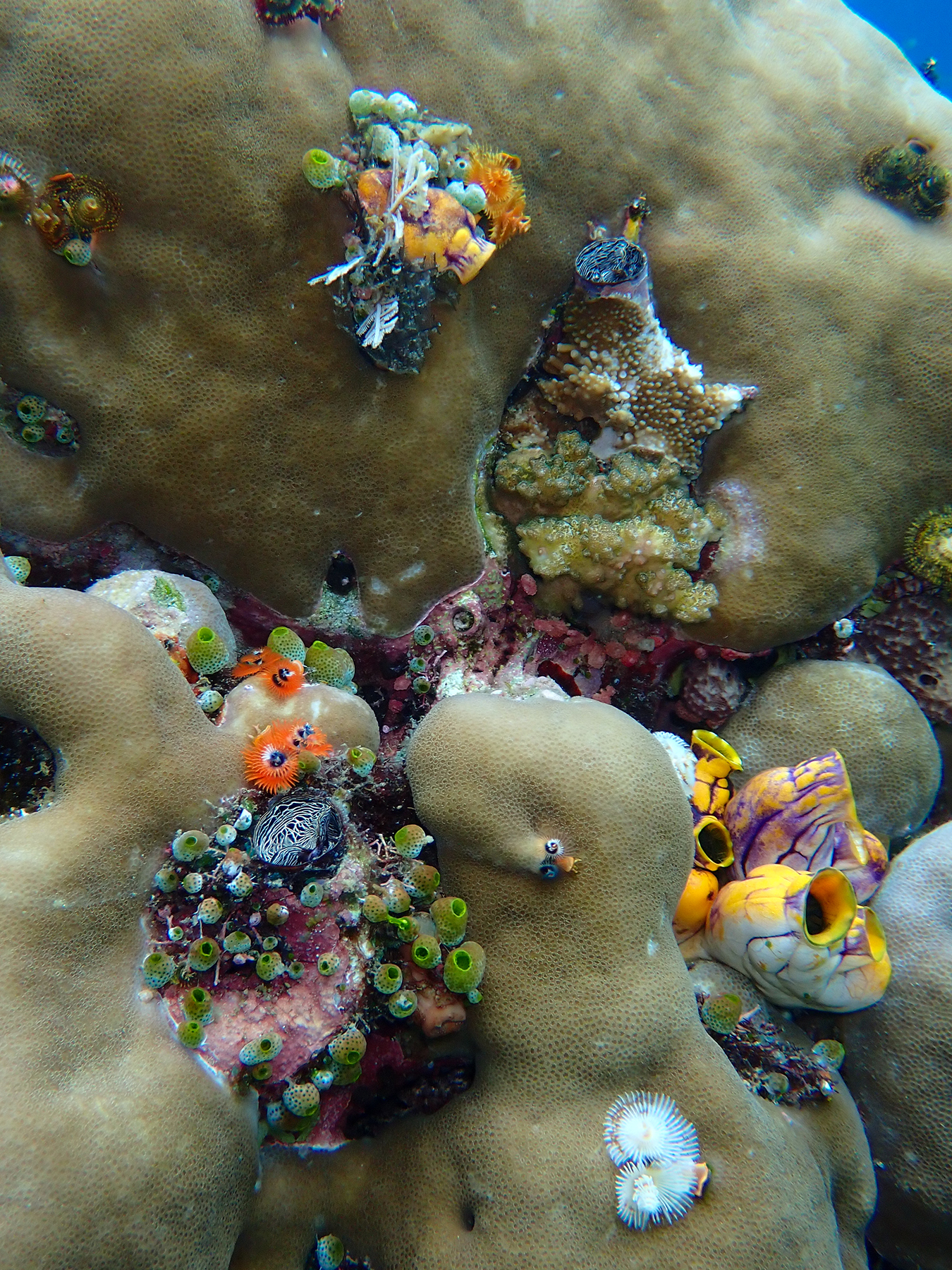
- a full spectrum of Christmas tree worms dotting the surfaces of large coral colonies

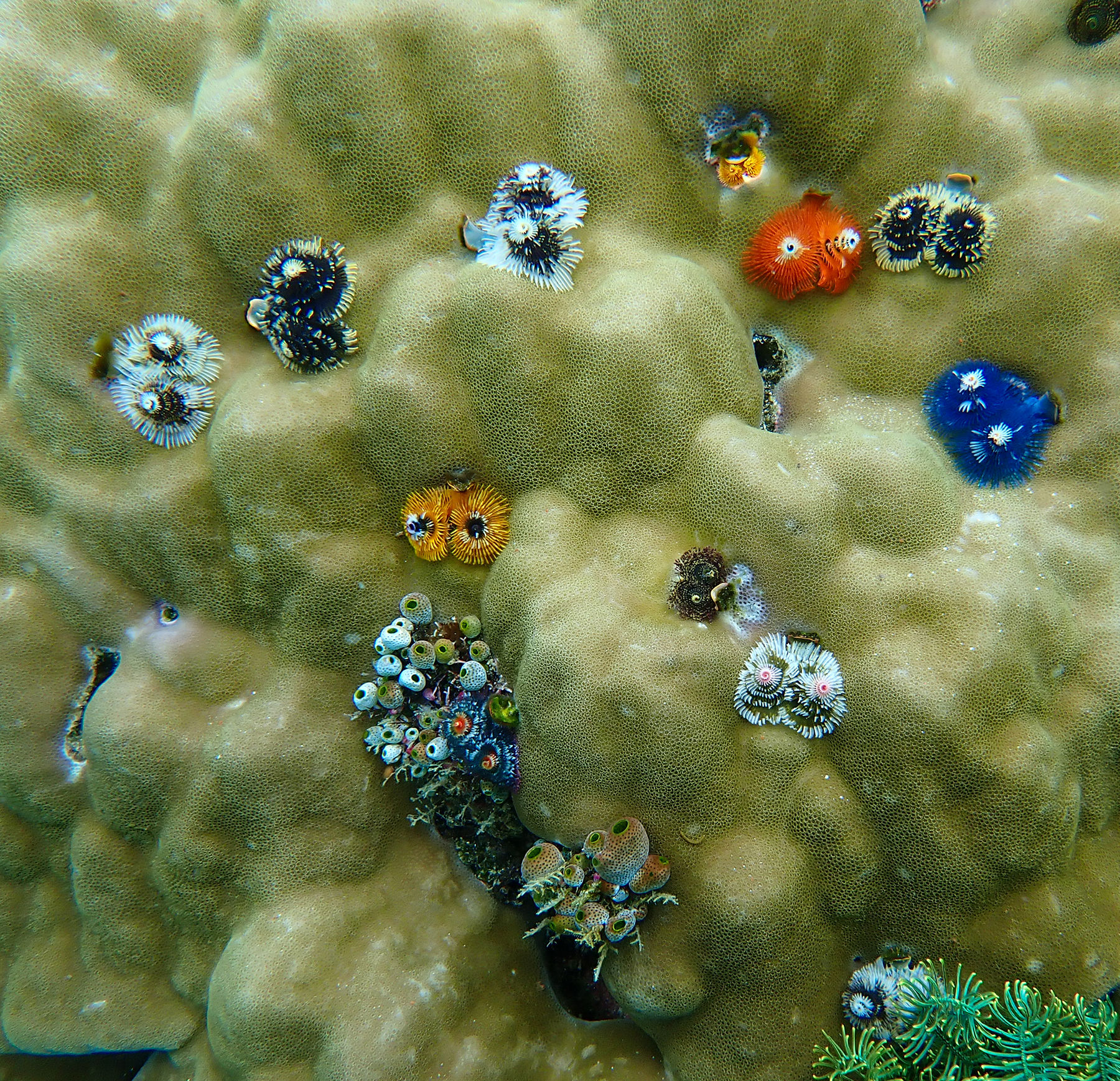
- feather starfish, which we had originally mistaken for coral, swimming with bizzare alternating arm movements
- a free-swimming flatworm spotted by H, that moved with an eerie undulating motion through the water
- the ever-present golden sea squirt, that was clearly designed by Dr. Seuss
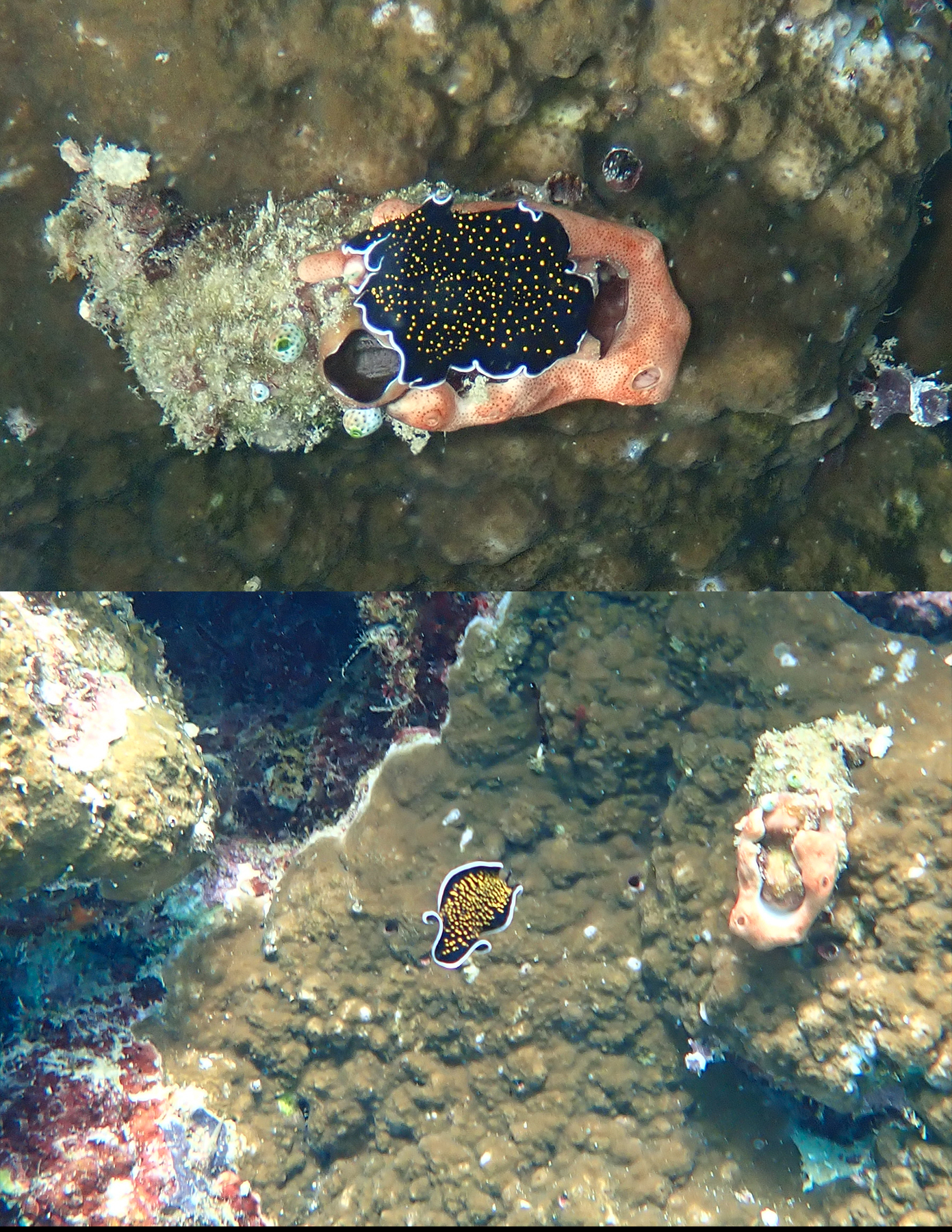
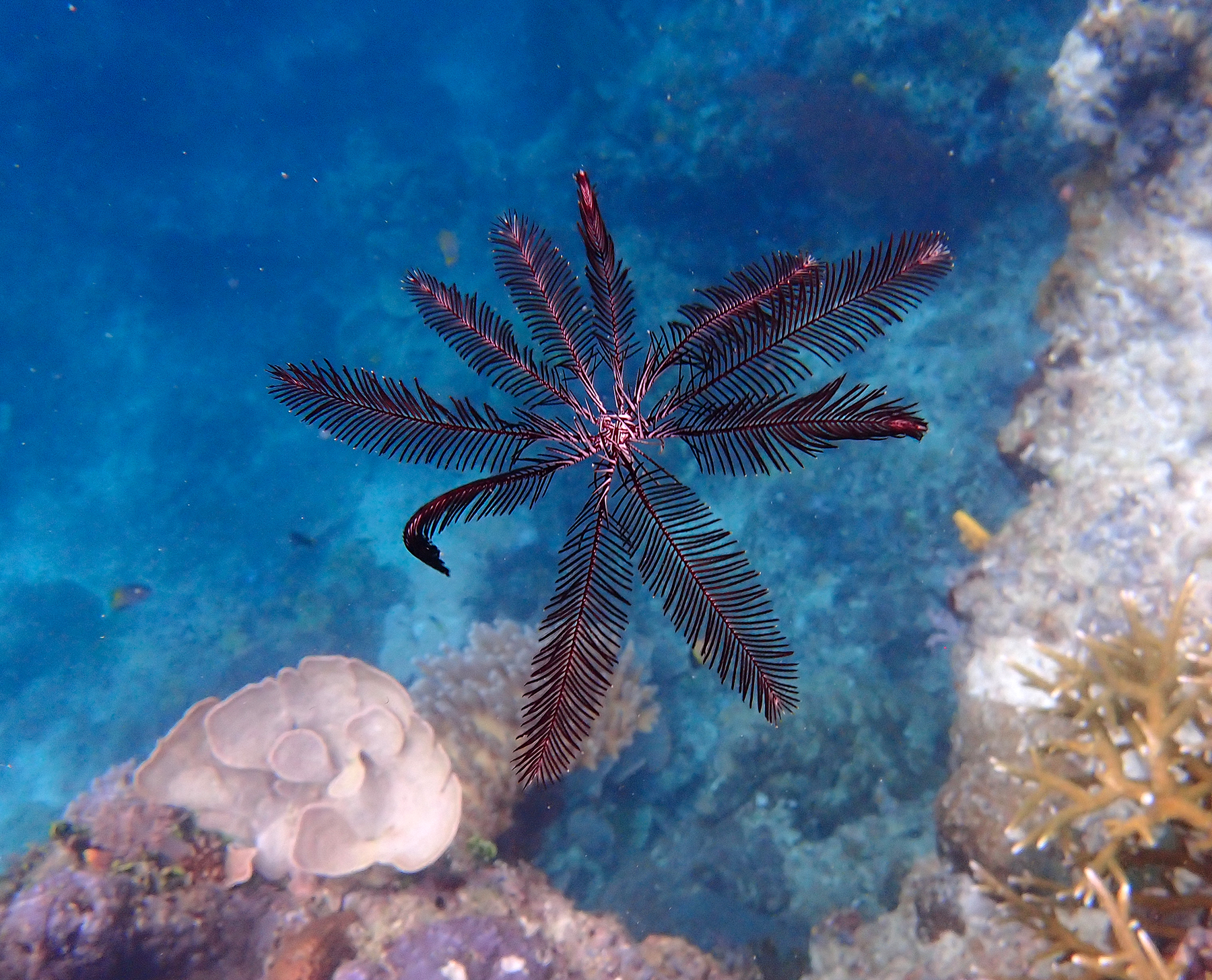
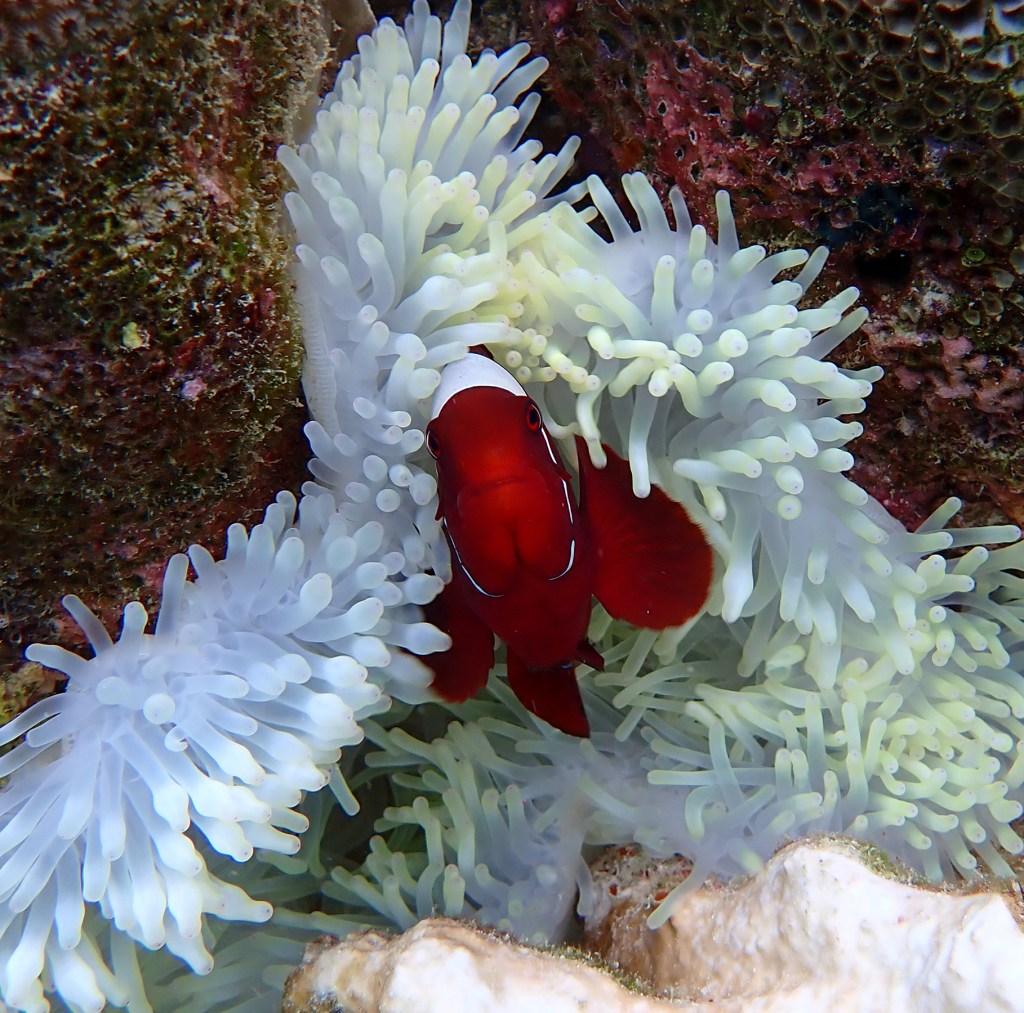

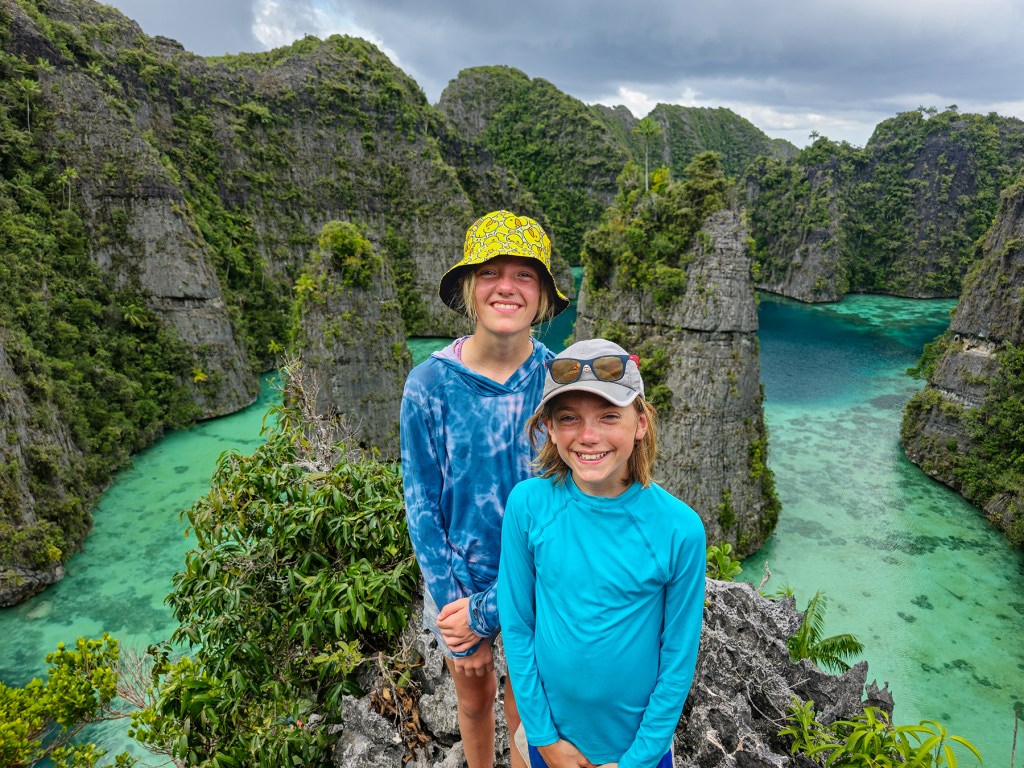
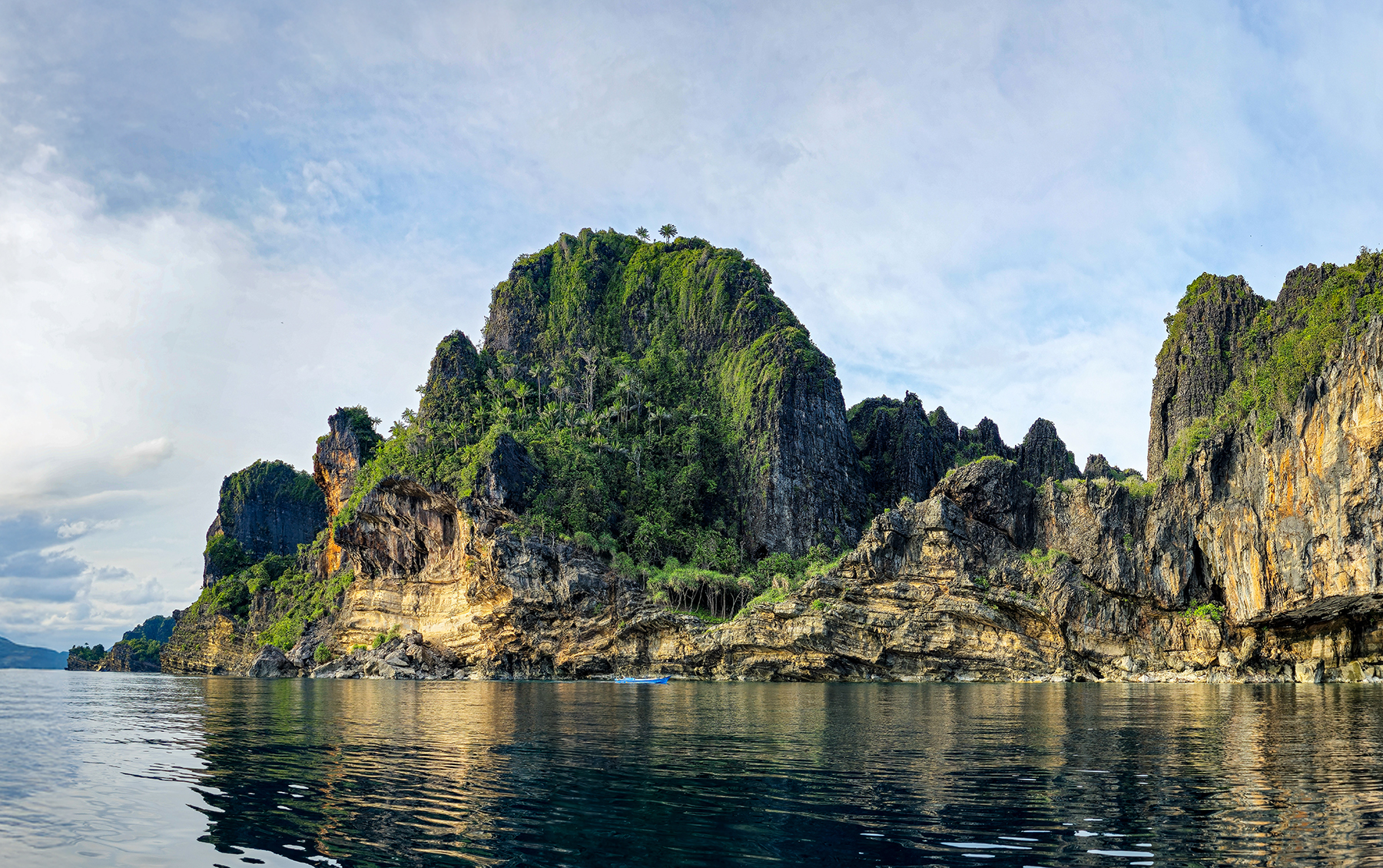
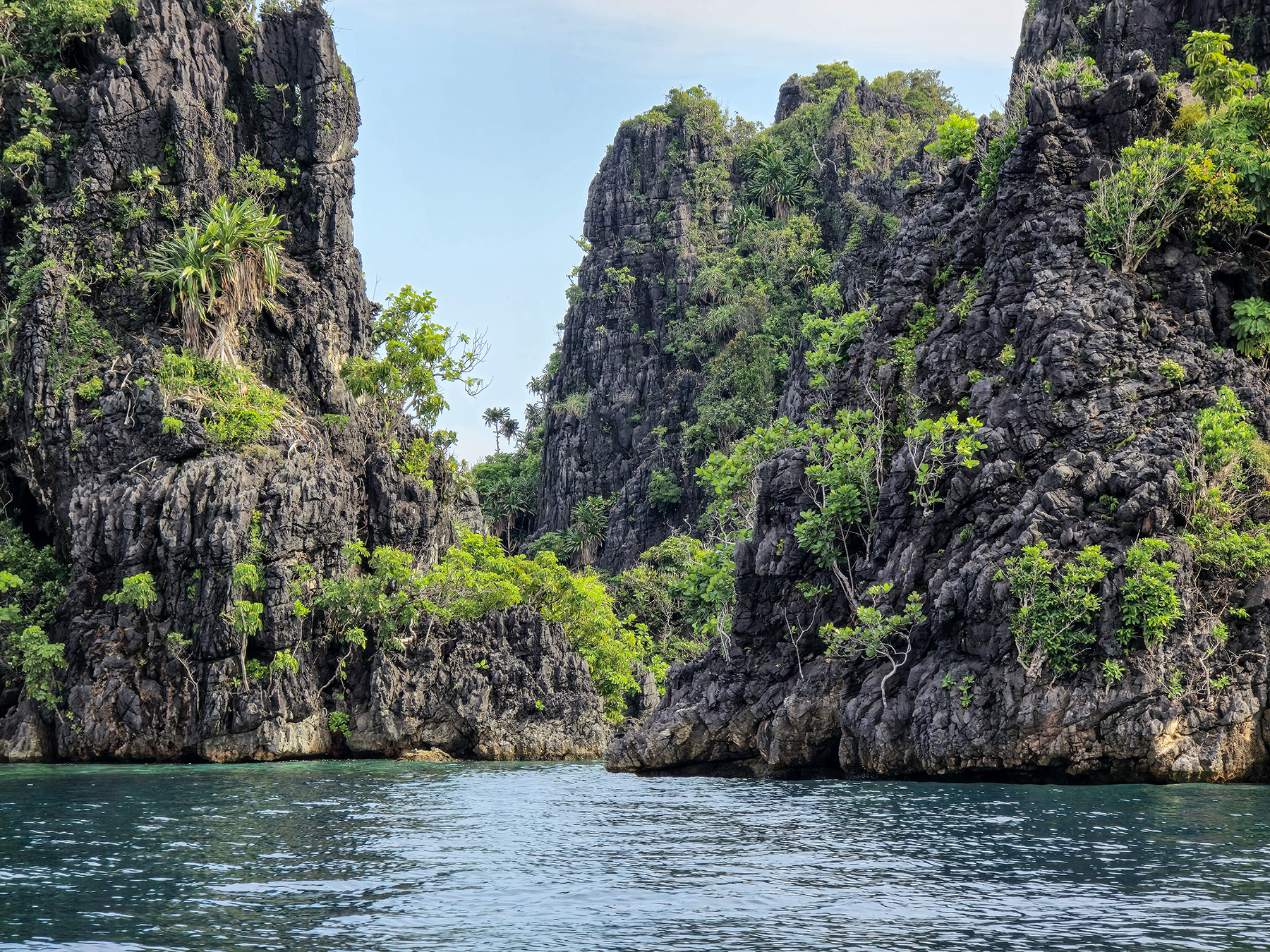
Each day was a treat, exploring the reefs, scrambling to the top of limestone cliffs to look out across the scattered karst towers, exploring limestone caves, and viewing ancient rock art on cliff walls. None of this, however, matched the feeling our family had when we finally arrived at Lenmakana to swim in the jellyfish lake. After a brief steep scramble up and over a ridge, we descended into a bowl-shaped depression with views of the lake opening up through the dense forest as we made our way to the lake edge. We carefully made our way down the rocks into the lake itself, greeted by a few pink jellies floating peacefully along. As we moved slowly towards deeper water, the number of jellyfish rapidly increased until we were completely surrounded by thousands and thousands of the harmless creatures. Carefully diving down, we would look back up towards the surface to see the alien shapes illuminated from behind by the sunlight. It reminded me of the sky filled with floating lanterns at the Yi Peng lantern festival in Thailand – only this time the floating lanterns were living creatures (which in normal circumstances are to be avoided at all costs!). It was a truly magical experience – one of my core memories I will carry forward from this year of adventures.


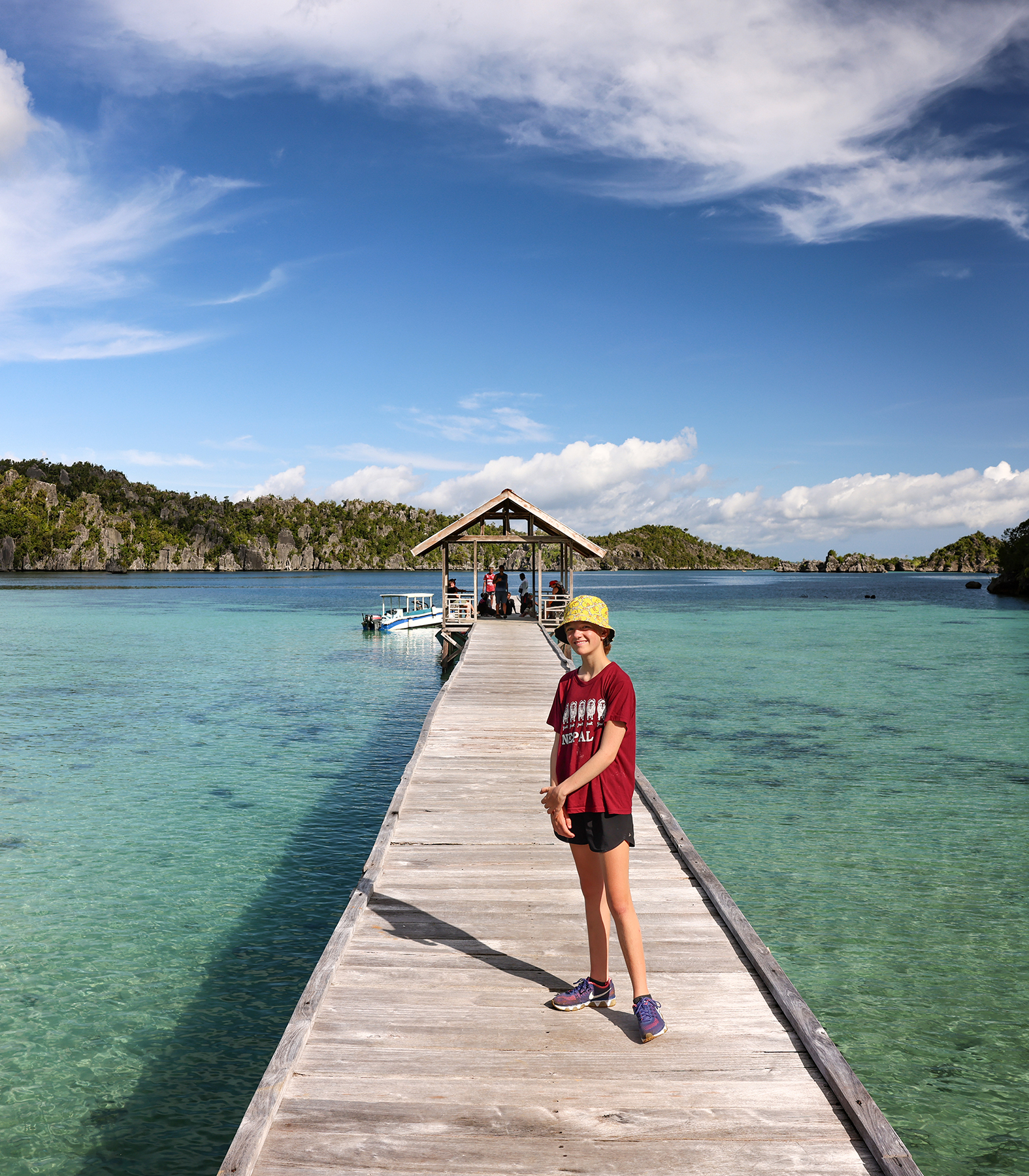
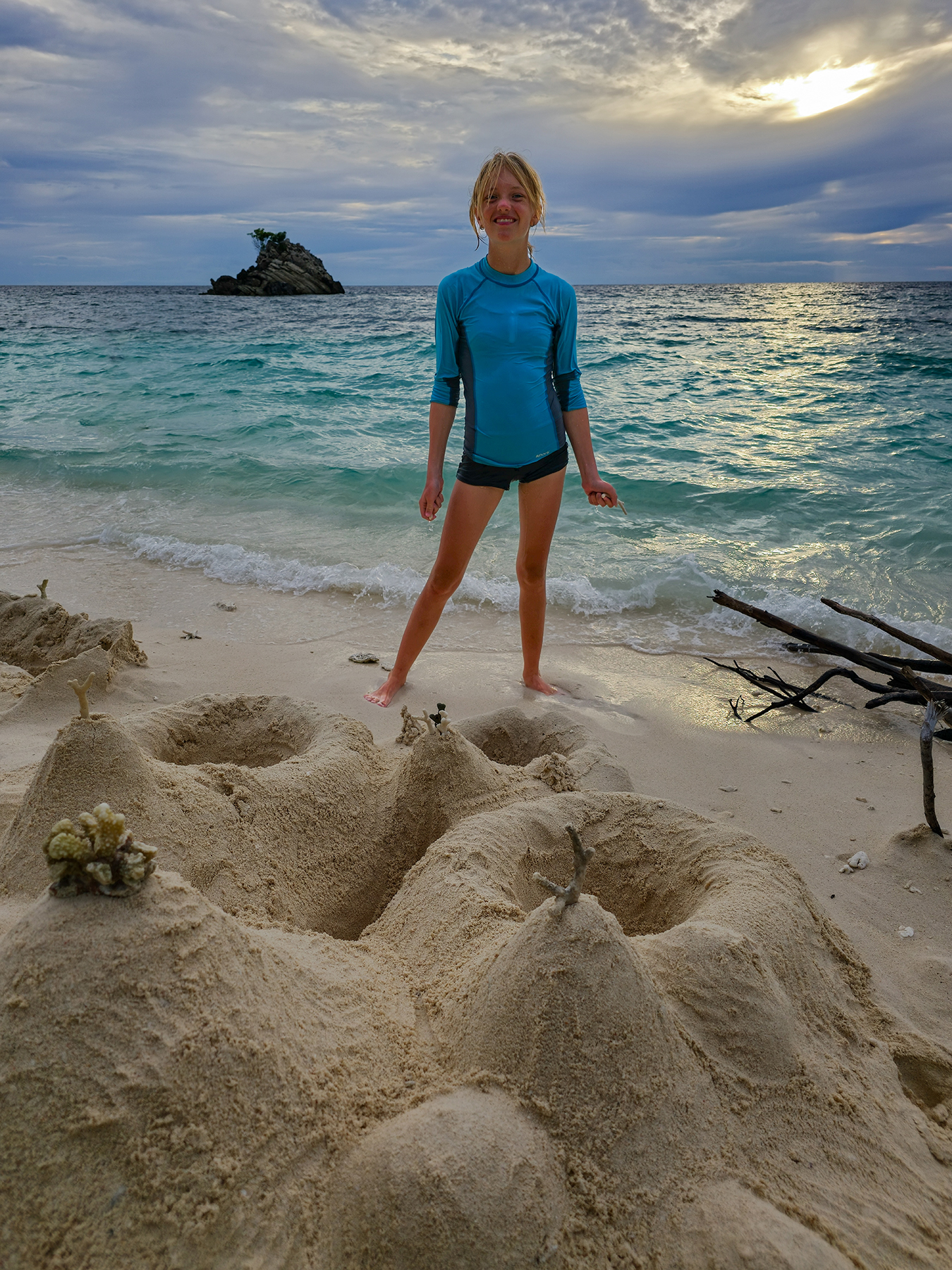
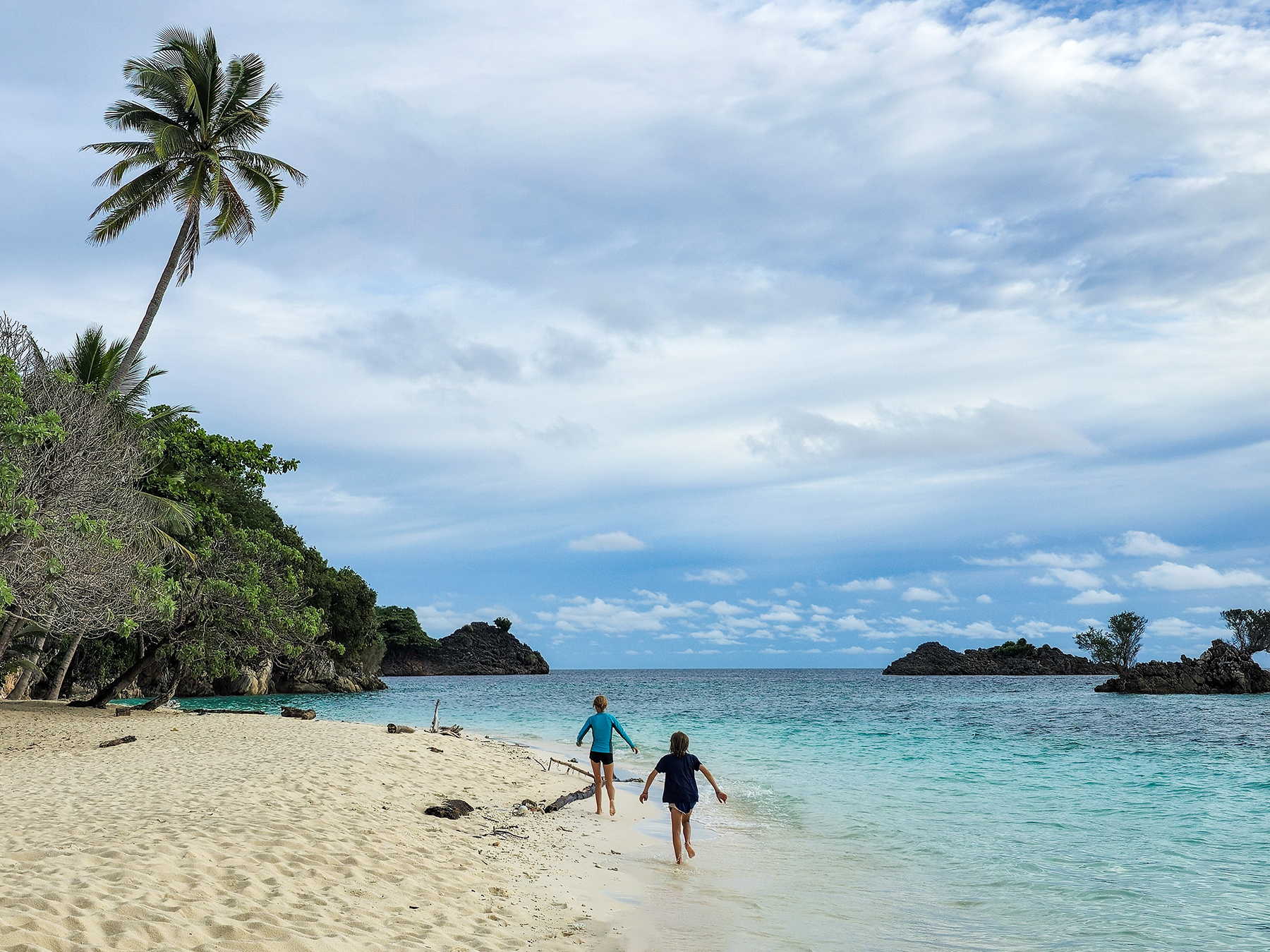
Beyond the jellyfish lake, there were other exquisite snorkeling sights visited, more unbelievable sea creatures discovered, more karst landscapes and lagoons explored. Some of the beaches we visited seemed too idyllic to be real – empty white sand beaches lined with coconut palms, with not another boat visible for miles around.
On one occasion, we found ourselves swimming along a steep drop-off from the reef when the sky opened up in an absolute downpour of rain, tremendous booming thunder rumbling across the ocean. Diving underwater, we could see the giant raindrops pounding the ocean above the reef, turning the surface into a shimmering distorted pattern. H, who had already exited the swim, stood nearby aboard our small companion boat, getting completely drenched to the extent that there was really no meaningful difference being in or out of the ocean. This was the adventure we were seeking.
While it was certainly not a comfortable adventure, it was an amazing adventure, and I love that this place exists in our world.


 Eight Boots Abroad
Leave a comment