

Our time in Laos was a very (very!) loosely planned portion of our year. Honestly, neither of us knew much about this tiny, landlocked country in Southeast Asia before arriving. What we discovered here was stunning beauty, diversity, and a complex history that has limited the country’s past and future development. Unfortunately, our time here also included losing a passport – resulting in an extended stay, and visits to a local rural police station, the US Embassy, Laos Immigration offices, and the Ministry of Foreign Affairs in the country’s capital.
We had originally planned to travel overland from Chiang Mai, Thailand to Luang Prabang, Laos via public bus and slow boat. However, after spending the last several months vomiting on nearly every tortuous overland transfer we found ourselves on, we decided to cheat a bit and hop on a small propeller plane instead – cutting the three day bus/boat trip down to one hour of flight time. The moment we landed in Laos we were immediately overwhelmed with the charm and natural beauty of this incredible country.
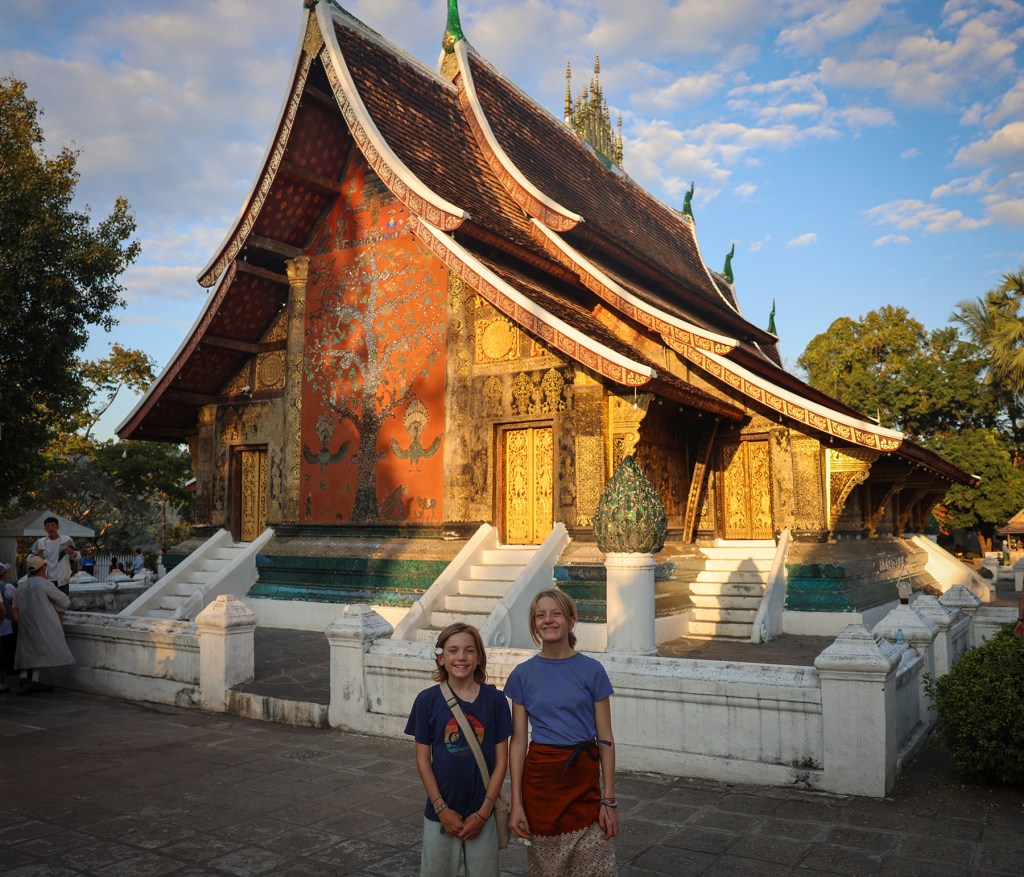
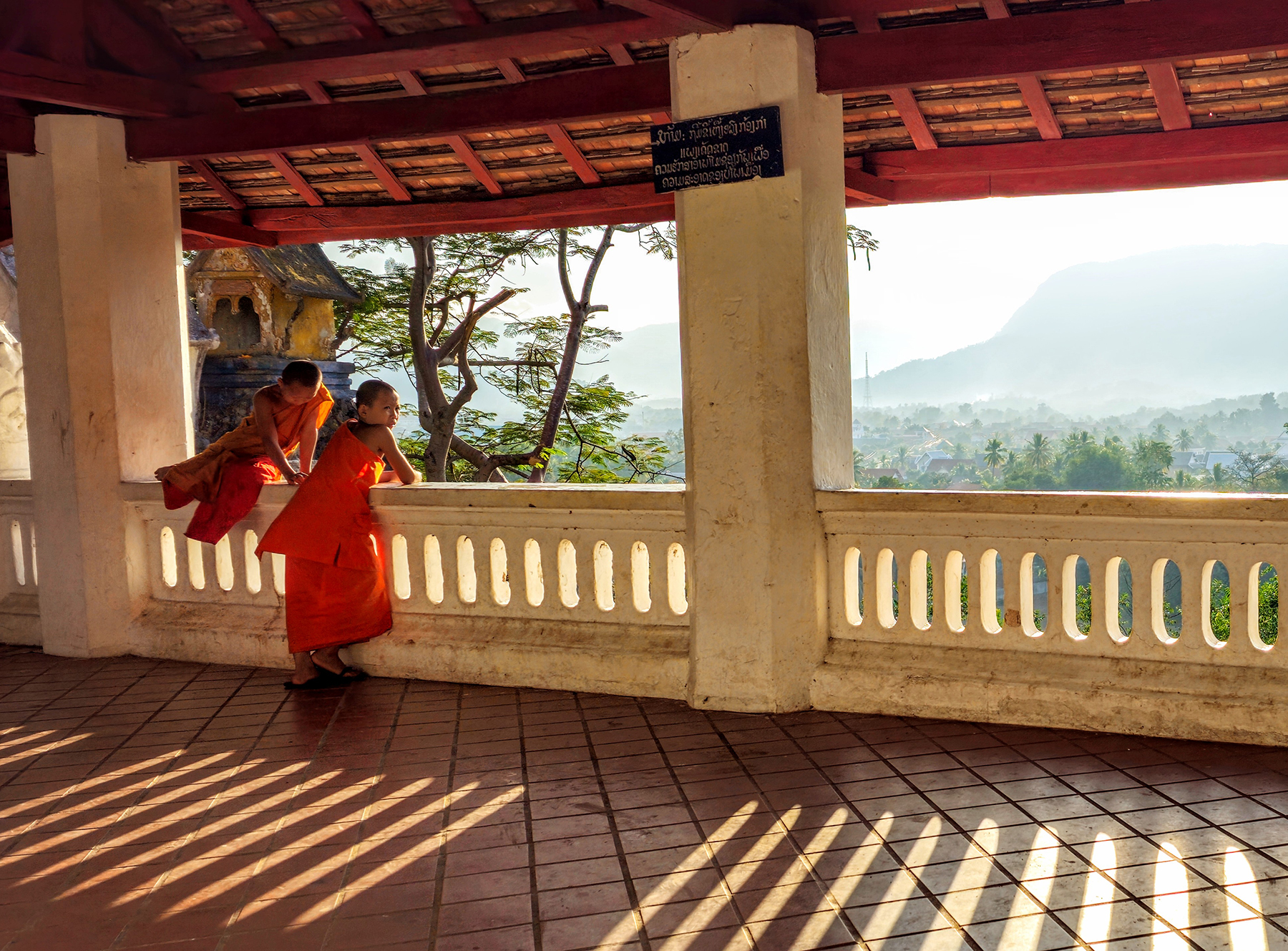
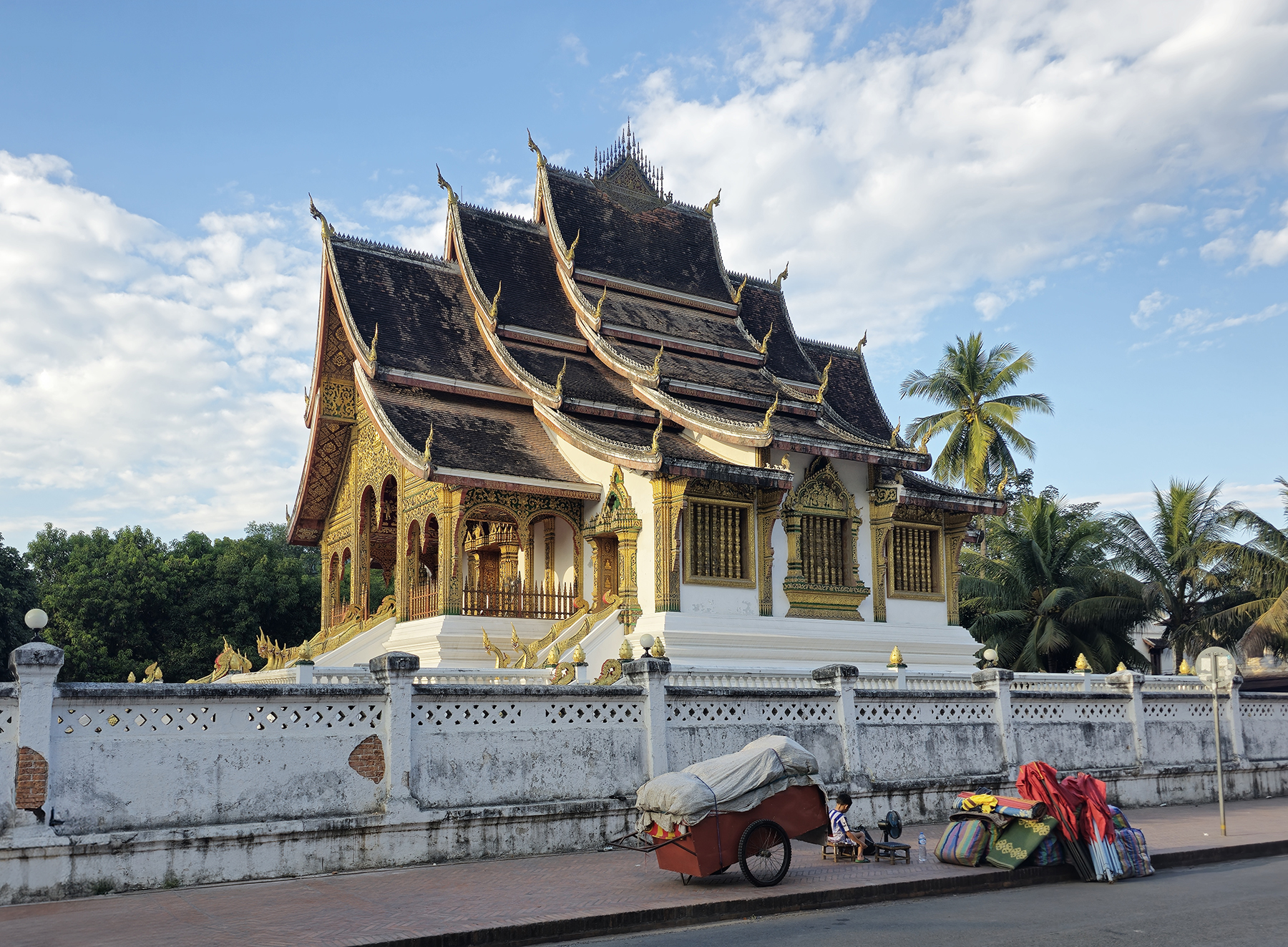
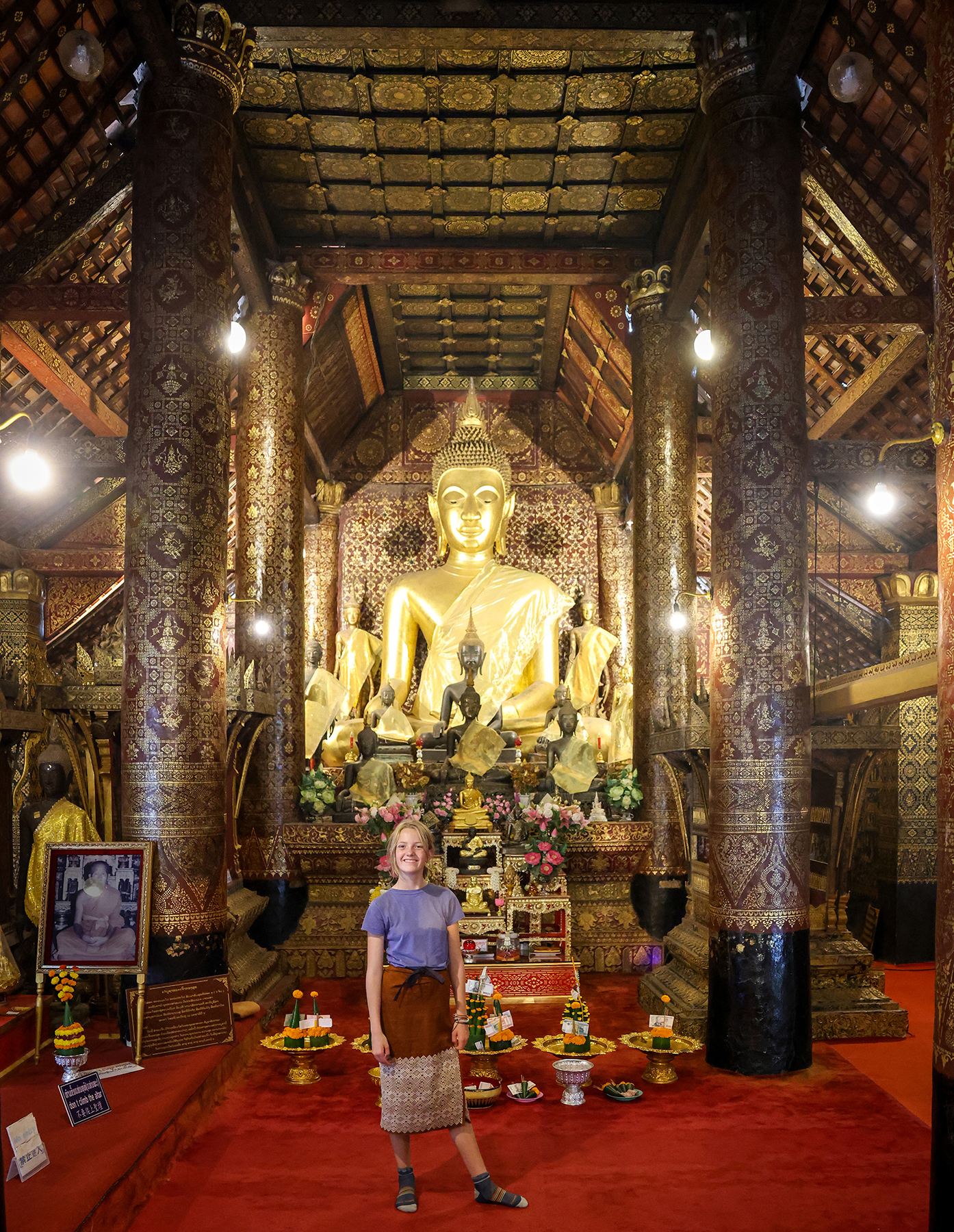
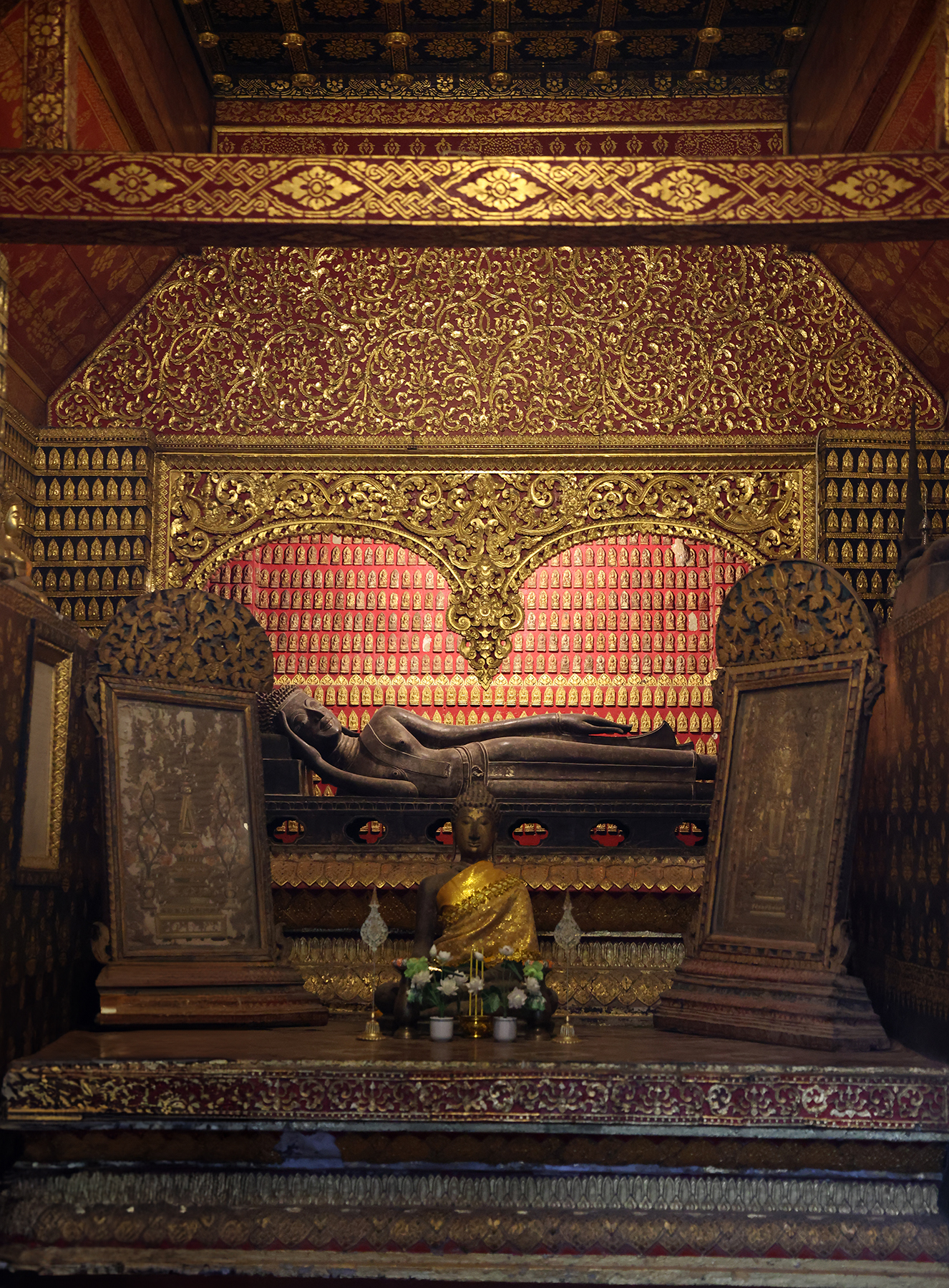
We used the quiet town of Luang Prabang (UNESCO world heritage site and cultural capital of Laos) as our base during our two week exploration of the region. Luang Prabang has an exceptionally attractive and well-preserved blend of traditional Lao architecture and French colonial buildings. There are 33 active Buddhist temples in Luang Prabang, and it was common for us to see monks dressed in saffron colored robes walking through the temples and streets.
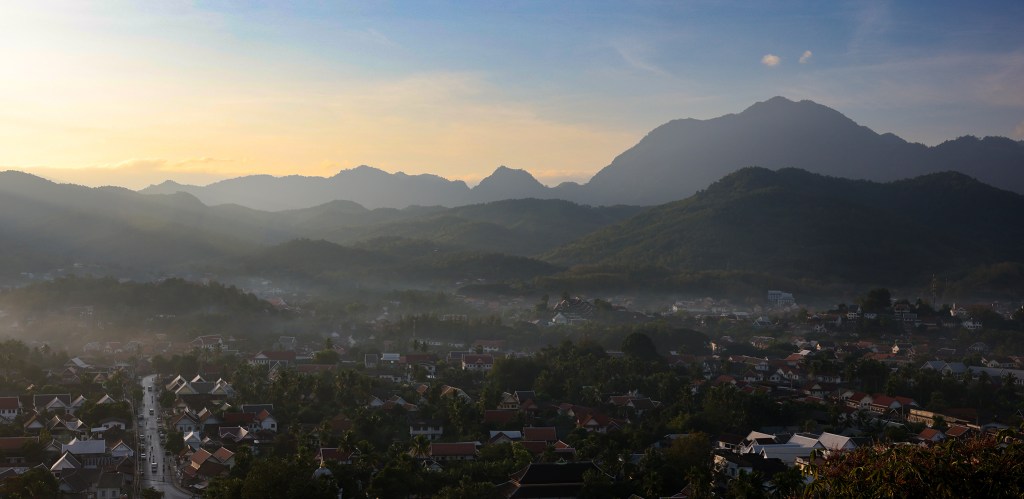
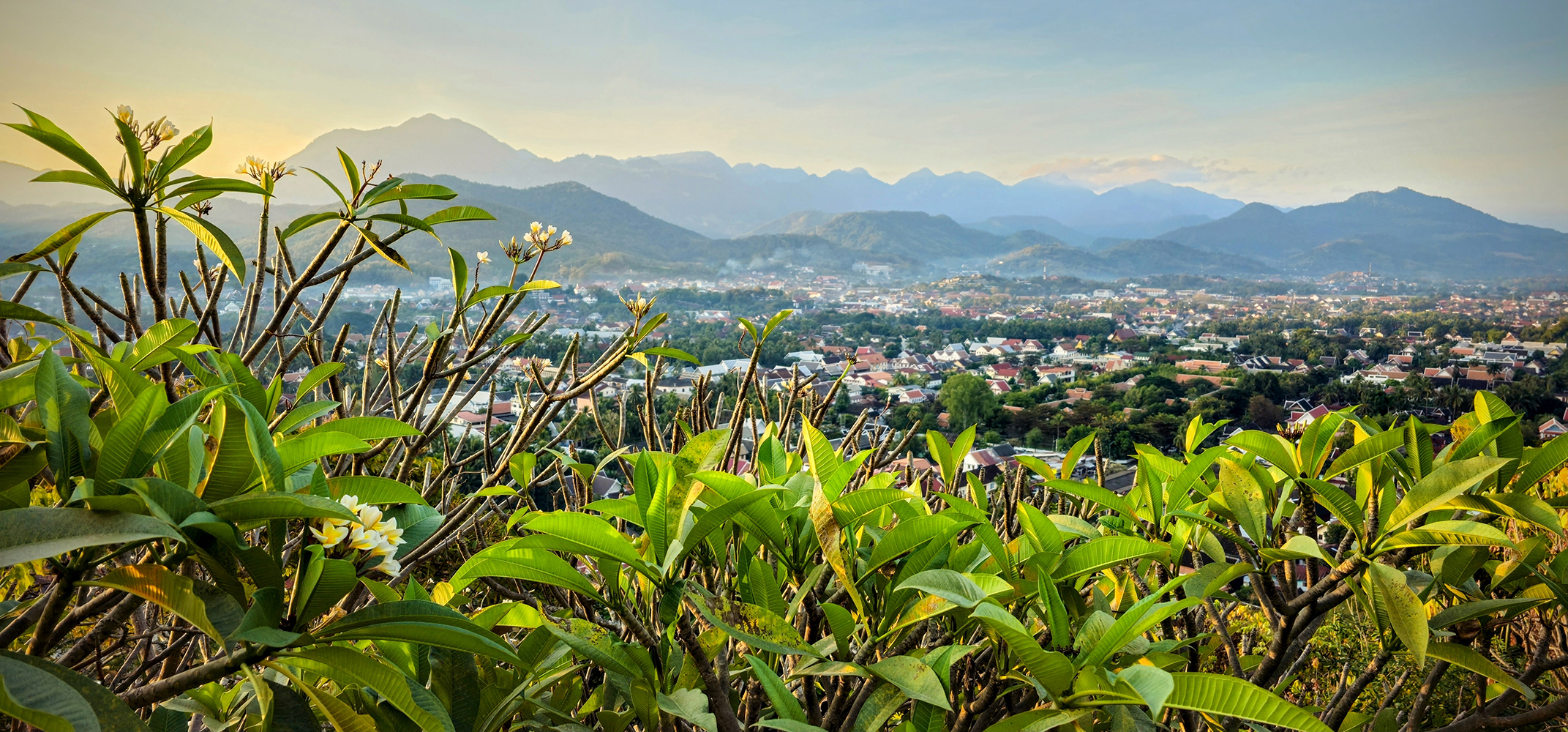
Howie and I spent a quiet morning watching the sunrise from a Buddhist temple atop Phou Si Hill. Located on a peninsula in the heart of Luang Prabang, the hill is bordered by both the Mekong and Nam Kahn Rivers. The views of the city from the top were absolutely spectacular.





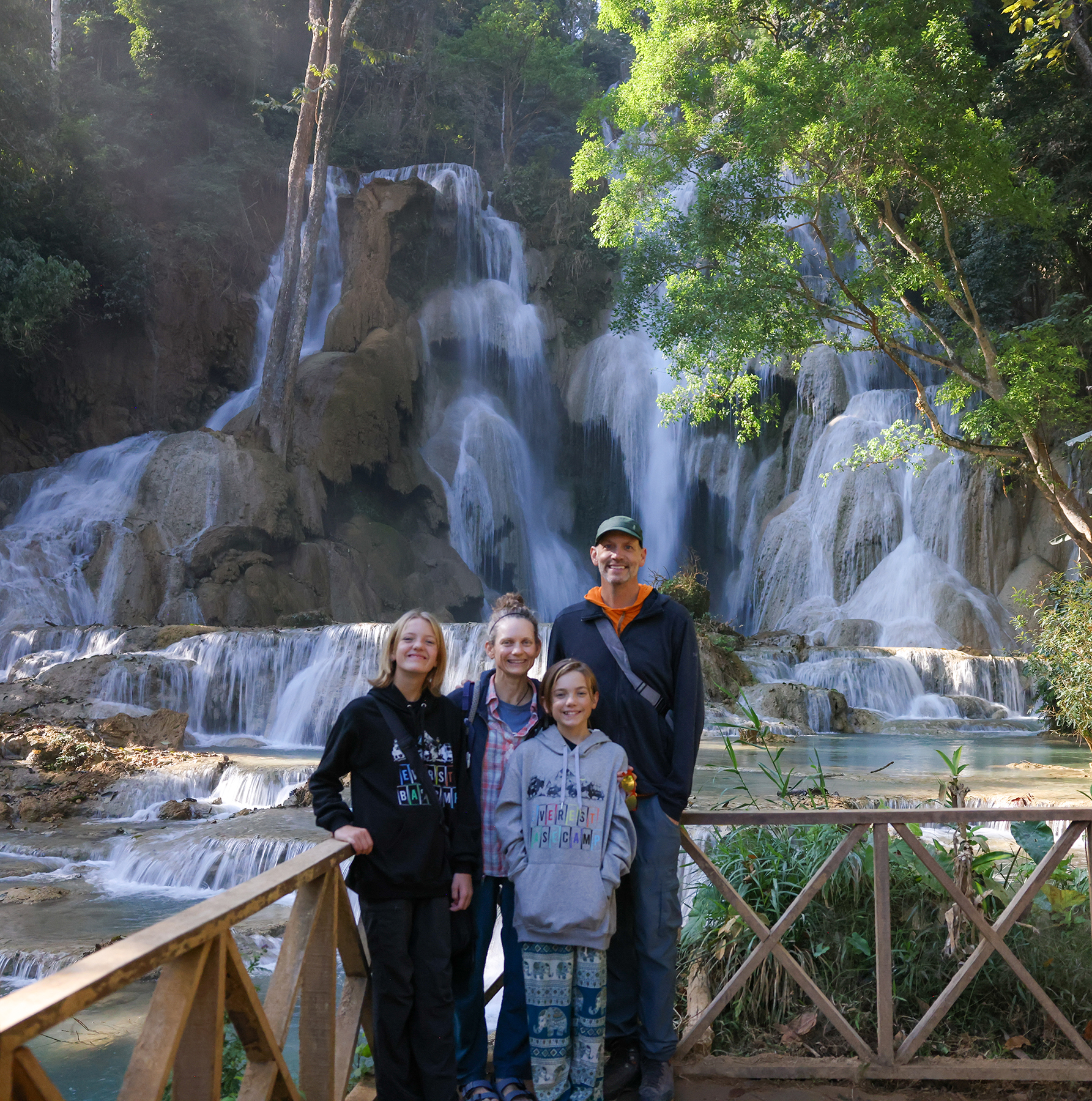
Our family also spent a day exploring the beautiful Kuang Si Waterfalls. The adventure began like most of our Southeast Asia adventures – by hopping on a songthaew (fancy Southeast Asia term for “pick-up truck where you pile in the back with way too many other locals and travelers – somewhat dangerous, but far safer than a motorbike”). After an hour of incredibly bumpy songthaew riding we hiked a short distance to the base of the spectacular multi-tiered waterfall.

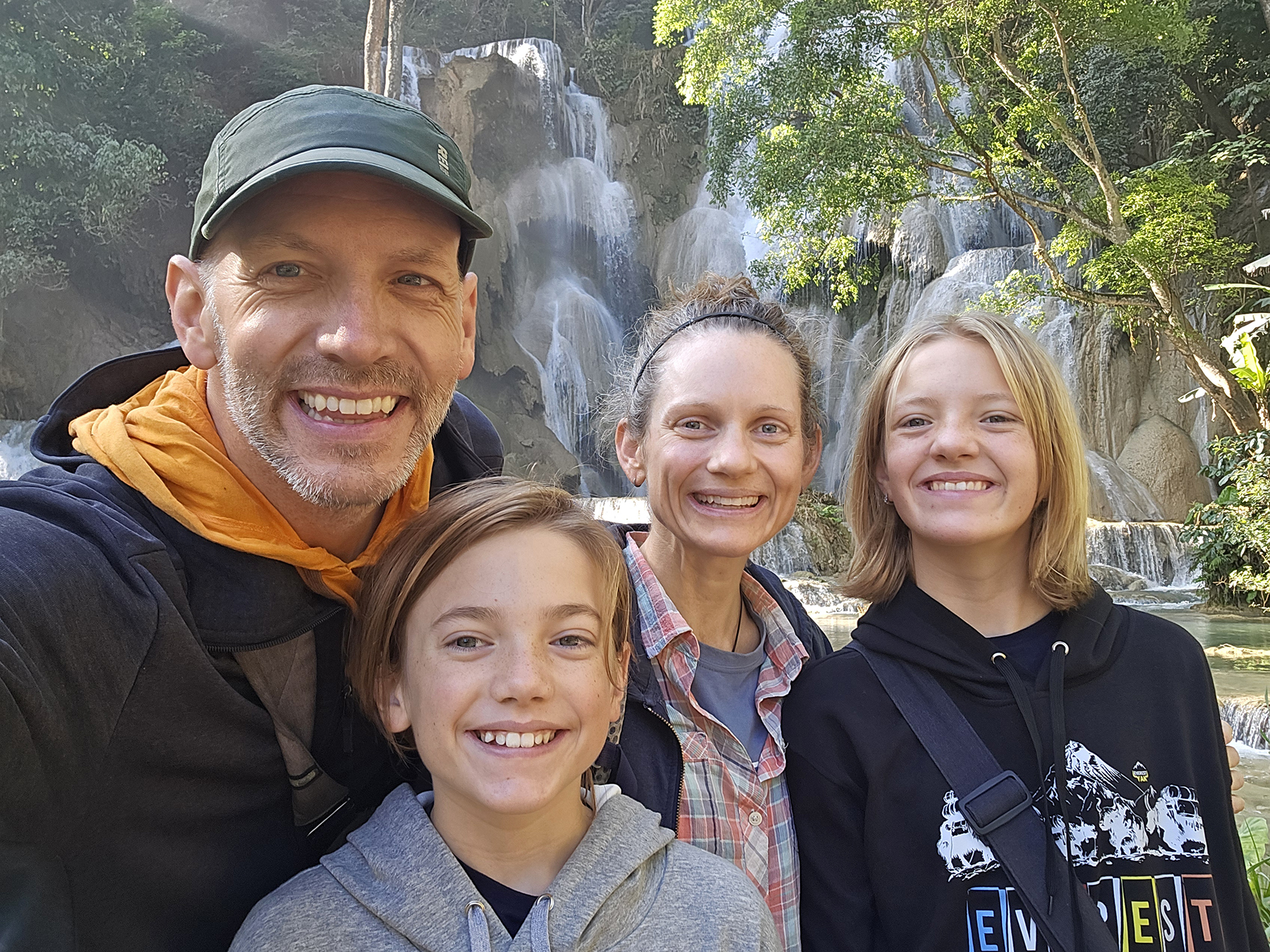
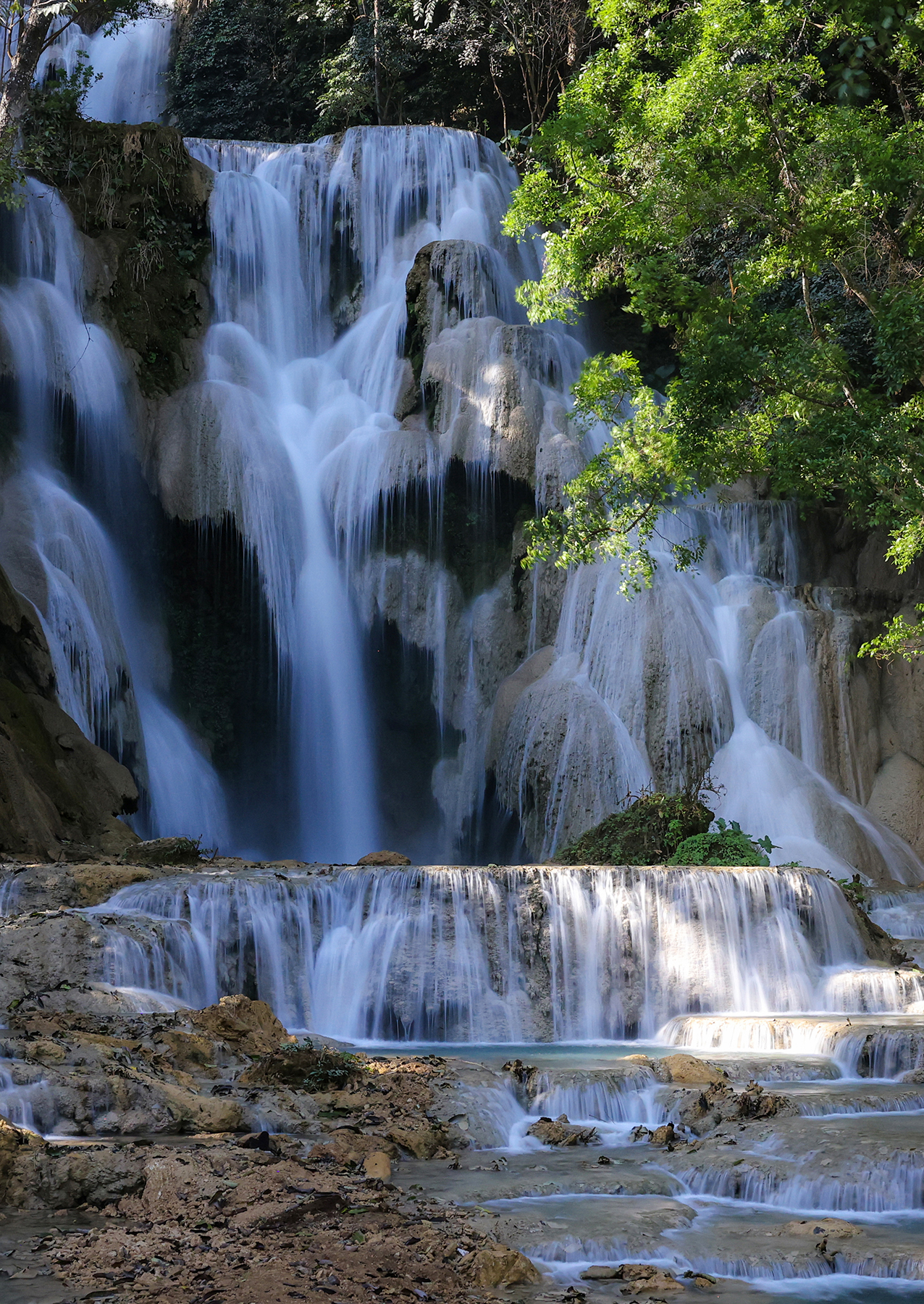
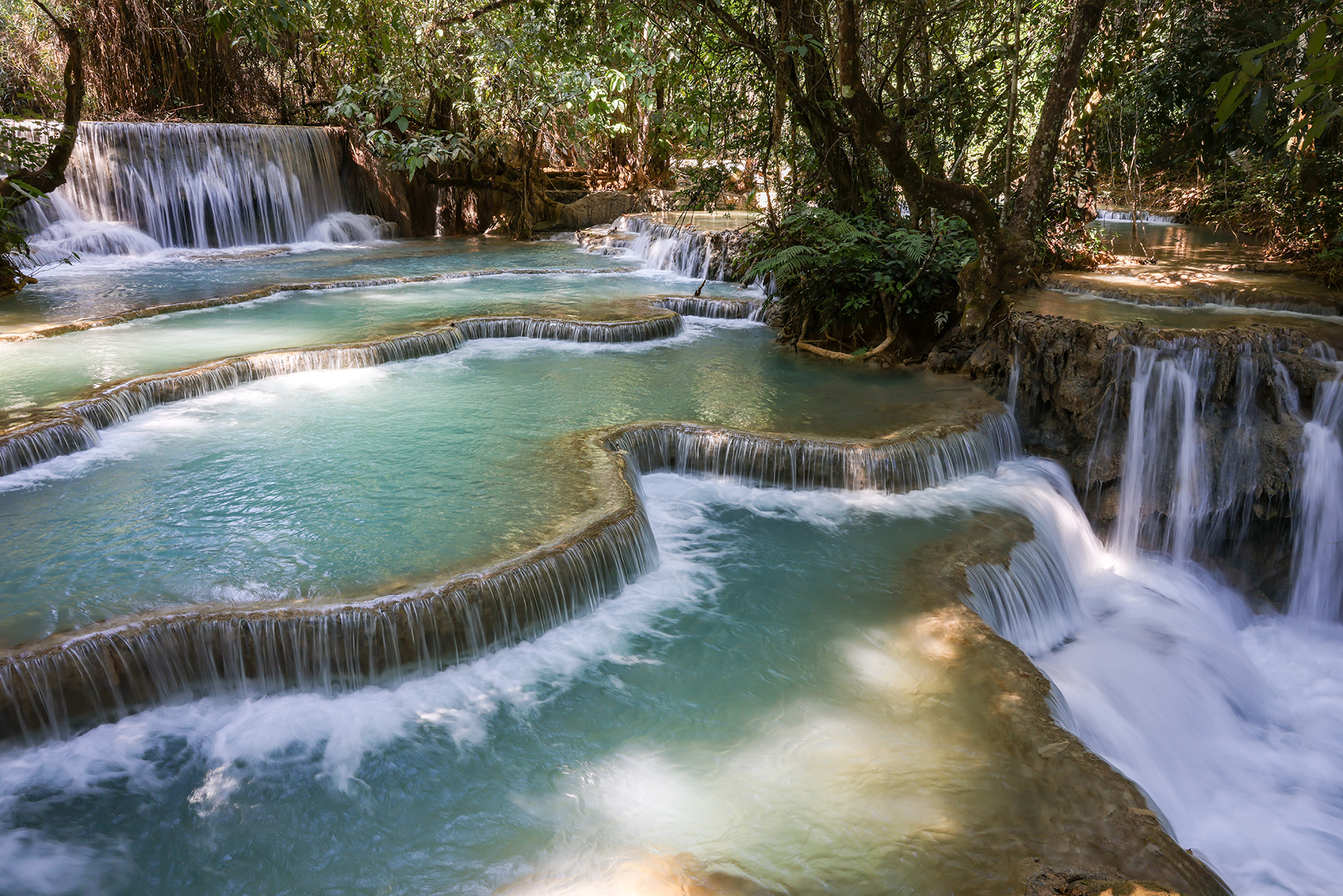
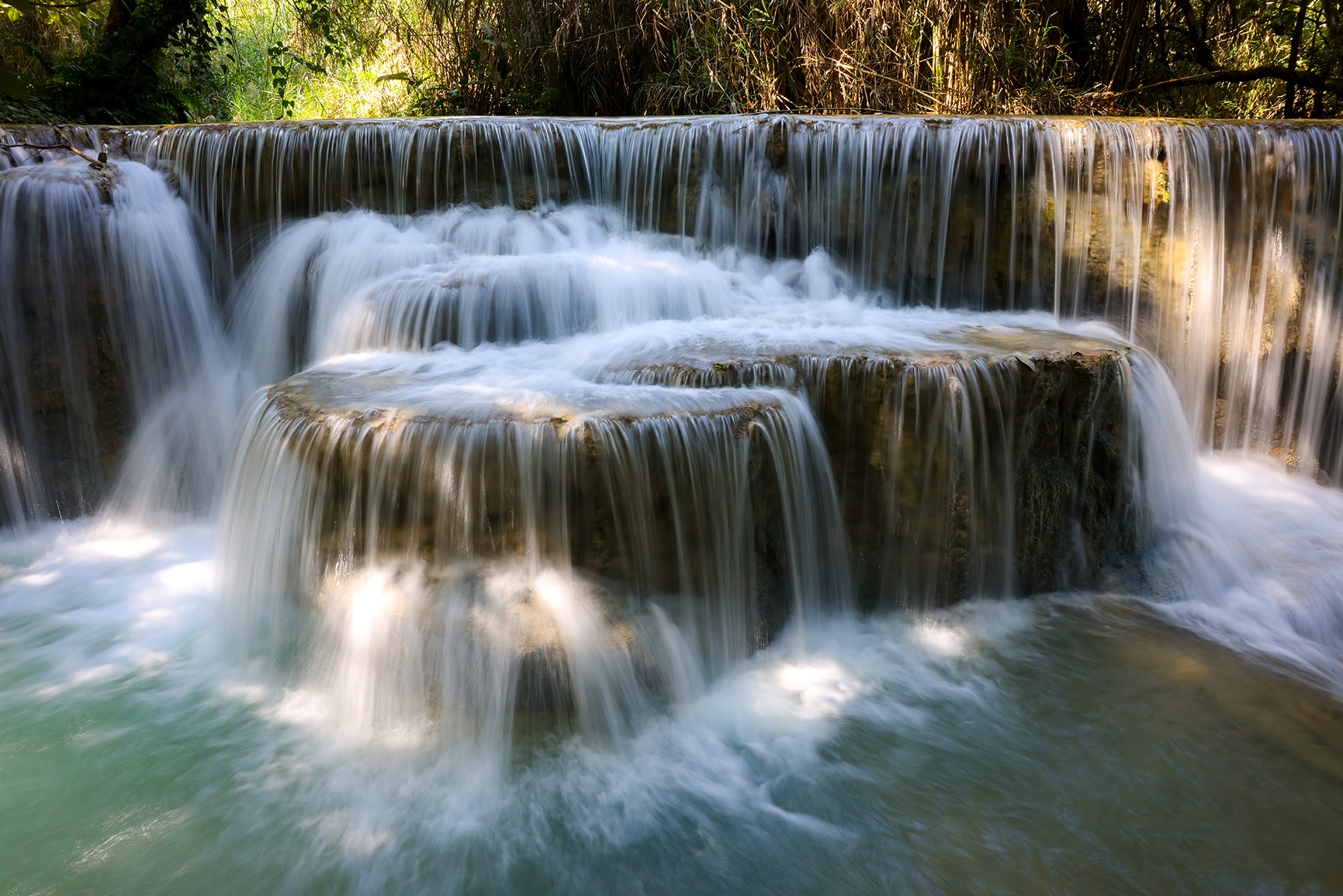
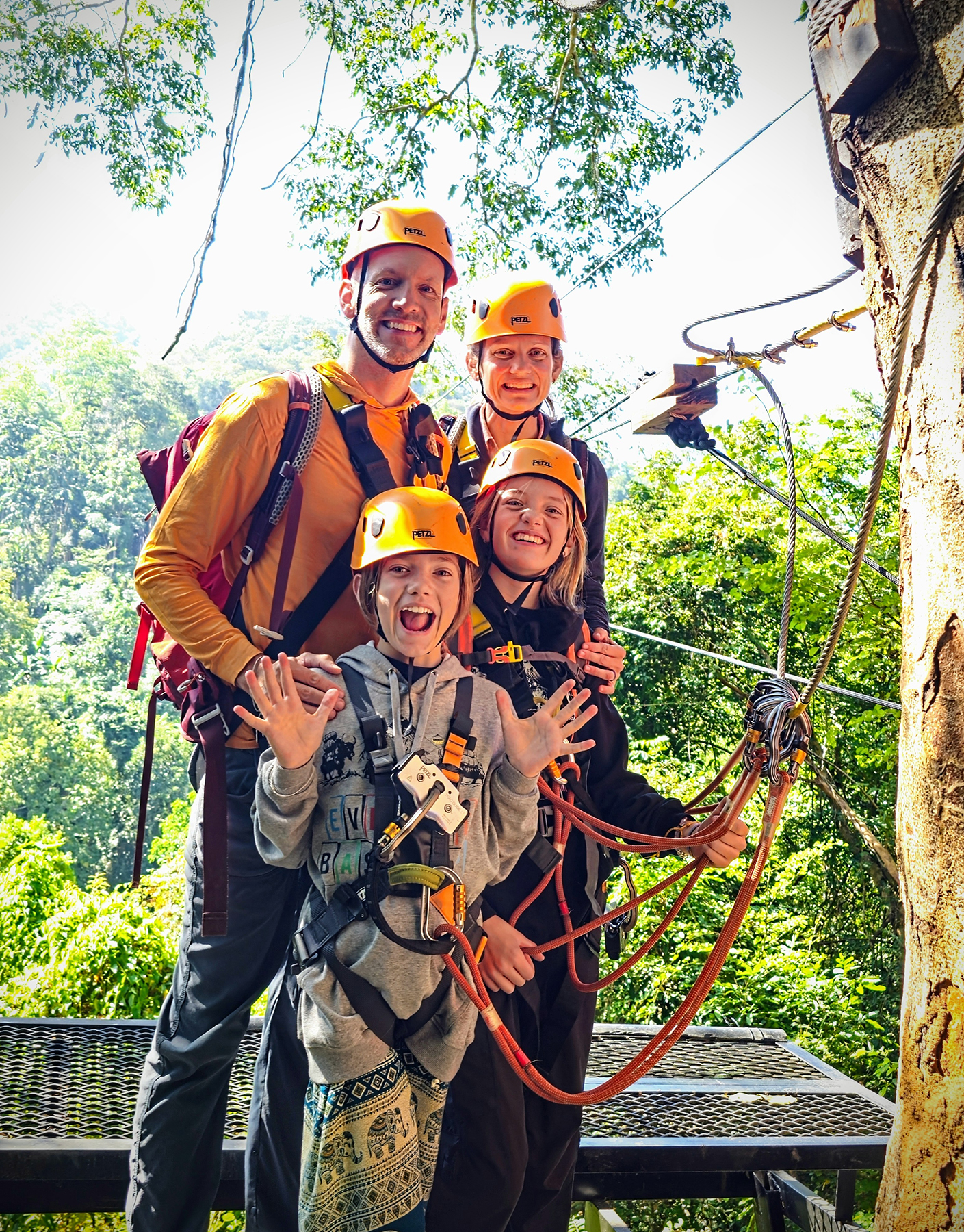
While exploring the area around the falls we happened upon a zip line. As many of you know, things like zip lining aren’t usually something we do while traveling (as outlined in Howie’s addendum, below) …but the kiddos talked us into it. We spent an hour with our guides flying from tree to tree, high above the stunning waterfalls below. We probably still won’t be partaking in every zip line we come across during our travels, but the kids were right – we had a blast, and it was a fantastic treat!

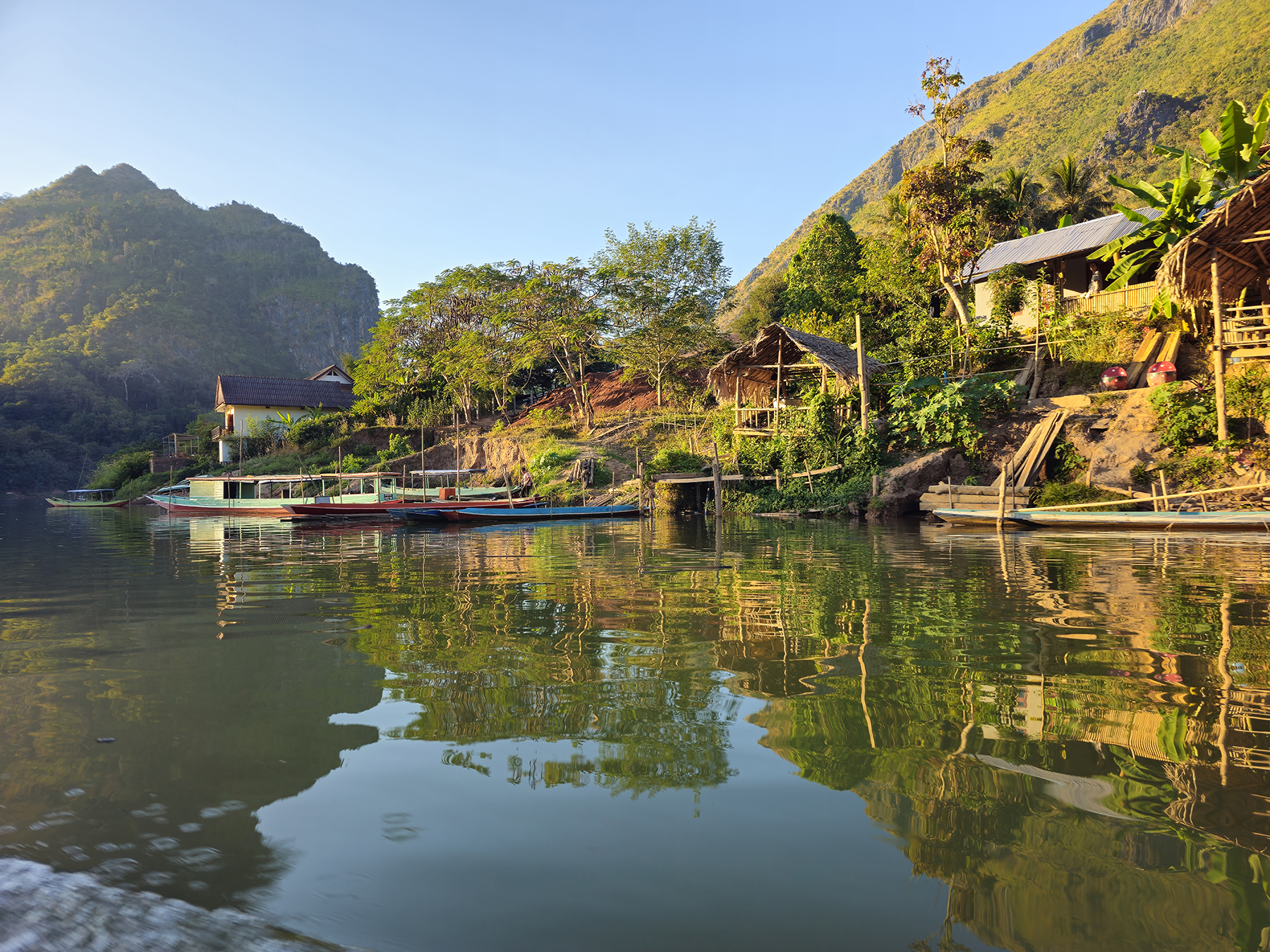
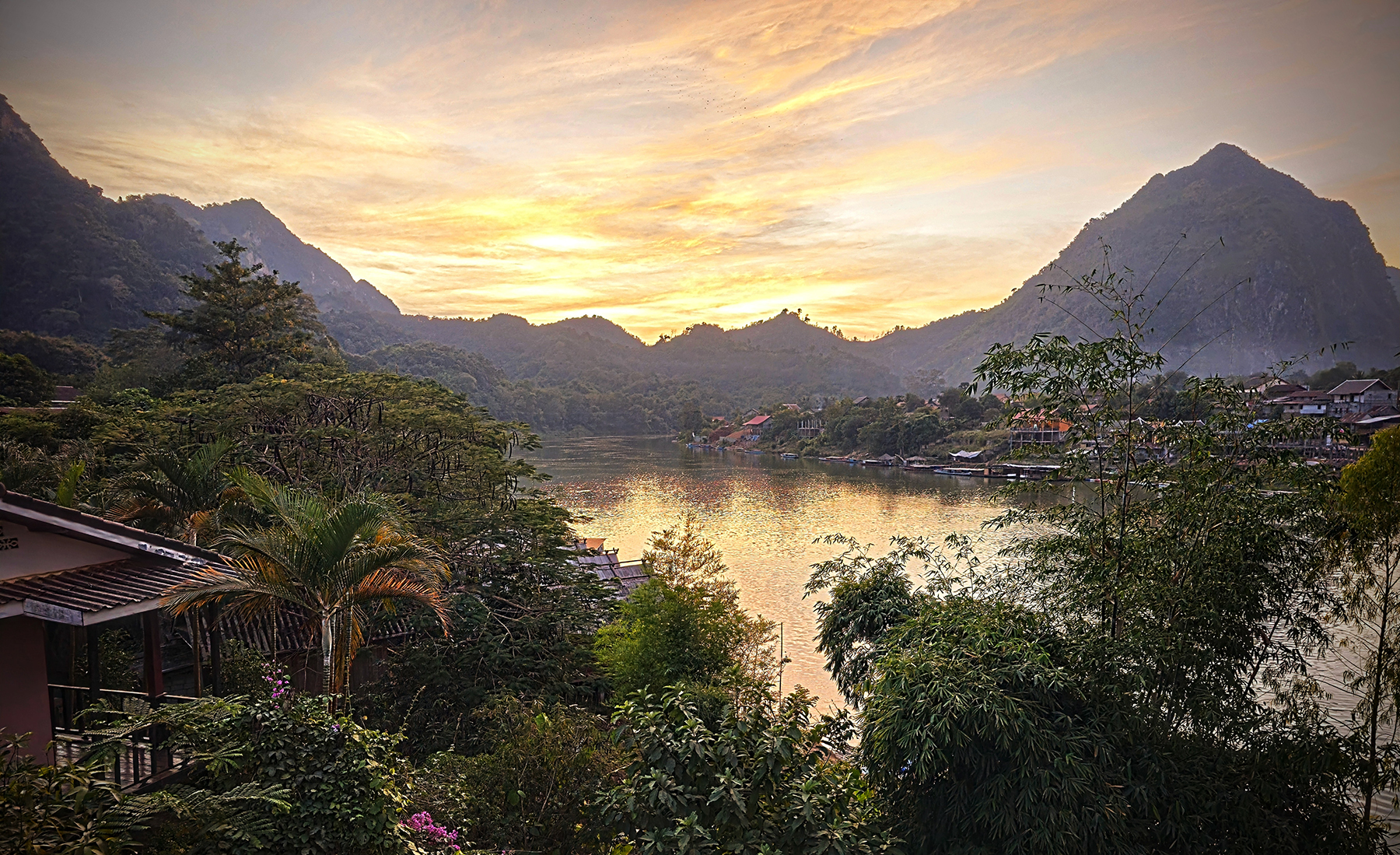
After three days wandering Luang Prabang and the surrounding countryside, we headed north by “bus” (a 12 passenger van filled with 18 passengers, luggage and backpacks tied to the roof) to the lovely remote town of Nong Khiaw. Howie’s comment as we arrived was “it feels like we’re walking through the Wild West!” Indeed, it did feel like we had arrived in a very wild and undiscovered corner of the globe.

*Here is the point where we do a small, but important history lesson before continuing with our stories from beautiful Nong Khiaw. Many American citizens are familiar with the Vietnam War and the associated complex controversy that surrounded the US involvement. But far fewer of us are aware of the “secret war” that the US CIA waged in the countryside of Laos during the same time period.
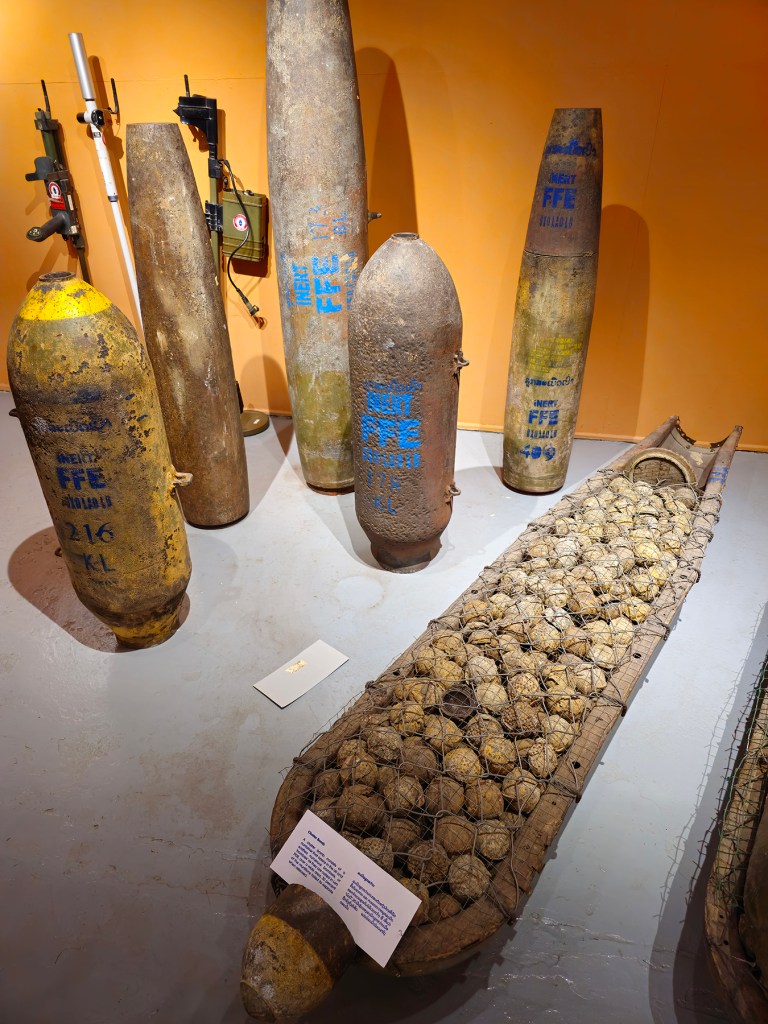
From 1964 to 1973 the United States fought a proxy war in Laos, recruited the local Hmong people as soldiers, and dropped over 4 billion bombs in the remote Laos countryside – making it the most bombed country per capita on the entire planet. The number of bombs dropped was equivalent to an entire plane load of bombs dropped every 8 minutes, 24-hours a day, for nine years. The goal of this secret bombing campaign was to disable the communist north Vietnamese supply routes. During the war over 200,000 Lao civilians and soldiers were killed, 400,000 wounded, and 750,000 Laoatians became refugees. A significant number of the bombs dropped during this period were cluster bombs, which are indiscriminate in their targets. Unfortunately, about 30% of the smaller ordnance within the large cluster bomb casings didn’t detonate on impact and remain active today, still littering the rural Loatian countryside. These small active bombs (estimated to number around 80 million) are known as UXOs (unexploded ordnance) or “bombies” by the local people, and have killed or injured an estimate of 22,000 citizens (mostly children) of Laos since the war ended. The presence of UXOs has made developing land for agriculture a nearly impossible task in many areas, resulting in poverty and limited options for many citizens of Laos.
Unfortunately, the beautiful, mountainous area around Nong Khiaw was heavily bombed and has a significant number of active UXOs to this day. We visited a UXO museum while in Luang Prabang, and had extensive discussions with our kids about the importance of staying on trail while hiking and not picking up/stepping on/disrupting any objects they may find along the trail (the smaller UXOs are the size of tennis balls and often mistaken by children as toys).
Ok, back to Nong Khiaw…
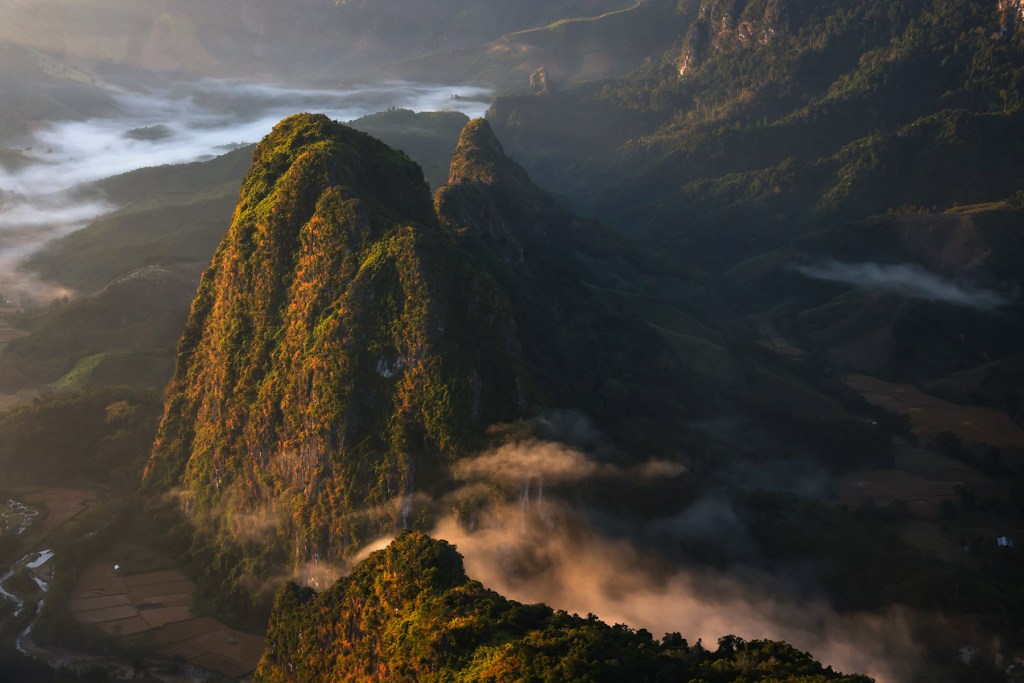
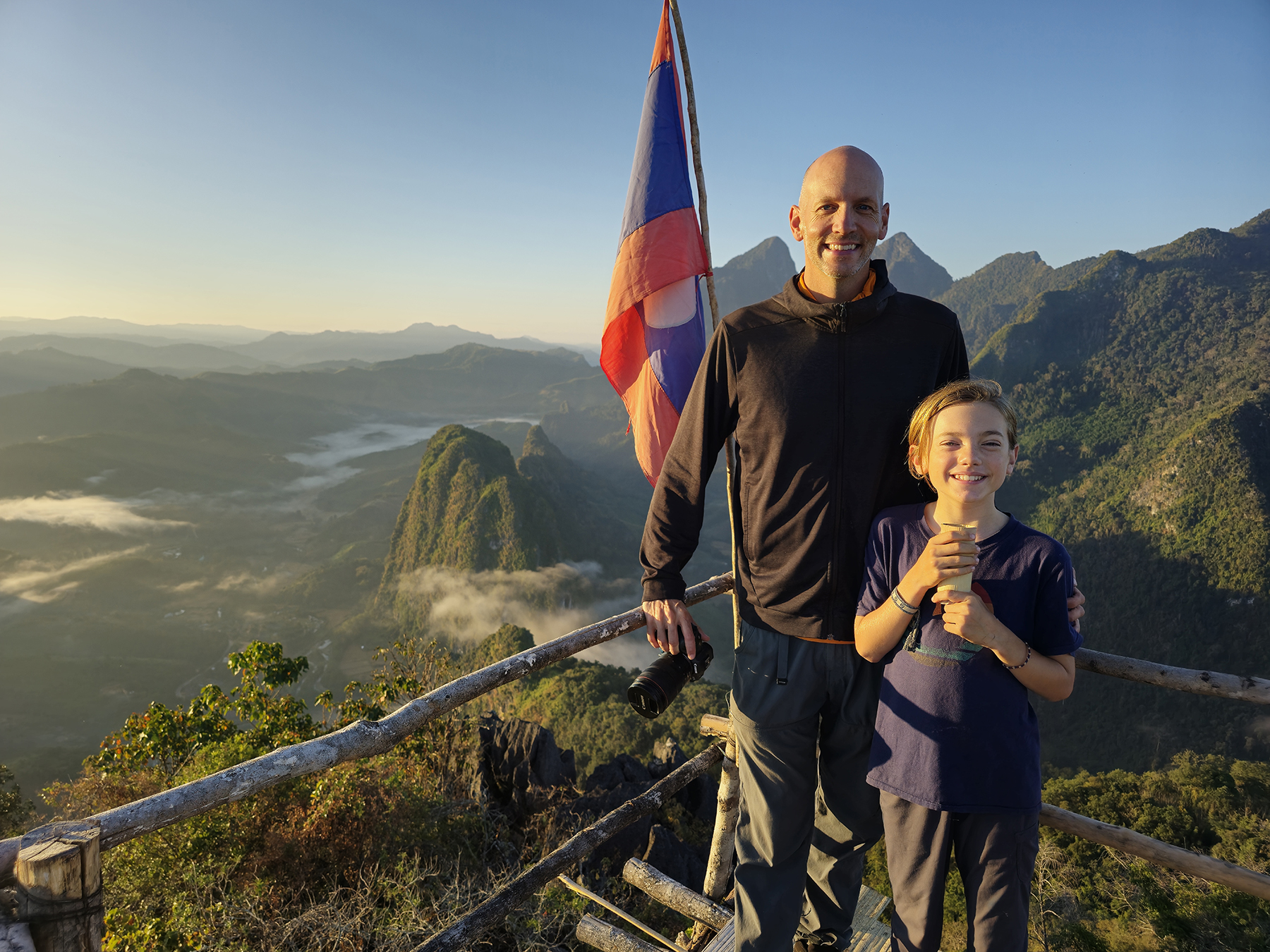
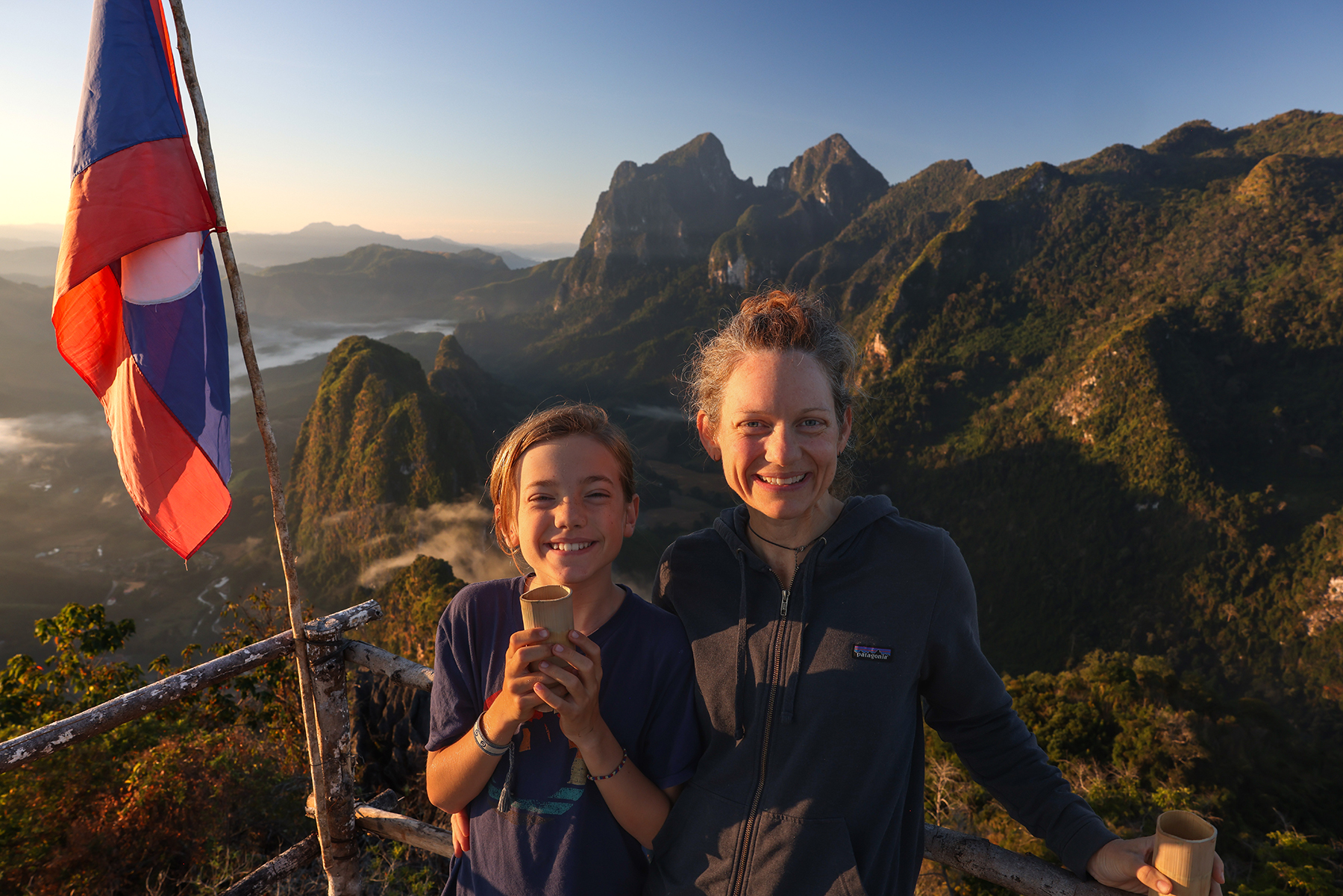
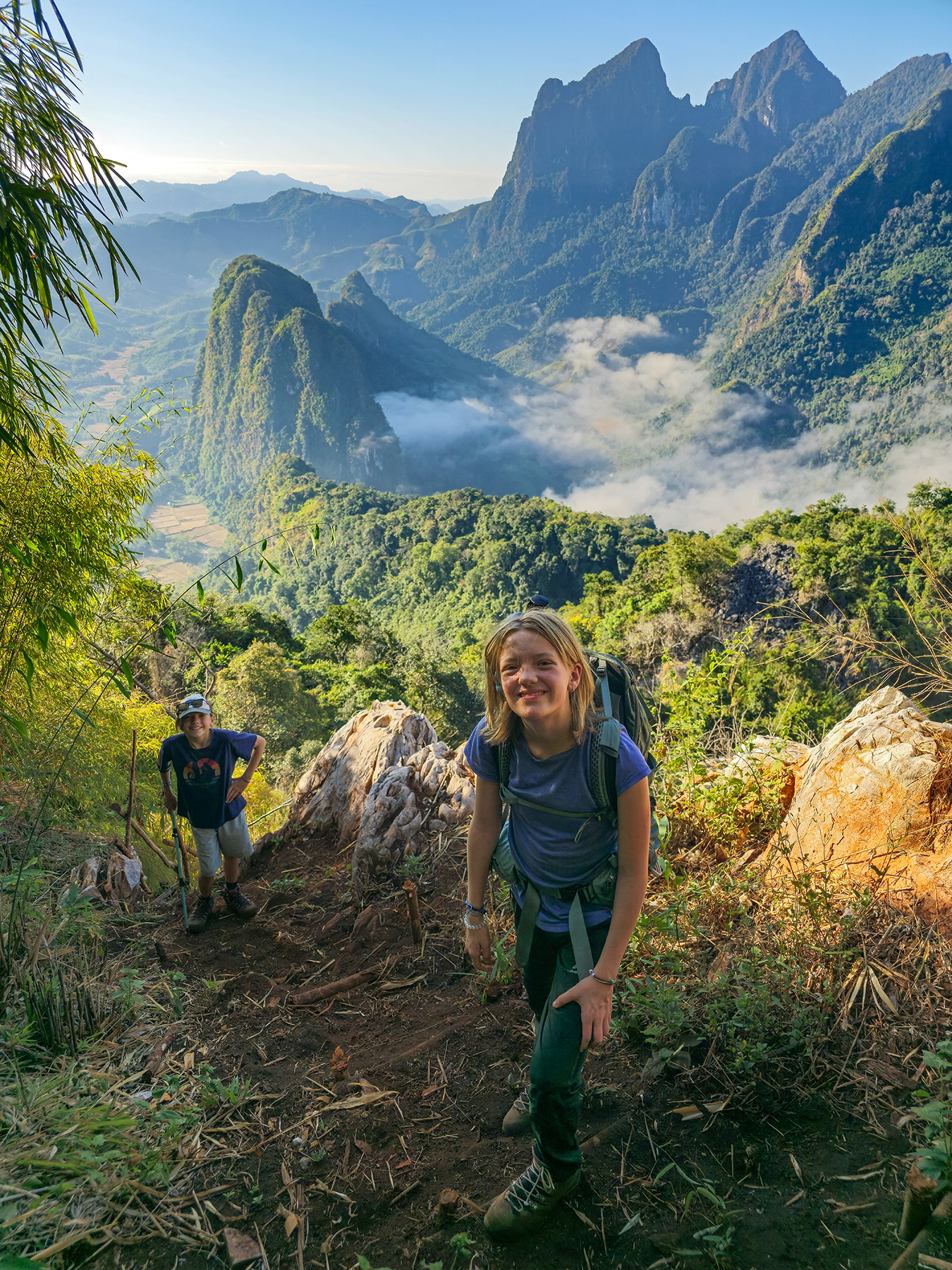
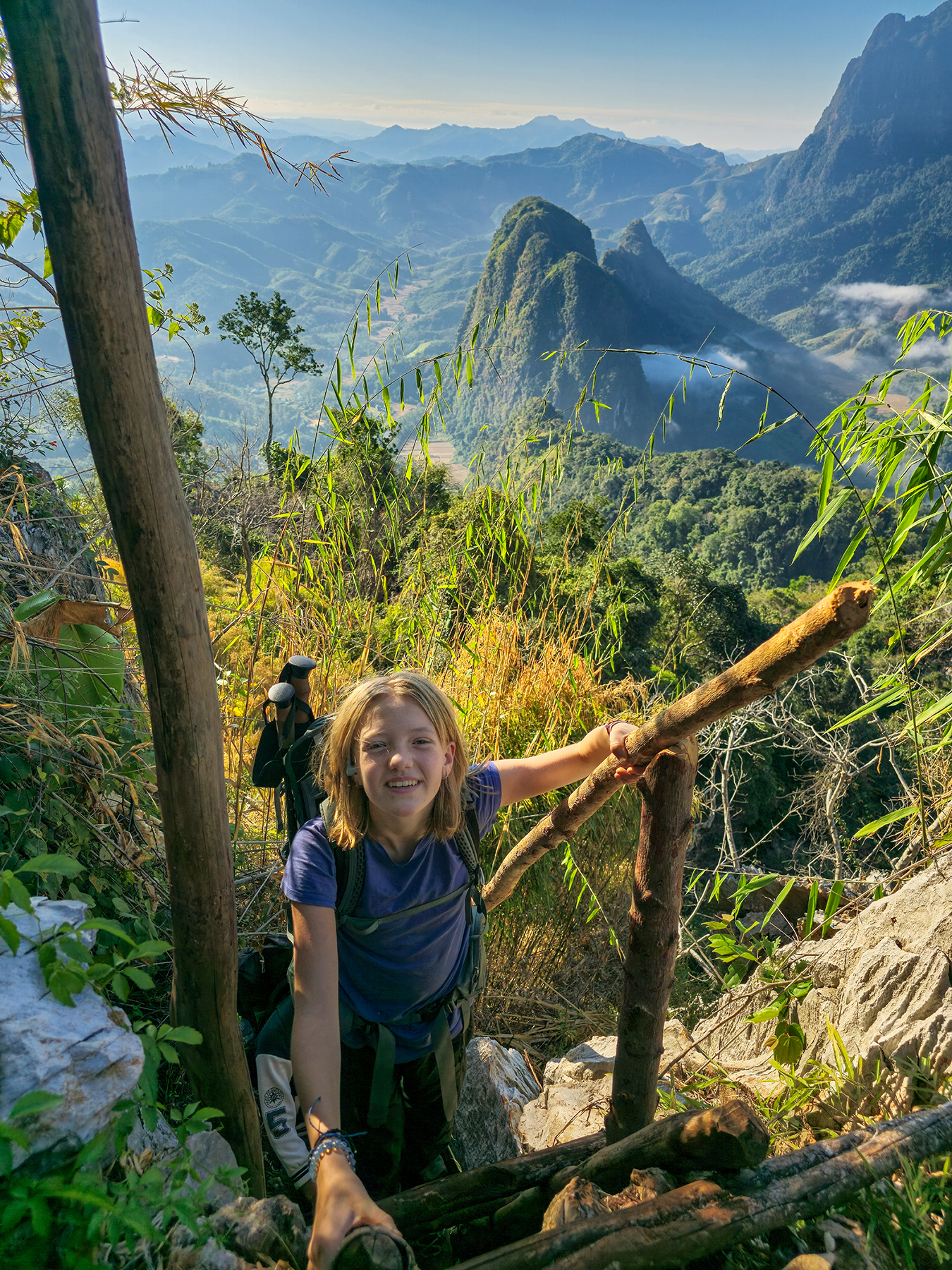
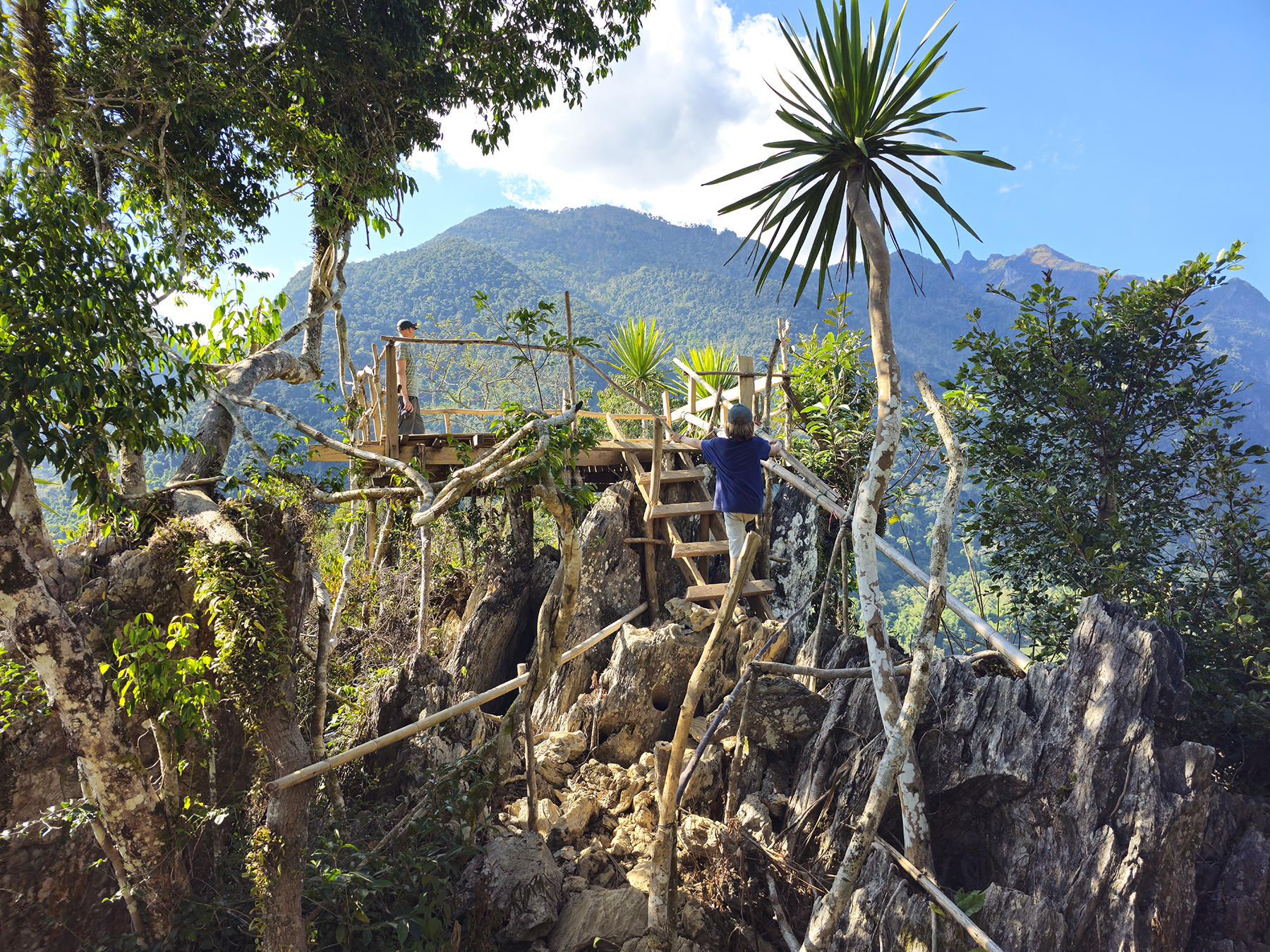
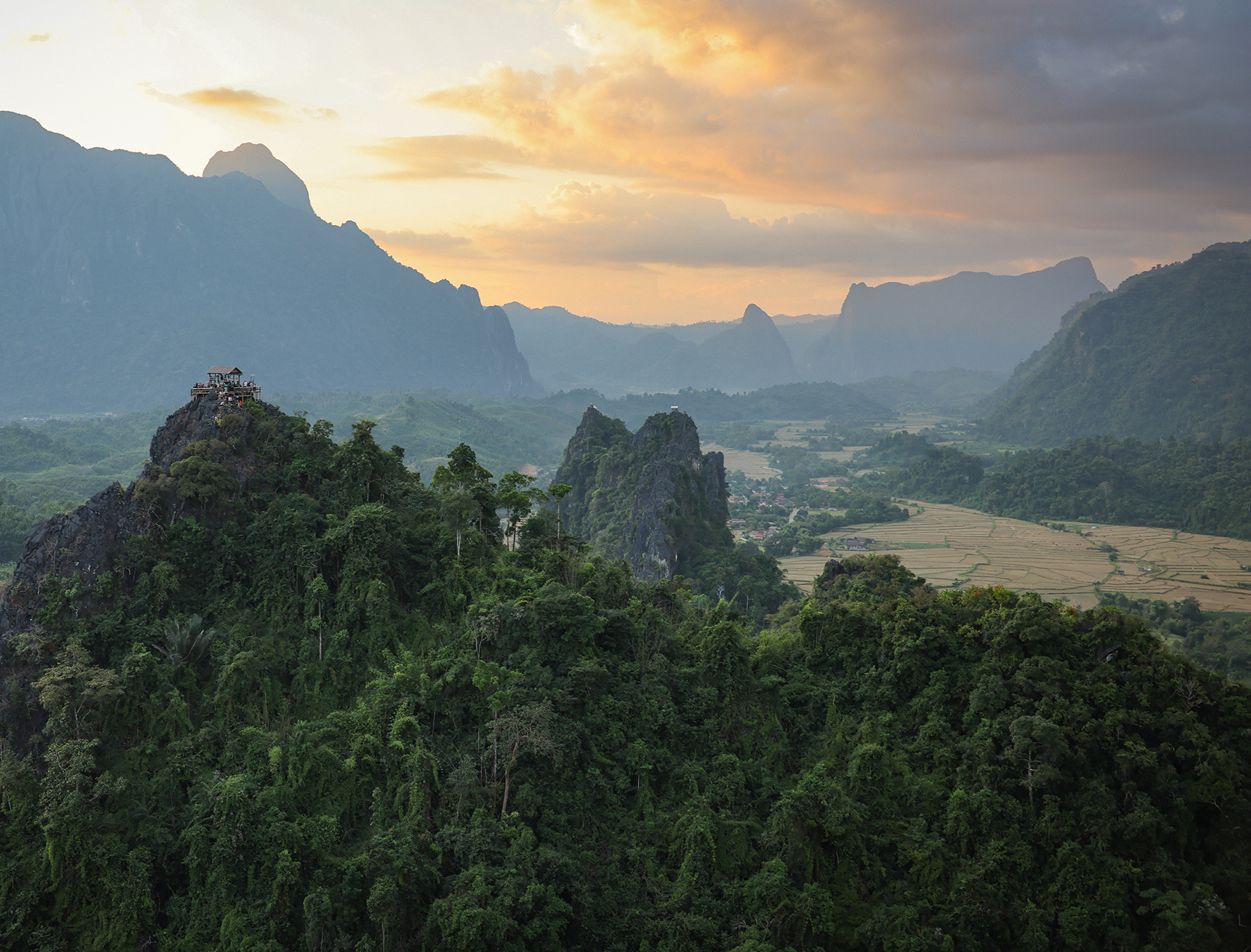
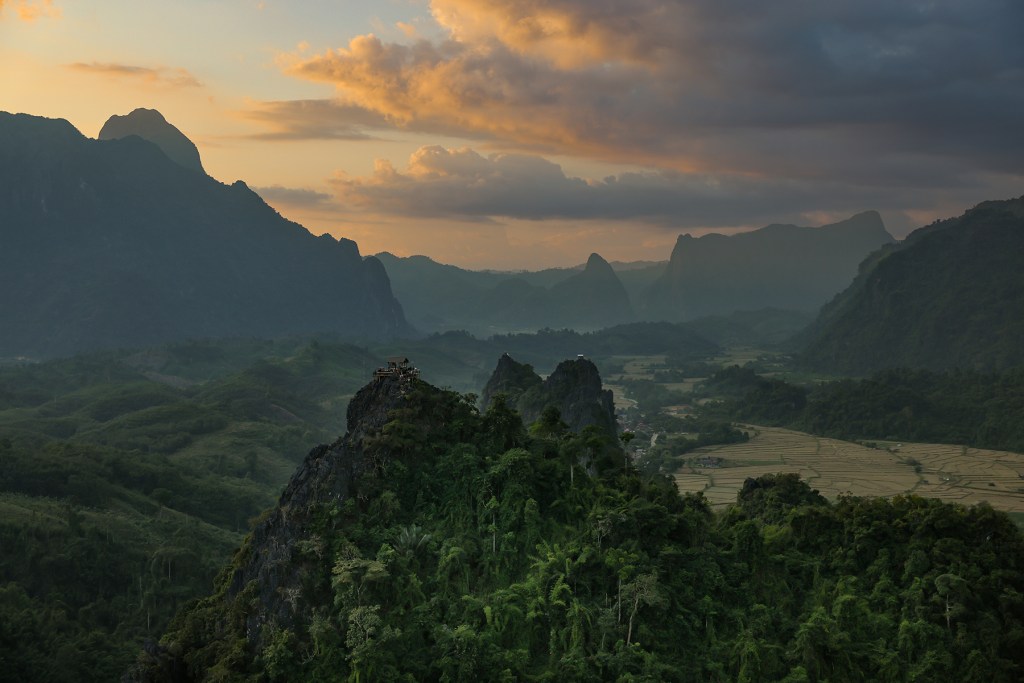
We were delighted to discover there were multiple viewpoints on the summits of the steep karst peaks which surround Nong Khiaw. Knowing the history of the region, presence of UXOs, and challenging trail finding, we found a company in town and hired a local “trekking guide” to accompany us to one of these summits – where we planned to watch the sunset and camp overnight.
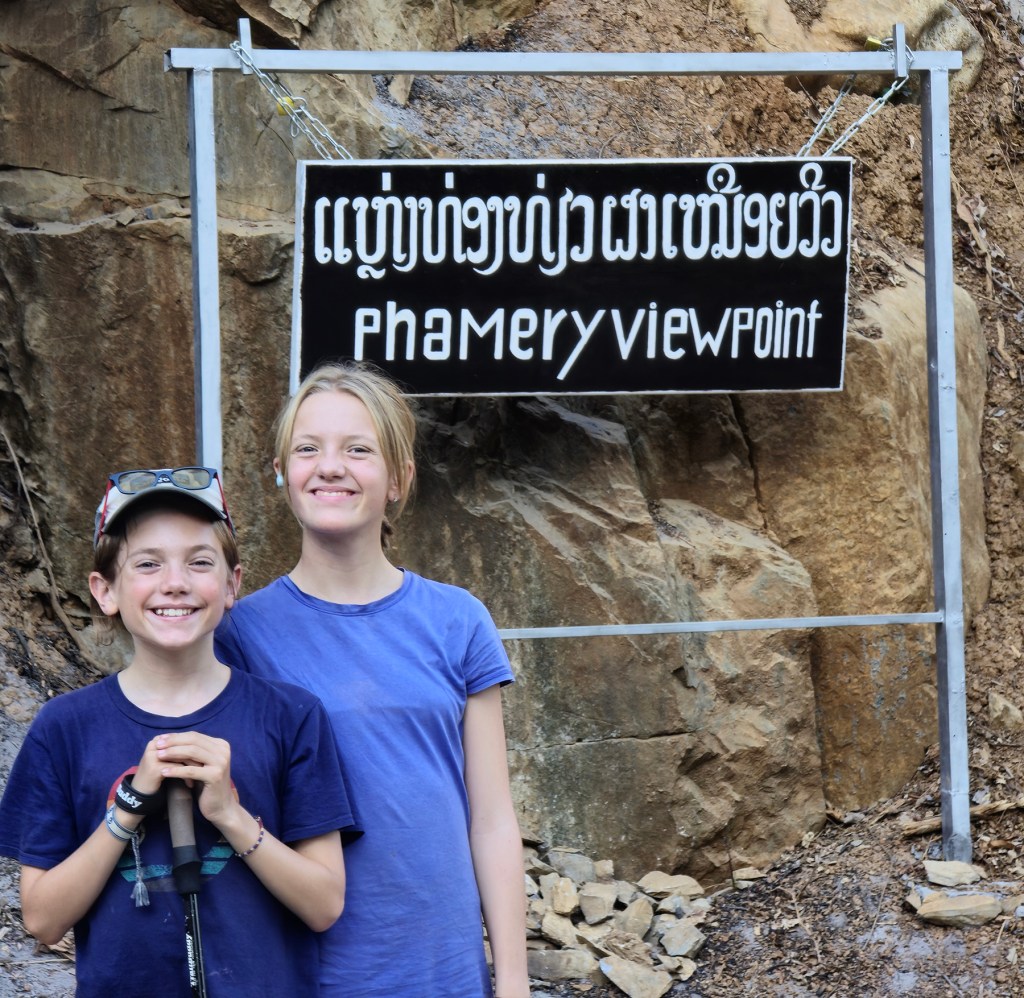
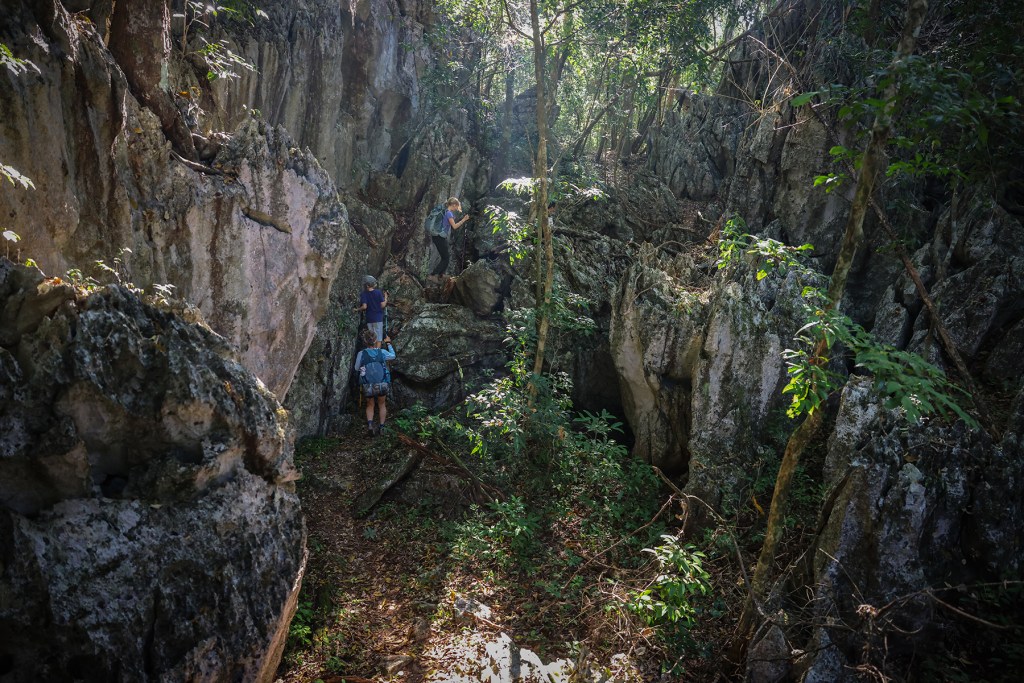
We arrived at the trailhead and discovered the trail itself was completely new, only cut through the jungle and opened for hiking within the last month. We had been using an excellent GPS/trail app during our travels, and this was the first time in 7 months a trail wasn’t noted on our app. Not surprisingly, after about 90 minutes of hiking we started to seriously question the route, and it became apparent that our flip-flop wearing guide had never hiked the trail before. The path became more and more difficult to follow as we climbed over branches and boulders along the route. We pulled out our phones in an attempt to use Google Translate and discuss our concerns with our guide, only to realize we had no reception. Our guide noticed our concern (we weren’t subtle with our apprehension) and simply said: “sorry, you stay” as he disappeared into the woods to try to find a way back to the correct route.
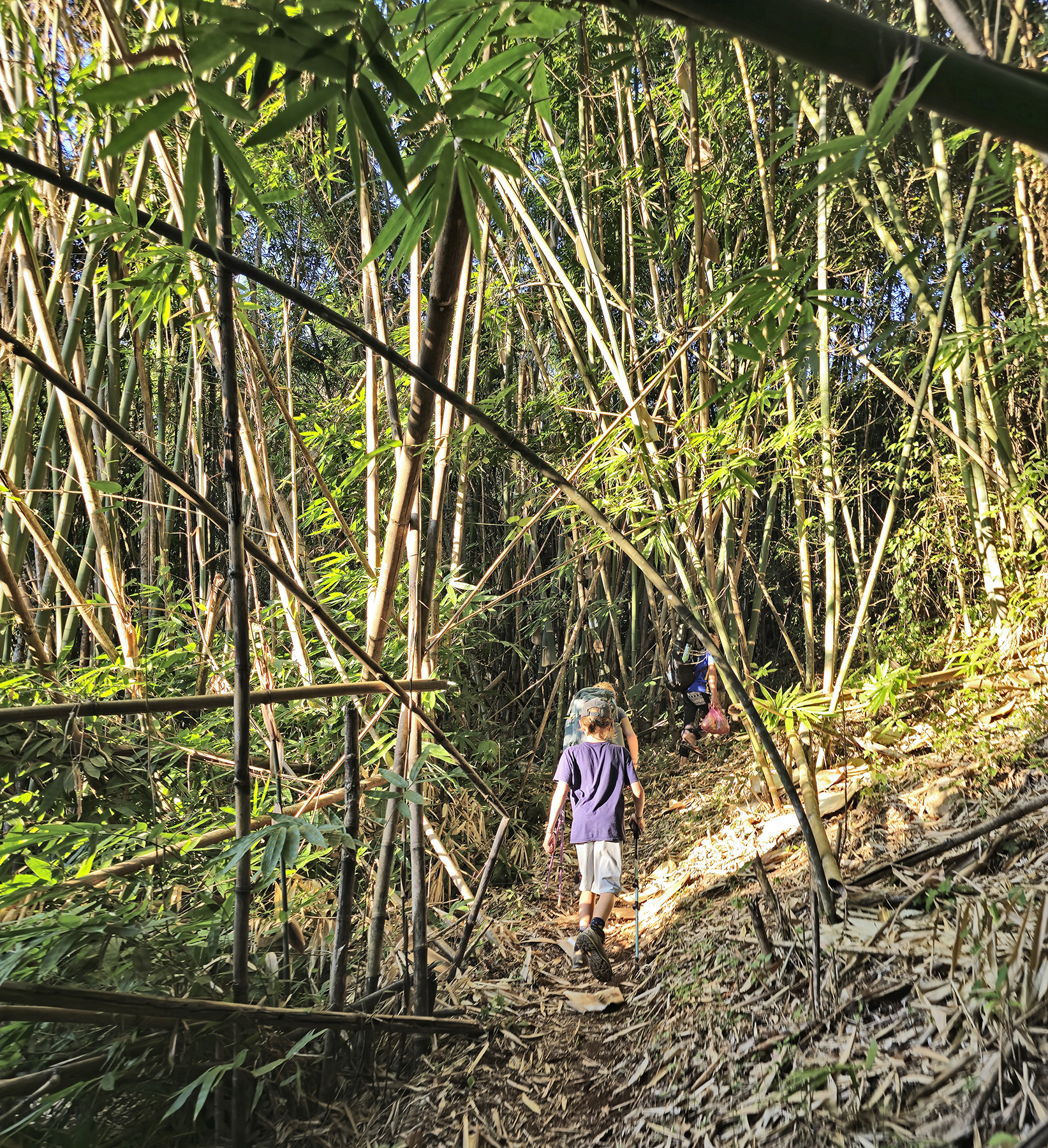
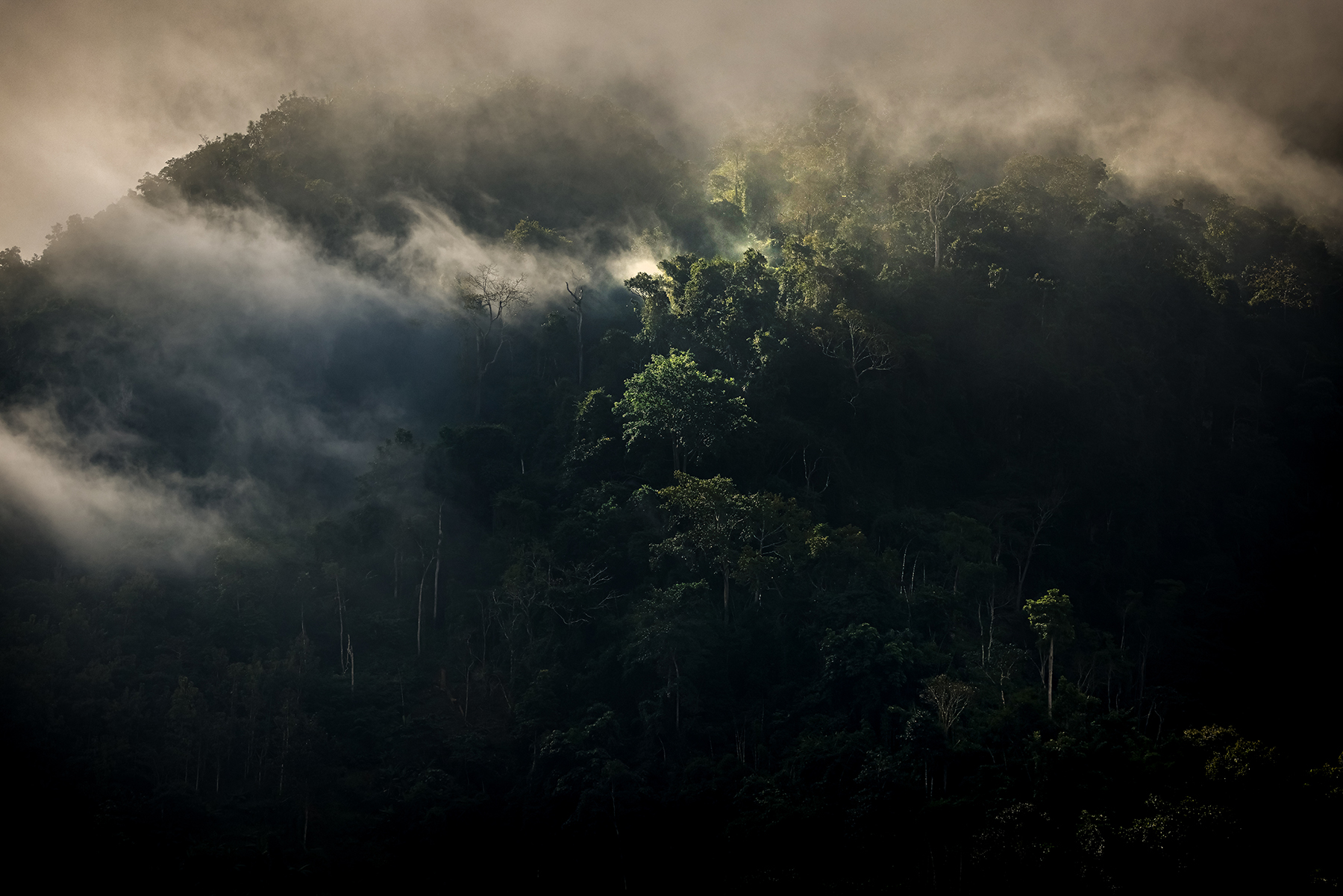

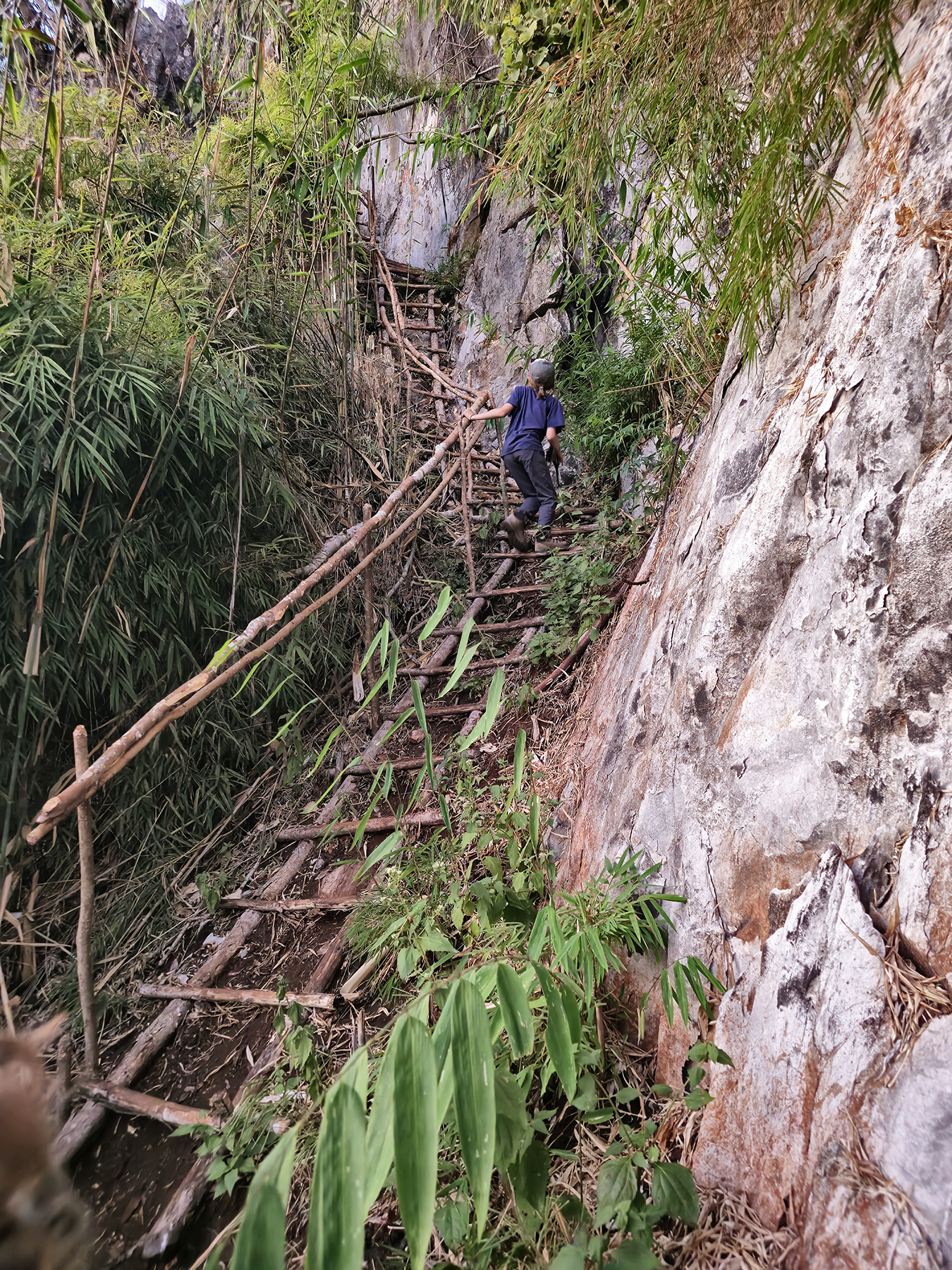


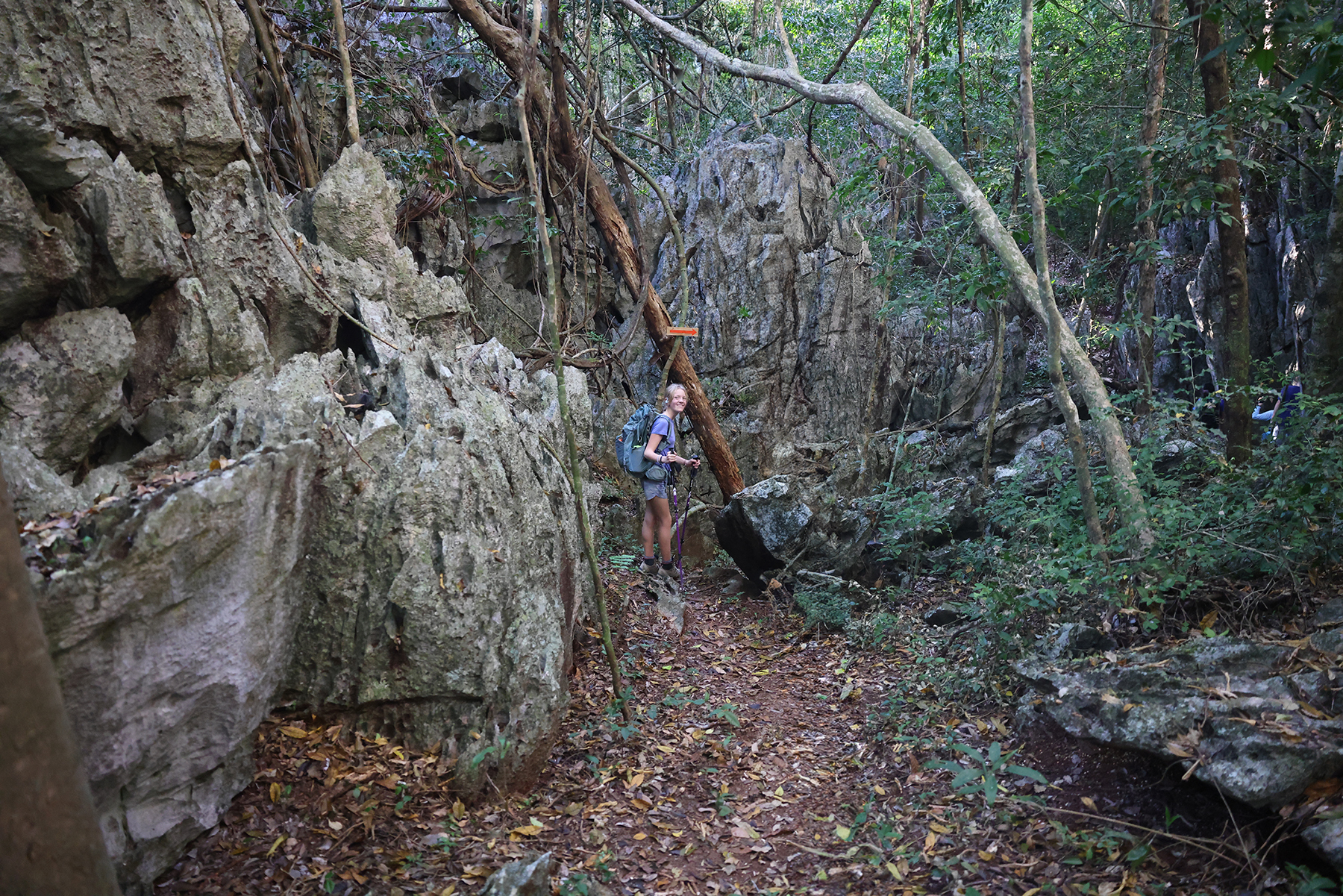
The next hour of our hike will probably live on in Silleck lore for years to come. To briefly summarize: we were rerouted at least 4 times, the terrain became even more challenging, and every small rock we passed while wandering off-trail began to look in our minds exactly like UXOs. After a lengthy backtrack, our “guide” did finally locate the route to the top, about 20 minutes after sunset. We were a bit upset about missing sunset, but actually just elated not to be lost on the mountain anymore.

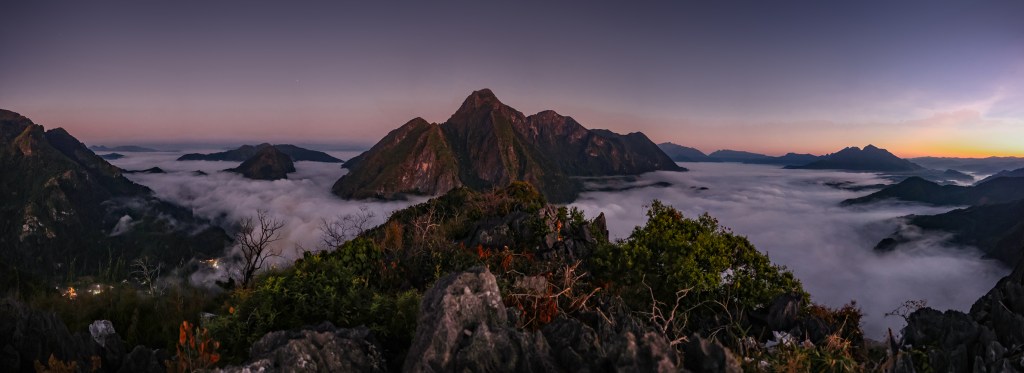
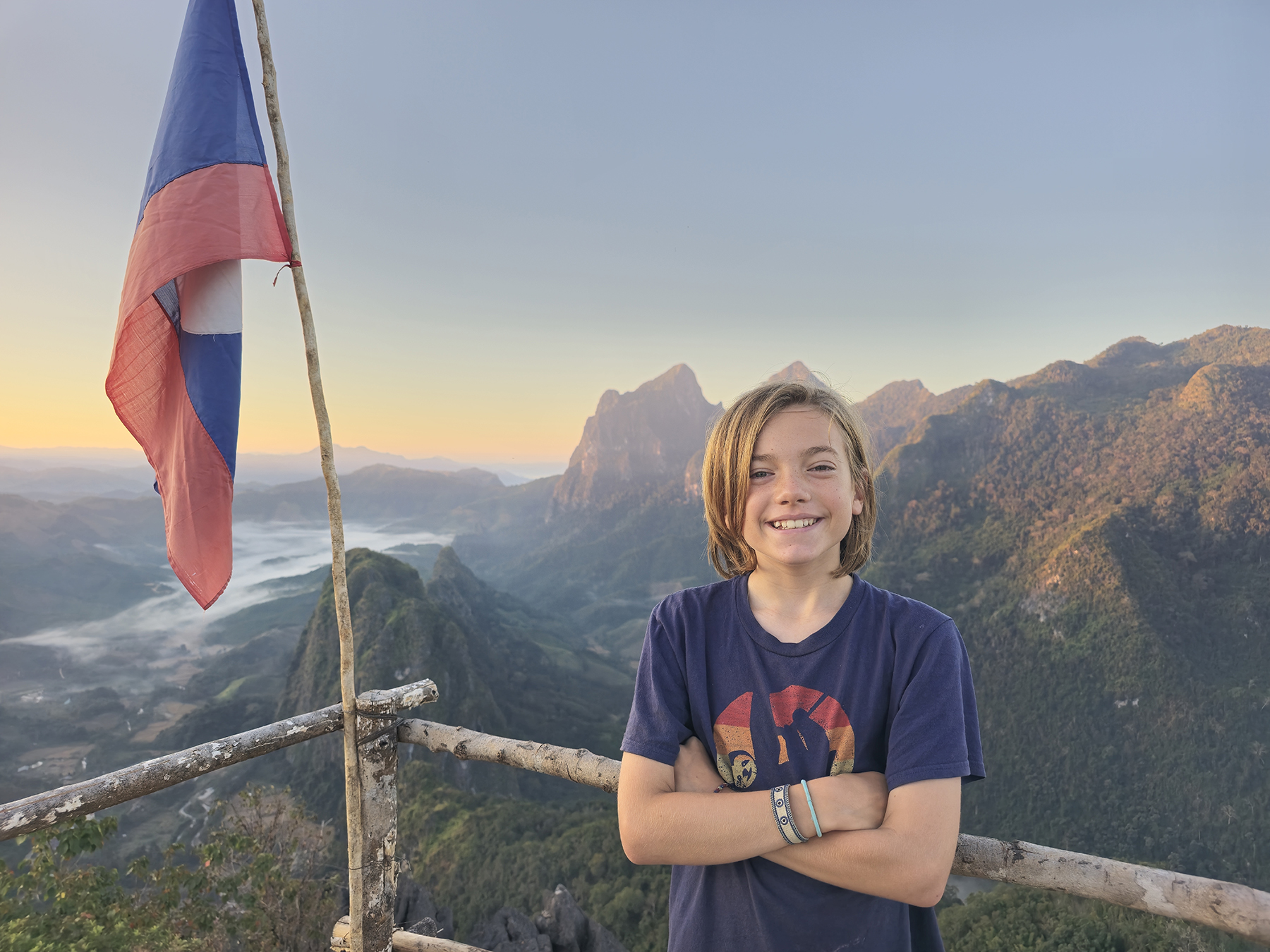
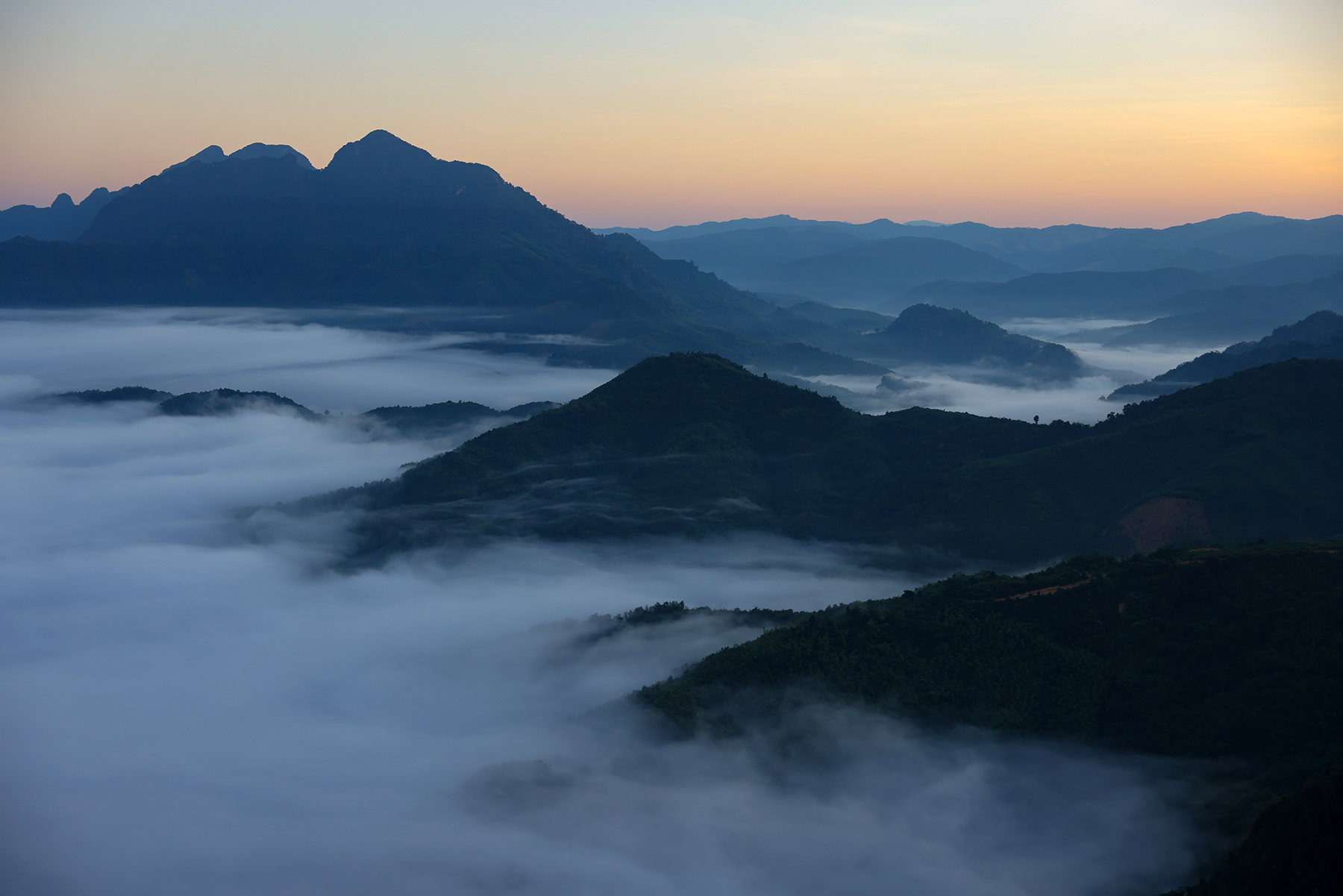
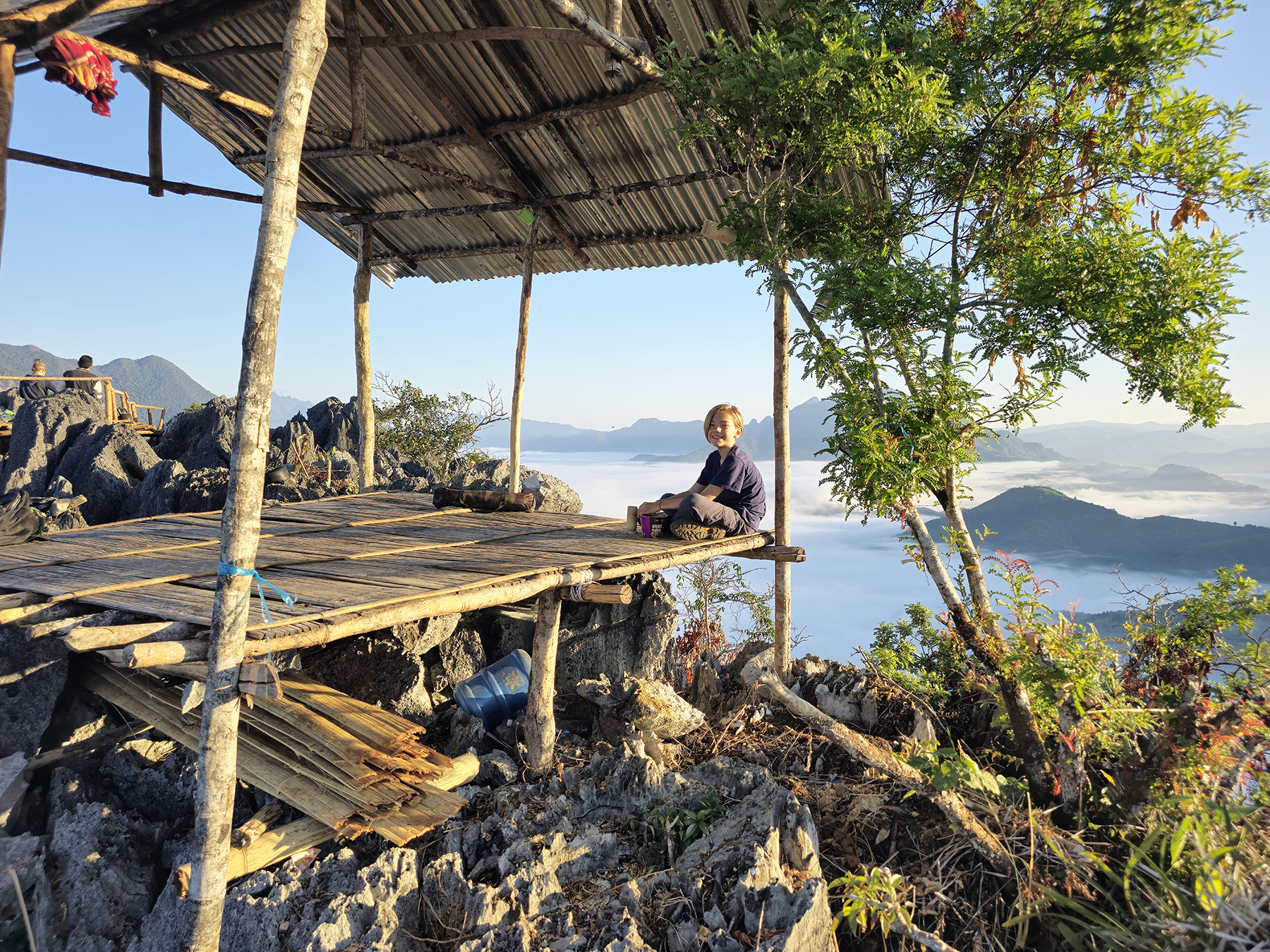
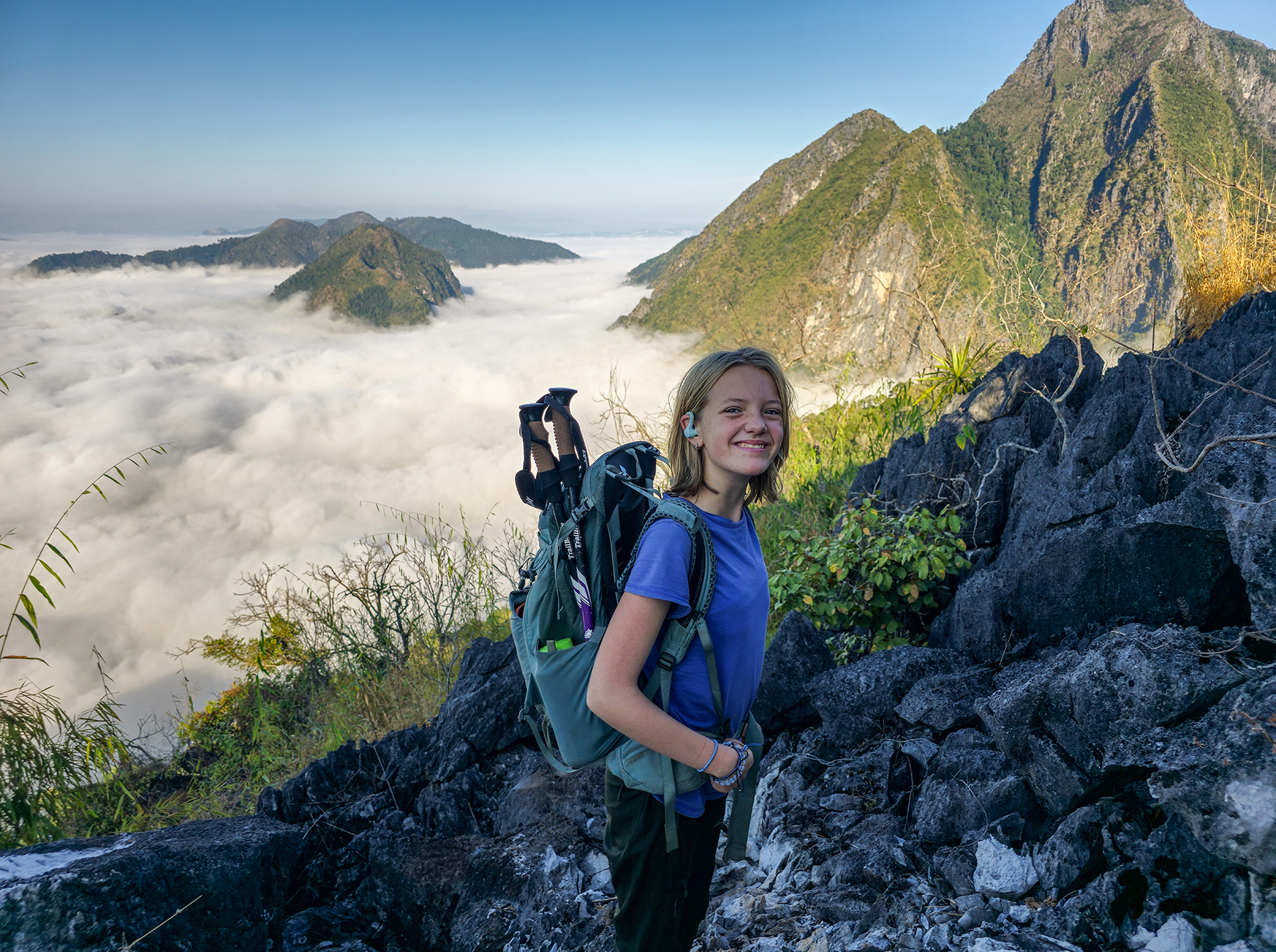
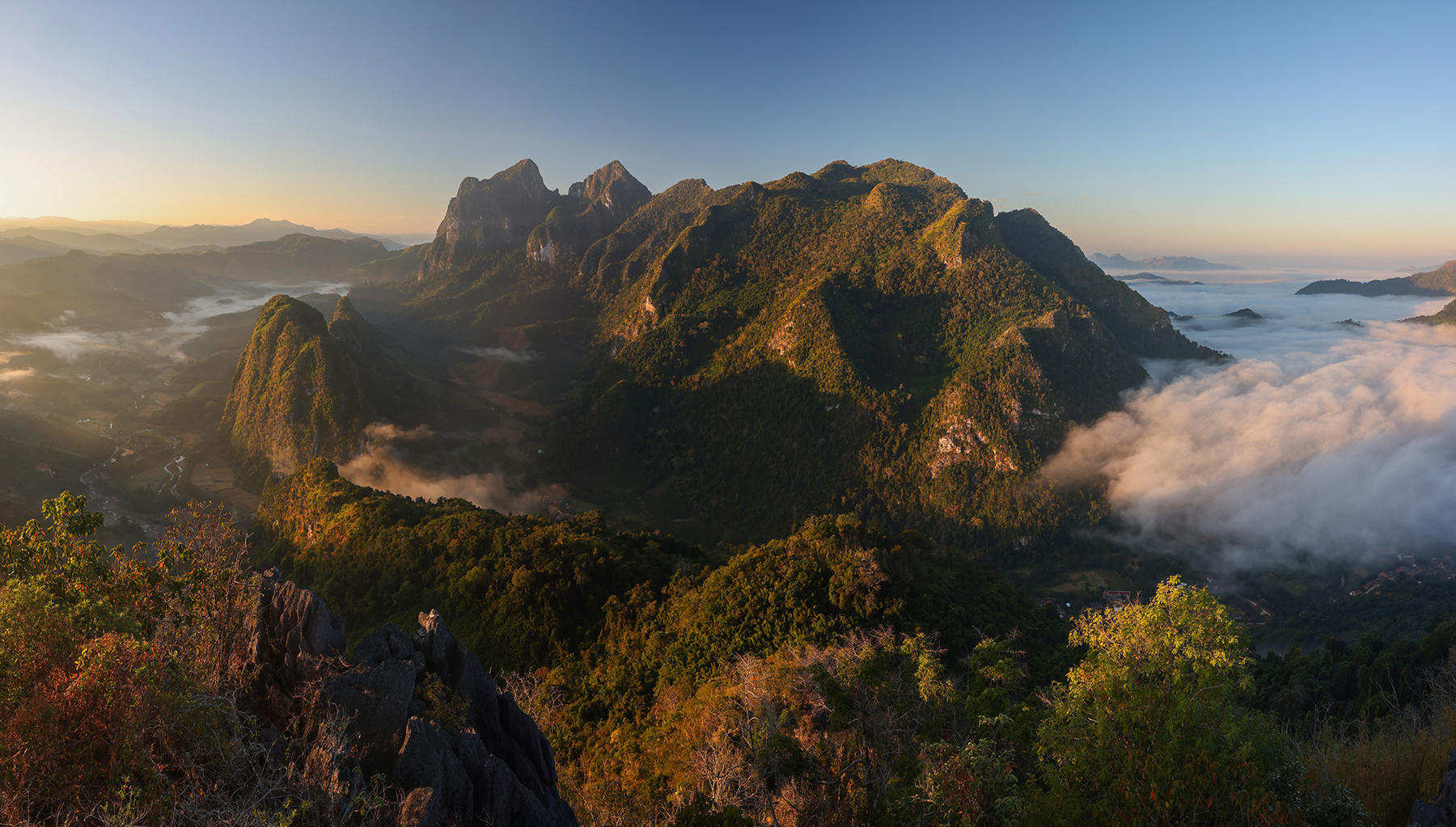
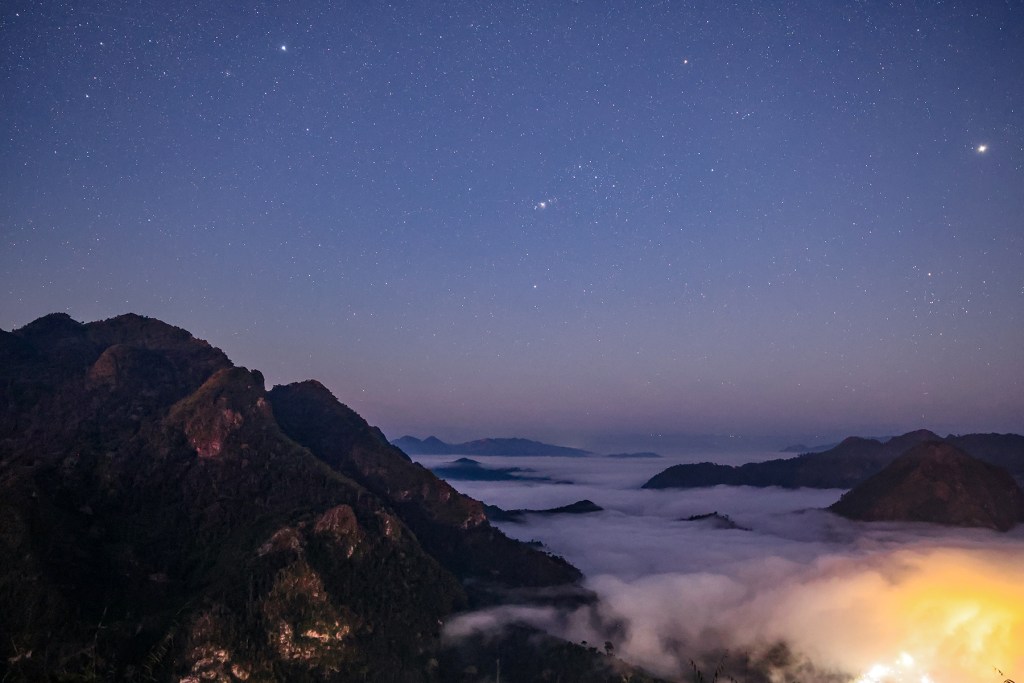
We spent the night on the summit – not surprisingly, we had it all to ourselves. The fact that we were so remote meant the stars above were some of the most amazing we’ve ever seen. In fact, despite the sheer terror of trying to reach the top, this will probably be remembered as one of the most amazingly spectacular nights of our travels. The hike out the next morning was down through steep and difficult terrain, but at least we now knew the route (though we did have to redirect our guide as he headed off in the wrong direction once again).





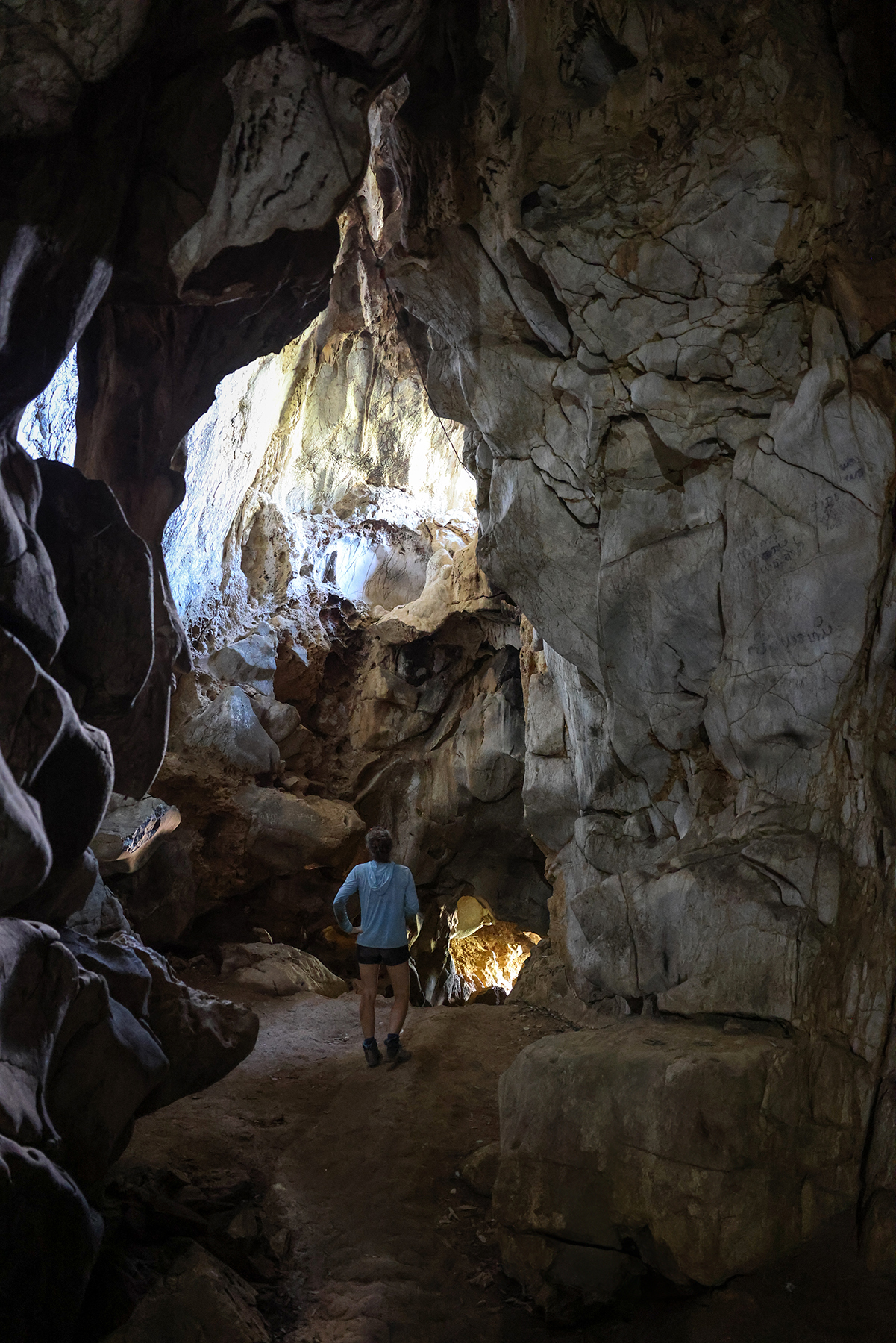
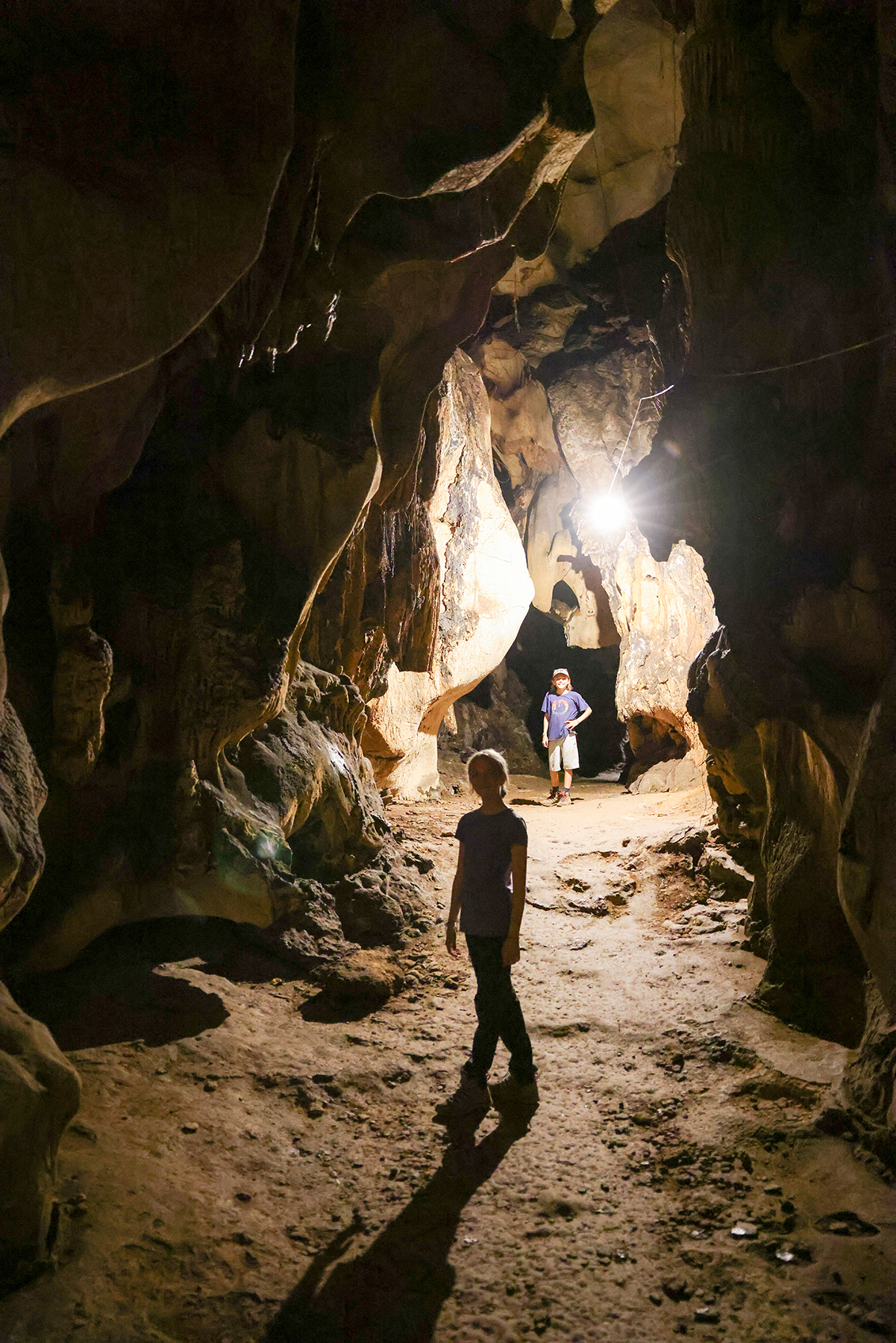
While in Nong Khiaw we also took a local longtail boat up the Nam Ou River to the tiny village of Muang Ngoy. From this beautiful village, we were able to hike to Phanoi Cave and explore inside, where local families lived for 6 years (1967-1972) while their village was being continuously bombed. It was heartbreaking to wander through the cave, seeing where the families cooked, ate, and slept during these years.
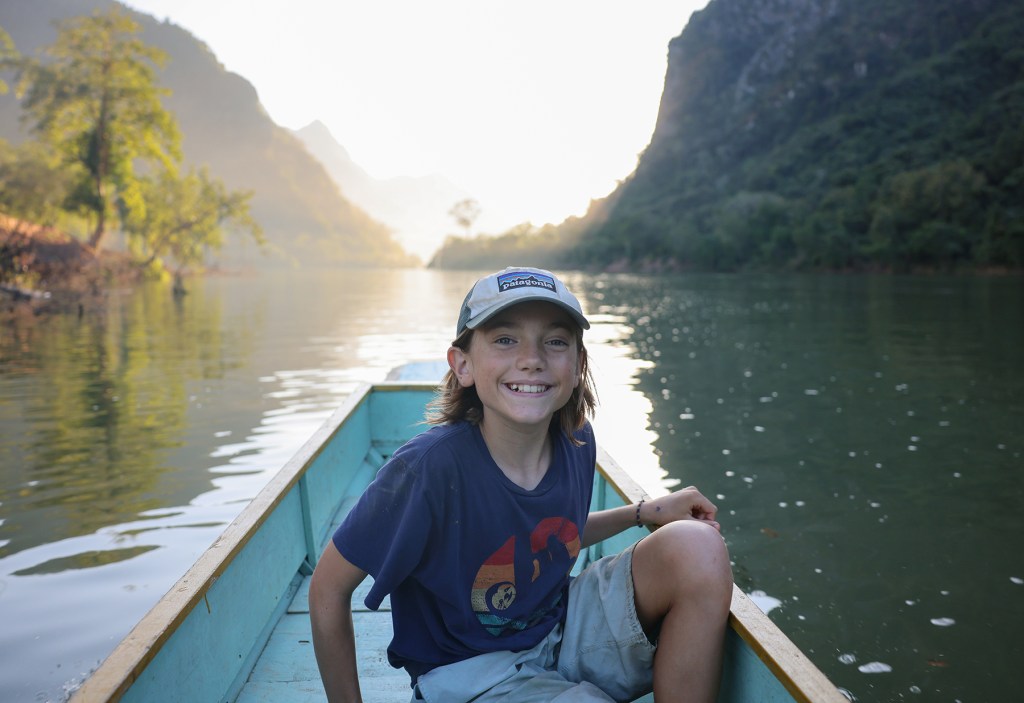
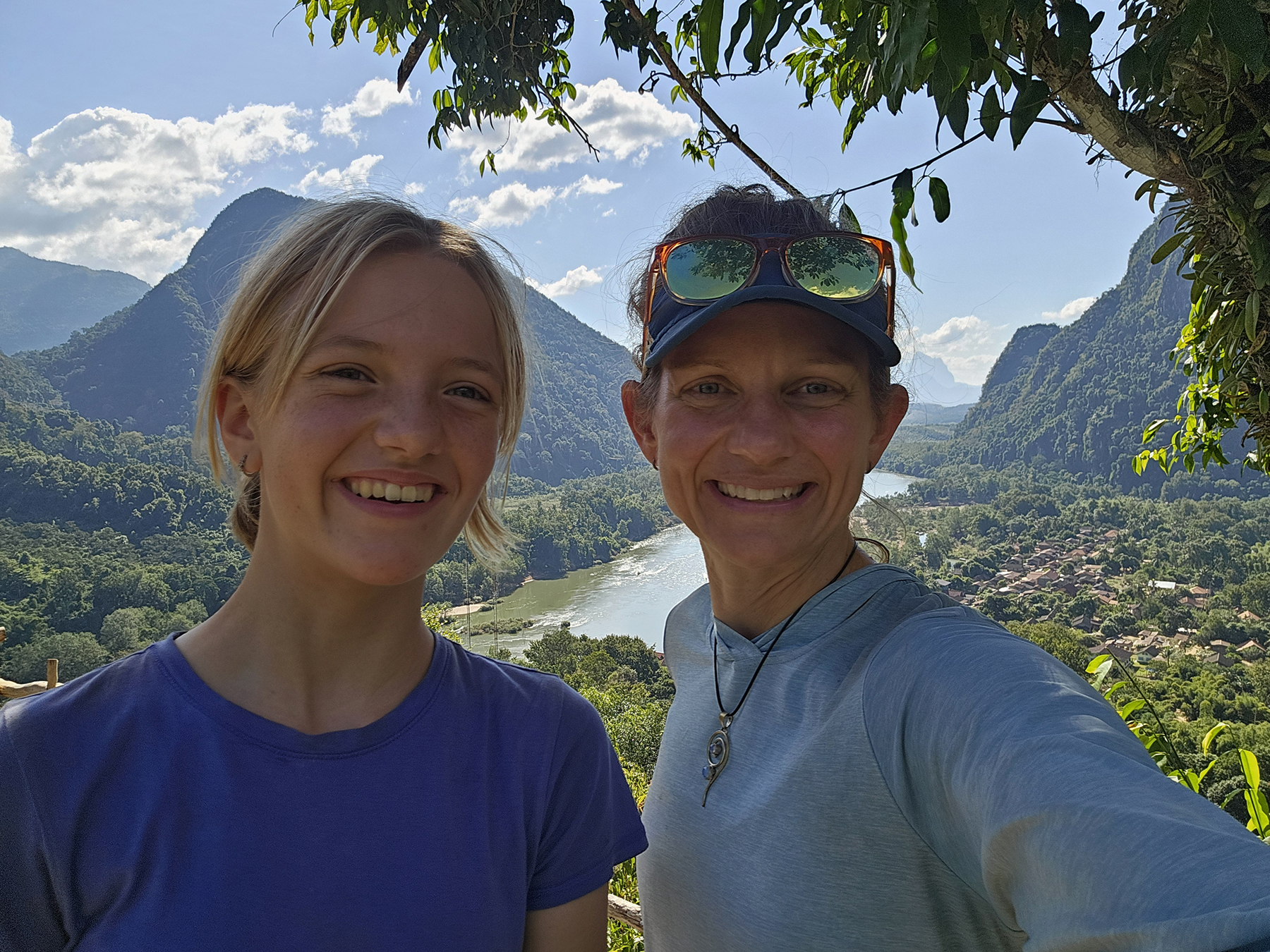
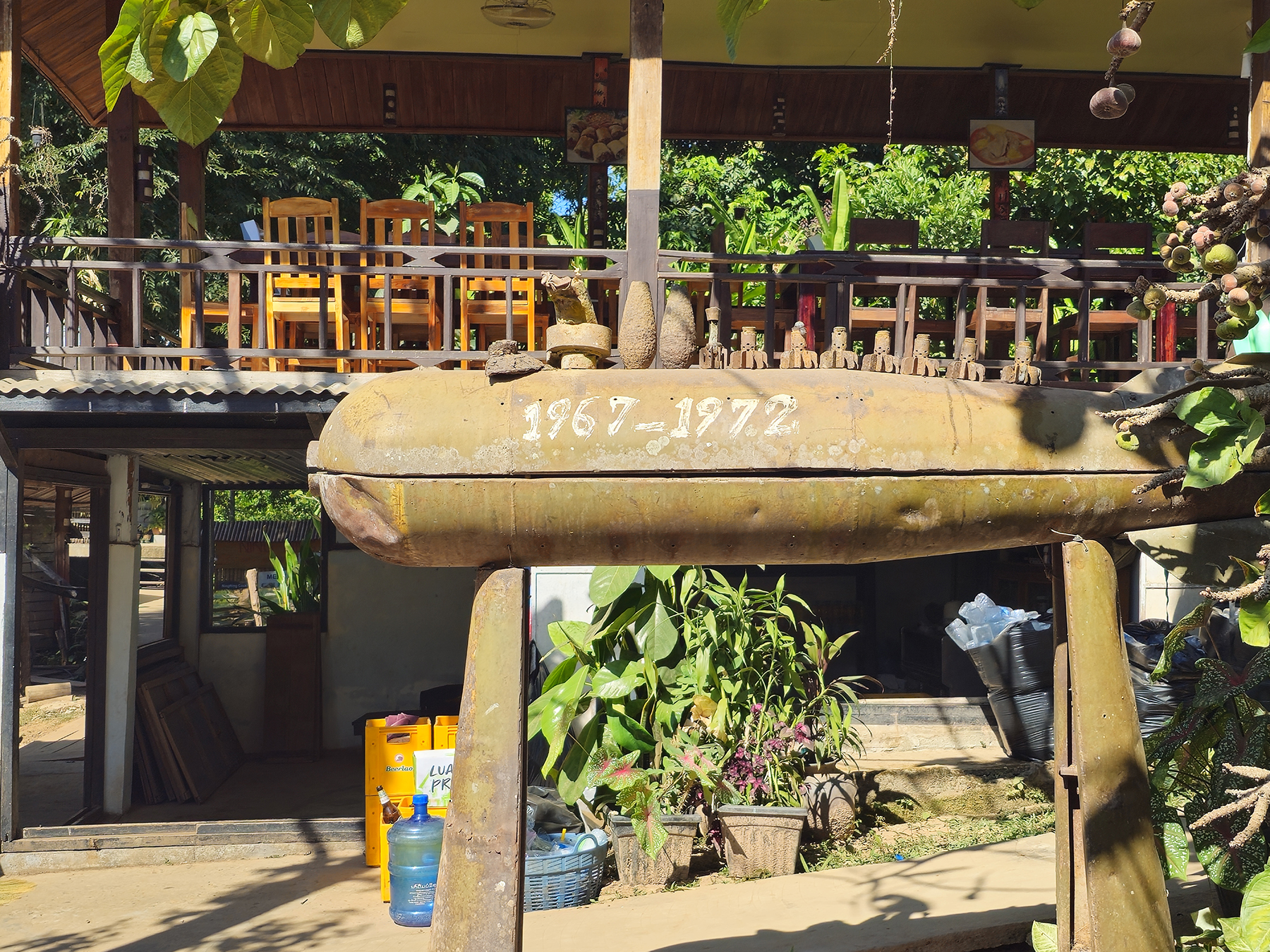
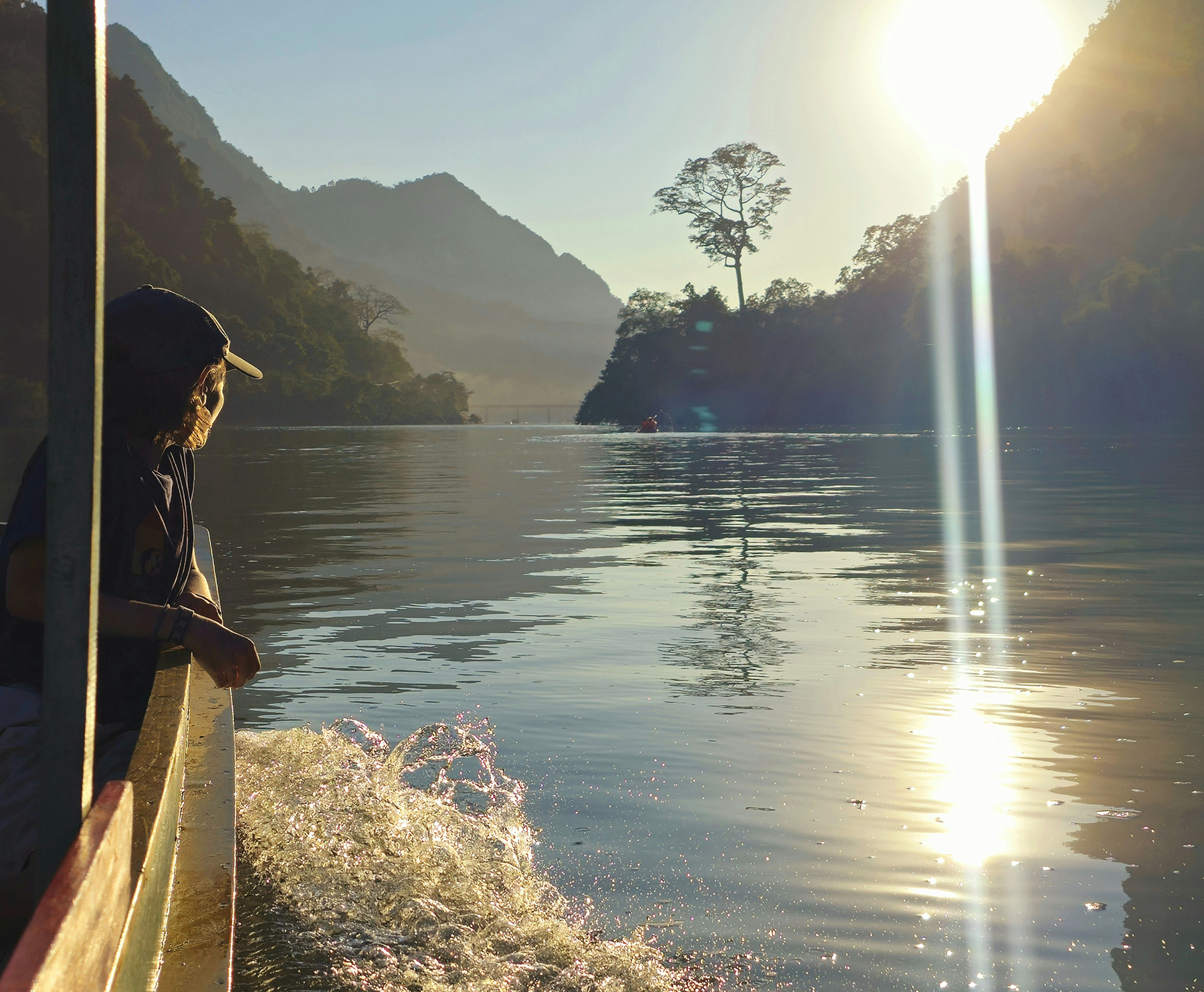

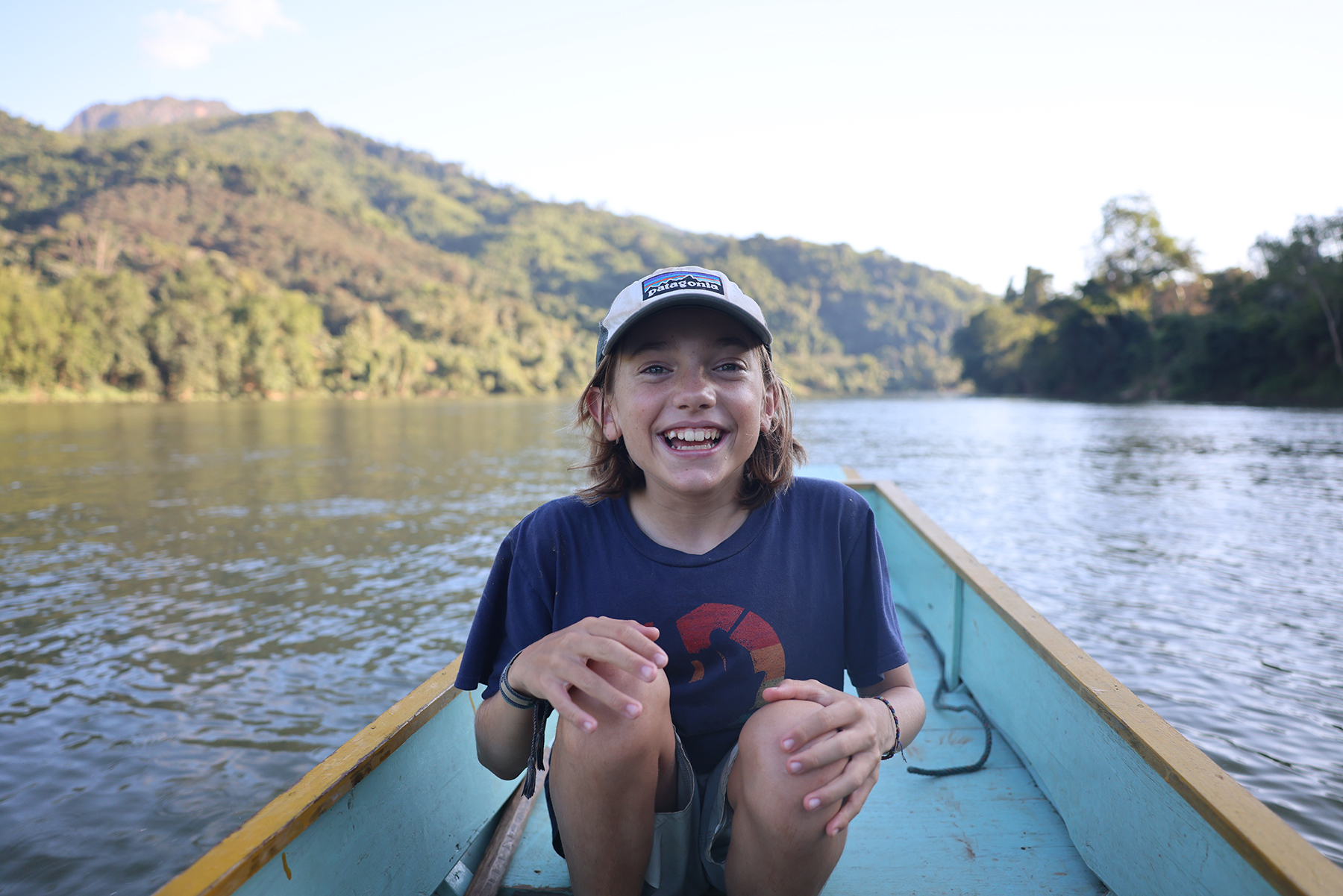

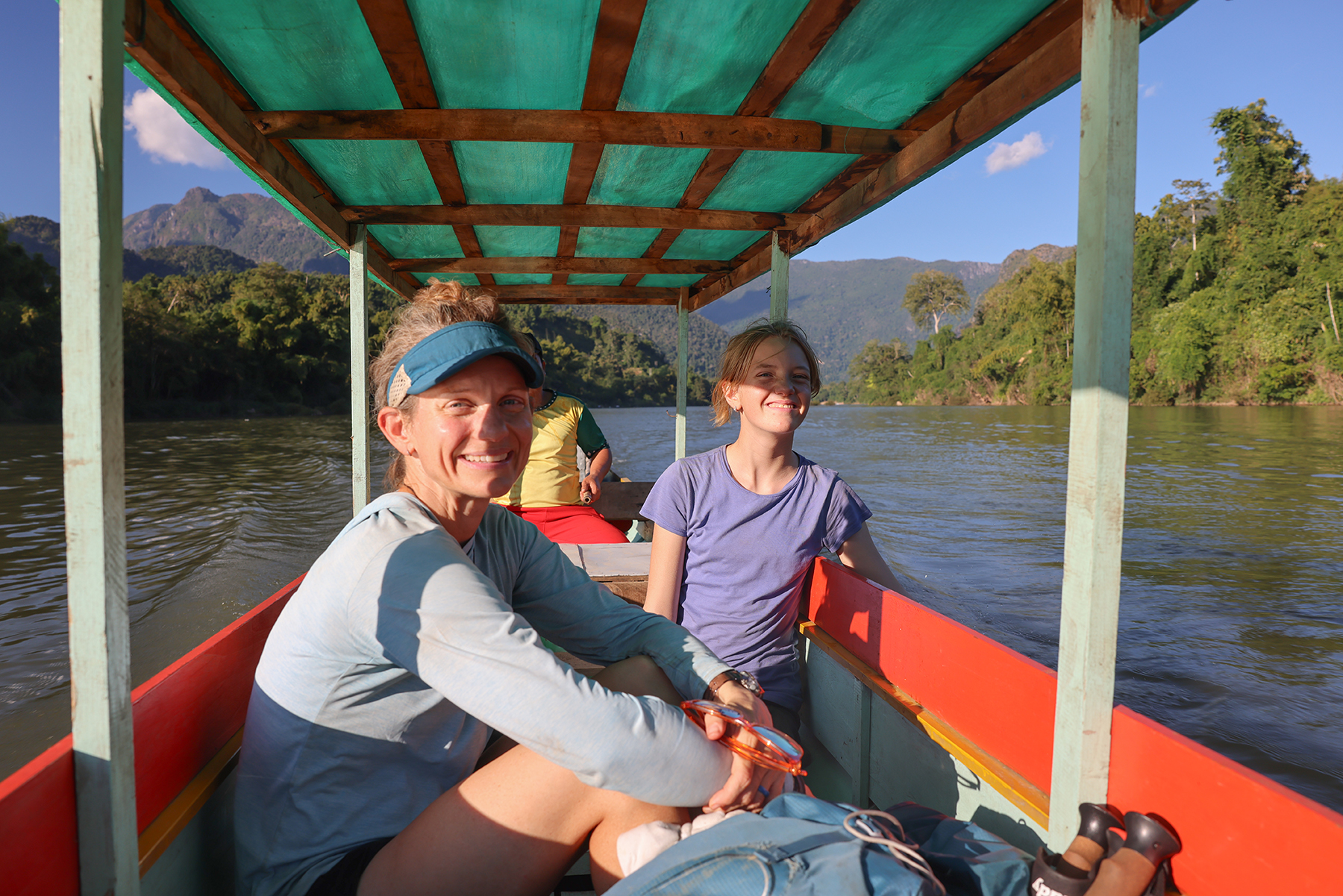
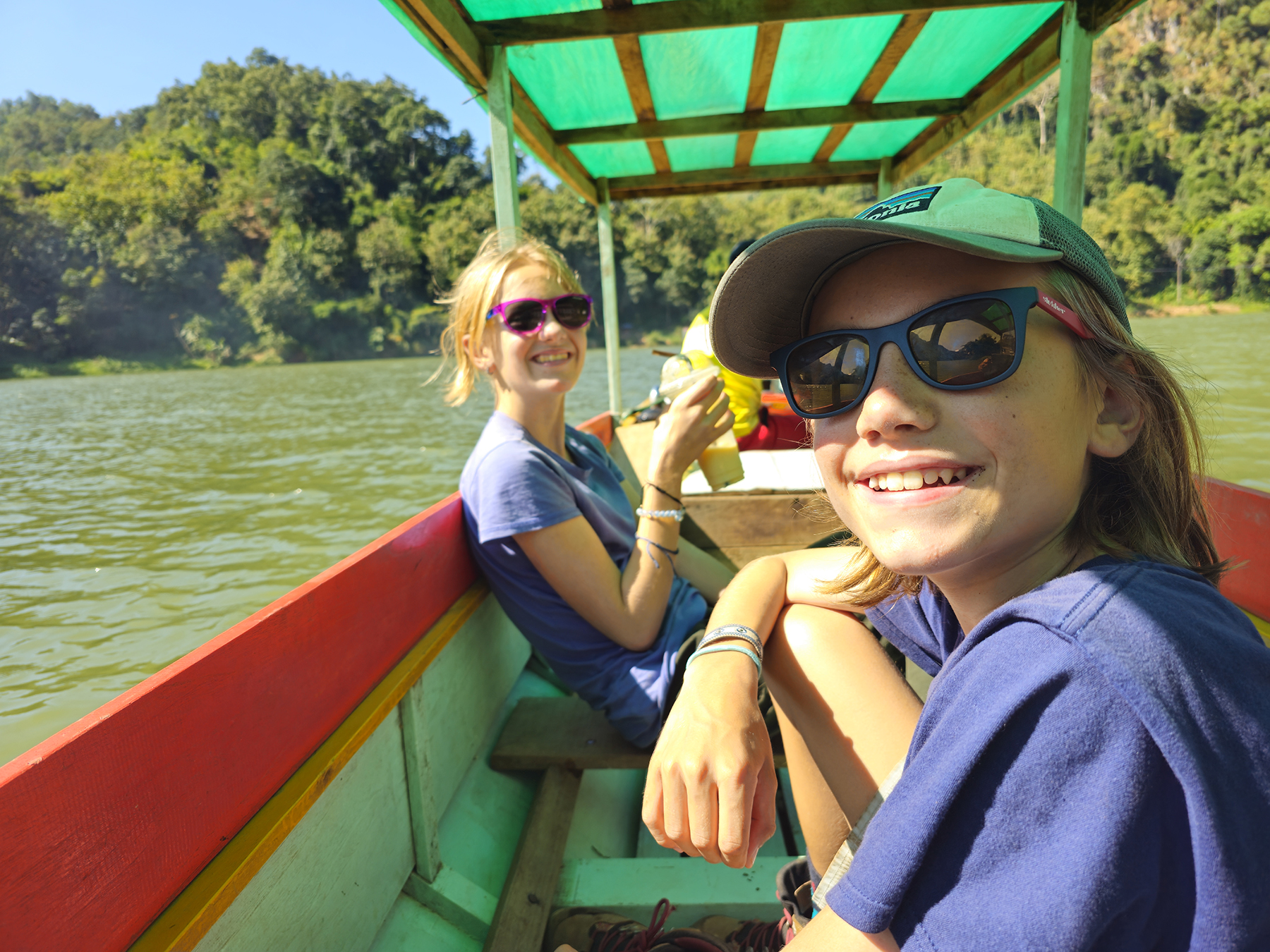
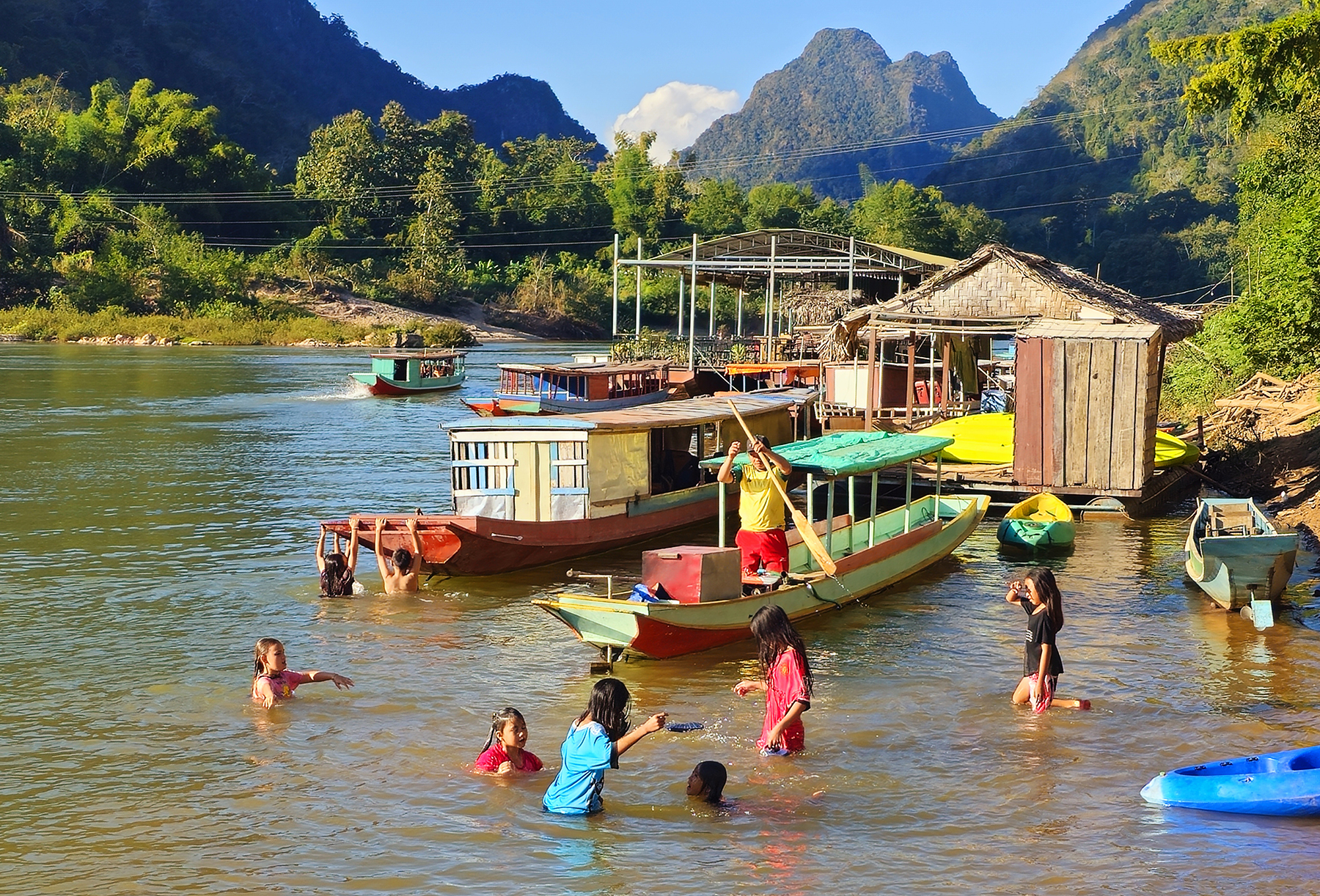
Our trip on the tiny longtail boat from Nong Khiaw to Muang Ngoy and back was also a highlight of our time in Laos. As we returned to Nong Khiaw in the evening, we passed local children cooling off and playing in the river while fishermen from small villages pulled in their catches for dinner.
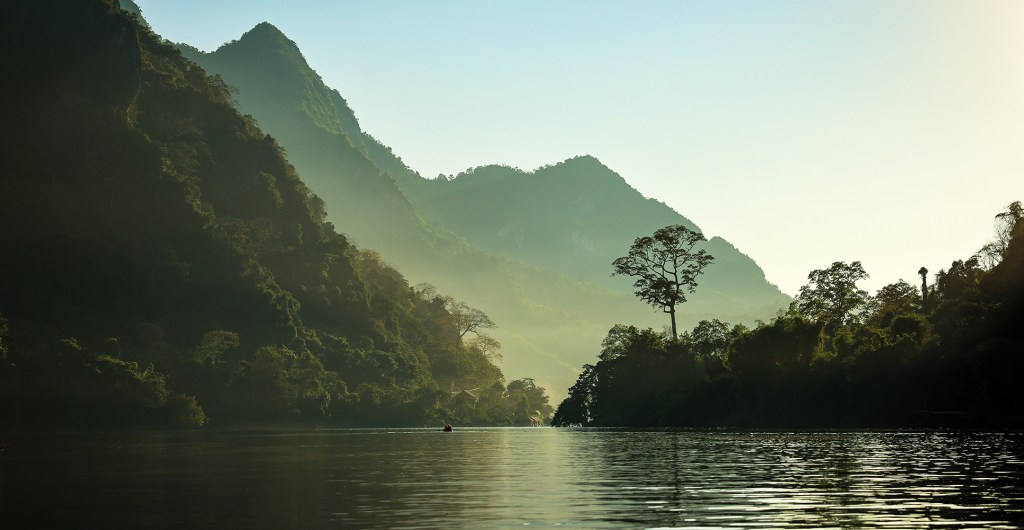

After our time in lovely Nong Khiaw was over we headed south to the popular backpacker town of Vang Vieng.
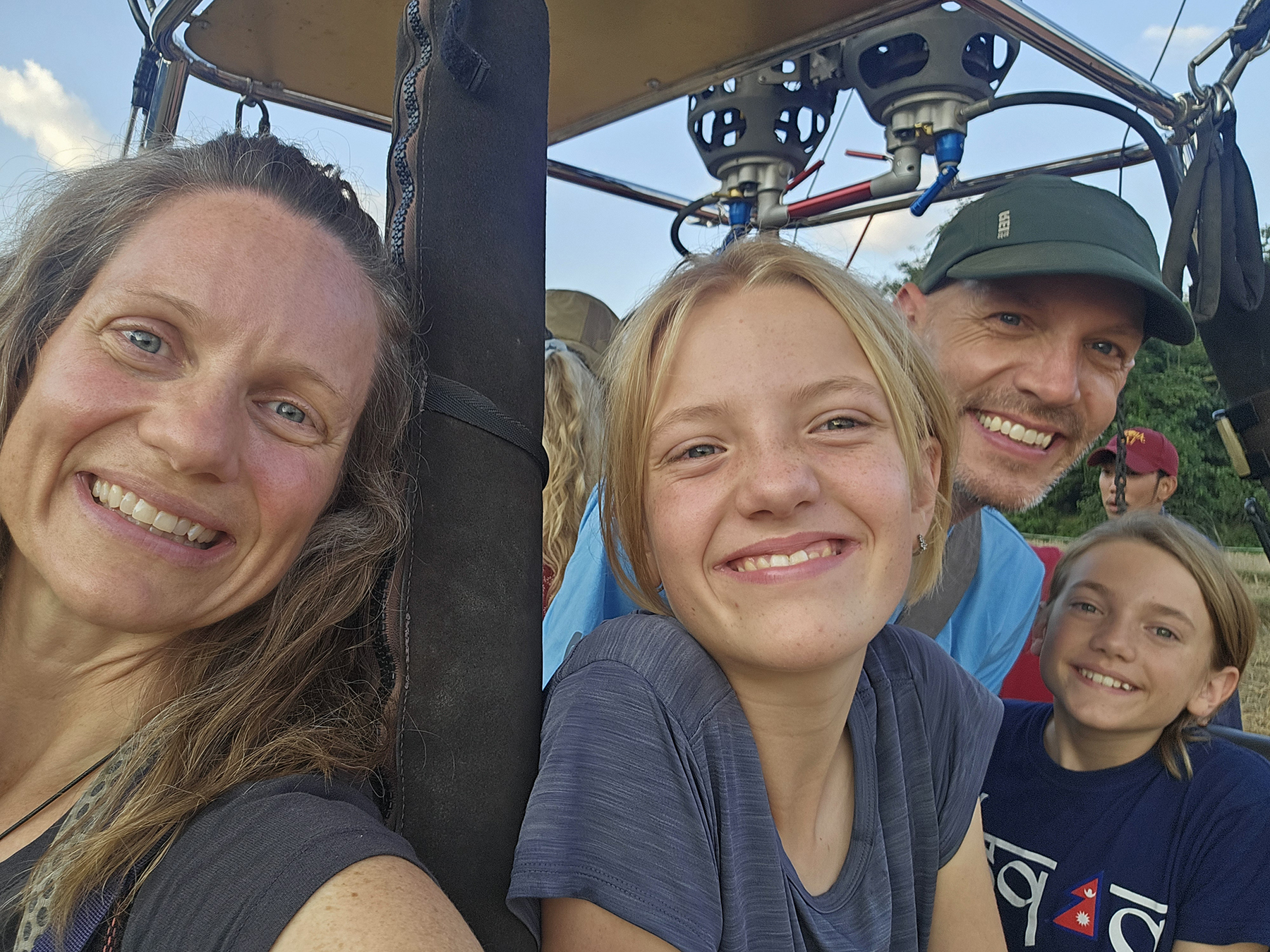
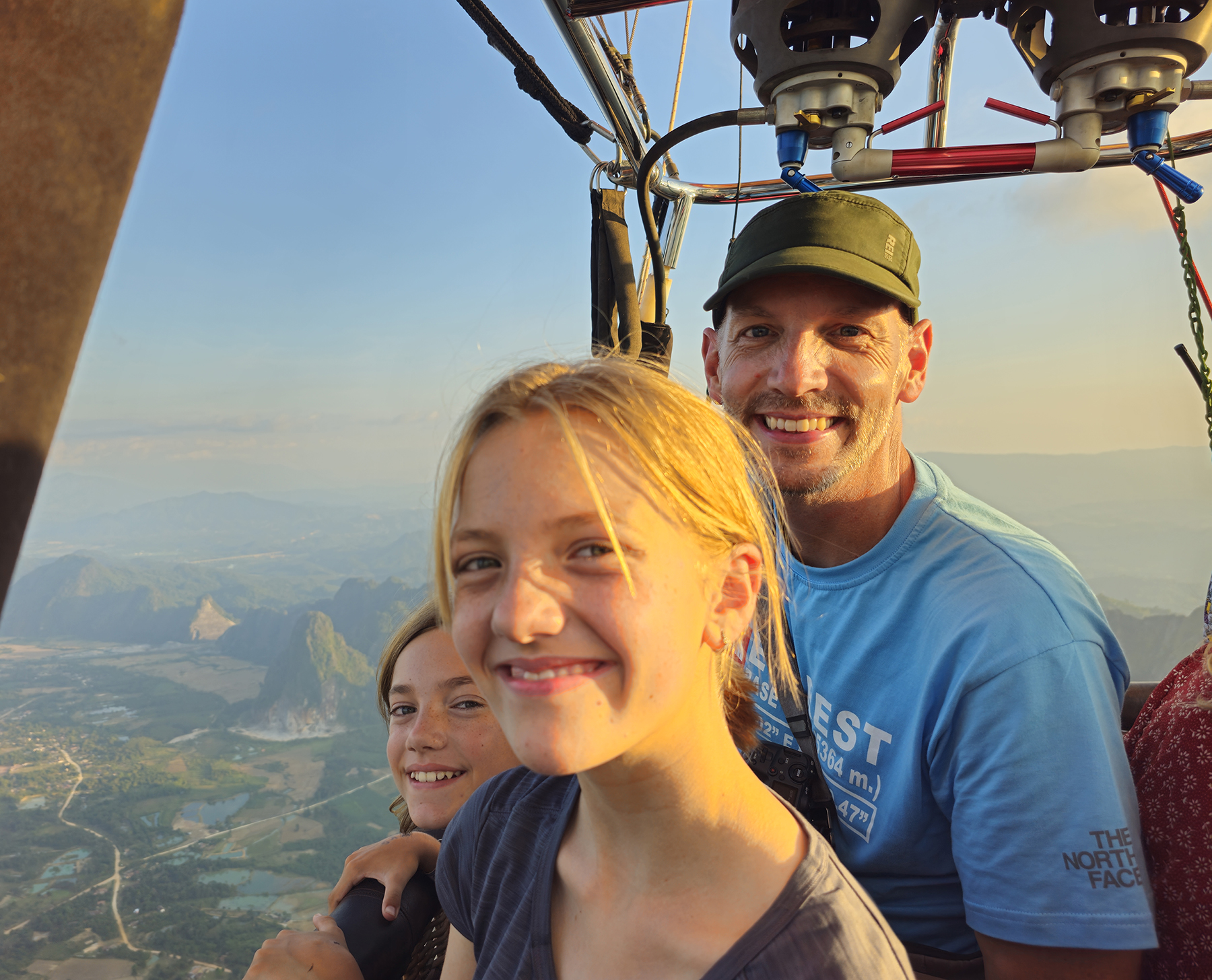
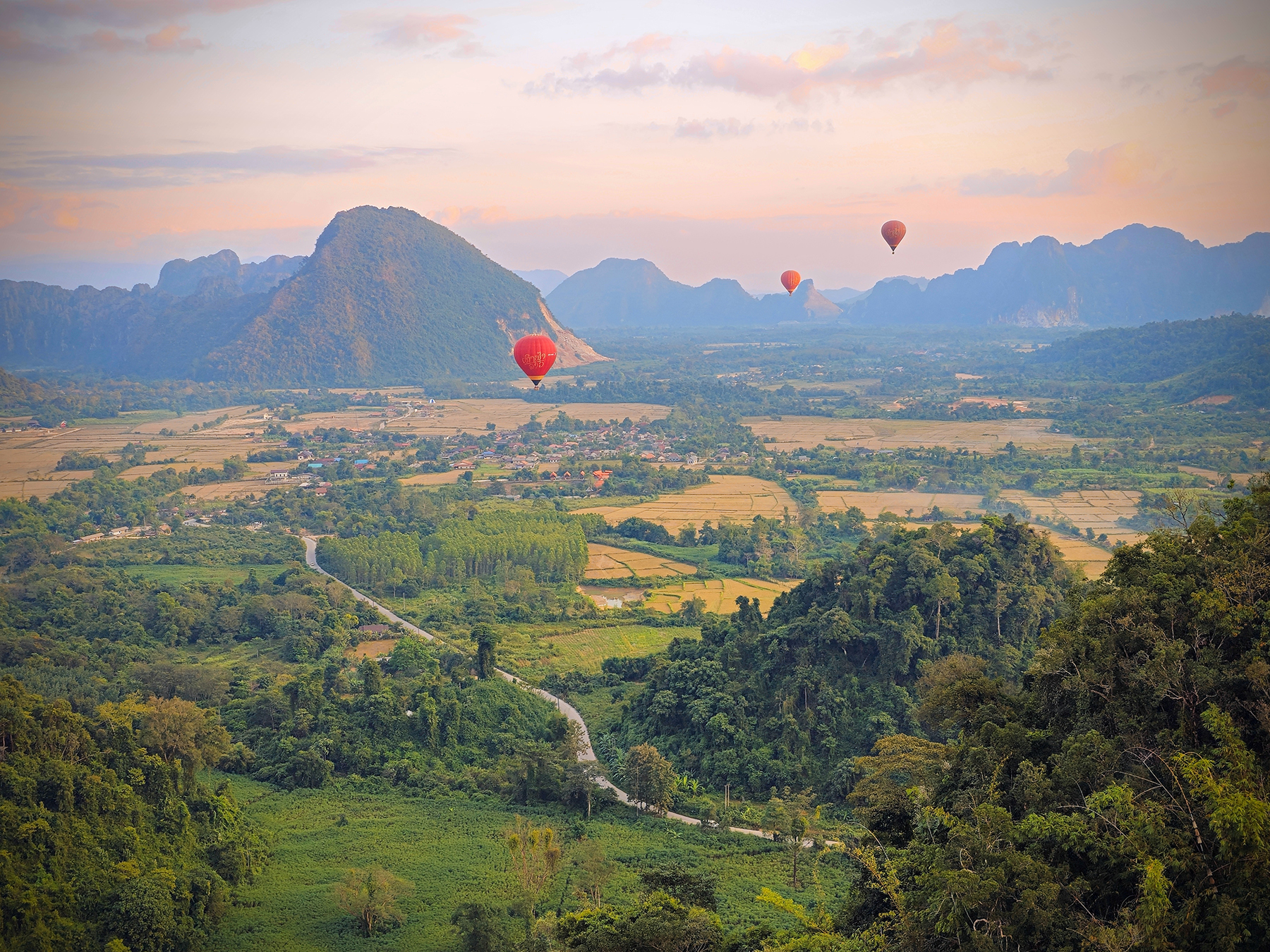
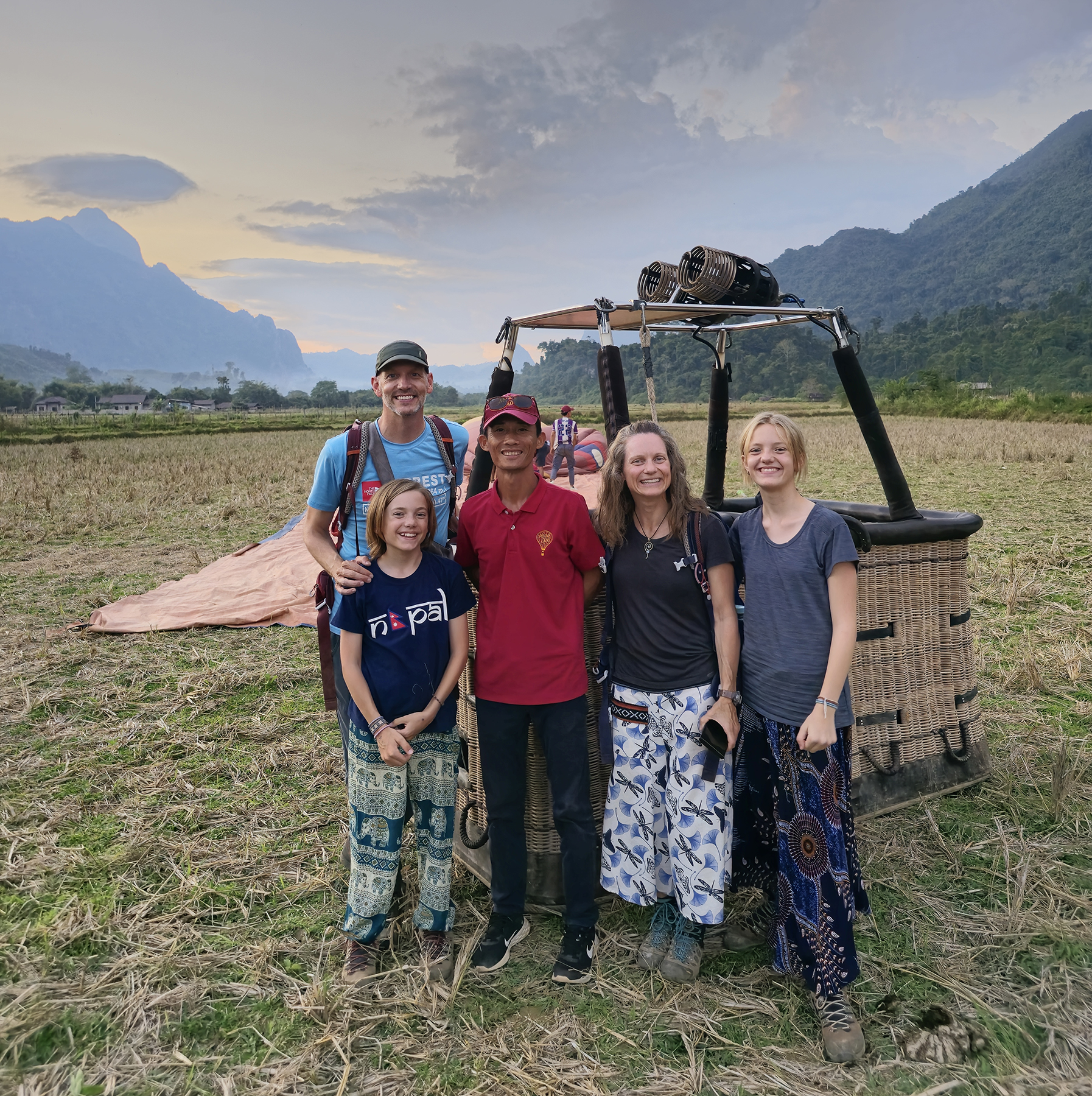
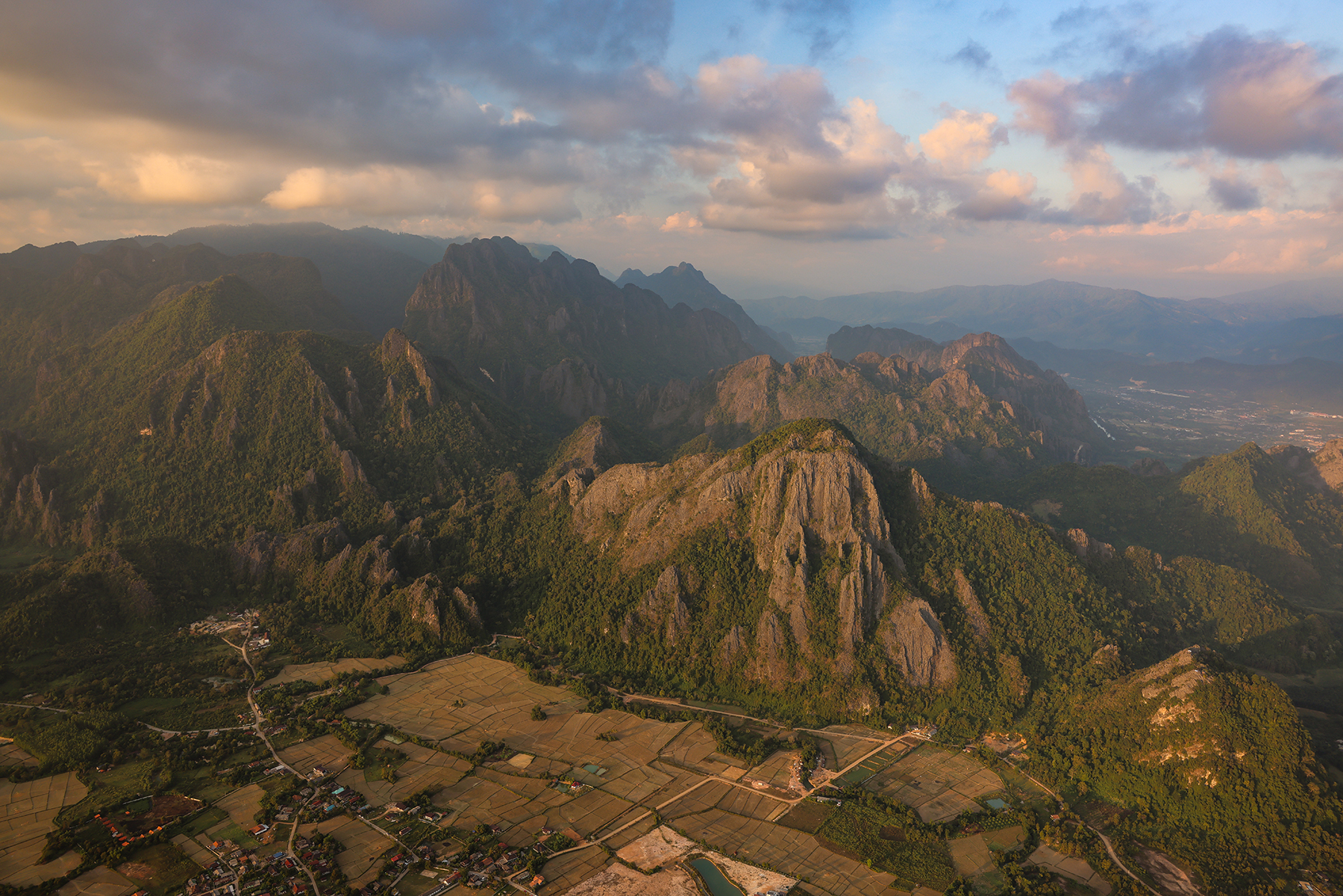
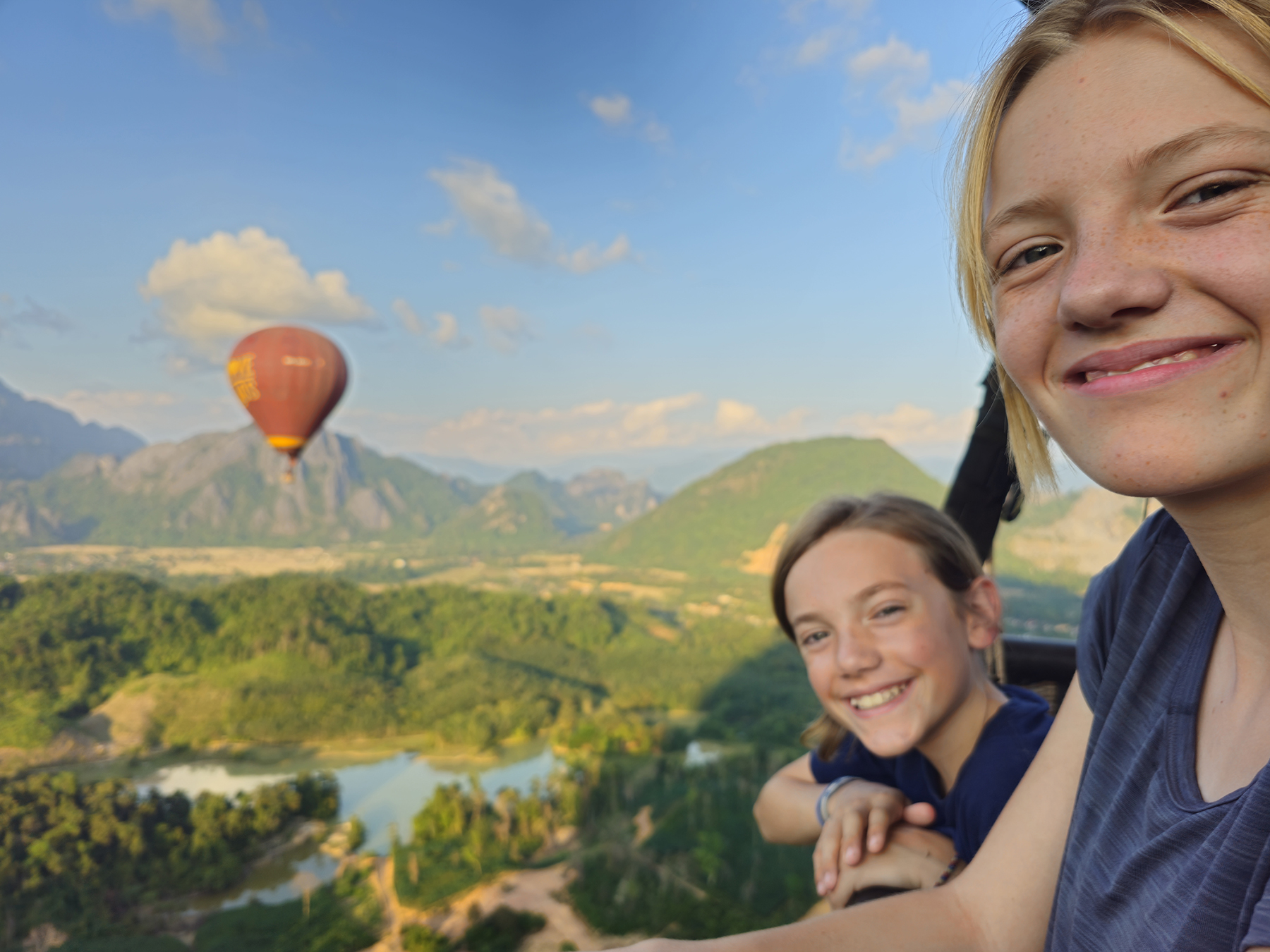
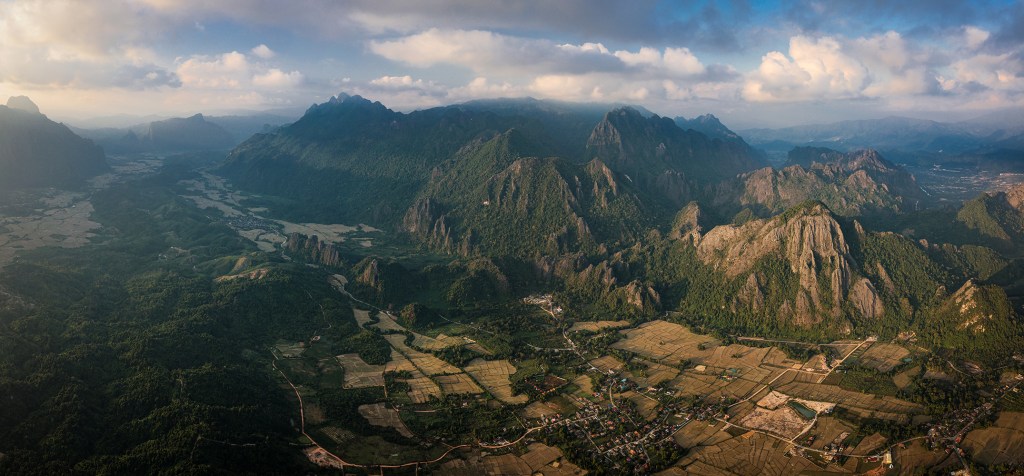
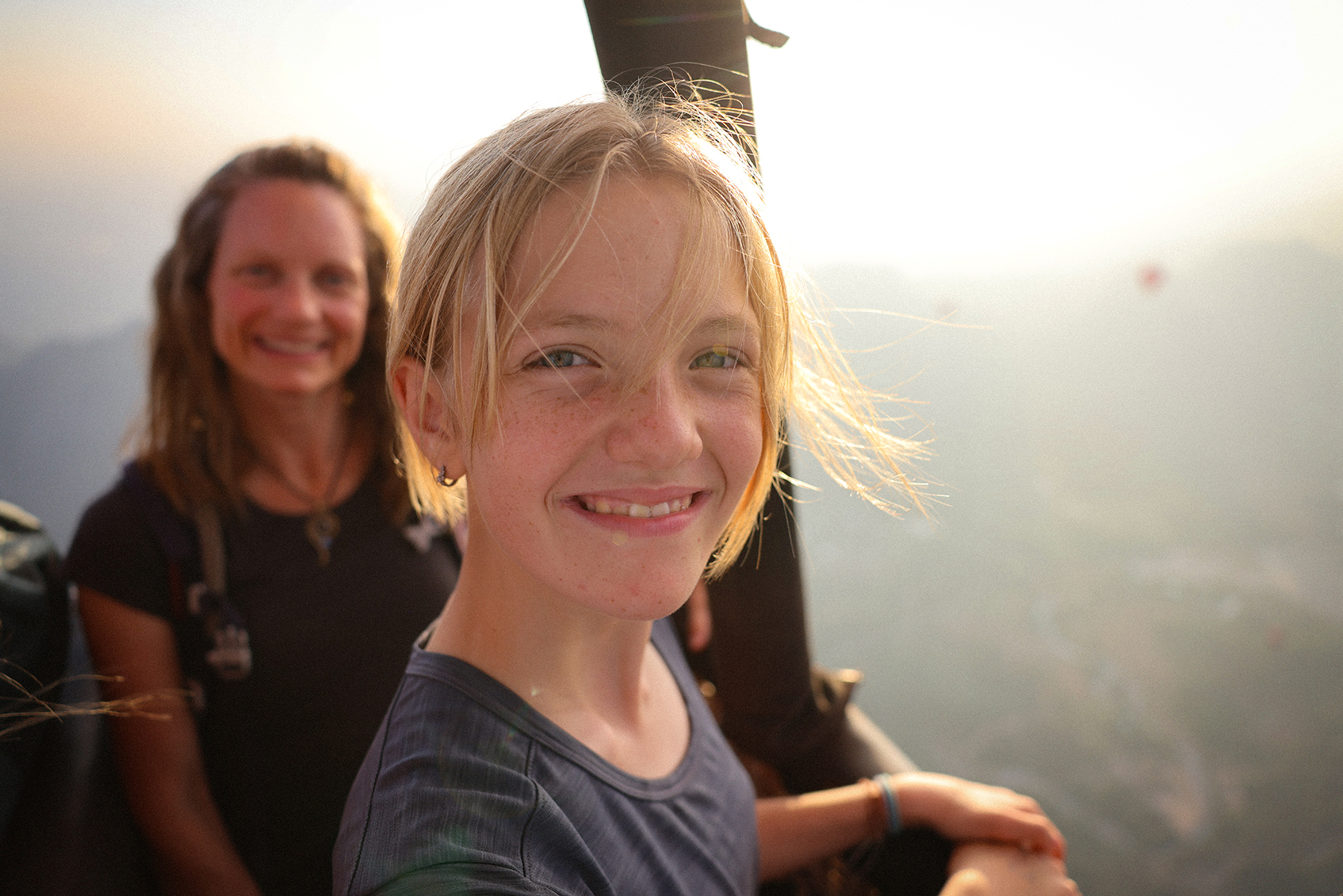
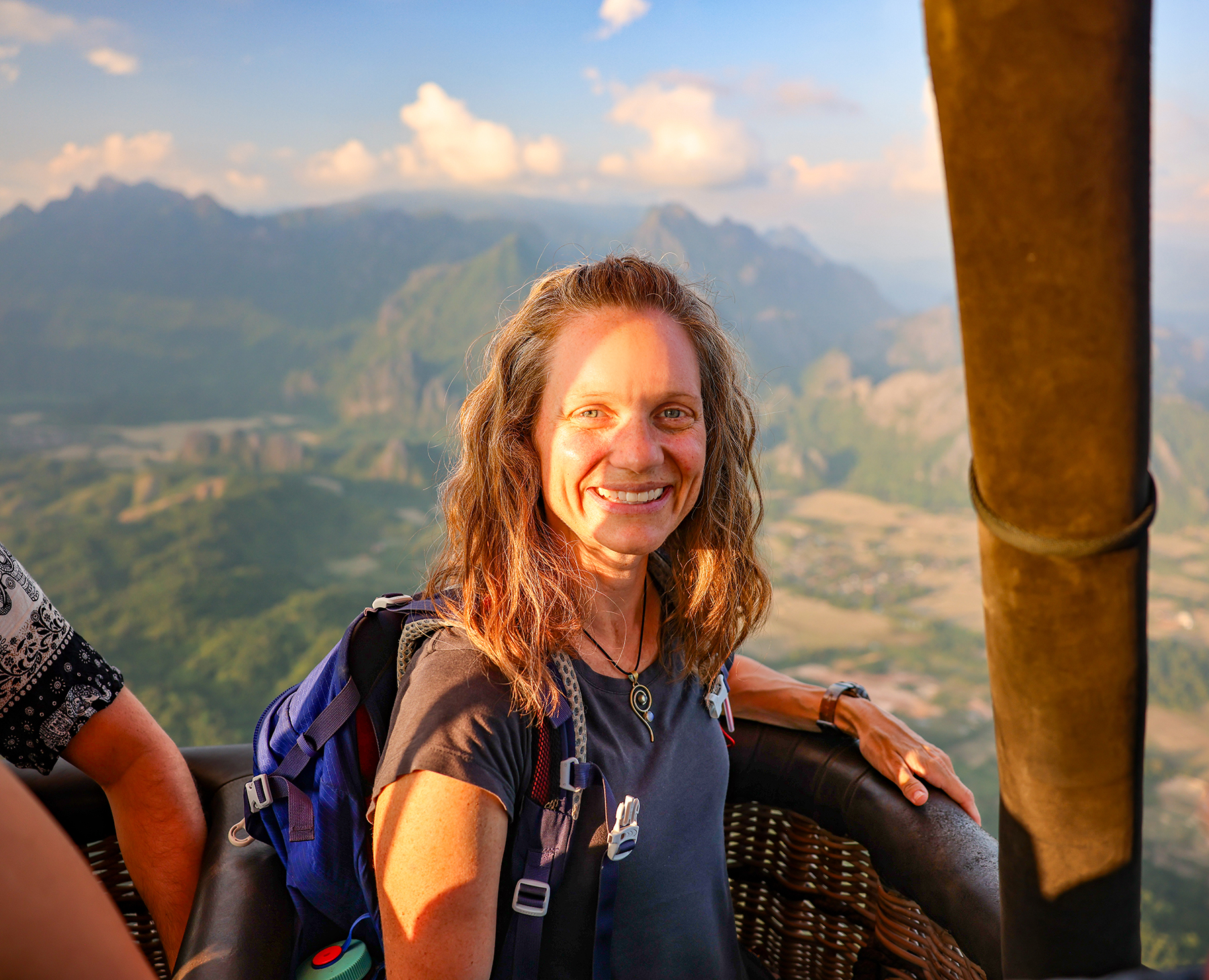
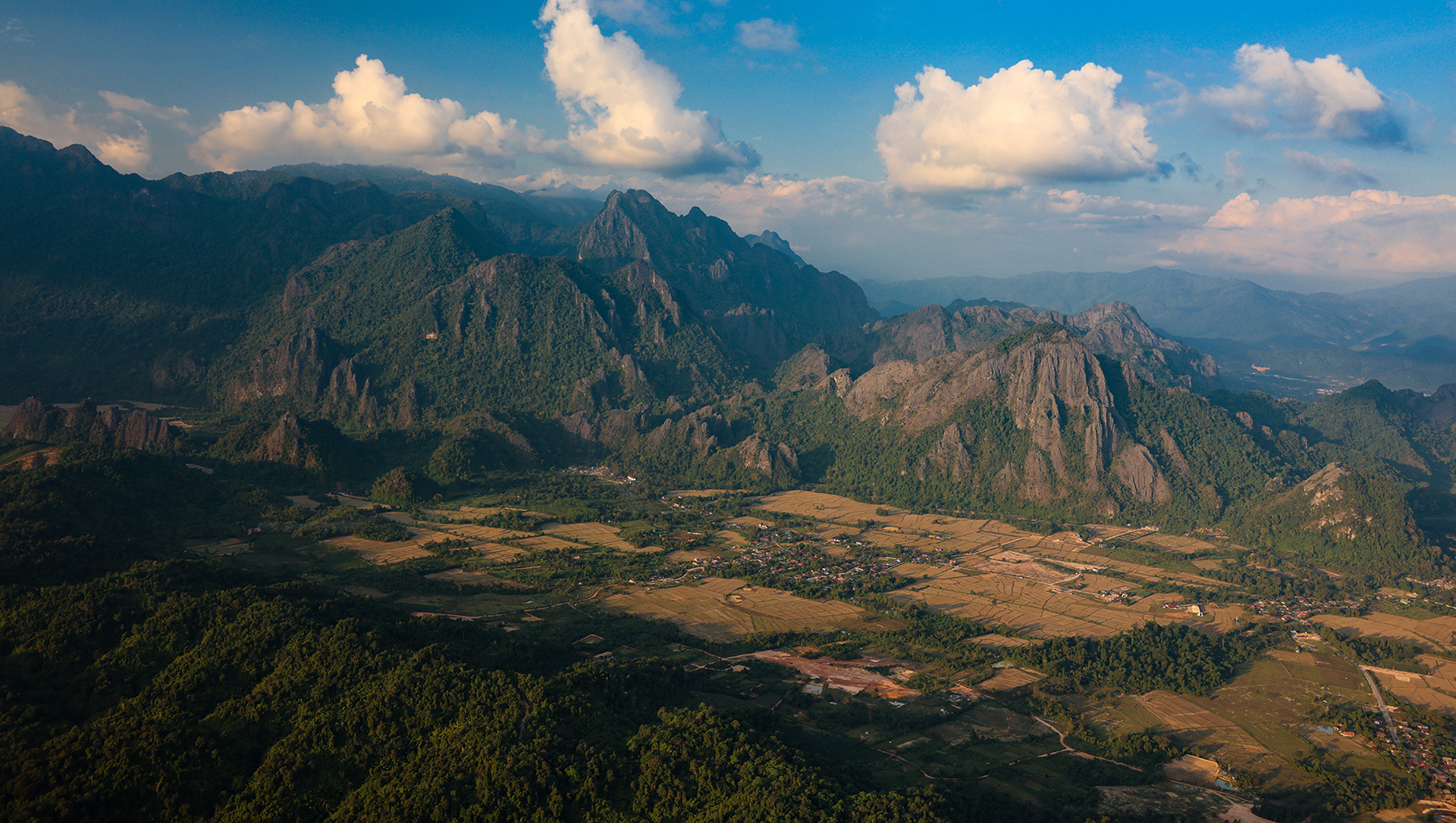
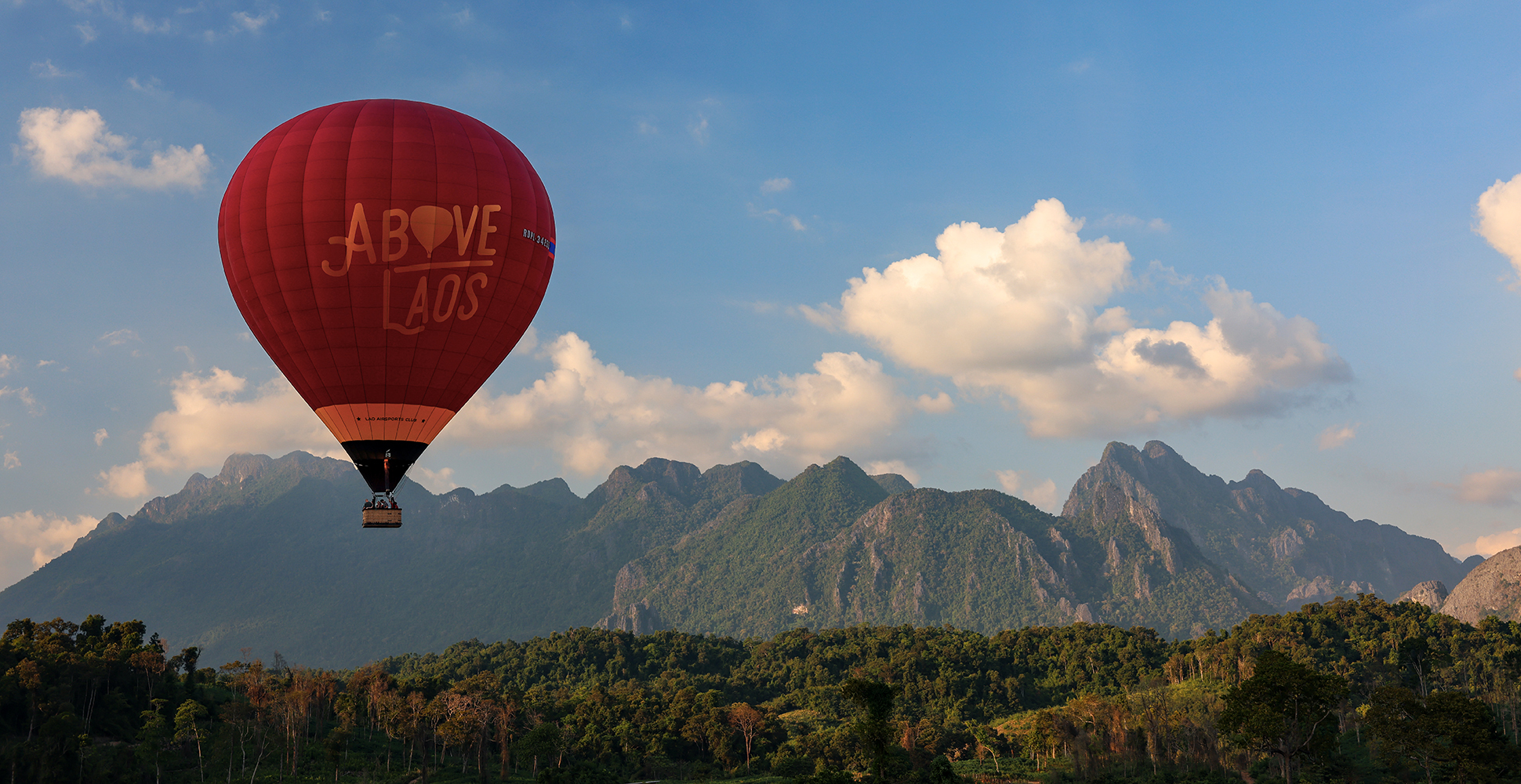
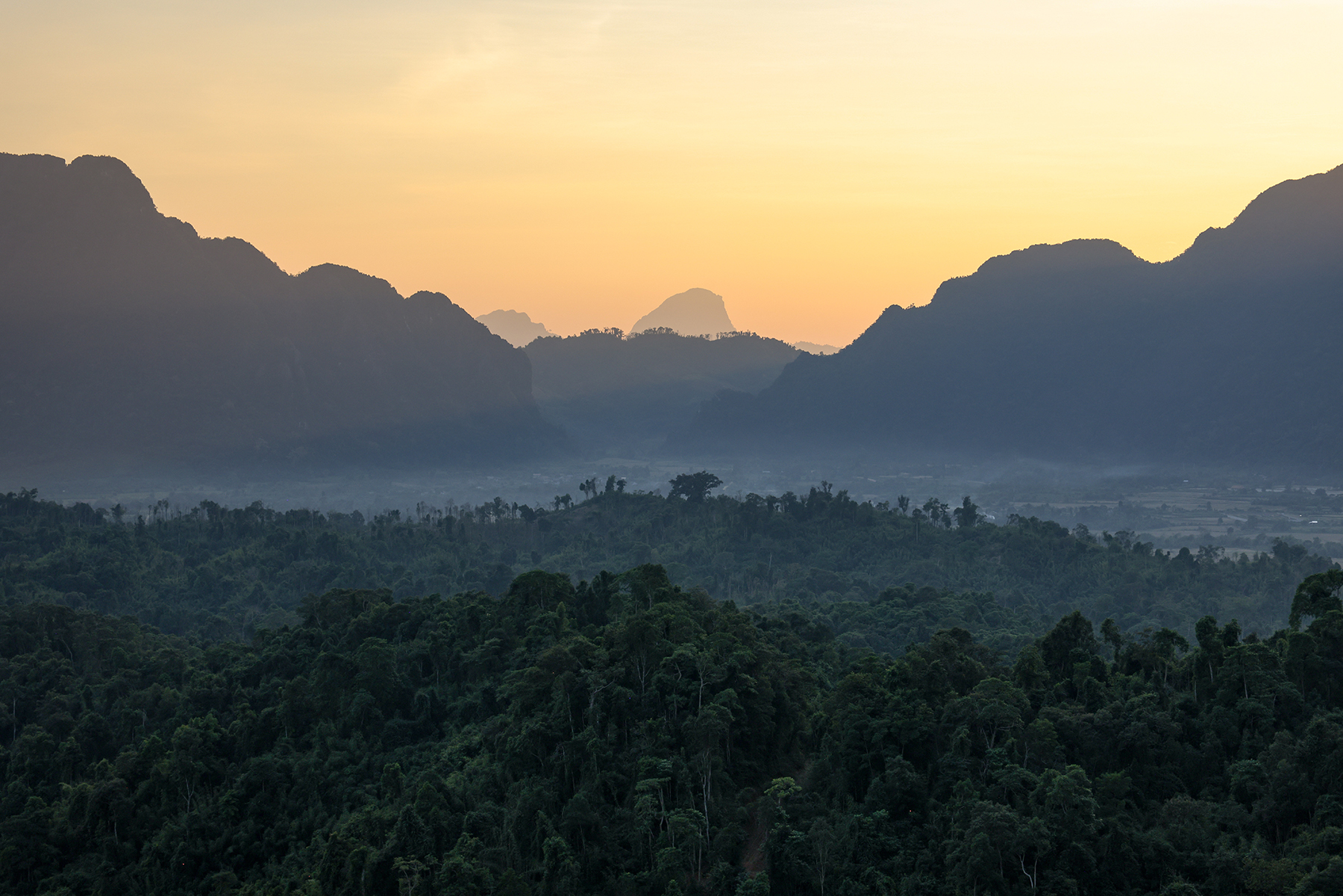
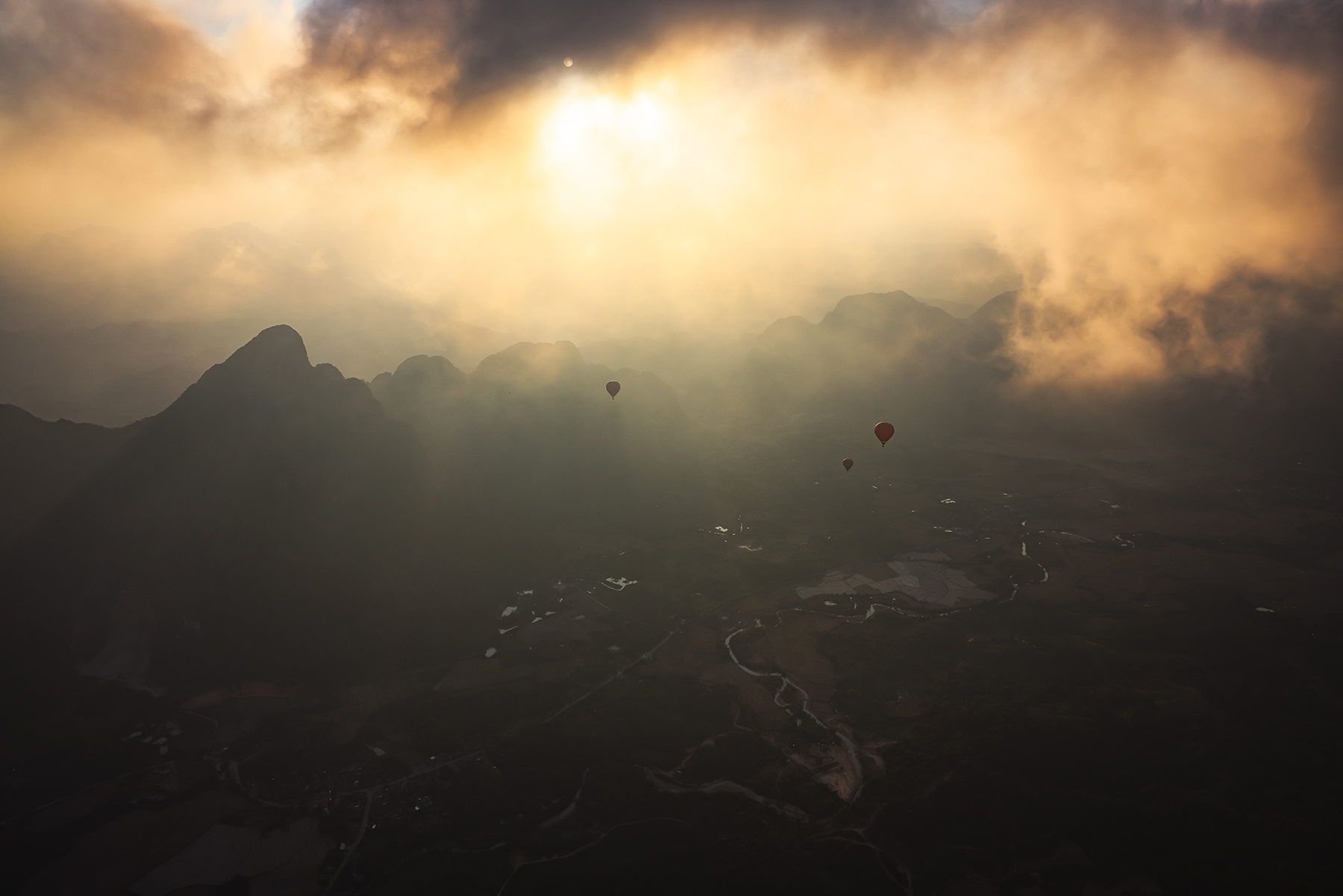
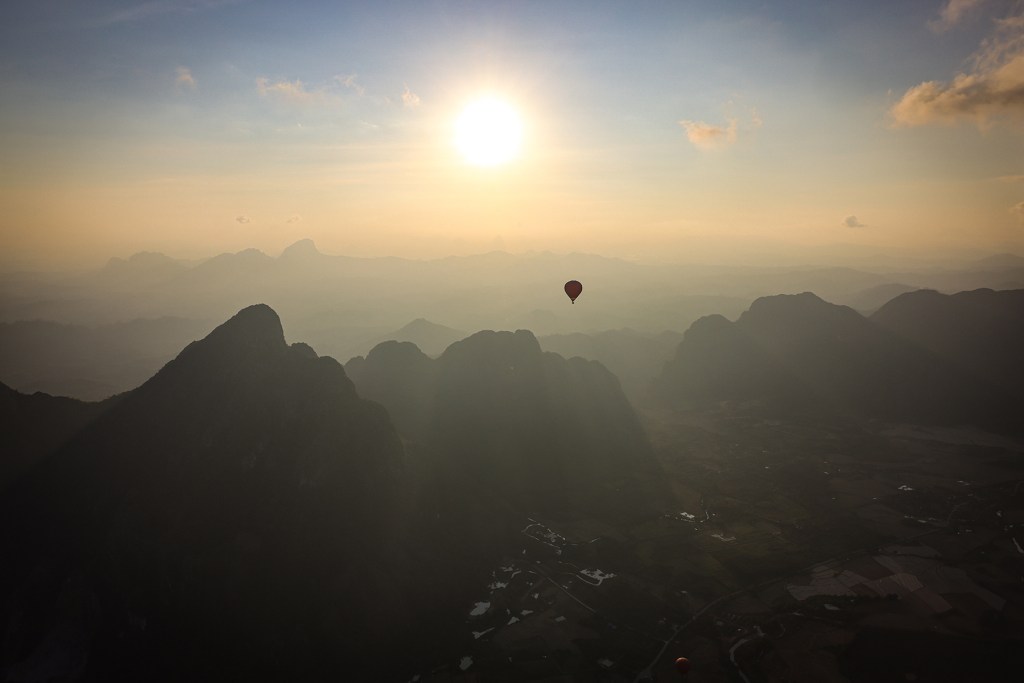
Nestled among steep karst peaks, Vang Vieng is strikingly beautiful. It’s an established stop for many backpackers in Laos and caters to visitors with activities including hiking, cave exploration, tubing, kayaking, paragliding, and even hot air ballooning. We had a chat with our personal hot air balloon pilot (my dad) and got the green light for taking a ride through the mountainous Asian countryside. What an amazingly unique experience – flying over and through the karst landscape as the evening sun set!






One morning while staying in Vang Vieng, we walked a couple of blocks from our accommodation to have breakfast. While eating our mango and omelets, H looked across the street: “Why are there those random clothes hanging on the dirty fence? Are they for sale, or like what’s going on?”
I turned and took a closer look. “Hahaha! Ummm, some of those are definitely OUR clothes!” It was at this moment we realized the local laundry service dries customers’ clothing by hanging it on whatever vertical surface they can find around town. So there we sat, eating breakfast, watching random stray dogs pee within inches of our “clean” socks, as trucks with no emissions standards rumbled by on the dirt road – our underwear just hanging in the open as locals and backpackers wandered down the street. The whole scene was wildly amusing. Not surprisingly, when our clothes were returned that afternoon they were definitely dirtier than when we dropped them off!

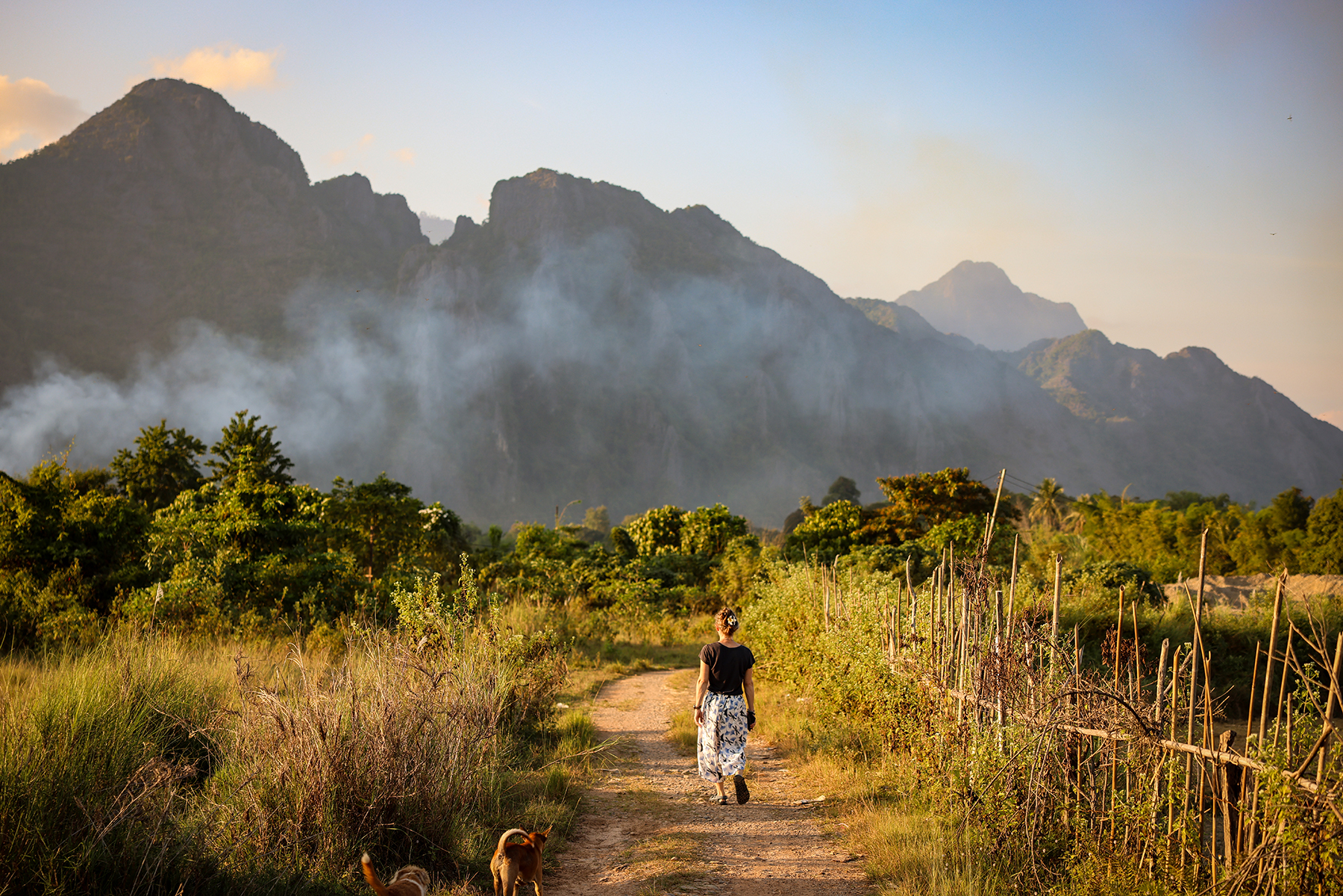
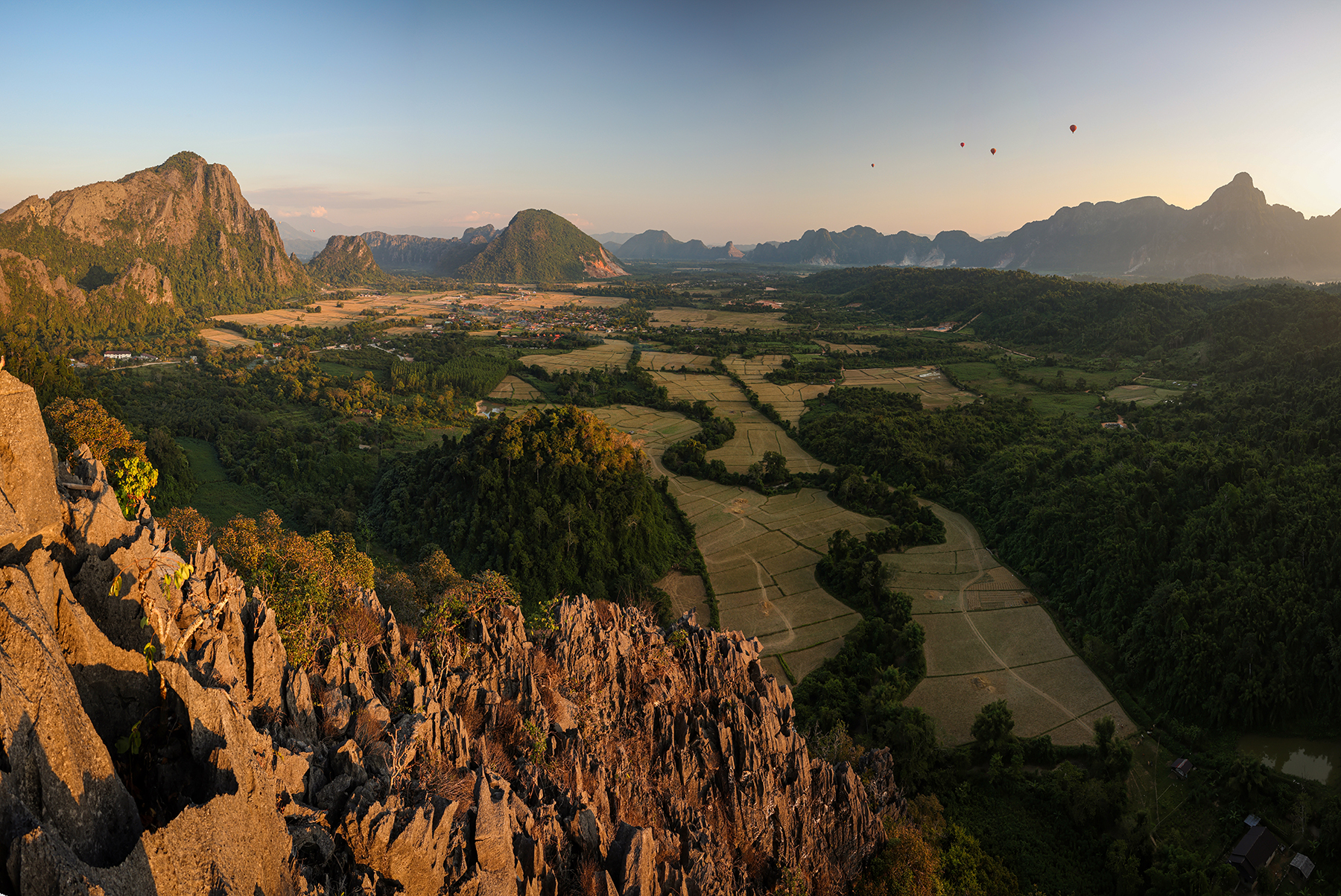

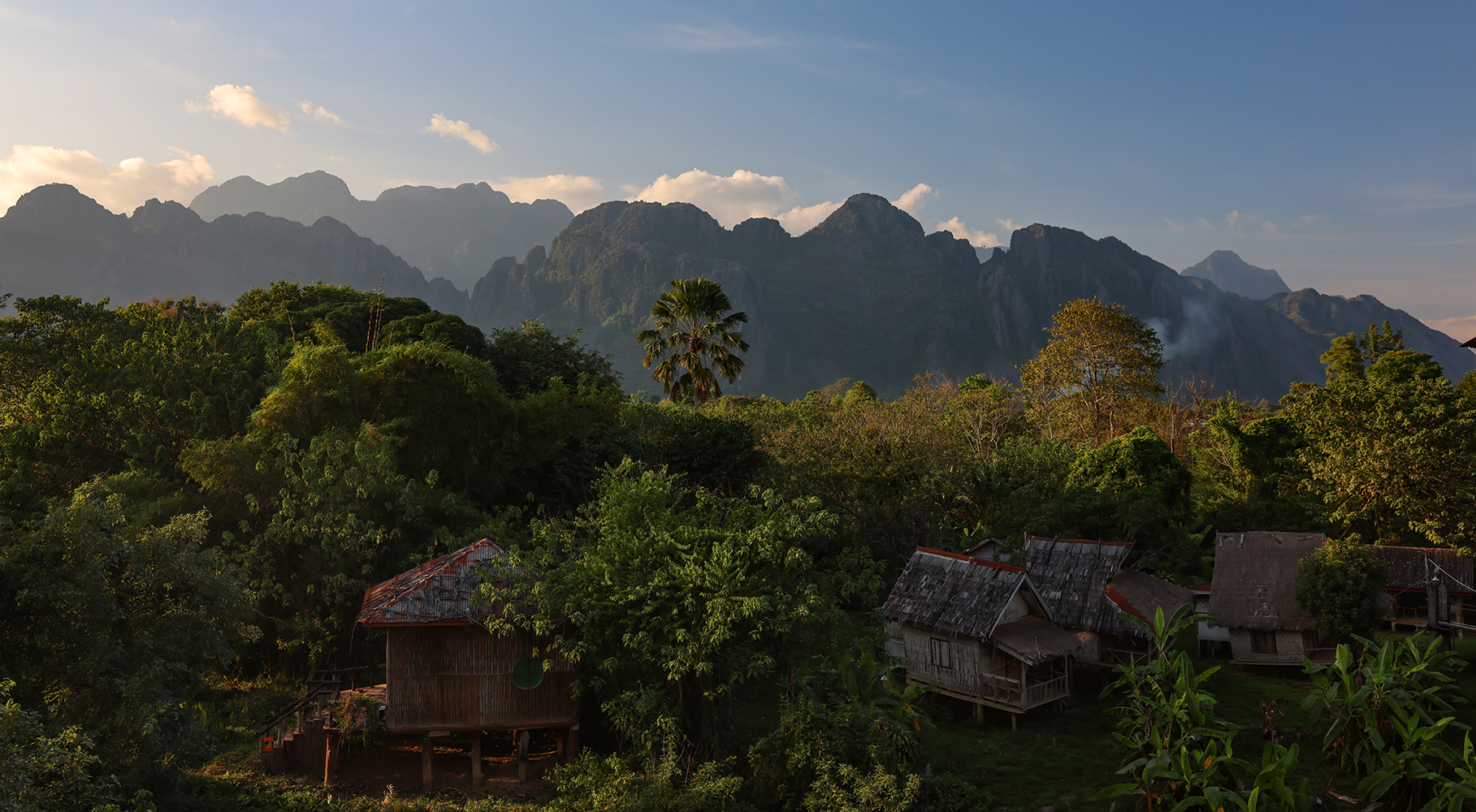
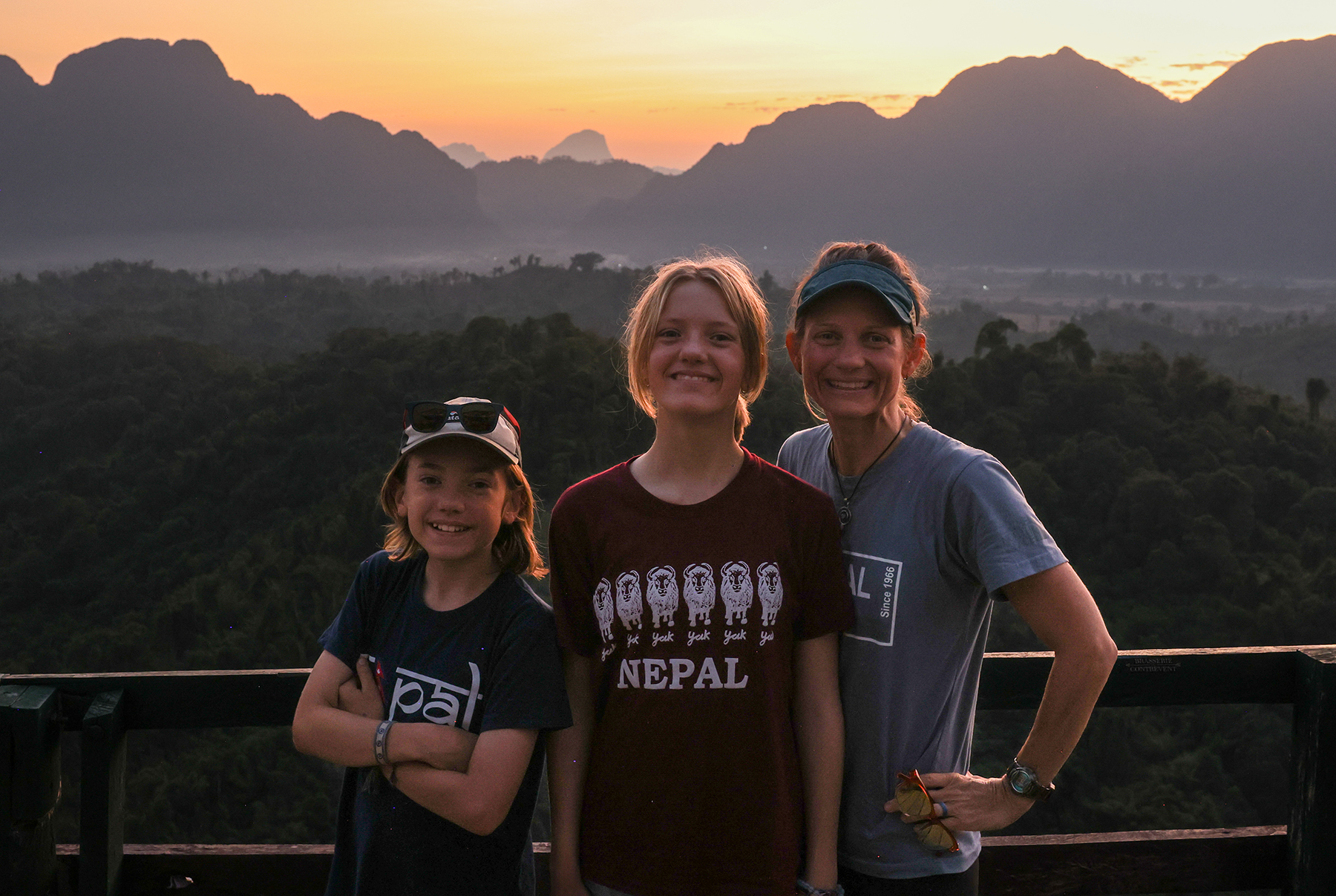
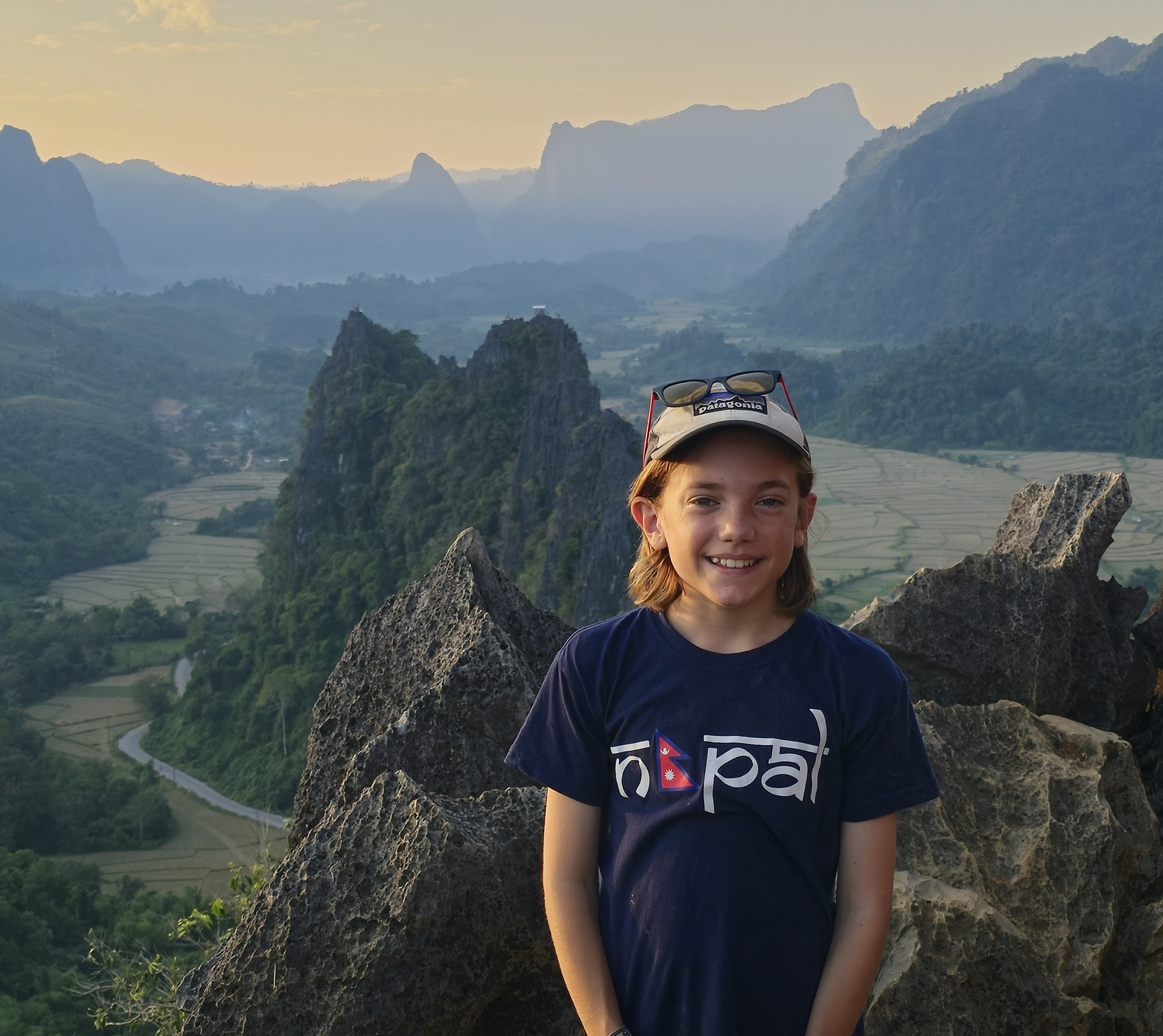
Despite its natural beauty and amusing laundry practices, Vang Vieng has developed a bit of a bad reputation over the years. Most recently it made news due to the deaths of six backpackers from methanol poisoning in November of last year, just weeks before we arrived. There are also frequent reports of cash and passports being stolen from hotel rooms throughout the town. While our staff at our guesthouse seemed wonderful, we were very protective of our passports, keeping them with us 24/7 as there was no lockable safe in our room.
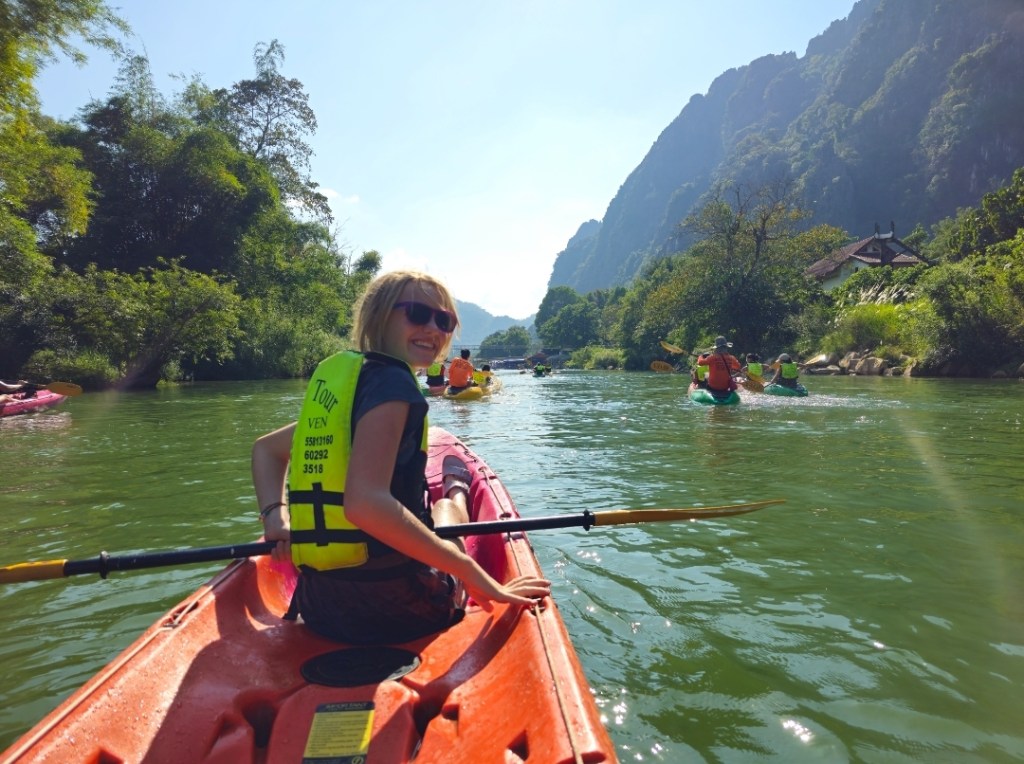
Having our passports constantly with us was really not much of an issue for the most part, as we just carried them in my backpack. However, the day we decided to go kayaking presented a bit of a unique challenge. Everything we wanted to have with us needed to fit into dry bags. We discussed several options for the passports, including leaving them in our room versus bringing them with us. In the end we decided to pack them in our small dry bag along with our phones.
At this point, our adventure in Laos became much, much more complicated (and sad, honestly). I’ve written a separate post about the details. Hopefully you can relive the messy experience through our eyes and never have to navigate the situation on your travels.
In summary: I somehow lost a passport and we received a crash course on international governmental relations. We missed our scheduled flights through Laos, Thailand, and Indonesia. We were also stuck in the not-so-exciting city of Vientiane for several weeks while we waited for the wheels of government to slooooowly turn – in both the US and Laos. We could no longer even travel within Laos due to complicated logistics to get from one region to another and then urgently back to Vientiane, if necessary.
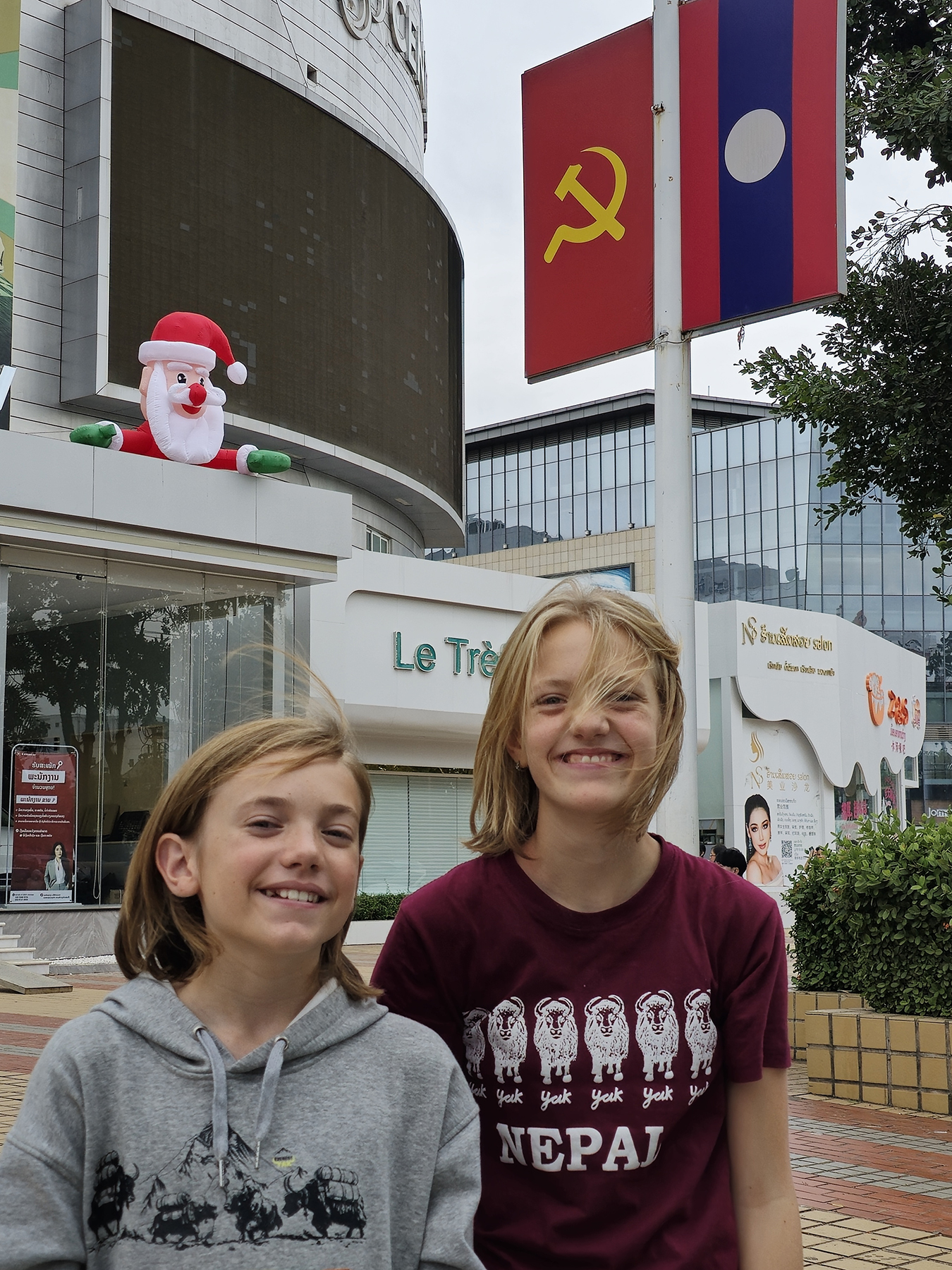
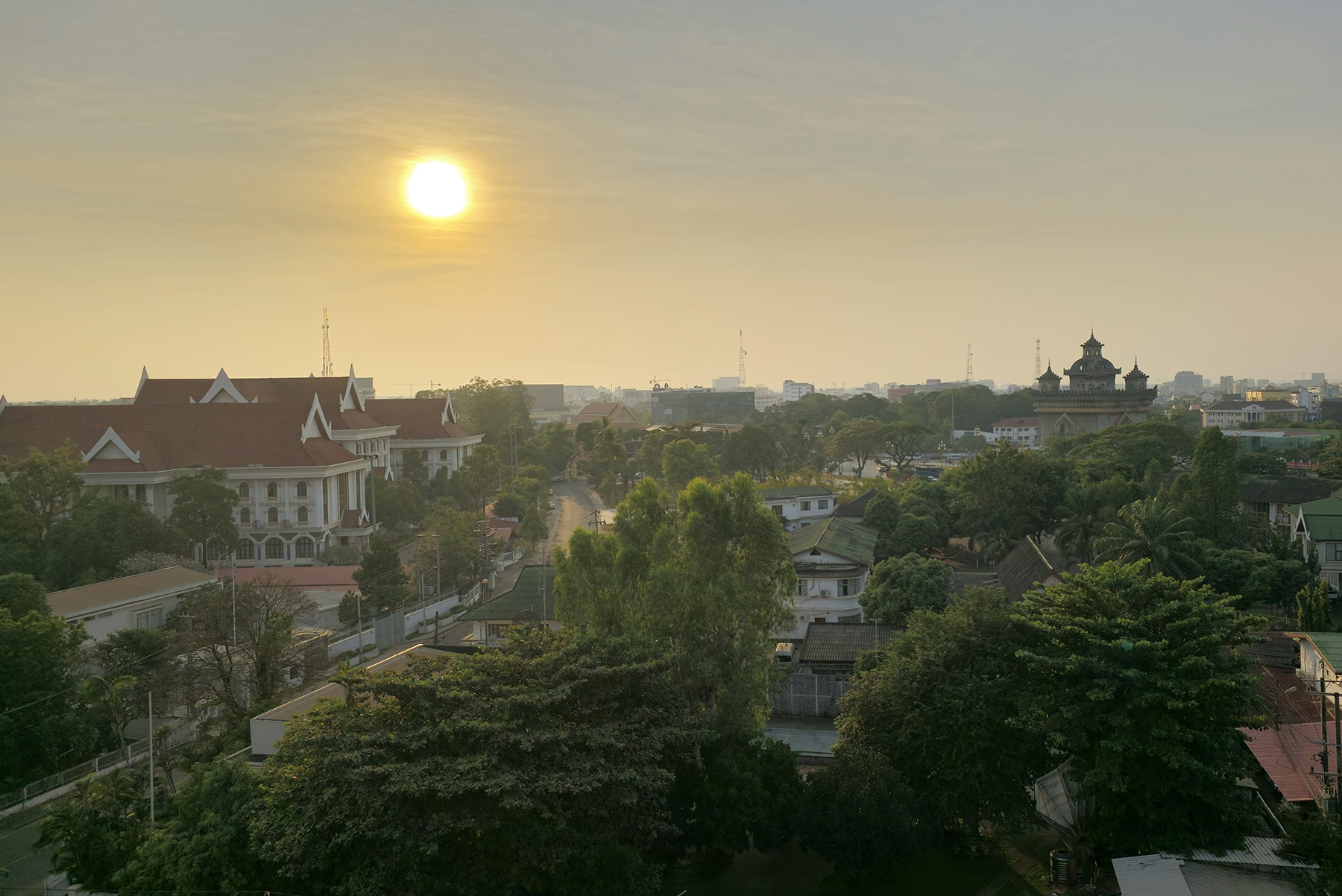
After several stressful weeks of feeling like we were captive in our own version of the Groundhog Day movie, we finally received a replacement passport and emergency exit visa (again, more painful details in the supplemental post) … and we were off! Indonesia, here we come!
Laos – Howie’s Addendum
Our adventure in Laos was, not surprisingly, a bit turbulent. It will certainly go down as one of our most memorable stops of our itinerary! As we ended up with some unplanned additional time on our hands, I had lots of time to reflect on our visit to this fascinating country.
First off, the highlights!

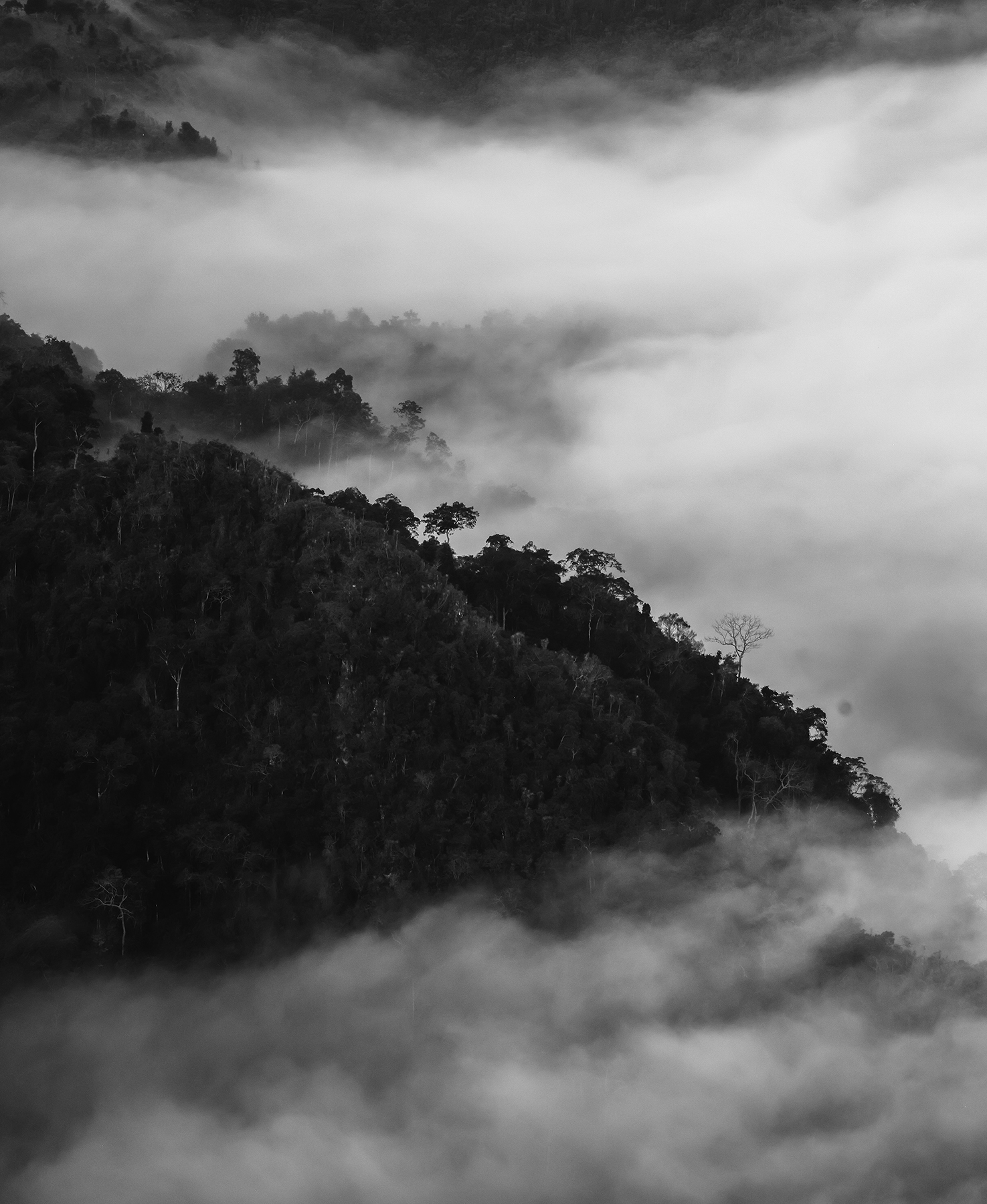
Apart from the unsettling moments during our ascent to the summit of the Phamery Viewpoint in Nong Khiaw, the night spent at the summit under the stars felt like a peak sabbatical year adventure moment. We were in a place that felt simultaneously unique, distant, unfamiliar, and stunningly beautiful, with just our own little family (and one utterly unprepared guide). Sleeping uncovered beneath the winter night sky, watching shooting stars, and seeing the sunrise over a blanket of clouds while surrounded by mountains rising up out of the jungle all made for a night we will forever remember.
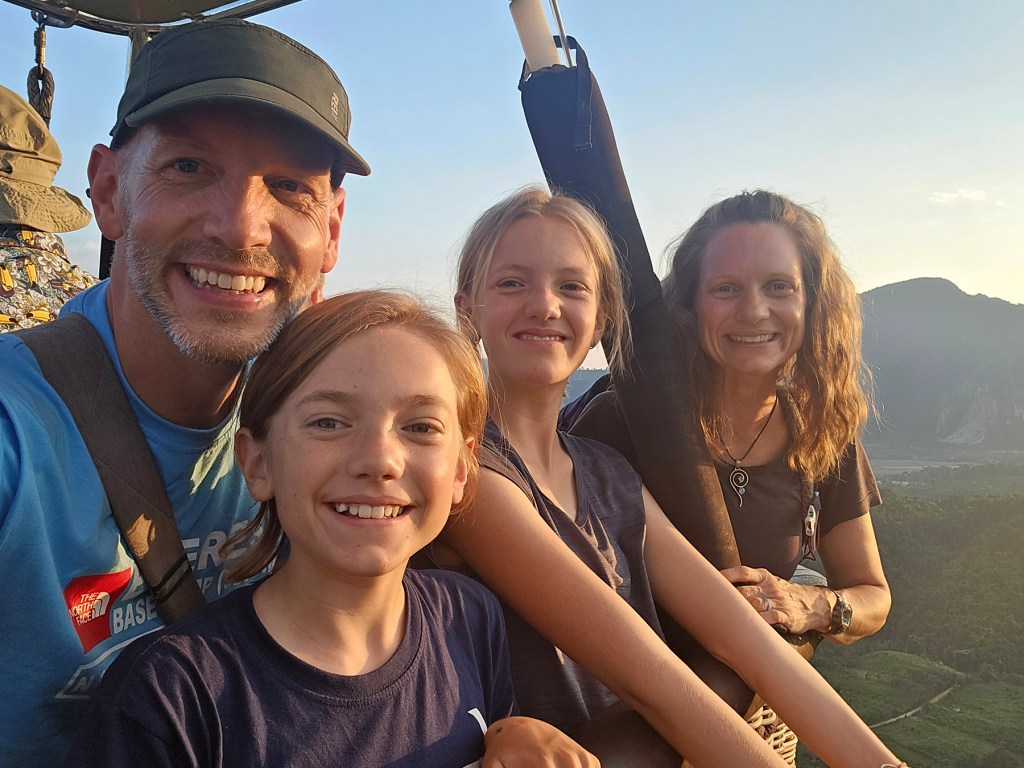
Hot air ballooning in Vang Vieng was another fantastic event. As we are accustomed to early morning hot air balloon adventures with Sonya’s dad, sunset ballooning was a completely new experience for us! The combination of the mountainous terrain, late starting time, super-high altitudes reached, and pilot who was not in-family (we are forever loyal to our Pop-Pops, balloon pilot extraordinaire!) made me somewhat more nervous than usual during the flight, but the trip was spectacular nonetheless.
And next, the challenges.
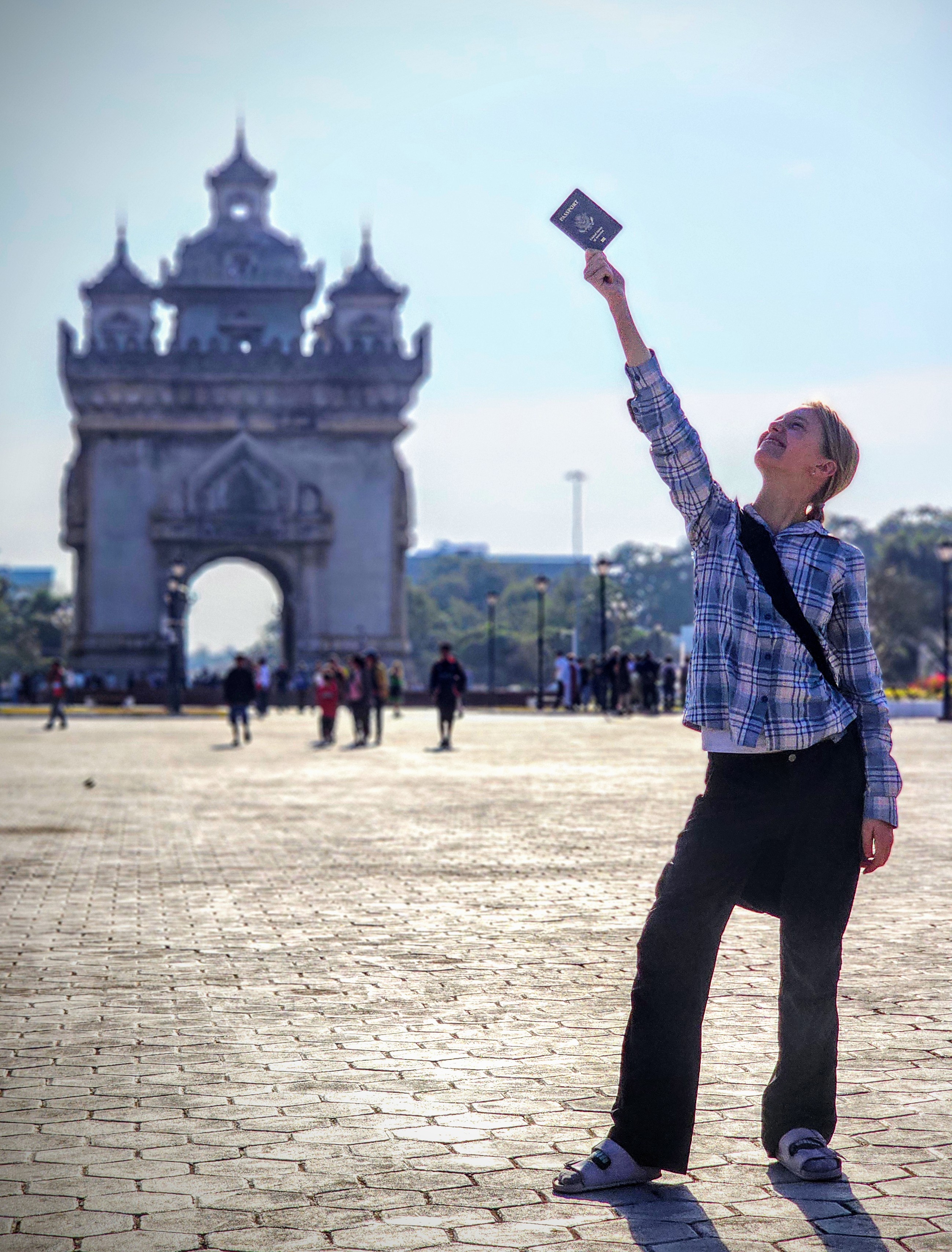
The big one: losing a passport was a total bummer. It felt like an event that reminds us that the universe is an inherently chaotic and unpredictable place, and sometimes a sequence of little events takes you in wildly unexpected directions. The gasp of surprise and joy Sonya made when we got the email informing us of the new passport’s arrival will forever be etched in my memory. The only real bright side to the ordeal was once again realizing that the amazing person I married can make the seemingly impossible happen – I still am in shock that we made it out of Laos in time to meet our boat in Indonesia!

At numerous points throughout our travels this year, we have visited locations where the impacts of past conflict still feel very much present and alive today. Most notably, residual ethnic and national tensions in the Balkans were still clearly apparent during our time spent in Montenegro, Albania, and Bosnia-Herzegovina. Beyond the Balkans, echoes of past conflicts, ill effects suffered from colonialism, governmental repression, and hundreds of years of historical discord have been visible on display not just in museums, but also in our daily conversations with people we have encountered as we have traveled through Morocco, Europe, Turkiye, and Southeast Asia. Moving from place to place around the globe this year has afforded me a much more thorough understanding of the connectedness and complexity of our shared history than I ever had in the past. It was however during our time in Laos that we were most directly confronted with the impact of our own country’s involvement in this history of conflict.
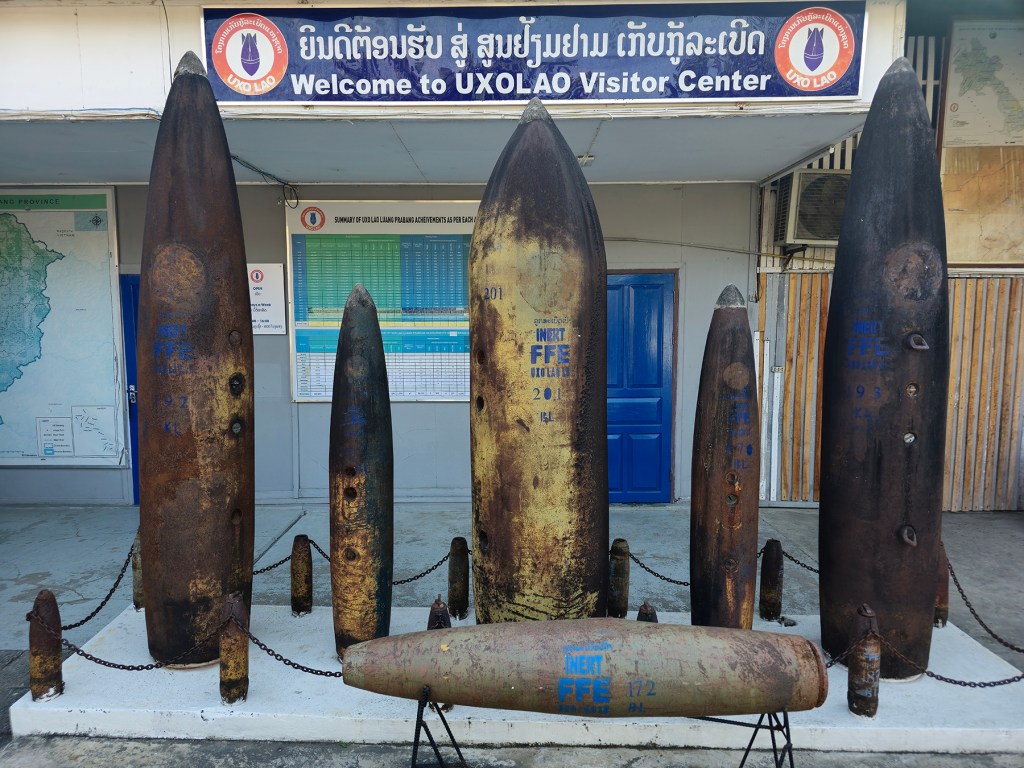
During our first stop in Laos in Luang Prabang, we visited the UXO (Unexploded Ordnance) Museum that documents the residual effects of the secret CIA-led bombing campaign across Laos that occurred adjacent to the Vietnam War. In addition to the thousands of lives lost due to accidental encounters with UXO in the decades since the war, the presence of UXO across the country has left it economically stunted, as much of the viable land remains unsafe to develop. Visiting the UXO center was an important, yet extremely emotionally challenging place to attend with our children, especially considering our country’s recent moves towards an abdication of our responsibility to provide foreign aid.
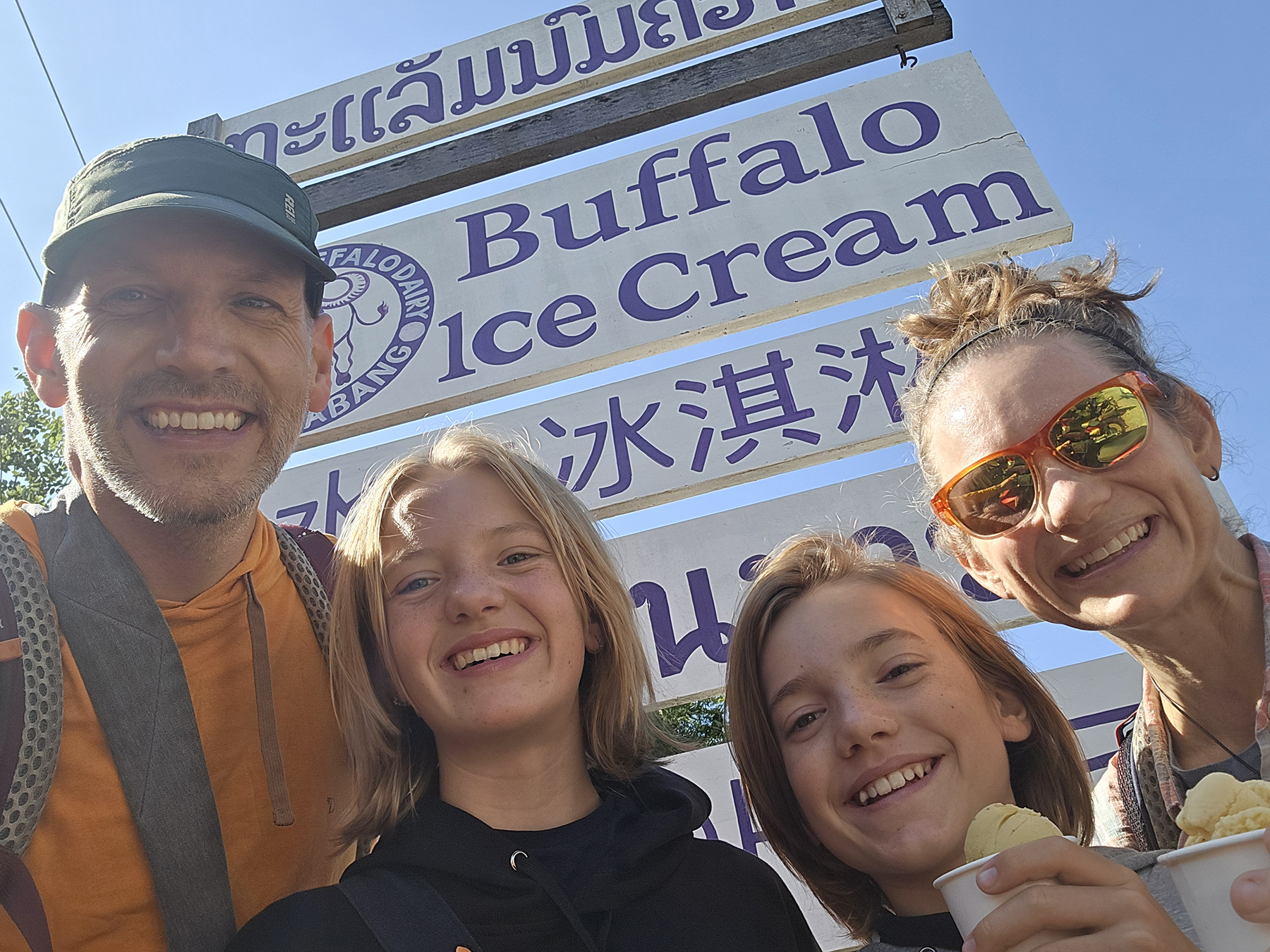
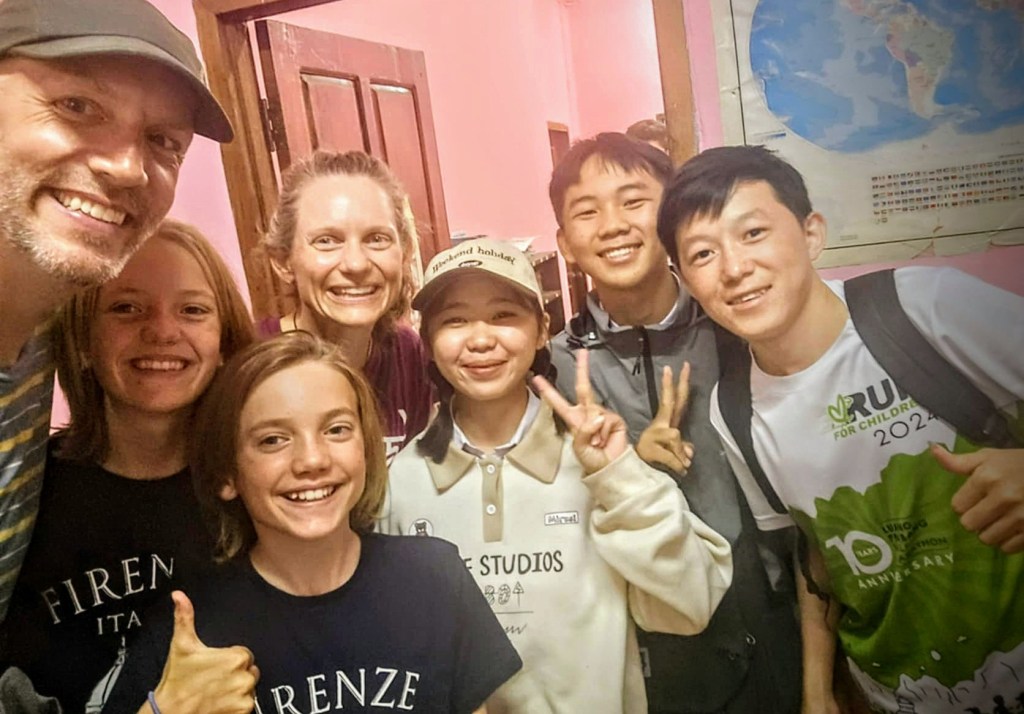
In contrast to our visit to the UXO museum, we were heartened by the time we spent at another location, the Big Brother Mouse school. The school itself was started as a nonprofit educational project by a retired American publisher working together with Laotian college students, with the goal to promote literacy by publishing and providing books featuring accessible Laos-centered content. It also provides a place for students of all ages to improve proficiency in spoken English by hosting meet-ups for conversation with English-speaking visitors. Our kiddos had a great time getting to speak at length with a number of students – it was great to interact in a space that was not centered on tourism, and we appreciated supporting an organization whose mission is unambiguously good.
And lastly, zip-lining.
I have very mixed feelings about zip-lining, as it feels like end-stage tourism.
My working theory on tourism development in a country is as follows:
- Stage 1: this place is dangerous. Do not go to this place.
- Stage 2: this place is kind of crazy and amazing, you should check it out before everyone finds out about it!
- Stage 3: this place is neat, but it’s getting over-busy. I wonder how we can still visit and avoid the crowds?
- Stage 4: why is there a zip-line here?
Ziplines generally feel to me like inauthentic, manufactured experiences. They intrude on natural settings, and in general have no relation to anything unique or special about the culture, history, or geography of any place they are found.
Like many people who travel, we find ourselves seeking “authentic” experiences. The problem is, I’m not sure that is really what any of us really ever actually do or want to do. If someone visits New York, I very much doubt that the “authentic” experience they are seeking would involve an hour-long subway commute to an office job in the HR department of an accounting firm. Likewise, the “authentic” as experienced by the vast majority of people in Laos on a day-to-day basis is also not what most people would seek out as visitors to the country. Even if we were able to engage in completely “authentic” experiences, it will always be from our own perspective as outsiders and foreigners. So we find ourselves as we travel searching for things that are simultaneously superlative and authentic, but not too authentic, because that might be boring or upsetting or unpleasant.
So, for what it’s worth, I’m generally not a fan of ziplines.
Also, they are super fun. The kiddos loved it.
 Eight Boots Abroad
Leave a comment