

Our flight from Istanbul to Kathmandu (via Mumbai, India) was on September 28th. Little did we know that ongoing tensions in the Middle East were about to escalate – we were on one of the very last flights to safely cross this incredibly tenuous airspace. In fact, within hours, the airspace we had just flown through was officially closed.
After narrowly crossing the Middle East, we landed in Kathmandu and were immediately aware of how severe the recent monsoon flooding had been in the area. The day prior to our arrival, the Kathmandu Valley had received over a foot of rain in just 24 hours. Hundreds of Nepalese lives were lost and many vital bridges and roadways were destroyed. The city of Kathmandu was an island, major roadways coming in and out of the city all inaccessible due to massive landslides. We met with our local guiding team for the treks we had planned, discussing options, and wondering if we should leave the region to allow resources to reach the Nepalese people. Our team wholeheartedly reassured us the people of Nepal are resilient and resourceful – the best way to help would be to stay, support the rural communities we had planned to visit, and remain flexible about how our next six weeks would play out. With the news of escalations in the Middle East, flooding throughout Nepal, and hurricanes affecting our friends and family back home in the US, our hearts were filled with so many emotions.
So, with our heavy hearts we ventured out into the streets of Kathmandu – what an absolutely beautiful and colorful chaos awaited us!
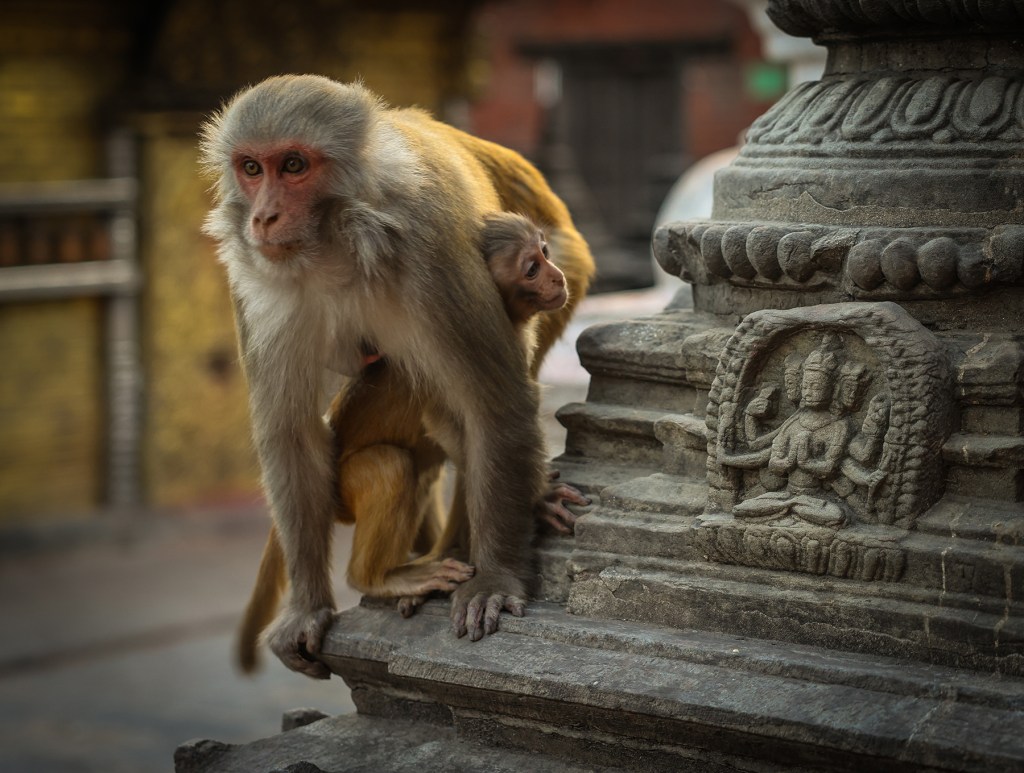
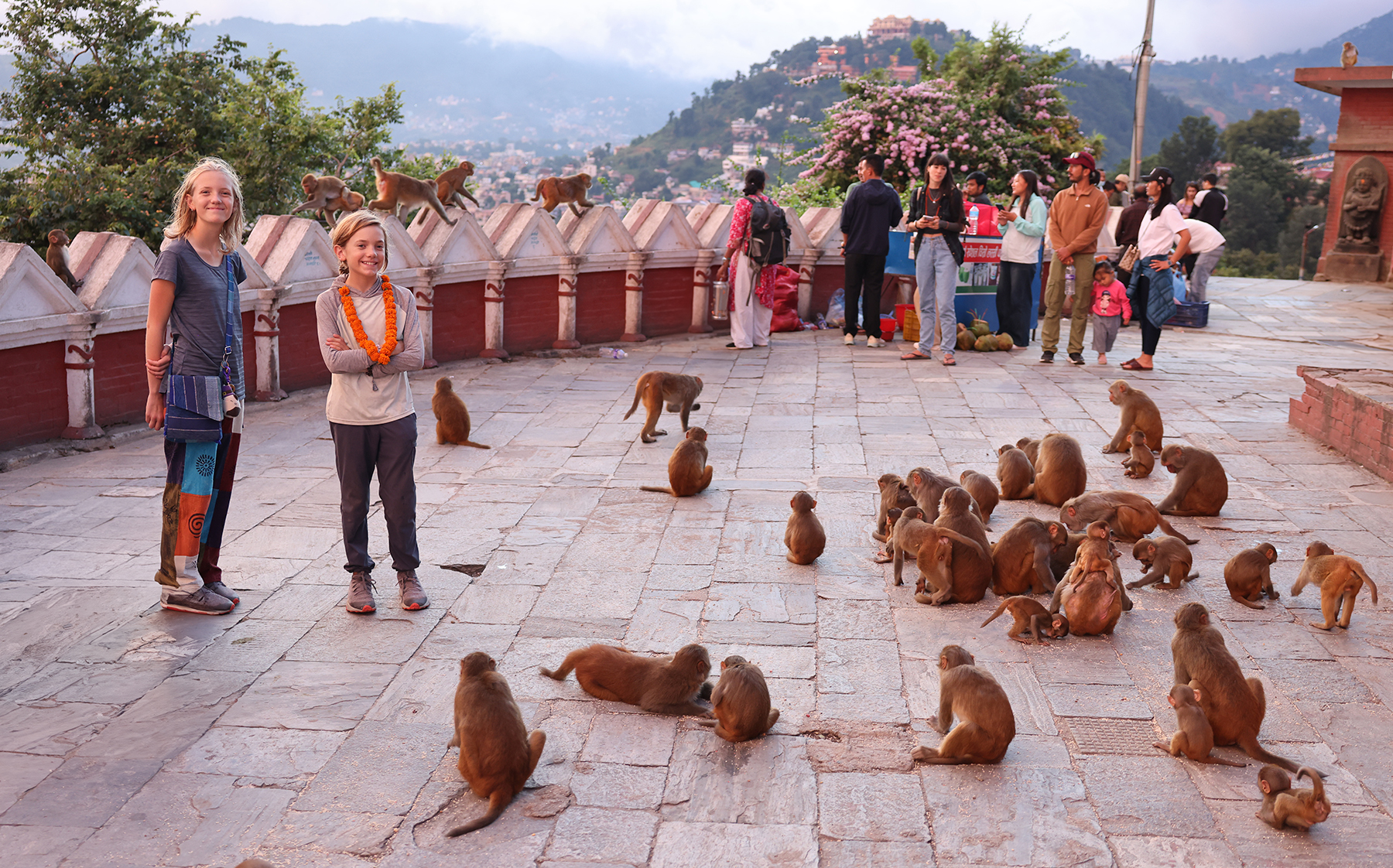
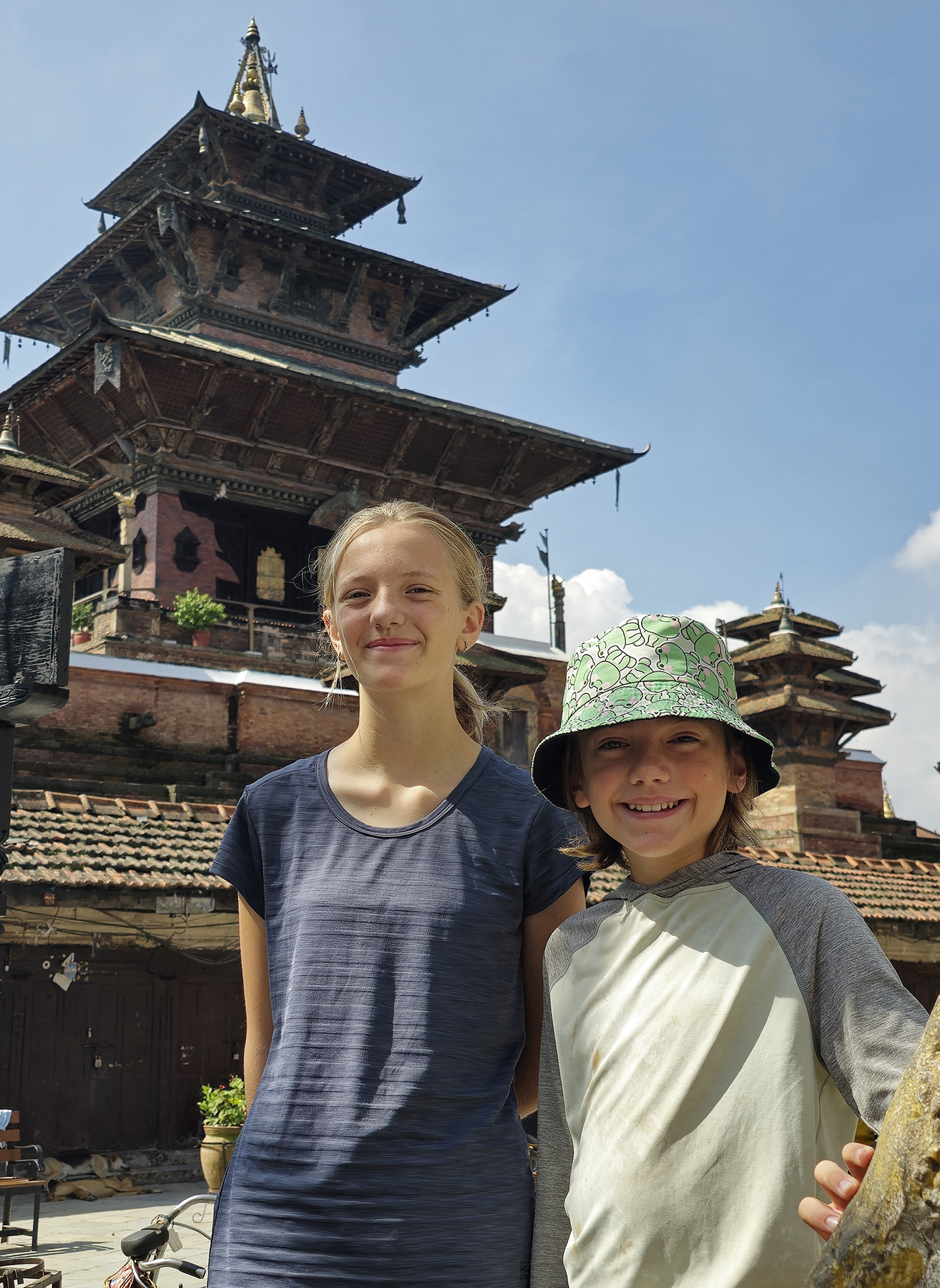
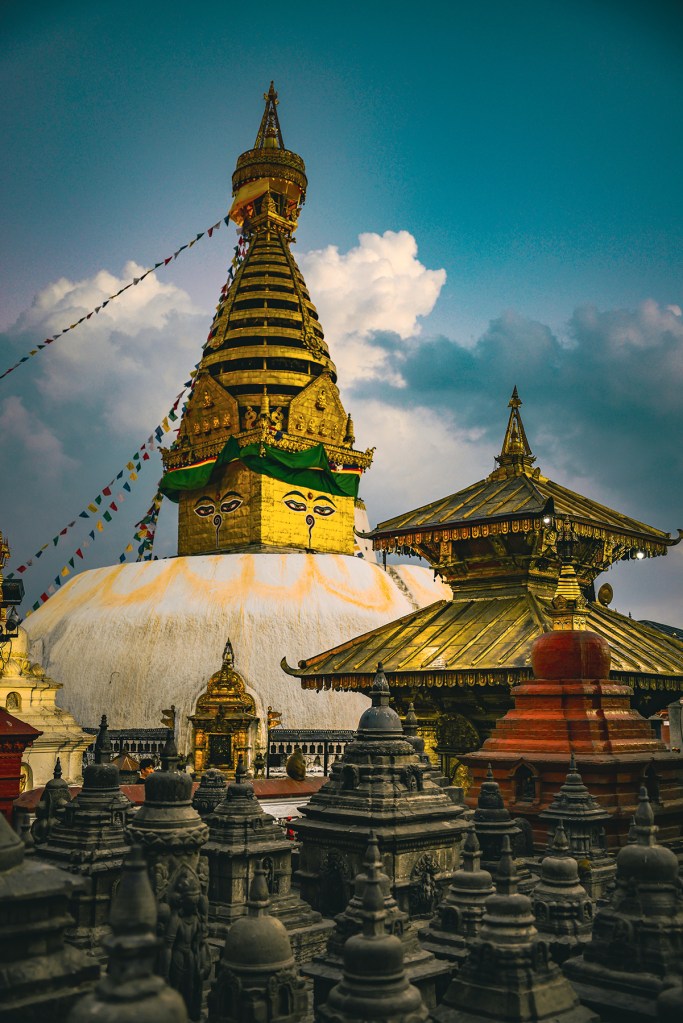
We stayed in the backpacker/trekker area of Thamel and spent three days exploring Kathmandu – the amazing Monkey Temple (the Buddhist site Swoyambhu Mahachaitya / Swayambhunath), historic Durbar Square, and all of the lively stalls that line the busy, winding alleys of Thamel. The kiddos wanted to buy every small trinket known to humankind, and we all enjoyed popping in to gear stores to find all kinds of imitation outdoor clothing and accessories that Thamel is famous for – from the North Fake (North Face), Patagonain’t (Patagonia), Marnot (Marmot), and Nahhhgene (Nalgene). Actually, some of the knockoffs are pretty good!







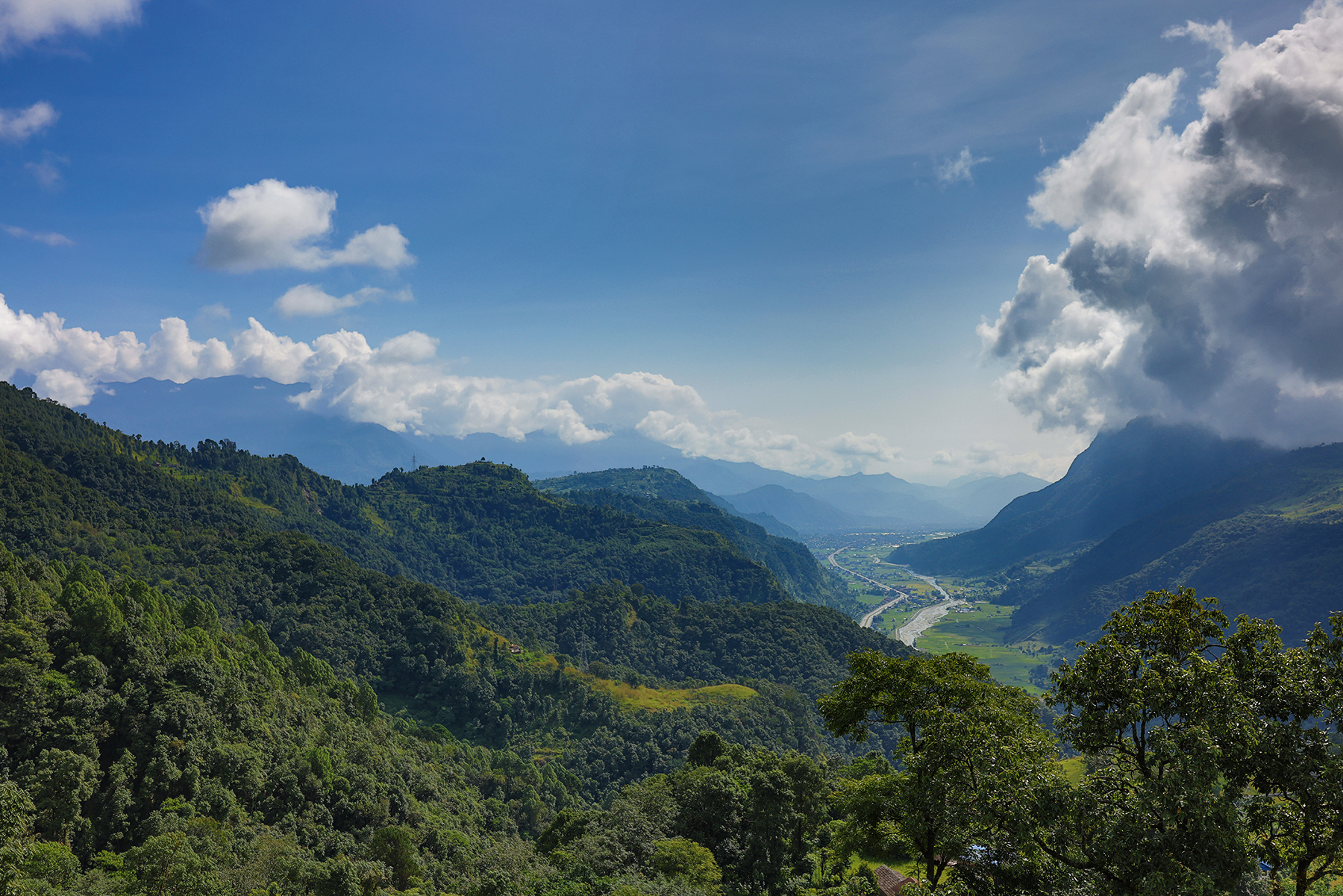
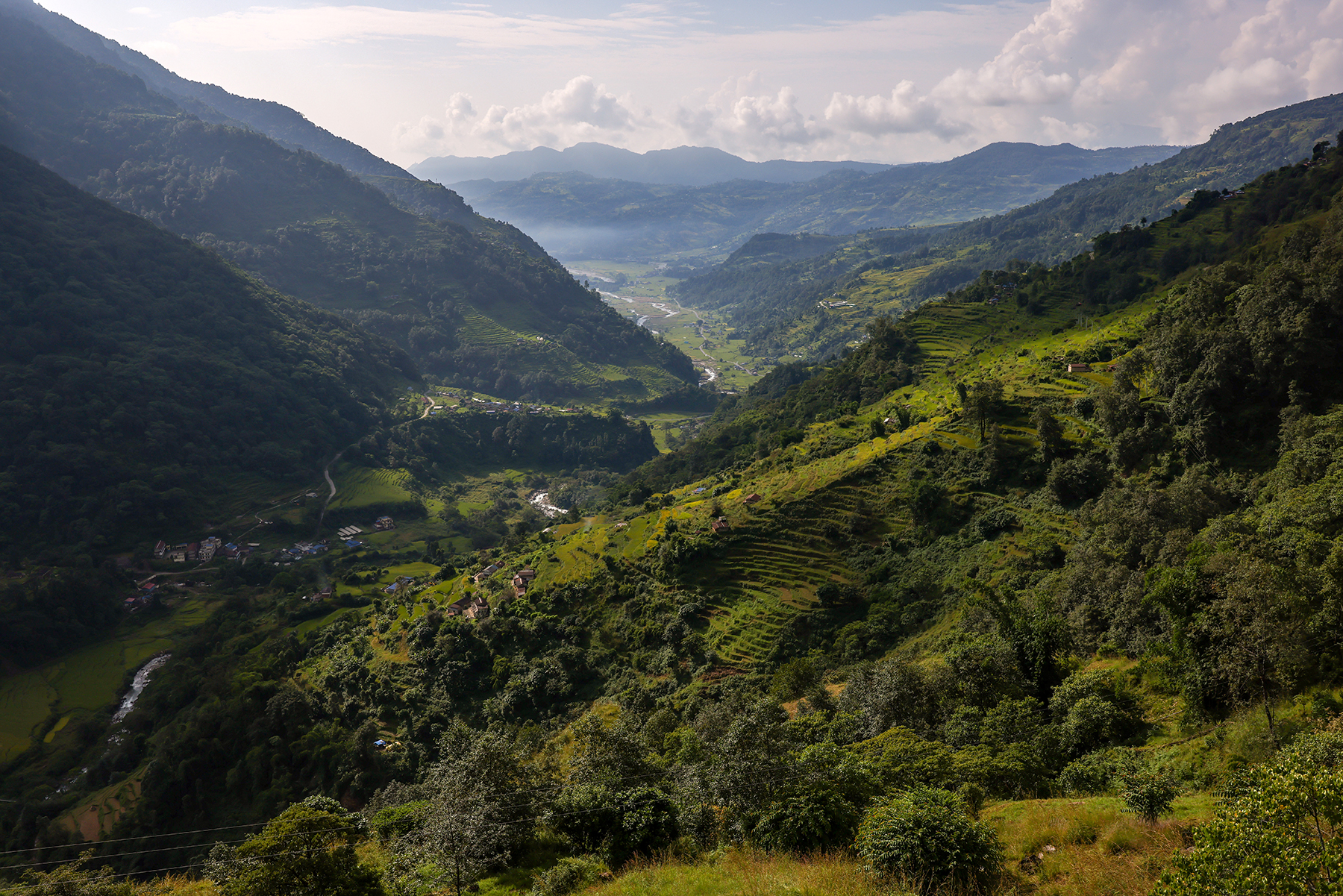
After four days, we were informed that the road from Kathmandu to Pokhara was “passable” and we were to travel by bus the next morning. We spent over eleven hours on a very bumpy bus traveling west to the town of Pokhara. Yes, the roads were technically passable… but we traveled an average of 10-15mph on the 125 mile journey. A significant portion of the route was single lane, and one-direction due to debris and sections of the road which were completely missing. This slow overland travel did however give us a chance to really take in the remote Nepal countryside. I guess I had always assumed the majority of Nepal would be dry and high altitude (like Colorado) because of the immense Himalayan mountain range running along the border with Tibet. My ignorance meant I had the fun realization that at an altitude of only 1,350m (4,500 feet) the Kathmandu Valley is very warm, super-humid, and filled with bamboo groves and rice terraces. Whaaaaaa?!! I stared out the bus window in awe – the scenery was verdant and subtropical, not the arid high desert I had imagined. Sometimes it’s fantastically-amazing to learn your understanding of the world is absolutely wrong.
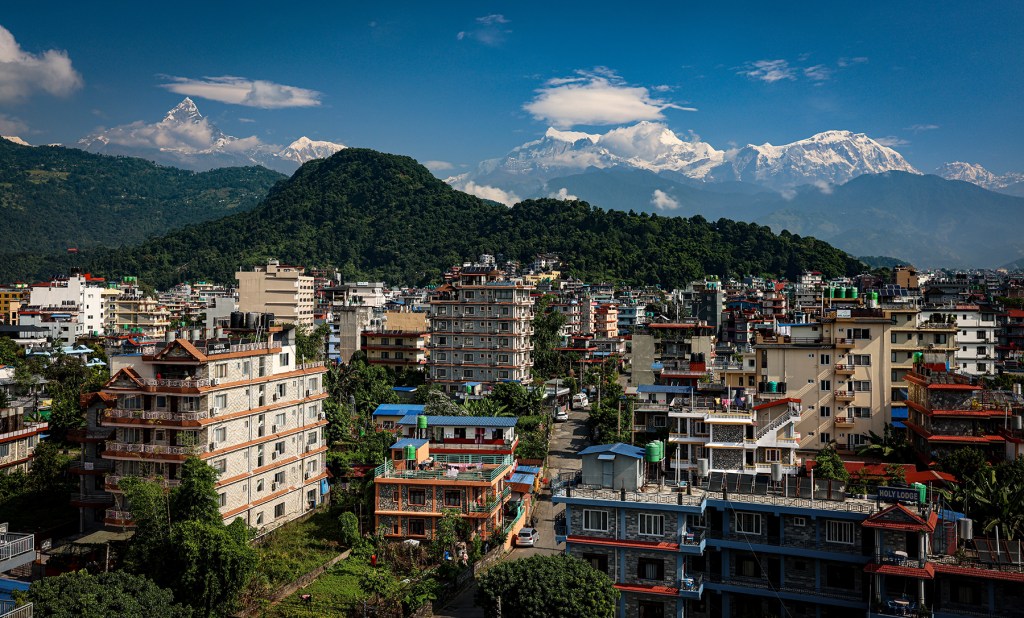


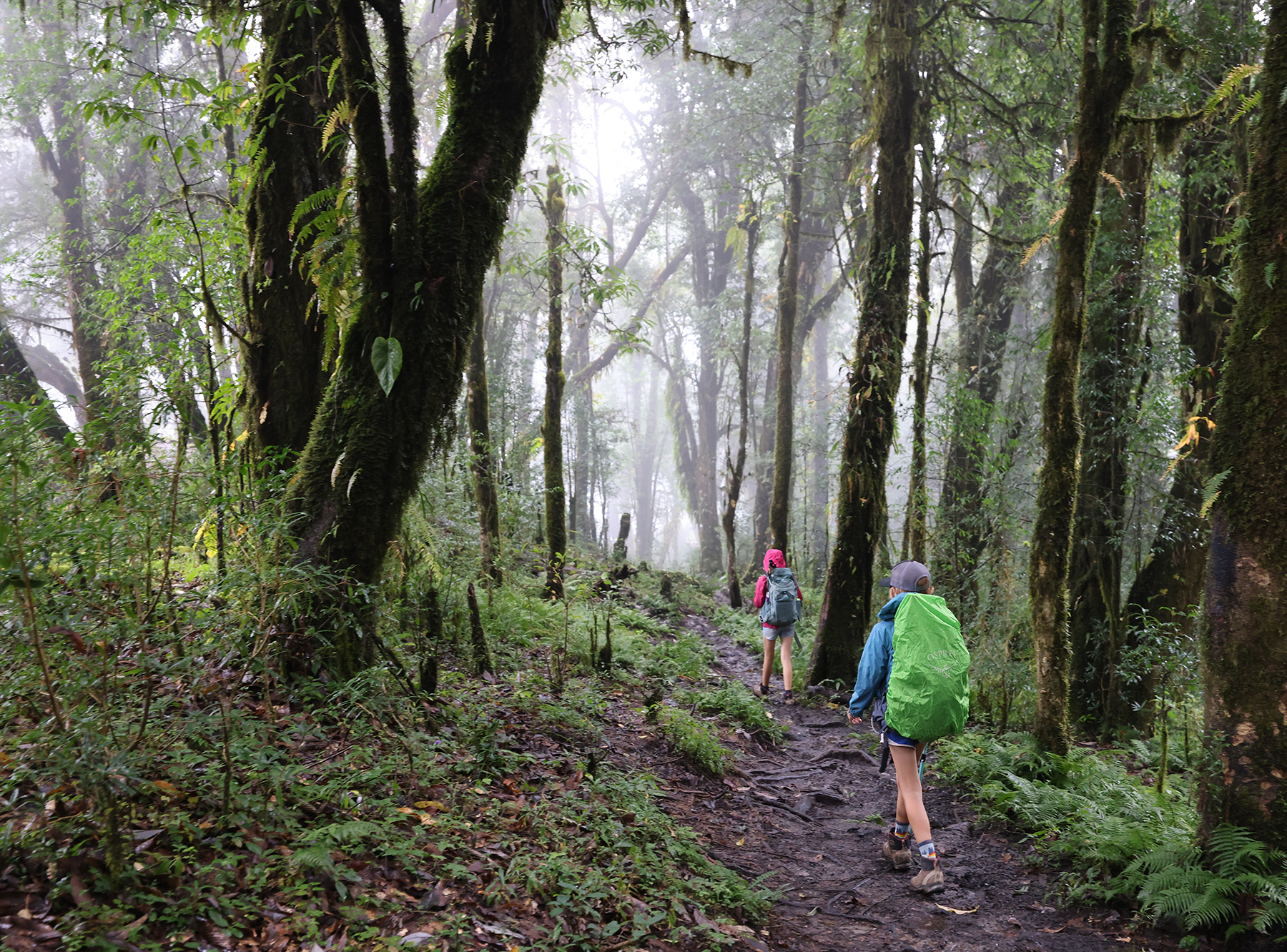
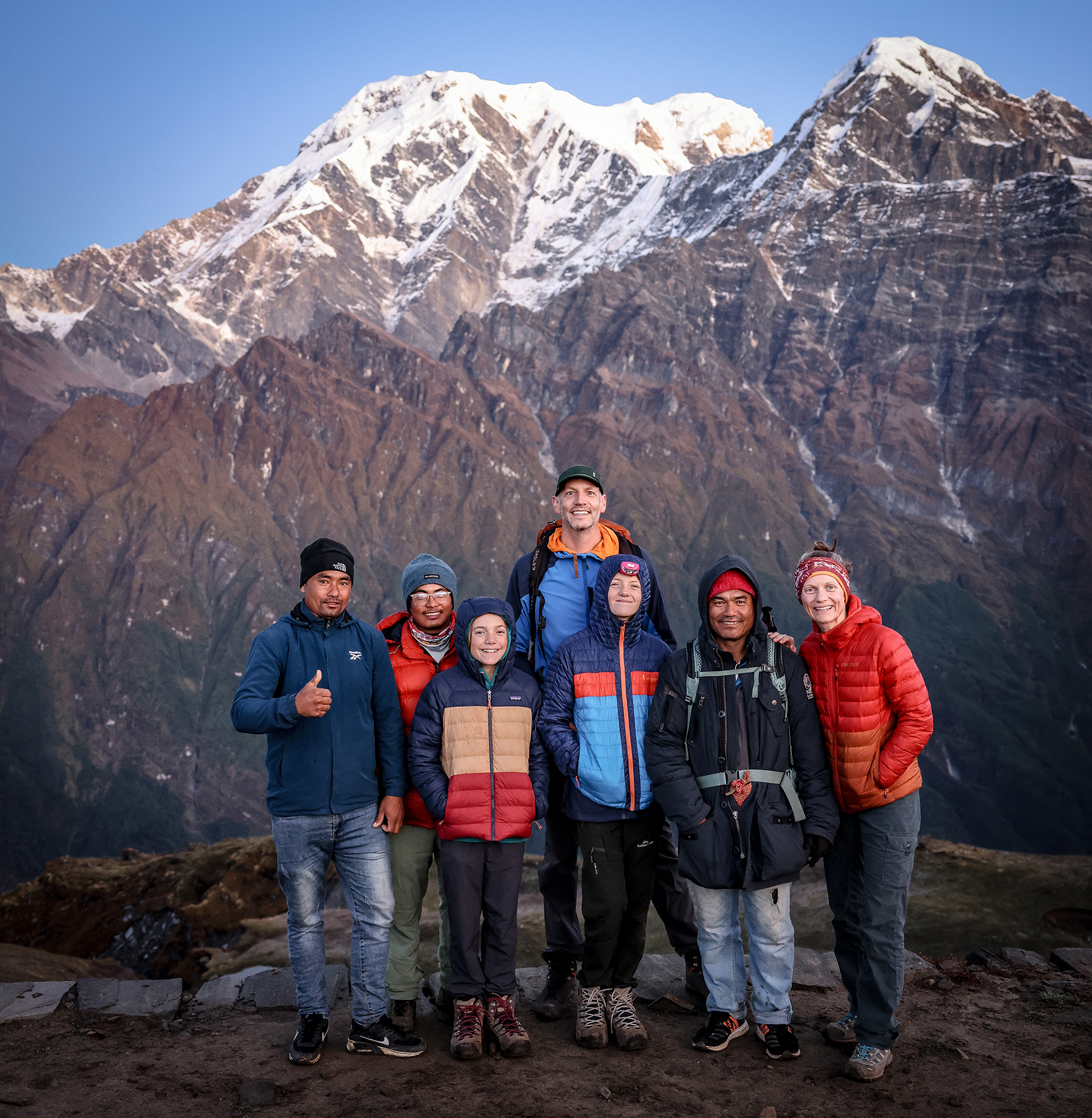
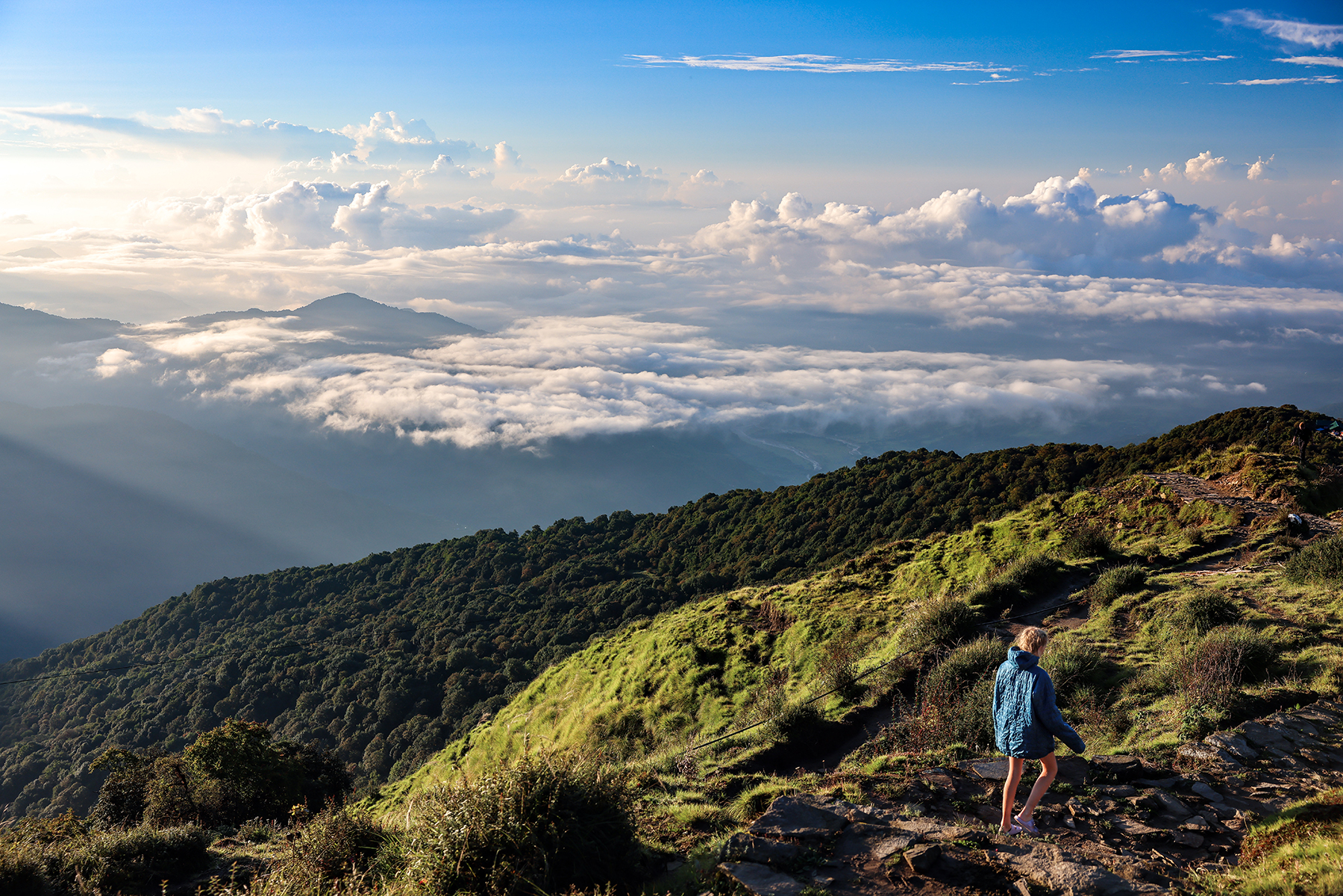
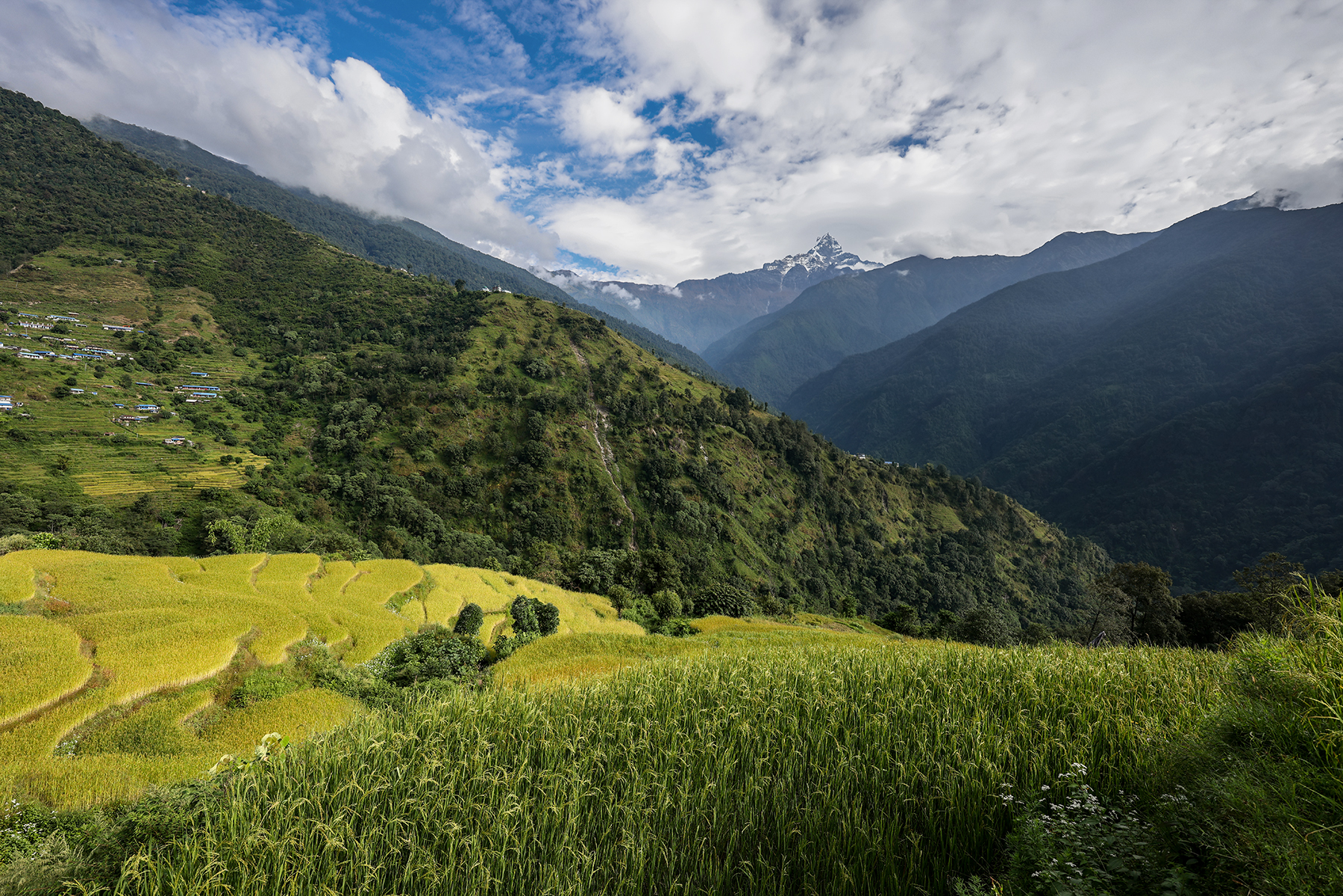
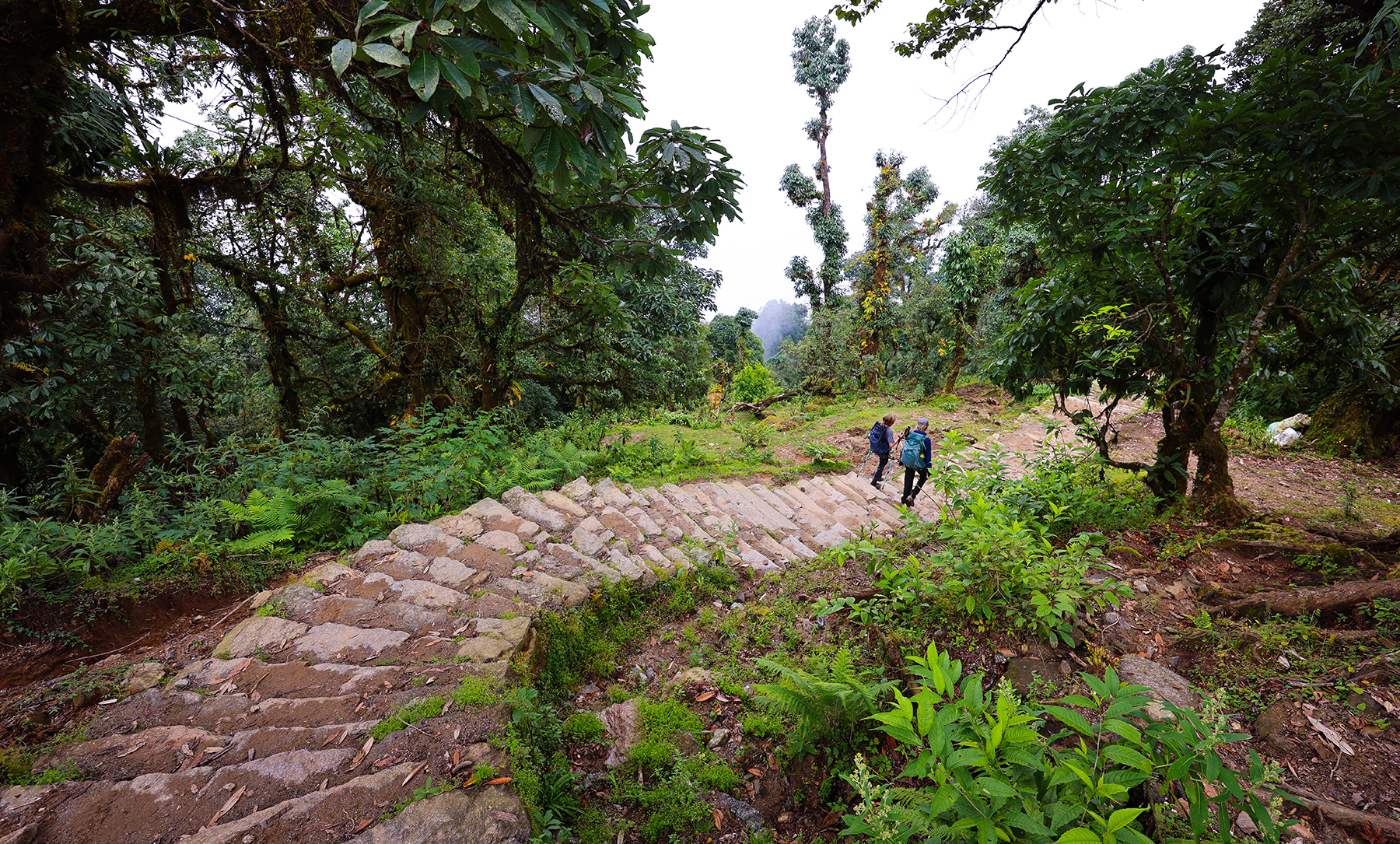
Once in Pokhara, we met up with our trekking team (our guide Indra, and two amazing porters Kul and Dipak) for our week-long “warm-up” trek to the Mardi Himal Base Camp in the Annapurna region just north of Pokhara. Our goals for this trek were to get our hiking legs back in shape, get some altitude exposure, and make sure the kiddos were prepared for/comfortable with living in rustic tea houses, using squatty potties, and hiking for days on end. I’m happy to report that not only were these goals accomplished, but the kiddos thrived! However with all of those wins, the BEST part about this trek was the scenery! We spent 4 days ascending through beautiful rice terraces, small villages, and dense subtropical rainforest, all while doing our best to steer clear of the abundant leeches (which had a particular appetite for poor H) .

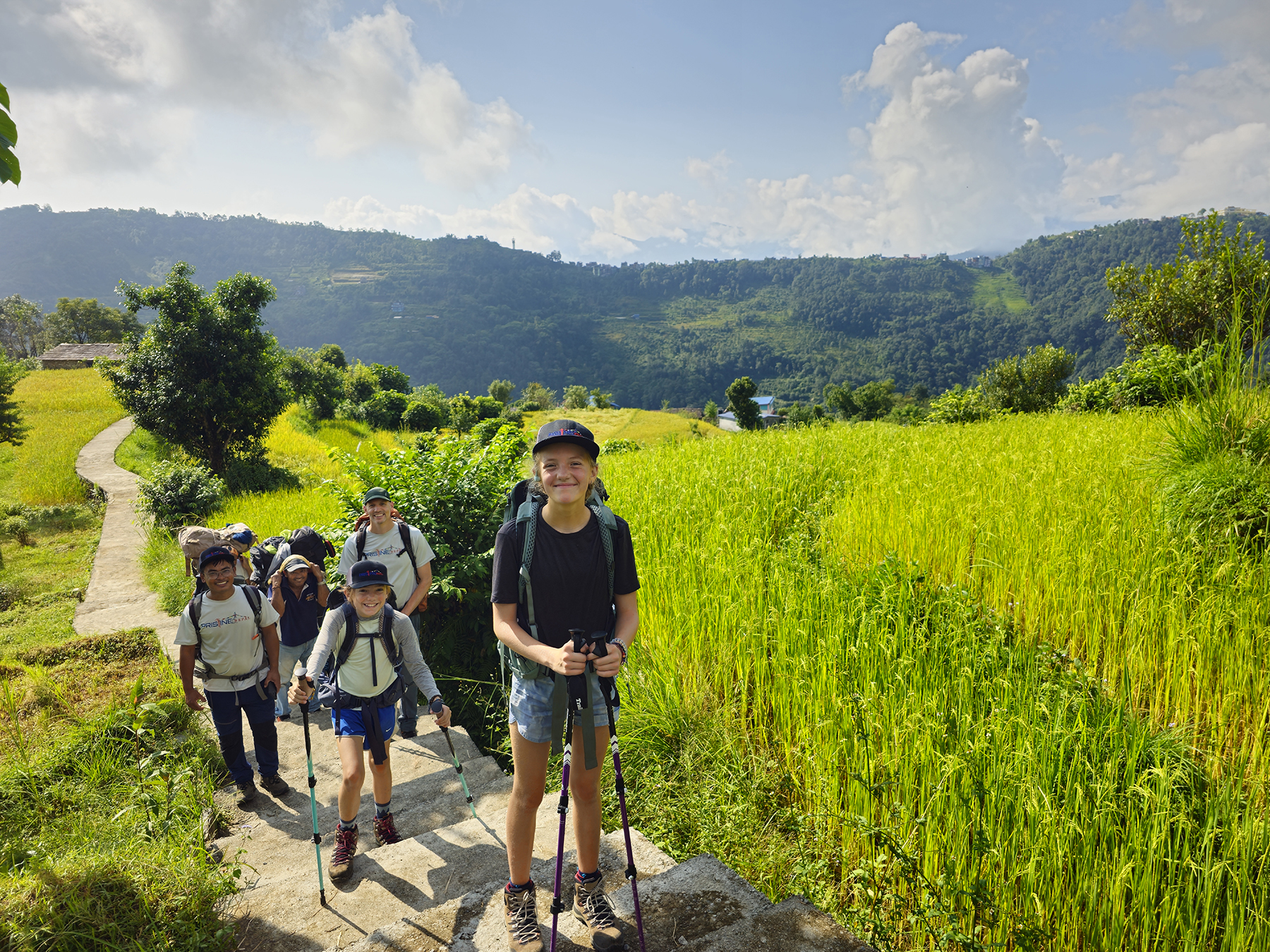
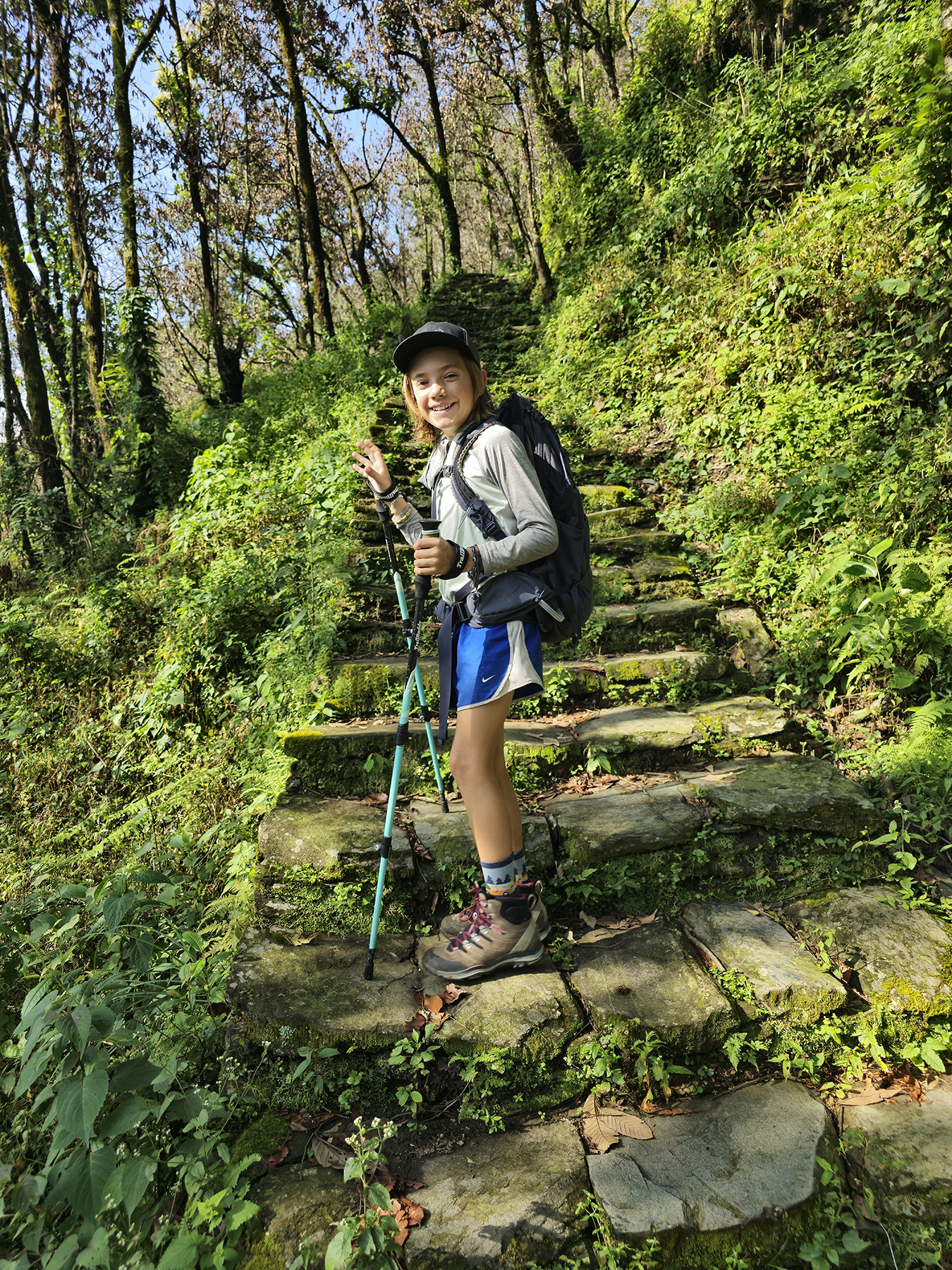
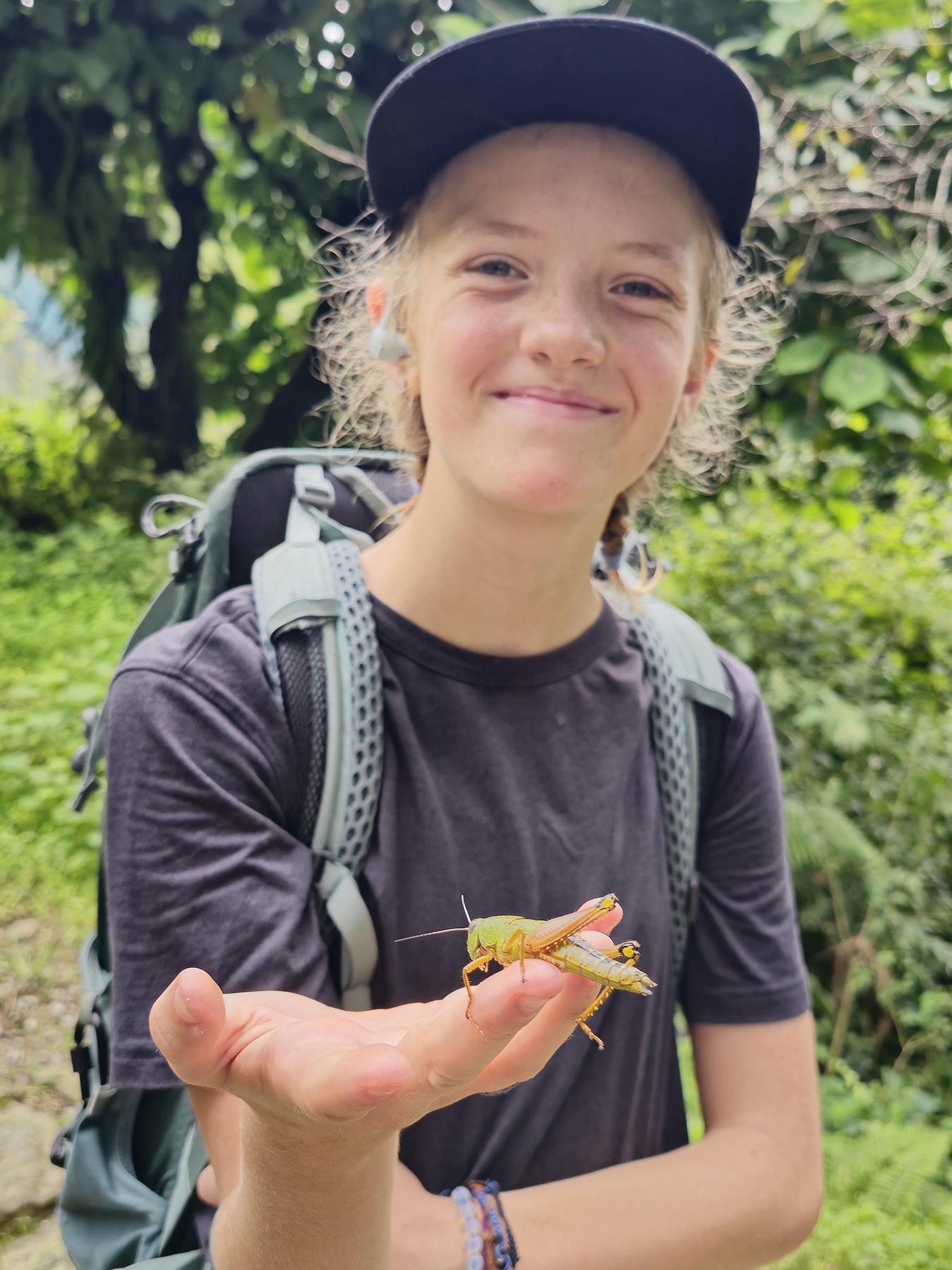
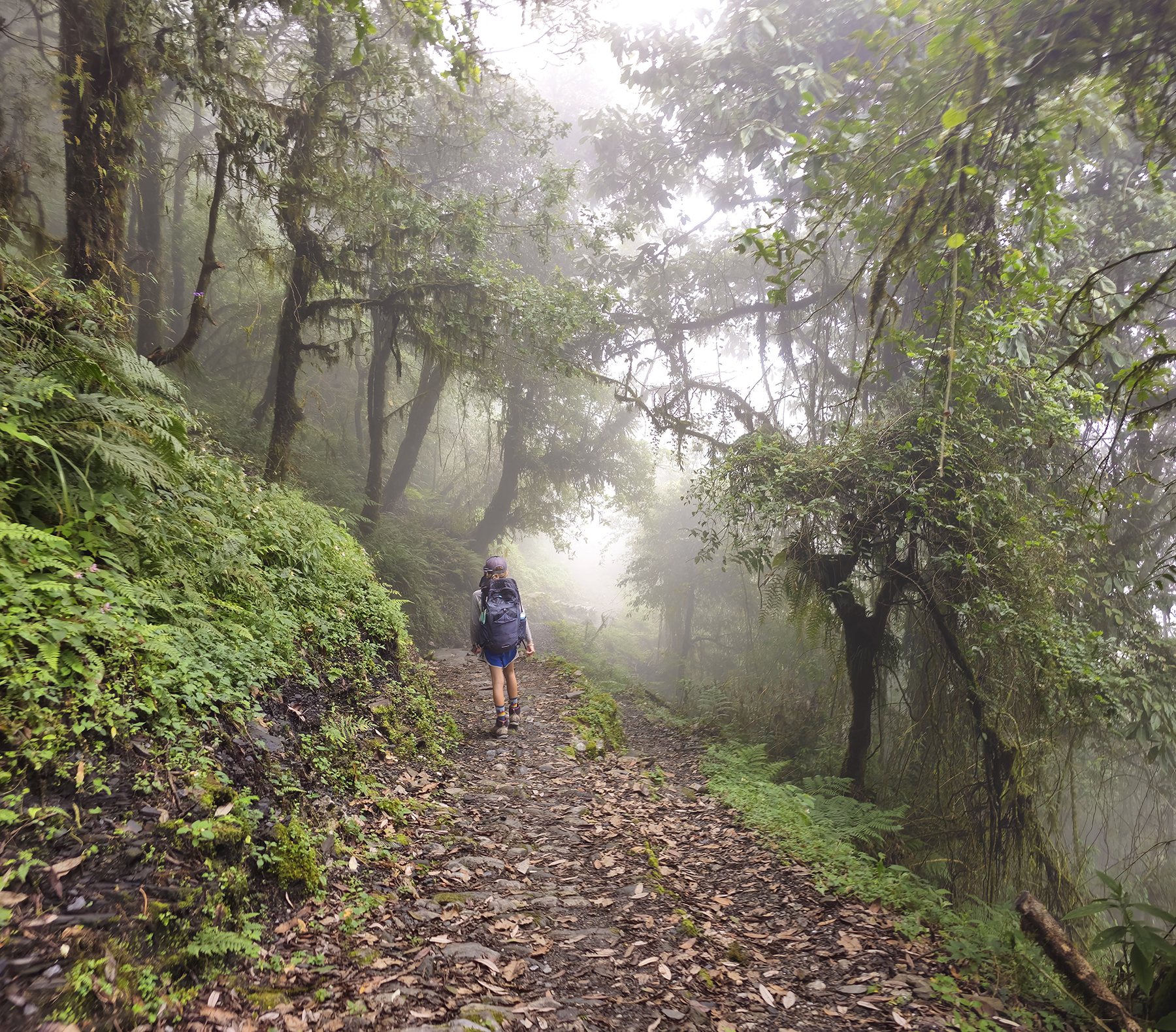
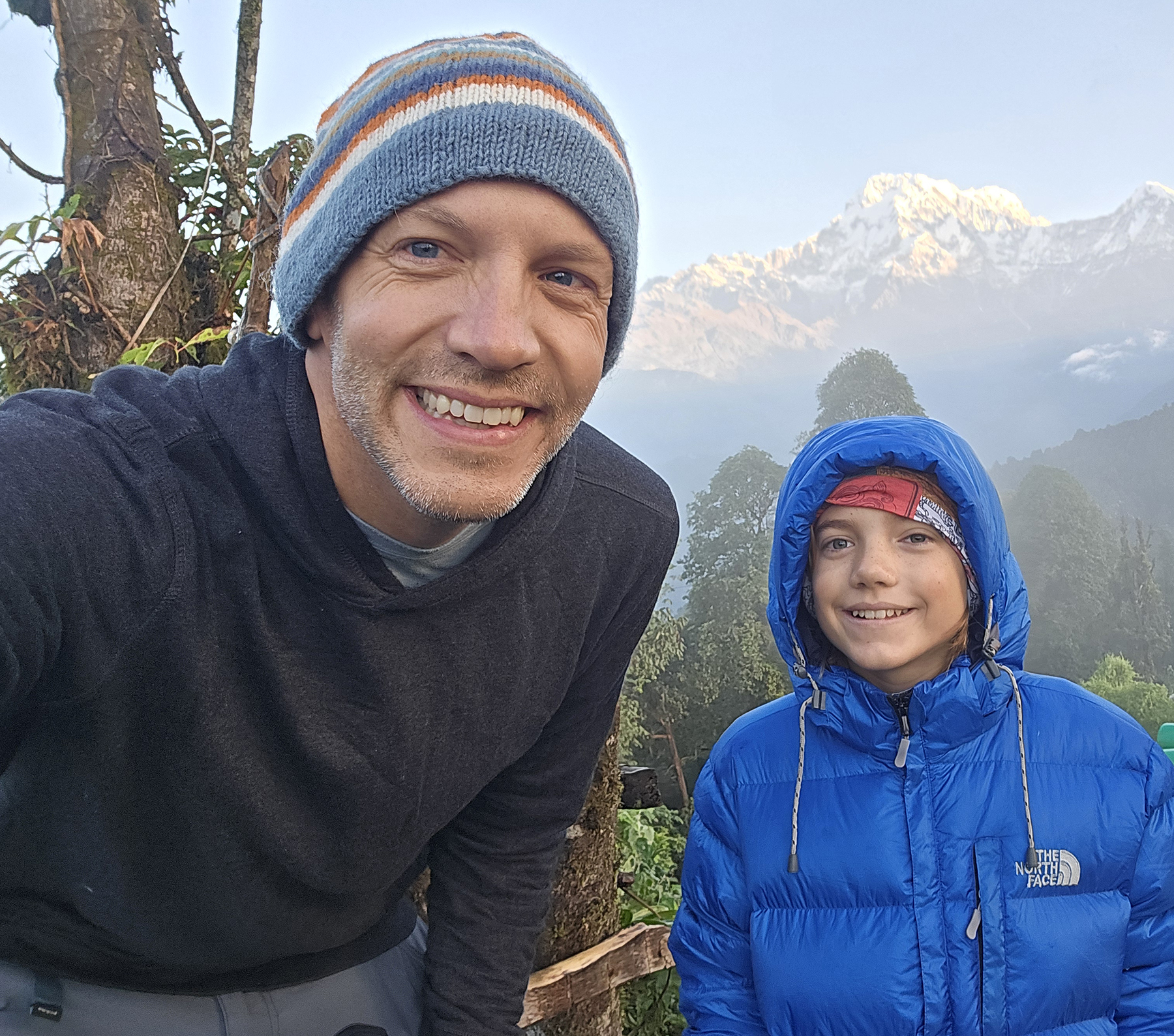
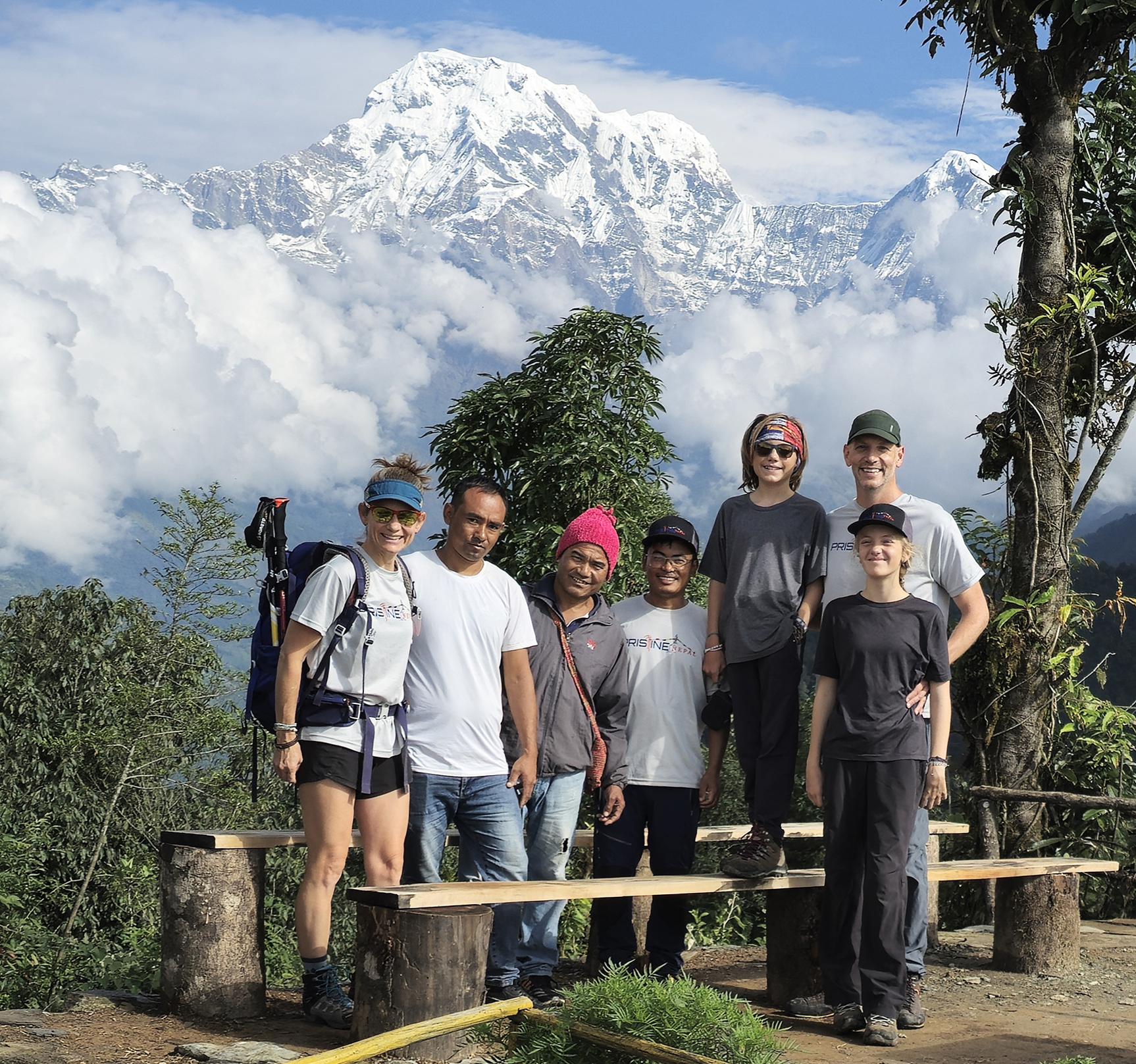

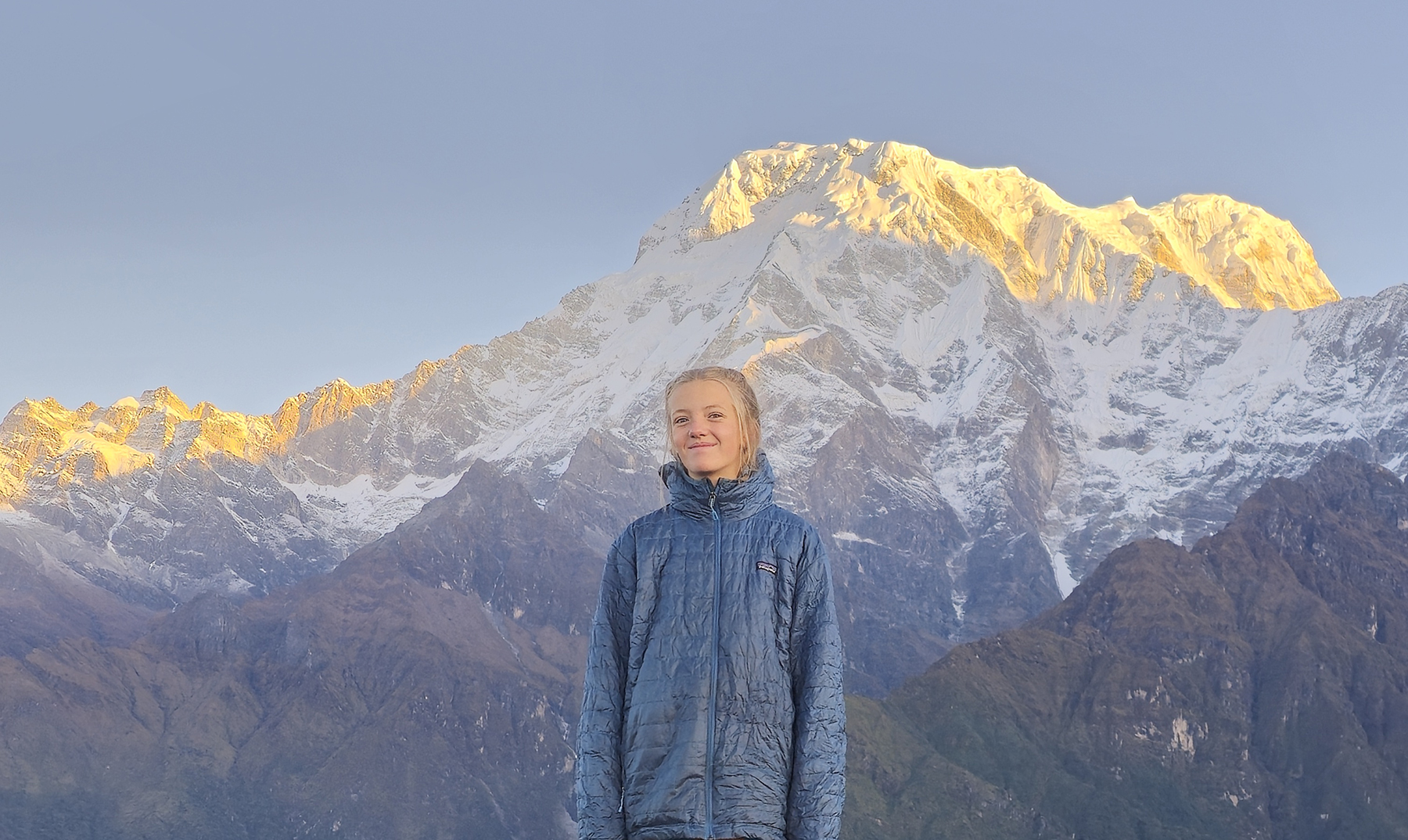

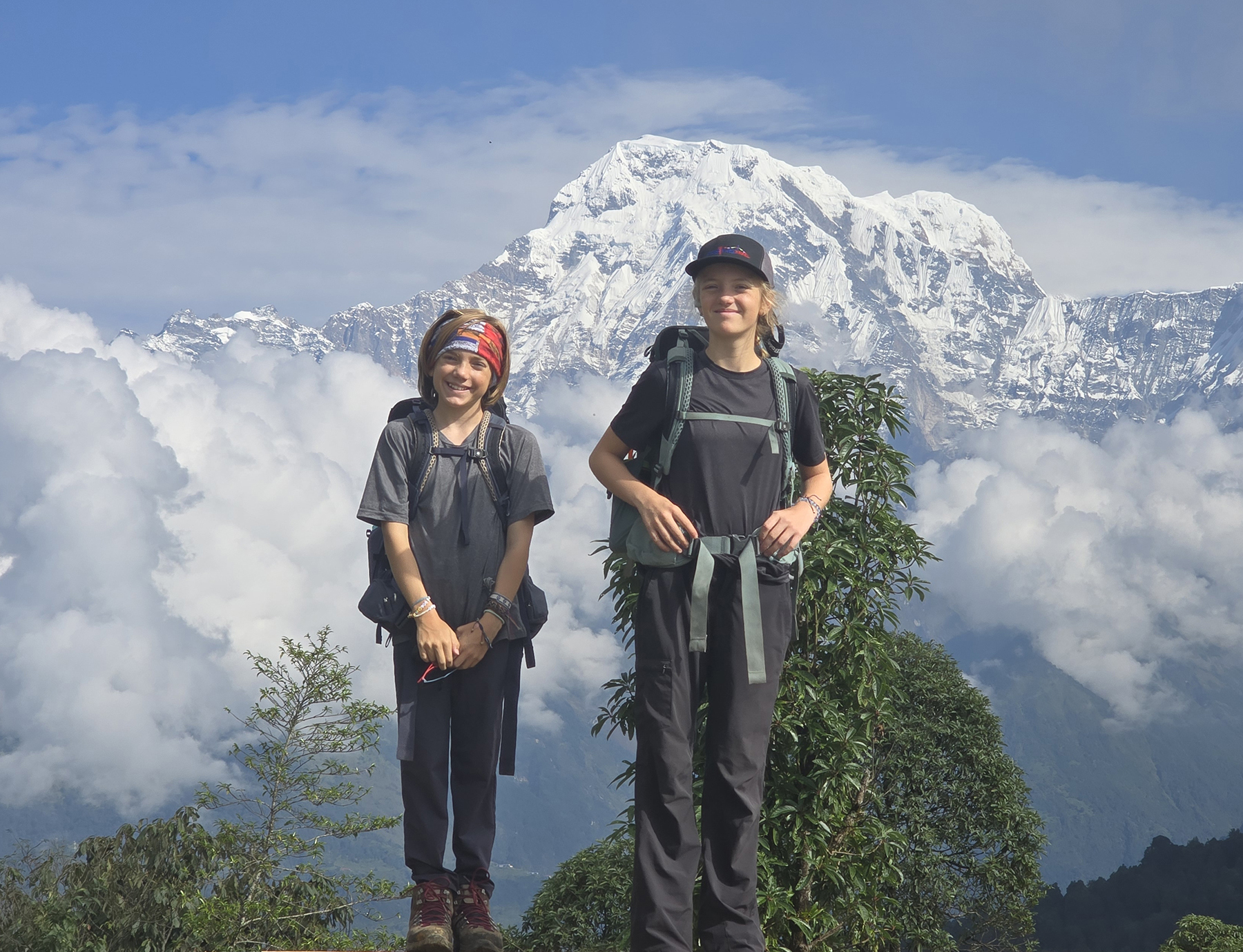

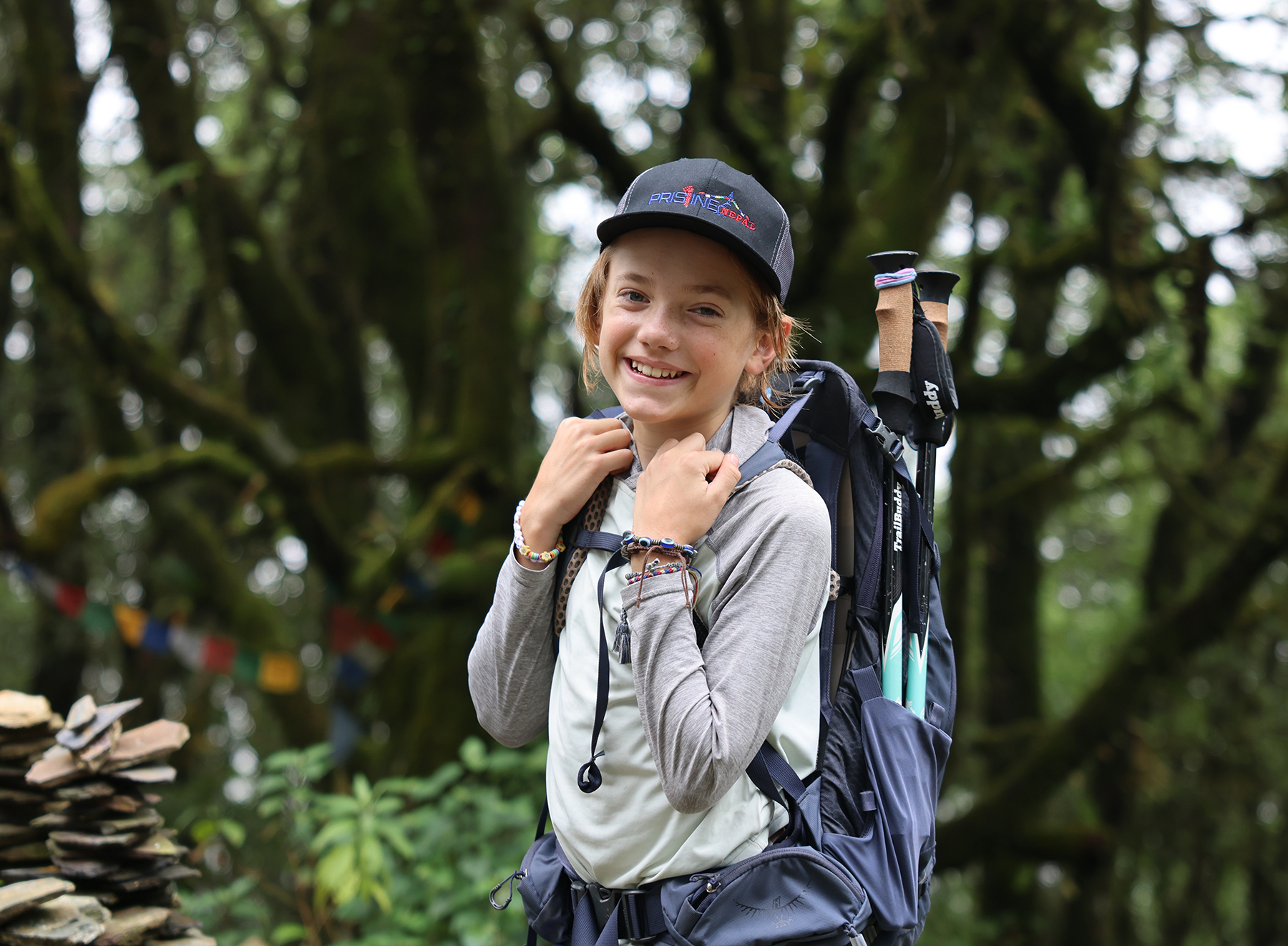

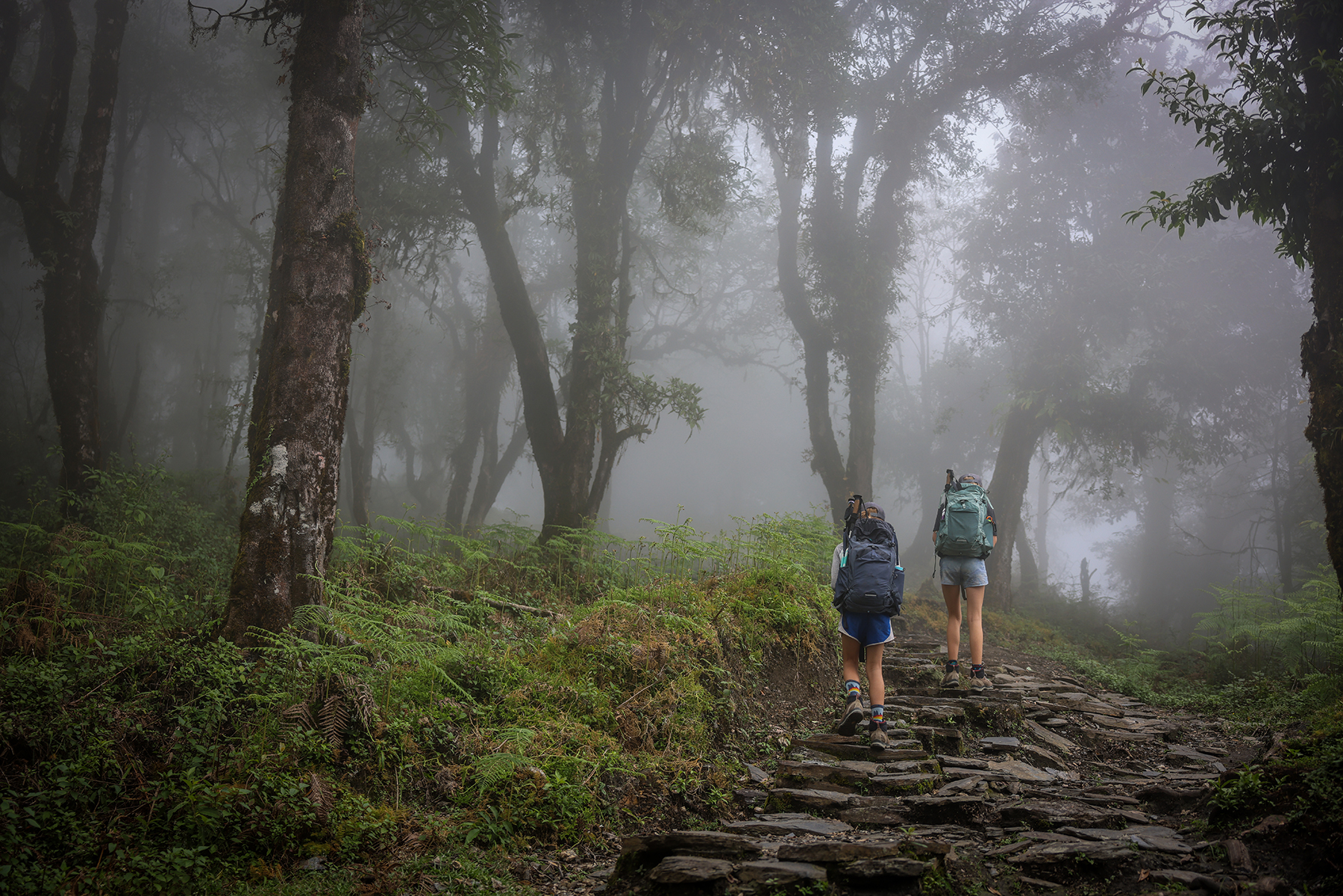
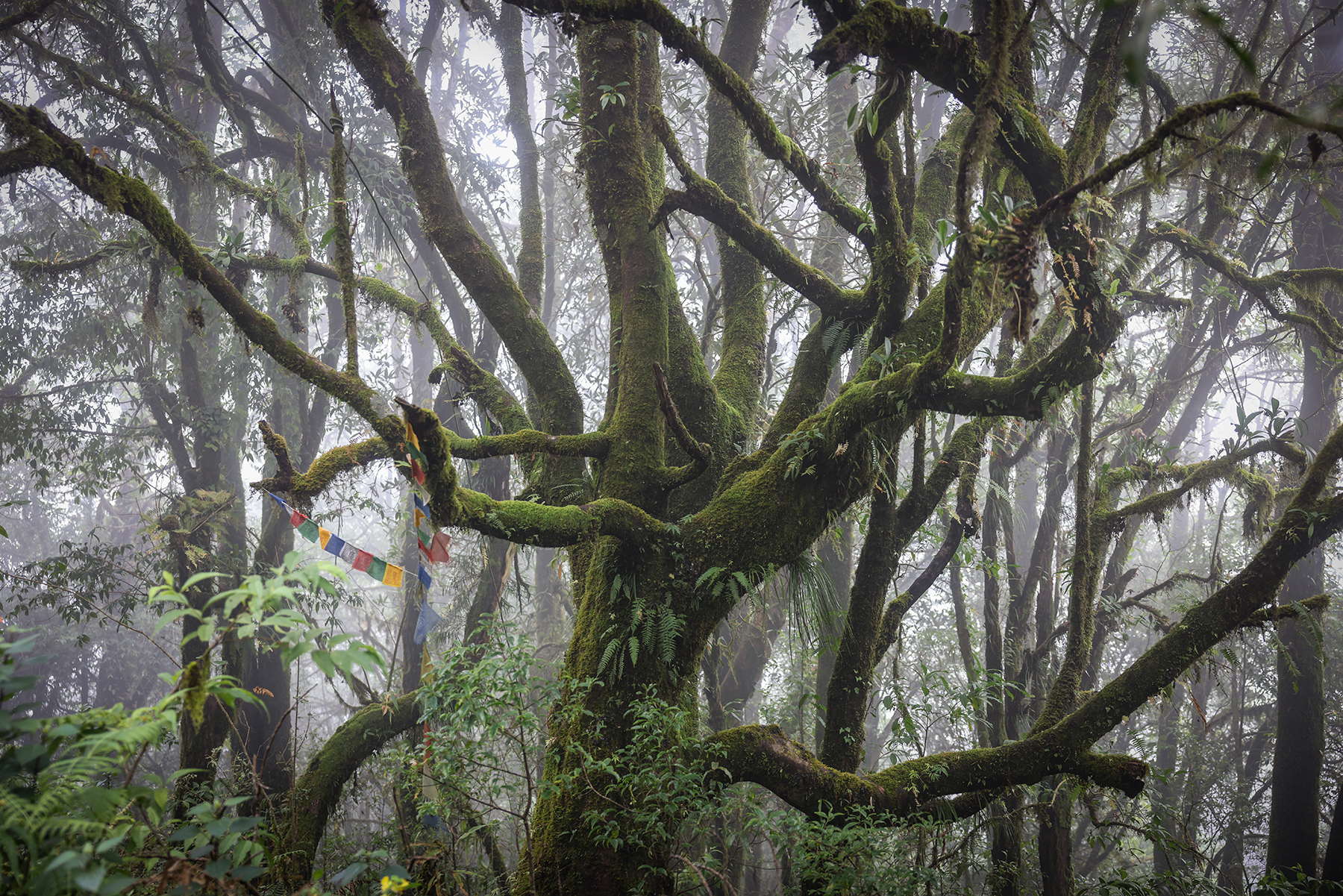
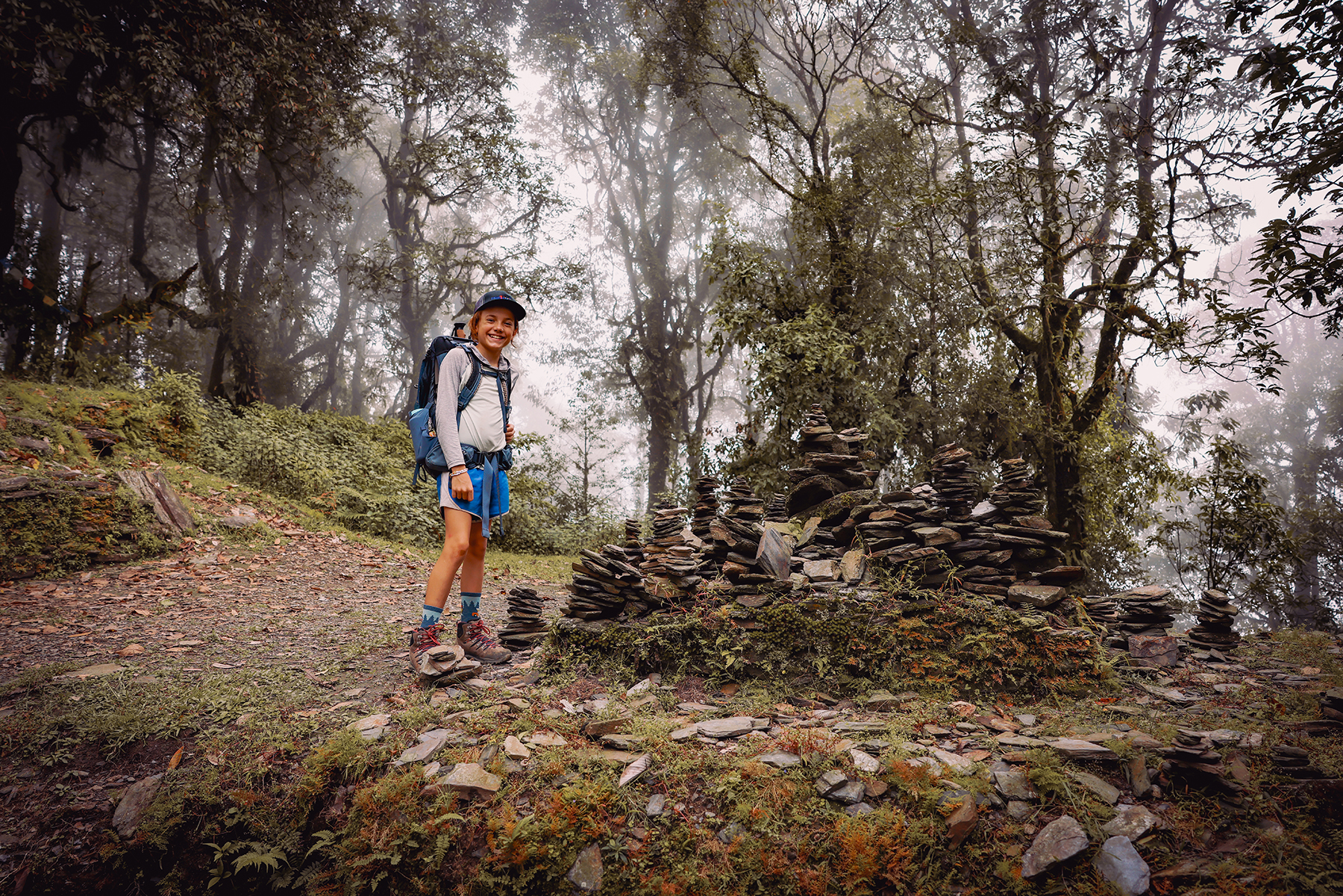
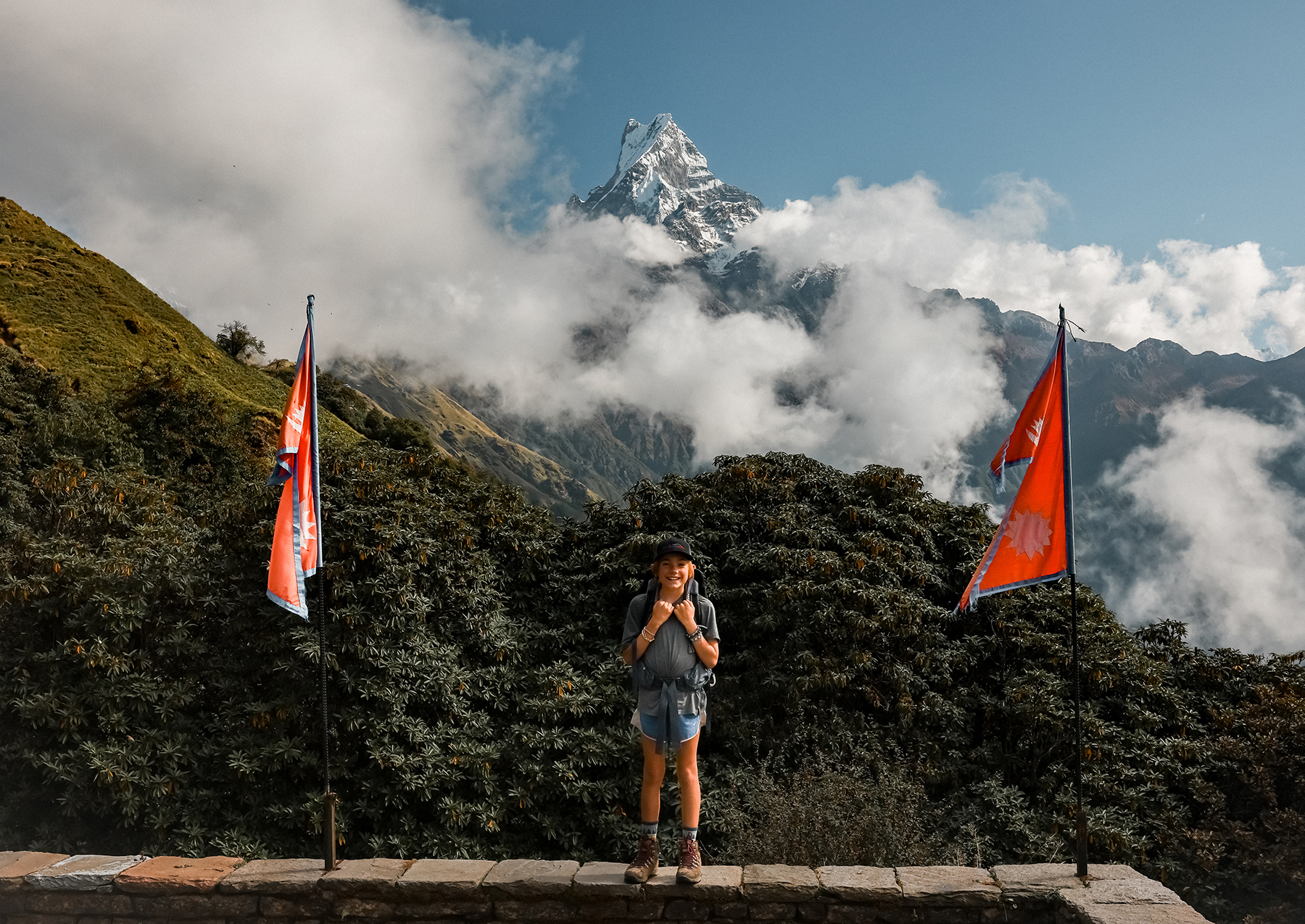

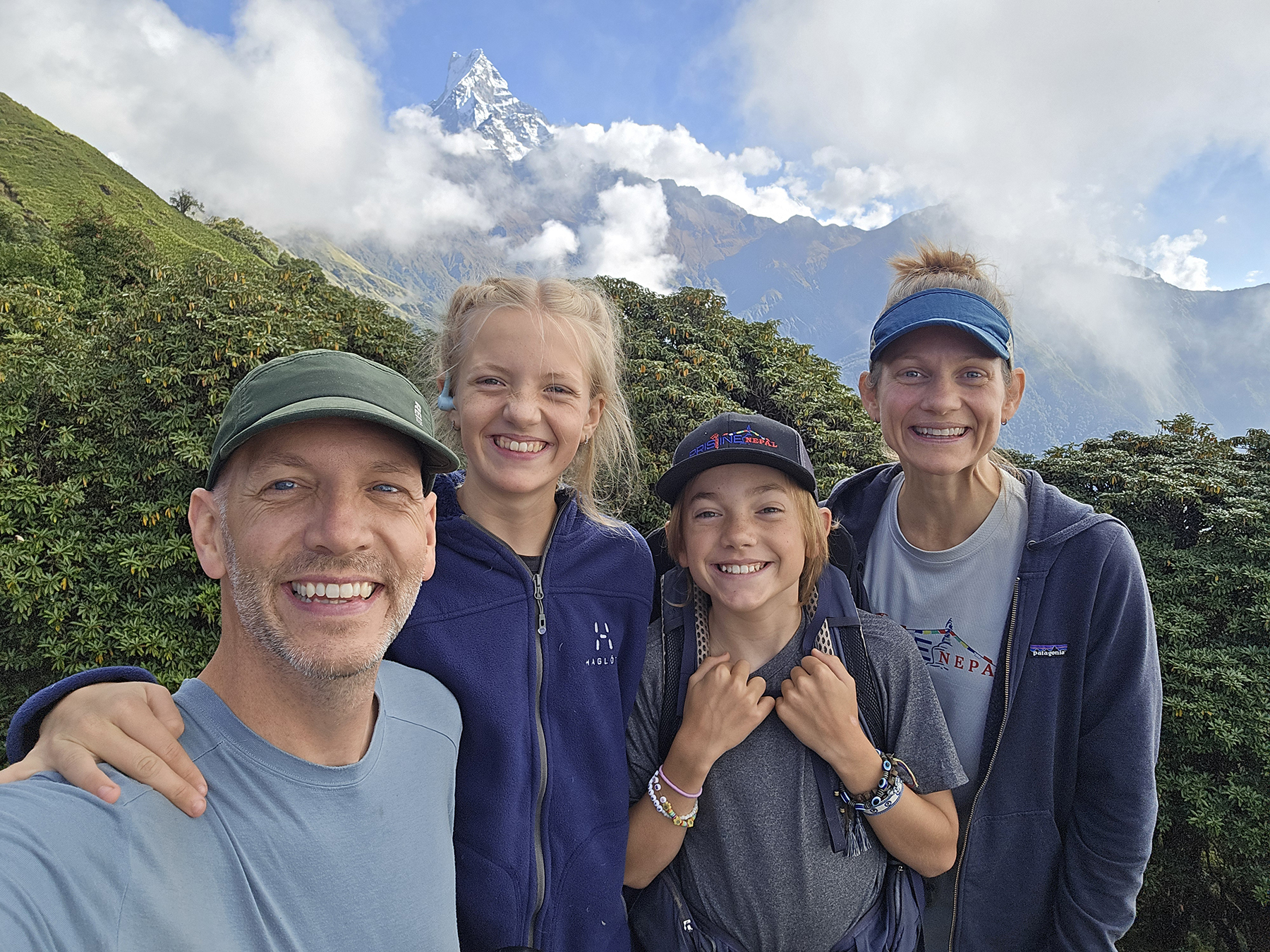

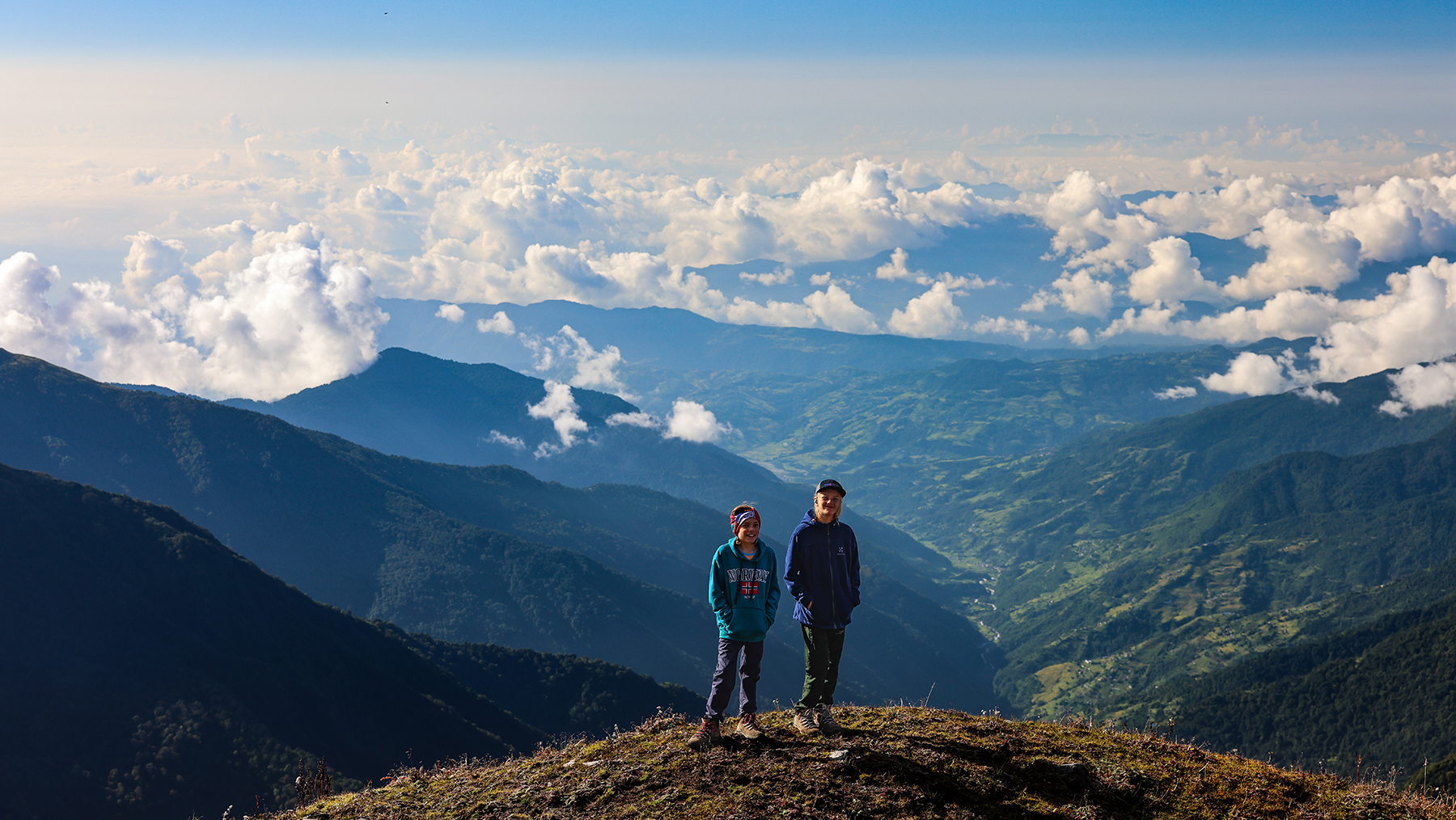
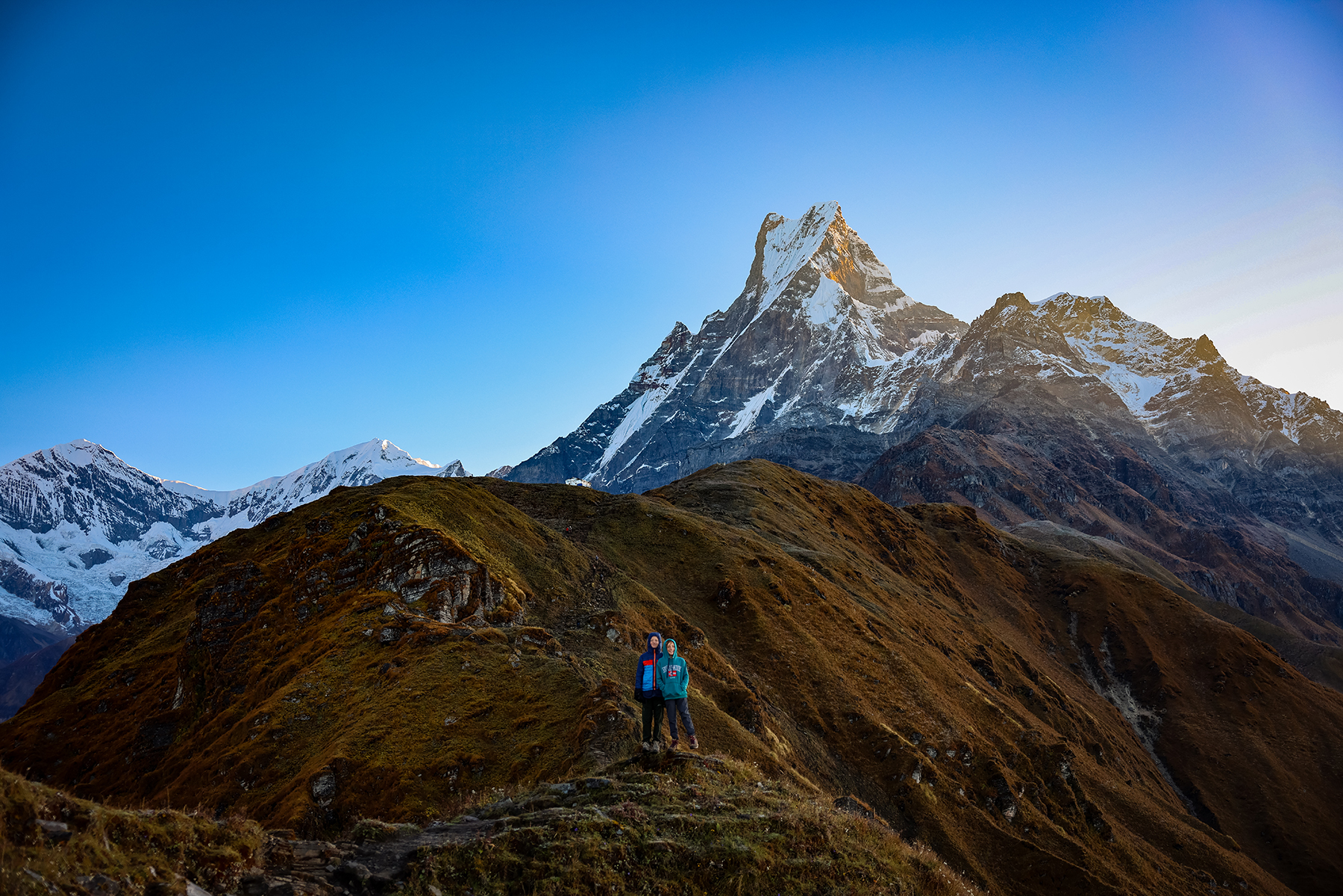
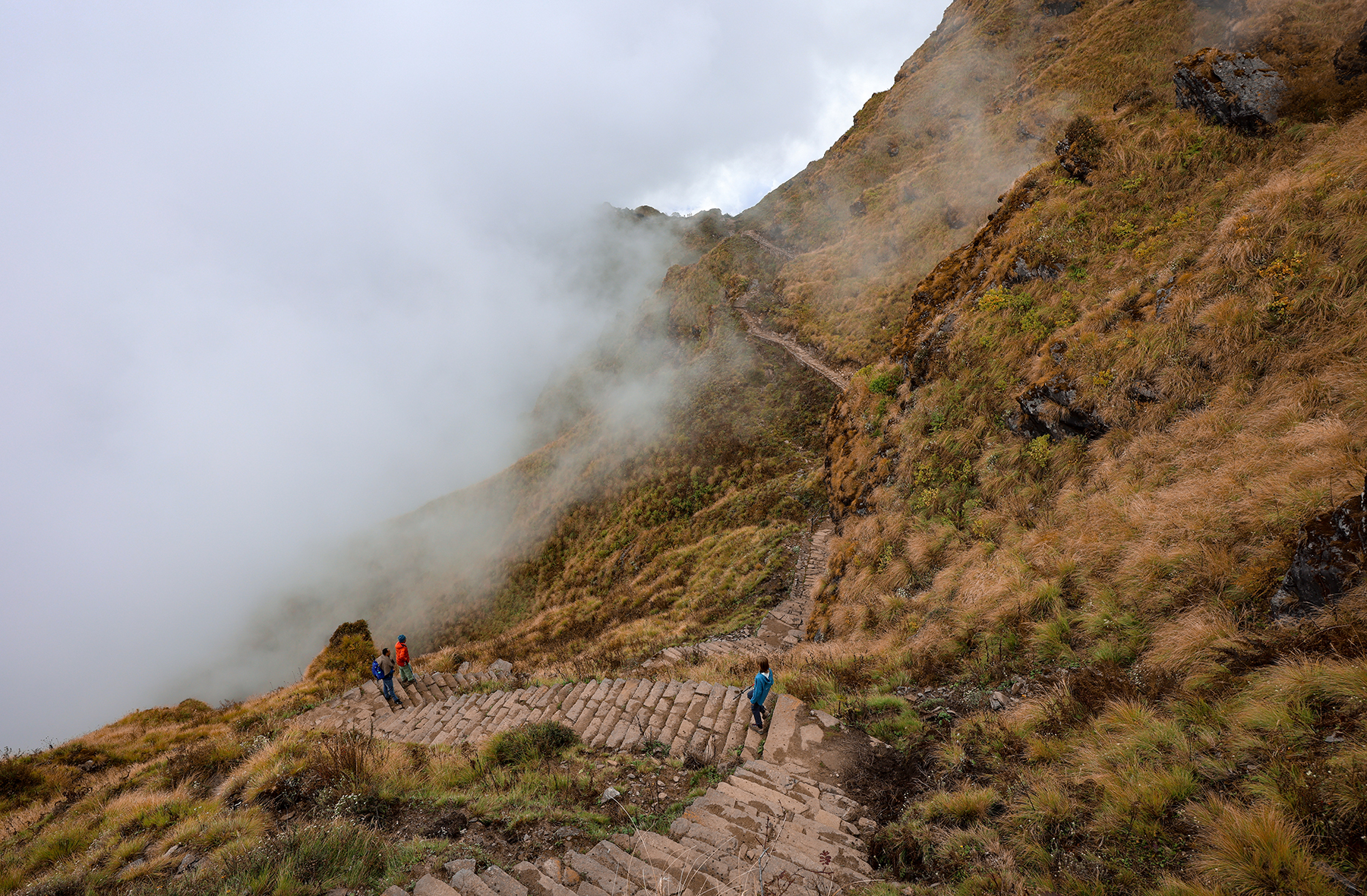
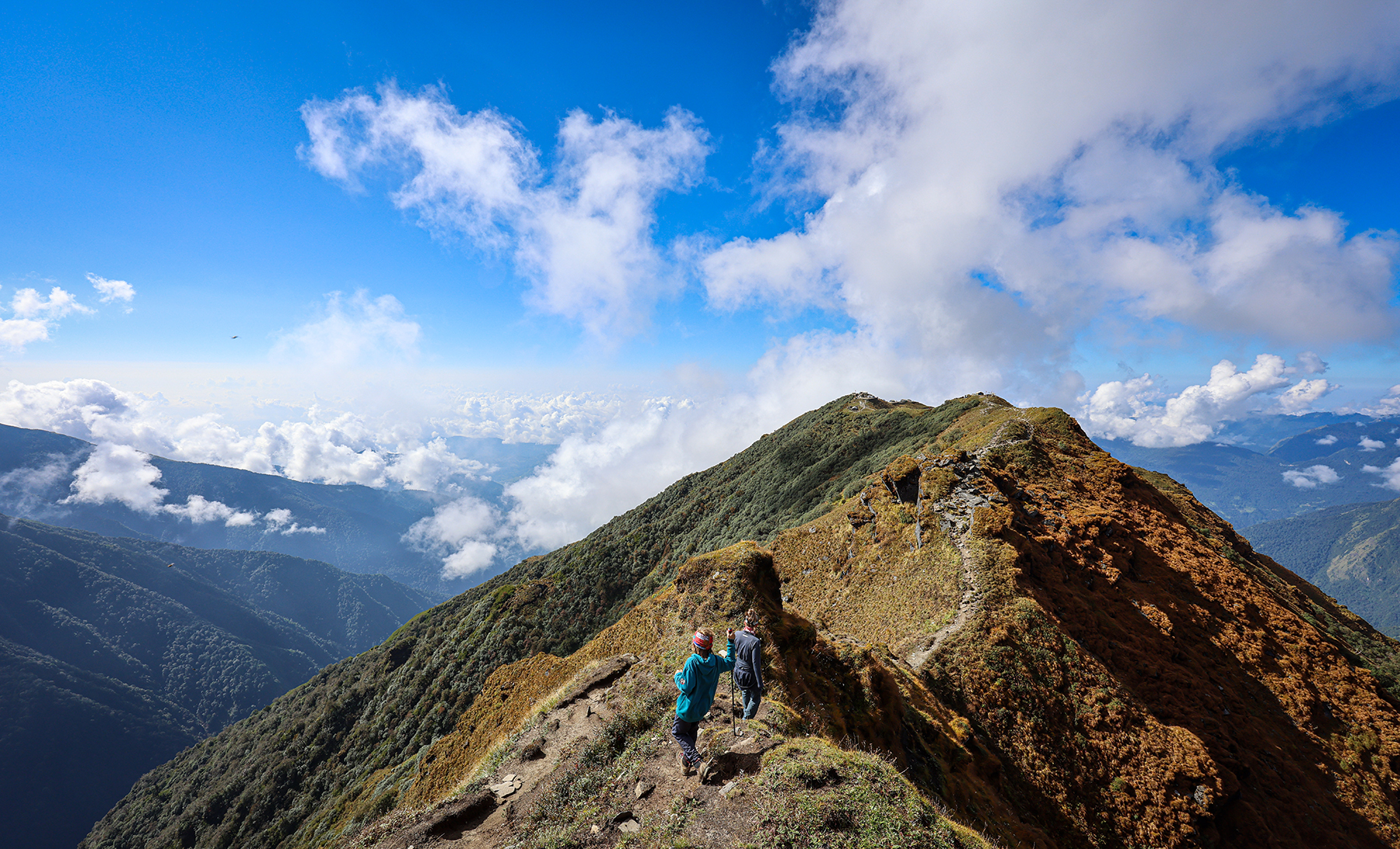
Our fifth day on the trek was the only day we spent fully above tree line, ascending the steep ridge from high camp to the Mardi Himal Base Camp. Aside from some painful sinus issues for H and myself, everyone was still feeling great by the time we reached our highest altitude of 4,500m (14,763ft).
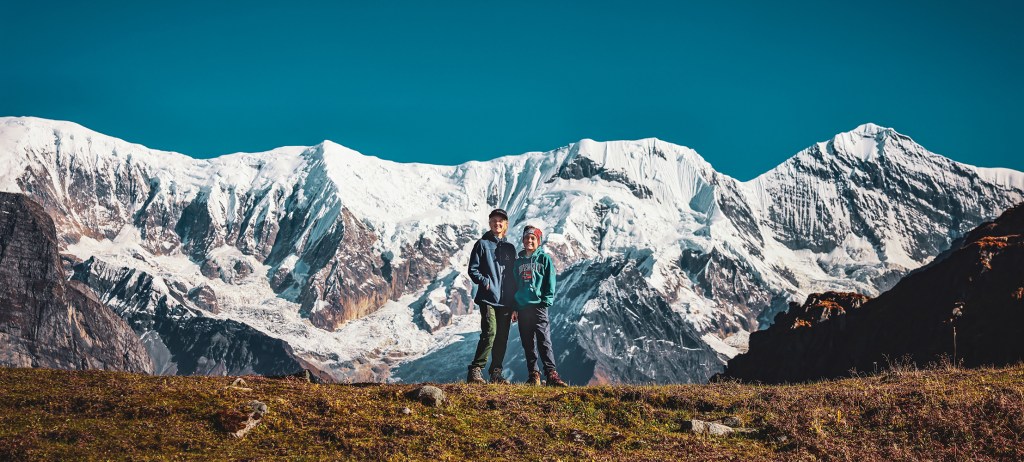
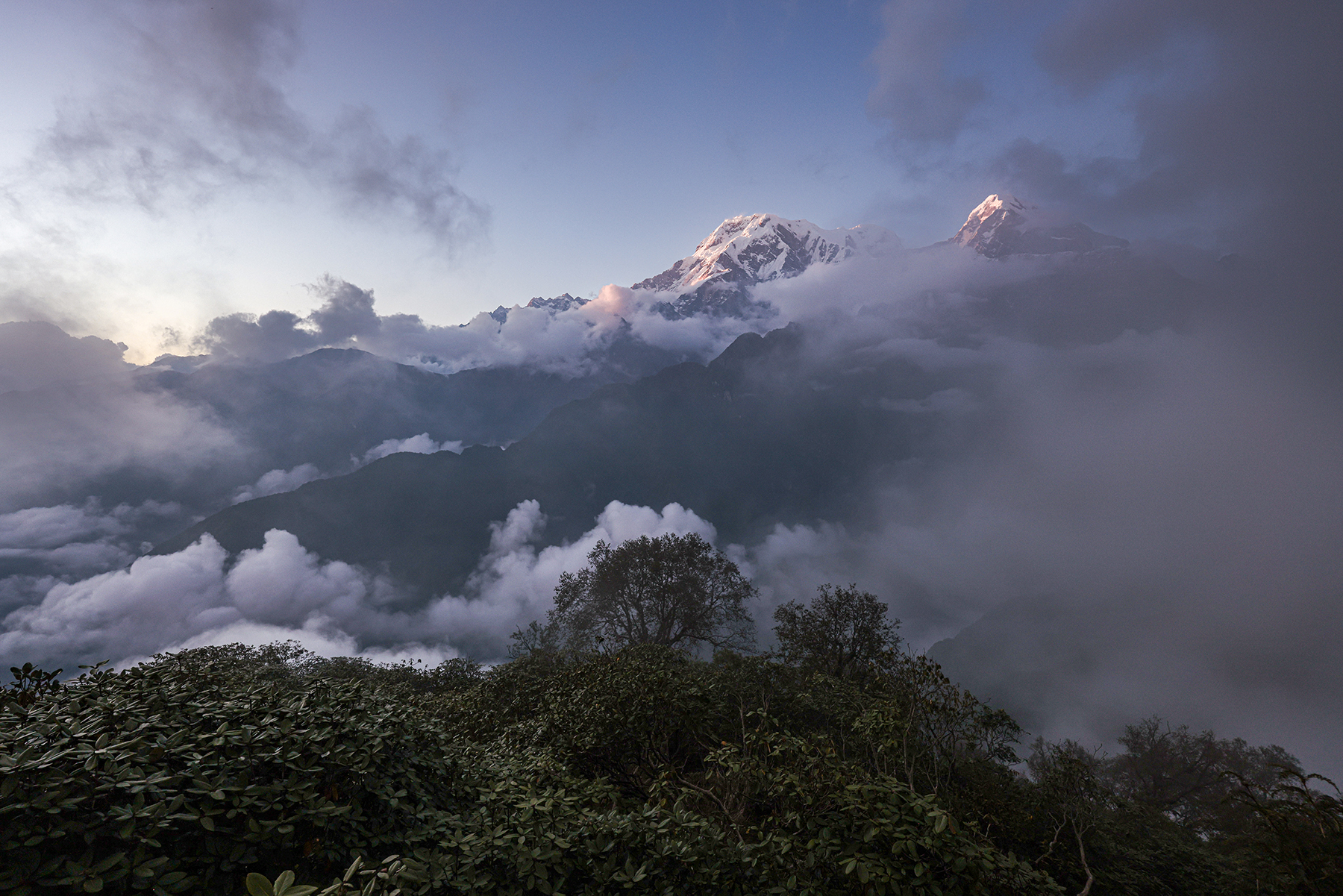

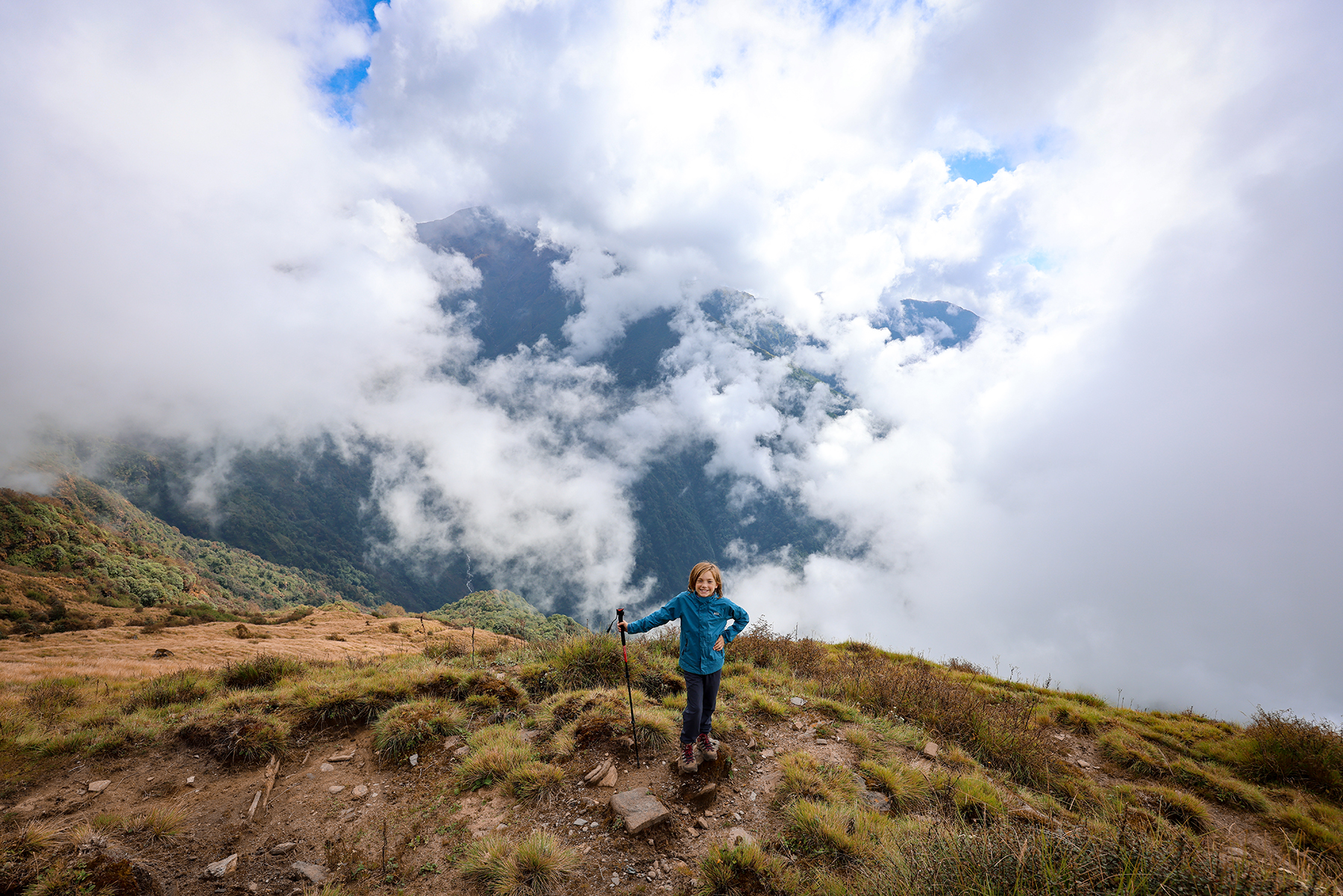





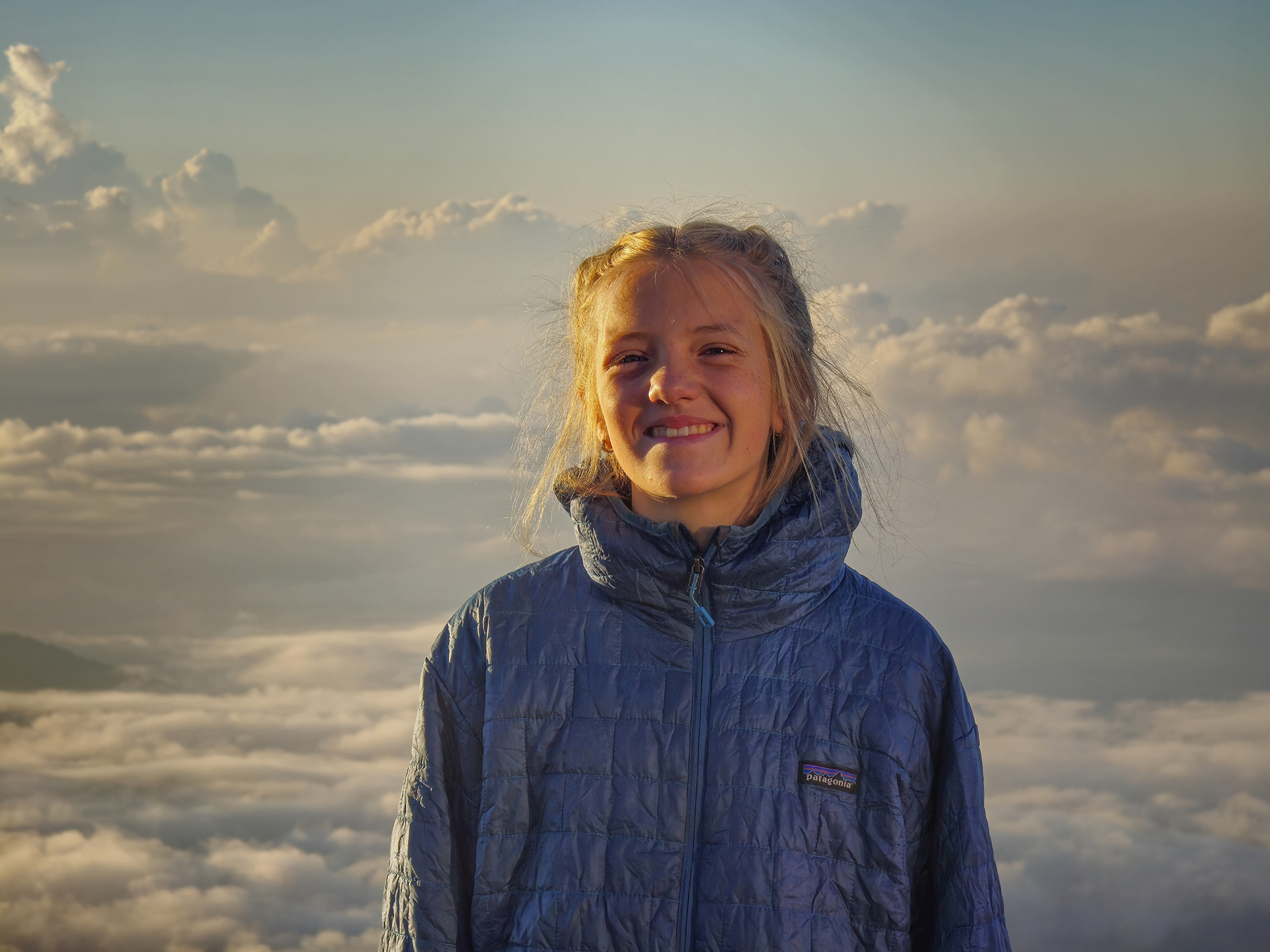
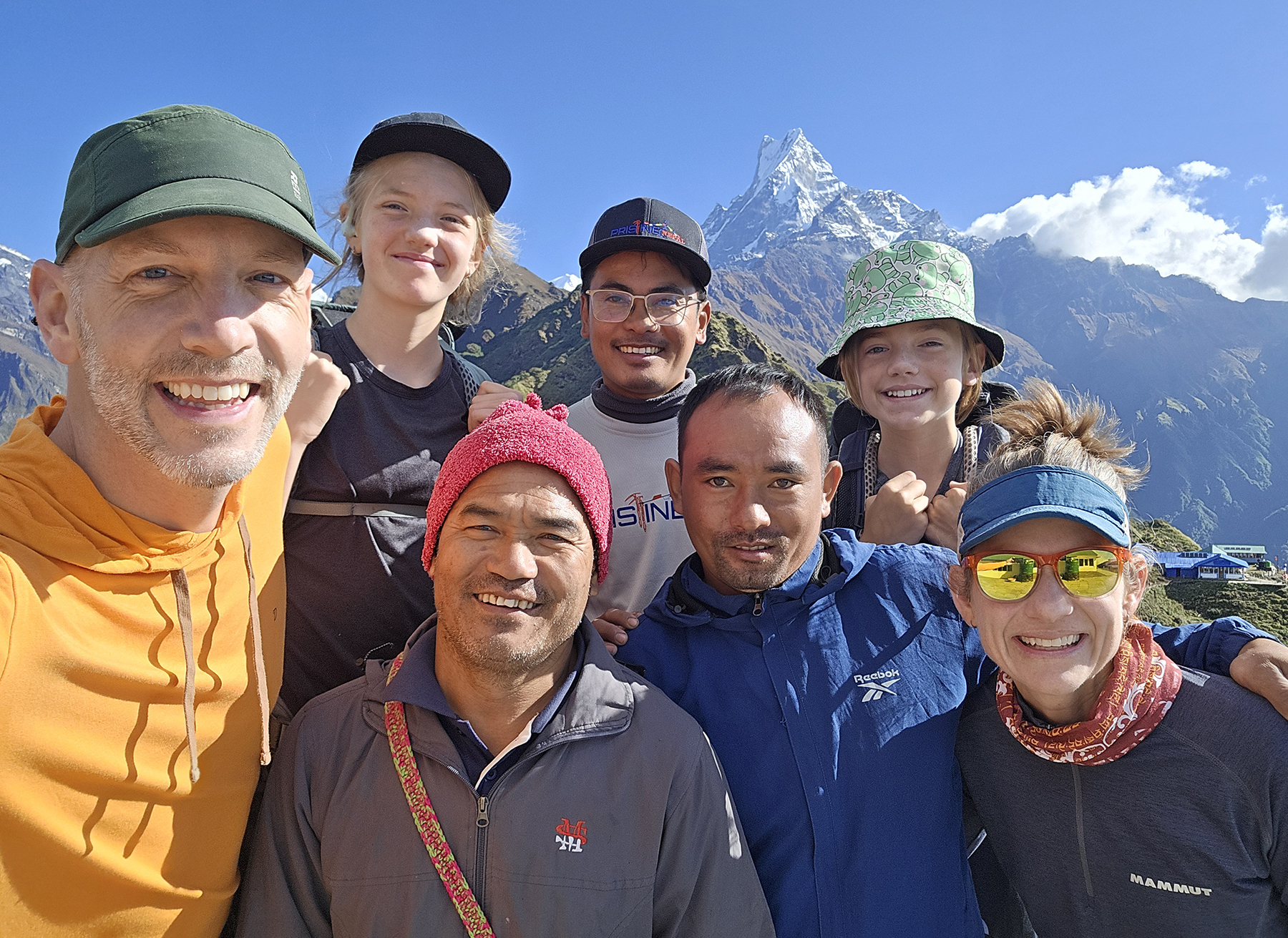

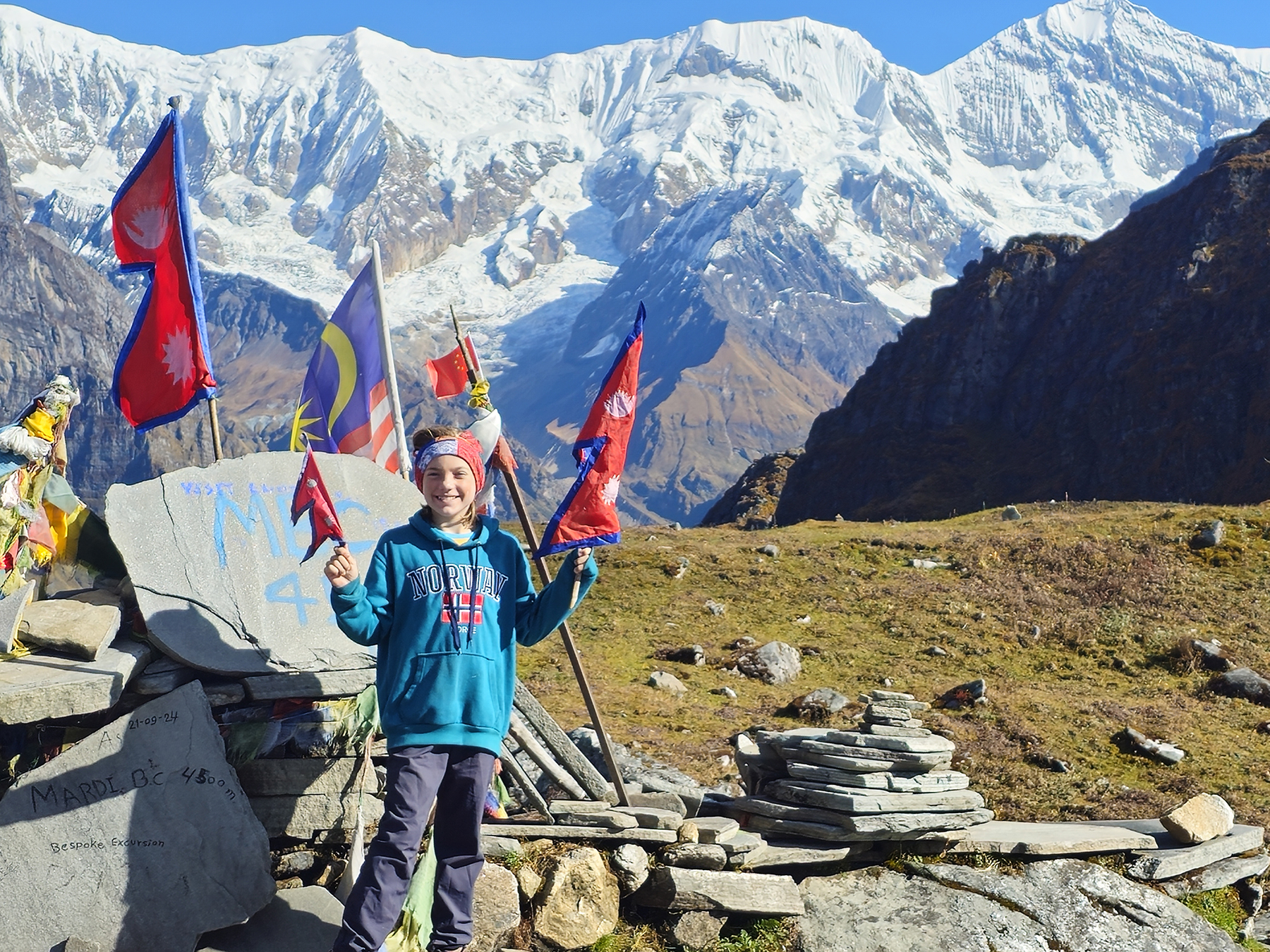
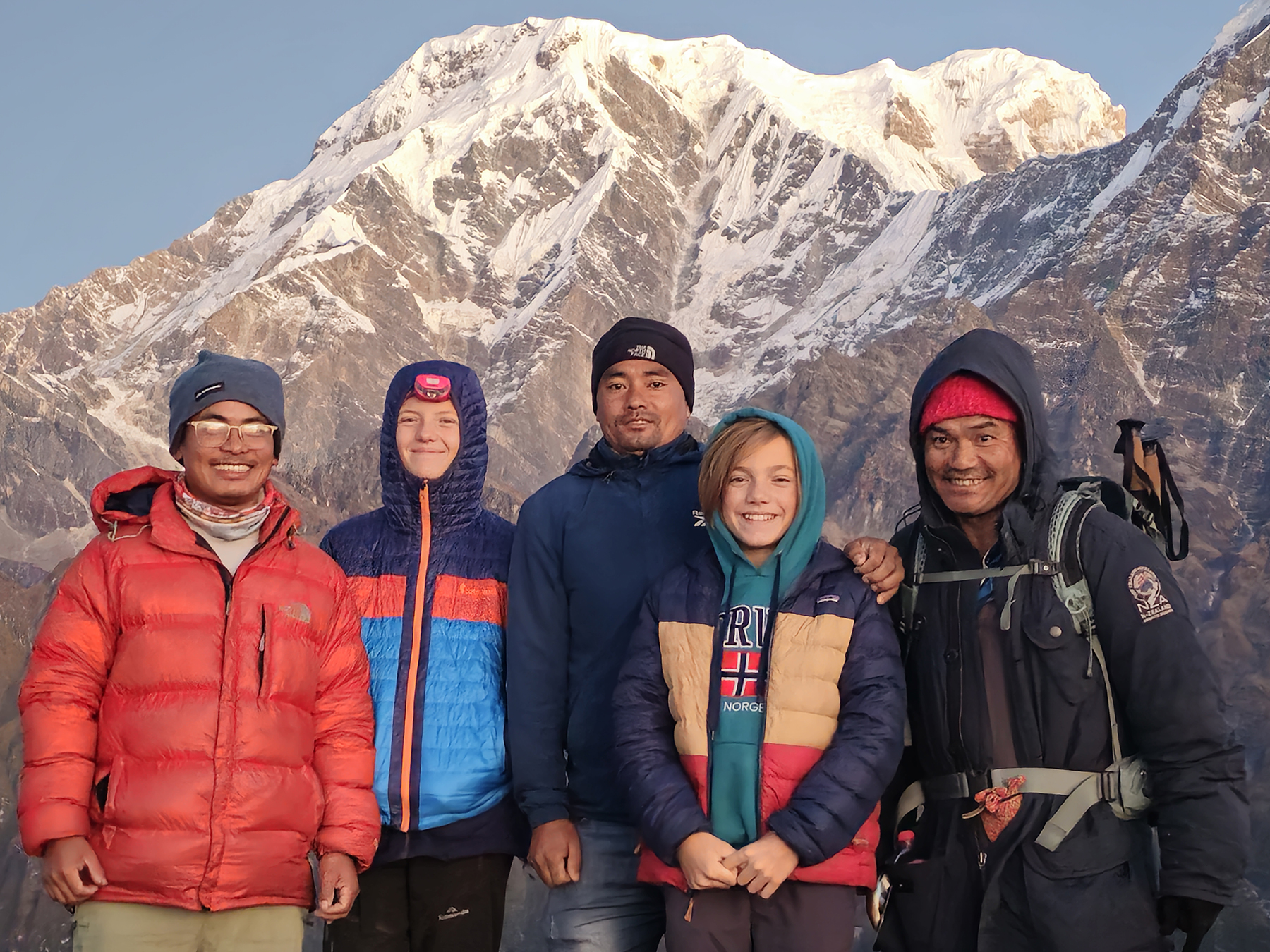

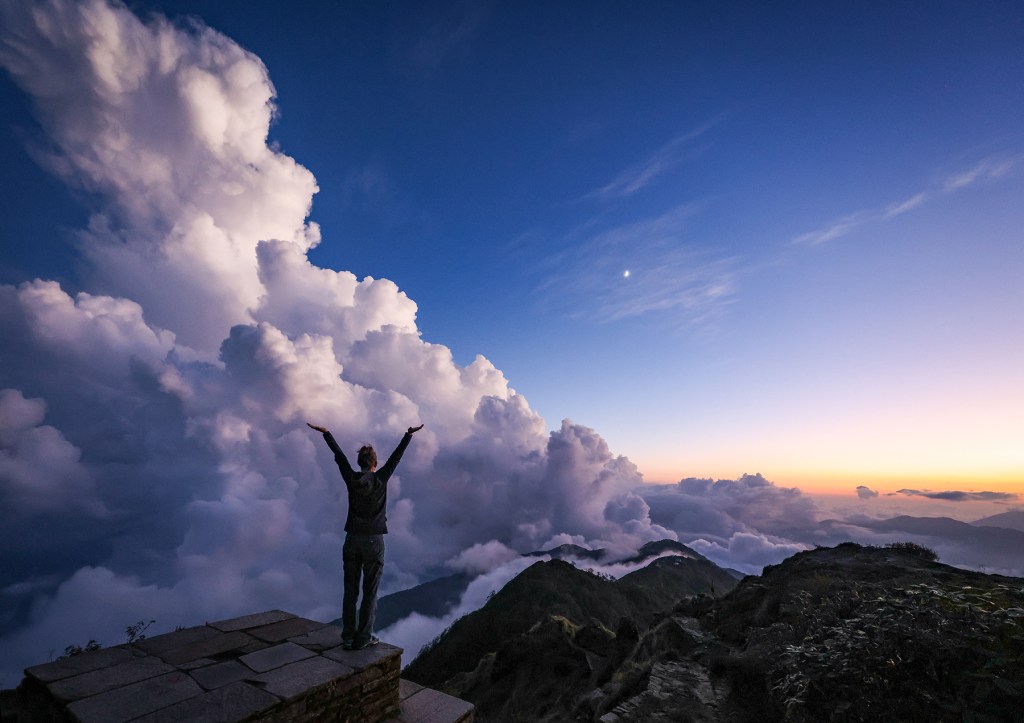
The route back down was two more days – one day with 6,000 feet of elevation loss! Our quads and calf muscles were on fire! The whole team was laughing as we hobbled around, trying to pack up everything for our last day of hiking. At least there was some consolation in that our guide and porters were hobbling as well.

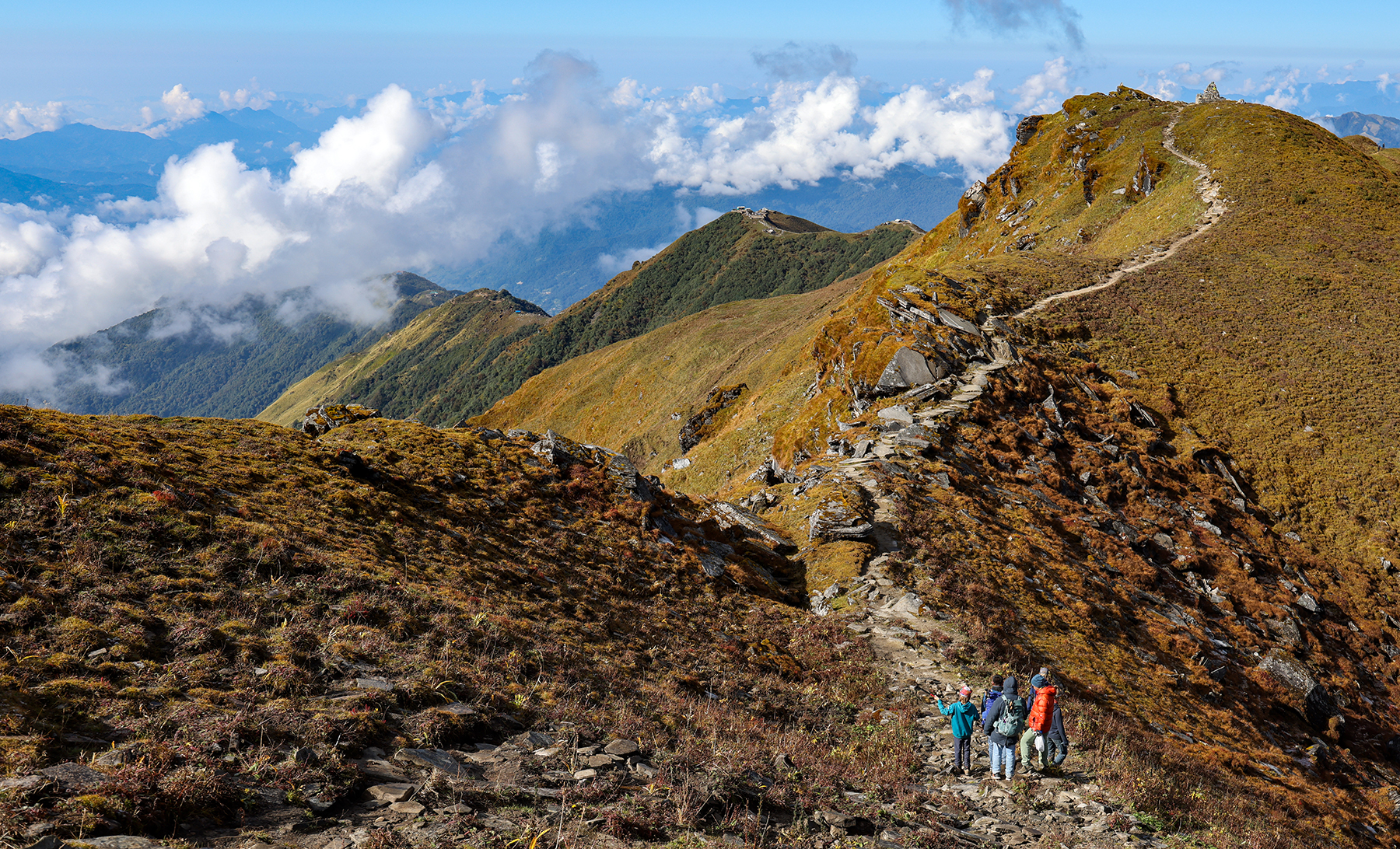
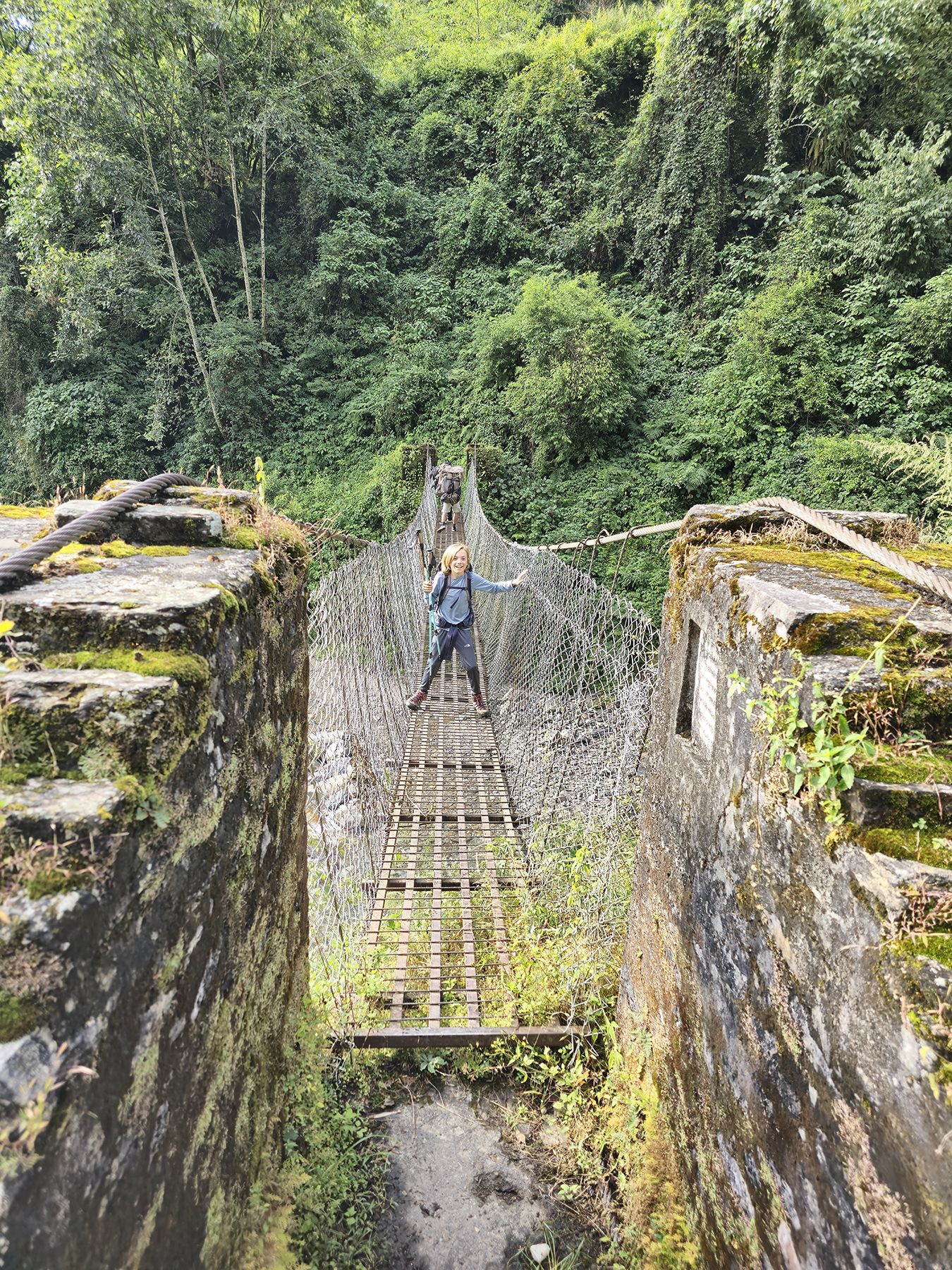
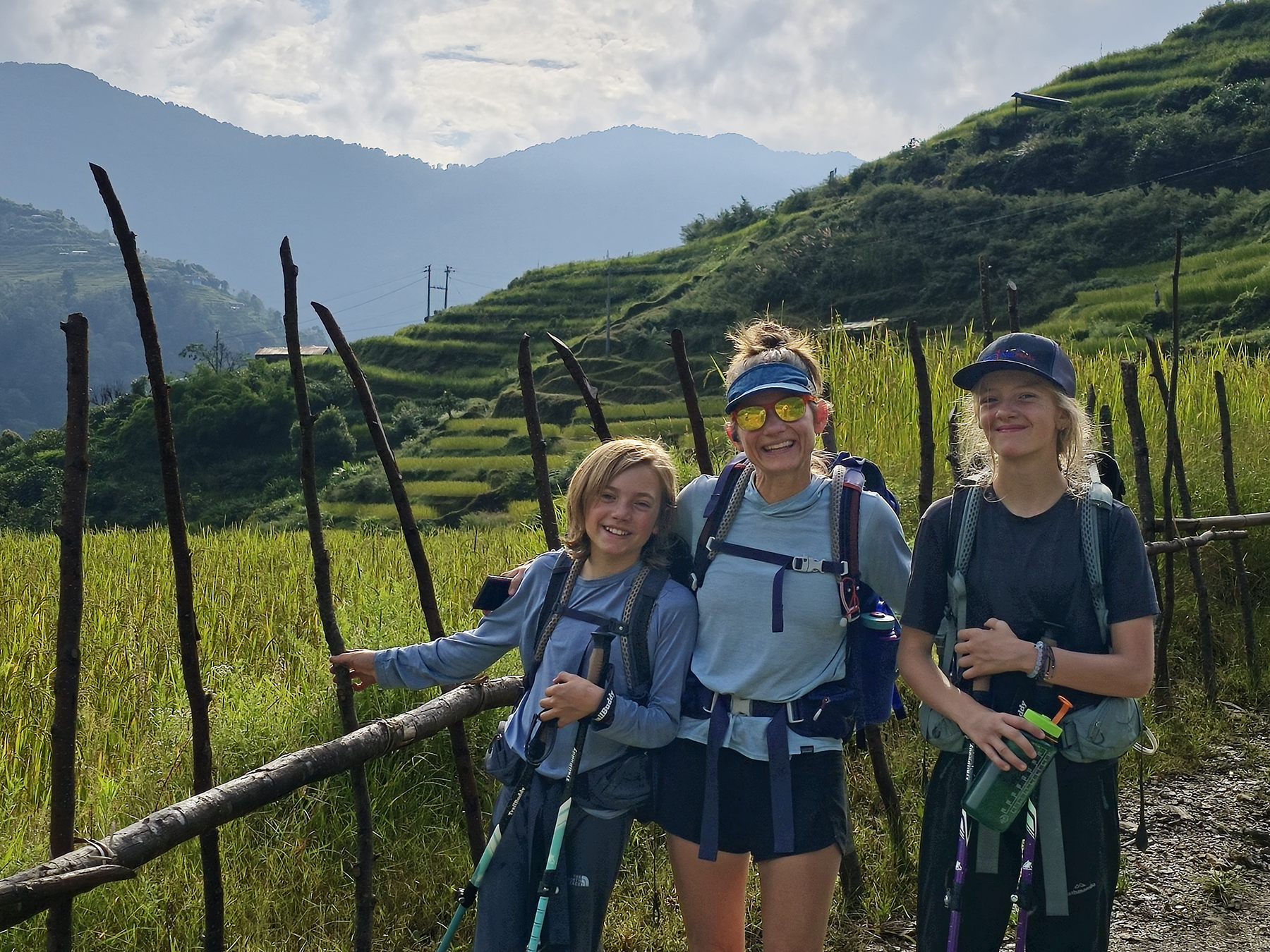
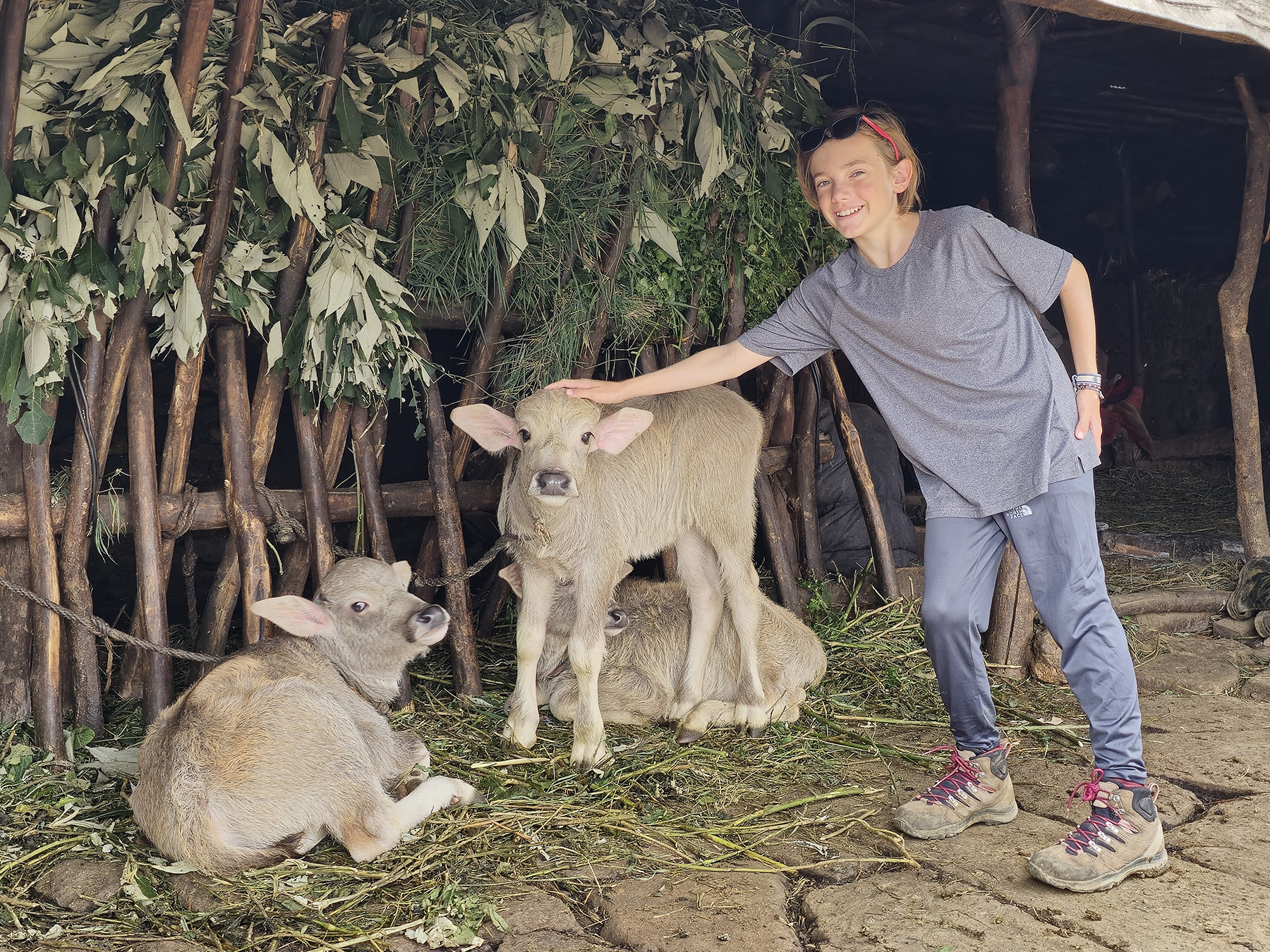

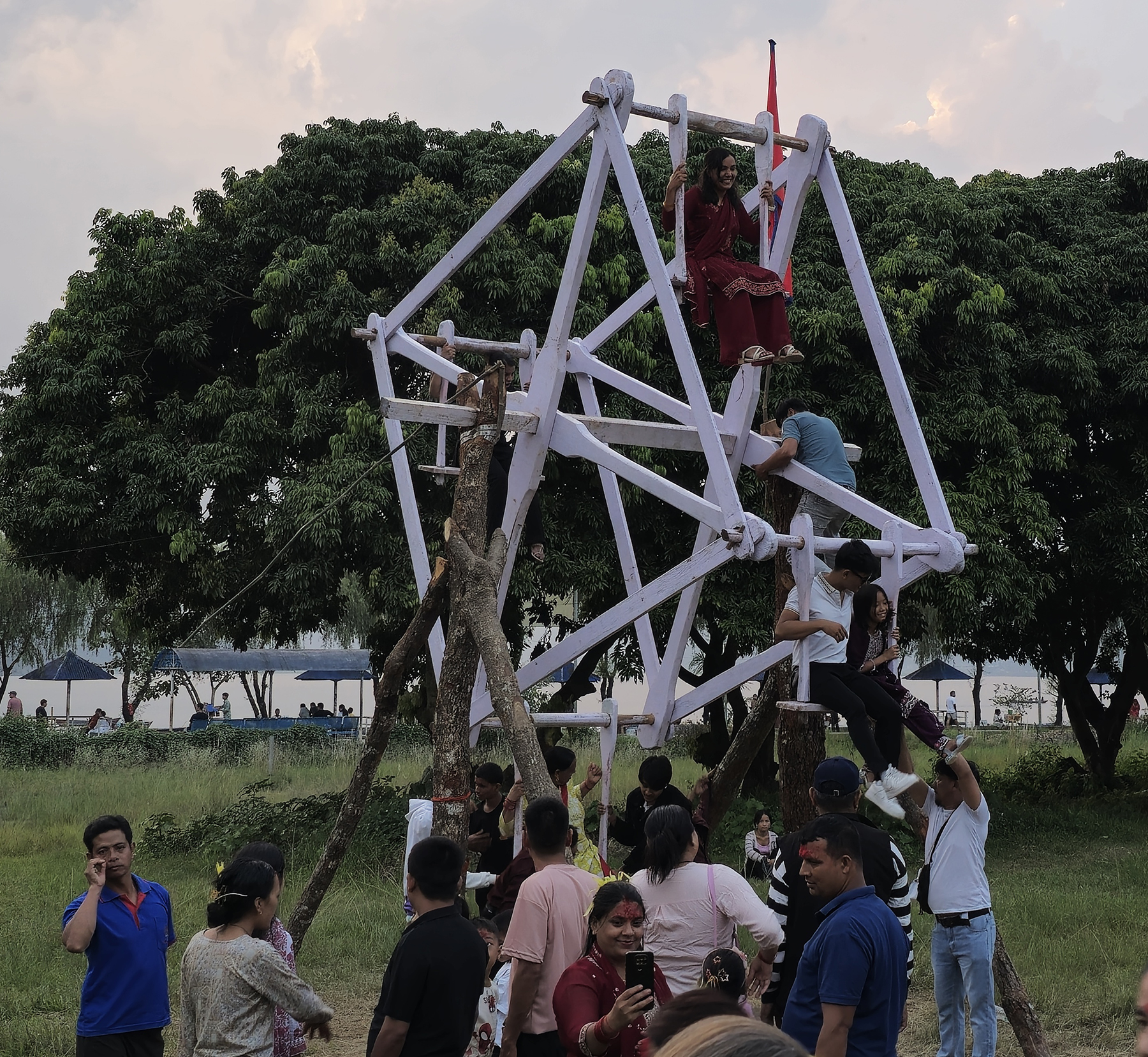
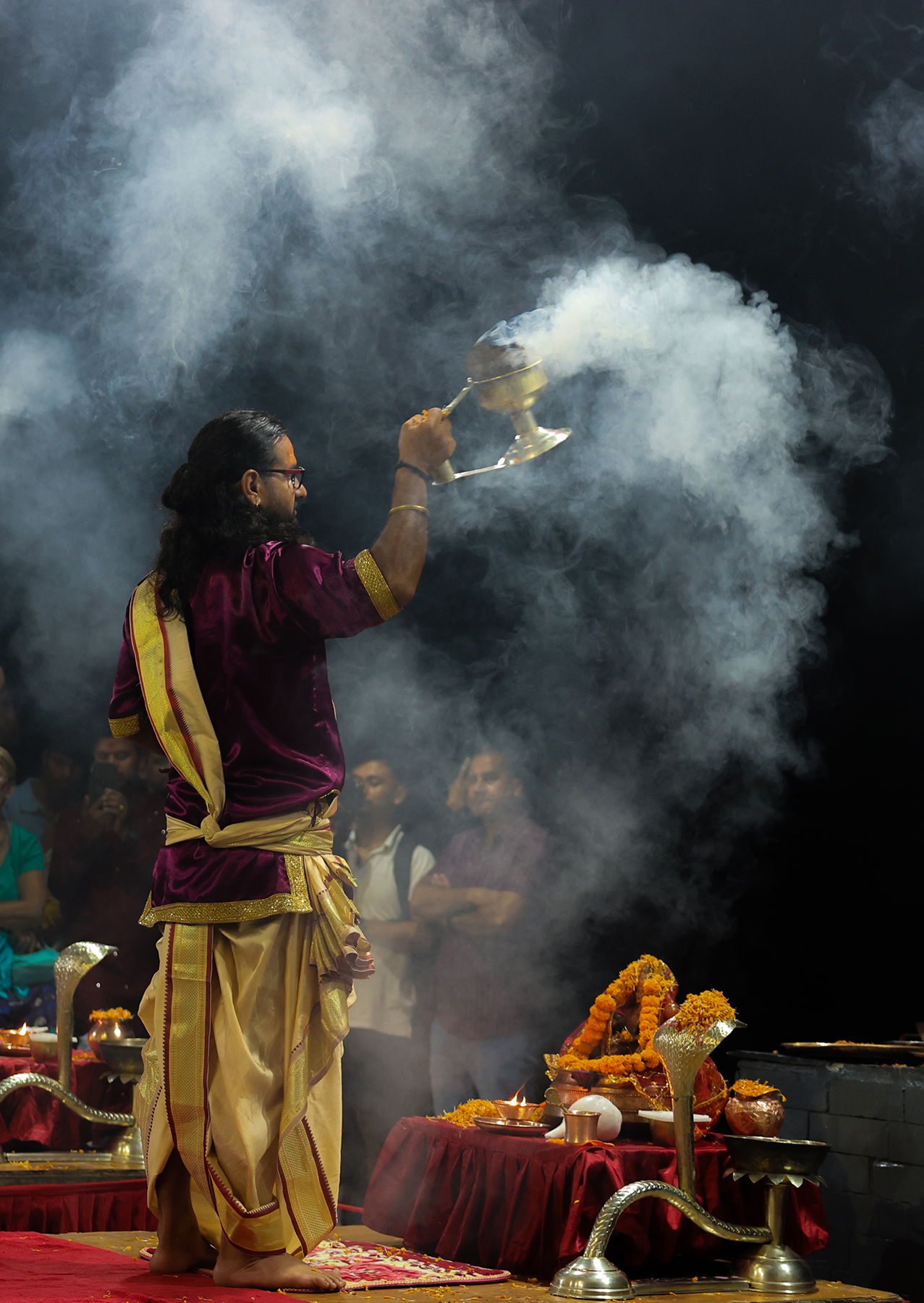
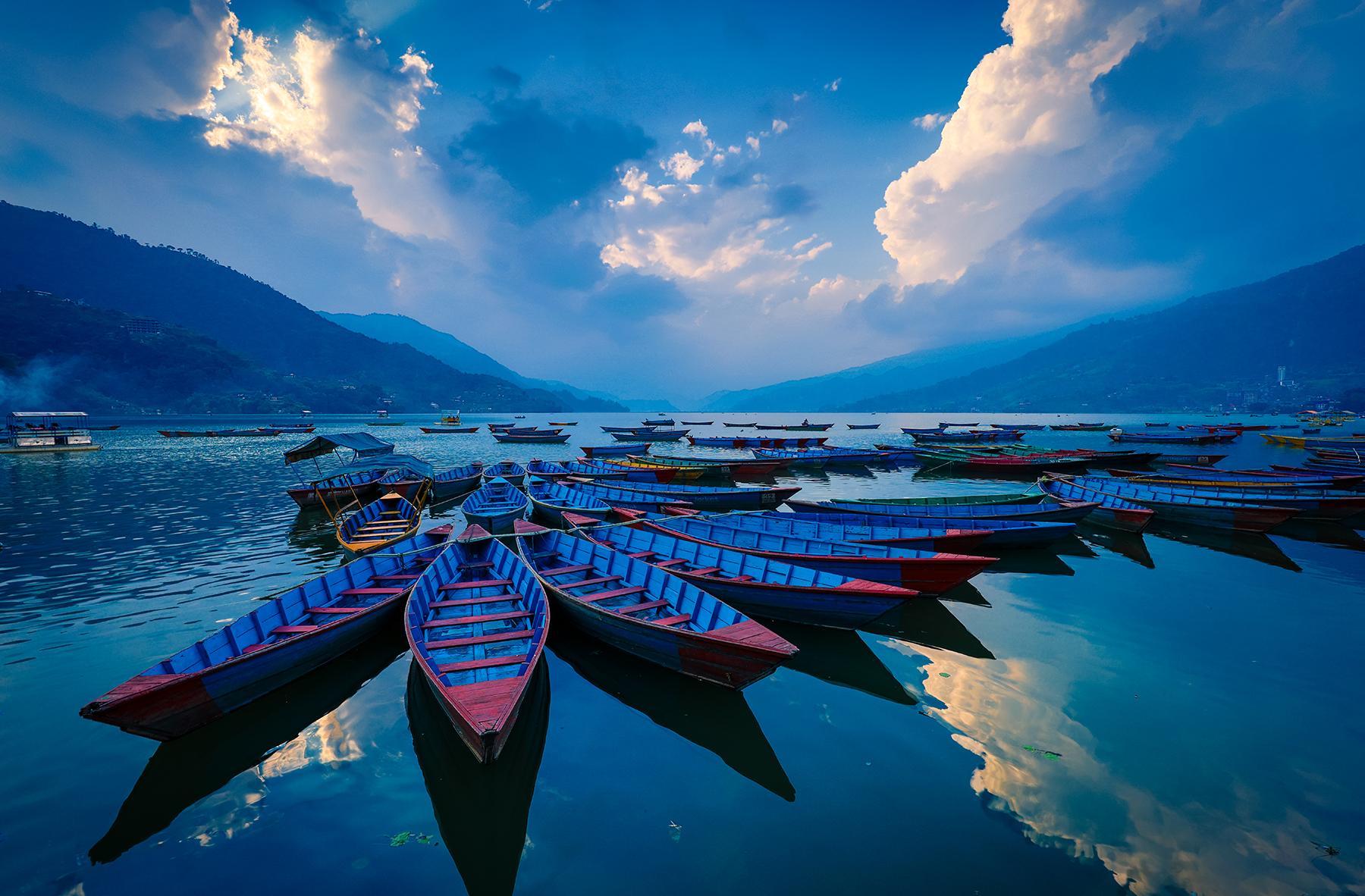
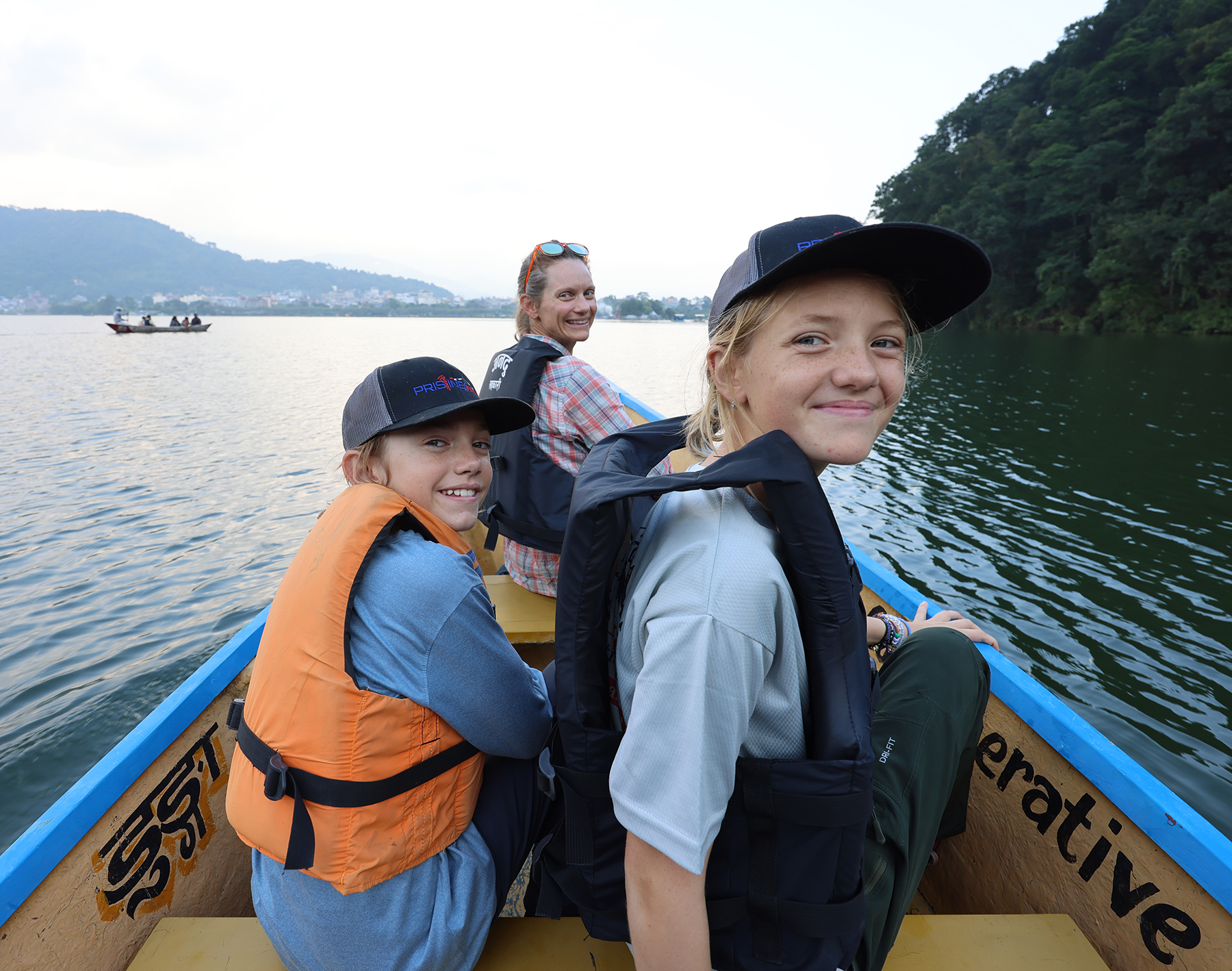
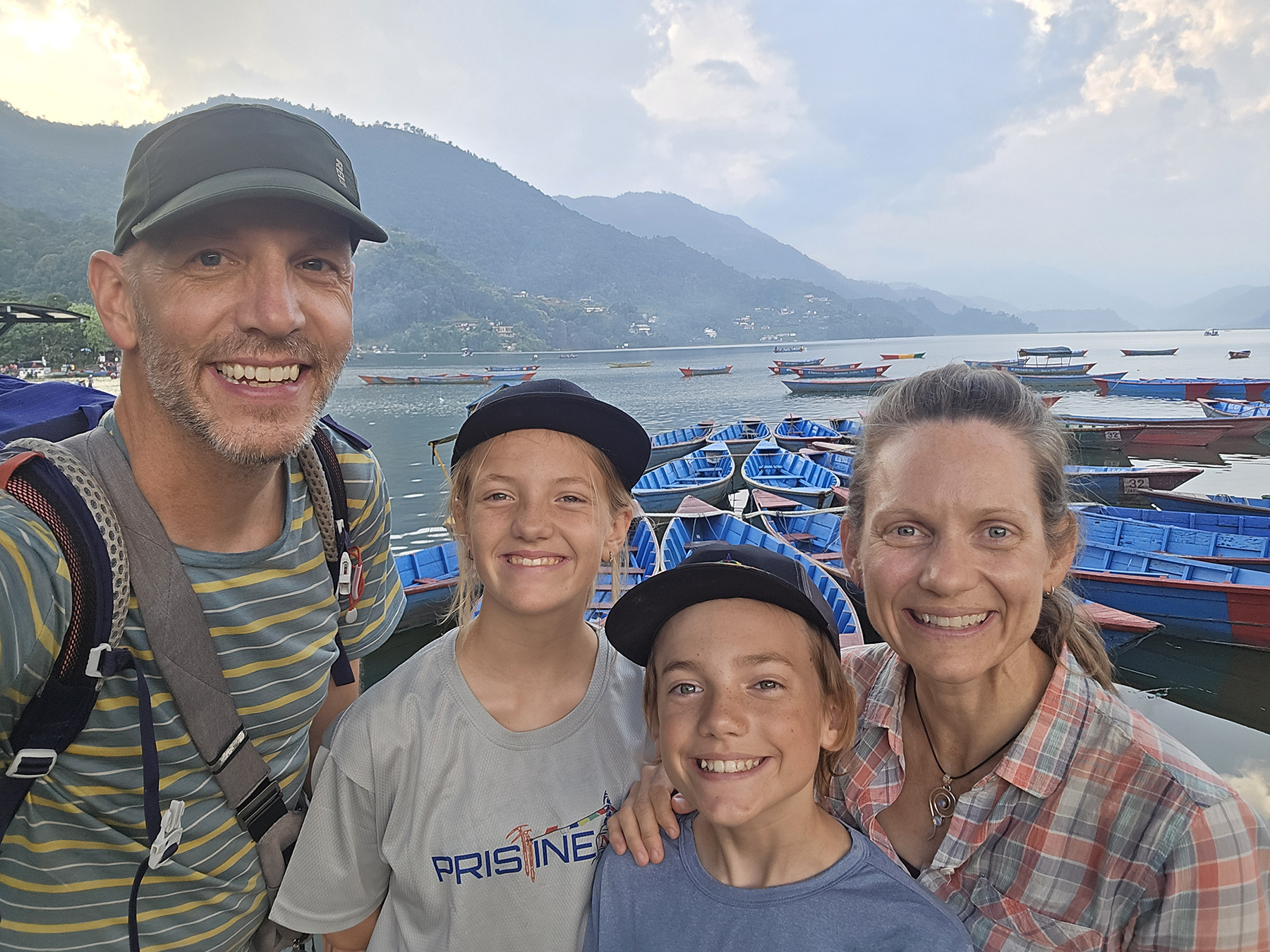
We had three days of rest and recovery around the lakeside town of Pokhara, which happened to coincide with the Hindu festival of Dashain – the most meaningful holiday in the Hindu calendar. The festival celebrates the triumph of good over evil, spending time with family, building HUGE handmade bamboo swings (linge ping), and constructing manual Ferris wheels of questionable structural integrity. What a fun surprise it was to hike through a small, remote village and have local children invite our kiddos to join them, proudly pushing our kids on the amazing bamboo swing their community had created!

While this portion of our Nepal adventure was technically “just a warm-up” for our big trek to Everest Base Camp, it was still incredibly meaningful. I really loved trekking through the verdant area around Pokhara, and visiting small villages in the foothills of the Himalaya. We were once again reminded that as a family, our hearts thrive on quiet trails in the mountains. ❤️
Nepal – Mardi Himal – Howie’s Addendum
I remember vividly flying out of Kathmandu after my first visit to Nepal in 2001 – a mix of exhaustion, exhilaration at the adventure I had just experienced while trekking, climbing, and camping for three weeks among the high mountains, and a bit of relief to be moving onwards towards New Zealand, the next destination on my itinerary that at the time felt much more familiar and comfortable than the chaotic streets of Kathmandu. I also remember spending a lot of time on that flight planning how I could get back to Nepal as soon as absolutely possible – I was completely intoxicated by the allure of the Himalaya. As it turned out, my return to Nepal would not be until this year, a full 23 years after my initial visit to the country that had so captured my attention as a young traveler.
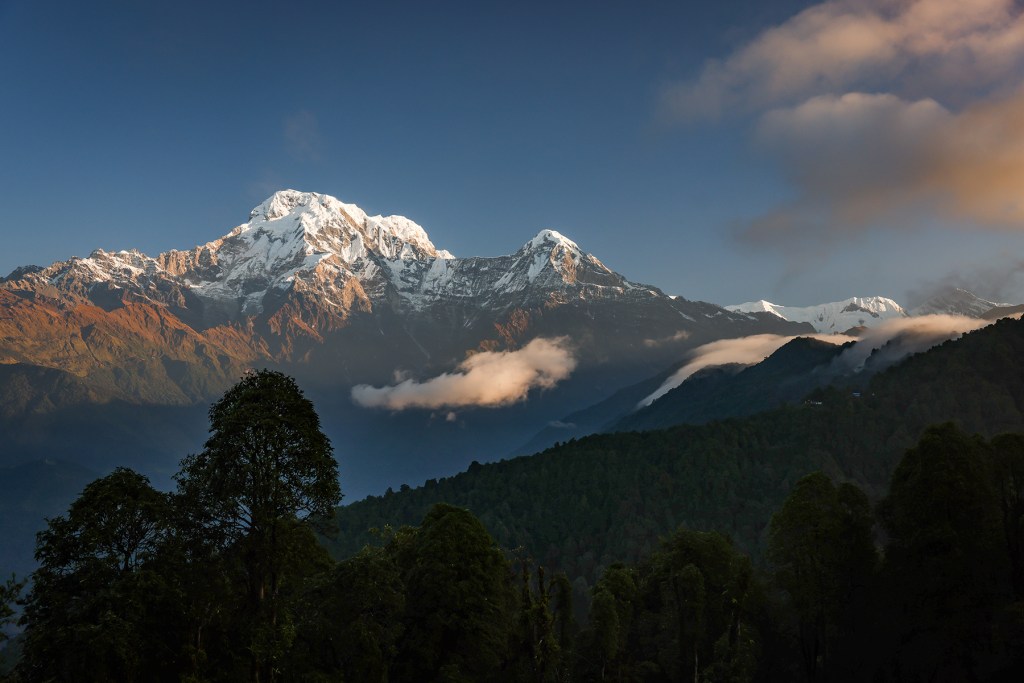
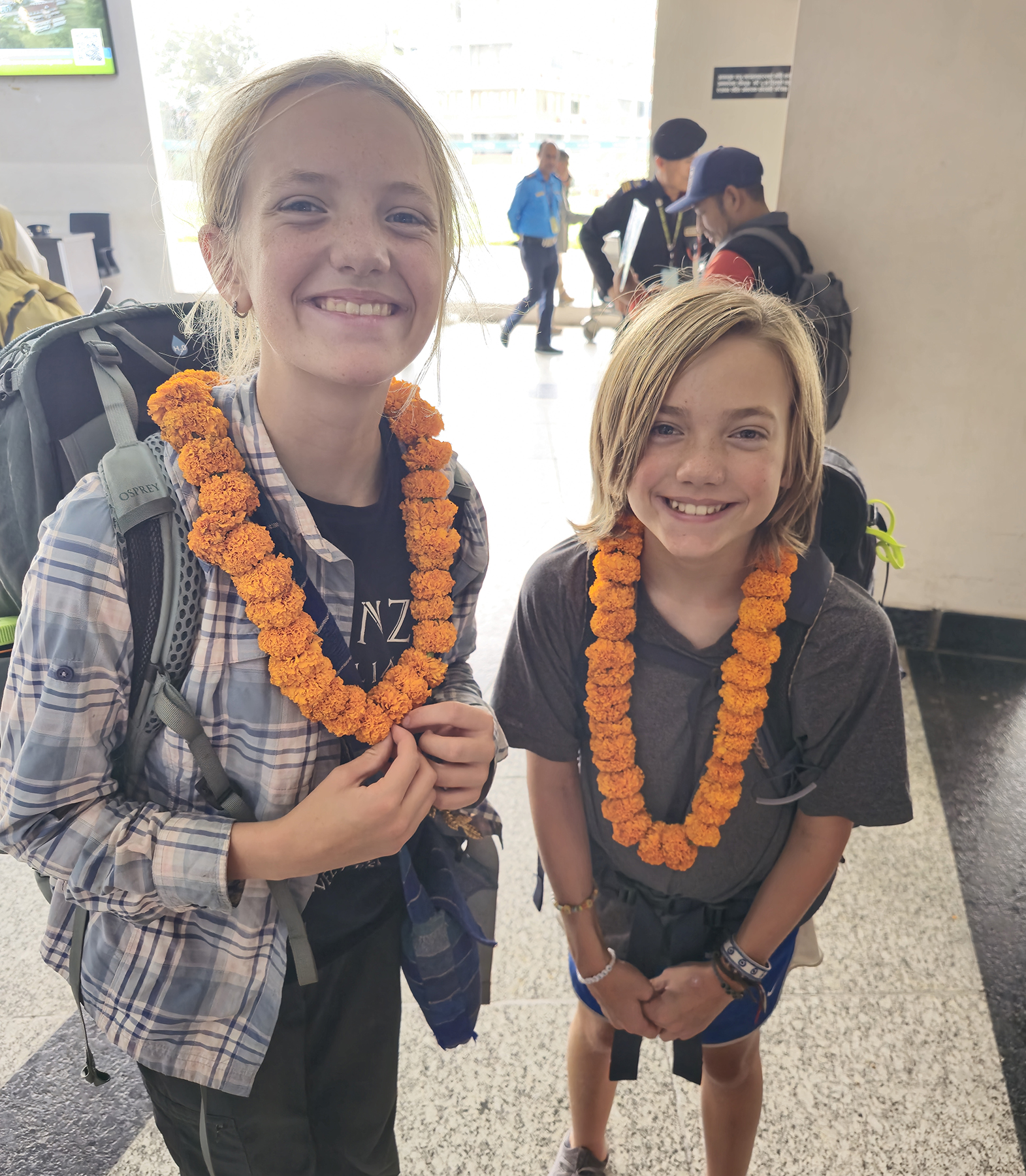
Stepping out of the airport, I felt a rush of joy to be back, this time with my amazing wife and sweet kiddos! I was also a bit nervous, hoping that my family would feel the same connection to the country that I had, and also hoping that we would be successful in the ambitious itinerary we had planned out for this portion of our trip. Not only were we planning a trip to Everest Base Camp (EBC), itself a lofty goal at 17,598 feet of elevation, but we also planned to visit Kala Patthar, a ridgeline viewpoint at 18,518 feet, and cross the difficult Cho La Pass (17,782 feet). Were it just me and Sonya hiking I would not be worried, but adding in the kiddos to the equation put this itinerary at the limits of my perception of our current capabilities as a family hiking unit. To give us the best chance of success, we planned a “warm-up” trek in the Annapurna range – the relatively less visited Mardi Himal trail below the famous fishtail peak of Machapuchare. This seven day trek would be an entirely new area for me to explore, as my previous experience had been confined to the Makalu-Barun and Everest regions.

One of the first differences I noticed on our drive from the airport to Thamel was that many of the roads had been paved in Kathmandu since my last visit. This made the ride much smoother, and seems to have also improved air quality in the city with less dust kicked up by the many cars, tuk-tuks, and motorcycles navigating the narrow streets. However, the paved roads also apparently increased the severity of the flooding in the Kathmandu valley from the storm that preceded our arrival, as all the excess water had nowhere to go. The effects of the flood in the city were terrible, both in terms of loss of human life and property, and would be clearly visible as we later traveled the heavily damaged roads that lead in and out of Kathmandu. I was happy to again see a lone cow blocking traffic as it wandered the city streets unattended, recalling a similar sight from my first visit.
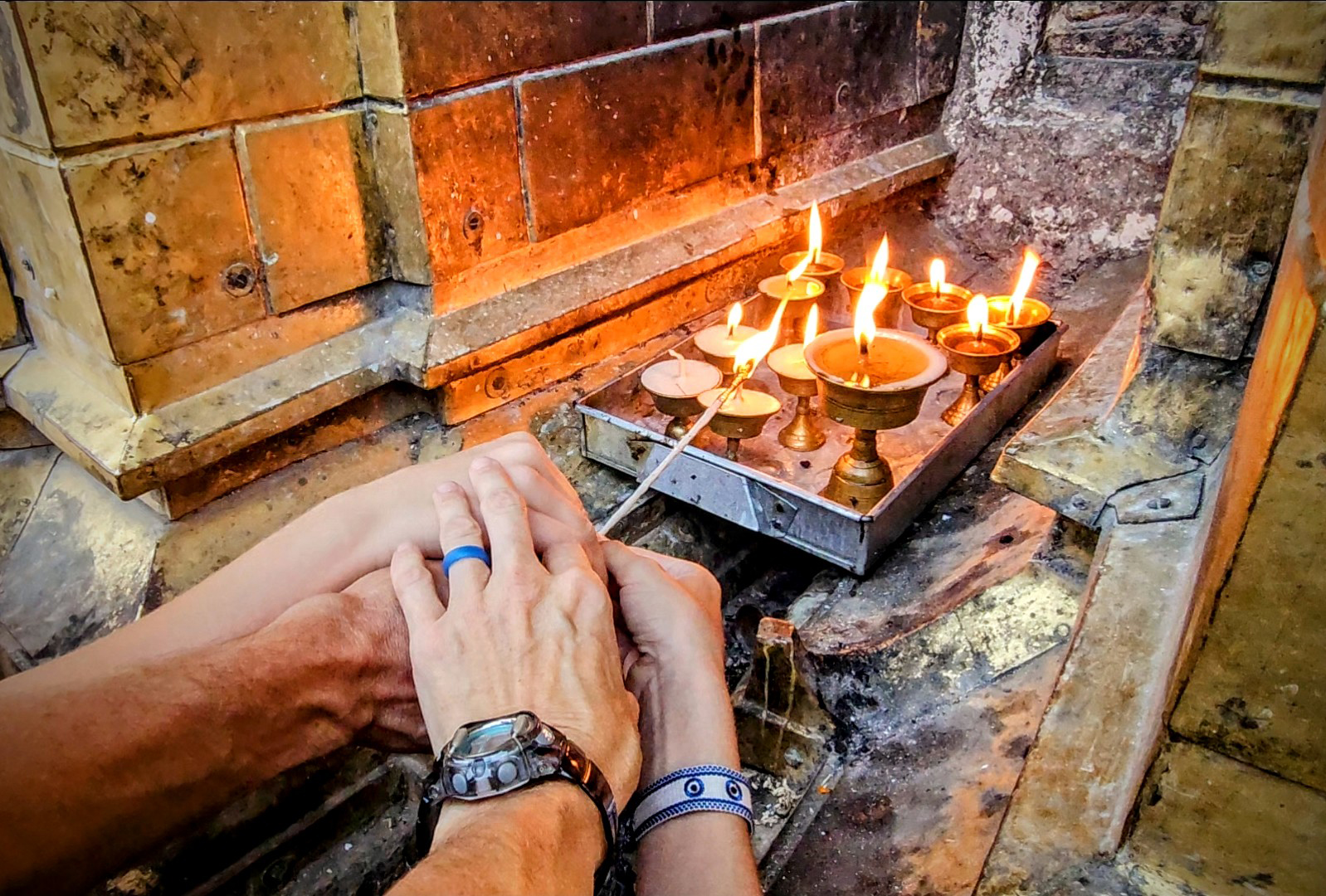
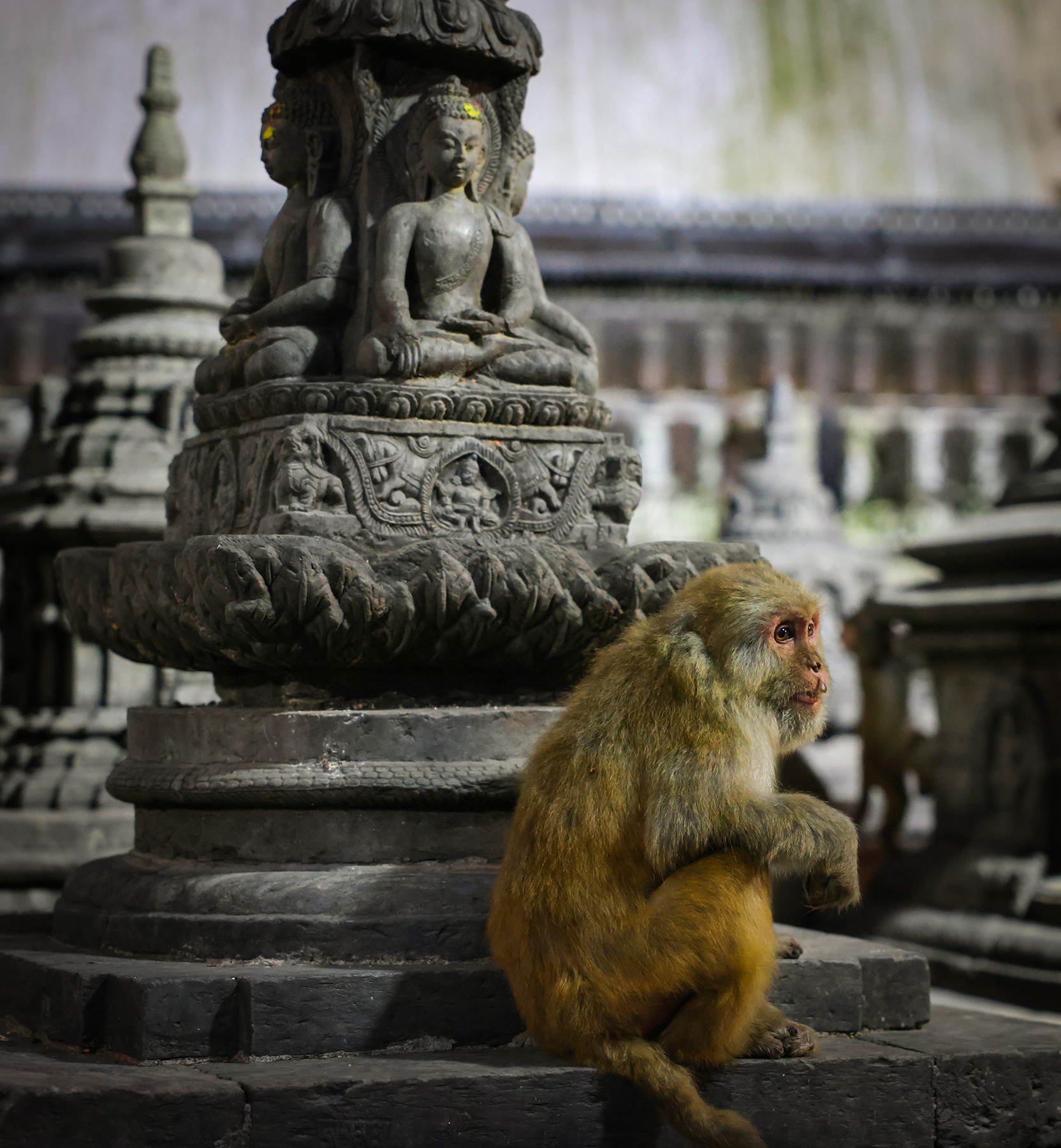
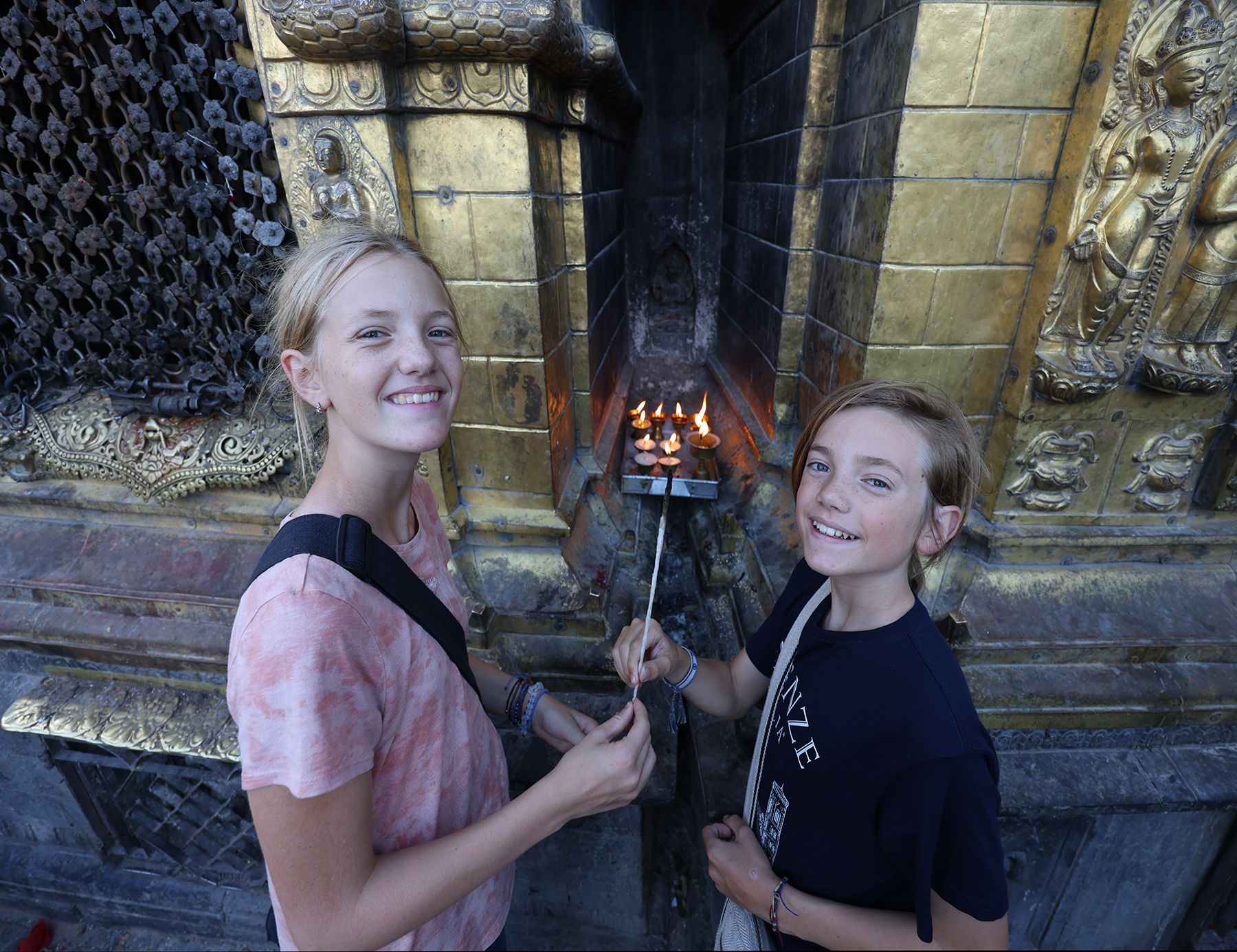
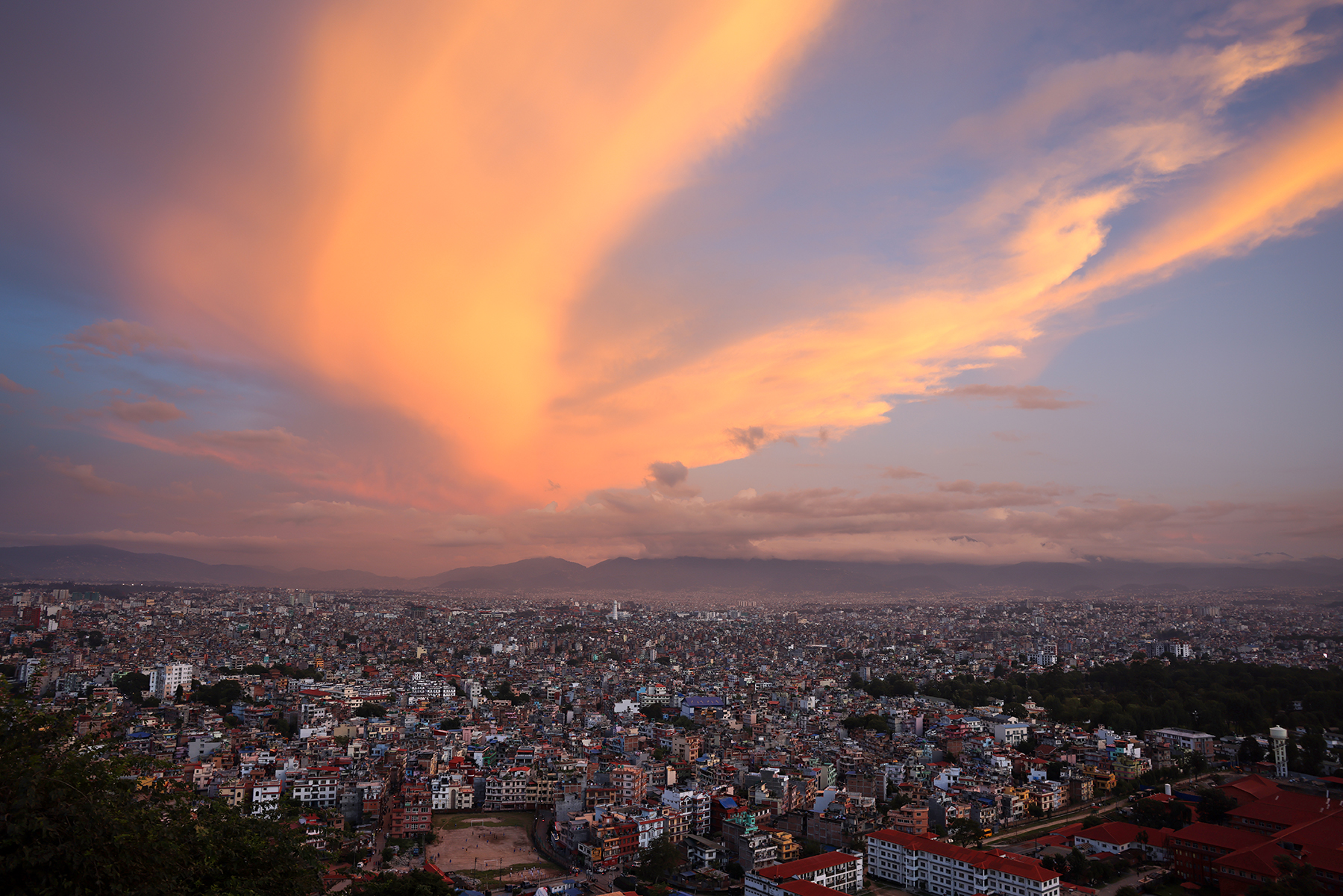
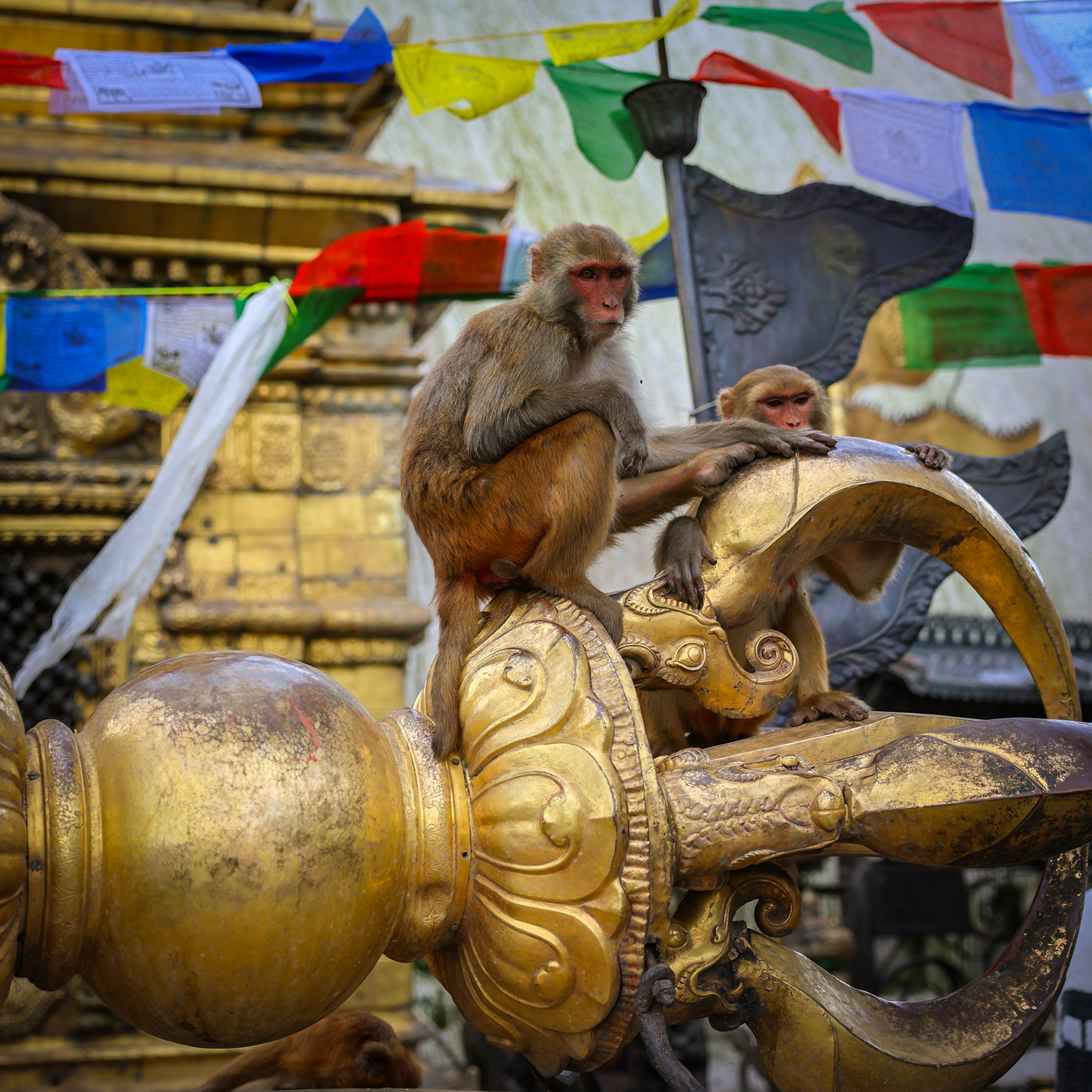
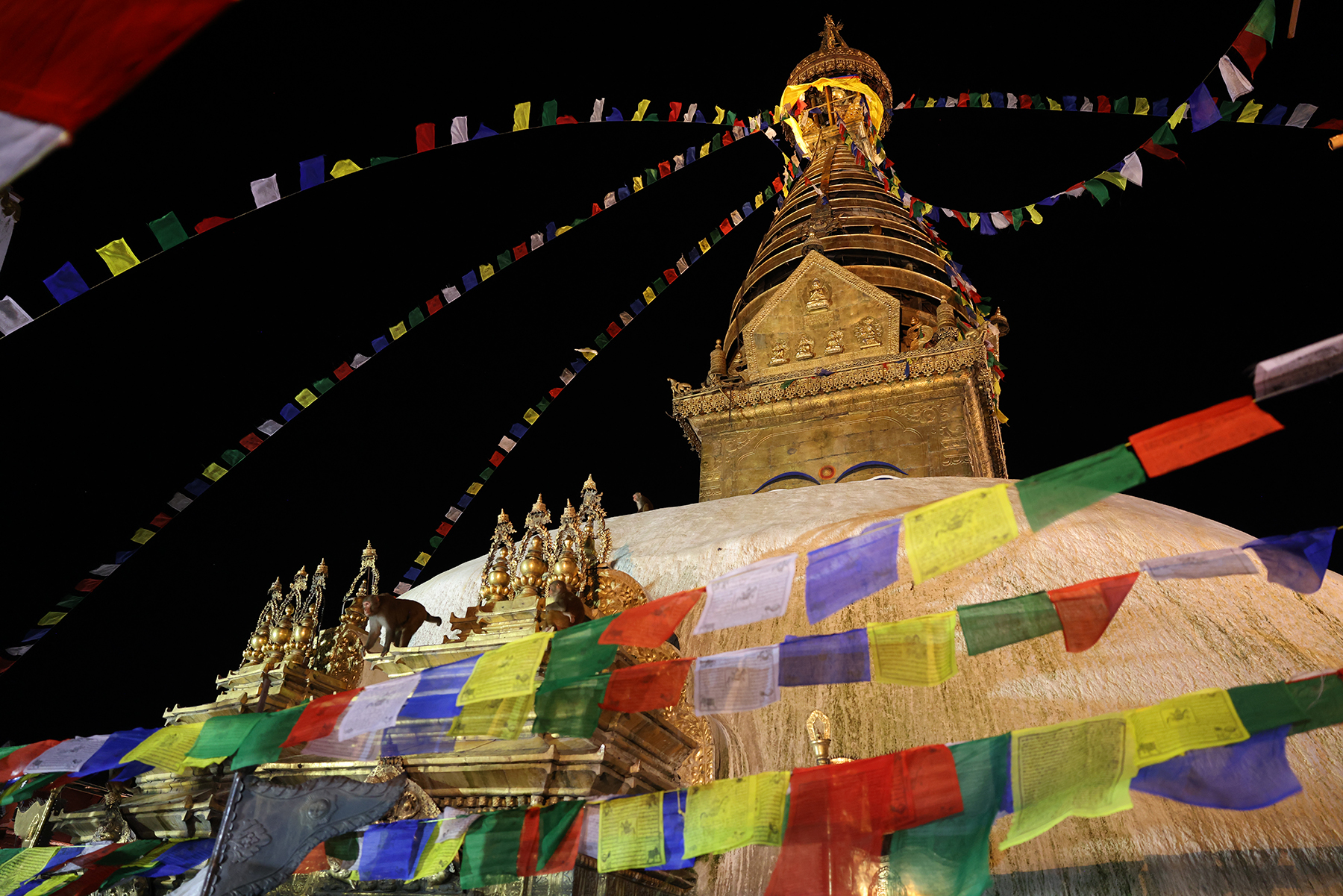
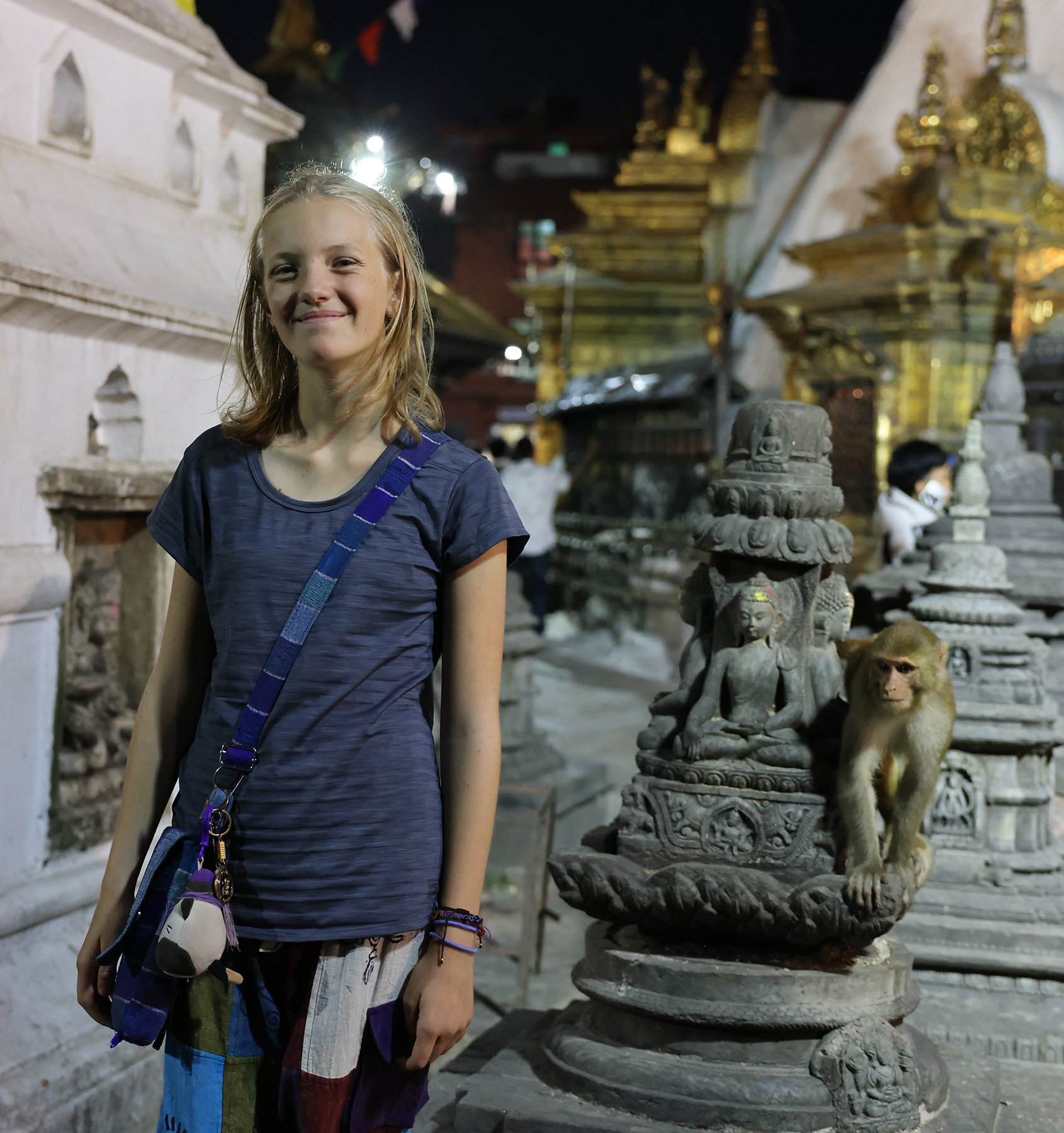
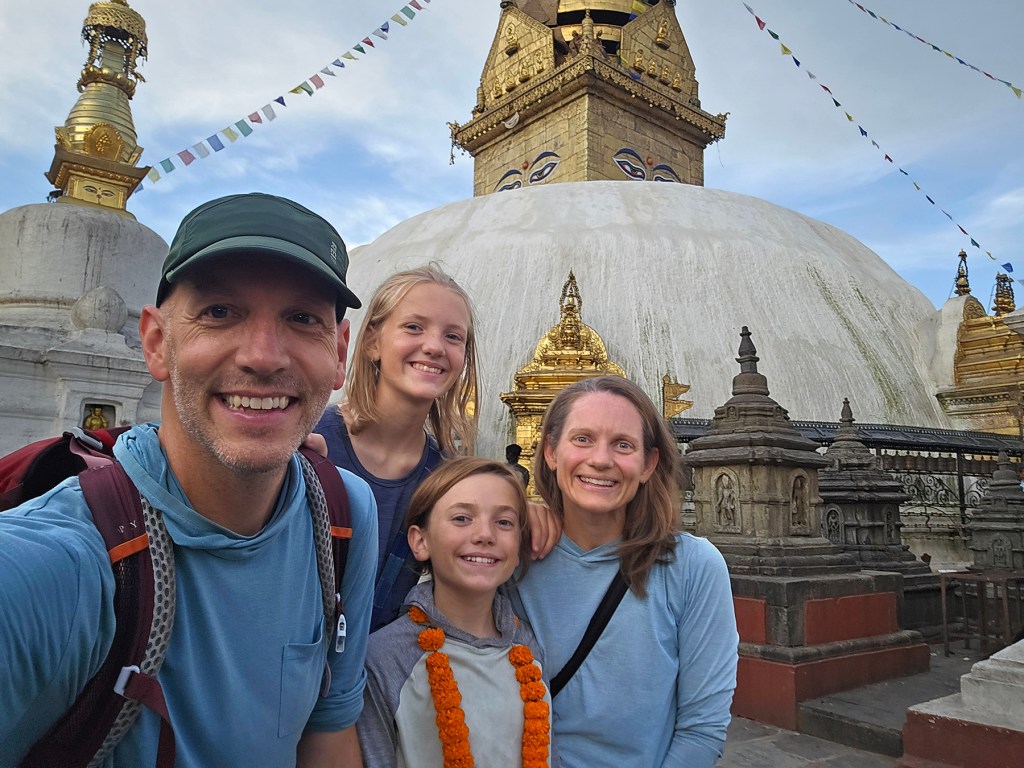
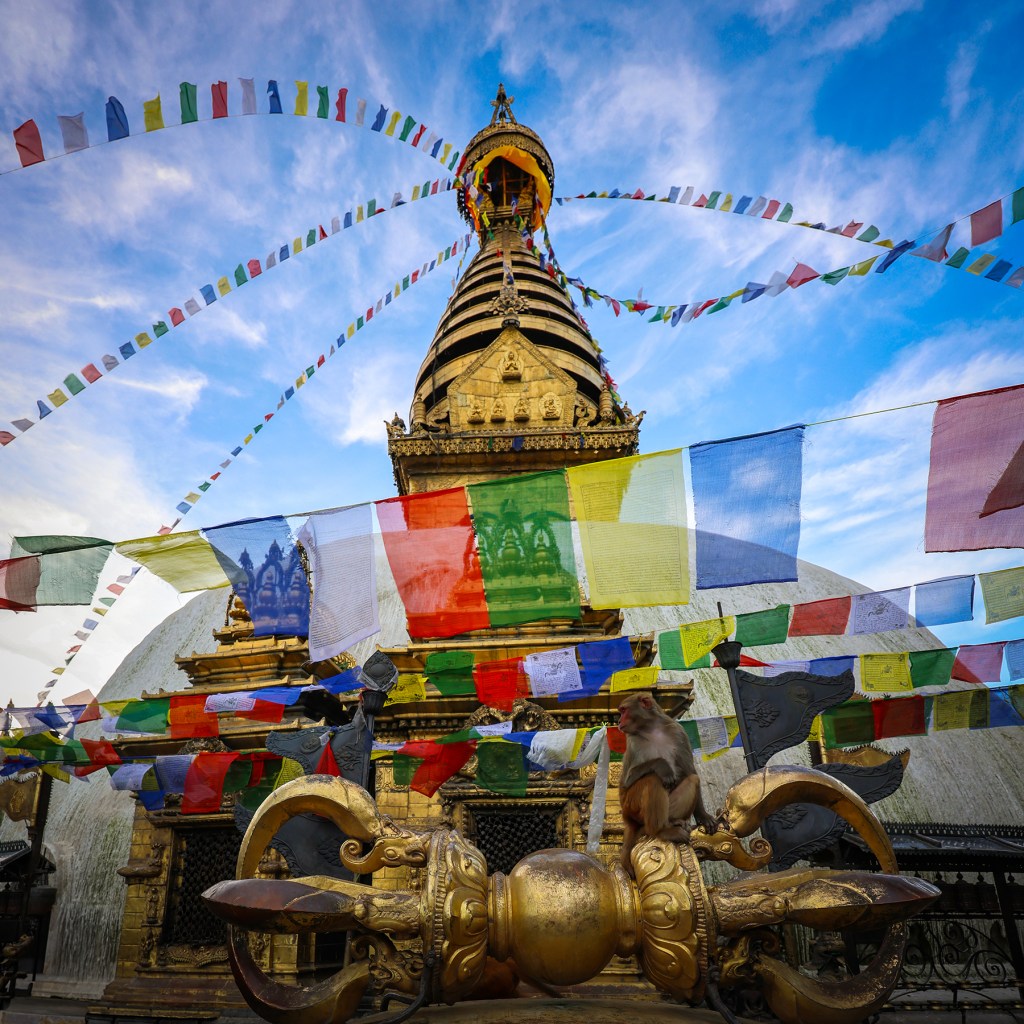
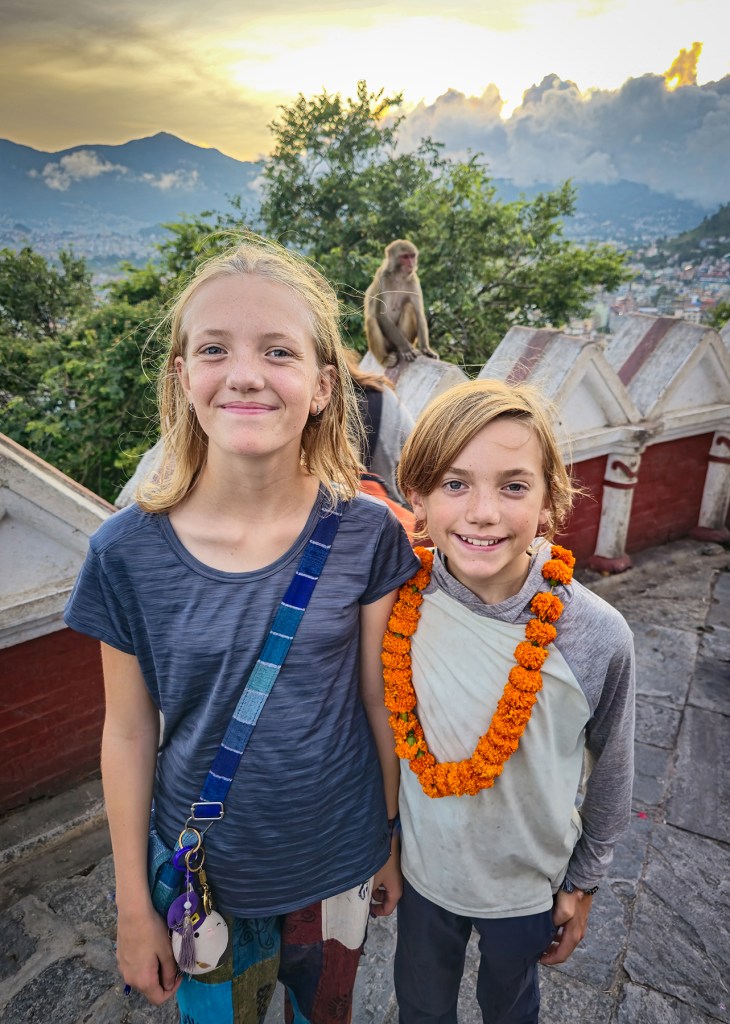
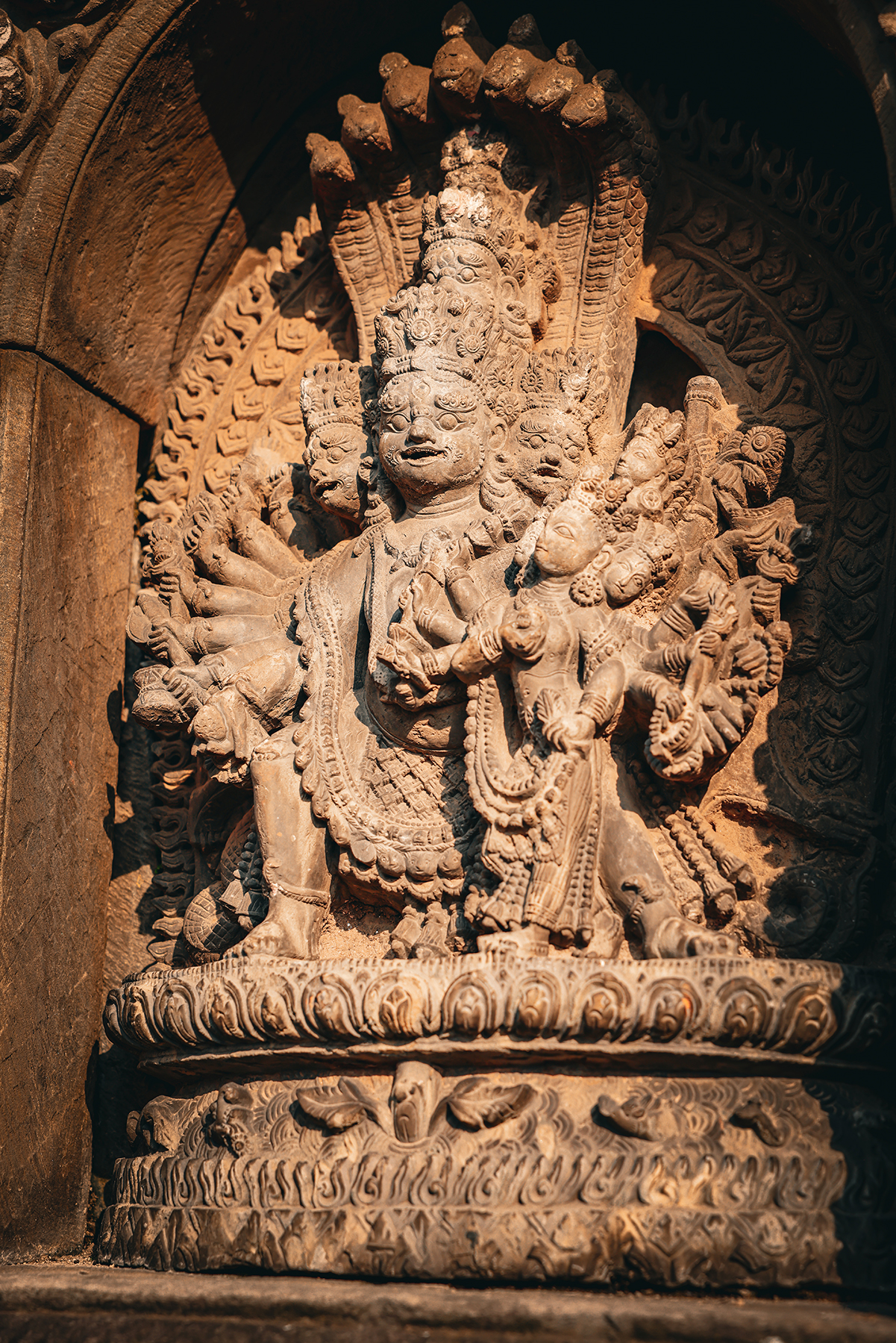
Our time visiting cultural sites around Kathmandu was for the most part delightful – with the famous Monkey Temple of Swayambhunath as a particular highlight. With the smog and dust cleared out by the recent rains, the view out over the city from the hilltop temple was beautiful, matched by the stunning architecture of the Buddhist temple itself. Prayer flags fluttering in the breeze, dimly-lit butter lamps, prayer wheels spinning, and a host of mischievous monkeys make the setting a magical place which our family loved visiting. While many historical sites in Nepal were heavily damaged by the 2015 earthquake, for the most part Swayambhunath has been restored to its beautiful former state.
After several days exploring the city and making trek preparations, we left Kathmandu by bus to undertake the journey towards Pokhara and the Annapurna range. Though travel along the road was very slow due to flood damage, the trip felt much less arduous due to the stunning scenery. Sonya has a particular fondness for rice terraces, and she was pleasantly surprised by the subtropical surroundings. After arrival in Pokhara and an introduction to our two porters Kul and Dipak, we were thoroughly drenched by a rainstorm as we looked for a spot for dinner. We enjoyed a tasty meal of dal bhat (rice and lentils, the staples of the Nepali diet), and went to bed ready for the start of our first big trekking adventure in Nepal.
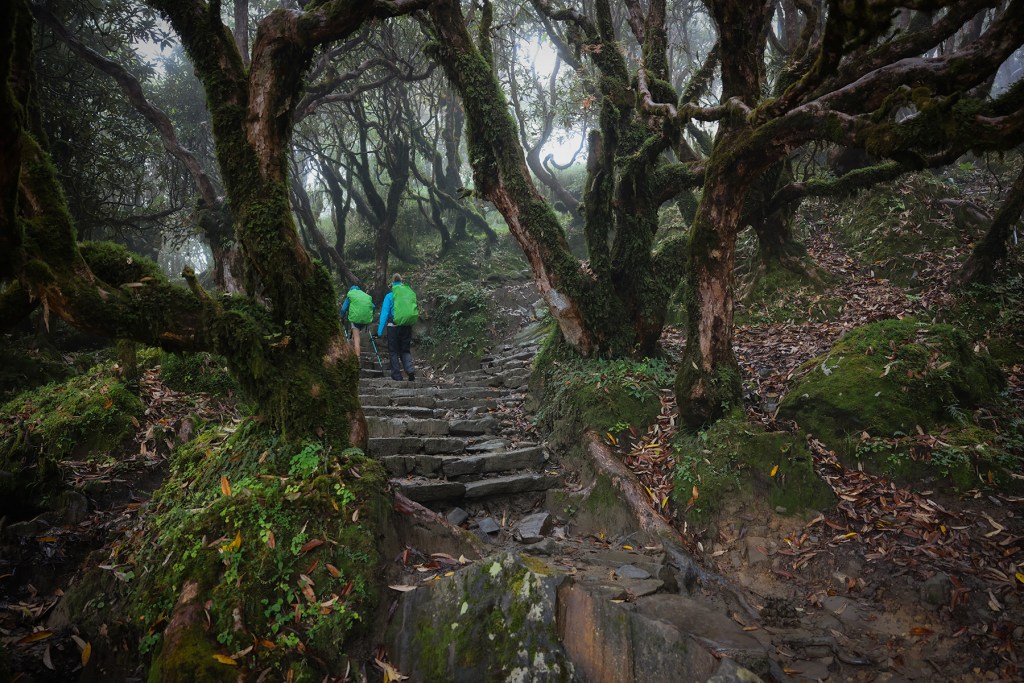
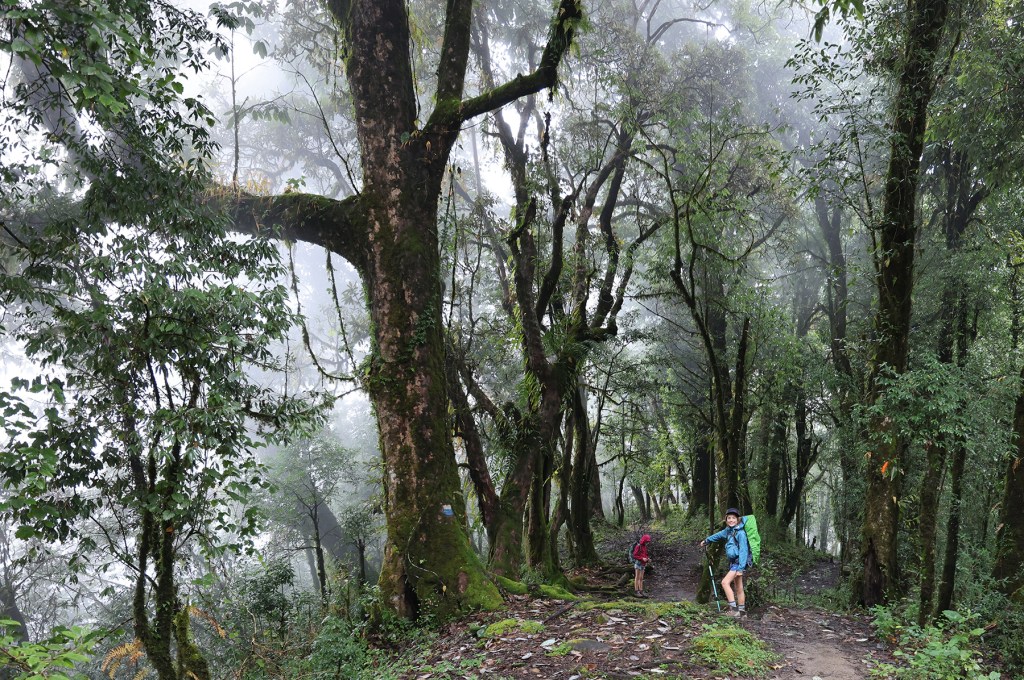
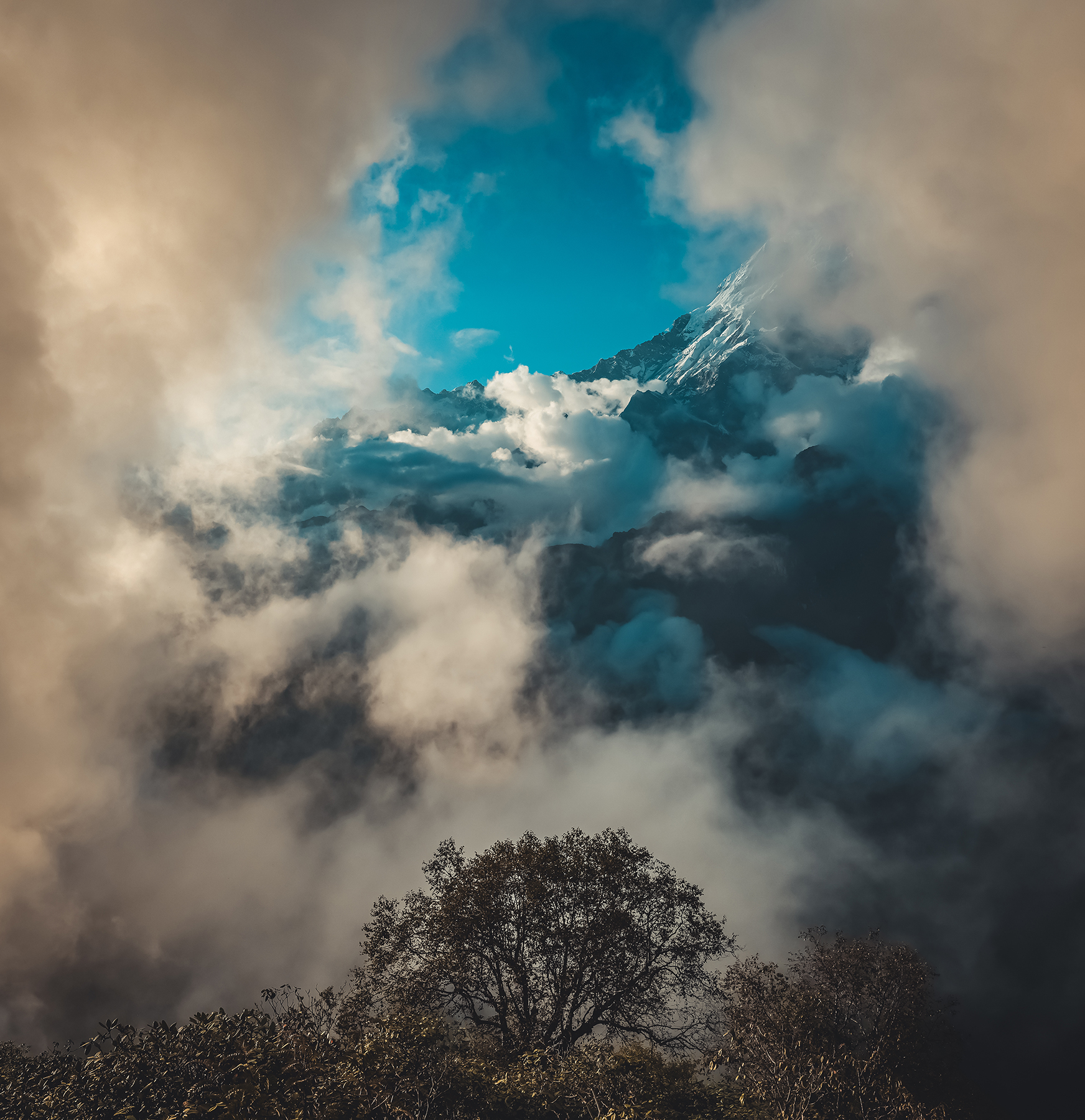
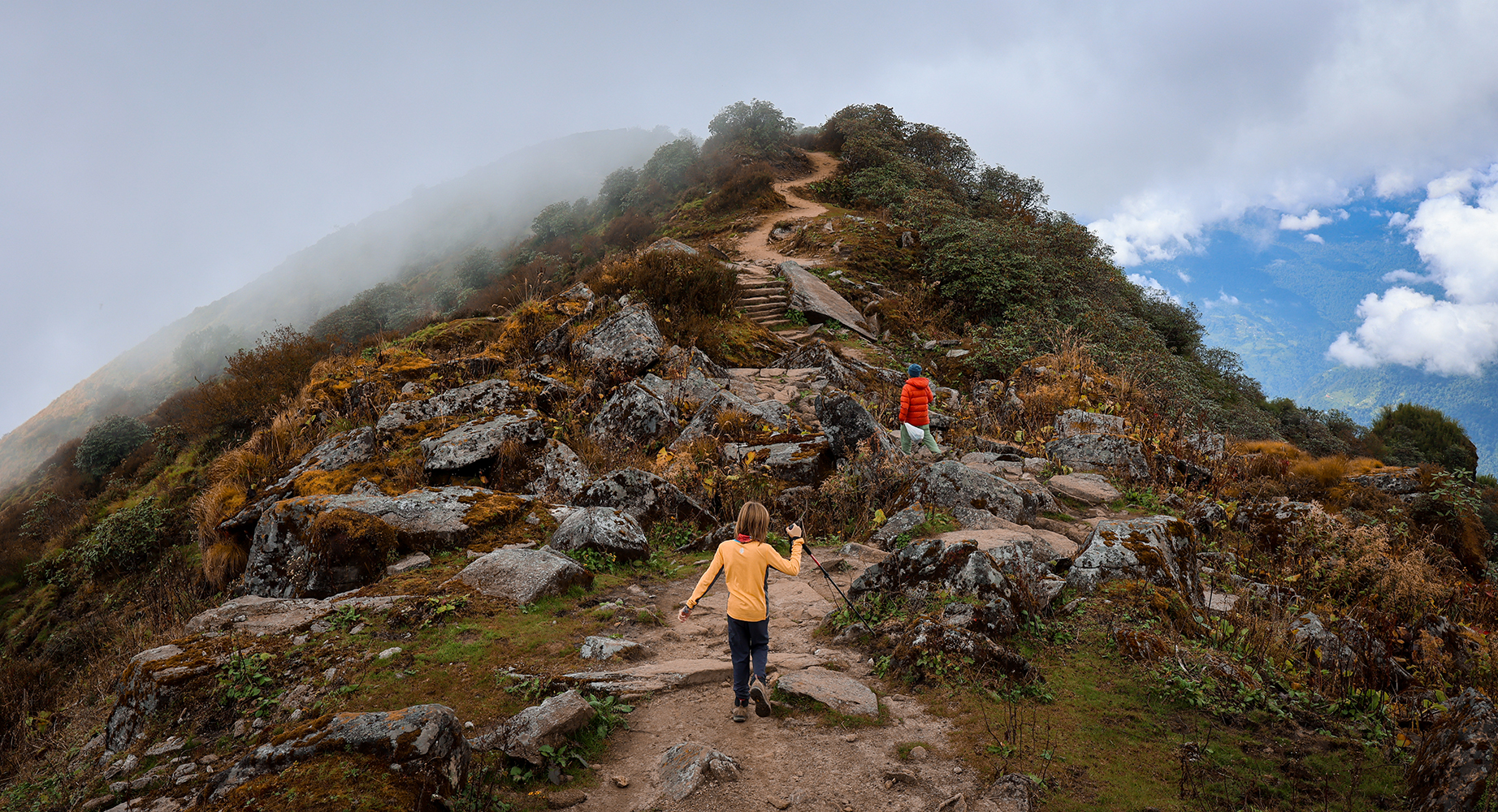
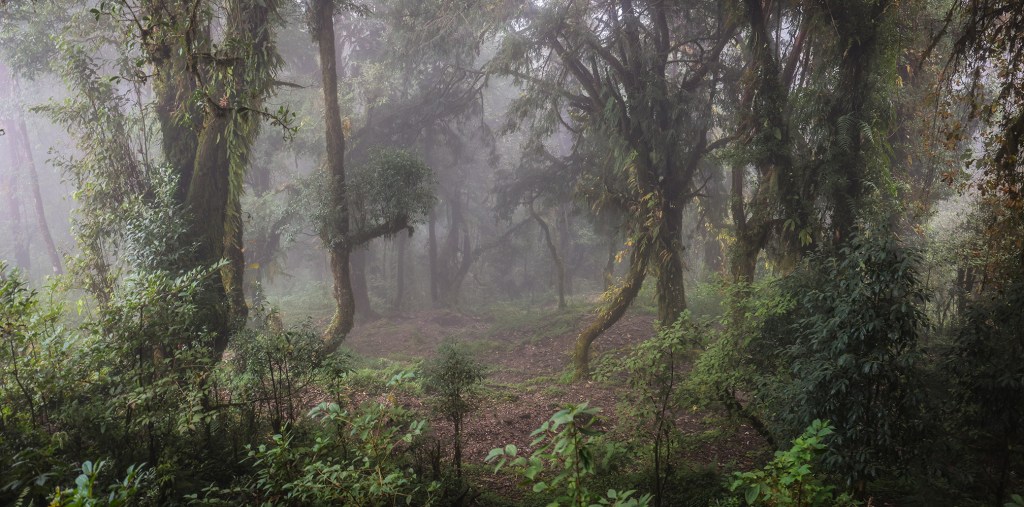
The Mardi Himal trek is a newly designated trekking destination in the Annapurna range, and is much less frequently visited than the famous nearby destinations of the Annapurna Base Camp and Poon Hill. We found the trek to be an ideal introduction for our family to Himalayan hiking, and an entirely different experience than the high altitude treks in the Everest region. It was wild to start out the trek in the sweltering heat, winding our way upwards through rice terraces at the very low elevation of Phedi at 3770 feet. Leaving the valley floor, we made our way steeply uphill until reaching the rhododendron forest on the ridgeline. At this point, the track essentially follows the ridgeline for miles, mostly in the protection of the subtropical forest, until it emerges above tree line for the last push towards the Mardi Himal base camp. While the mountains are clearly the star of most Himalayan treks, I found the misty rhododendron forest to be an equally stunning aspect of this trek. Each of the first four days of our trek followed a similar pattern – a brief glimpse of towering Himalayan giants in the morning, followed by an arrival of thick clouds that obscured the mountain views, but created an otherworldly misty atmosphere in the forest.
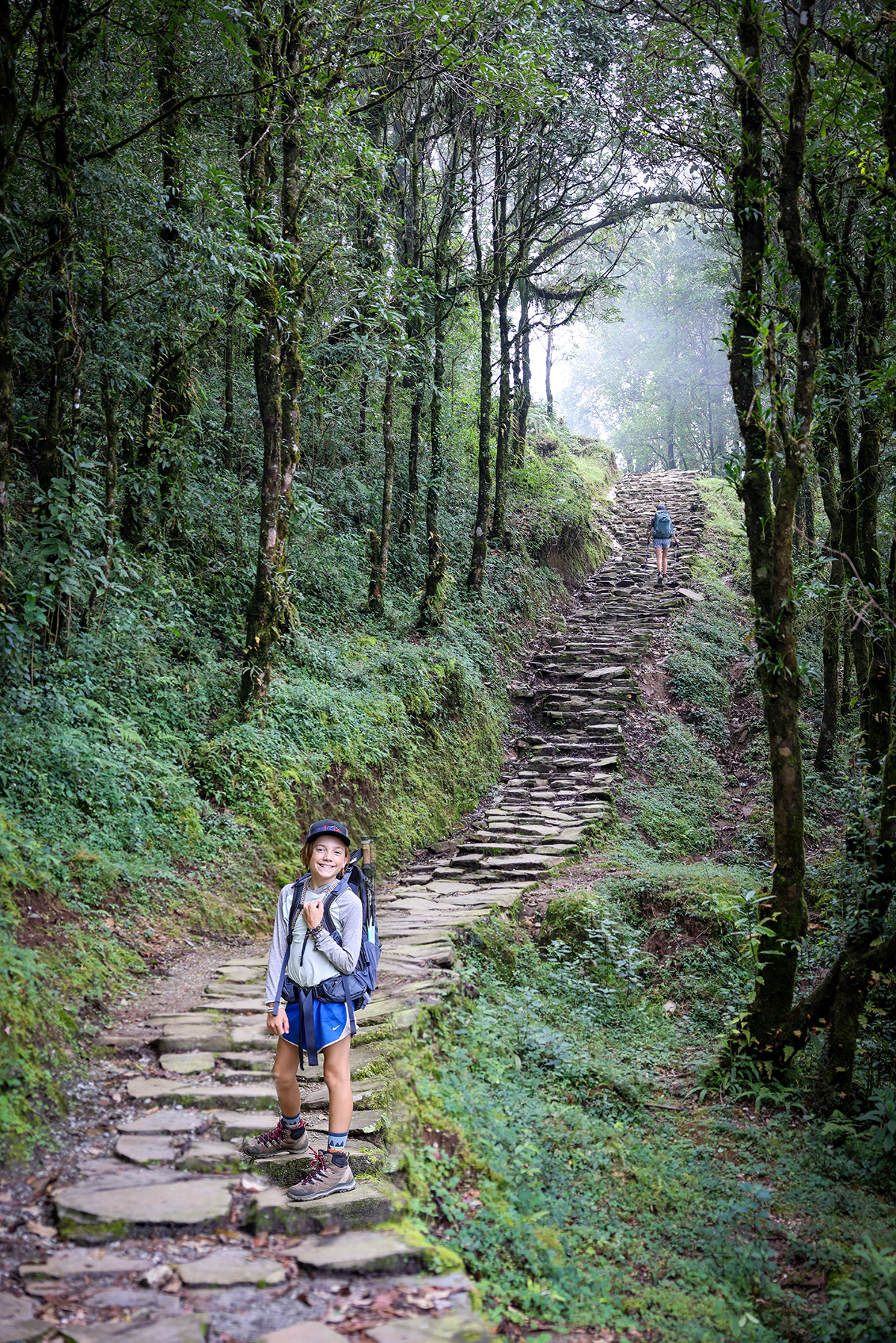


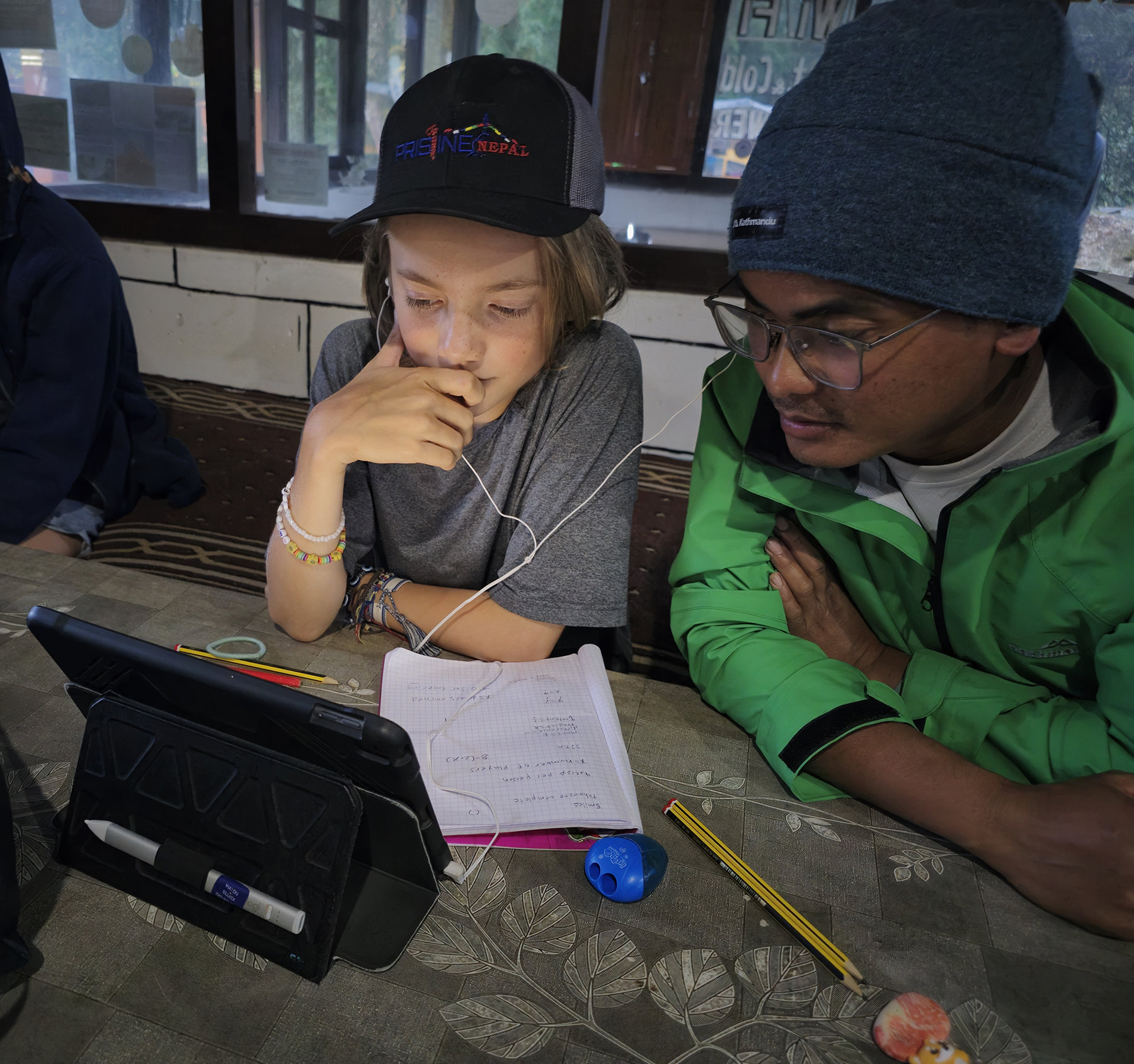
As a family, we felt strong both in our legs and lungs on this trek. The kiddos, familiar with hiking at altitude back home and having been hiking more or less continuously since we left Colorado in May, delighted in cruising past other trekkers as we ascended. Sonya particularly enjoyed the tea house culture at our nightly stops – while not as luxurious as some huts in the Alps or Dolomites, the food was tasty and the beds much cozier than nights out in a tent. We even had internet access for several nights along the way, allowing the kiddos to continue their online studies, sometimes joined in their schoolwork by our very kind and patient guide Indra. For me, my favorite aspects of the trek were seeing how confident and enthusiastic our kiddos have become as hikers, hiking through the incomparable rhododendron forest, and of course enjoying the stunning views along the way as we approached the elegant peak of Machapuchare. It amazes me to think that the peaks of this range rise up from barely 3,500′ at the valley floor to a maximum altitude of 26,545′ at the summit of Annapurna I, the tenth highest mountain in the world – the scale of vertical relief was hard to comprehend!
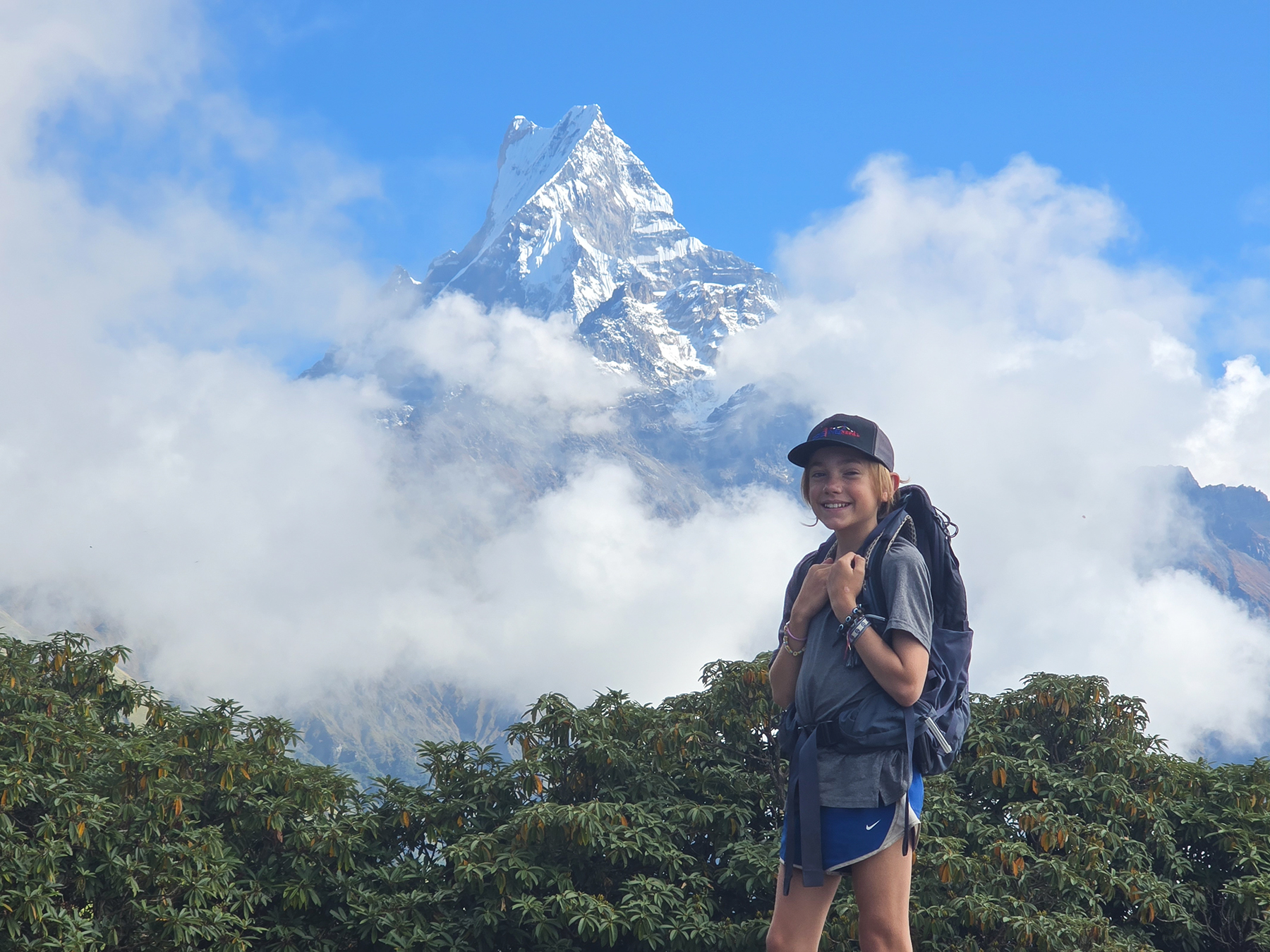
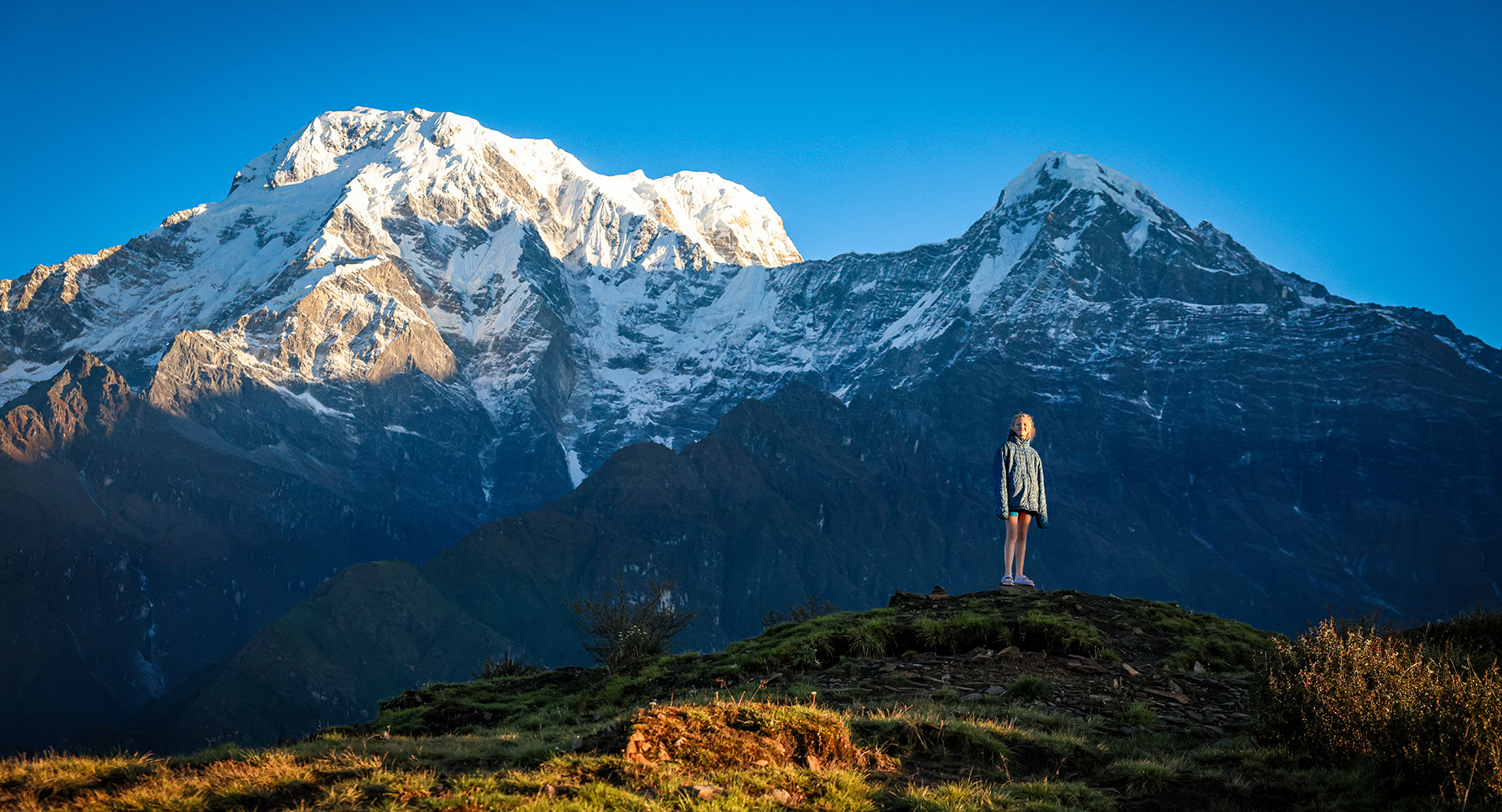
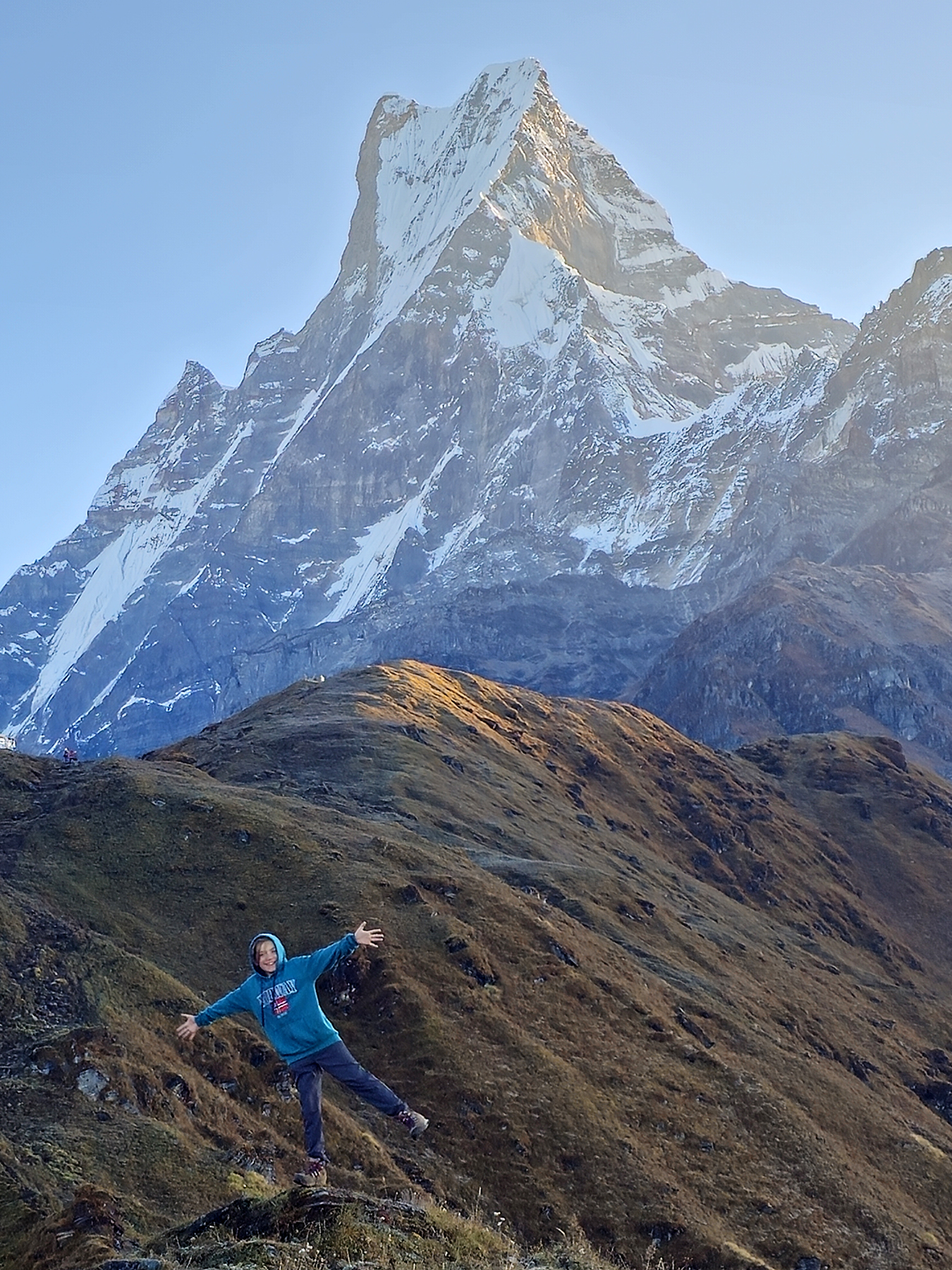
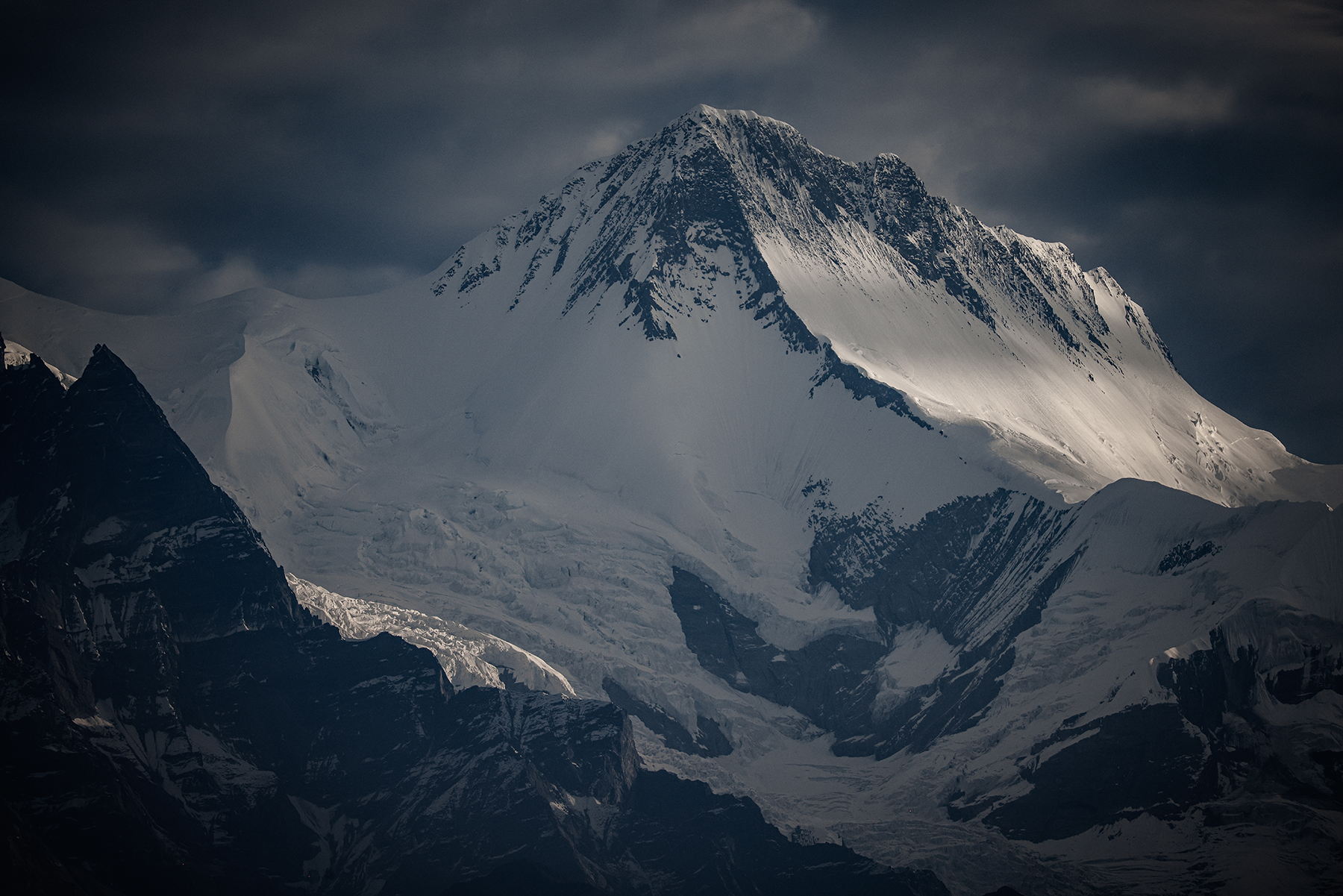
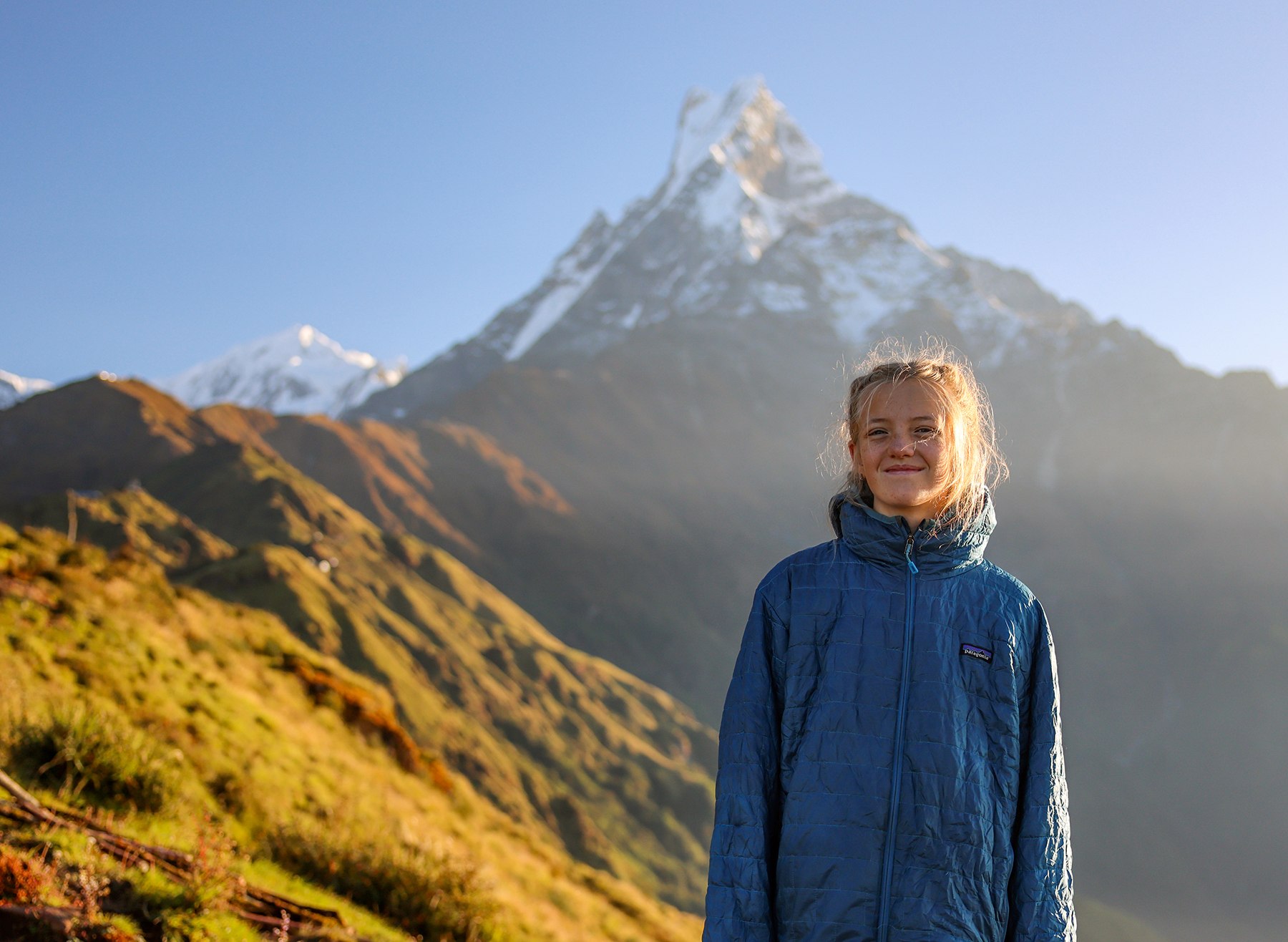
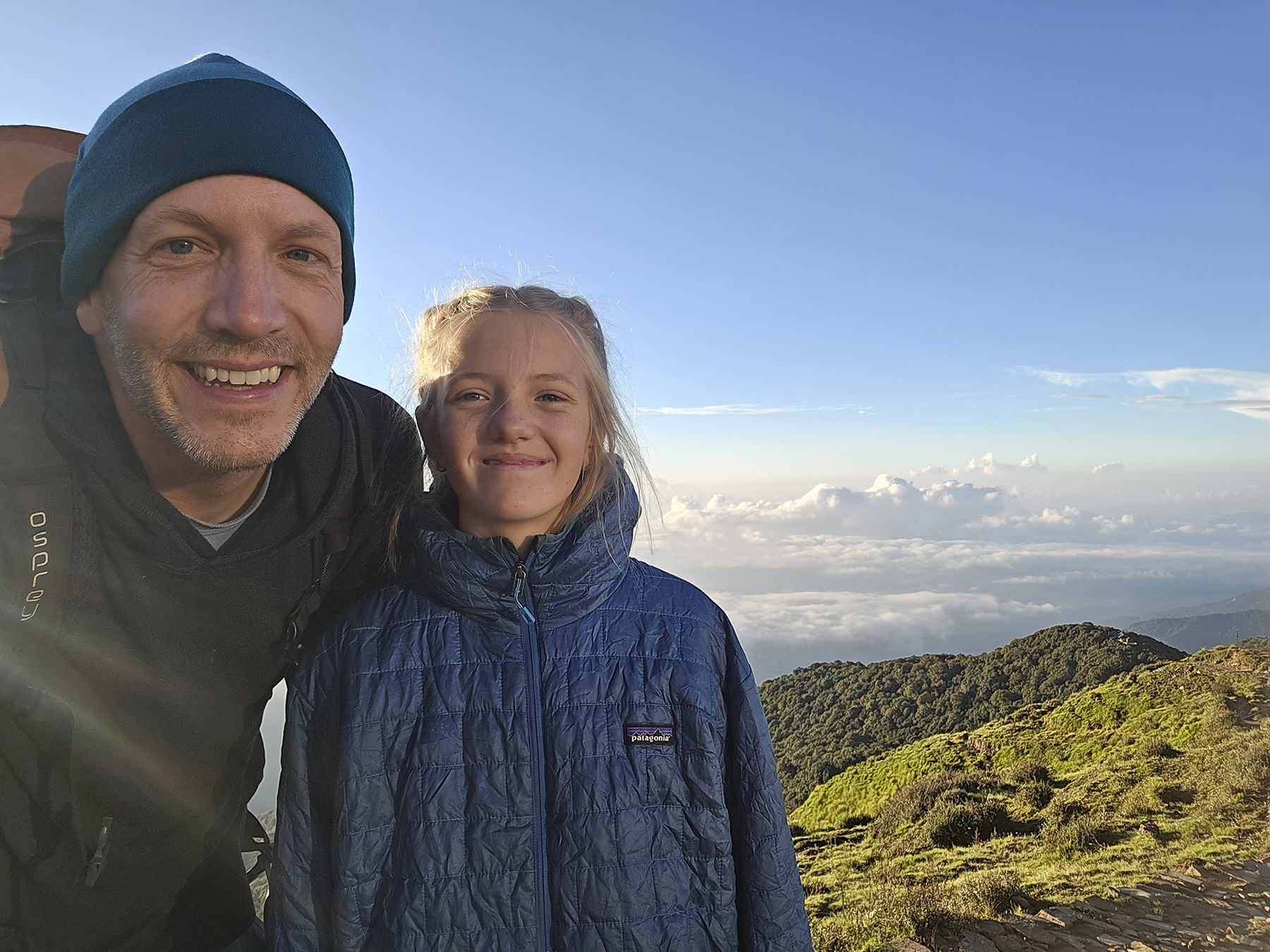
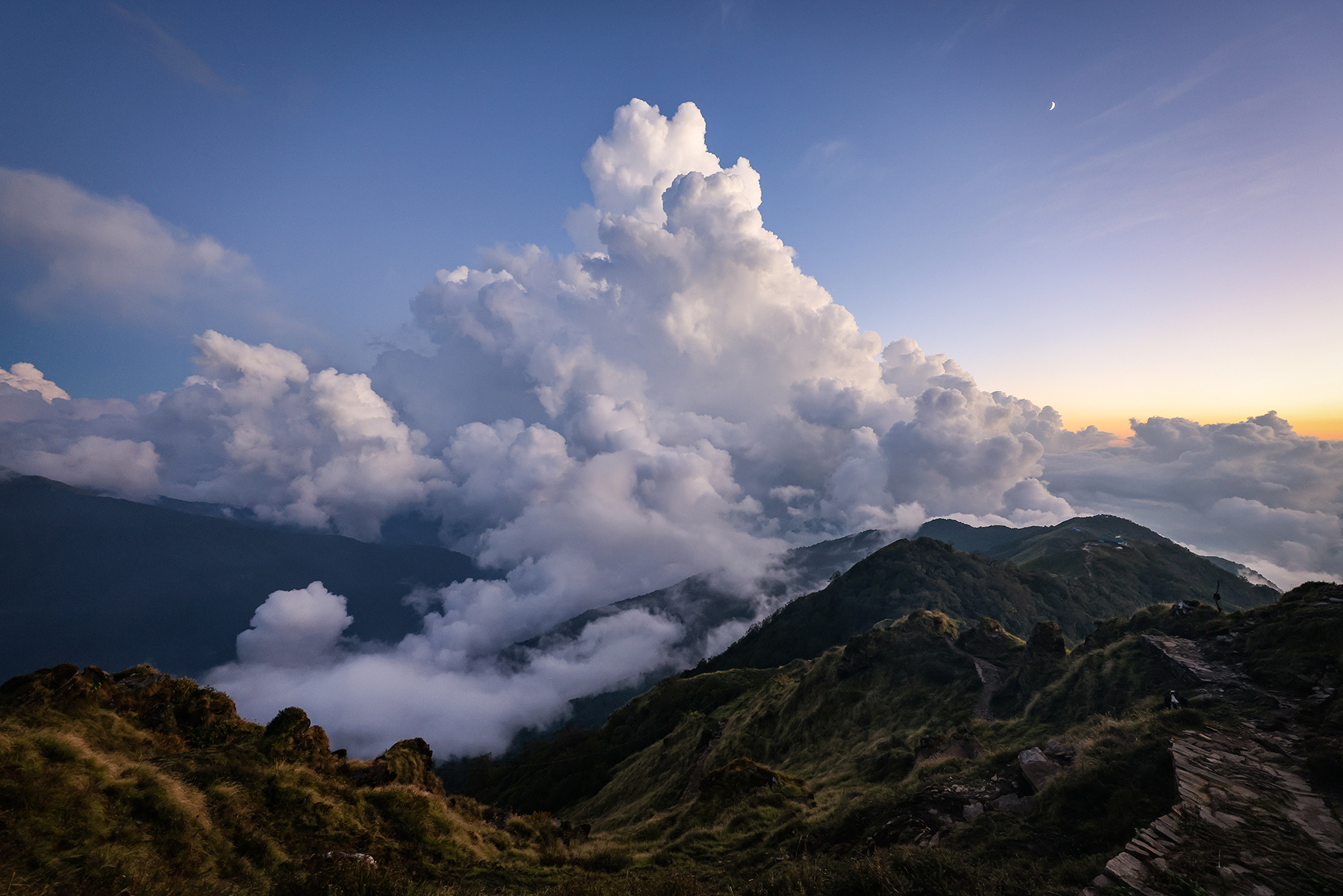
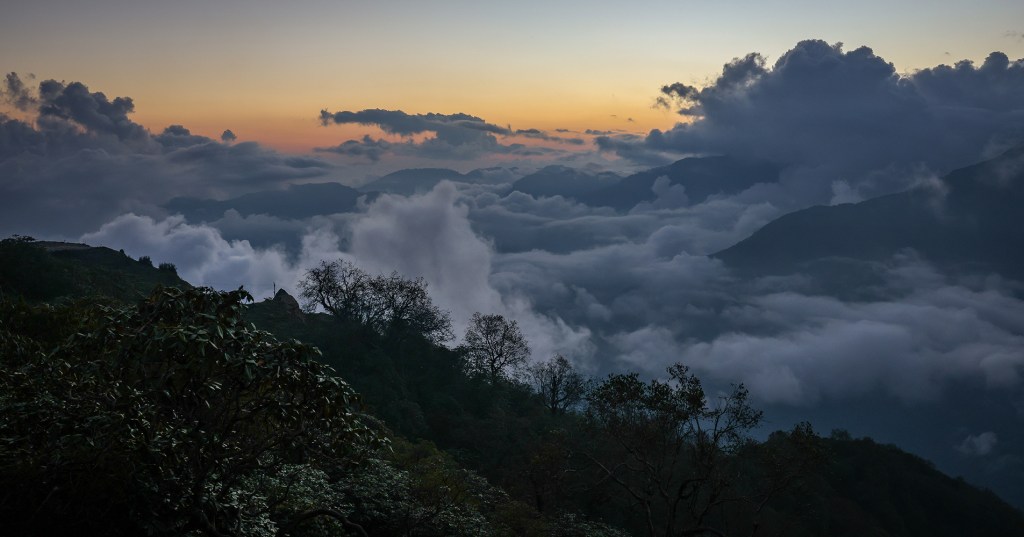
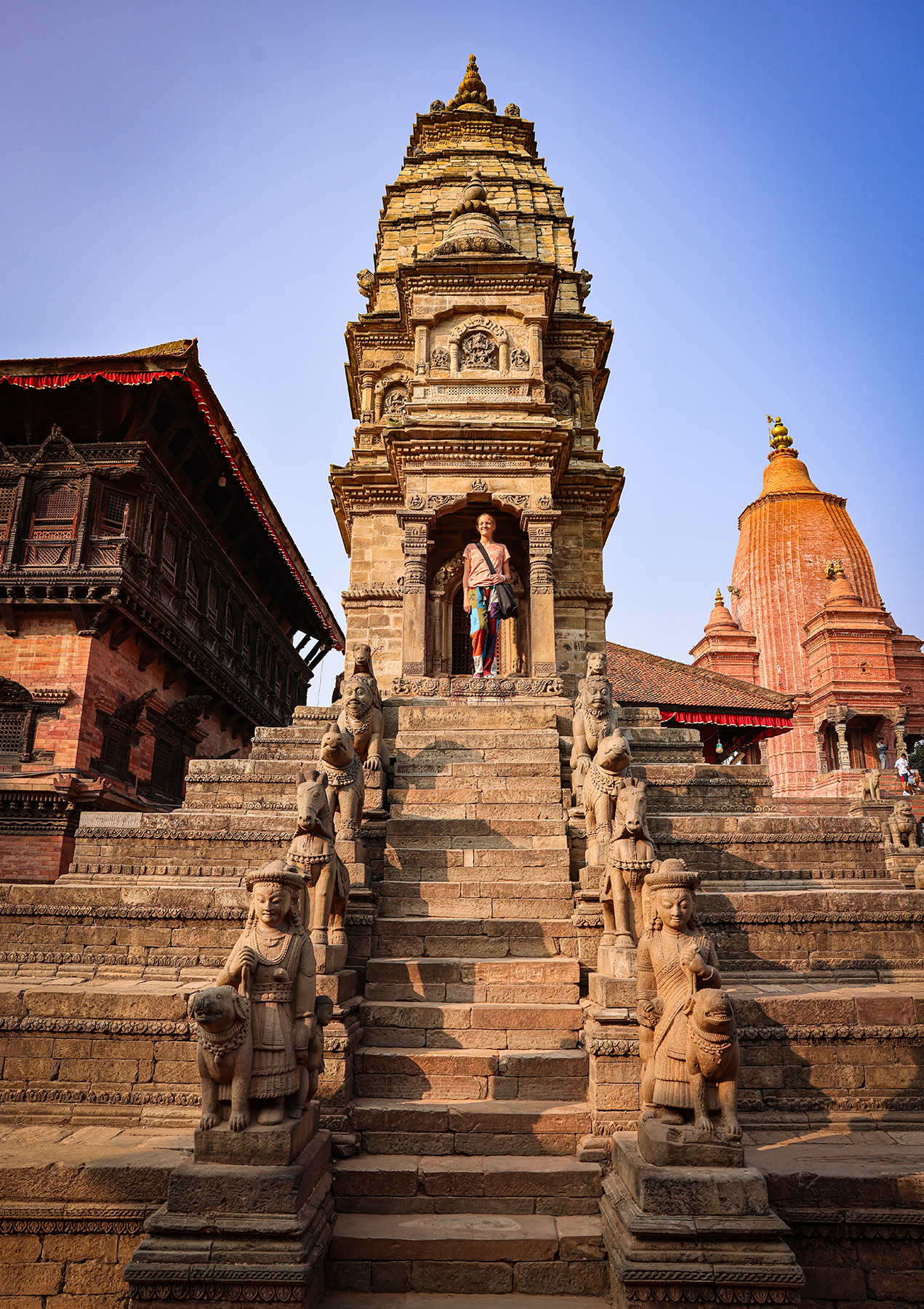
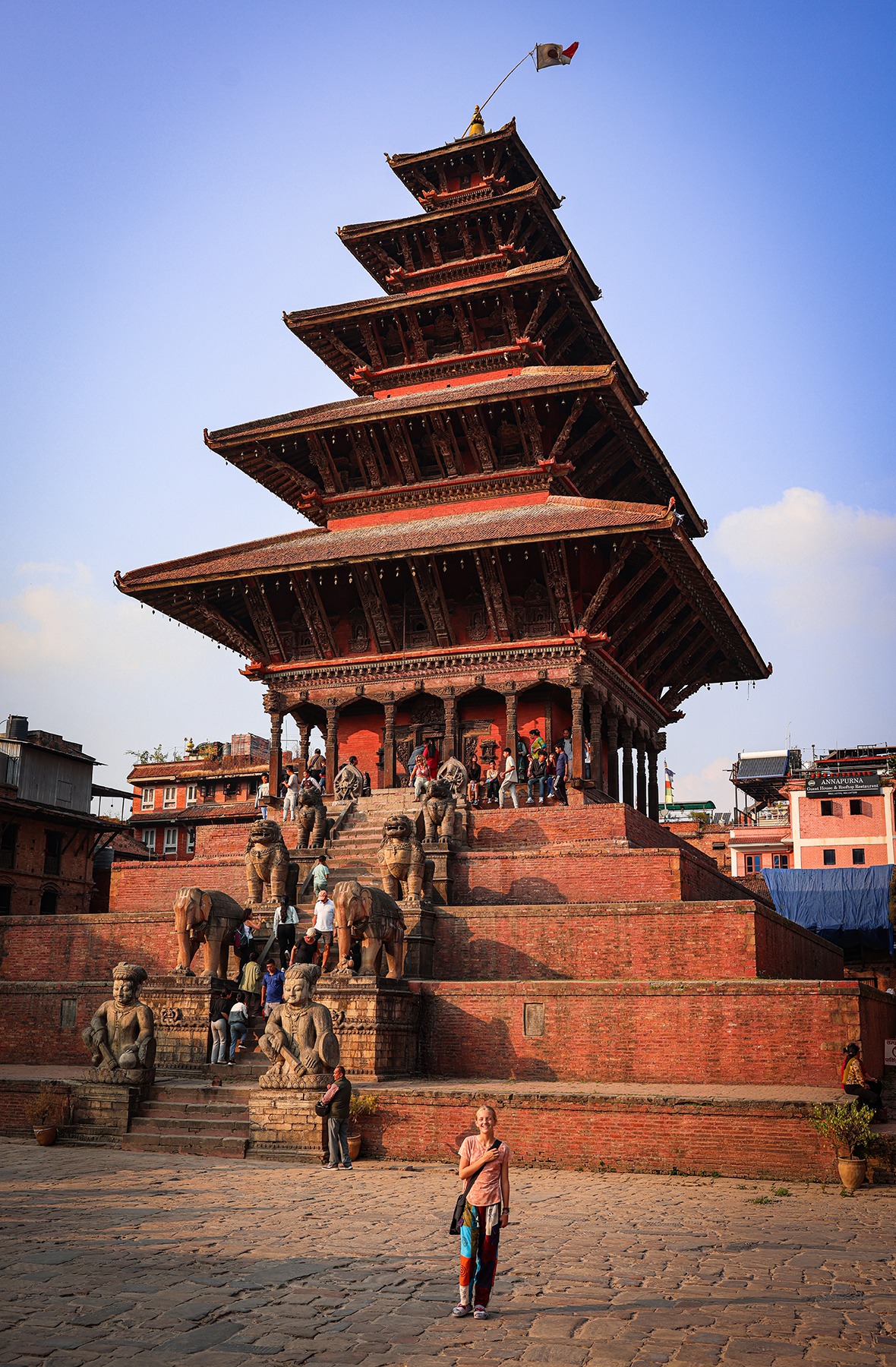
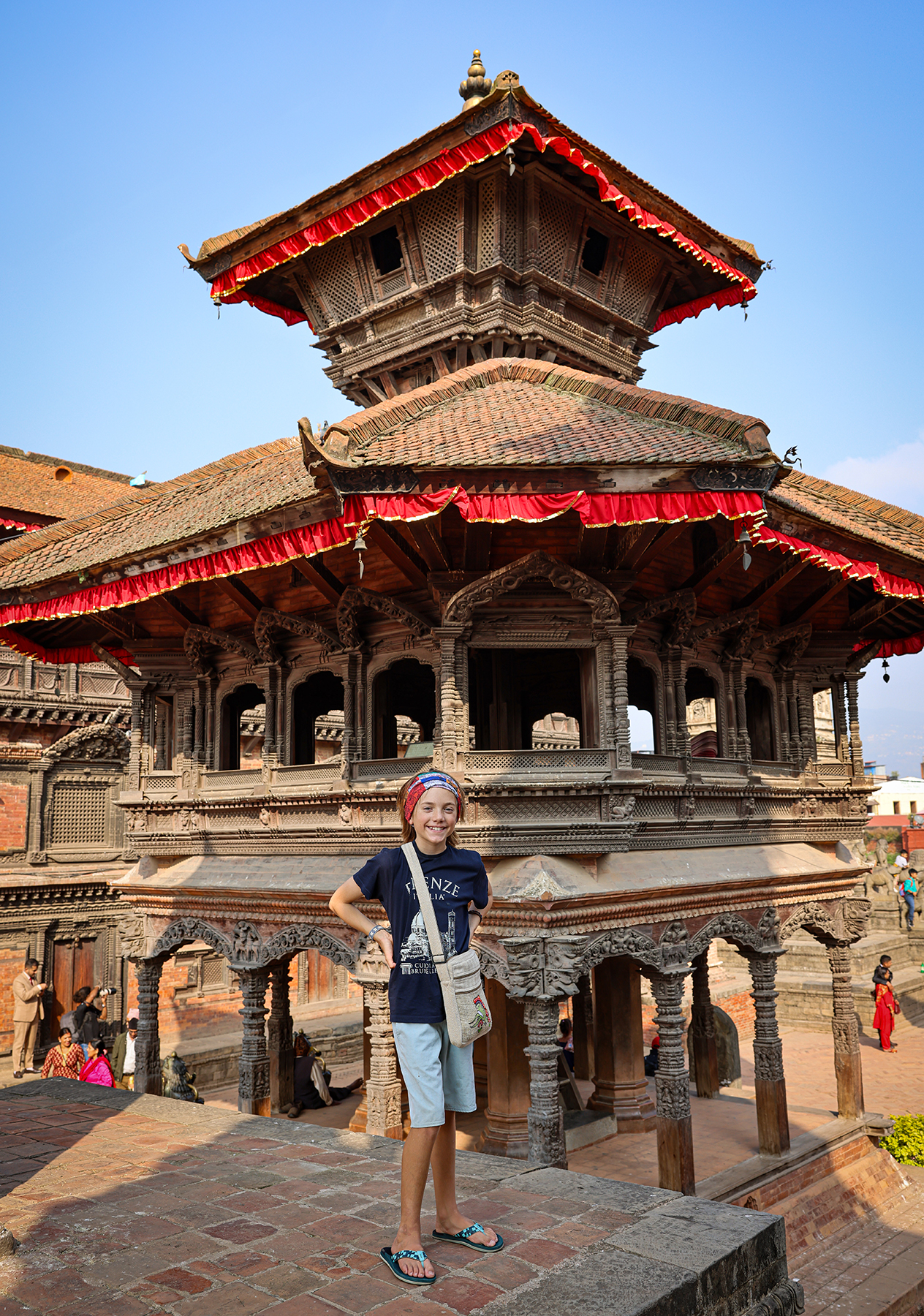
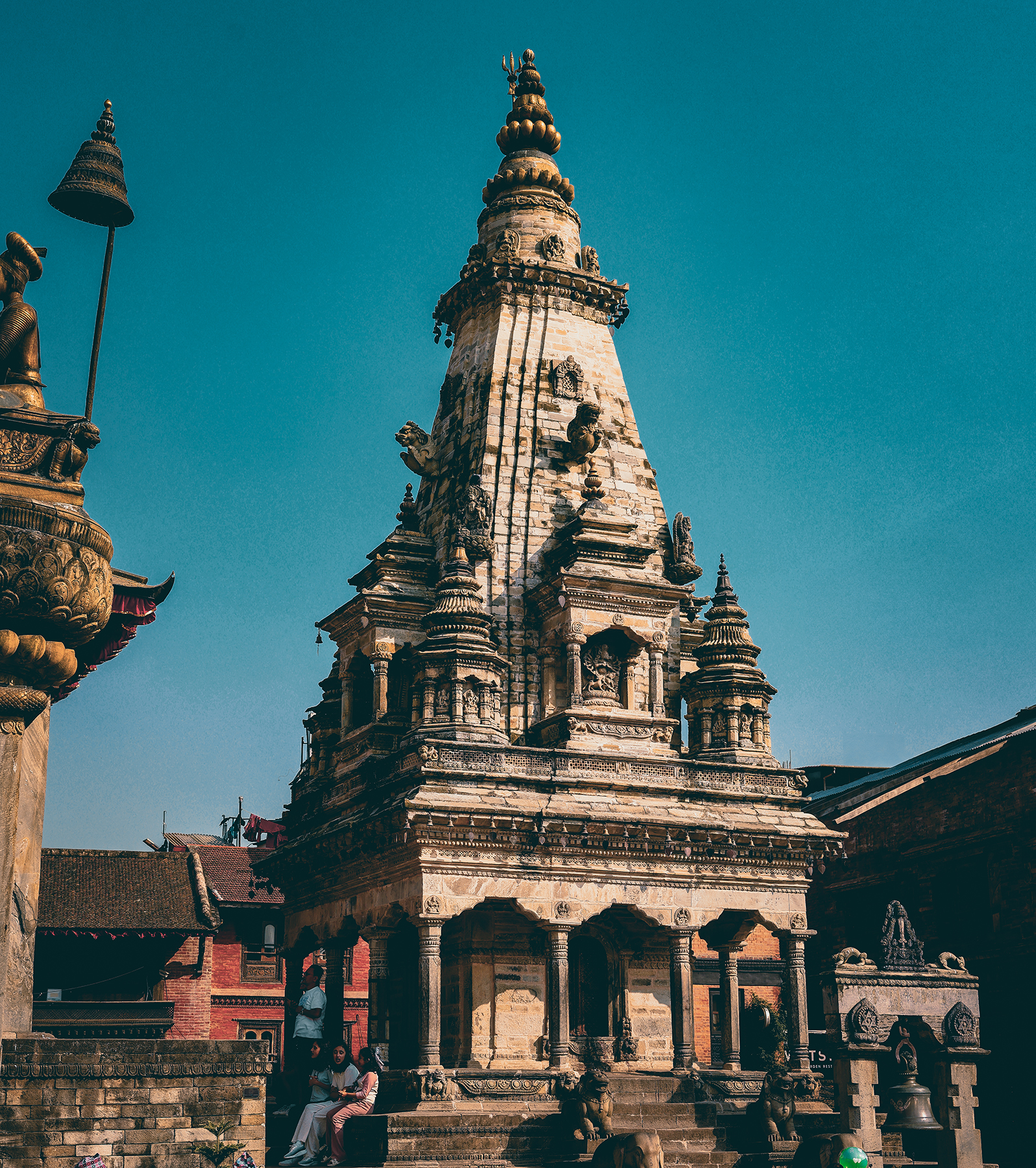
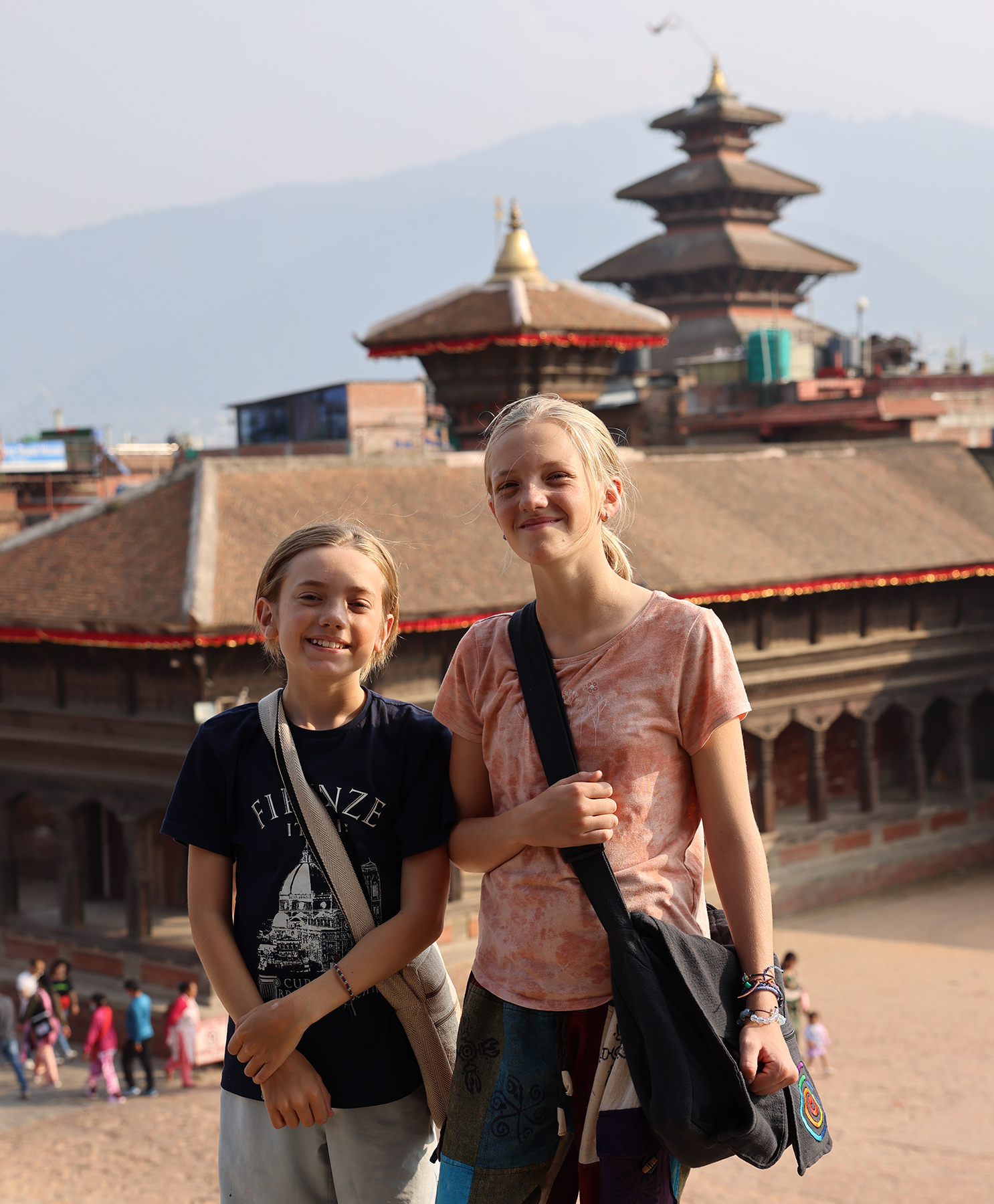
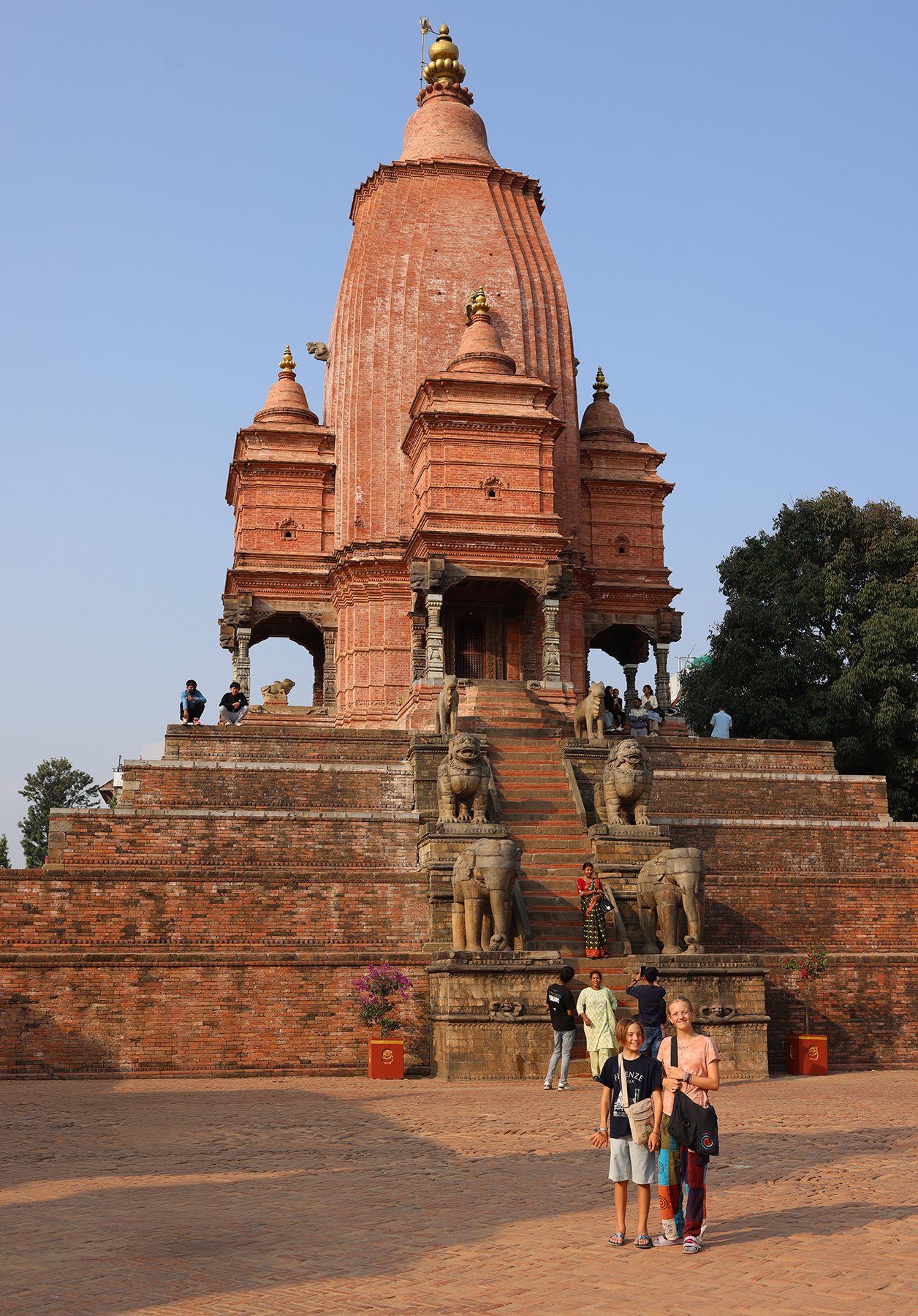
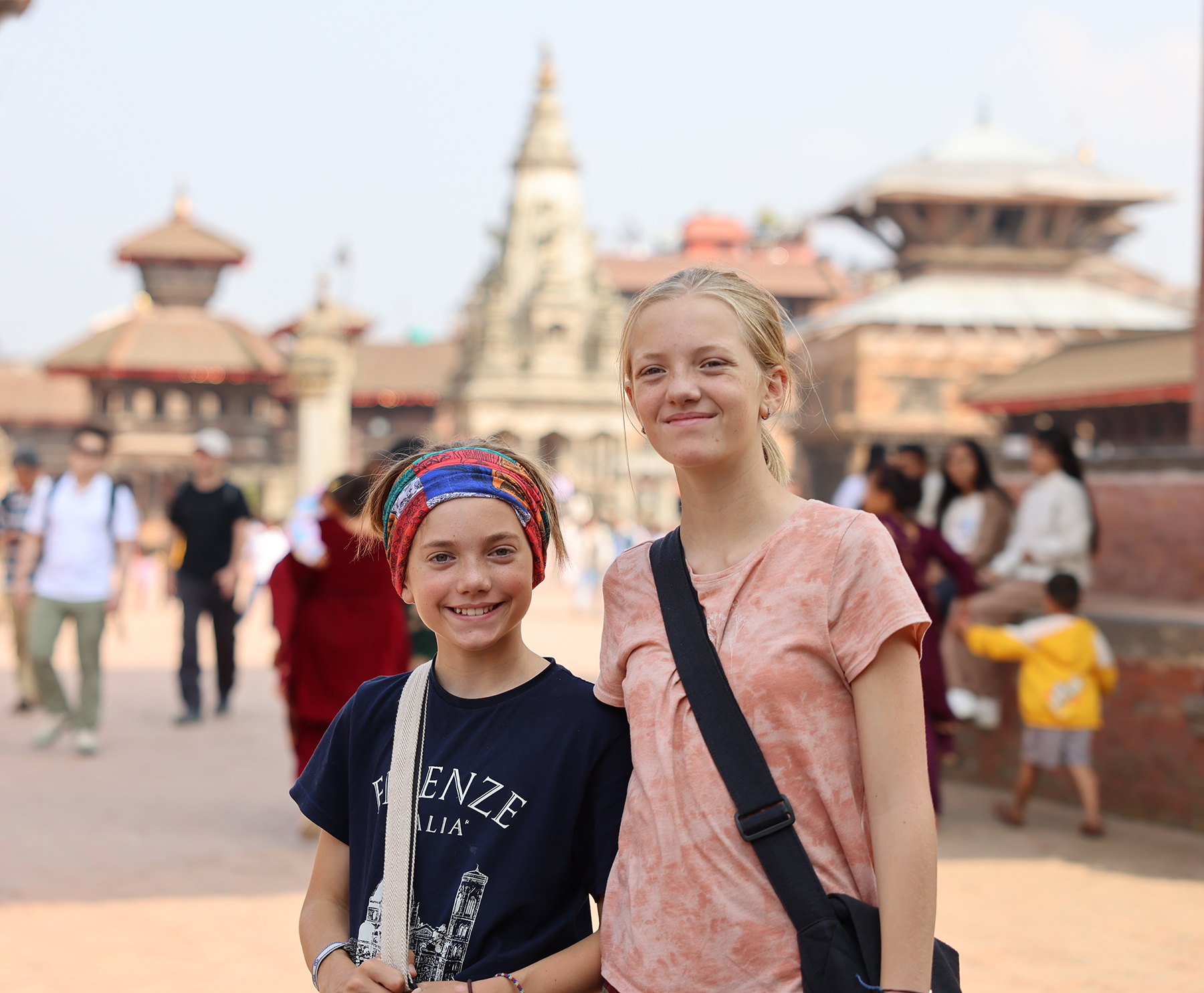
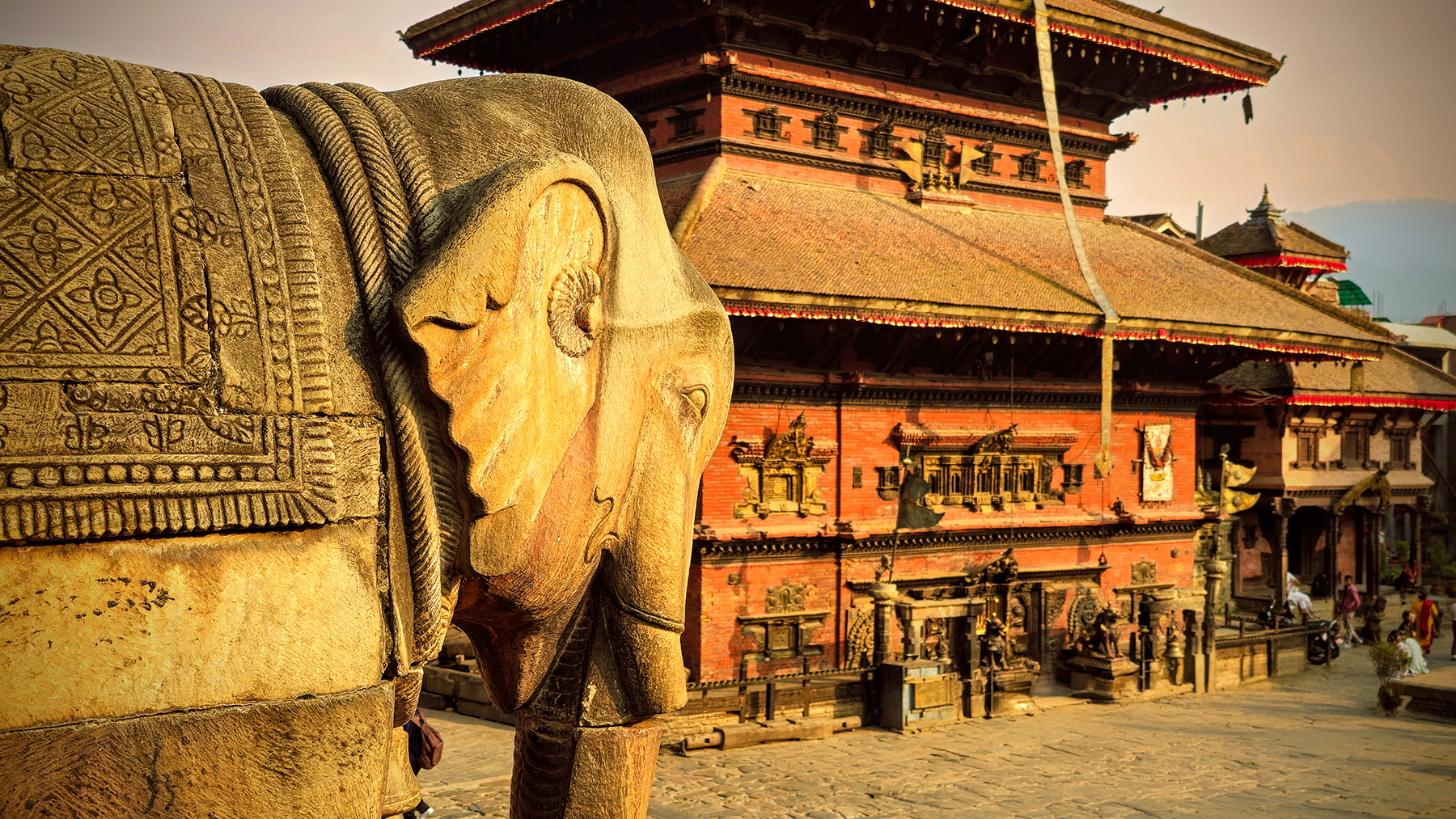
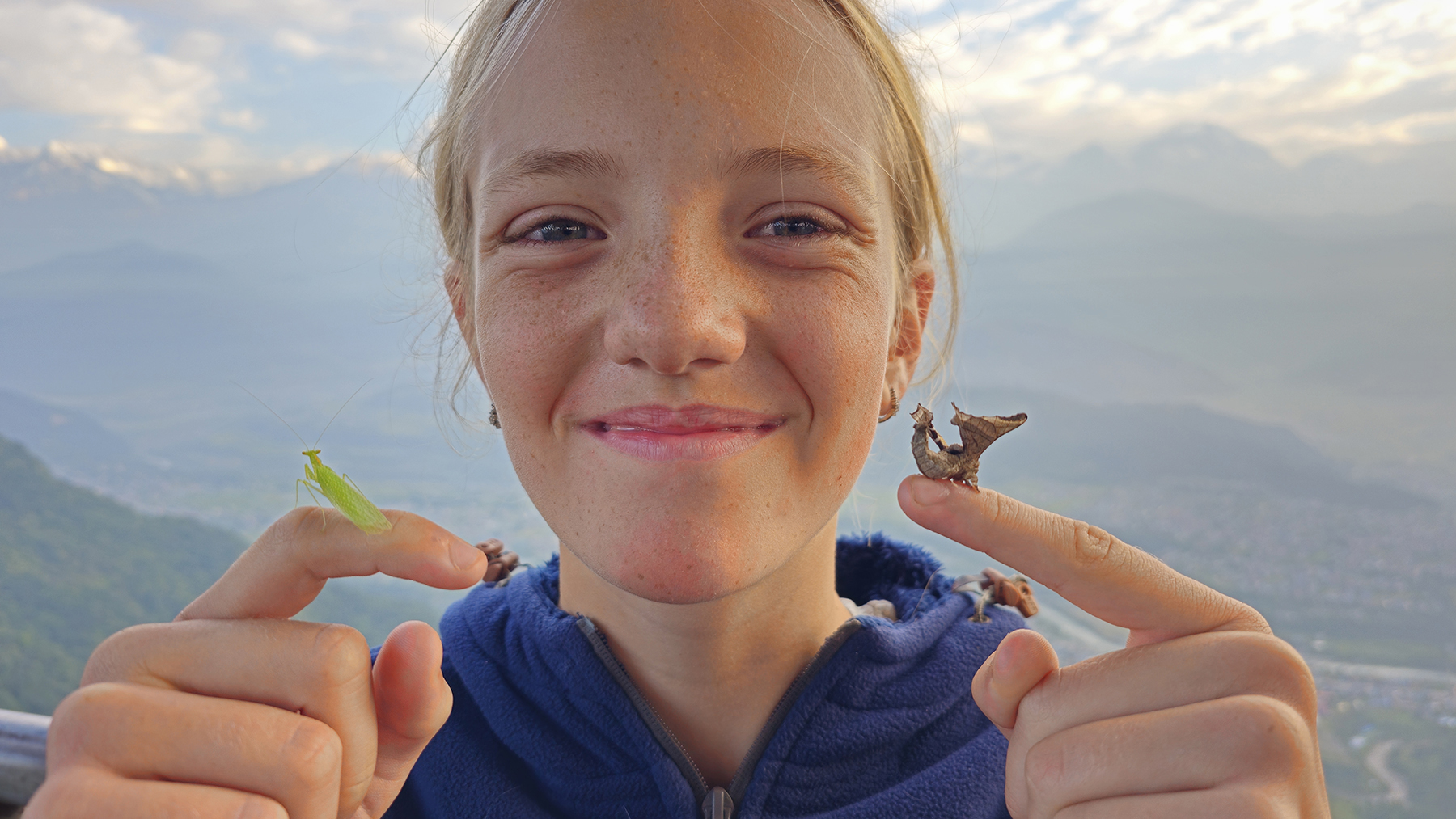
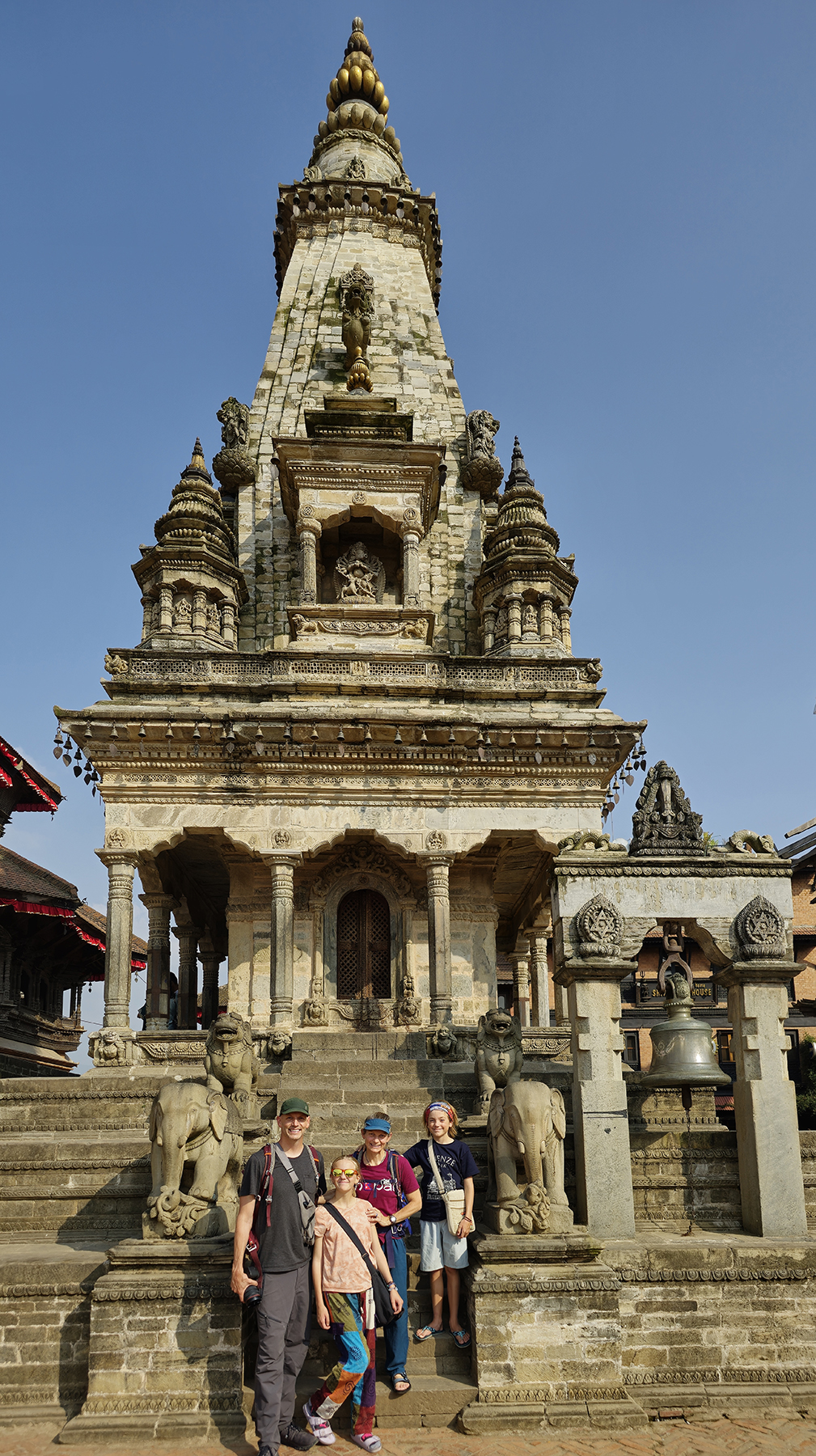
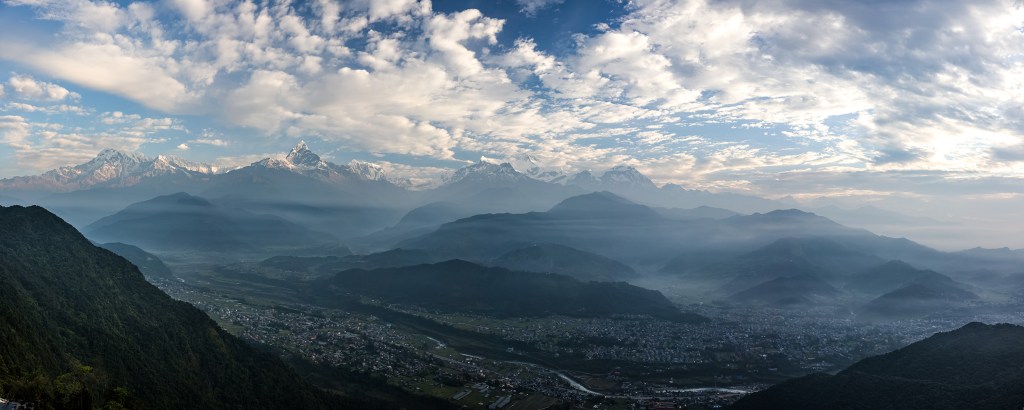
Finally returning back to the heat and humidity of the valley floor at the trek’s end, I was struck by how quickly our seven day hike had flown by – but it left me feeling energized and ready to go for our next stop. Just a few days of sightseeing in Pokhara and Kathmandu, with highlights including a beautiful sunrise from Sarangkot and a visit to Bhaktapur Durbar Square, remain until we embark on one of our biggest planned adventures of the year. Everest Base Camp here we come!








 Eight Boots Abroad
Leave a comment